Labrador Retriever Know-How in 12 Questions











Quiz Complete!
Everyday Labrador Retriever Know-How: Origins, Traits, and Practical Care

The Labrador Retriever has a way of fitting in almost anywhere, from muddy marshes to suburban living rooms, and that versatility is rooted in how the breed began. Despite the name, the Lab did not originate in Labrador. Its story starts in Newfoundland, where fishermen relied on sturdy water dogs to help haul nets, retrieve lines, and fetch anything that slipped into the sea. These dogs, often called St Johns water dogs, were valued for their work ethic and comfort in cold water. When British sportsmen encountered them in the 1800s, they brought them to the United Kingdom and refined the breed into the Labrador Retriever we recognize today, built for retrieving game with a soft mouth and a steady temperament.
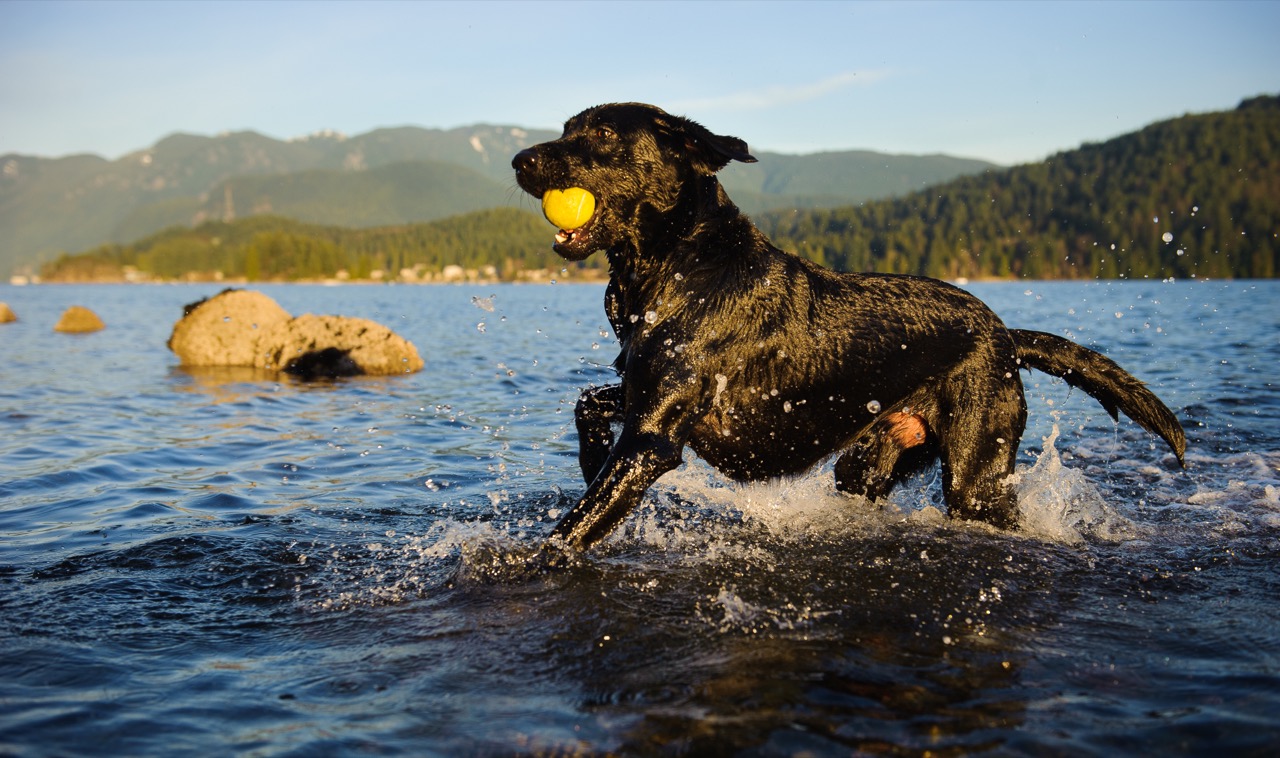
A Lab’s body is full of practical design features that explain why they are such capable swimmers. The thick double coat has a weather-resistant outer layer and a dense undercoat that helps insulate against cold water. Their well-known otter tail is not just cute; it acts like a rudder, helping them steer while swimming. Many Labs also have slightly webbed feet, which can give them extra push in water and on soft ground. These traits make it easy to understand why Labs became famous in duck blinds and why many still light up when they see a pond.
Temperament is a major reason Labs show up in family photos and service work. Well-bred, well-socialized Labs are typically friendly, people-oriented, and eager to engage. That friendliness can be a double-edged sword: they may greet strangers like old friends, which is wonderful for social settings but not ideal if you want a natural guard dog. Labs tend to be enthusiastic, especially as adolescents, and that energy can translate into jumping, pulling, and grabbing things if they are not taught manners early.
Training a Labrador is often rewarding because they are usually motivated by food, toys, and praise. Their strong appetite is legendary, so treats can be a powerful tool, but it also means owners need to watch portion sizes. Consistent positive reinforcement, short practice sessions, and clear rules help channel their eagerness into good habits. Early socialization and basic cues like sit, stay, come, and leave it can prevent common problems such as counter surfing, chewing, and overexuberant greetings. Many Labs love carrying items, so giving them appropriate fetch games or retrieval tasks can satisfy their instincts.
Exercise is not optional for most Labs. A daily walk may not be enough for a young, healthy dog; many need a mix of brisk activity and brain work. Swimming, fetch, hiking, and scent games can burn energy while keeping joints happier than constant high-impact running. Mental stimulation matters too, because a bored Lab can become a creative home remodeler.
Grooming is straightforward but not minimal. Labs shed year-round and often heavily during seasonal coat changes. Regular brushing helps manage hair and keeps the coat healthy. Baths are needed occasionally, especially for dogs that love mud or lake water, but overbathing can dry the skin. Don’t forget nails, ears, and teeth. Their ears can trap moisture, so drying and checking them after swimming can reduce the risk of ear infections.
Health-wise, Labs are generally robust, but there are issues worth knowing. Hip and elbow dysplasia can occur, and maintaining a healthy weight is one of the best ways to protect joints. Obesity is a common problem in the breed, partly because many Labs act like they are always starving. Some may be prone to certain eye conditions, and active dogs can injure knees. A good breeder, regular veterinary care, appropriate exercise, and smart feeding habits go a long way toward keeping that famously happy Lab grin around for years.