Inventive Basset Hounds Science, Scent, and Surprises
Quiz Complete!
Inventive Basset Hounds: Science, Scent, and Surprises
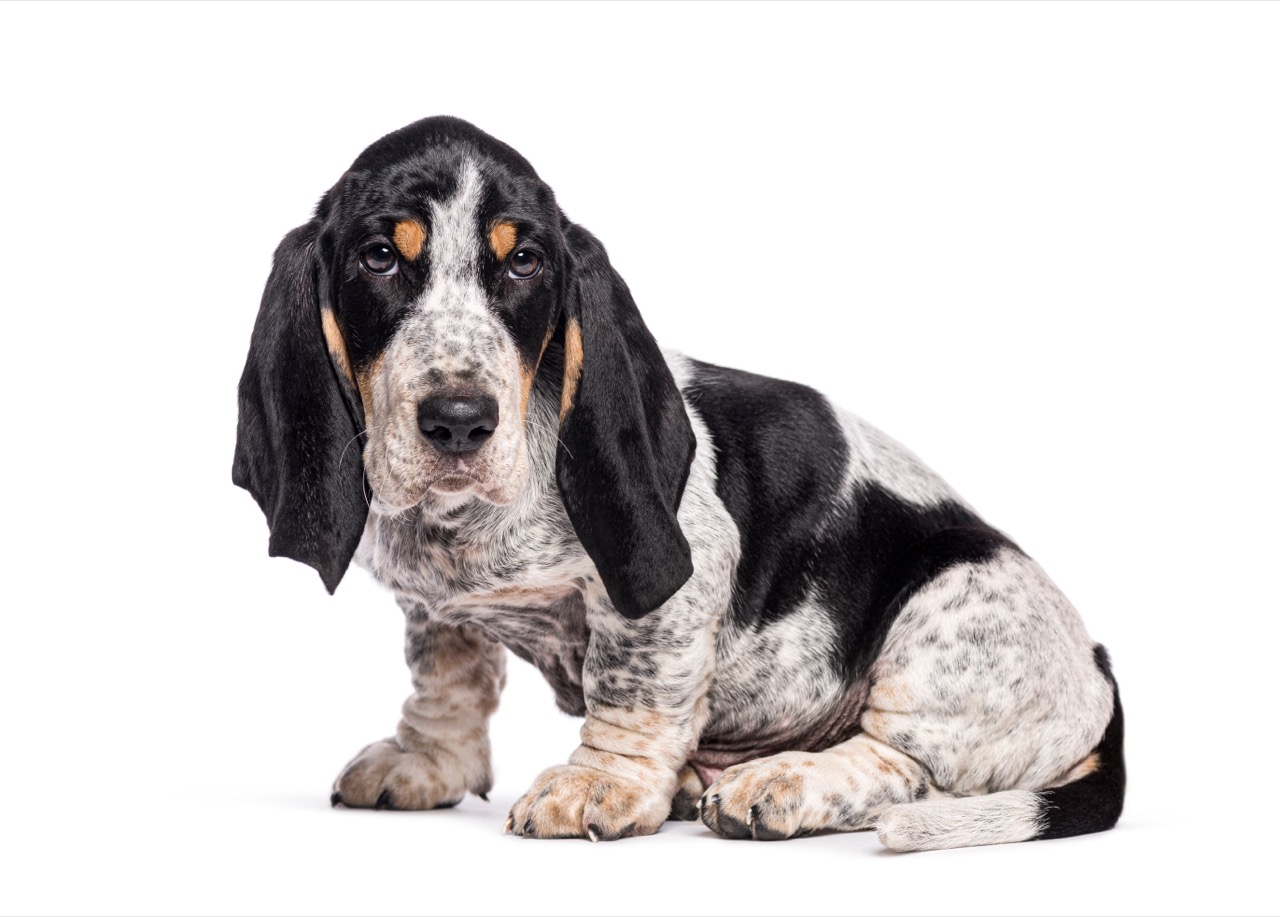
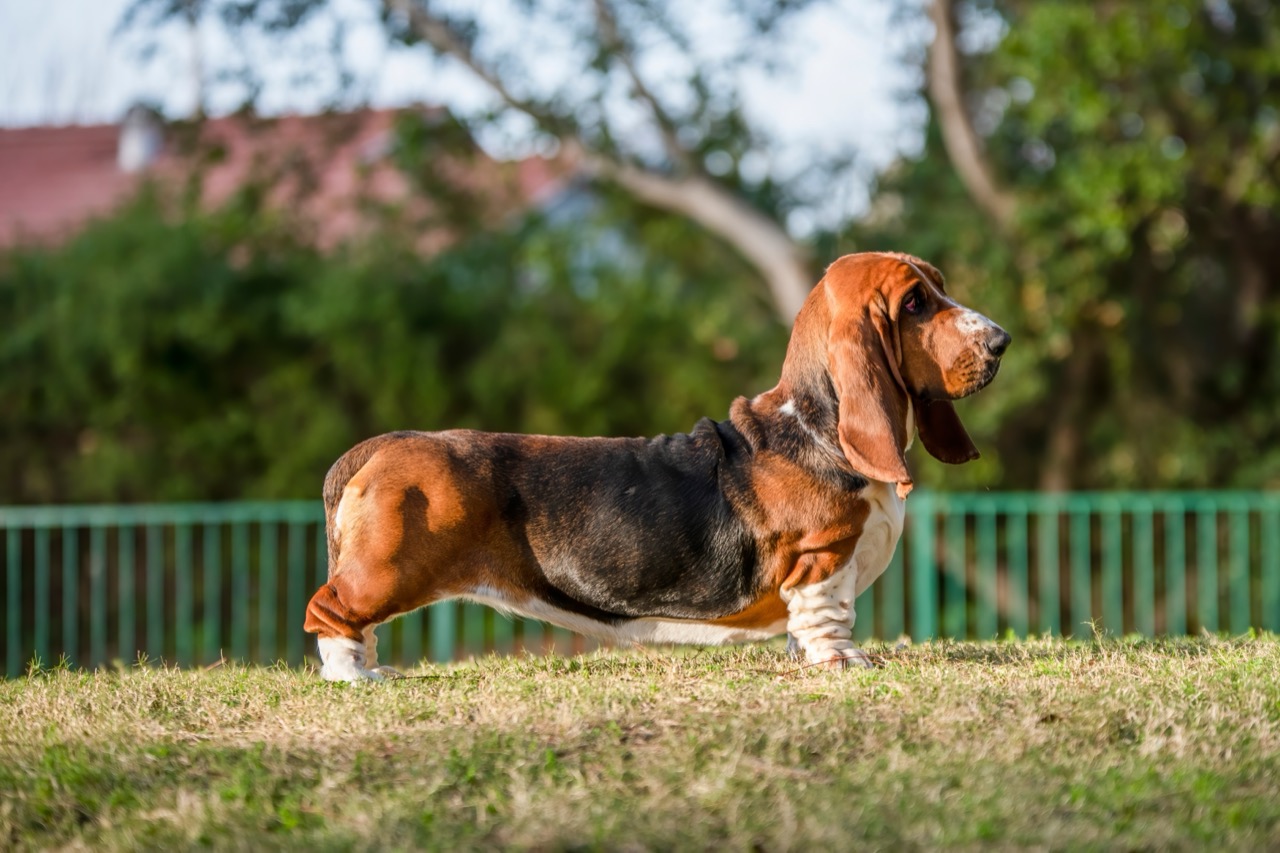
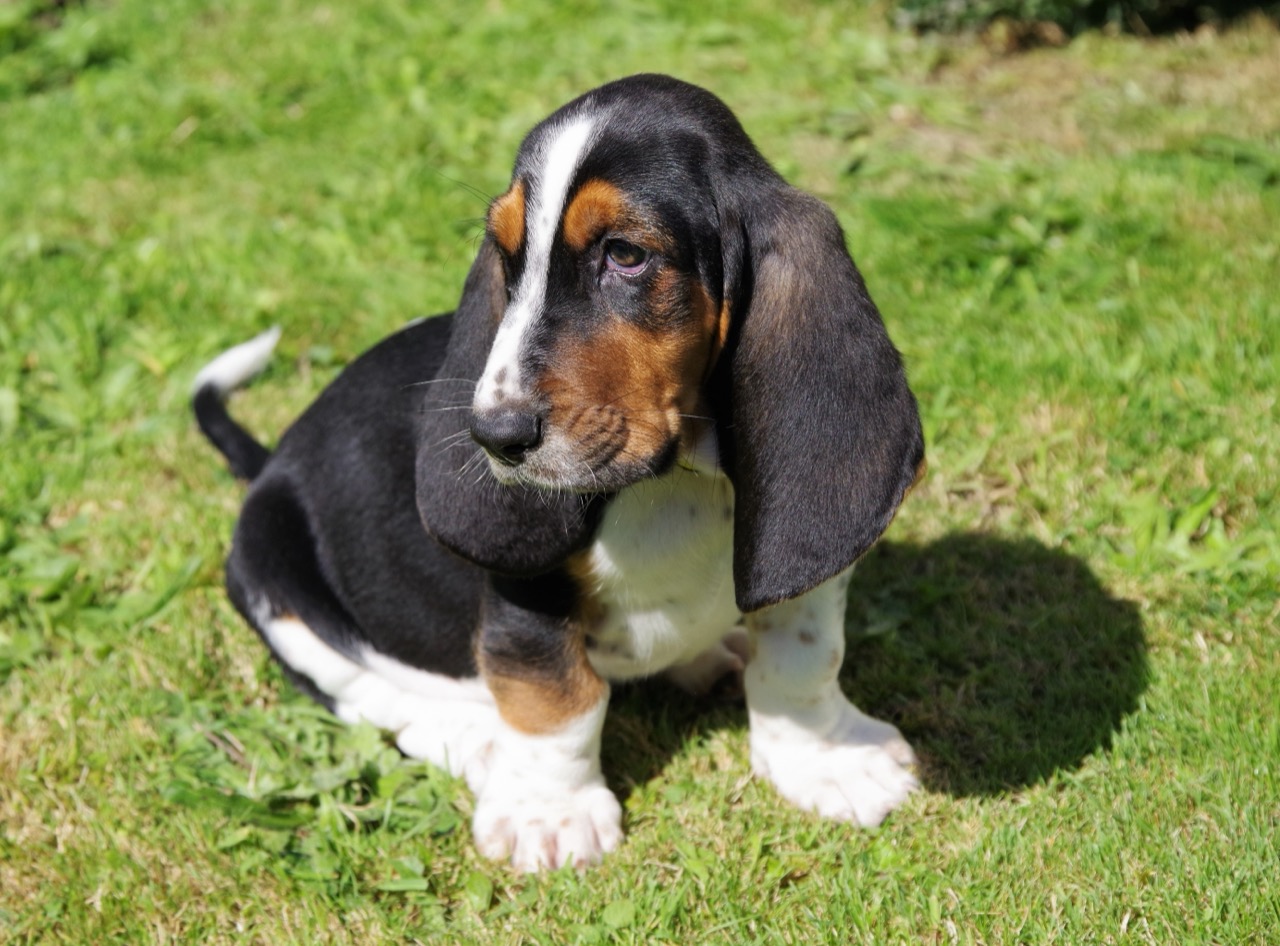
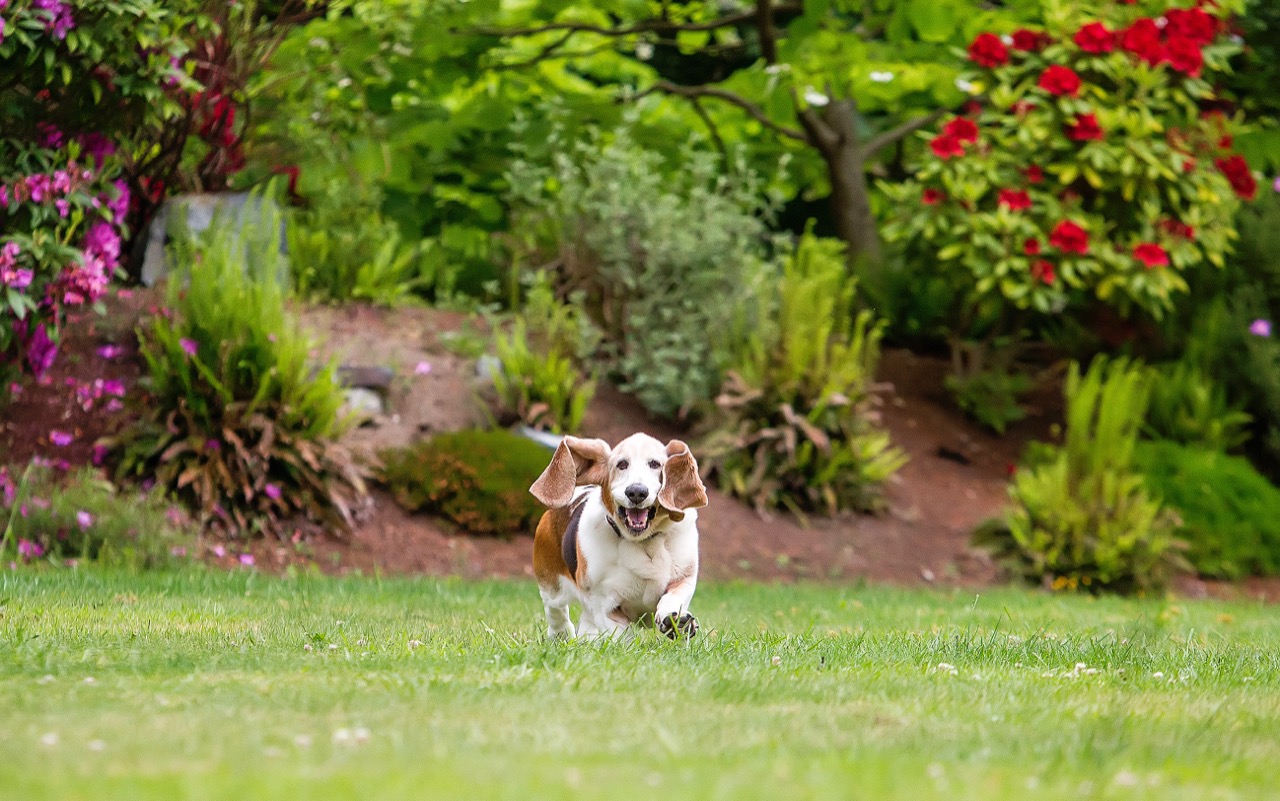
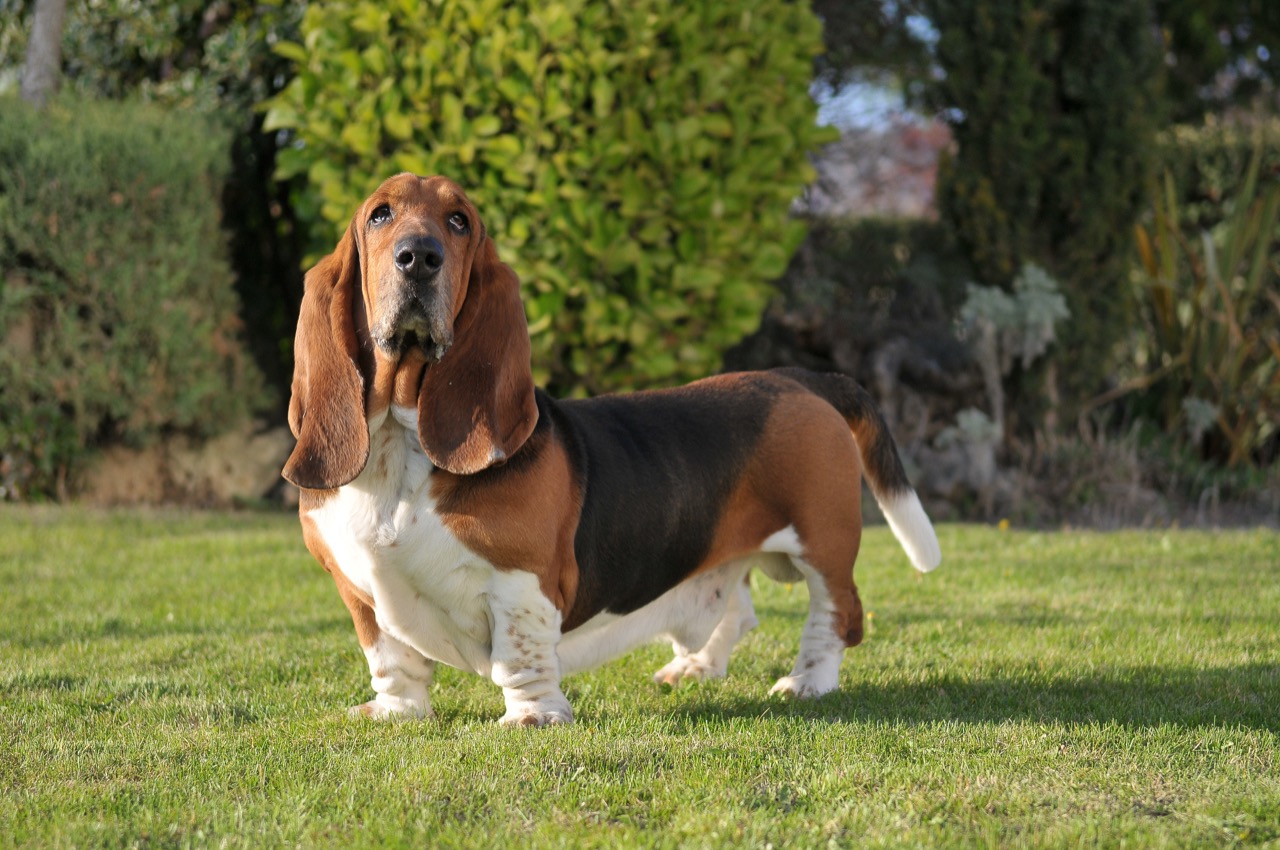
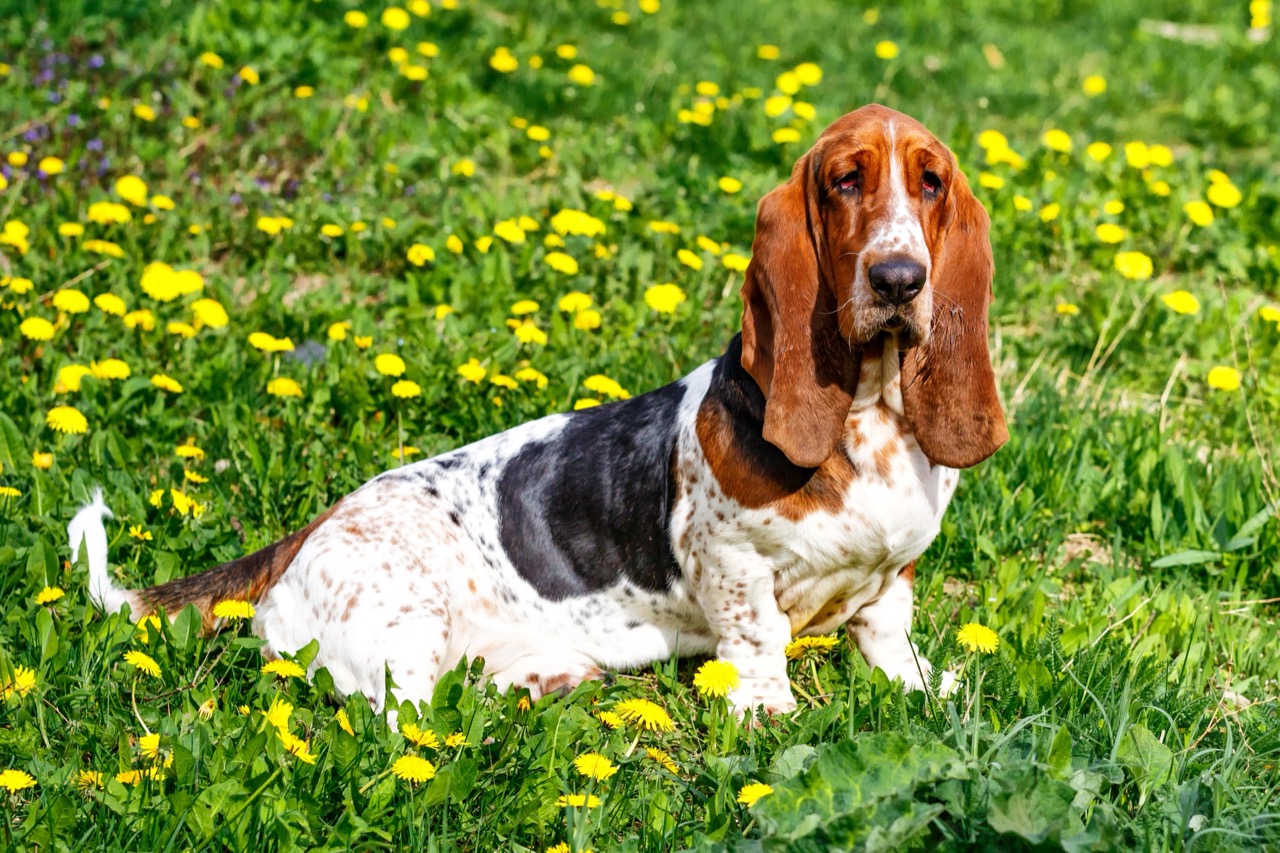
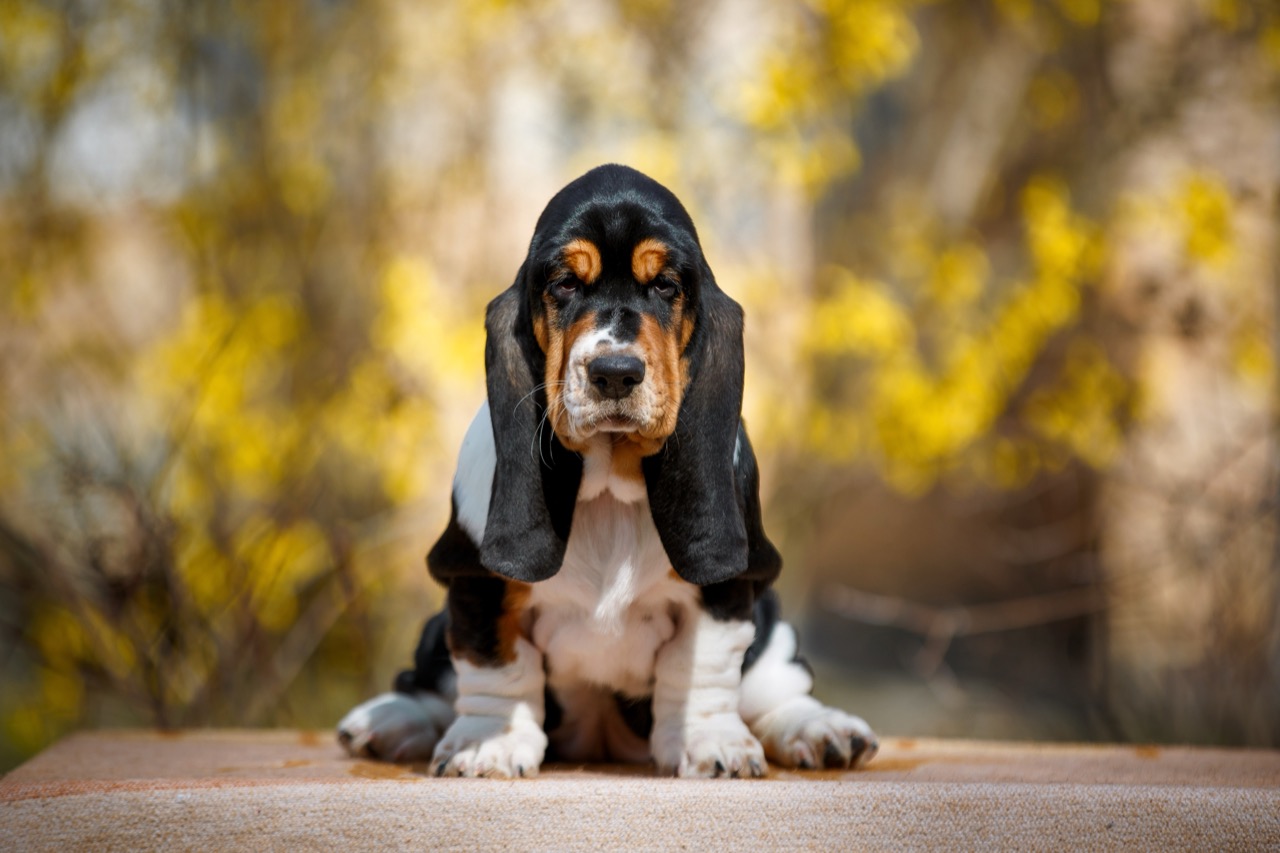
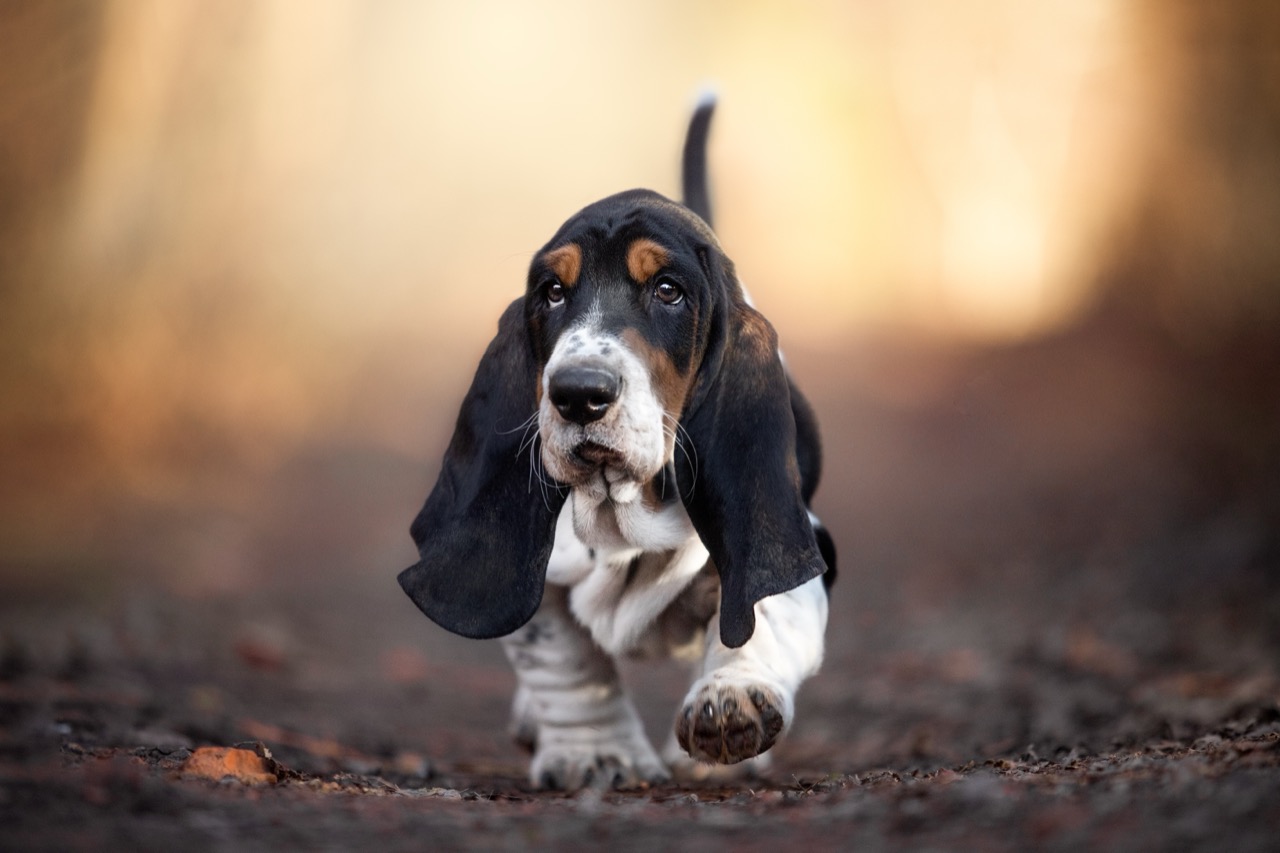
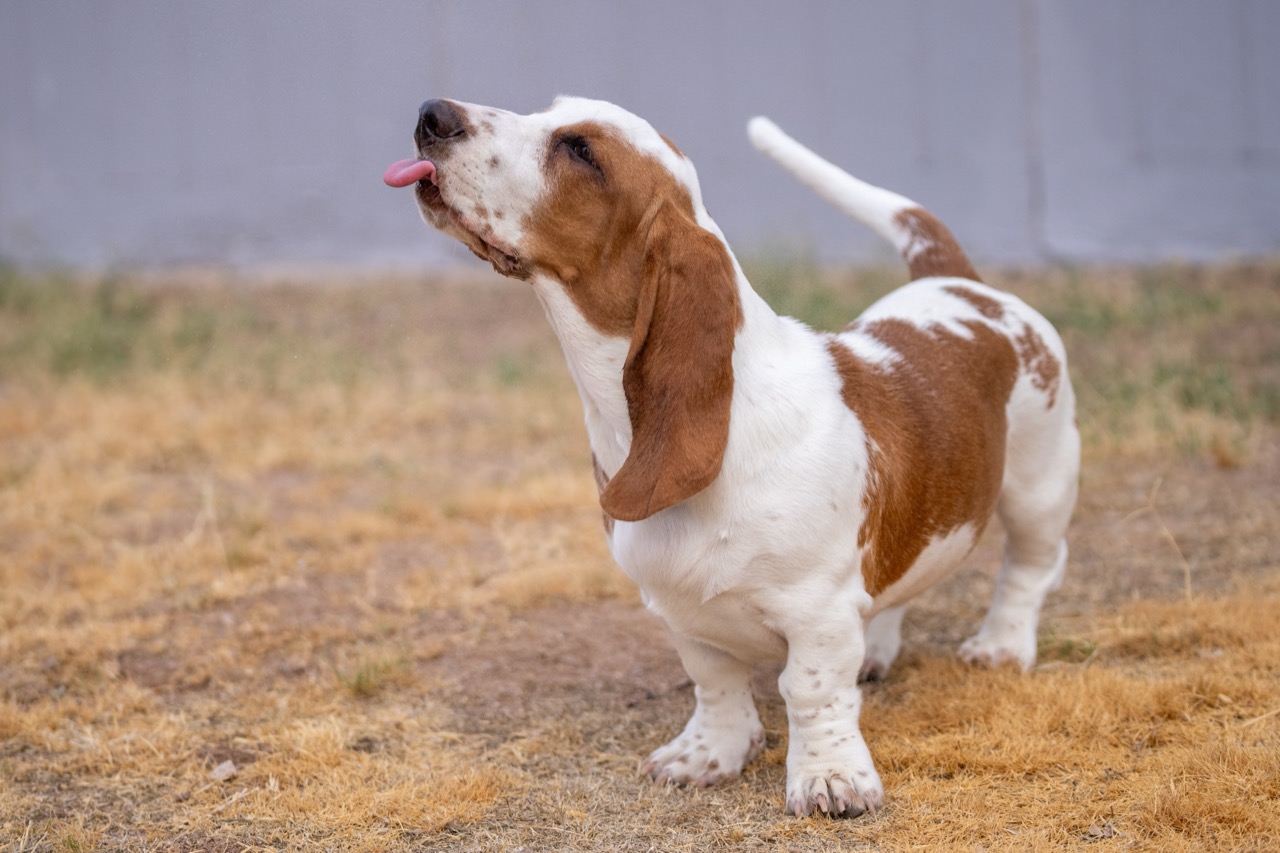
The Basset Hound looks like a comic-strip detective brought to life: long ears sweeping the ground, a body built low and heavy, and a face that seems permanently focused on the next smell. That distinctive shape is not just for show. Over time it has nudged breeders, handlers, and scientists to ask practical questions about how dogs track scent, how anatomy influences movement, and how to keep a specialized body comfortable and healthy.
Bassets are scent hounds, meaning they were developed to follow ground trails with persistence rather than speed. Their low stature keeps the nose close to where odor settles, especially in cool, damp conditions when scent clings to vegetation and soil. Handlers often describe their tracking style as methodical: the dog moves in a steady line, checking and rechecking the trail, rather than sprinting ahead. That behavior has influenced how tracking tests are designed. In many scent work and trailing trials, success is not judged by speed alone but by accuracy, commitment to the odor, and the ability to work through distractions. Bassets helped popularize the idea that a good detector dog can be slow and still be excellent.
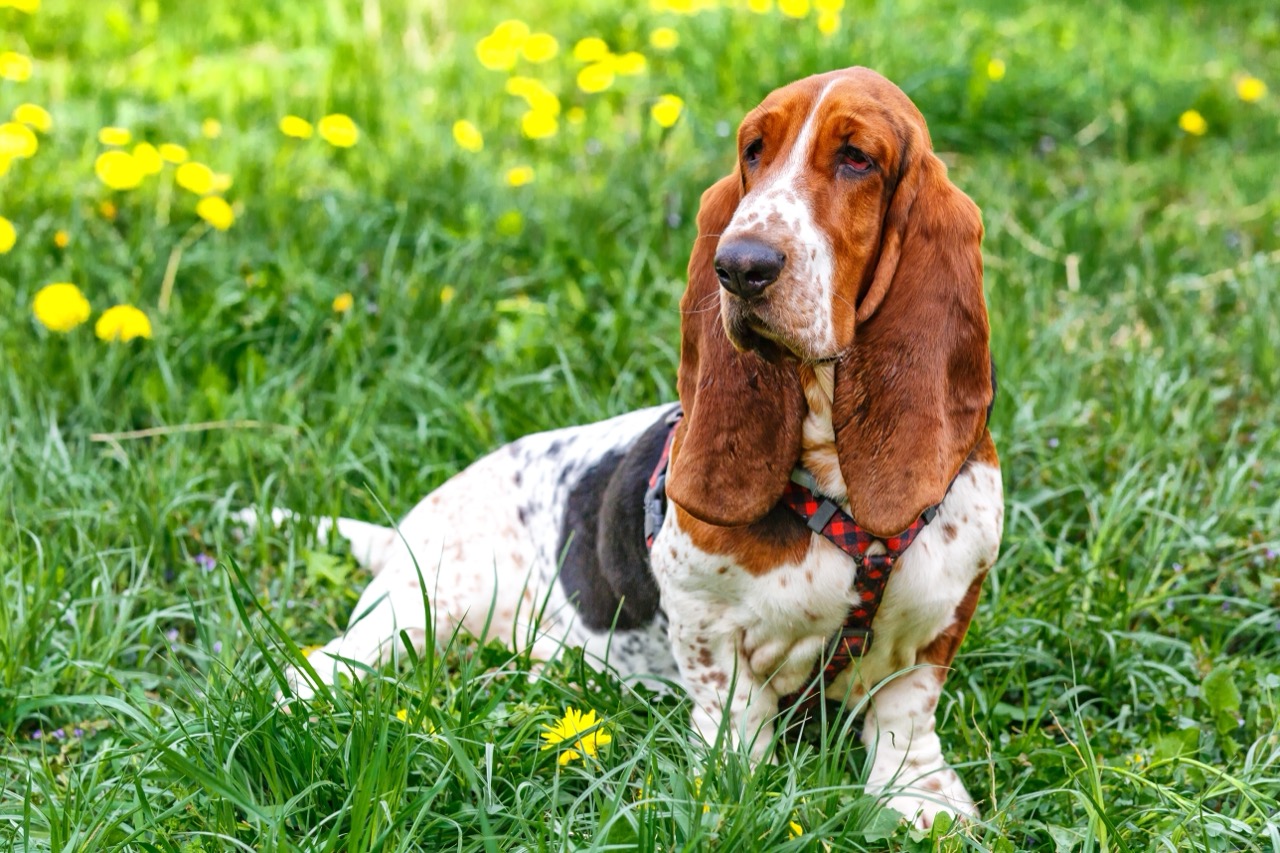
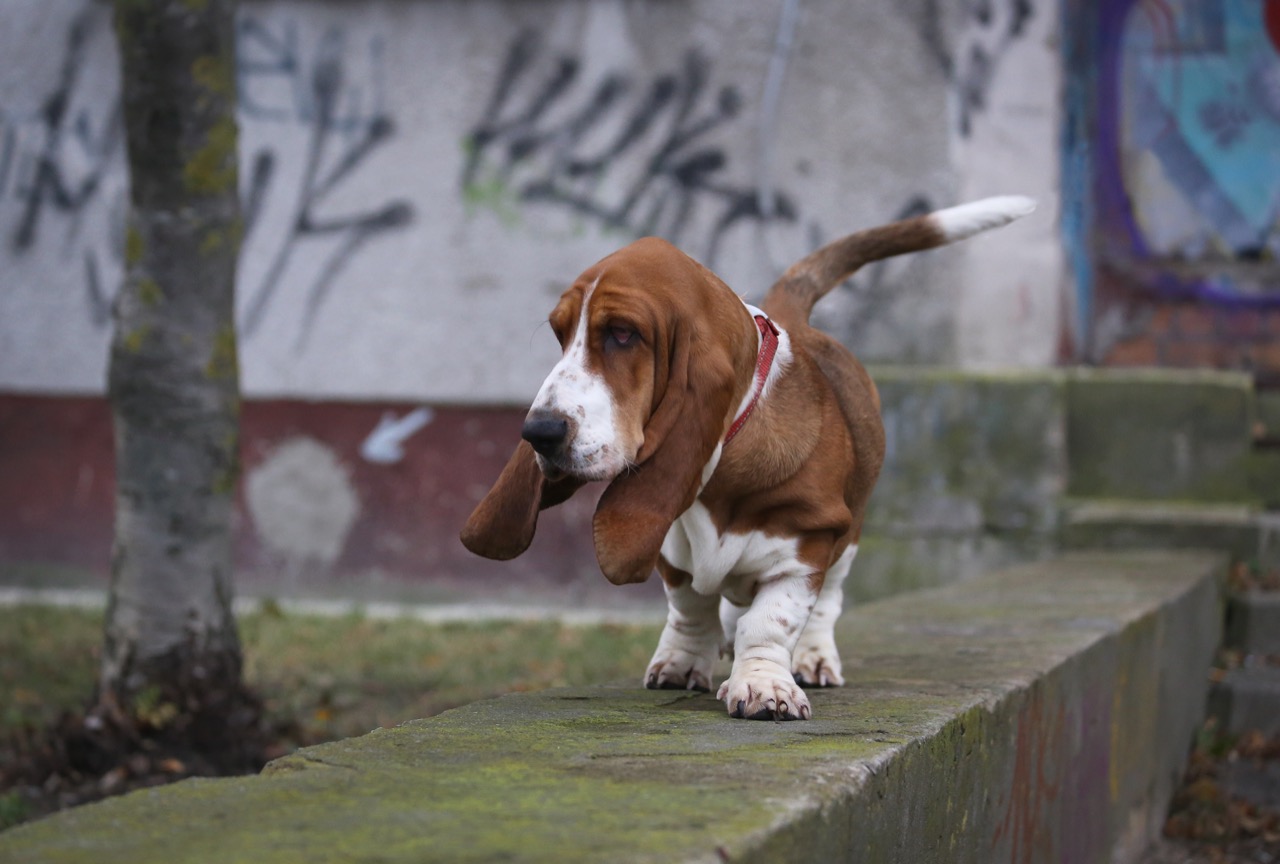
Those famous ears are more than a trademark. When a Basset’s head is down, the ears can stir and funnel air from the ground toward the nose, potentially keeping odor molecules in the dog’s scenting zone. Loose facial skin and heavy lips may also help trap scent near the nostrils. Researchers studying canine olfaction pay attention to how airflow, head position, and nasal anatomy interact during sniffing, and scent hounds provide useful real-world examples. While all dogs have impressive noses, the Basset’s whole design encourages a nose-led lifestyle, making them a natural model for discussions about how form supports function.
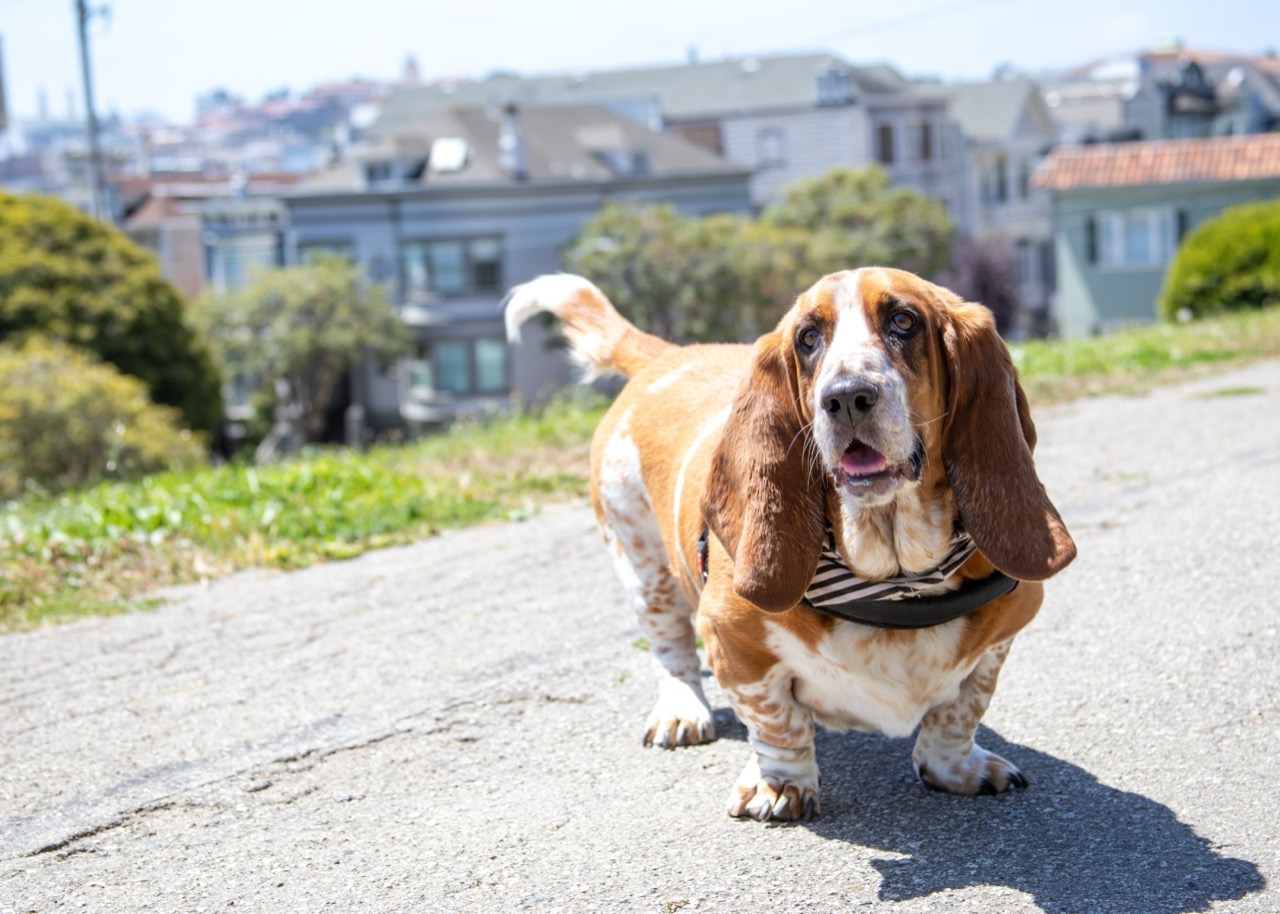
Their build also highlights the trade-offs of specialization. Bassets have heavy bone and a long back on short legs, which can place extra demands on joints and the spine. Veterinarians and rehabilitation specialists often use low-slung breeds to refine mobility advice: controlled exercise that builds muscle without excessive impact, weight management as a daily priority, and home adjustments such as ramps or low steps to reduce repeated jumping. Supportive harness designs, especially those that distribute pressure across the chest and shoulders rather than the neck, have become more common partly because dogs like Bassets don’t fit well into one-size-fits-all gear.
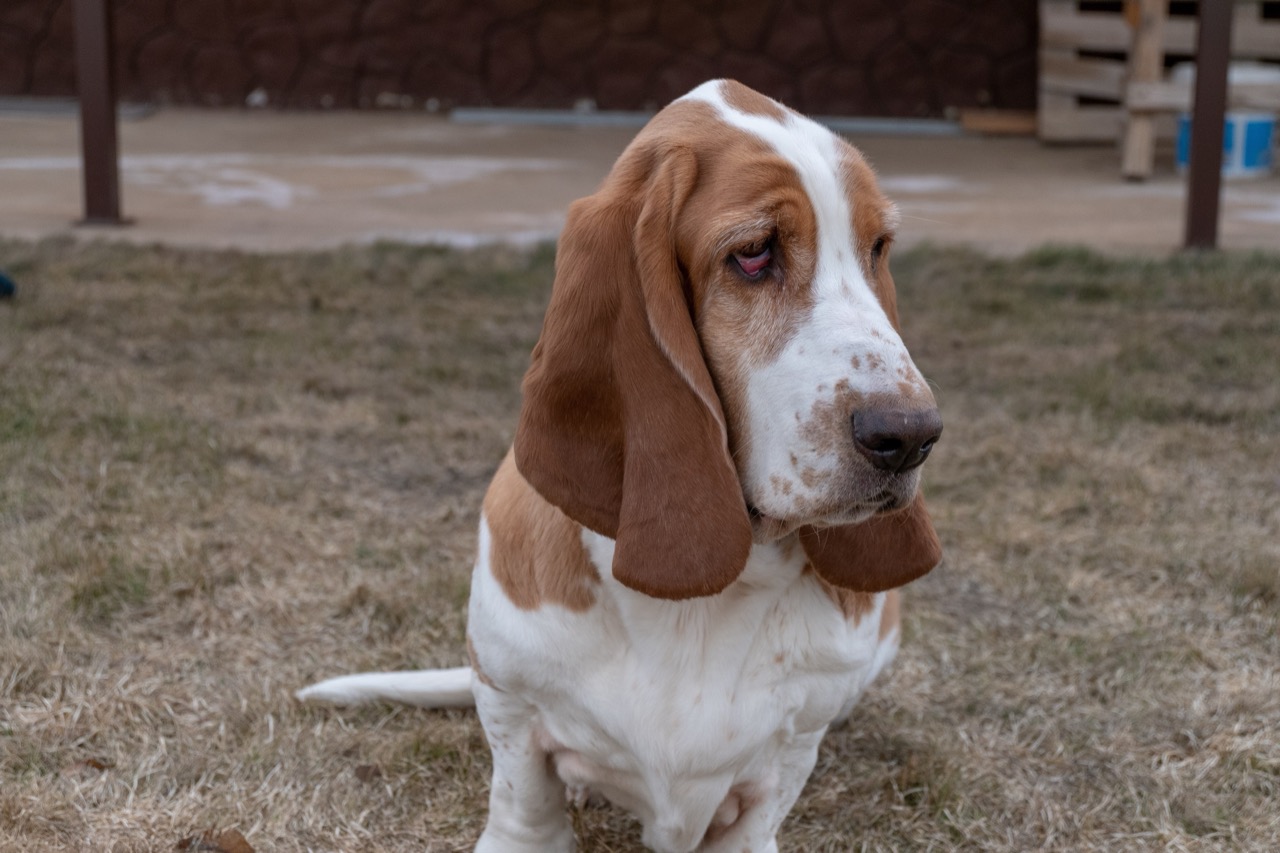
Skin and ear care are another area where Bassets have driven practical innovation. Loose skin folds can trap moisture and debris, so modern grooming guidance emphasizes gentle cleaning, thorough drying, and watching for redness or odor that can signal irritation. Their long ears reduce airflow to the ear canal and can pick up dirt from the ground, which is why many owners learn to check ears routinely and keep them clean without overdoing it. Veterinary dermatology has benefited from these everyday challenges, leading to clearer recommendations on managing wax buildup, yeast overgrowth, and allergy-related flare-ups.
Even the Basset’s personality contributes to working-dog practice. They are often independent thinkers, which has encouraged trainers to rely on motivation, patience, and reward-based methods rather than force. In scent tasks, that independence can be an advantage: a dog that trusts its nose will keep working when the trail is confusing. The result is a breed that is both a lovable household companion and a reminder that canine design is a toolkit. In the Basset Hound, ears, skin, bone, and nose come together to create a specialist, and that specialist has quietly shaped how we test, train, and care for dogs built to follow the invisible world of scent.