Herding Brain, House Dog Life Border Collie Quiz





Quiz Complete!
Living With a Border Collie: The Smart Dog That Needs a Job
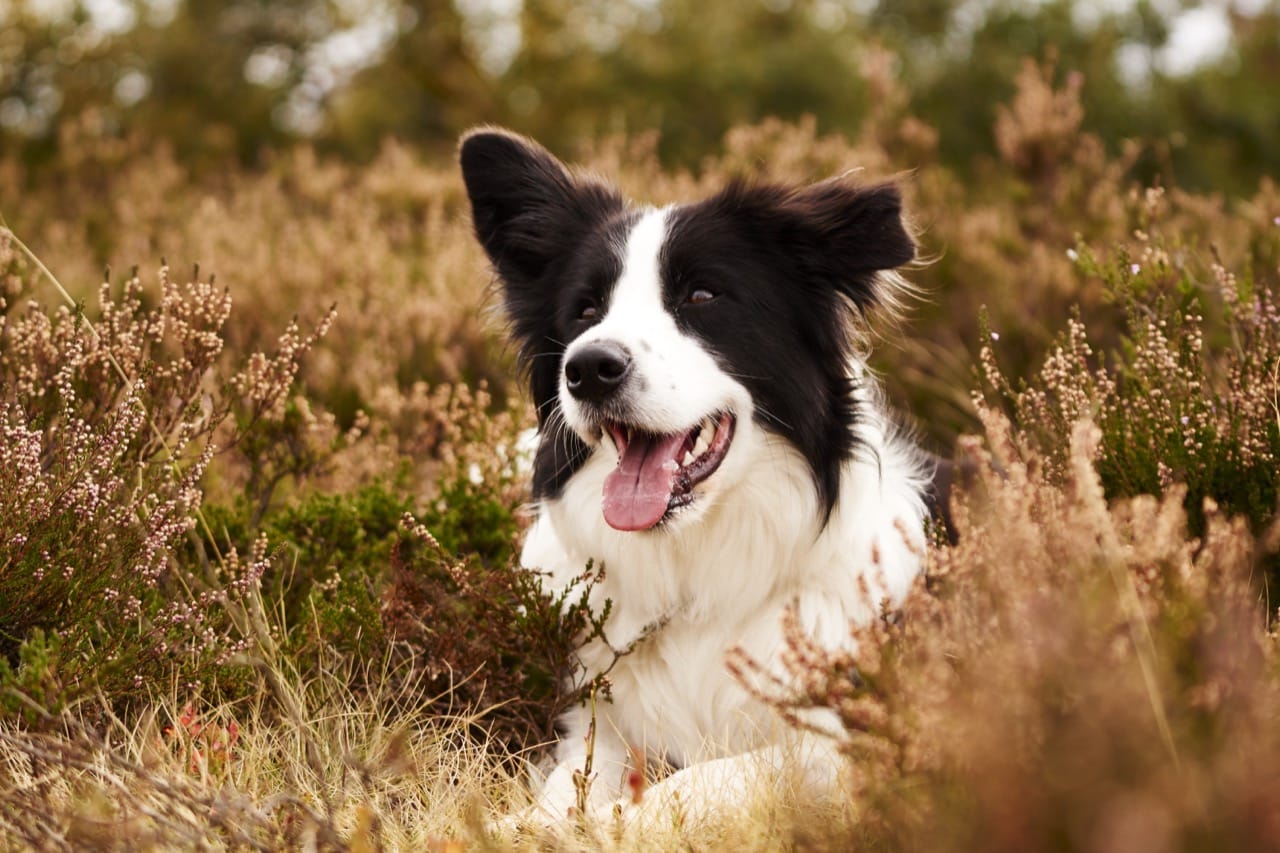
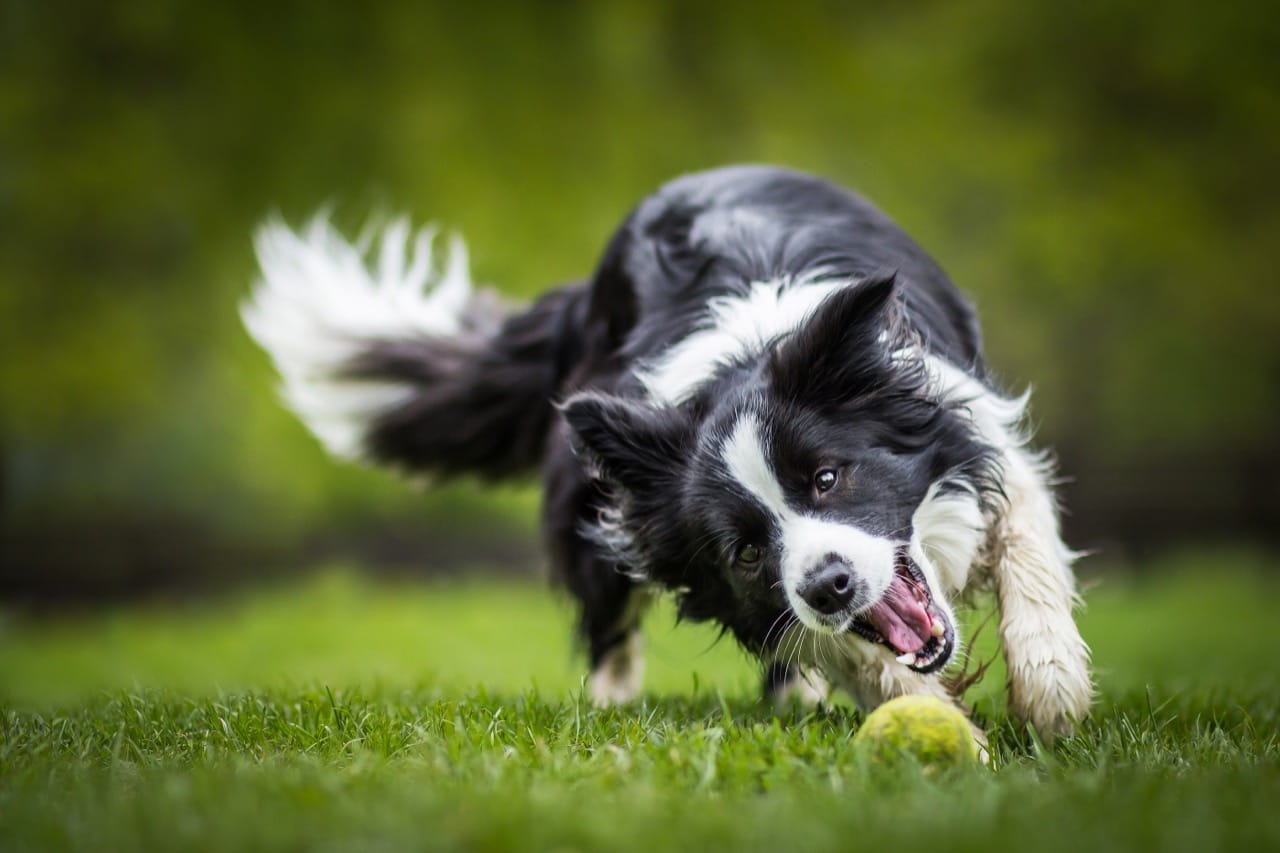
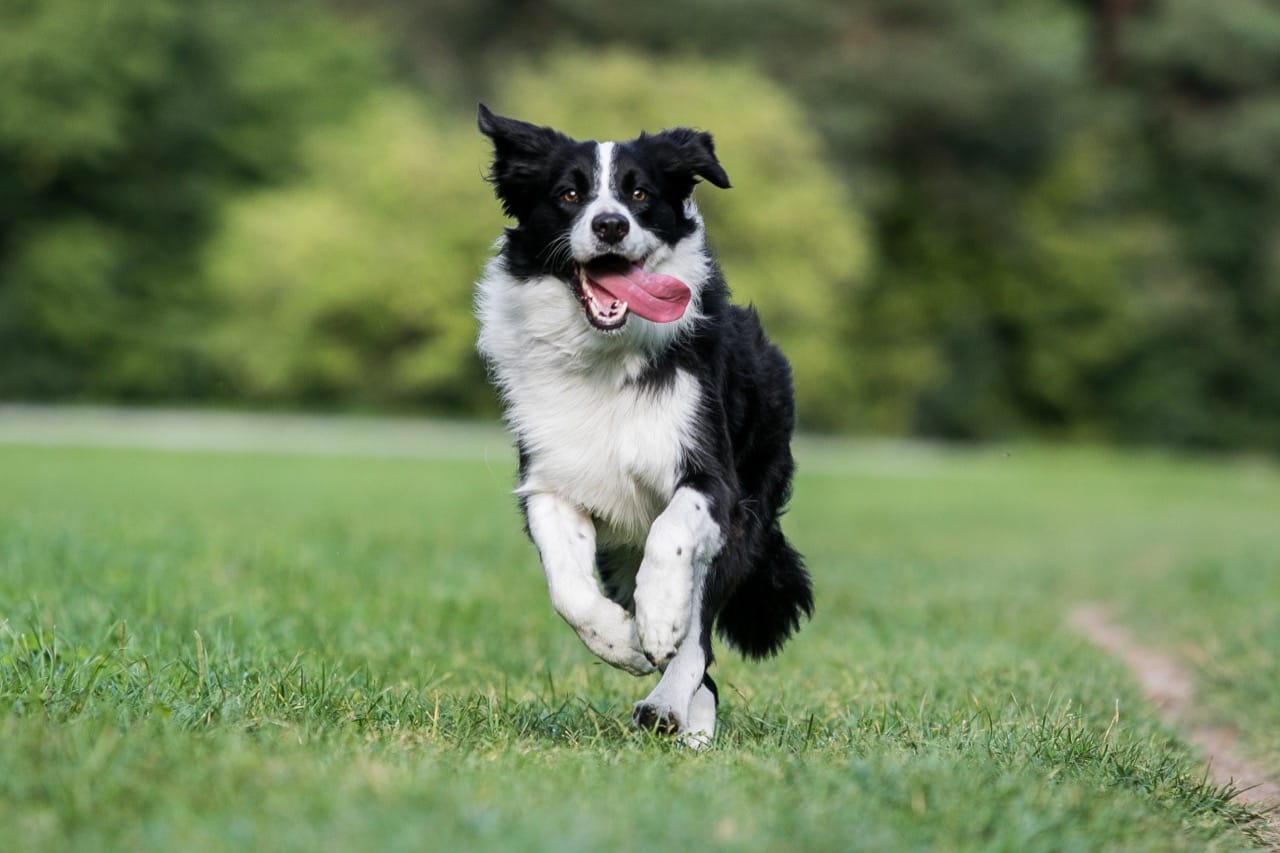
Border Collies have a reputation for being the brainiacs of the dog world, and that reputation is well earned. They were developed to move livestock by reading subtle body language, responding to whistles, and making quick decisions without constant human help. That mix of independence and responsiveness is exactly what makes them so impressive, and also what makes daily life with one different from life with many other breeds.
A Border Collie does not just want exercise; it wants purpose. A long walk can be nice, but many Border Collies will still come home with a full tank if their minds were not engaged. That is why people sometimes describe them as having an off switch that is hard to find. The goal is not to exhaust them into good behavior, but to balance physical activity with mental work. Short training sessions, puzzle feeders, scent games, and learning new cues can take the edge off more effectively than simply adding miles.
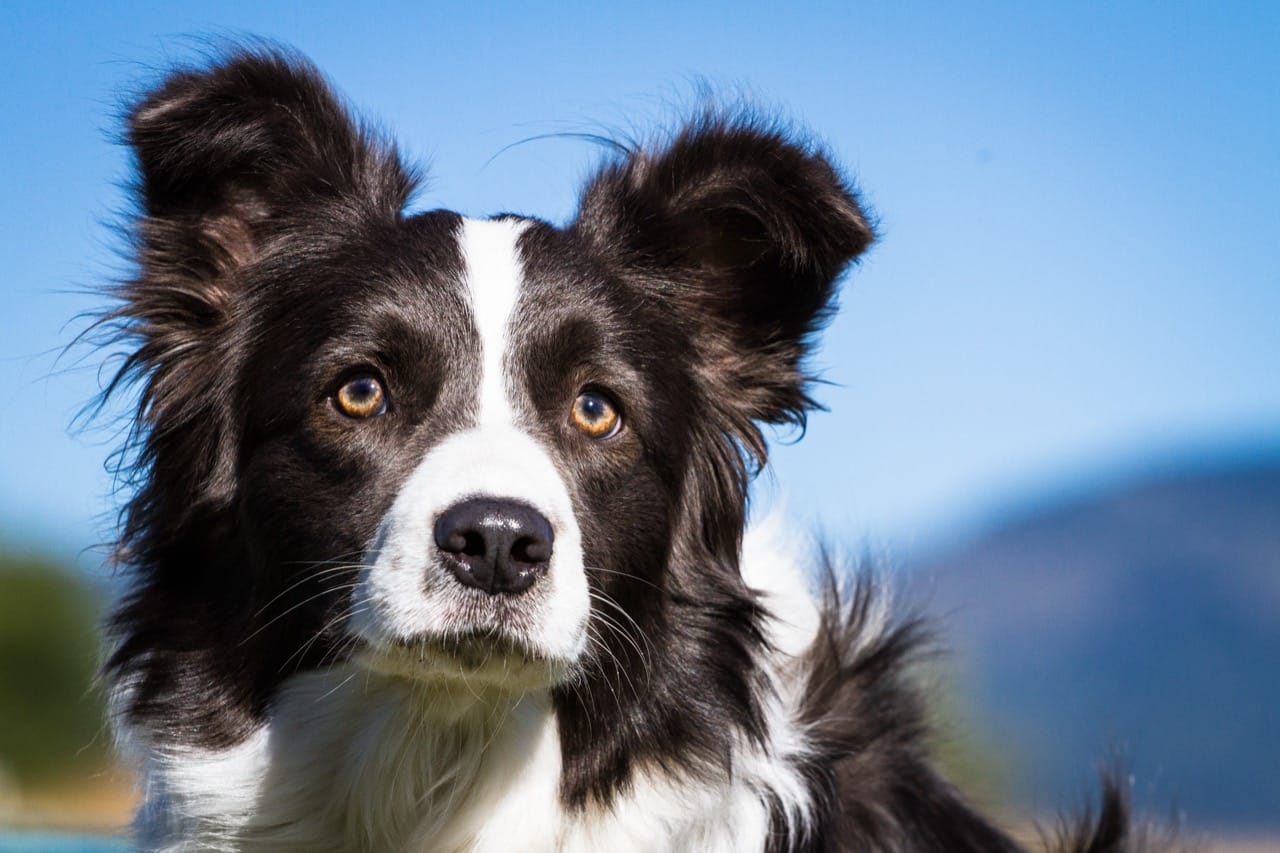
Their famous intense stare is not a spooky personality trait. It is part of the herding toolkit, sometimes called “the eye,” used to control movement by applying pressure. In a home setting, that focus can show up as a dog that watches you constantly, anticipates patterns, and becomes frustrated if routines are inconsistent. It is common for a Border Collie to learn household schedules quickly, including when you usually leave, when the mail arrives, and which drawer contains treats. This is helpful when you are teaching good habits, but it can also mean they learn unwanted habits just as fast.
Boredom is where many problems begin. A Border Collie left without a constructive outlet may invent one, and their inventions can be surprisingly creative. Some become obsessive about shadows, reflections, or moving objects like bicycles and cars. Others try to herd children, guests, or other pets by circling, staring, and nipping at heels. These behaviors are not signs of a “bad dog” so much as a dog using inherited instincts without guidance. The most effective approach is to prevent rehearsal of the behavior, redirect to an appropriate task, and reward calm choices. Teaching a settle cue, building mat training, and reinforcing relaxed behavior can be just as important as teaching tricks.
Training style matters. Border Collies tend to thrive with clear feedback and variety. Because they are sensitive and observant, harsh corrections can backfire, creating worry or avoidance, while sloppy timing can create confusion. They often enjoy shaping and reward based methods that let them think, but they also need boundaries so they do not start offering frantic behaviors in an effort to guess what you want. Keeping sessions short, ending on success, and rotating skills helps prevent burnout. It is also wise to teach practical life skills early, like polite leash walking, impulse control at doors, and the ability to relax when nothing is happening.
Grooming is usually manageable, but it is not zero effort. Border Collies can have rough or smooth coats, and many have a double coat that sheds seasonally. Regular brushing helps with loose hair and reduces matting, especially behind the ears, in the pants, and around the tail. Their athletic lifestyle can also mean muddy paws and the occasional burr collection, so quick checkups after outdoor time are part of the routine.
The happiest Border Collies are not necessarily the ones doing the most, but the ones whose days make sense to them. A predictable rhythm, meaningful activities, and training that respects their intelligence can turn that working dog intensity into a loyal, hilarious, deeply satisfying companion. When their brain has a job and their body has an outlet, the “creative chaos” tends to stay where it belongs: in games you chose, not in your living room.