Guardians in Pop Culture Doberman Traditions Quiz
Quiz Complete!
Guardians in Pop Culture and the Doberman Tradition
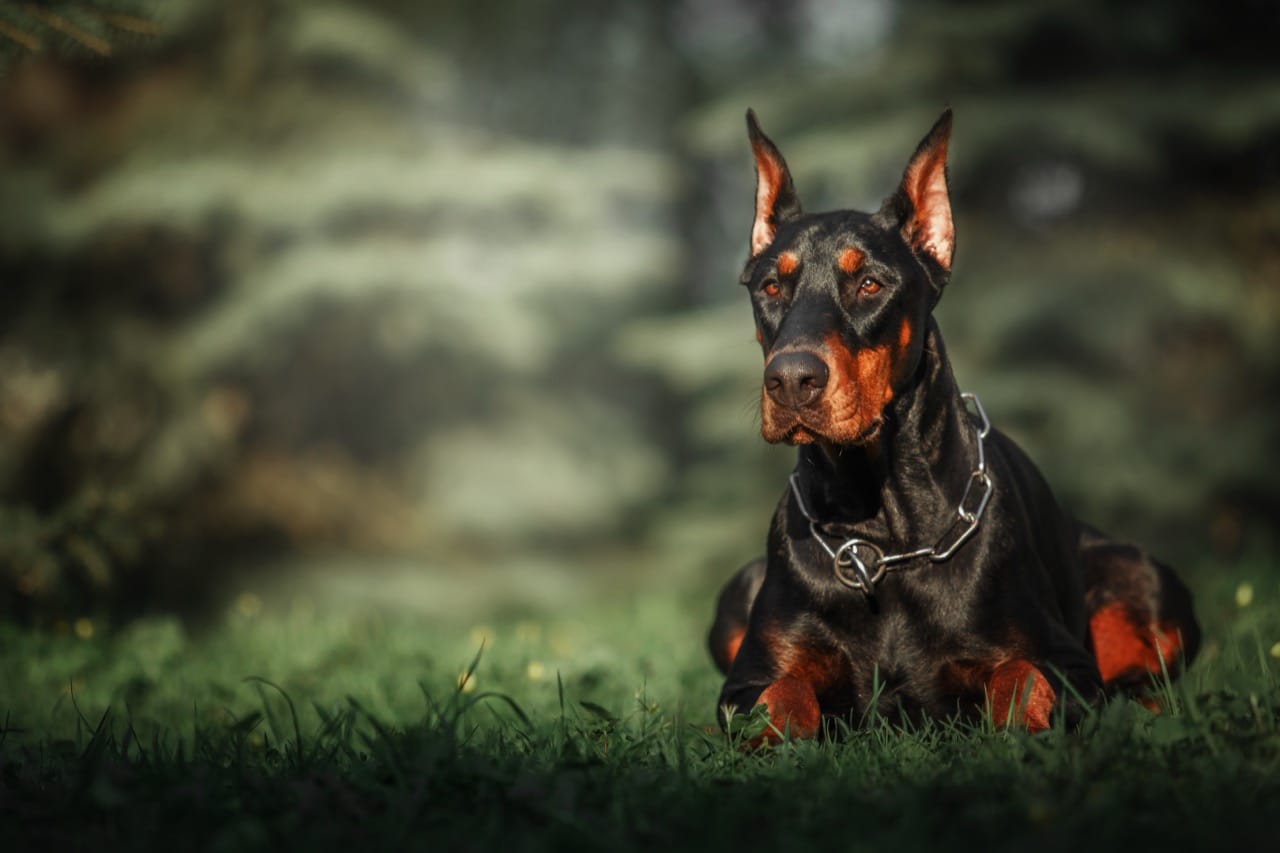
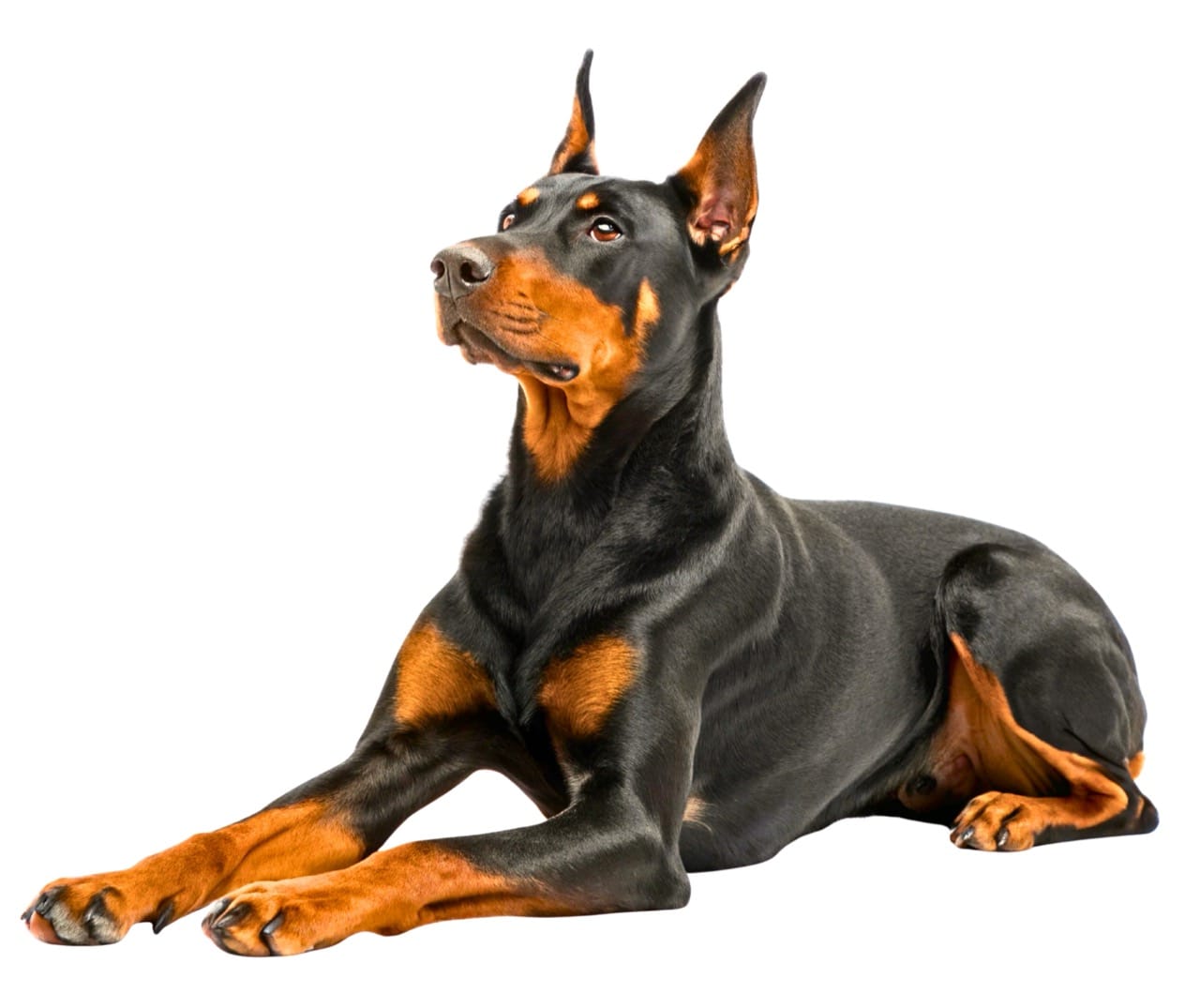
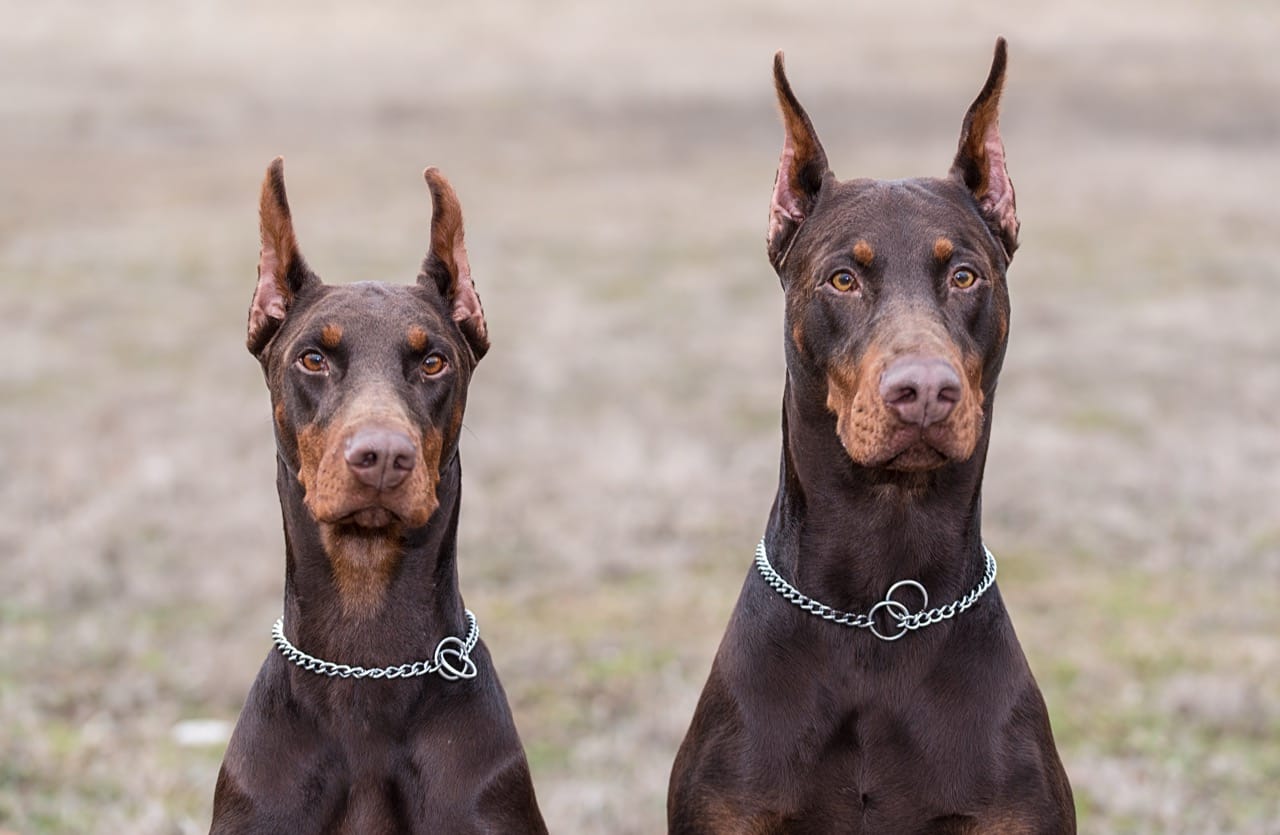
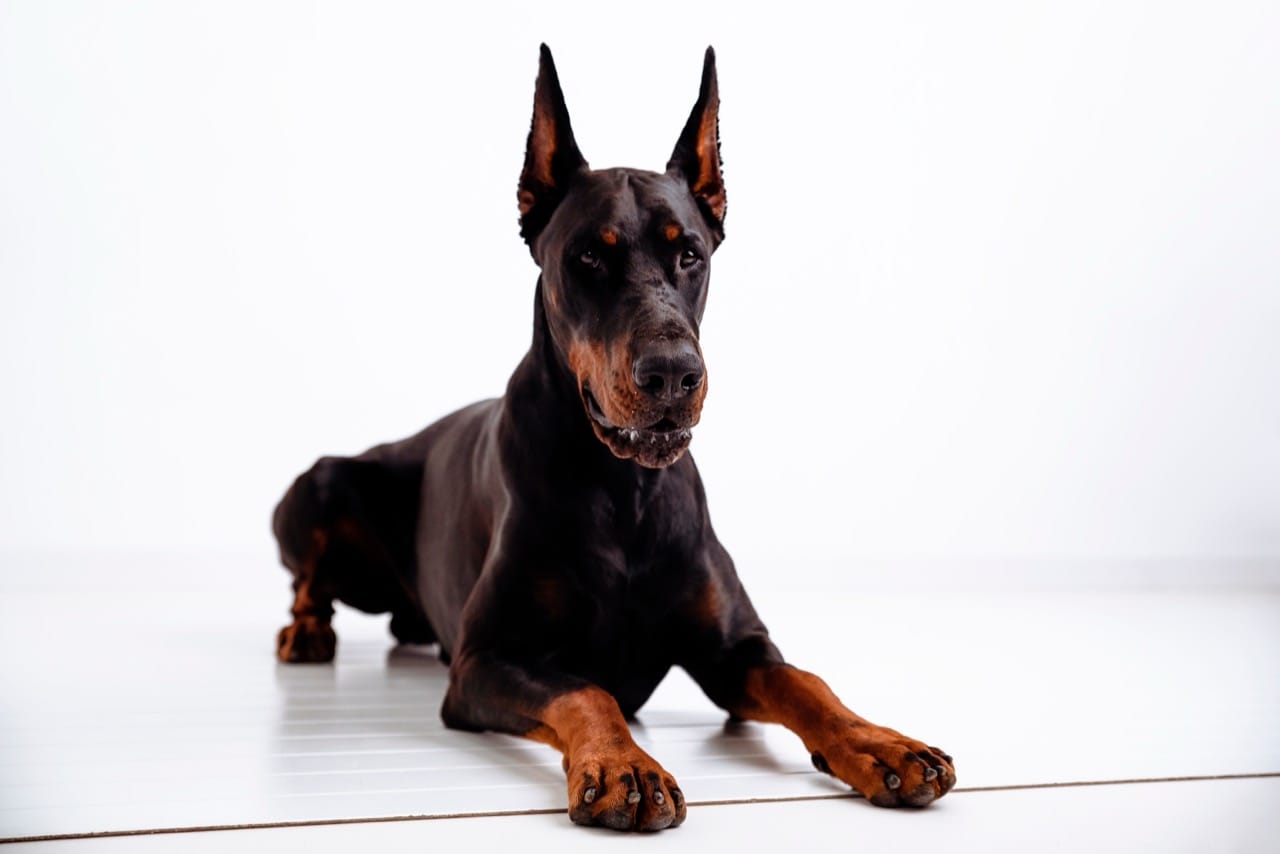
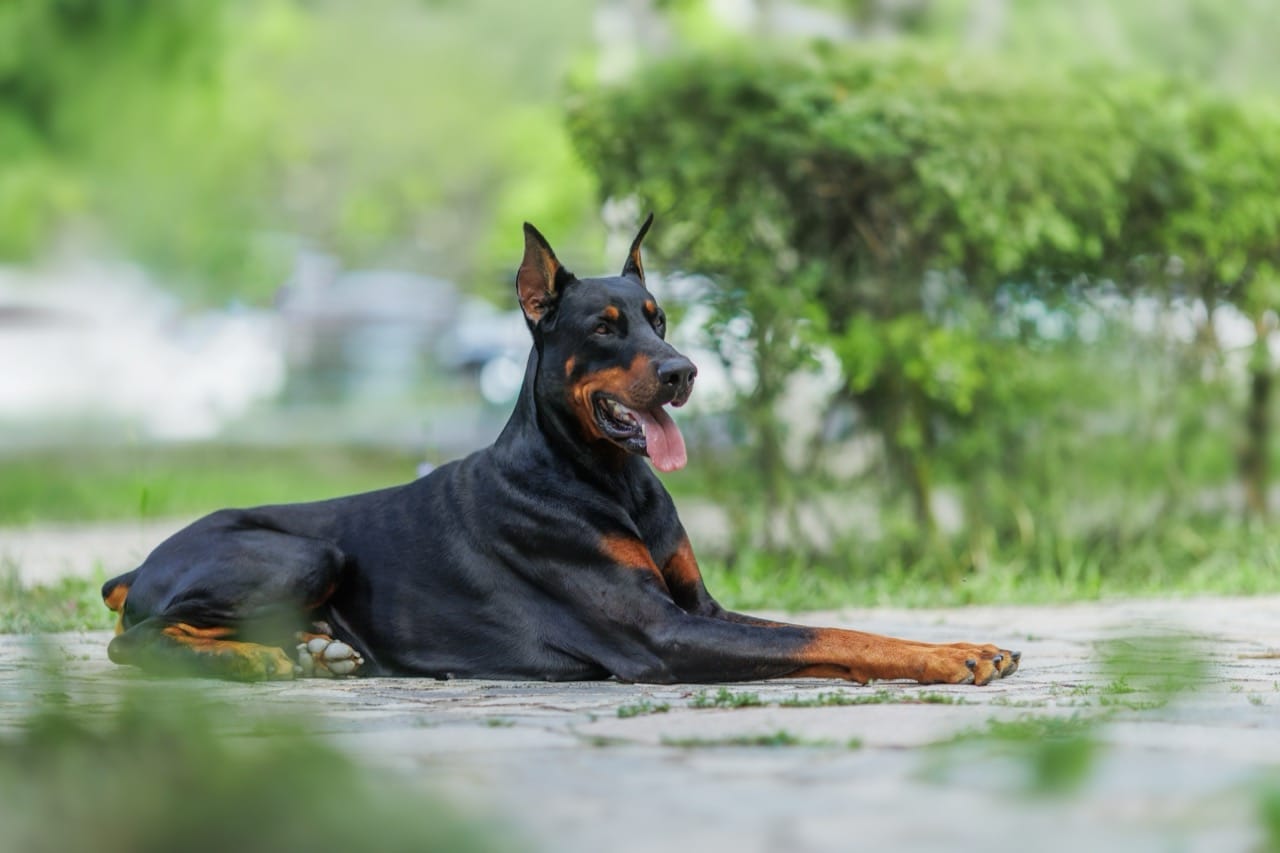
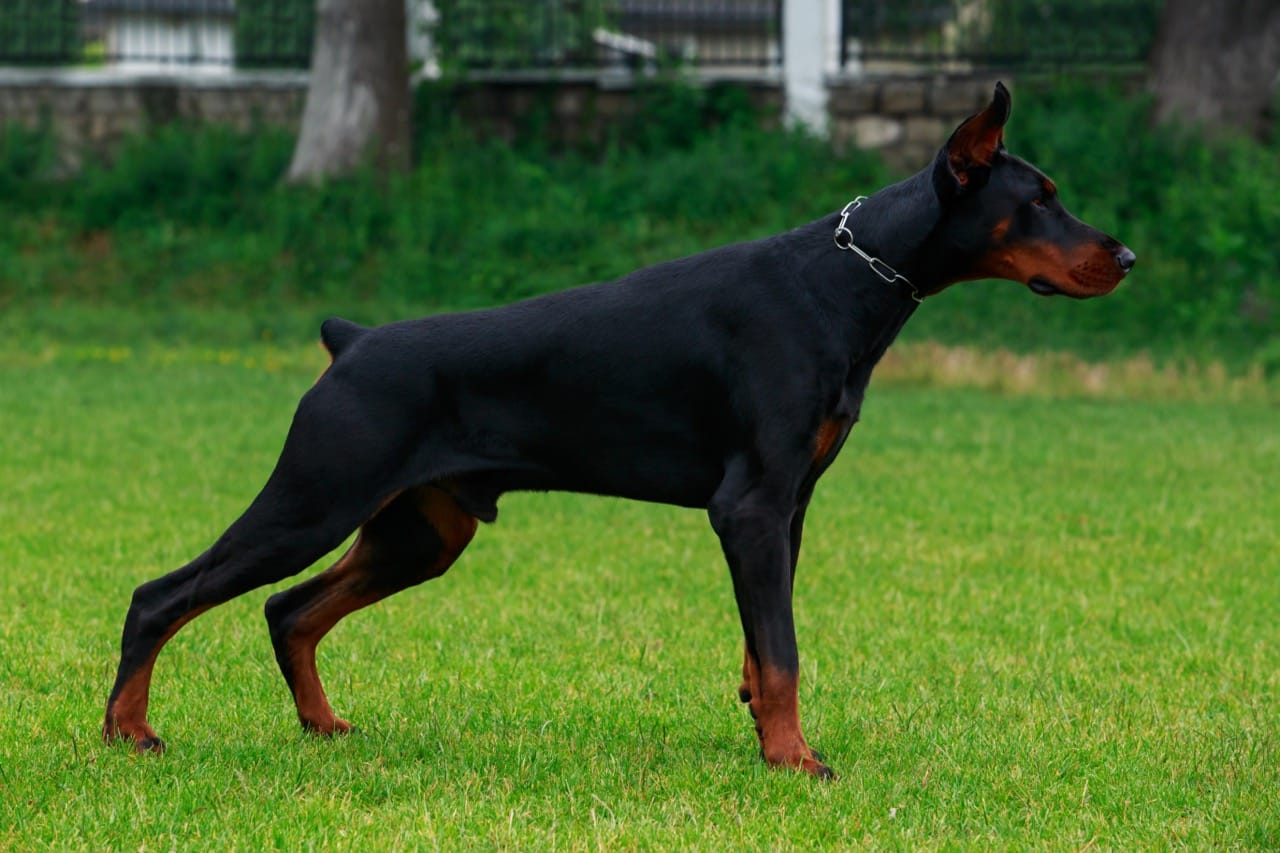
Few dog breeds project “guardian” as quickly as the Doberman Pinscher. With a sleek build, alert posture, and intense focus, Dobermans became a cultural shortcut for protection and discipline long before most people met one in person. That reputation started with practical needs. In the late 1800s in Germany, the breed is widely credited to Karl Friedrich Louis Dobermann, a tax collector and dogcatcher who wanted a dependable protector while traveling. Early Dobermans were shaped by selective breeding for courage, trainability, and steadiness under pressure, traits that later made them valuable working dogs in police and military roles.
Dobermans gained international visibility during wartime service, especially in the first half of the 20th century. Their intelligence and athleticism suited tasks like sentry duty, message carrying, and guarding installations. In the Pacific theater of World War II, Dobermans became closely associated with the United States Marine Corps, and the breed’s legacy is memorialized at the War Dog Cemetery on Guam, where Dobermans are honored for their service. These real working roles helped cement the public idea of the Doberman as a serious professional rather than a casual pet.
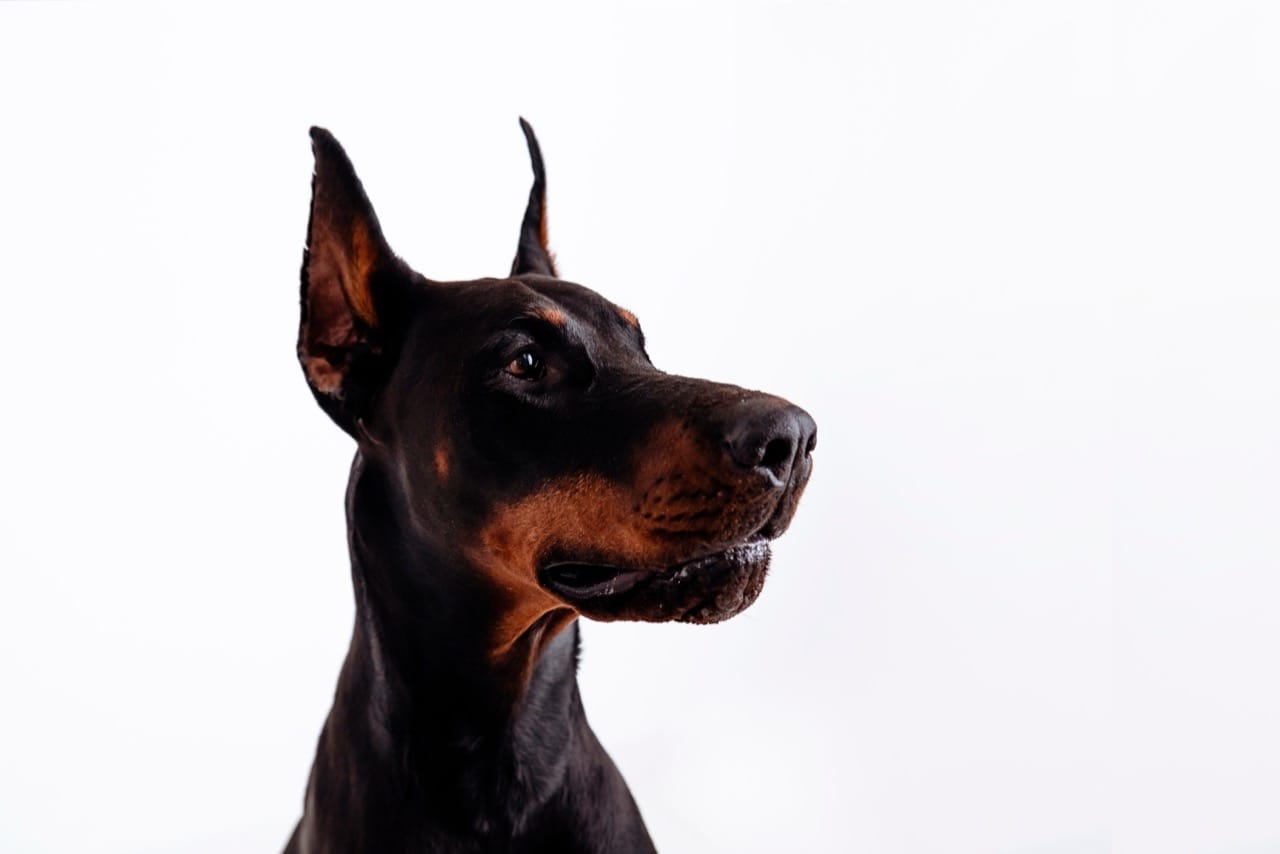
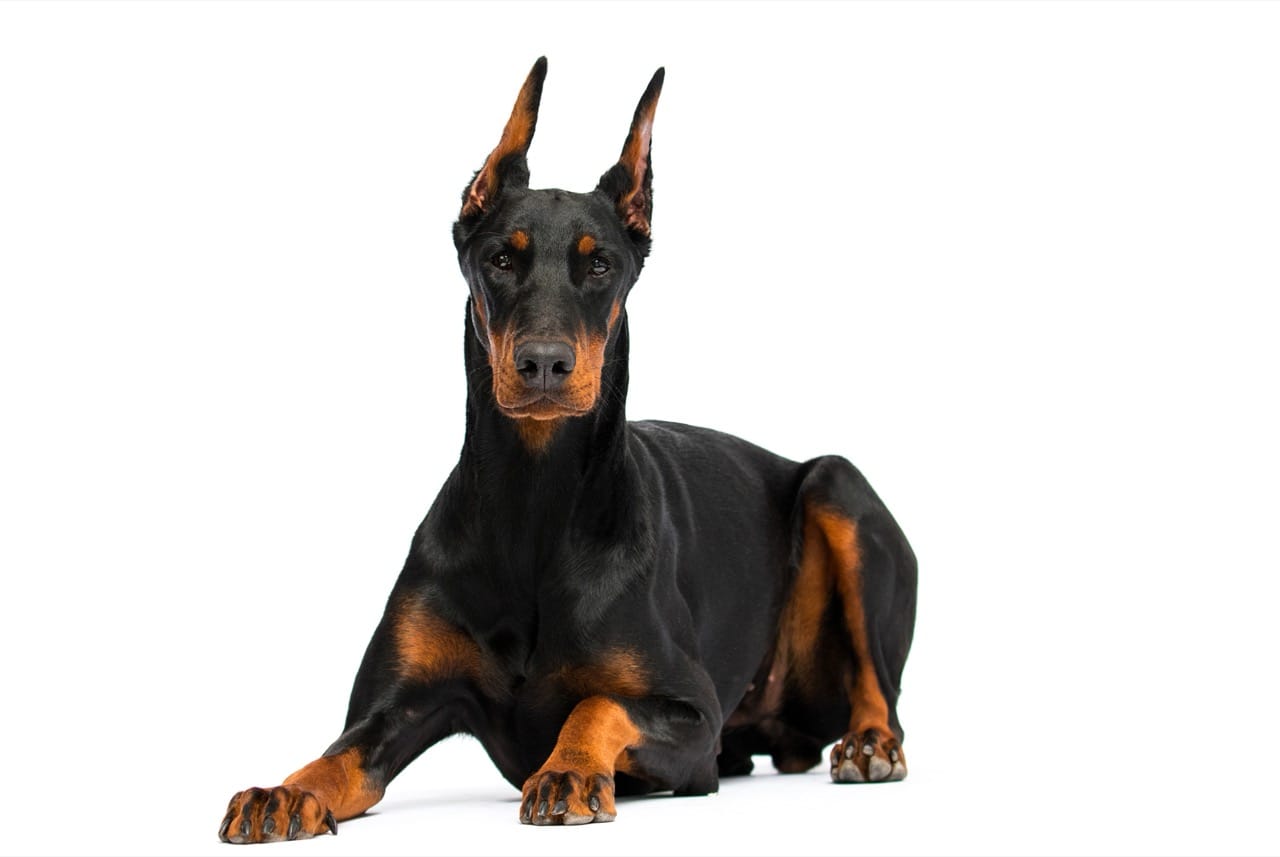
Pop culture amplified the image. Film and television often use Dobermans as visual shorthand for danger, wealth, or high security. A pair of Dobermans pacing behind a gate instantly signals “keep out,” even if the story never shows the dogs doing anything. Advertising has leaned on the same symbolism, placing Dobermans beside armored trucks, security systems, or luxury products to suggest exclusivity and protection. The breed’s silhouette is especially effective on screen: a deep chest, long legs, and a narrow head create a clean, striking outline that reads clearly even in shadow.
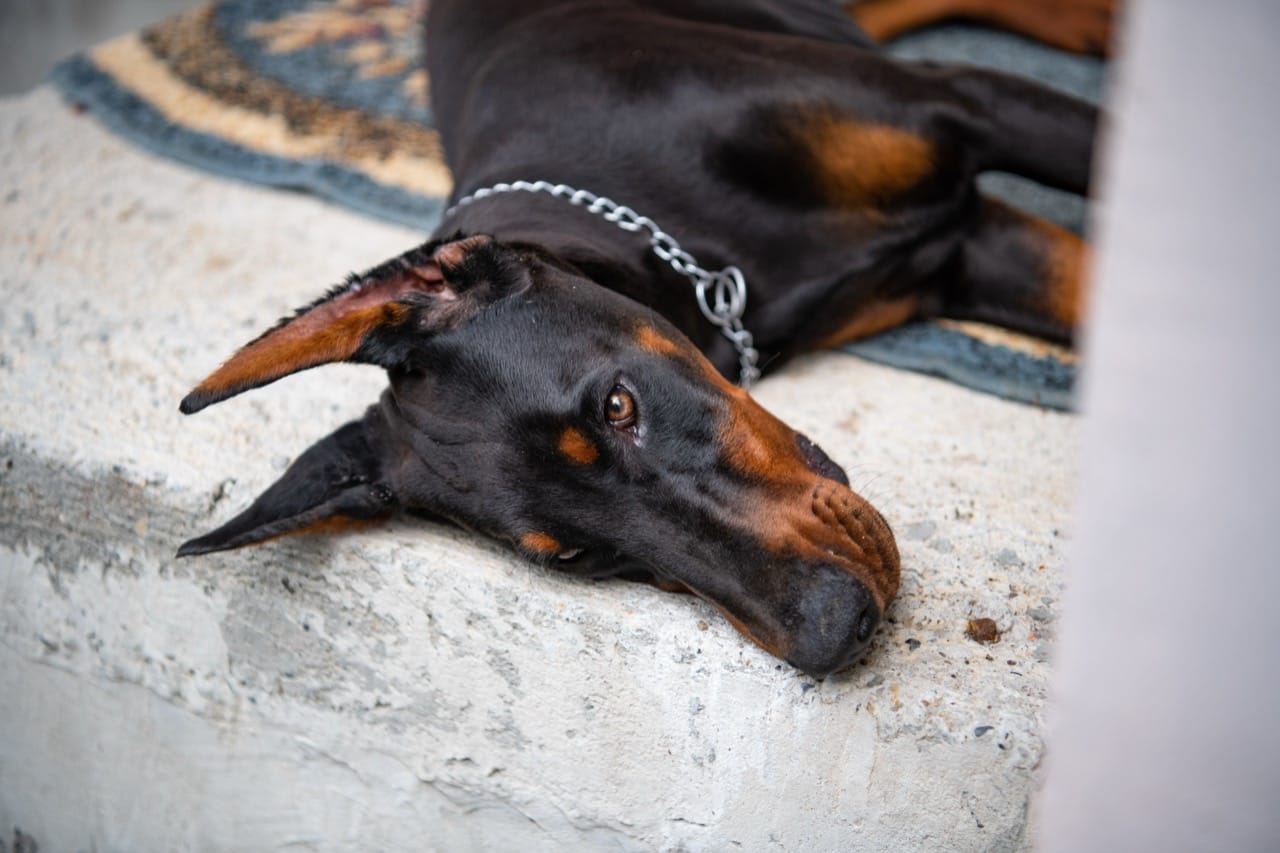
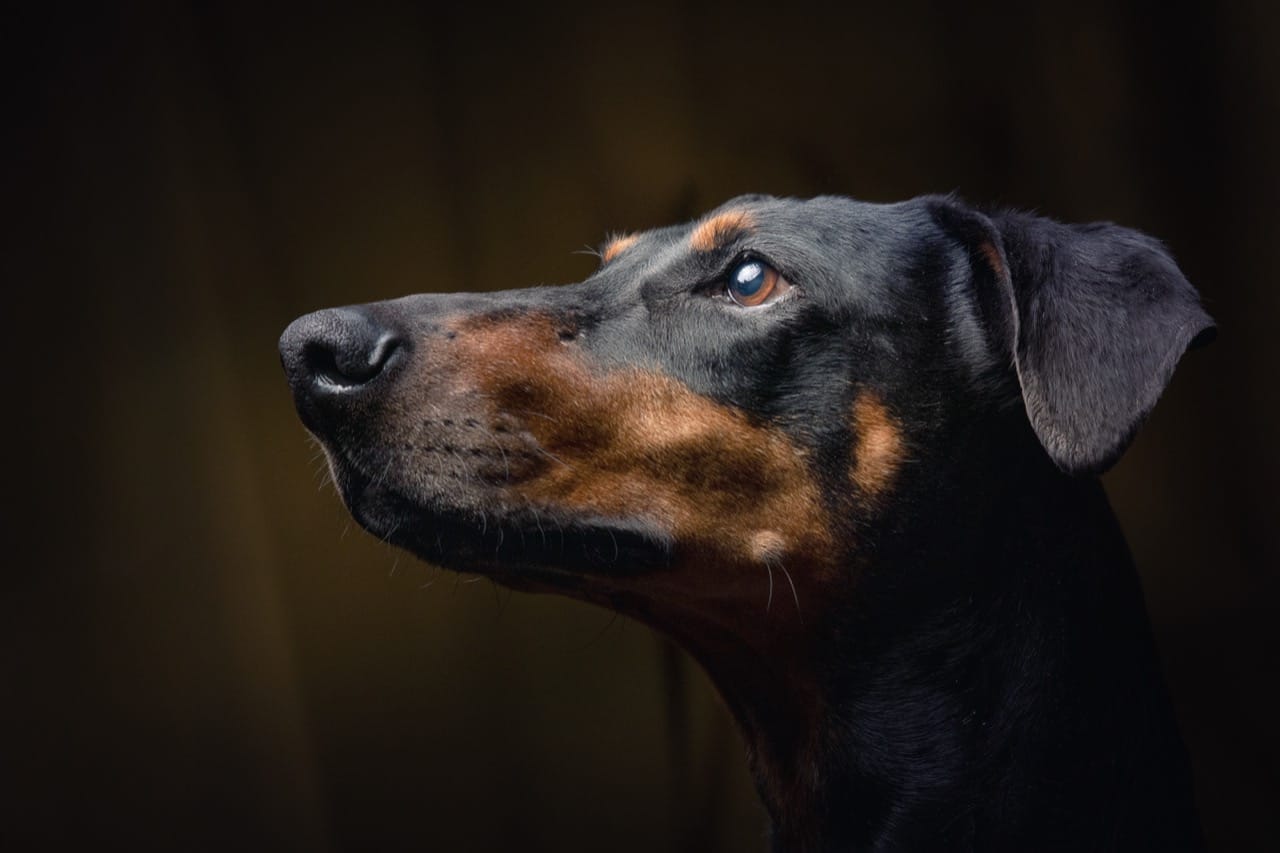
Certain traditional props and styling choices have also influenced perception. Cropped ears and docked tails, once associated with working dog practicality and a sharper, more alert look, became part of the “guard dog” image in many countries, even as laws and preferences have shifted. In places where cropping is restricted or less common, more people encounter Dobermans with natural ears, which can soften the visual stereotype. It is a reminder that appearance strongly shapes expectations, sometimes more than temperament.
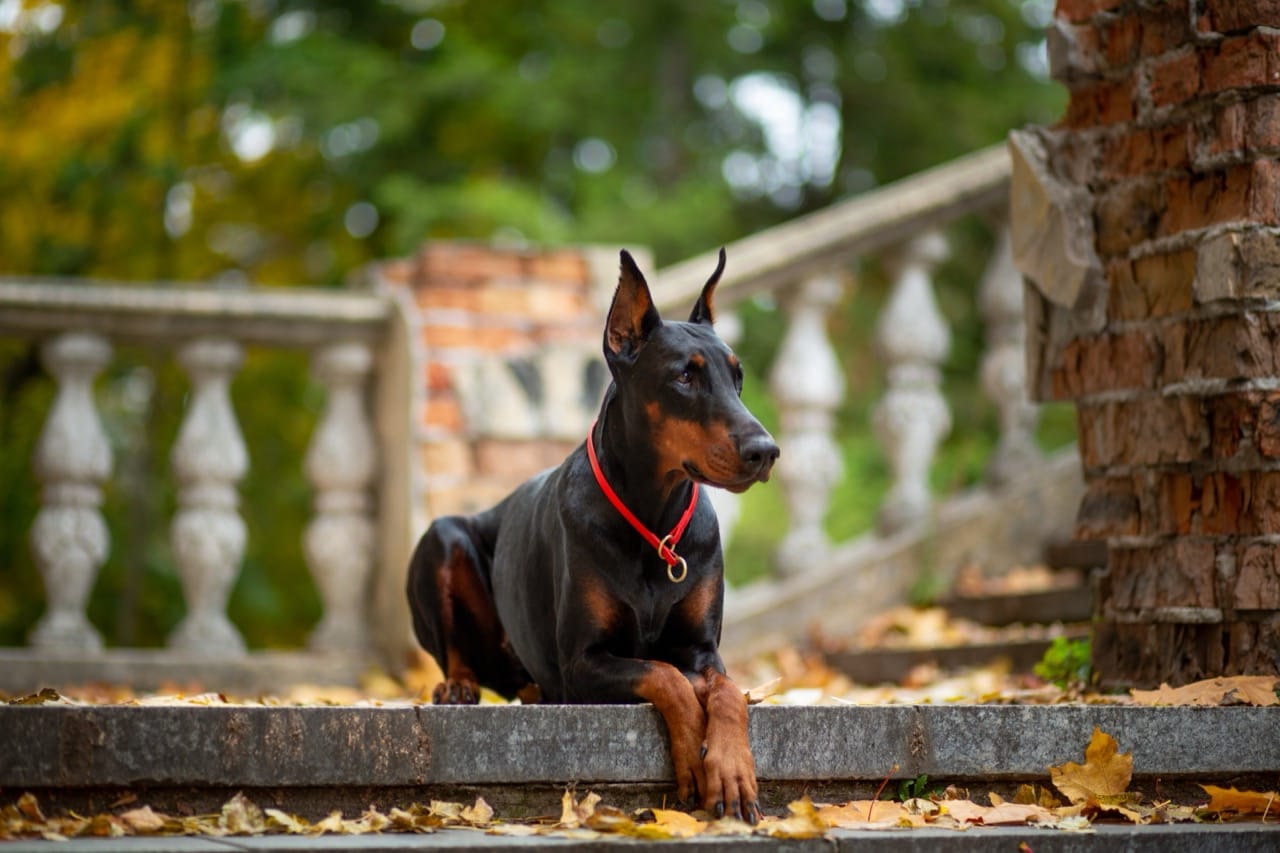
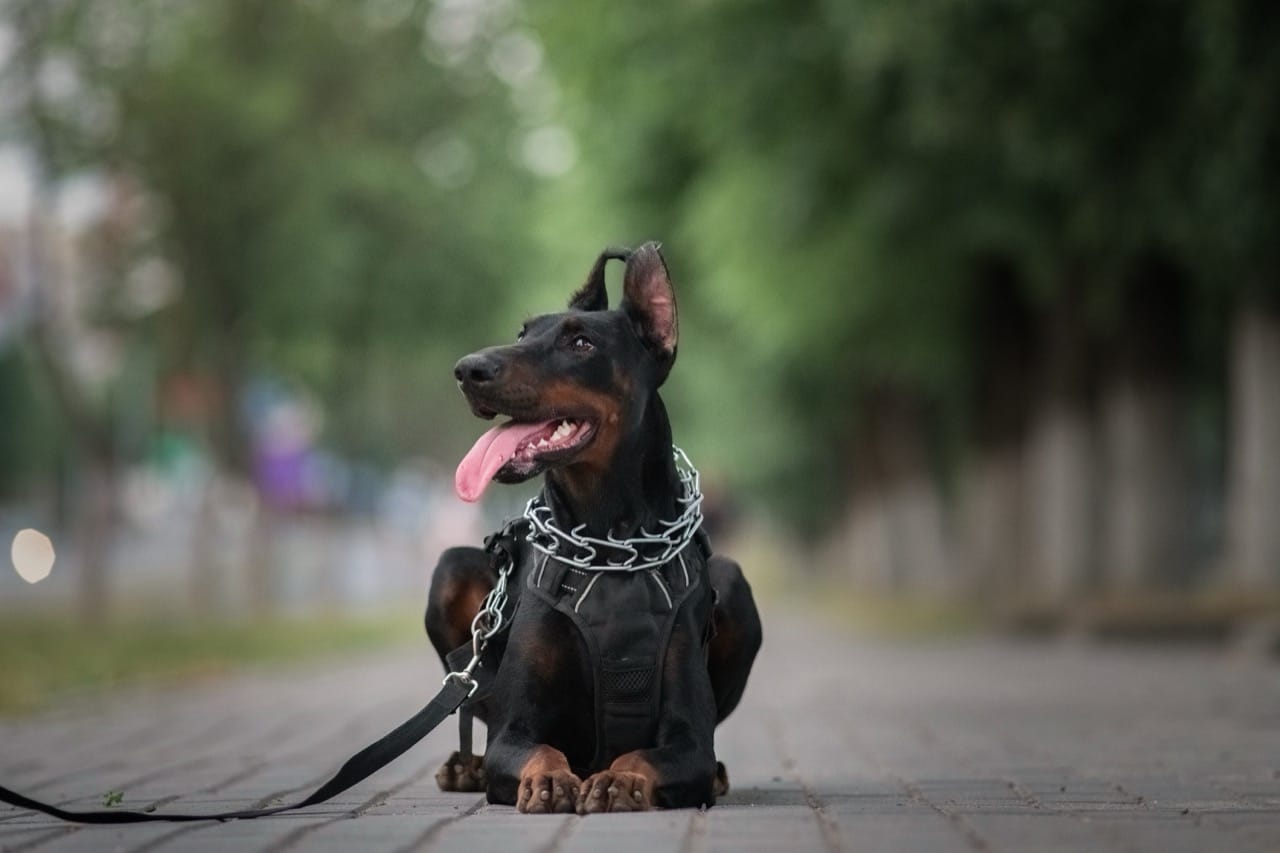
That matters because the breed is frequently misunderstood. Well-bred, well-socialized Dobermans are typically affectionate, people-oriented, and eager to work with their families. They are often described as “velcro dogs” because they like to stay close. Their protectiveness tends to be thoughtful rather than reckless when they are trained and raised responsibly. Problems arise when any powerful, intelligent breed is under-exercised, poorly socialized, or encouraged to be aggressive. Pop culture can blur those distinctions, turning a complex working partner into a one-note villain.
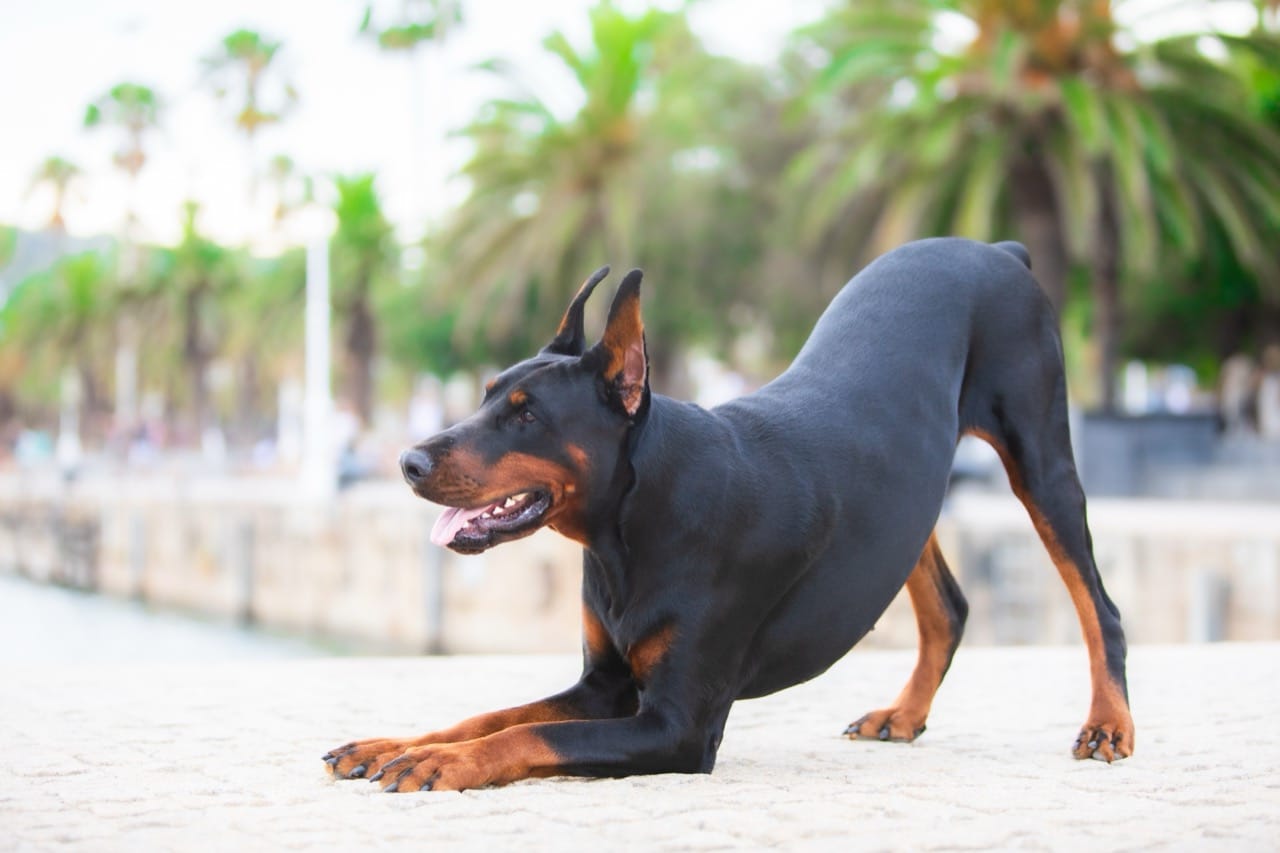
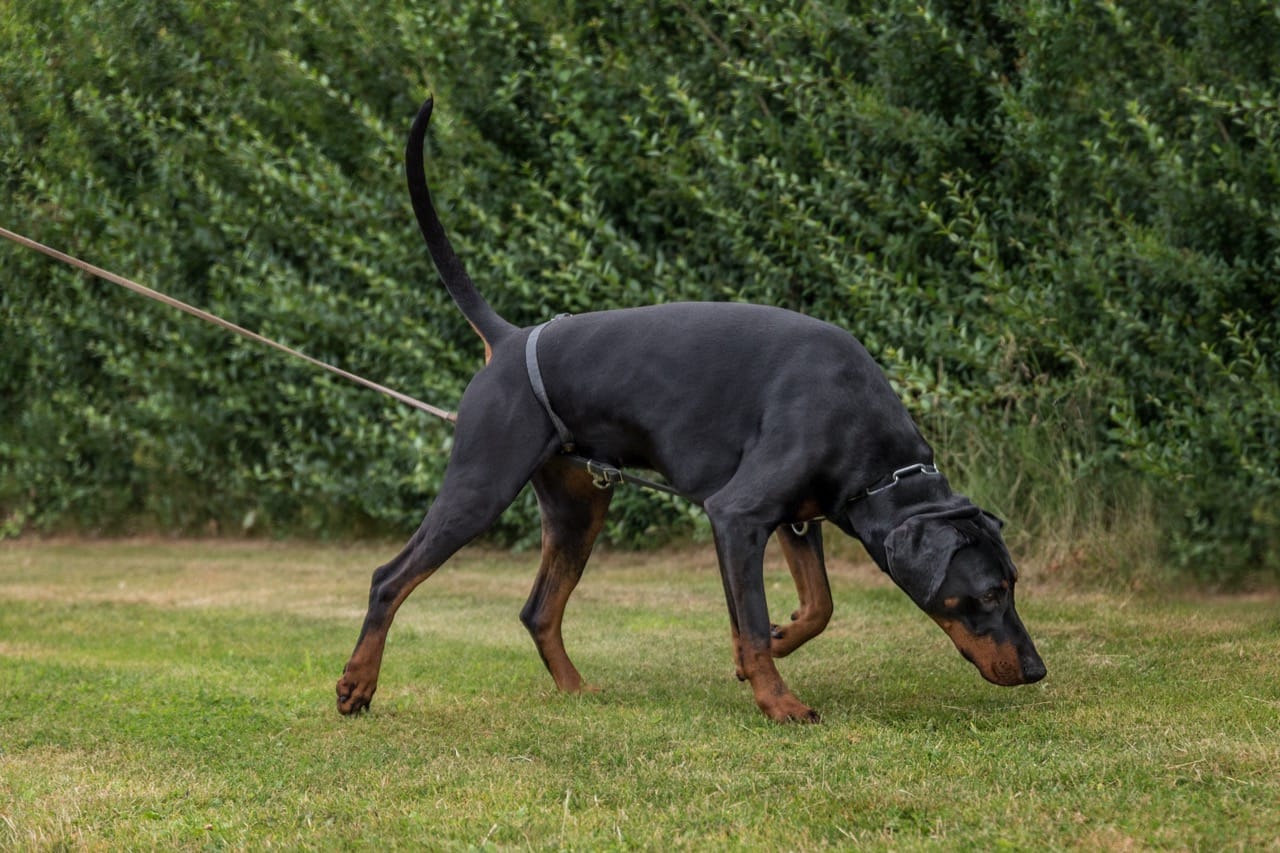
The Doberman’s real tradition is less about menace and more about partnership. They excel in obedience, tracking, and many modern dog sports, and they can be outstanding service or therapy dogs in the right hands. Their reputation for loyalty is not just a story device; it comes from a long history of selecting dogs that bond strongly, read human cues well, and remain steady under stress. Understanding how wartime history, media imagery, and breed traditions intersect makes the Doberman’s place in public life clearer: a guardian icon built on real working ability, then magnified by the camera into a symbol recognized around the world.