Giant Clues Great Dane Guessing Quiz
Quiz Complete!
Spotting the Gentle Giant: Great Dane Clues, Colors, and Canine Curveballs
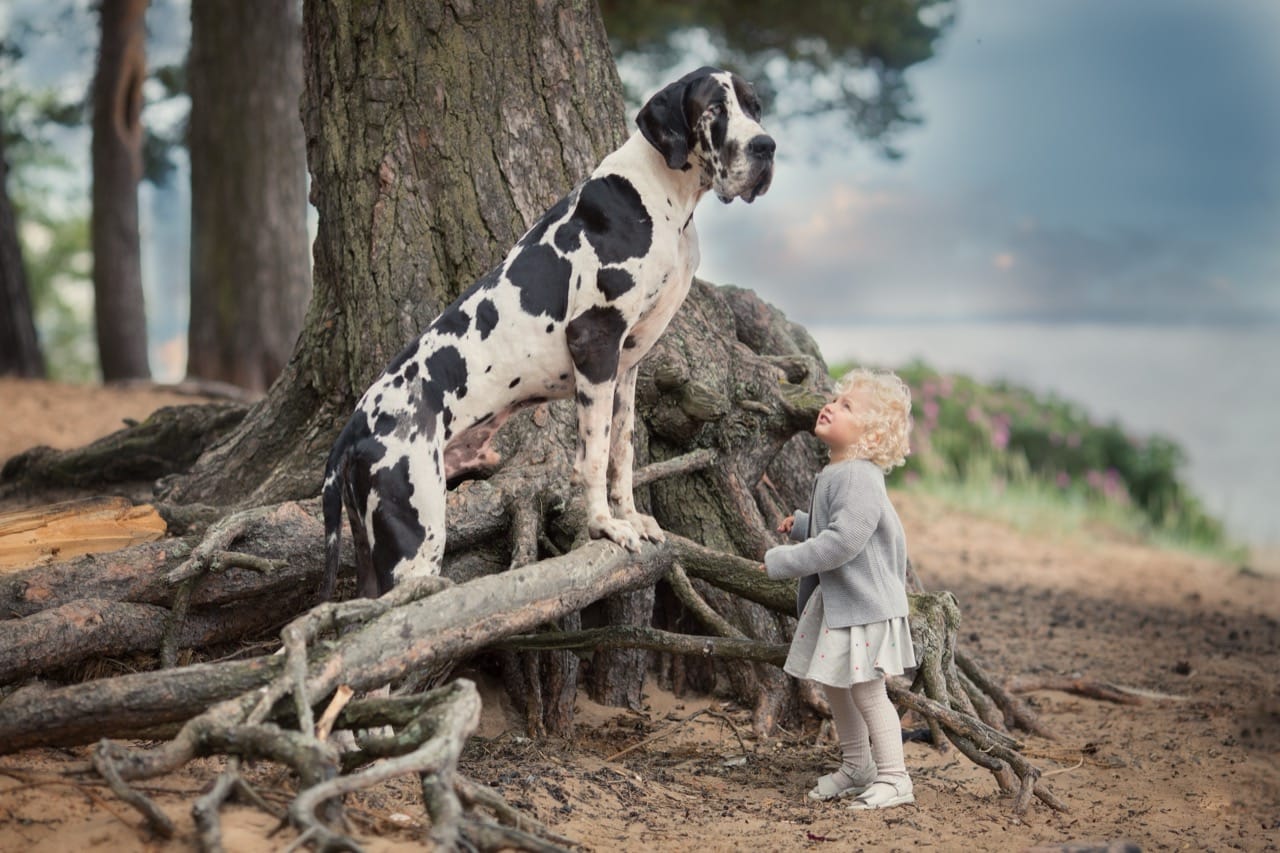
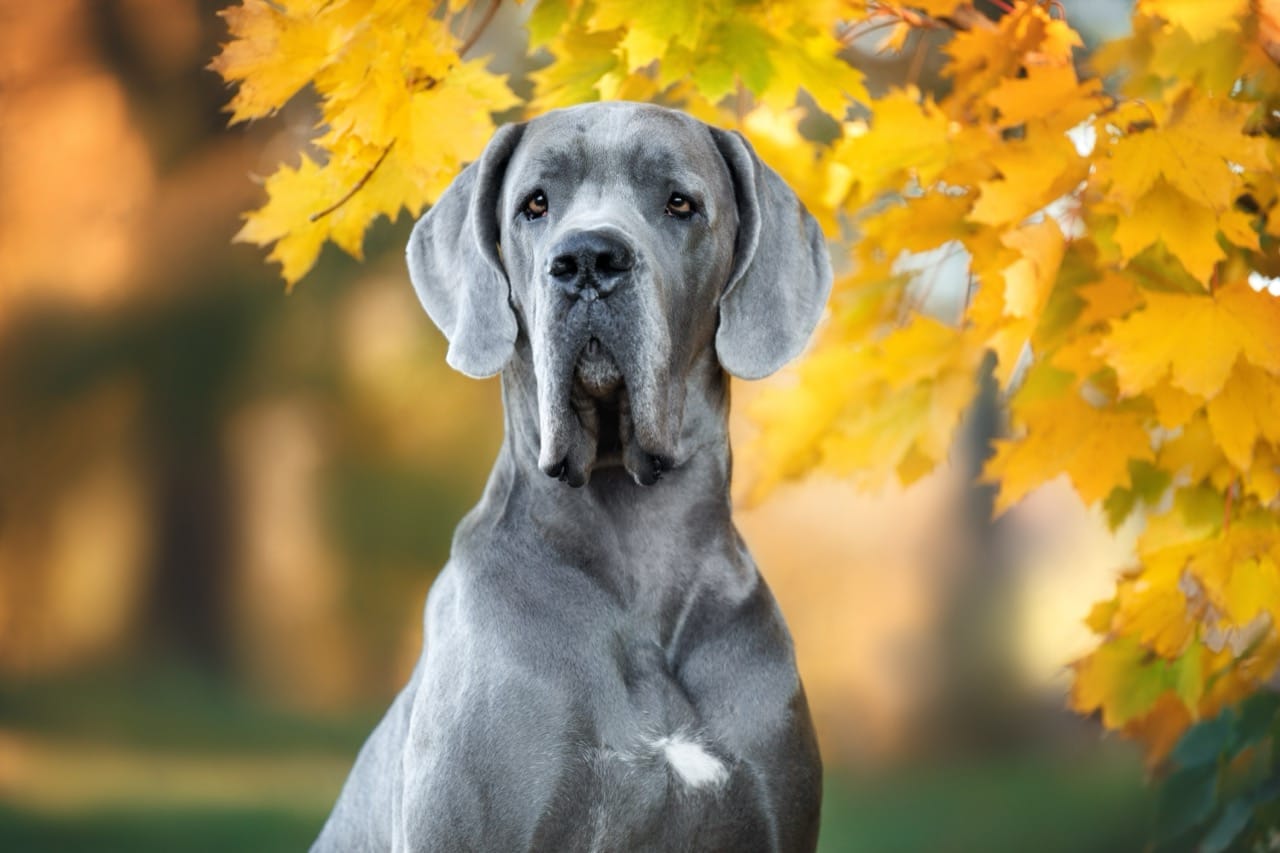
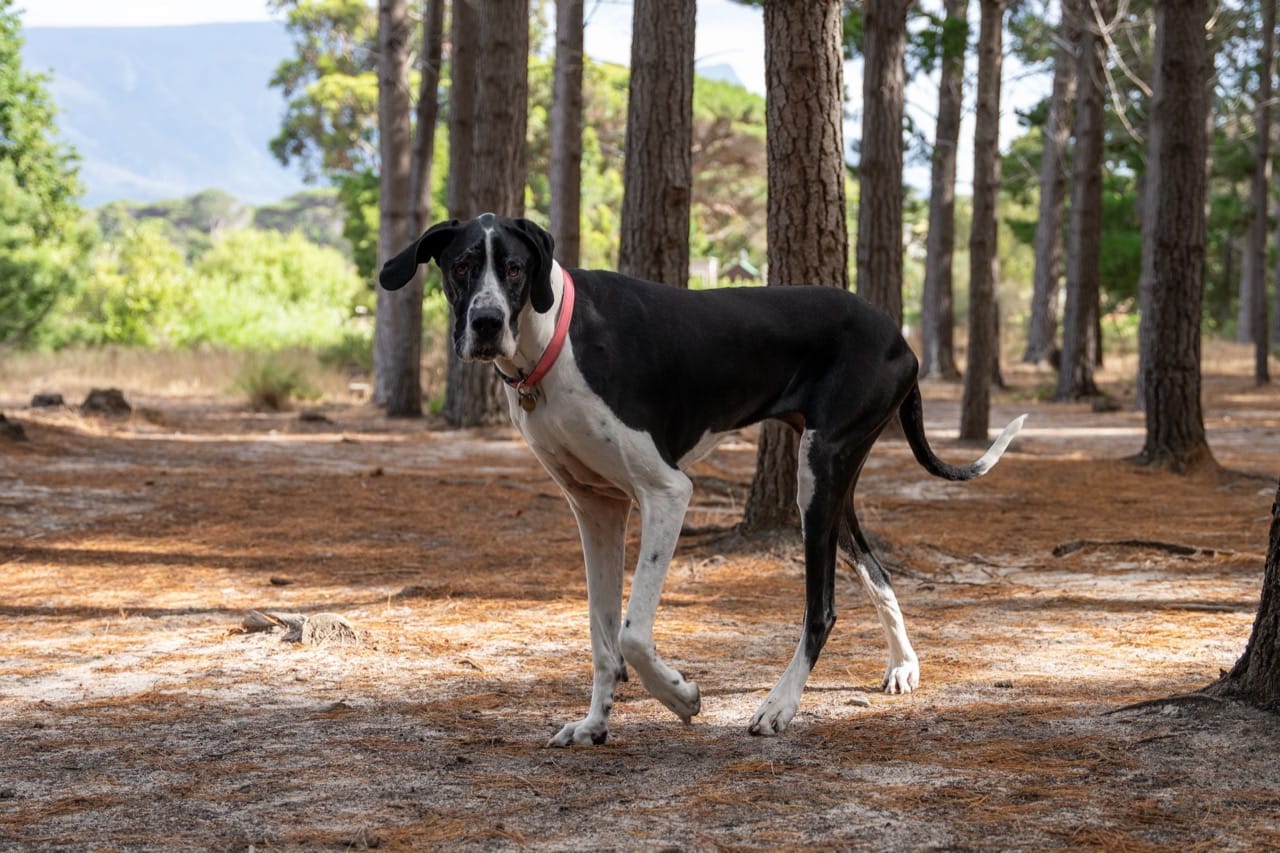
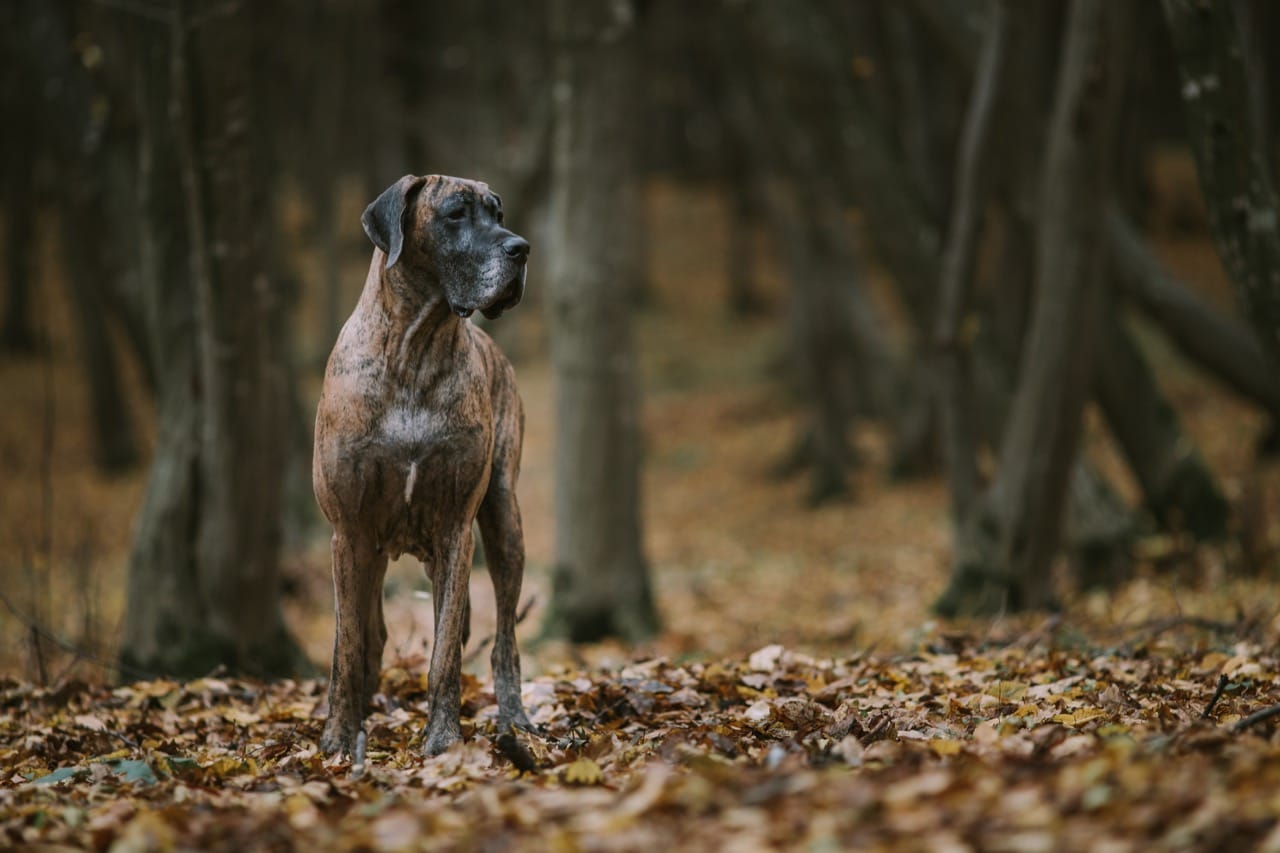
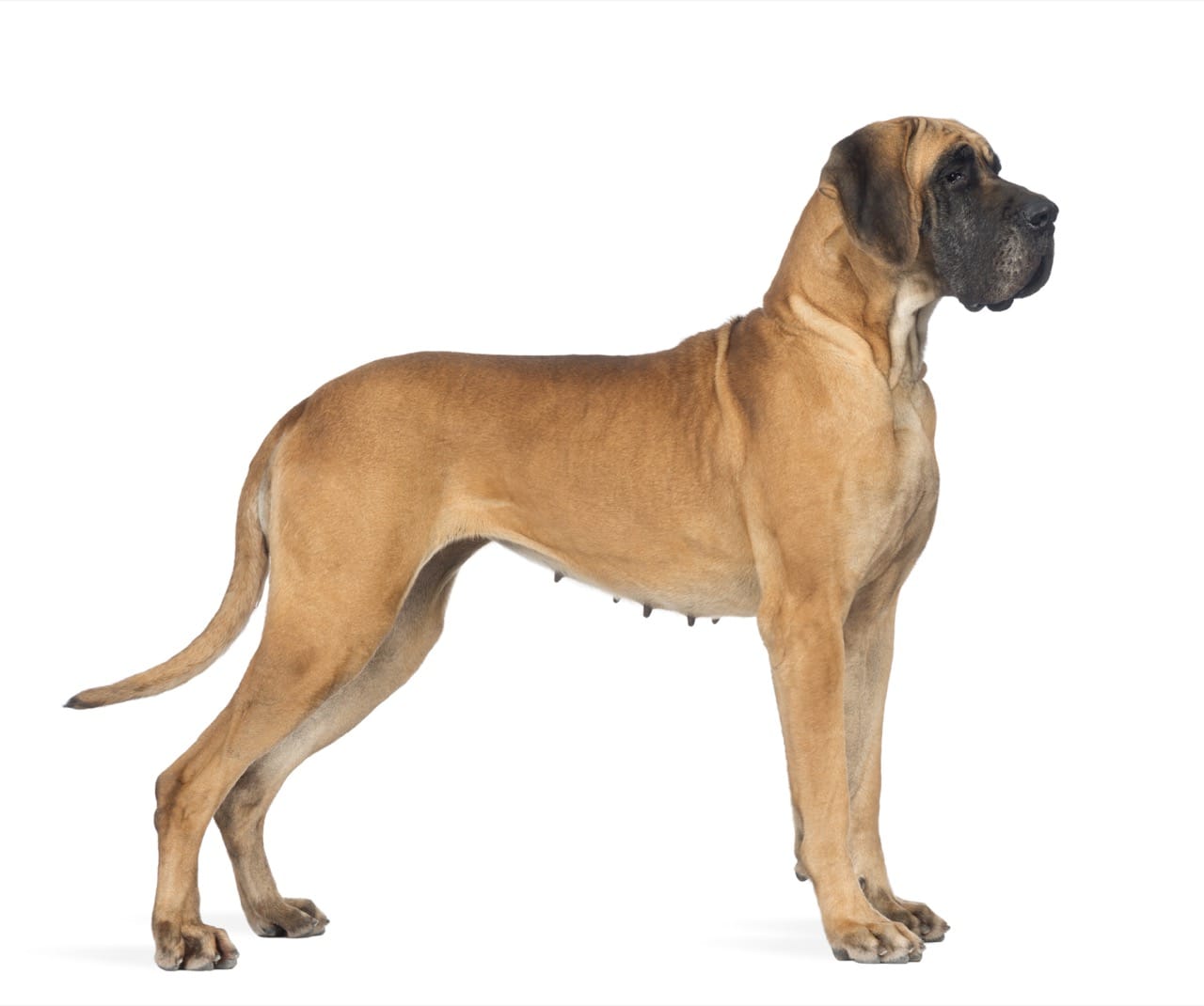
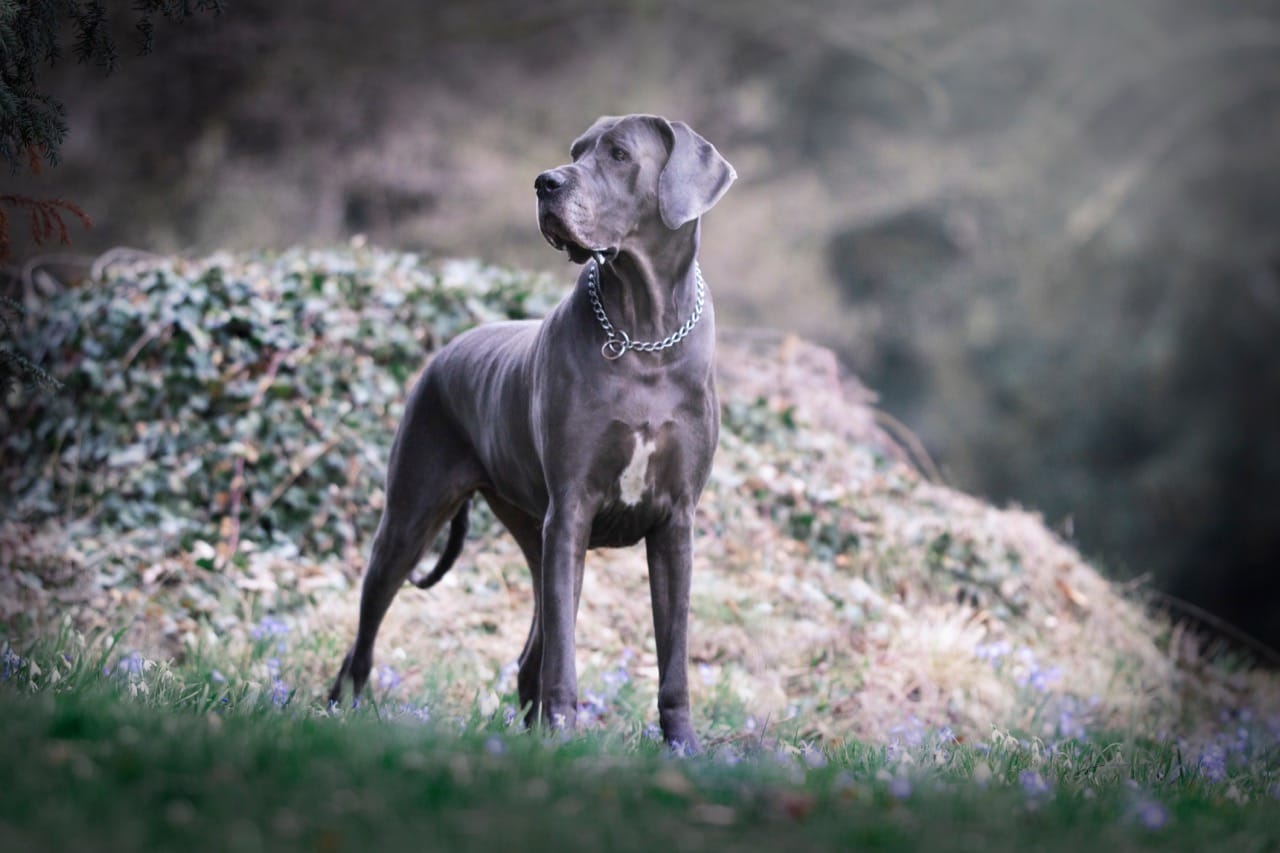
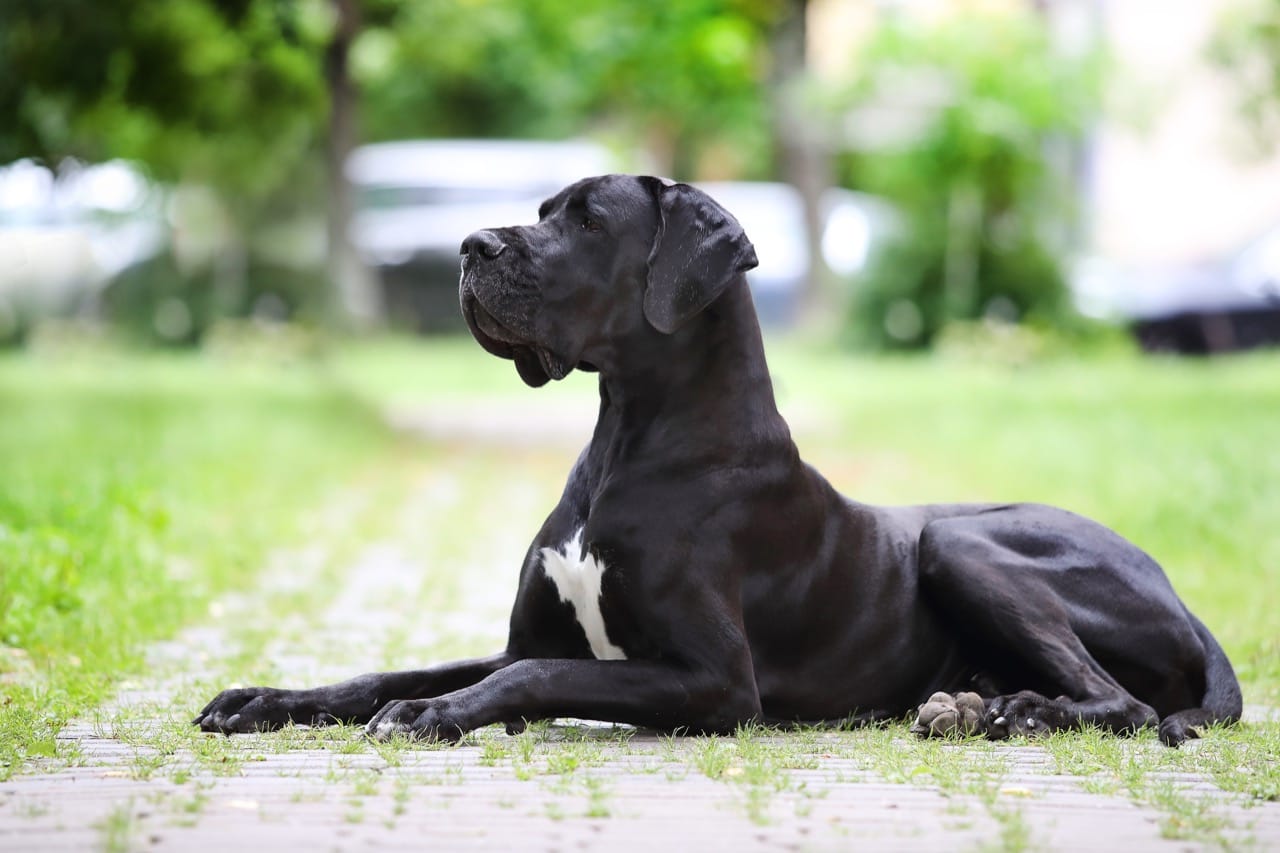
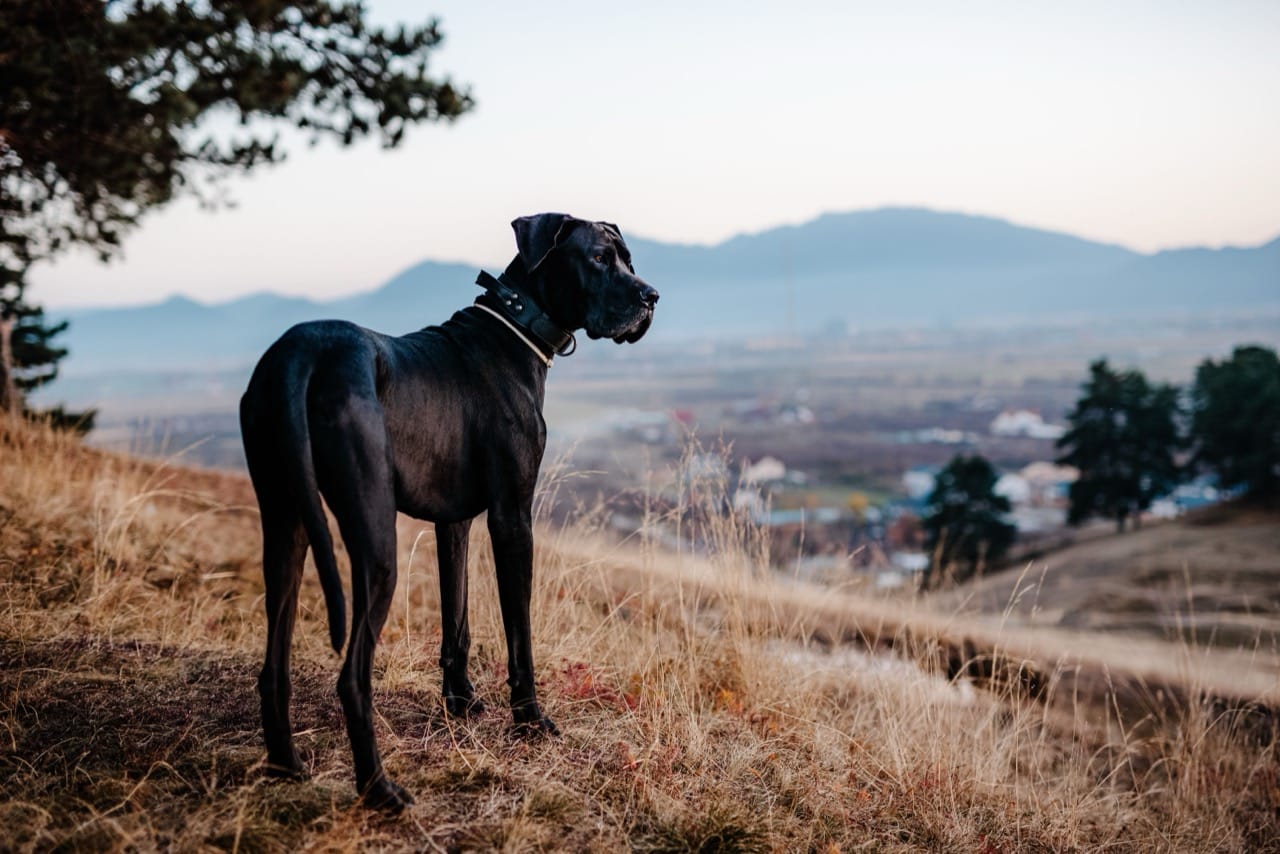
If a dog looks like it could borrow a saddle but chooses the softest spot on the sofa instead, you may be looking at a Great Dane. Often called the gentle giant, the Great Dane combines towering height with a surprisingly calm, people-focused personality. In a guessing-game quiz, the biggest clue is usually the outline: long legs, a deep chest, and a sleek, athletic frame that reads more like a sprinter than a bodybuilder. Danes tend to have a rectangular silhouette, with a long neck and a head that looks refined rather than blocky. Their expression is alert but friendly, and their movement is smooth and ground-covering, not bouncy.
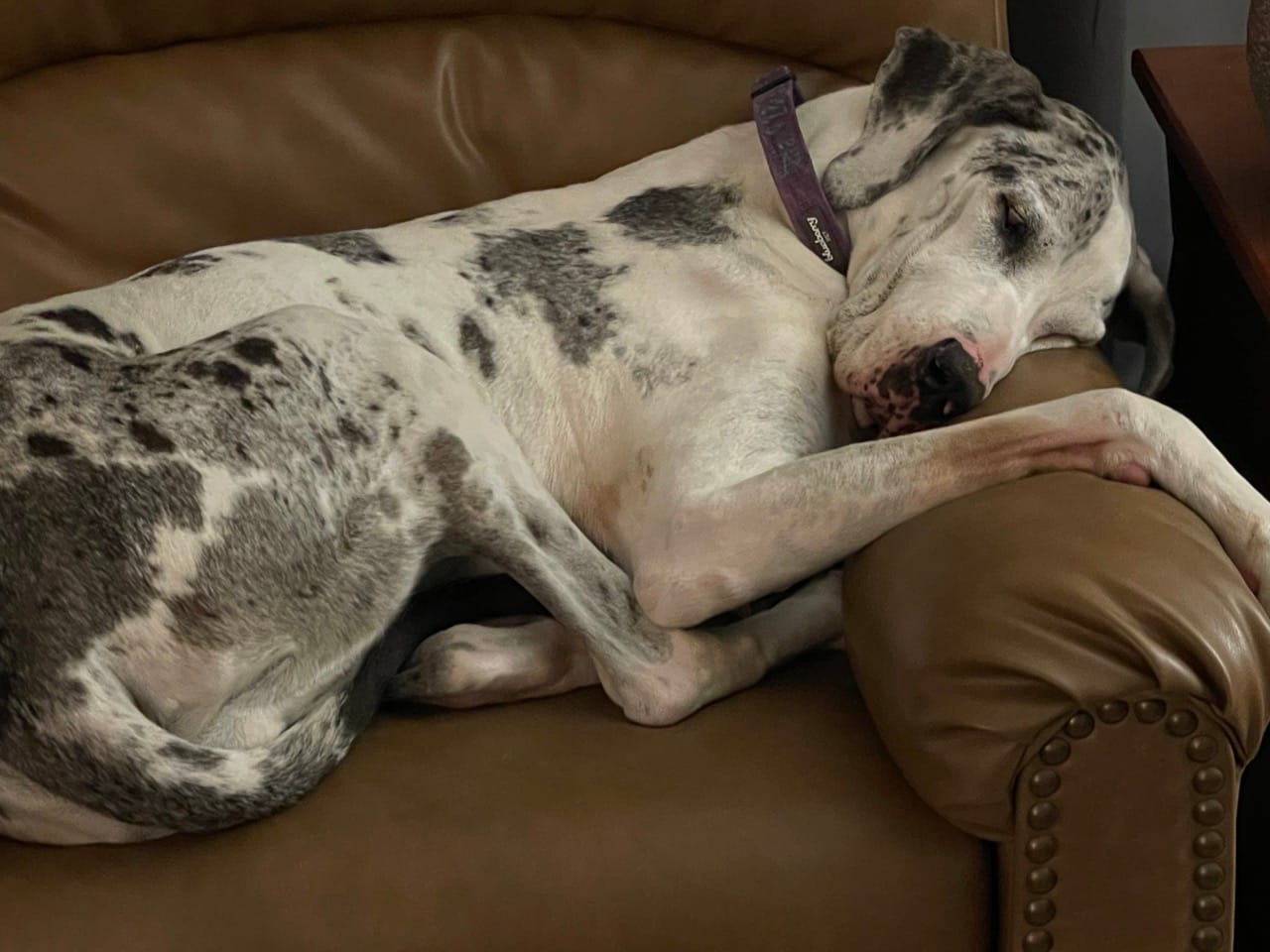
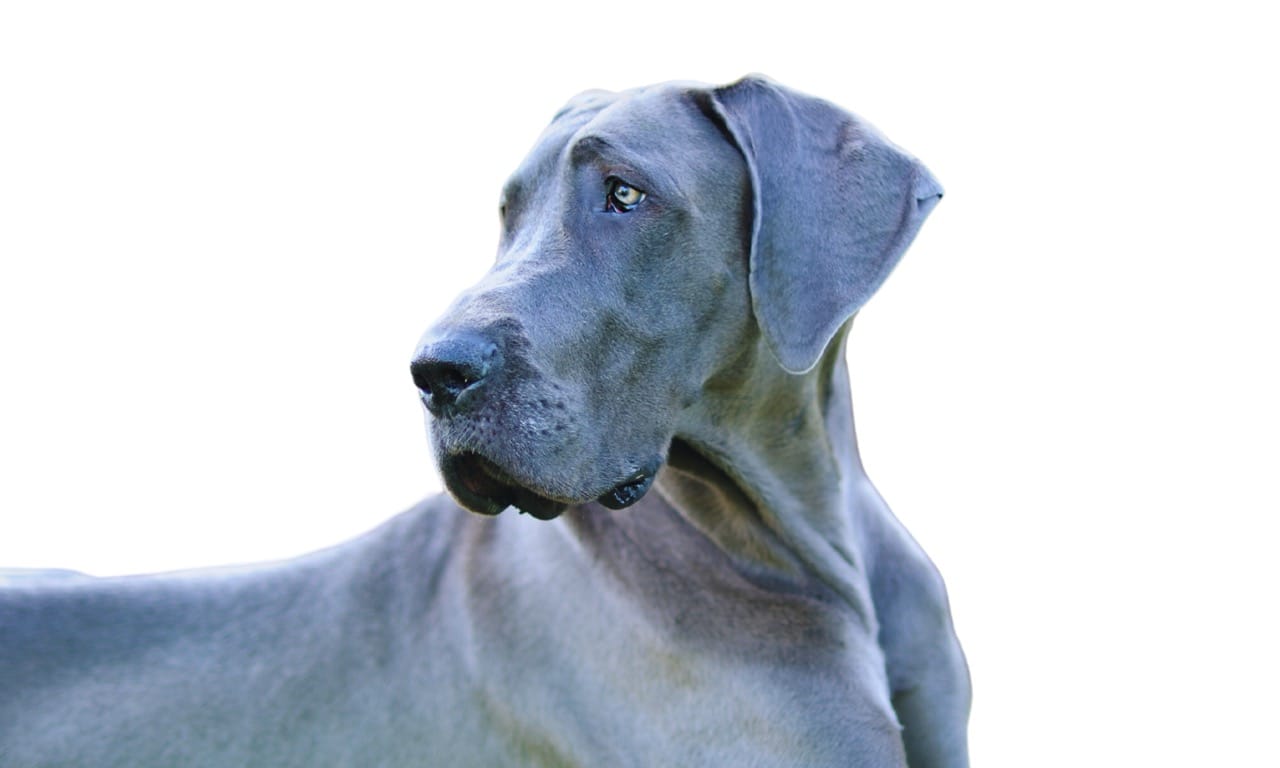
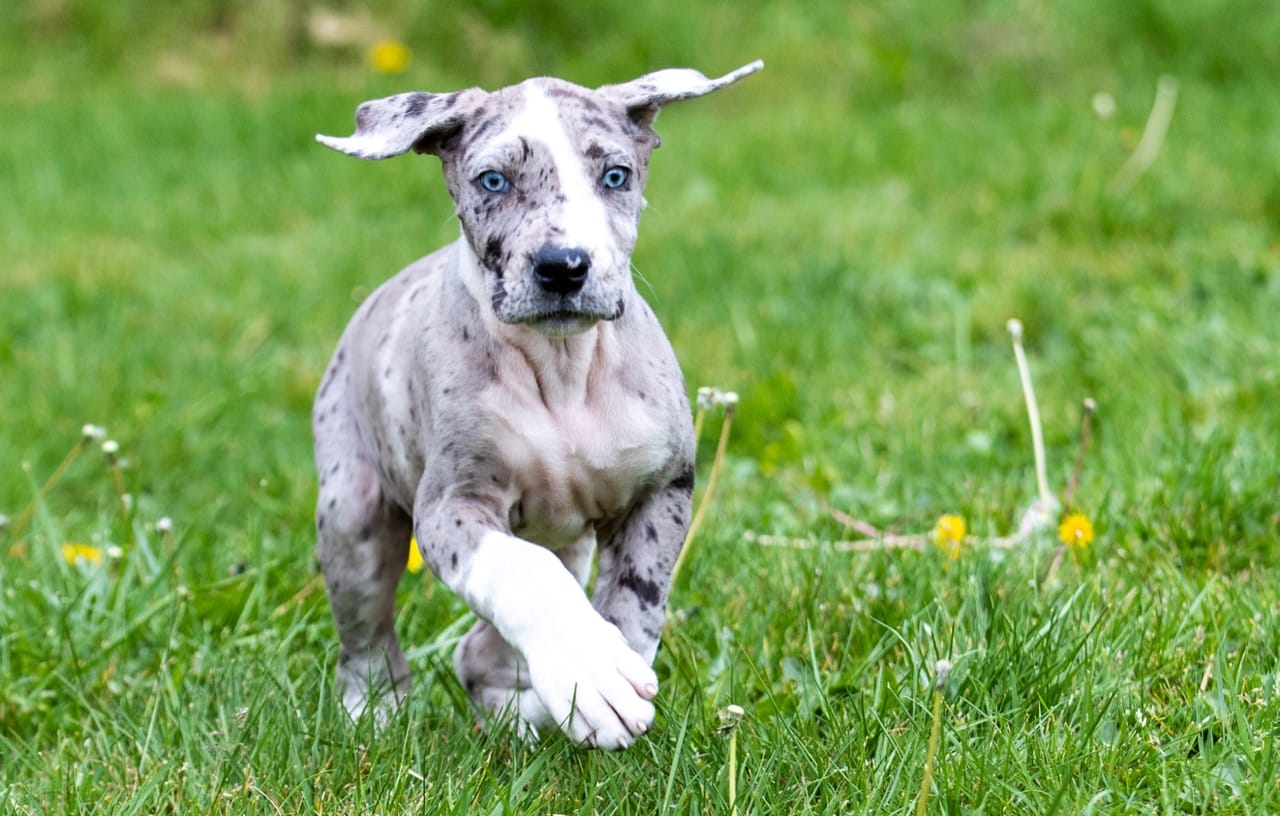
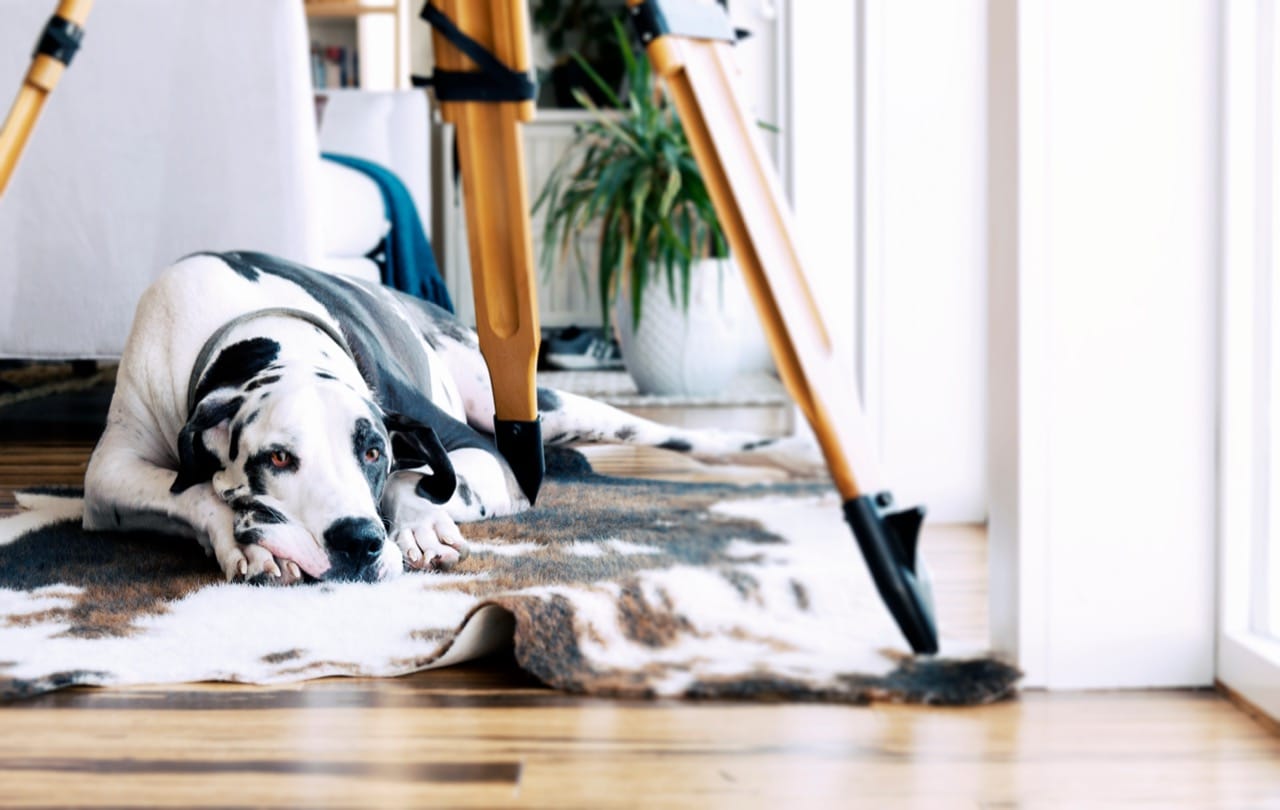
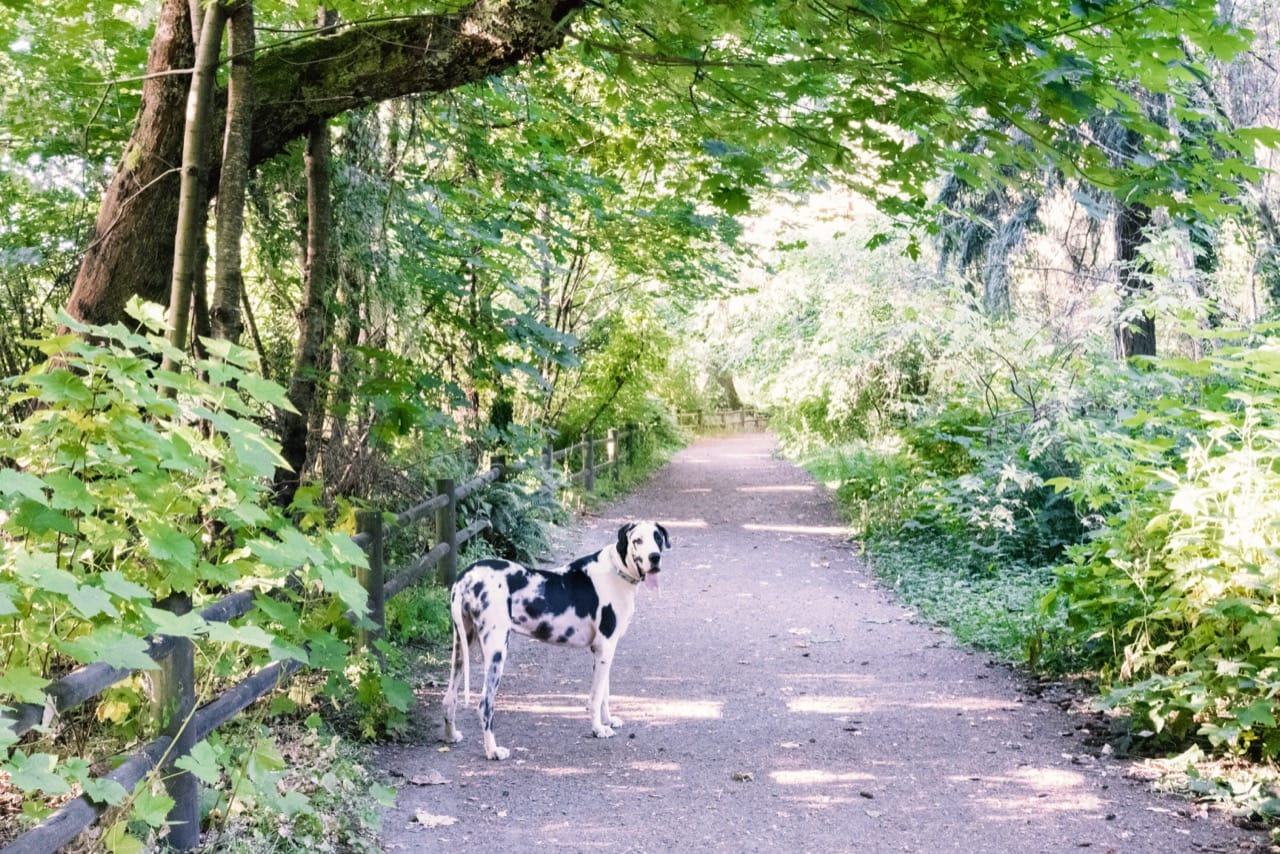
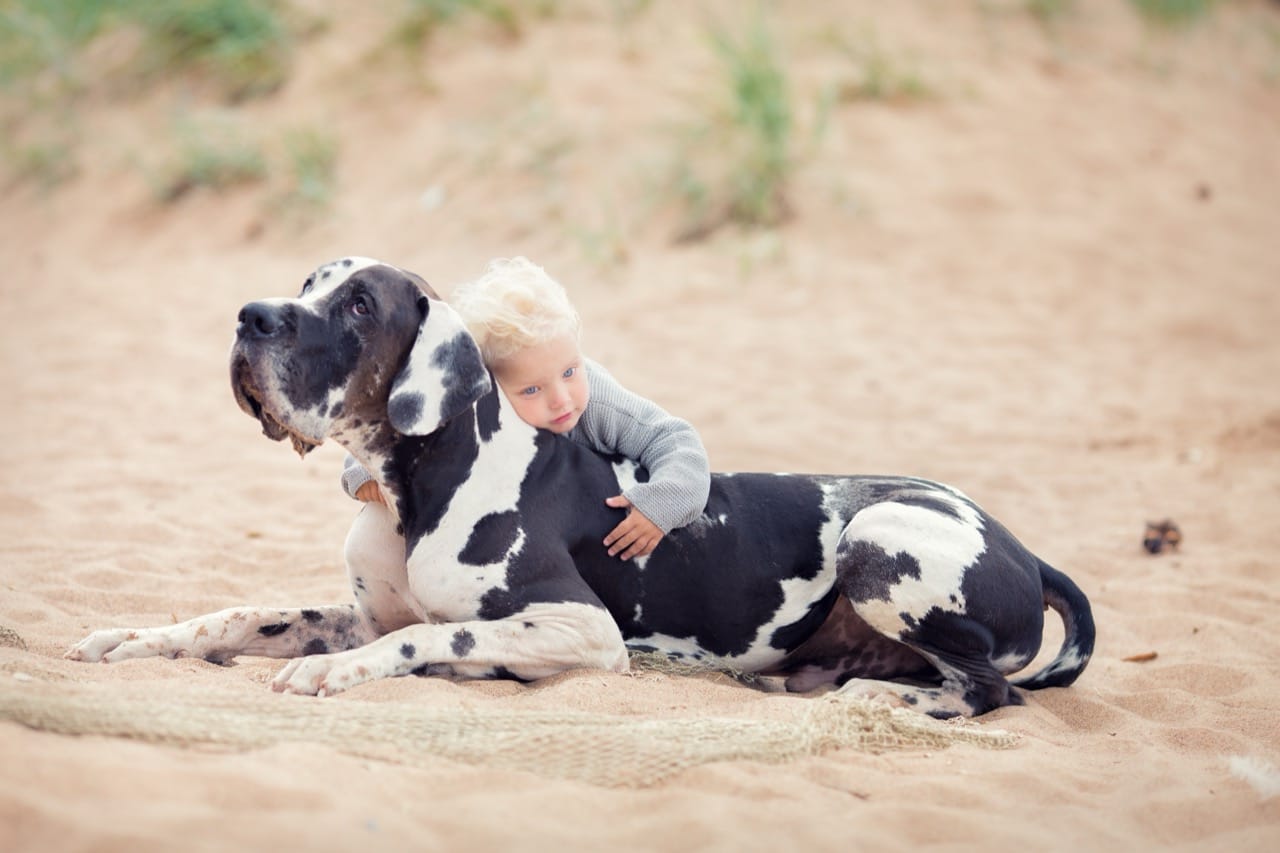
Coat color is another classic quiz hint. Fawn is a warm tan shade often paired with a black mask, while brindle looks like fawn with dark tiger stripes. Blue is a steel-gray that can look almost silver in bright light. Black is straightforward but striking on such a large dog. Harlequin is the showstopper: a white base with irregular black patches, and sometimes a few gray areas. Mantle is like a black blanket draped over a white body, often with a white neck, chest, and legs, giving a formal, tuxedo-like look. These patterns can help you separate a Great Dane from other tall breeds that come in fewer distinctive markings.
In pop culture, the most famous Great Dane is Scooby-Doo, whose goofy bravery and snack-driven loyalty helped cement the breed’s reputation as friendly and family-oriented. Real Great Danes are typically affectionate, often leaning on their people like oversized lapdogs. That leaning is not just comedy; many Danes seek contact and reassurance. They are usually good with children when properly socialized, but their size means manners matter. A happy greeting from a dog this tall can knock over a coffee table, so early training is less about tricks and more about polite everyday behavior.
Breed history adds another layer of quiz-worthy trivia. Despite the name, Great Danes are strongly associated with Germany, where they were developed from large hunting dogs used for boar hunting and estate guarding. Over time, breeders emphasized a steadier temperament and a more elegant build. Today, they are more likely to guard the refrigerator than a castle, but many still have a watchful, protective streak.
Health facts are important for practical owner knowledge. Great Danes are prone to bloat, also called gastric dilatation-volvulus, a dangerous condition where the stomach twists. Recognizing signs like unproductive retching, a swollen abdomen, restlessness, and sudden distress can save a life, and many owners discuss preventative measures with their veterinarians. Joint issues can occur too, and because they grow fast, puppies need careful nutrition and controlled exercise. Their lifespan is often shorter than that of smaller breeds, which is a sobering reality behind the glamorous height.
For identification curveballs, compare them with other tall, sleek breeds. A Doberman is smaller with a more compact, muscular look and a sharper wedge-shaped head. A Weimaraner has a similar sleekness but is shorter and almost always gray. An Irish Wolfhound is tall but shaggy. A Greyhound is narrow and ultra-streamlined, built for speed with a very tucked waist. Great Danes sit in a sweet spot: tall and elegant, yet broad enough in chest and bone to look powerful.
If you can spot the long legs, the noble head, the signature colors, and the affectionate couch-companion attitude, you are well on your way to guessing the Great Dane every time.