Gadgets, Genes, and the Poodle Brain



Quiz Complete!
Gadgets, Genes, and the Poodle Brain

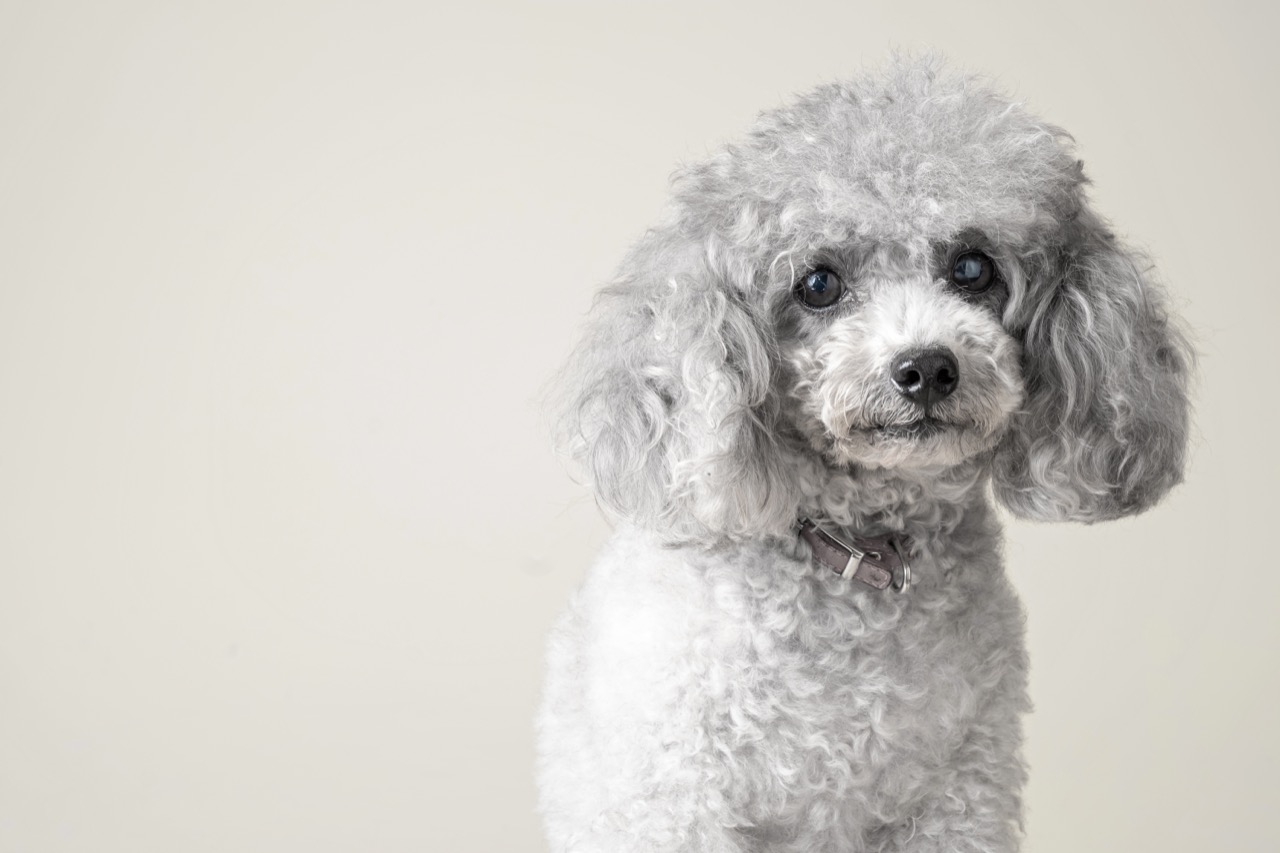
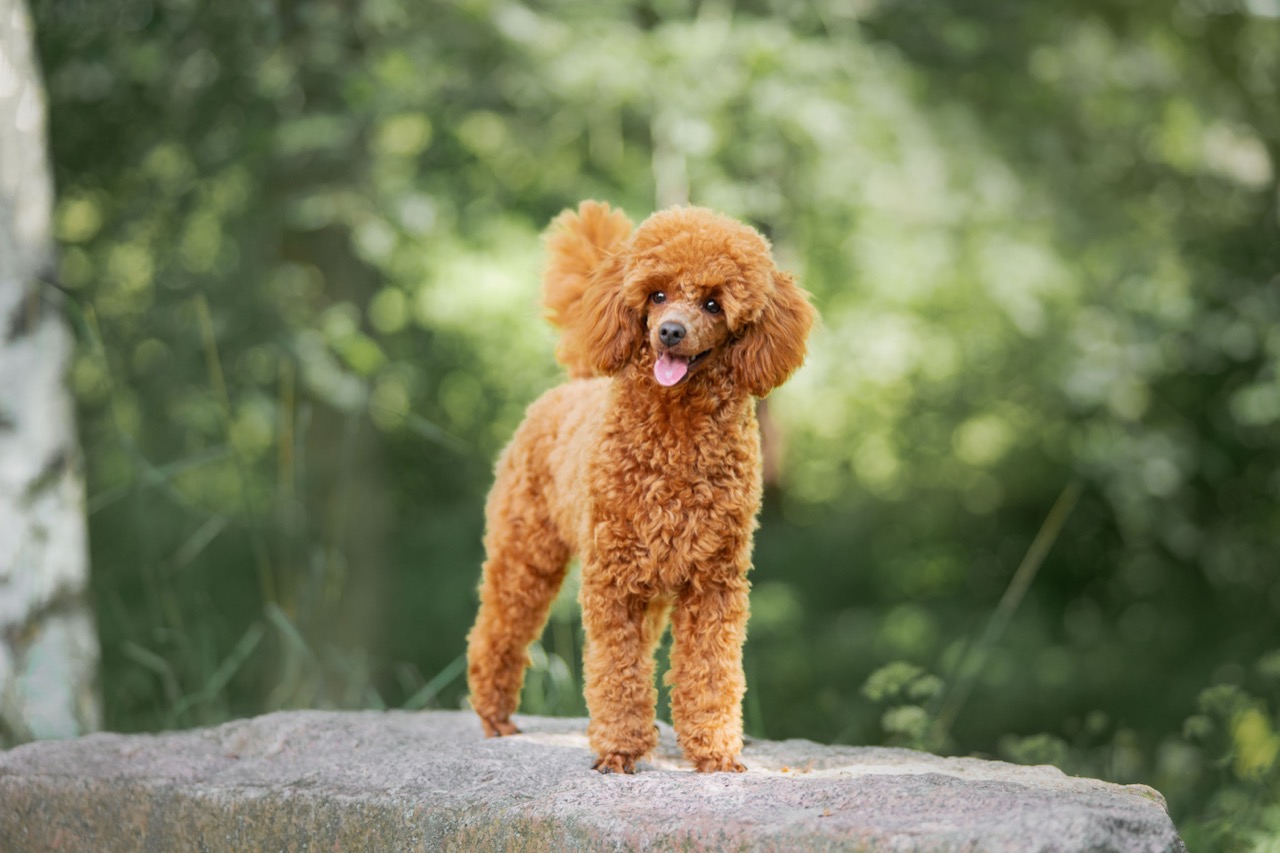
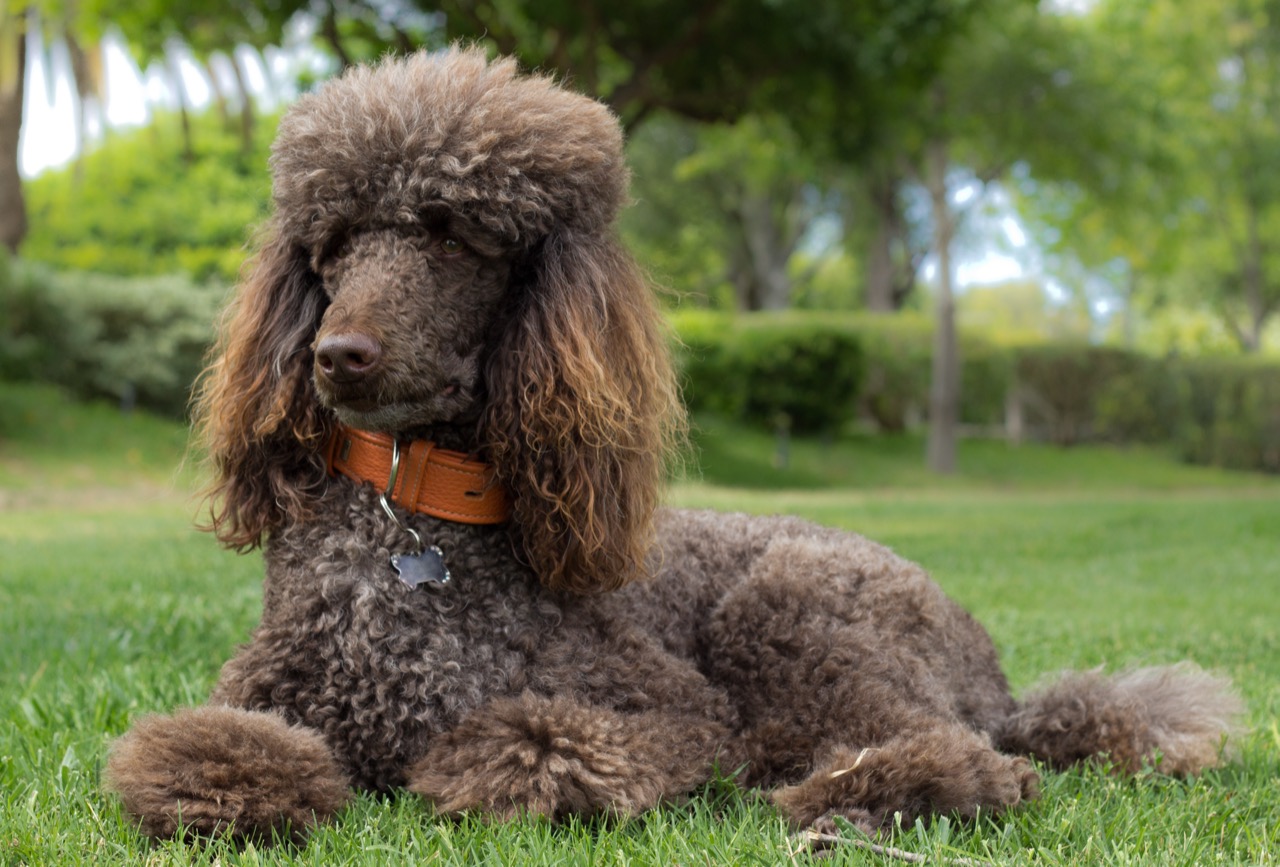
Poodles are often described as stylish, but their signature curls and sharp minds are also a gateway into real science. The curly coat is more than a fashion statement: it reflects how a few key genes shape hair growth, texture, and shedding. In many dogs, hair grows to a set length and then sheds in cycles. Poodles tend to keep hair in a longer growth phase, so loose hairs are more likely to stay trapped in the curls instead of falling to the floor. That is why they are often called low-shedding, even though they still lose hair. Less hair floating around can mean fewer allergens spread through a home, but it does not make a dog truly hypoallergenic. Most pet allergies are triggered by proteins in dander, saliva, and urine. A poodle may reduce exposure for some people because the coat holds onto shed material, but grooming habits, bathing frequency, and individual sensitivity matter more than any label.
Coat type is also a practical lesson in materials and maintenance. Curly hair tangles easily, so poodles need regular brushing to prevent mats that can pull at the skin and trap moisture. Grooming tools are small pieces of engineering: slicker brushes use fine bent wires to separate curls; combs with different tooth spacing help find hidden tangles; clippers rely on sharp blade geometry and motor design to cut cleanly without overheating. Even the choice of shampoo is chemistry in action, balancing cleaning power with skin barrier protection.
Genetics goes beyond the coat. Modern DNA tests can estimate ancestry, flag some disease risks, and identify variants linked to traits like coat color or size. They are useful, but not magic. Many conditions are influenced by multiple genes plus environment, and a risk marker does not guarantee a disease will appear. Different companies also use different reference databases, so results can vary. The most responsible way to use consumer genetic testing is as a starting point for conversations with a veterinarian, not as a final diagnosis or a reason to panic. There are ethical questions too: who owns the genetic data, how it might be shared, and whether it could affect insurance or breeding decisions.
Veterinary technology adds another layer to the story. Microchips, which are tiny radio-frequency identification devices placed under the skin, have reunited countless lost dogs with owners. They do not work like GPS trackers; instead, a scanner reads the chip’s ID number, which must be linked to up-to-date contact information in a registry. Imaging tools help veterinarians look inside the body without surgery. X-rays can reveal bone issues, while ultrasound can evaluate soft tissues in real time. Advanced clinics may use CT or MRI to examine complex problems, including neurological concerns that can affect behavior.
Poodles are famously trainable, and their sensory biology helps explain why. Dogs experience the world primarily through smell. Their noses contain specialized receptors and a large brain region devoted to processing odor information, allowing them to detect faint scent traces and discriminate between similar smells. That is why many poodles excel in scent work, from finding truffles to participating in search activities. Hearing also plays a role: dogs can detect higher-pitched sounds than humans, which supports training with subtle cues. Combined with a strong motivation to work with people, these abilities make poodles standouts in tasks that require attention, memory, and problem-solving.
All this science has real-world implications for how we care for them. A low-shedding coat does not eliminate allergens, but thoughtful grooming can reduce dander and keep skin healthy. Genetic insights can inform preventive care, but they should be interpreted carefully. Technology can improve safety and diagnosis, yet it works best when paired with good record keeping and veterinary guidance. In the end, poodles are a reminder that everyday pet ownership is full of biology, engineering, and data, all wrapped up in curls and curiosity.