From Paris Boulevards to Modern Memes










Quiz Complete!
From Paris Boulevards to Modern Memes: How French Bulldogs Became Cultural Icons

French Bulldogs feel like a modern obsession, yet their story is rooted in everyday working life and the social whirl of big cities. The breed’s beginnings are tied to small bulldog types kept in England in the 1800s, especially by lace workers and other tradespeople who wanted compact, friendly dogs suited to close quarters. When industrial changes pushed many workers to relocate, some carried their little bulldogs across the Channel. In France, these dogs found a new audience and were gradually shaped into what people now recognize as the French Bulldog.
Paris played a starring role in turning the Frenchie into more than just a pet. In a dense city of apartments, cafes, and sidewalks, a small dog with a bold personality was ideal. French Bulldogs became popular companions in neighborhoods where artists, writers, and performers mixed with nightlife and fashion. They were seen as charmingly unconventional: sturdy but not large, comical but confident, and expressive in a way that made them feel like characters. Their association with bohemian circles helped them become a kind of living accessory, a dog that suggested you were in the know.
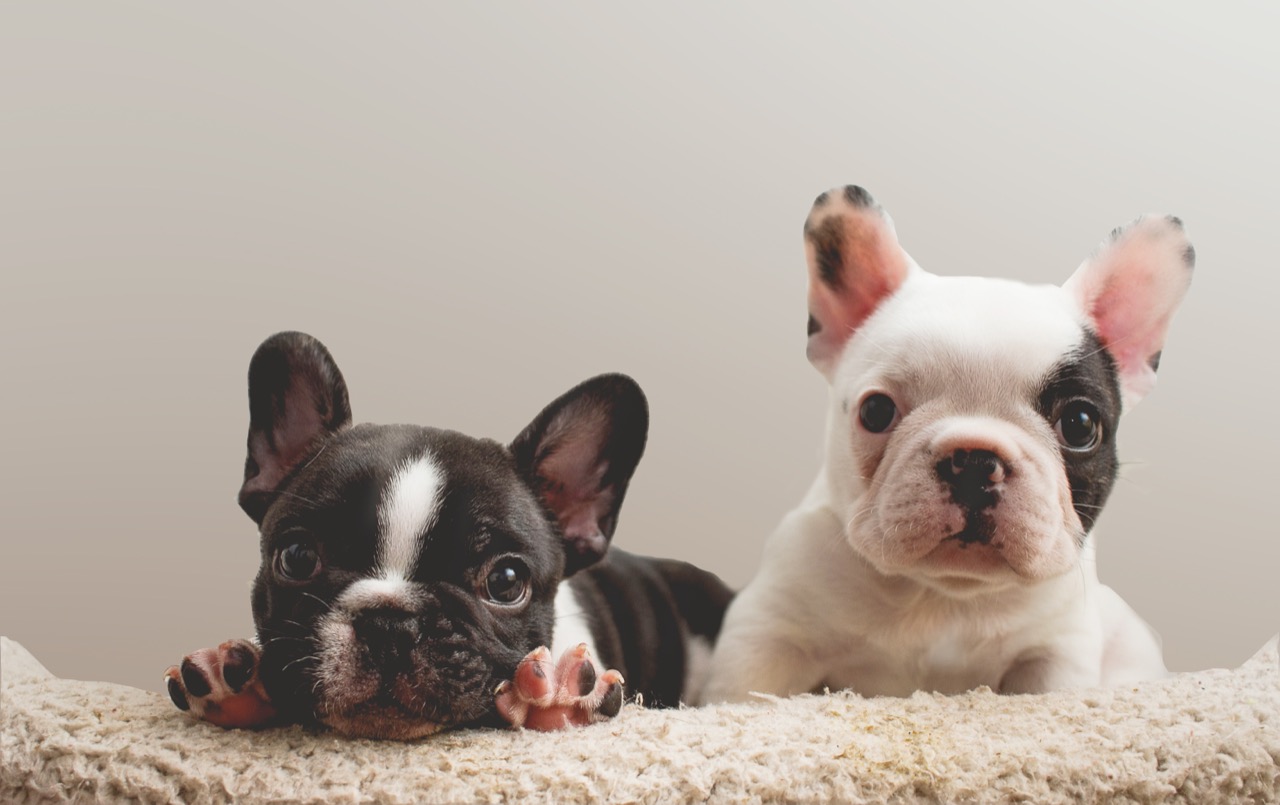
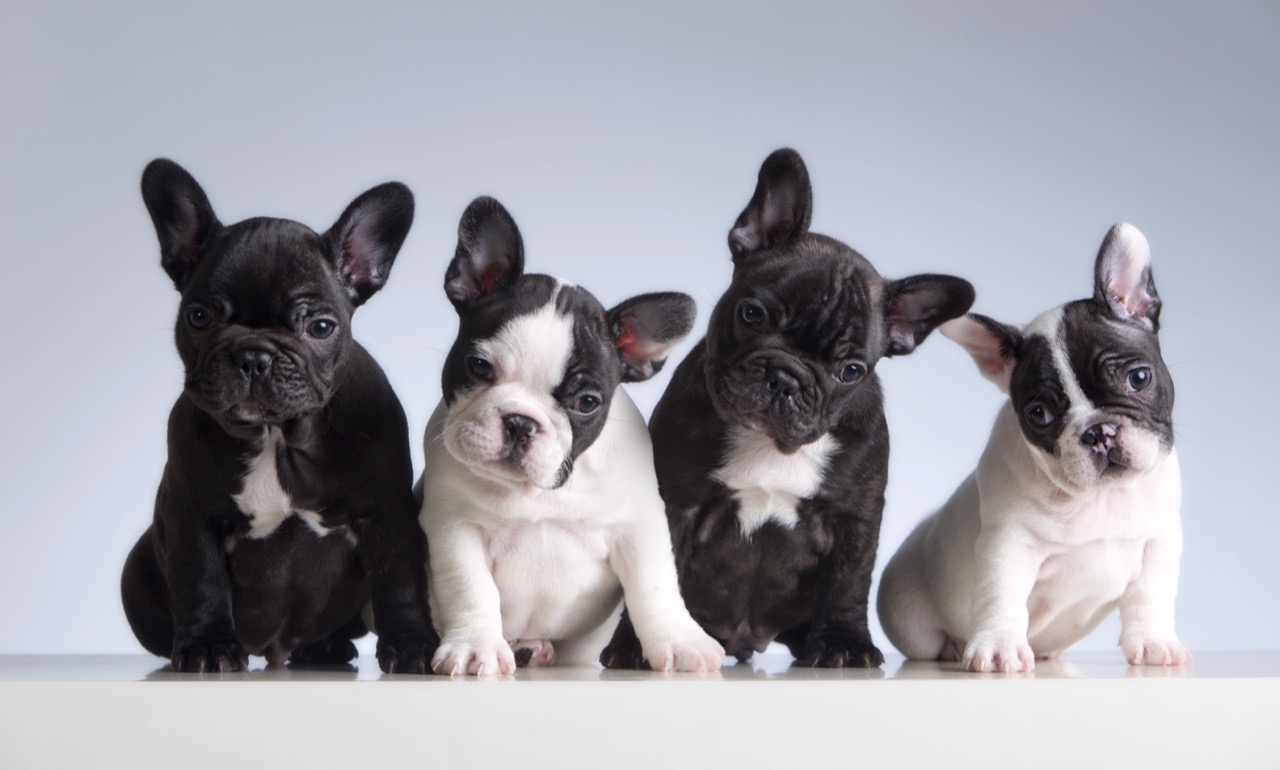
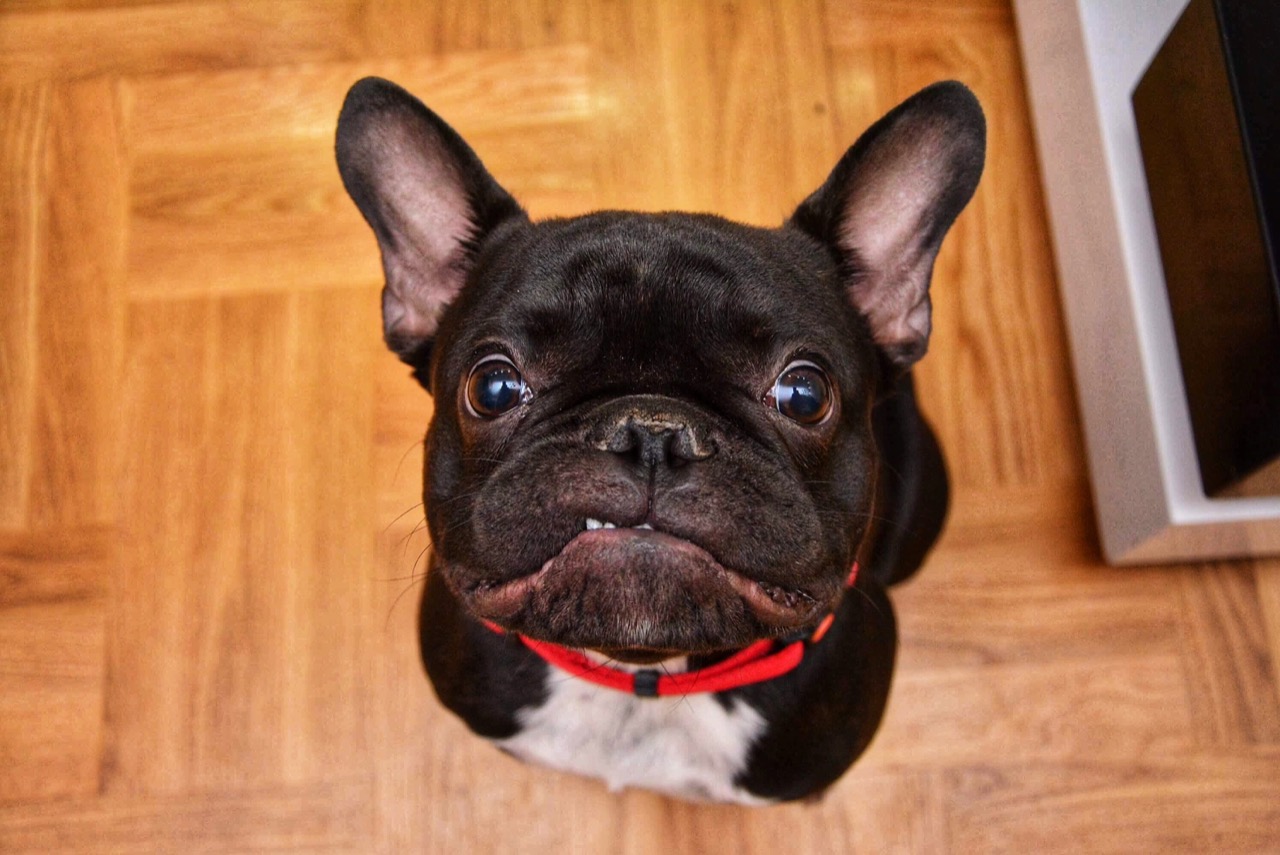
One of the most recognizable features of the breed, the upright bat ears, was not always universally admired. Early on, there were debates about ear shape, with some preferring the rose ear seen in other bulldog types. Over time, the bat ear became the signature look and a visual shortcut for the breed in art and advertising. It is easy to draw, easy to spot, and instantly communicates Frenchie energy even in a quick sketch. That simple silhouette is a big reason French Bulldogs appear so often in logos, cartoons, and now memes.
Their rise was not limited to France. Wealthy travelers and dog enthusiasts helped export French Bulldogs to other countries, including the United States, where the breed gained a foothold among people who followed European trends. Dog shows and social clubs amplified the Frenchie’s image as fashionable and a little daring. In an era when owning certain breeds signaled taste and status, the French Bulldog’s Parisian reputation gave it a special glow.
What makes French Bulldogs feel both vintage and modern is how well they fit into changing ideas of companionship. They are not typically portrayed as working dogs; they are portrayed as close partners in daily life. That aligns with contemporary urban living, where many people want a dog that thrives in smaller spaces and enjoys being near its humans. At the same time, the breed carries an old world aura, recalling cafe society, studio life, and classic photographs of city streets.
In today’s media landscape, French Bulldogs have become stars because their faces read clearly on camera. Their big eyes, compact snouts, and alert ears make their expressions easy to interpret, which is perfect for short videos and reaction images. Their body language can look dramatic even when they are doing something ordinary, and that makes them ideal for internet humor. The Frenchie has become a symbol that can mean many things at once: luxury, cuteness, stubborn confidence, or cozy domestic life.
Behind the glamour, the breed’s popularity also invites responsibility. French Bulldogs are known for specific health needs, and thoughtful ownership matters more than ever when a dog becomes a trend. Understanding their cultural journey helps explain why they show up everywhere, but it also reminds us that the icon started as a companion for regular people navigating city life. From Paris boulevards to modern memes, the Frenchie’s fame is really a story about how a distinctive look and a big personality can travel across borders, social scenes, and centuries.