From Hare Hunts to House Pets Beagles

Quiz Complete!
From Hare Hunts to House Pets: How Beagles Followed Their Noses into History
Beagles can seem like they have always been part of everyday life: a friendly face, a wagging tail, and a voice that carries through walls. Yet the modern Beagle is the result of centuries of shifting tastes, sporting traditions, and deliberate record keeping. Long before they became couch companions, Beagles were shaped by the practical needs of hunters who valued a dog that could follow scent steadily and work well in a group.
In Britain, hunting with hounds was both sport and social ritual. While grand stag hunts often involved larger hounds and horses, rabbit and hare hunting created space for smaller, foot-friendly packs. That niche helped small scent hounds thrive. The name Beagle has been linked to small hounds for a long time, though early references were not always consistent about what counted as a Beagle. In different places and eras, the term could suggest a type rather than a tightly defined breed. What mattered most was performance: a keen nose, stamina, and the temperament to hunt in company.
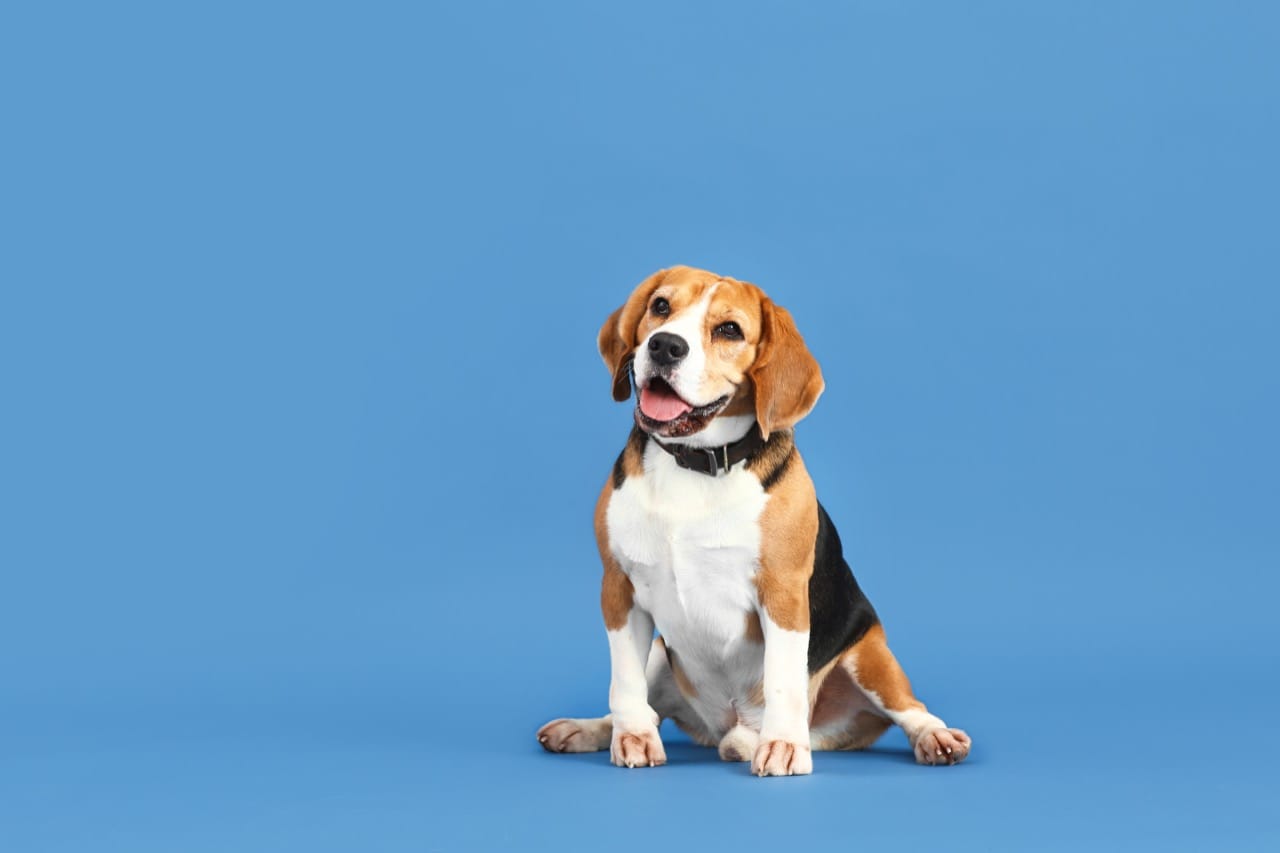
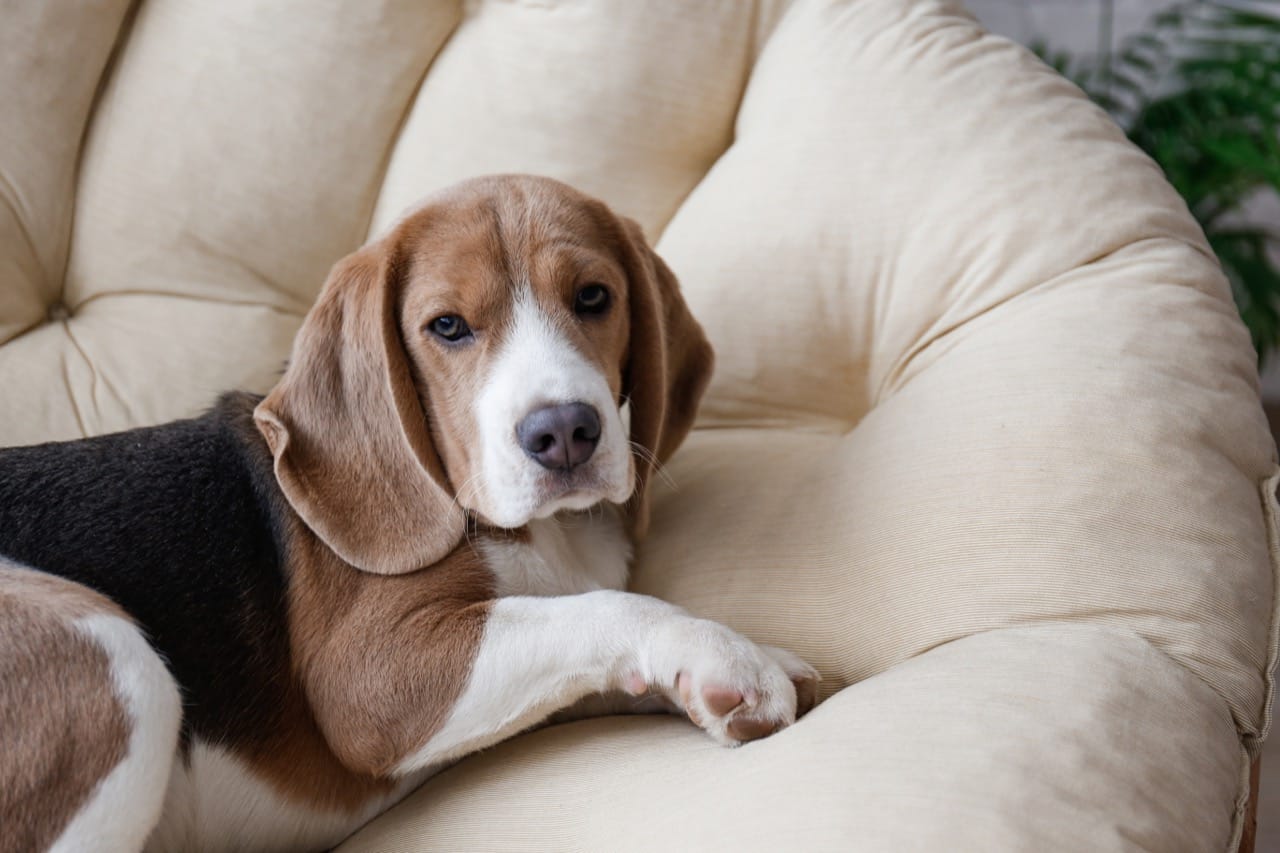
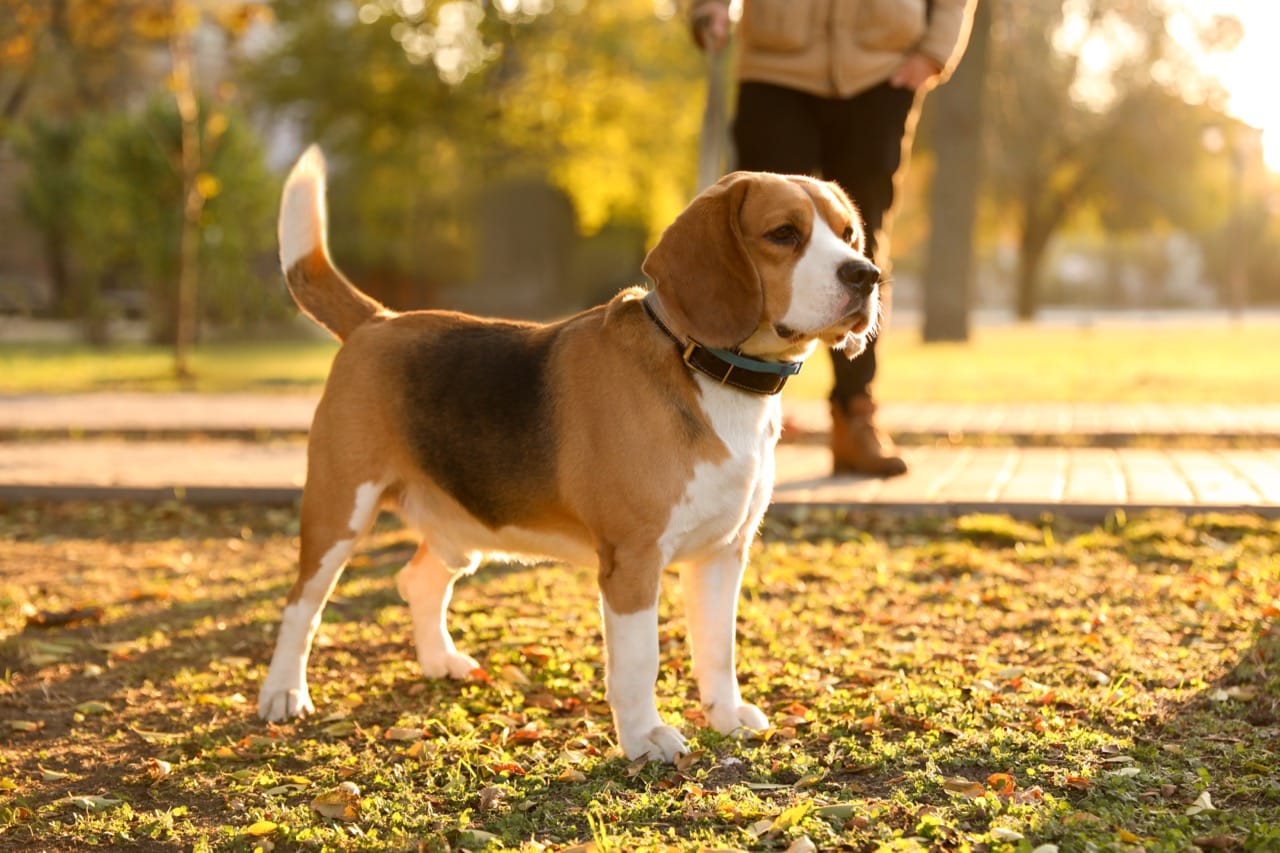
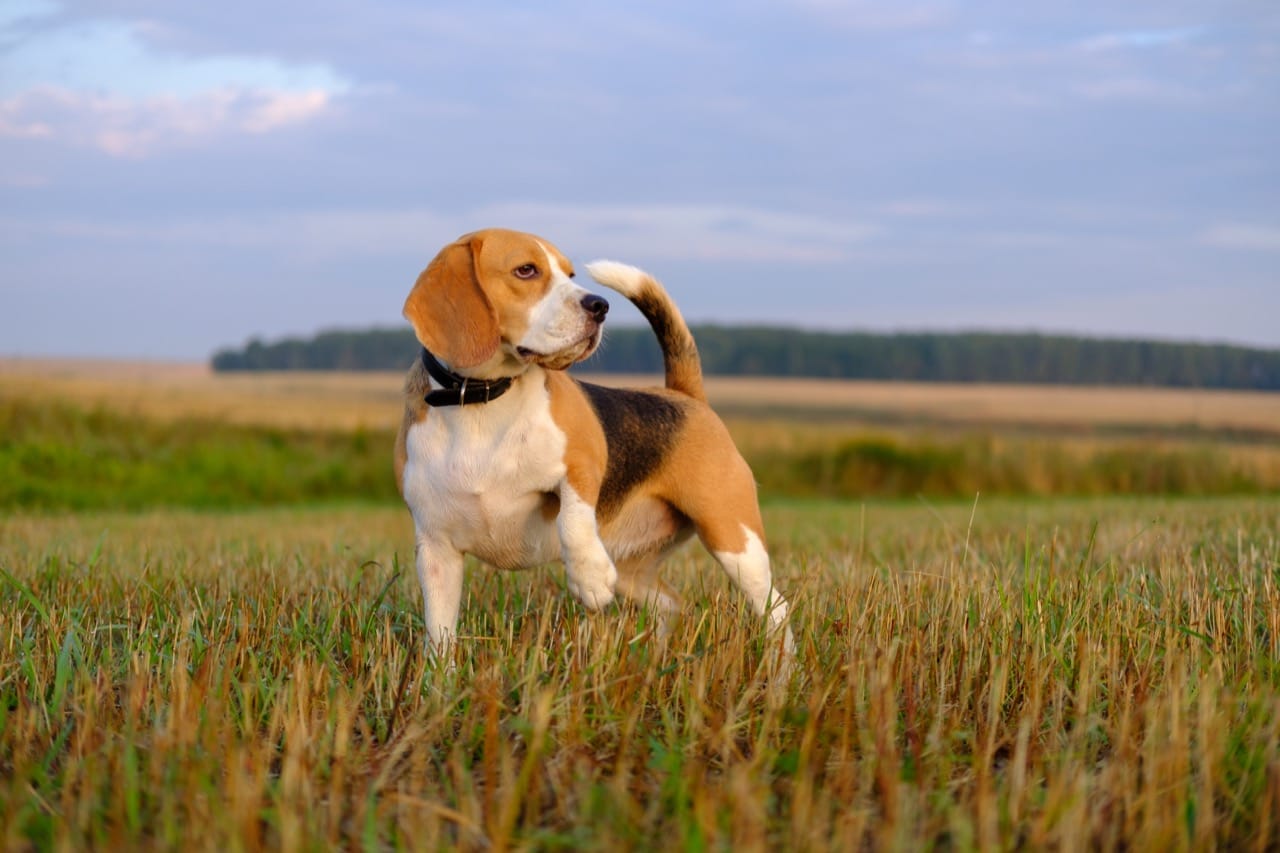
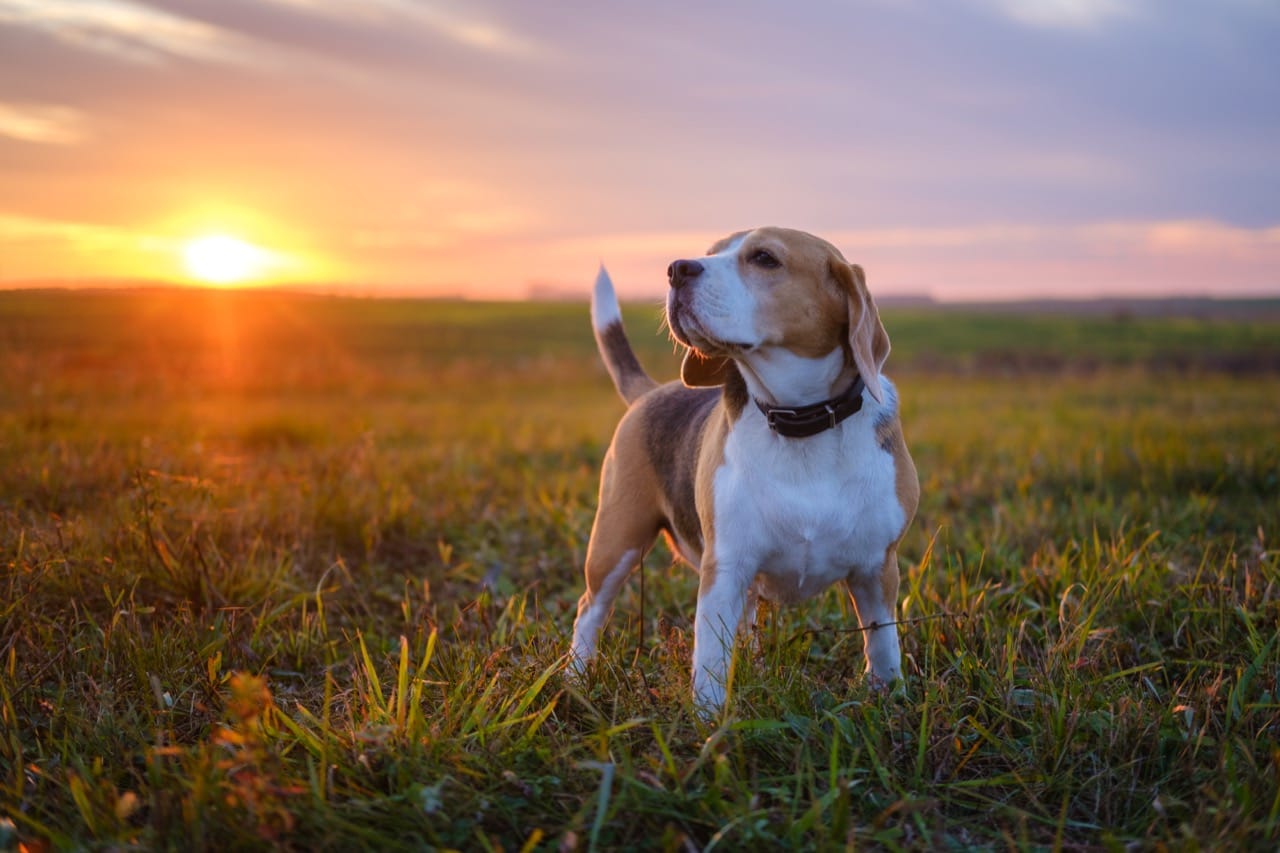
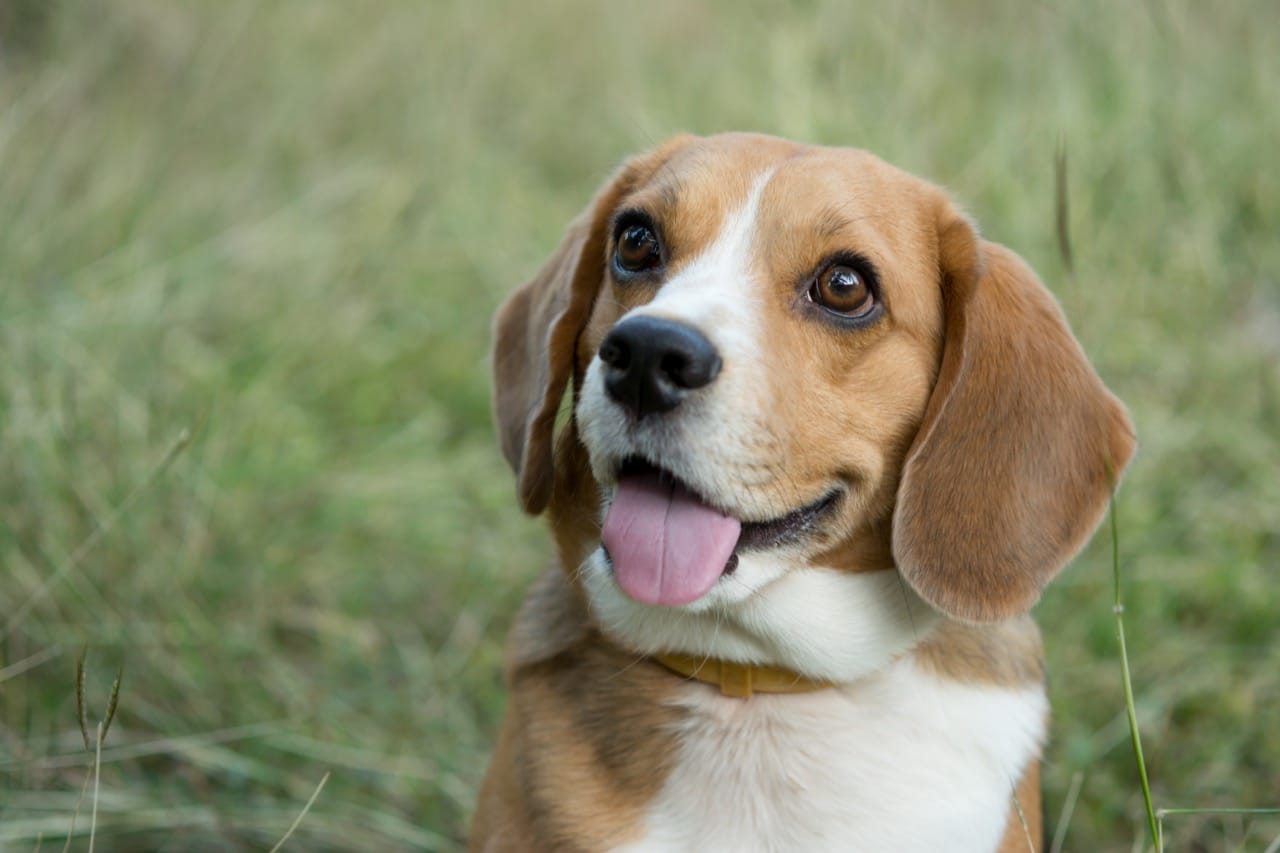
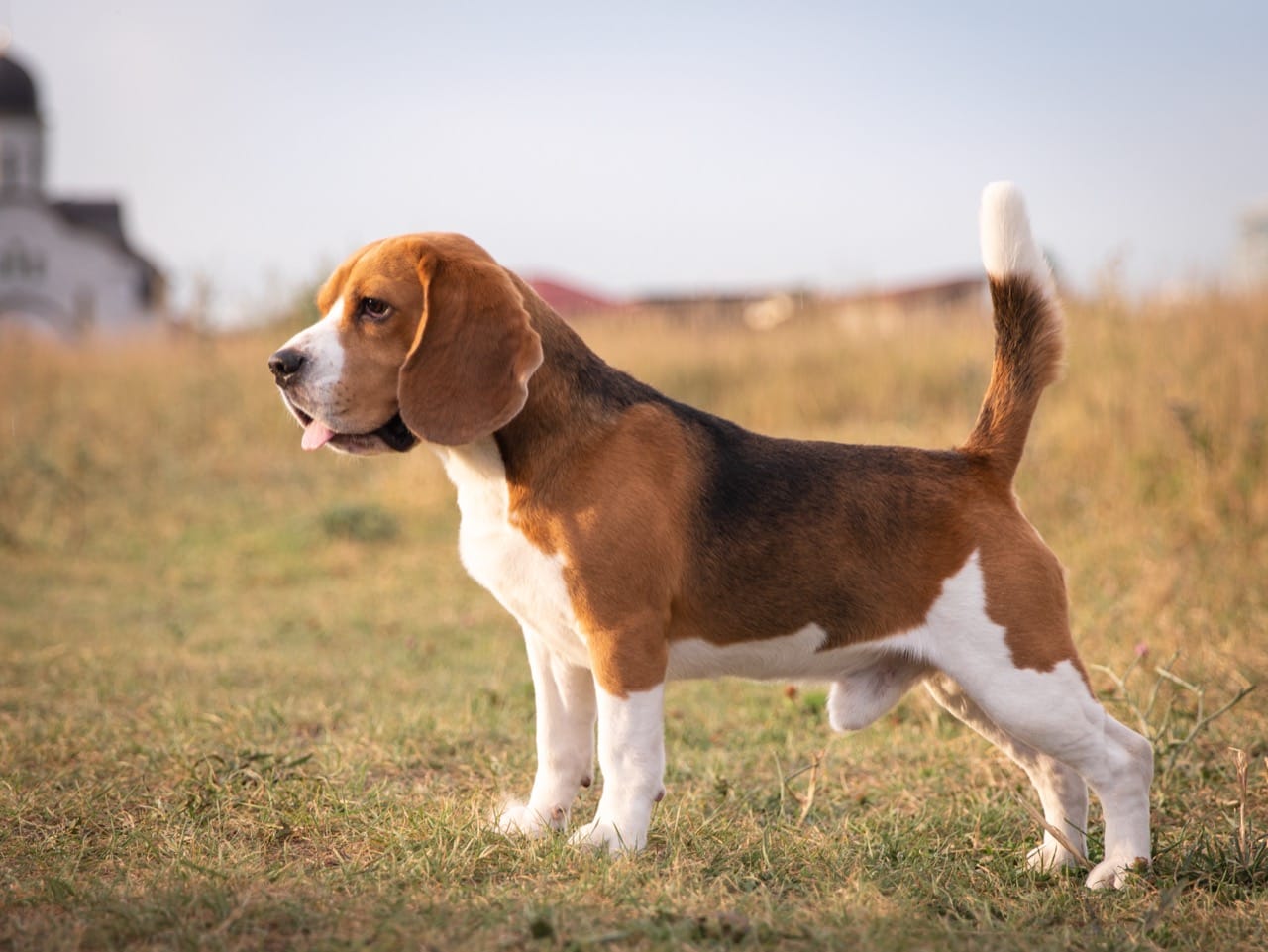
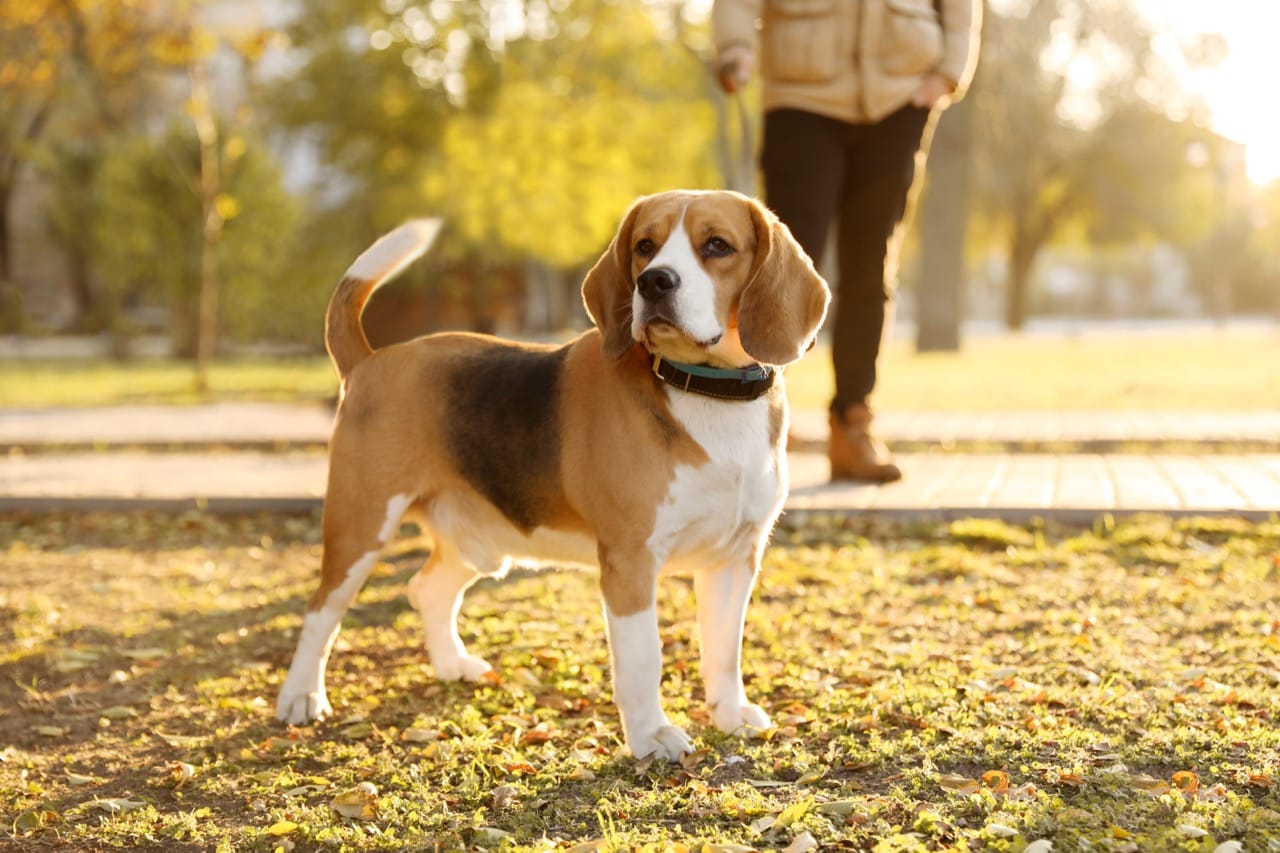
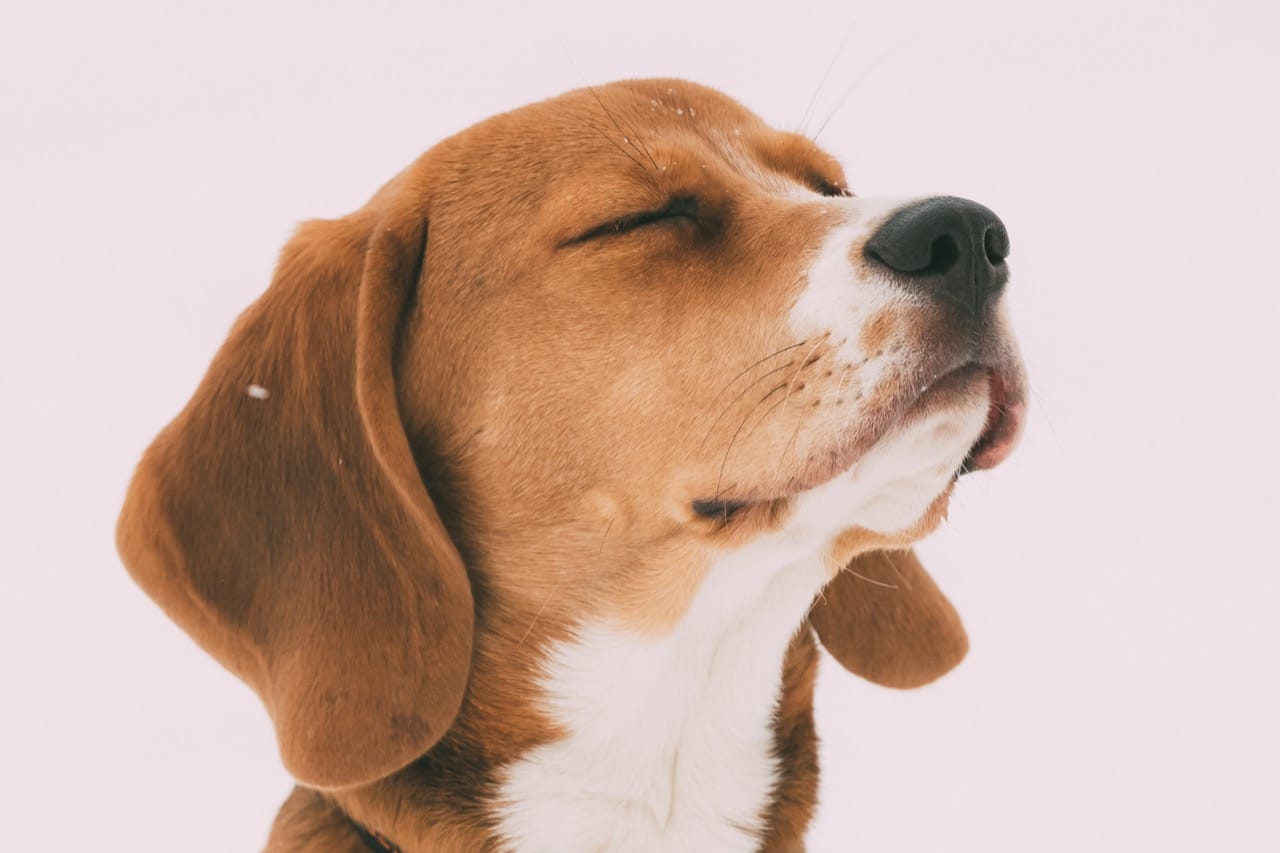
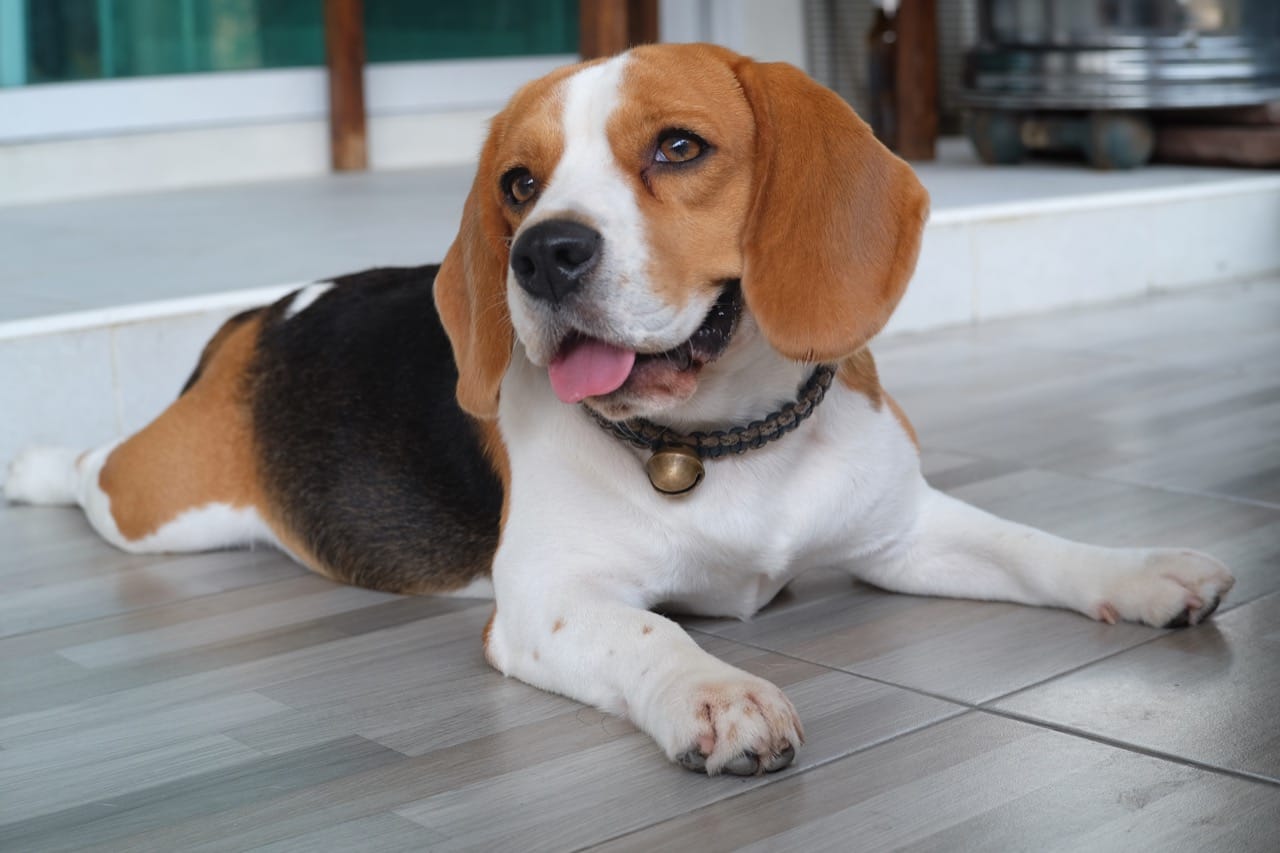
The Beagle’s body tells the story of that work. Their long ears are not just charming; they help funnel scent toward the nose as the dog tracks close to the ground. A strong, medium-length muzzle provides room for the scenting equipment inside the nose, and their compact, muscular build supports hours of steady trotting rather than short sprints. The tail, often held upright with a white tip, is a practical flag for handlers trying to keep sight of a dog moving through brush. Even the familiar tri-color coat is more than decoration, offering visibility in the field.
Then there is the voice. Beagles are famous for baying, and that trait was not an accident. In a pack hunt, sound is communication. A clear, ringing bay helps hunters follow the action without needing to see every dog. It also signals excitement and progress on the trail. In a modern neighborhood, that same instinct can become a challenge, but it is a direct echo of the breed’s working past.
As hunting culture evolved, so did the pressure to standardize dogs. The nineteenth century, in particular, brought a growing fascination with classification, pedigrees, and formal shows. Breed clubs began to define what a Beagle should look like and how it should behave. This is where the paperwork comes in: written standards, stud books, and organized judging helped narrow a once-flexible label into a more consistent breed. Size became a selling point, not only because smaller hounds were practical for foot hunting, but also because they fit changing lifestyles. A dog that could work hard in the field yet live comfortably in a home had obvious appeal.
When Beagles crossed the Atlantic, they found new fans in the United States. American hunters appreciated a compact scent hound for rabbits, and the breed’s friendly nature helped it settle into family life. Official recognition by kennel organizations and the growth of breed clubs reinforced a shared idea of the Beagle, encouraging consistency in appearance and temperament. Over time, the Beagle became both a working dog and a symbol of cheerful companionship.
Today’s Beagle still carries old instincts in a modern package. The intense interest in smells, the determination to follow a trail, and the pack-oriented friendliness all make sense when you picture a small hound moving through hedgerows with others, nose down, voice up, and purpose clear. Understanding that history can make living with a Beagle more rewarding, because many of their most familiar quirks are not random at all. They are traditions, written into behavior as surely as any standard was written onto paper.