Fluff, Fame, and Mixes Pomeranian Trivia
Quiz Complete!
Fluff, Fame, and Mixes: The Many Connections of the Pomeranian
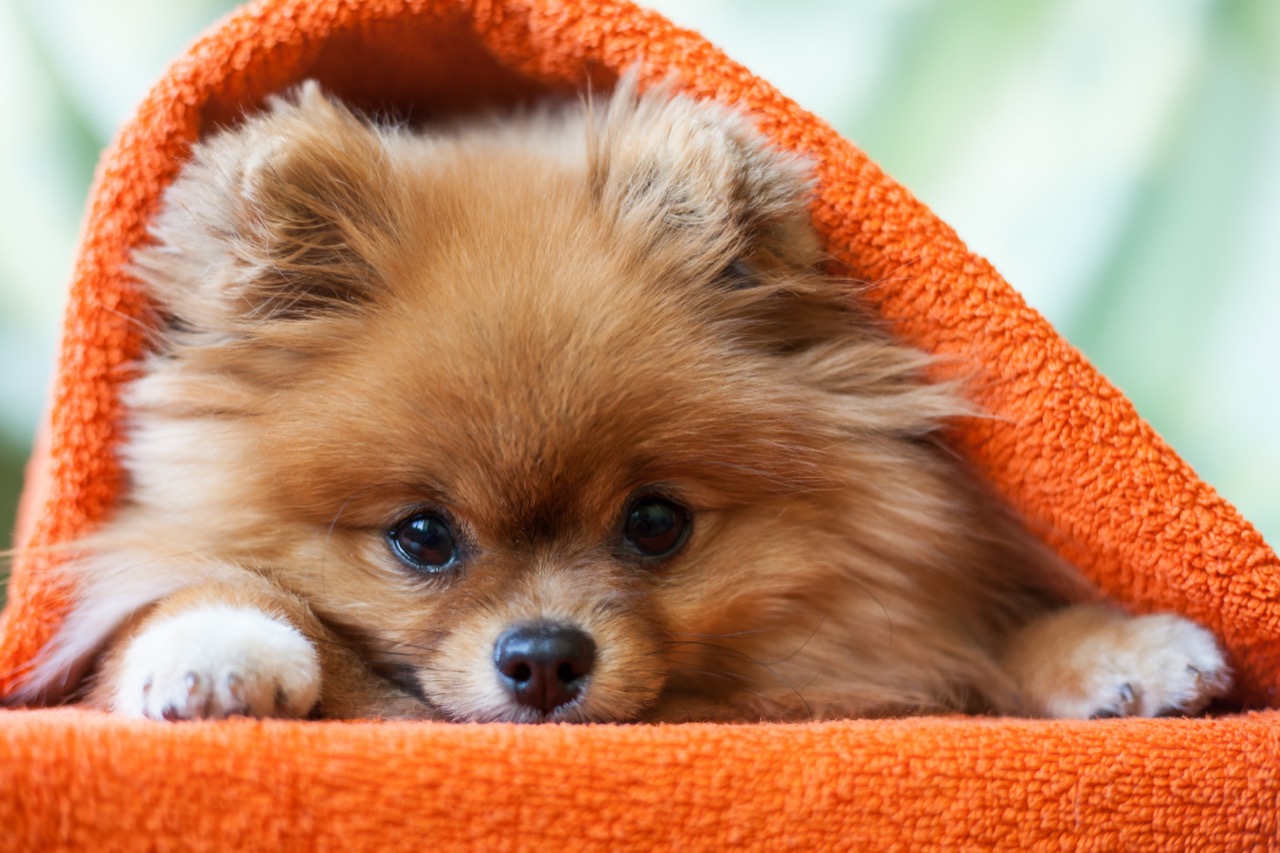
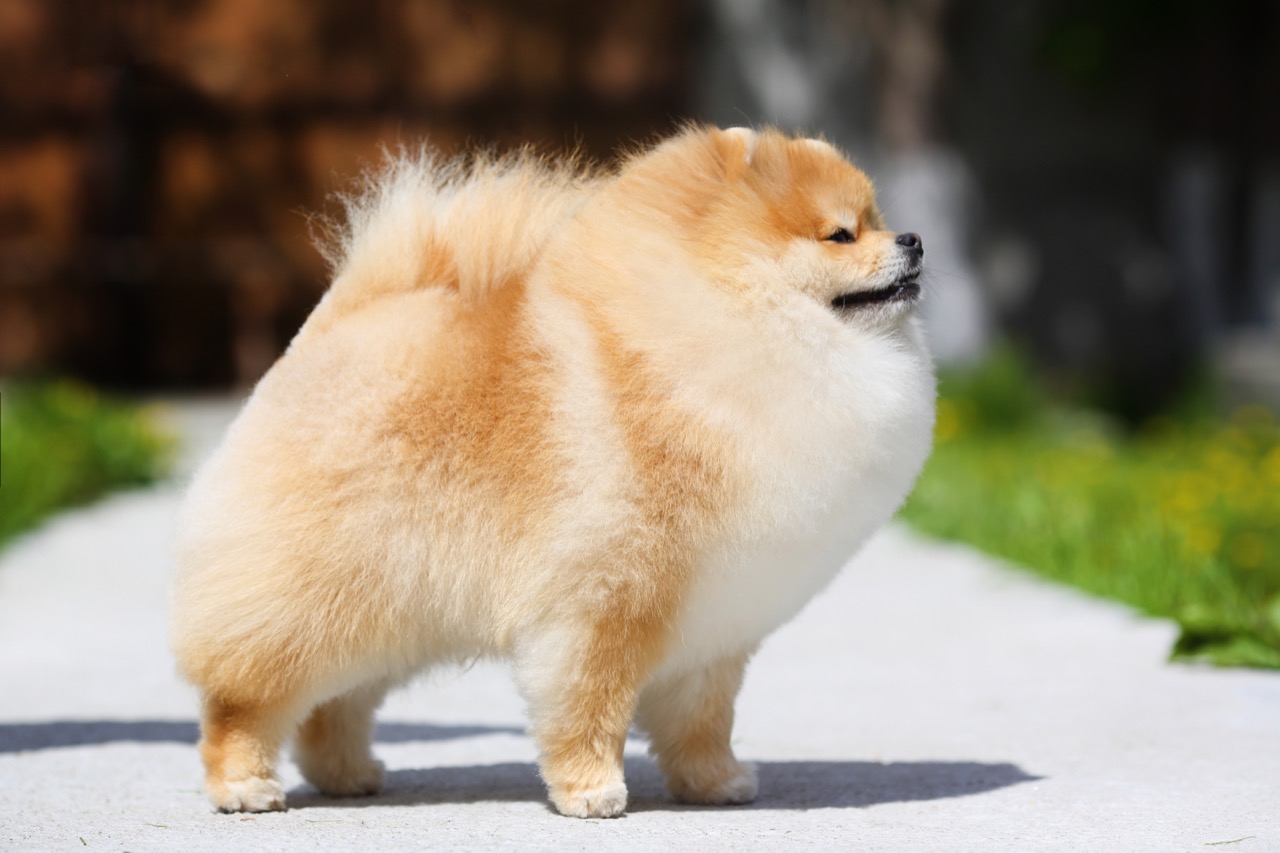
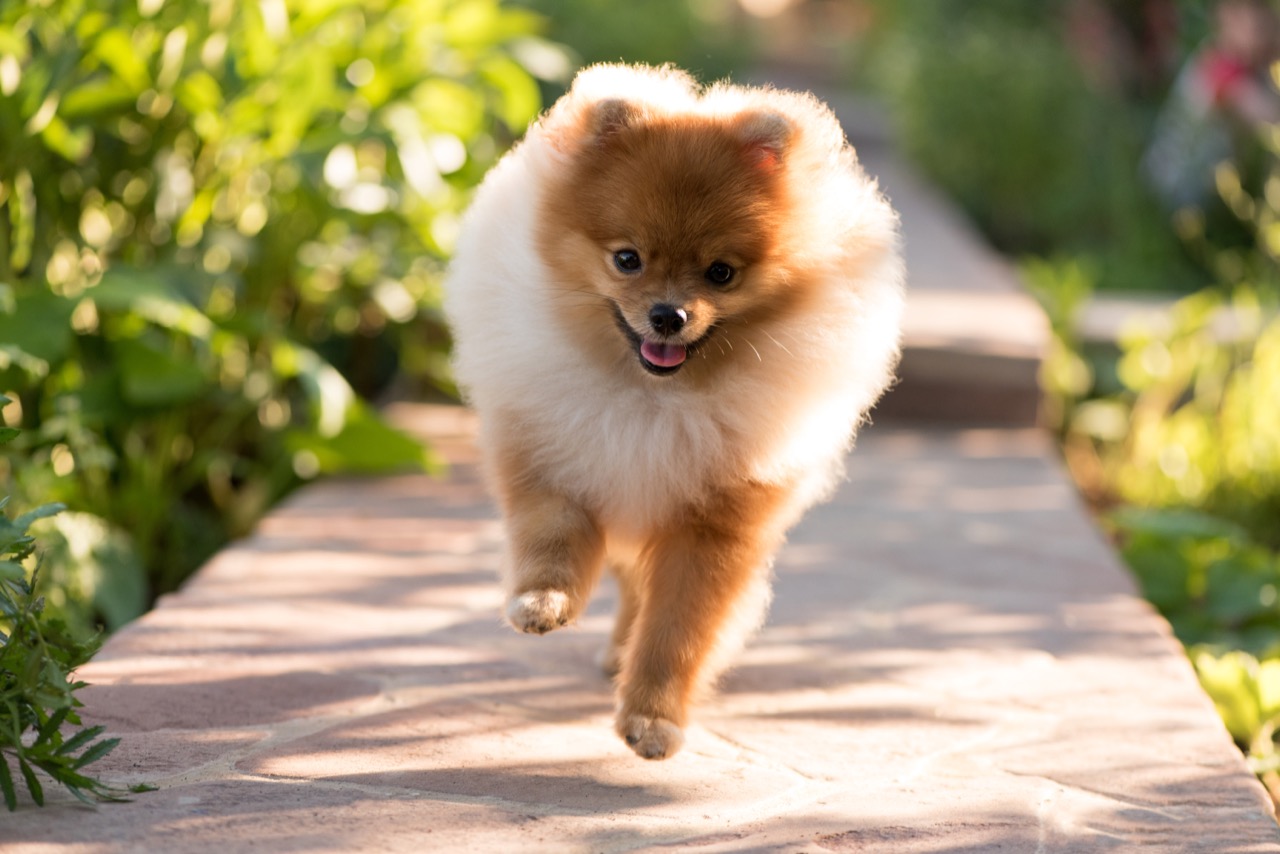
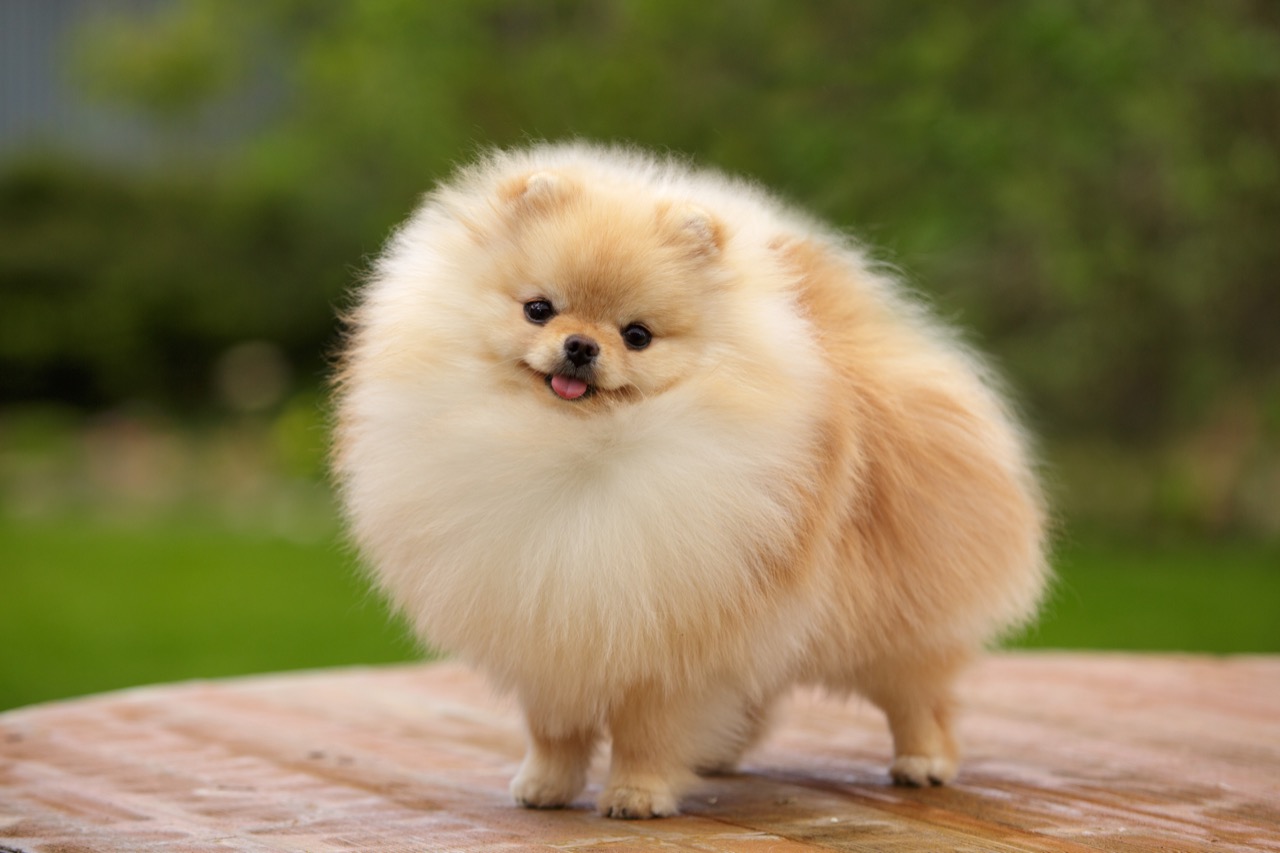
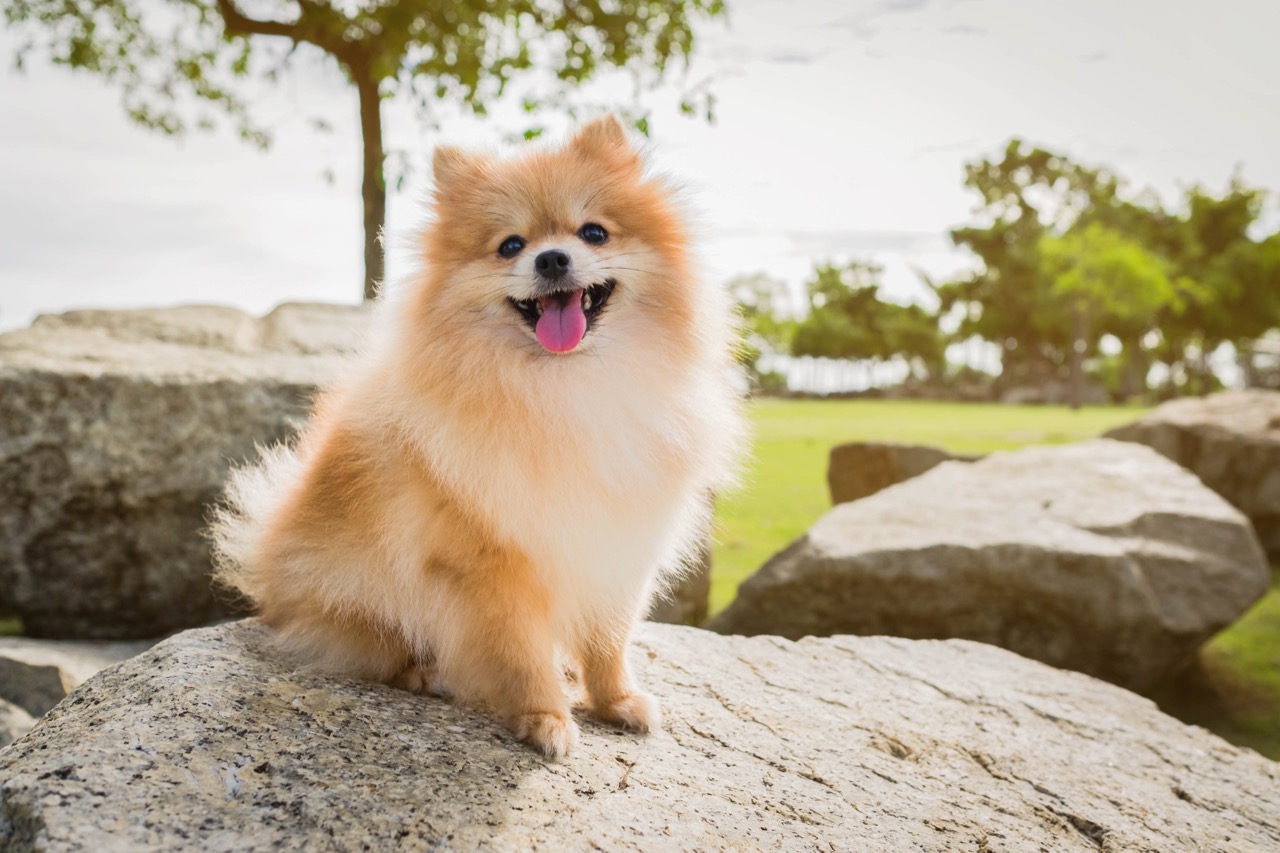
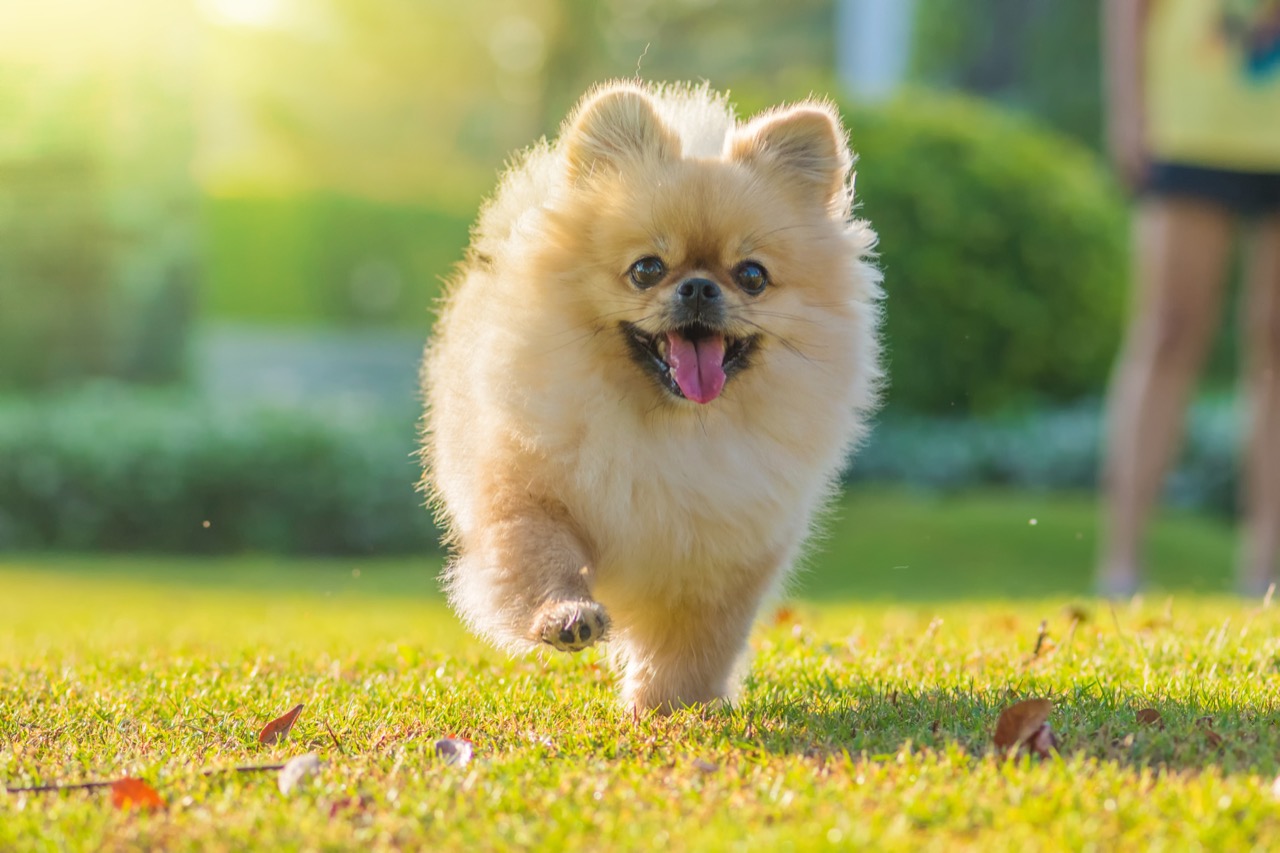
The Pomeranian looks like a toy-sized puffball, but its story starts with working spitz dogs built for cold climates. The breed name points to Pomerania, a region along the Baltic Sea, where larger spitz-type dogs were common. Early Poms were not always tiny; over time, selective breeding emphasized smaller size, a profuse double coat, and a bold, alert expression. That confidence is still a hallmark today. Many owners are surprised that a dog small enough to fit in a tote often behaves like it is in charge of the entire household.
Royal attention helped shape the modern Pomeranian. Queen Victoria is frequently credited with popularizing smaller Poms after she fell in love with them, and her influence made the breed fashionable in elite circles. Once a breed becomes associated with status and celebrity, it tends to spread quickly, and Pomeranians have continued to attract famous admirers across eras. Their camera-ready look, expressive faces, and portable size make them natural companions for public figures, and in the age of social media they have become icons again, often described with nicknames like little lions or fox-faced fluff.
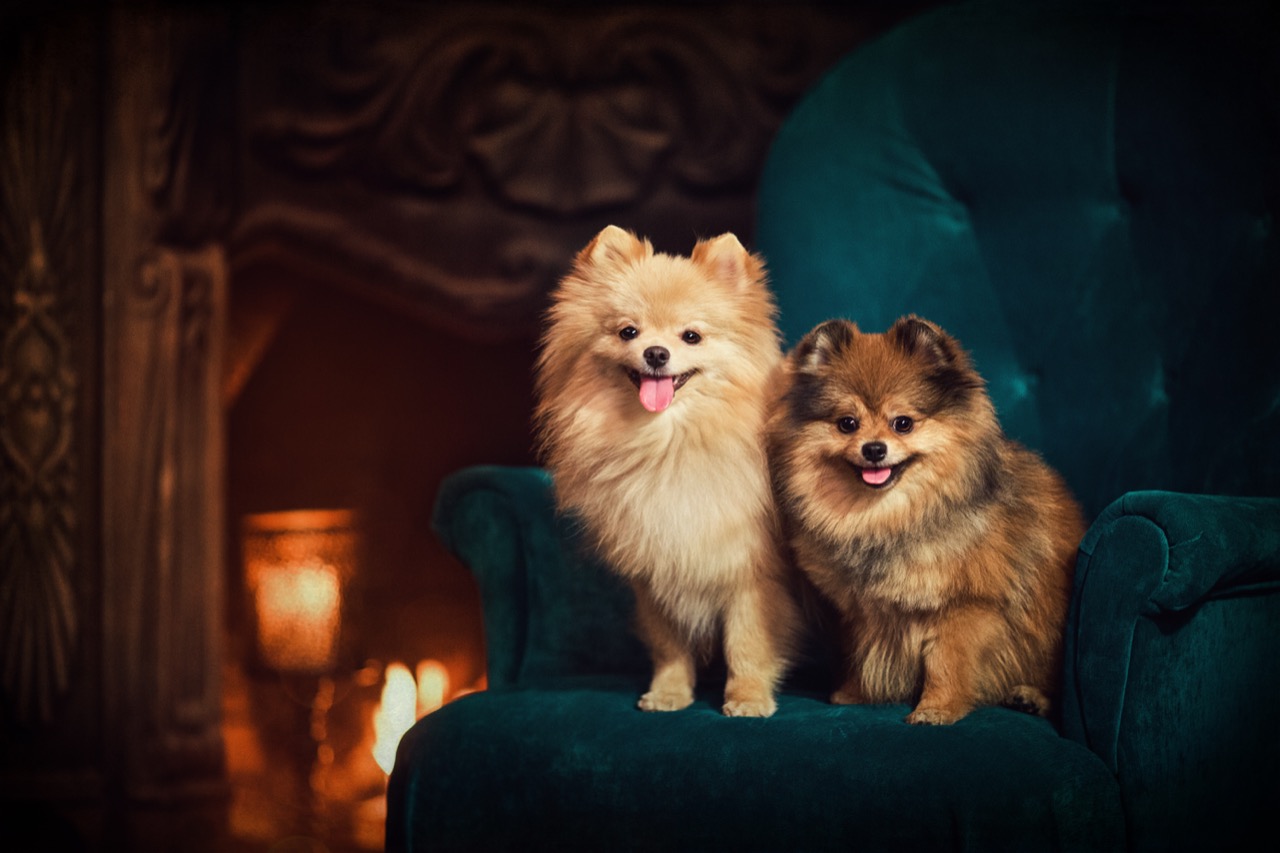
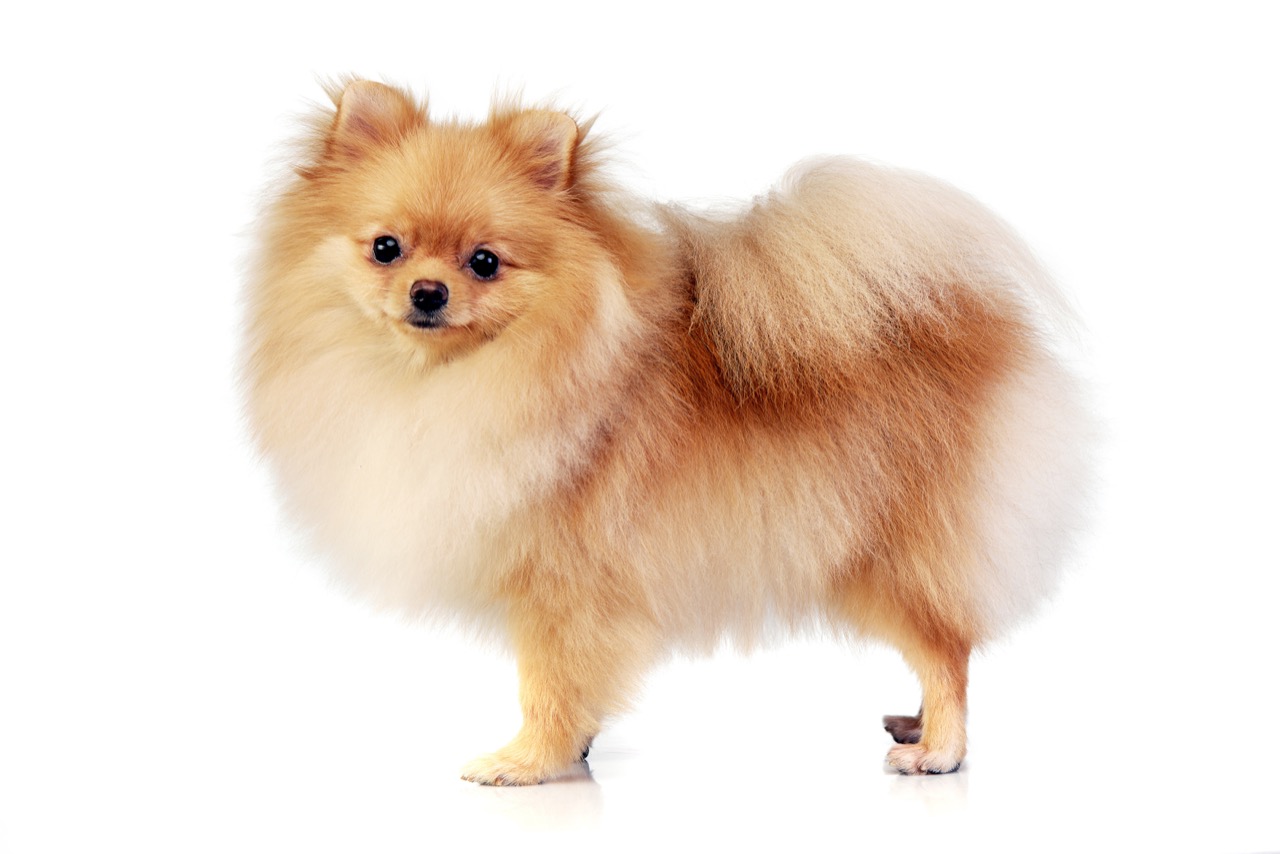
That fox comparison is not an accident. Pomeranians belong to the spitz family, known for wedge-shaped heads, prick ears, and curled tails. Those traits also appear in breeds people commonly confuse with Poms, such as the German Spitz, the American Eskimo Dog, the Keeshond, and even the Shiba Inu, though those breeds are typically larger. A quick way to tell them apart is to look at size and coat texture, but there is overlap, especially when a Pom has a longer muzzle and a less rounded face. You may also hear people talk about teddy bear versus fox face. While grooming and individual variation influence the look, head shape and muzzle length play a role, and breed standards generally favor a balanced spitz expression rather than extremes.
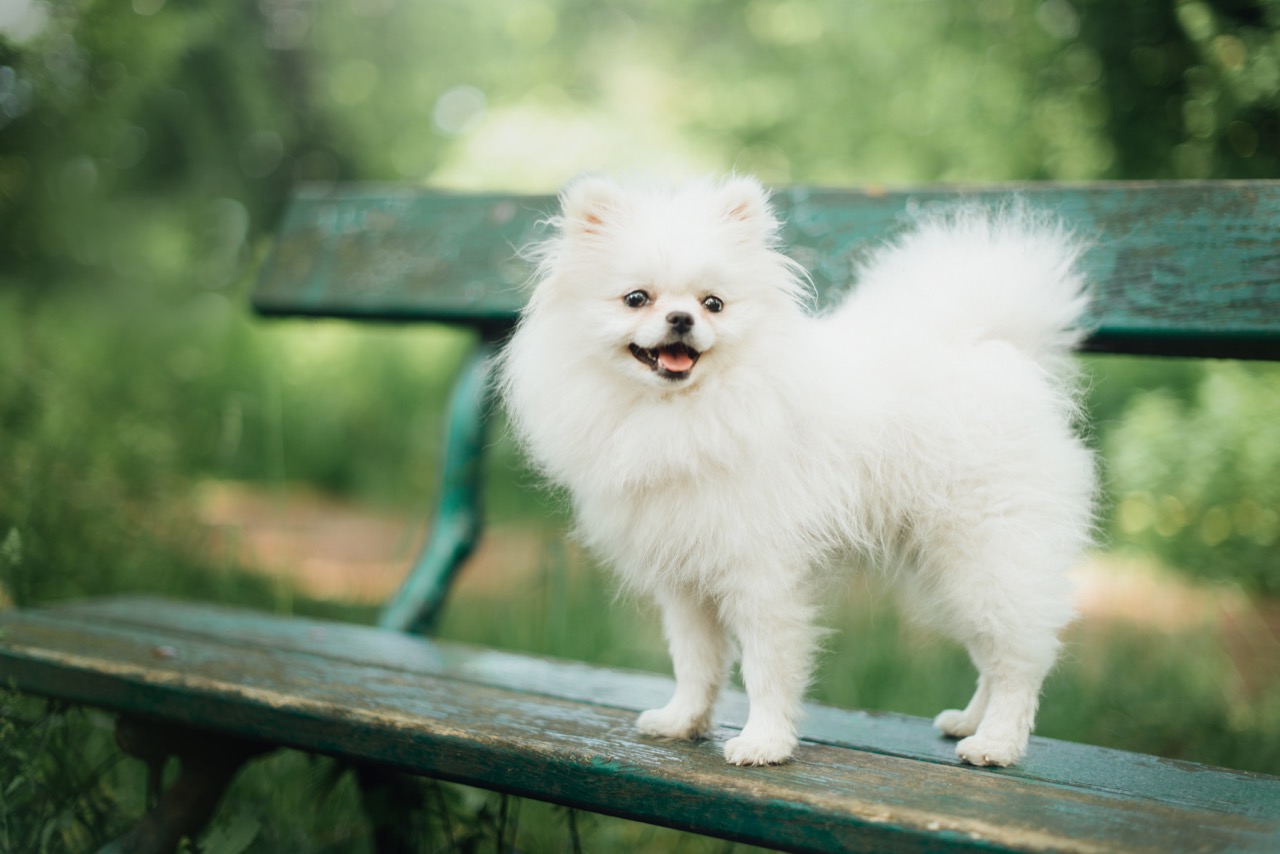
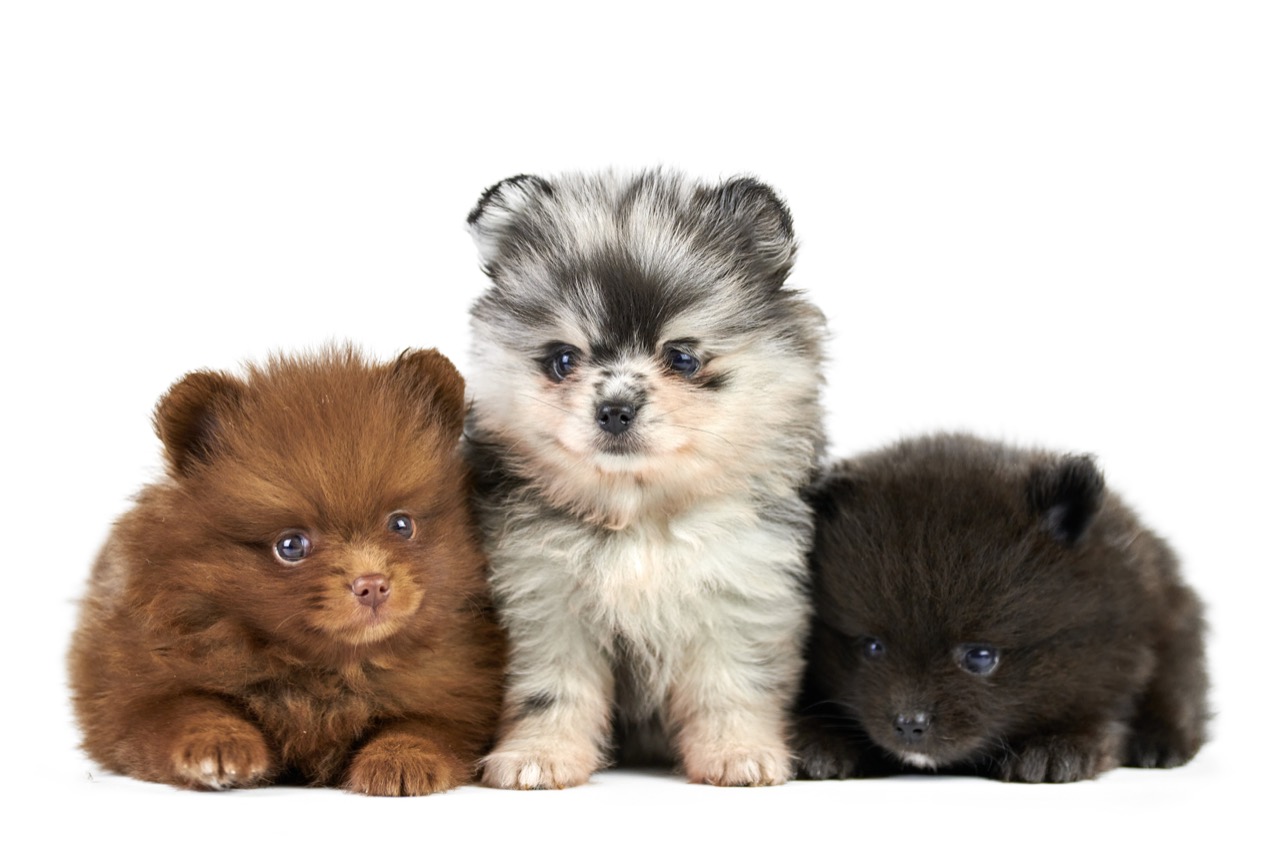
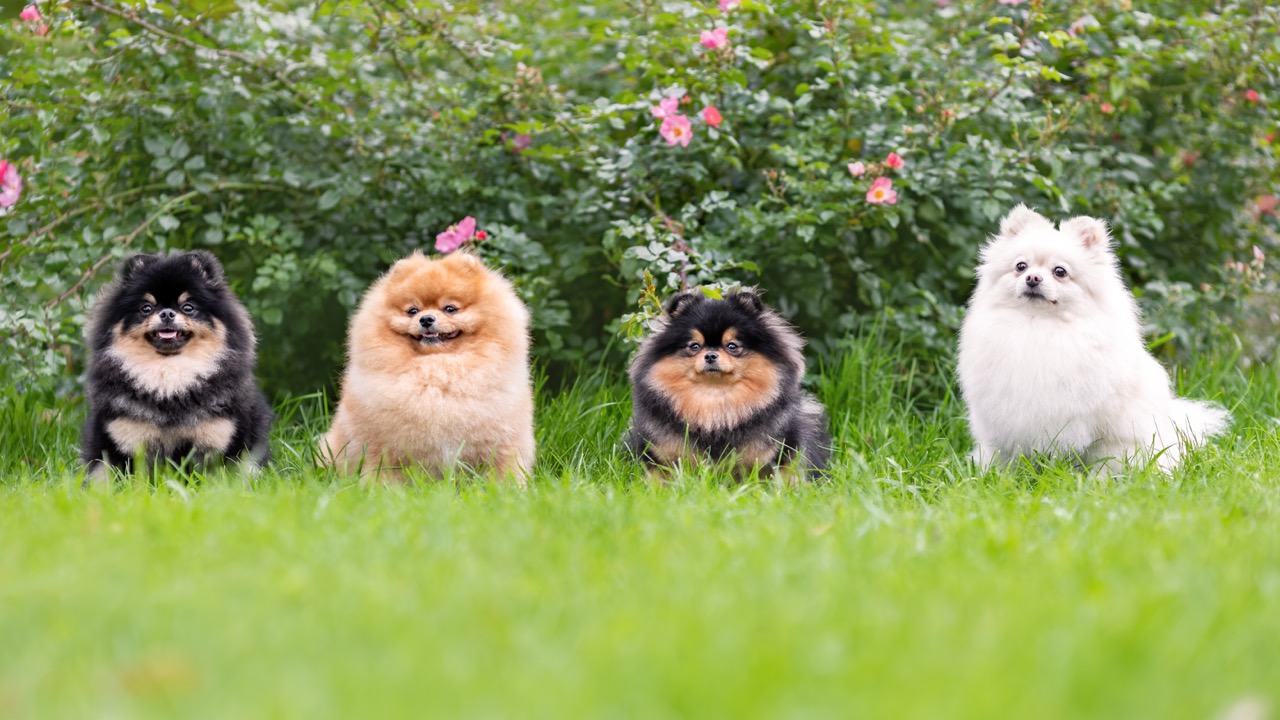
Color genetics add another layer of fascination. Pomeranians come in a wide range of colors and patterns, and coat can change as puppies mature. Many go through an awkward stage sometimes called the puppy uglies, when the fluffy baby coat sheds and the adult coat grows in. This transition can make a pup look temporarily less glamorous, which can surprise first-time owners. The double coat is beautiful but demands regular brushing to prevent mats, especially behind the ears, under the legs, and around the collar area.
The term throwback Pomeranian often causes confusion. It usually refers to a Pom that is larger than the typical size range, sometimes resembling the breed’s bigger ancestors. A throwback is not necessarily a different breed, and it is not automatically a sign of poor health, but size alone should never be the only goal in breeding. Responsible breeders prioritize temperament, sound structure, and overall wellness, because tiny dogs can be vulnerable to issues like dental crowding, luxating patellas, and tracheal sensitivity. Practical life with a Pom also means thinking about safety: harnesses are often preferred over collars for leash walking, and supervision matters around stairs, large dogs, and even enthusiastic children.
Modern mix trends connect Pomeranians to an even wider world. People talk about Pomsky pairings with Siberian Huskies, which can produce a range of sizes and coats, often with striking markings. The Pomchi, mixed with a Chihuahua, is popular for its compact size and big personality, though both breeds can be vocal and assertive. Pomeranian and Shih Tzu mixes are often sought for a softer, companion-focused vibe, while Pomeranian and Poodle mixes may appeal to those hoping for lower shedding, although no mix can guarantee a specific coat type. With any cross, the key is understanding that puppies can inherit traits unpredictably, including energy level, grooming needs, and health risks.
Whether you are drawn to royal history, show-ring style, or today’s mix-and-match trends, the Pomeranian stands out as a tiny spitz with oversized presence. Knowing the breed’s roots, lookalikes, coat quirks, and real-world needs makes it easier to appreciate why this little dog keeps turning up in so many surprising places.