Doberman Scandals: Headlines, Myths, and Courtrooms







Quiz Complete!
Doberman Scandals: How Headlines, Myths, and Courtrooms Shaped a Breed’s Reputation
Few dog breeds have been pulled between admiration and suspicion as dramatically as the Doberman. In one decade they are celebrated as loyal guardians and working partners, and in another they become shorthand for danger in a headline or a movie scene. Many so called Doberman scandals are not single events but recurring flashpoints where fear, policy, and pop culture collide.
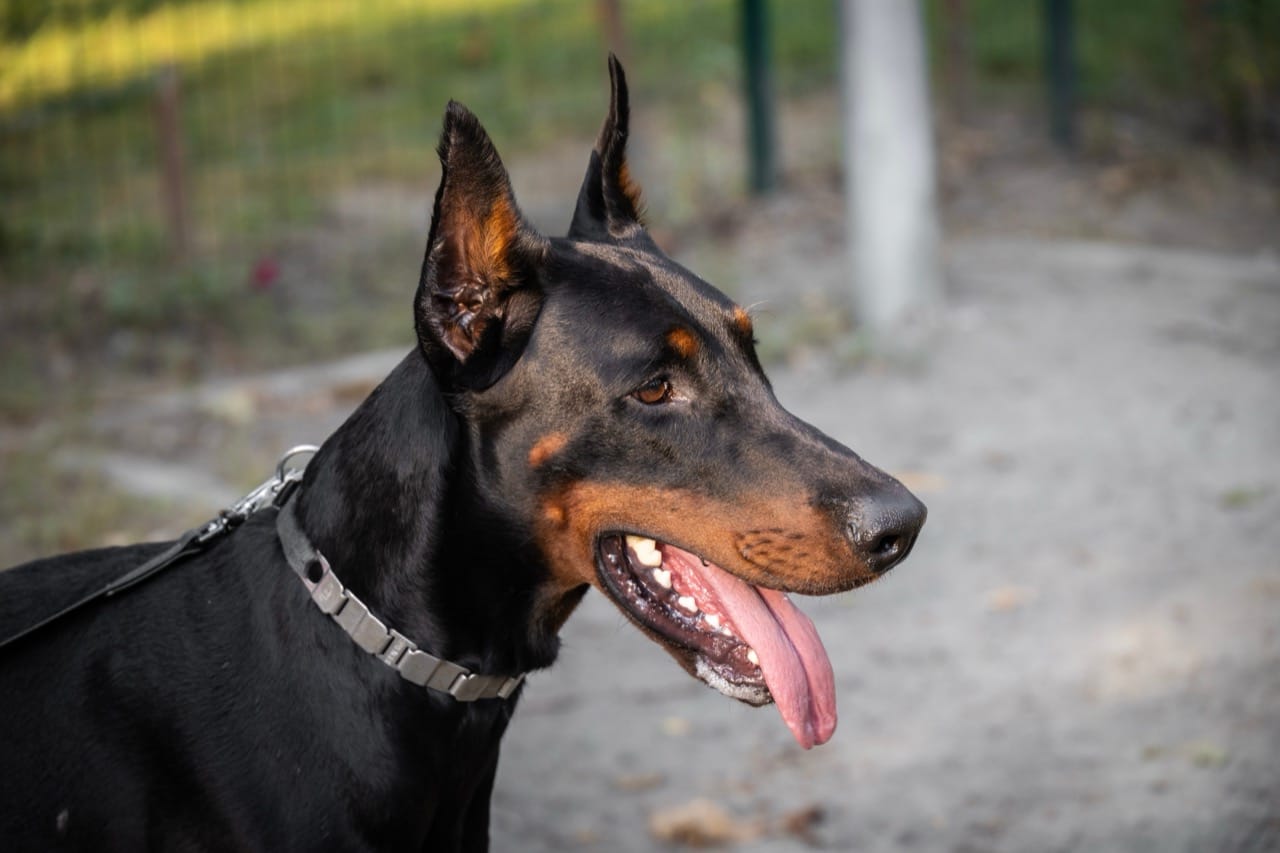
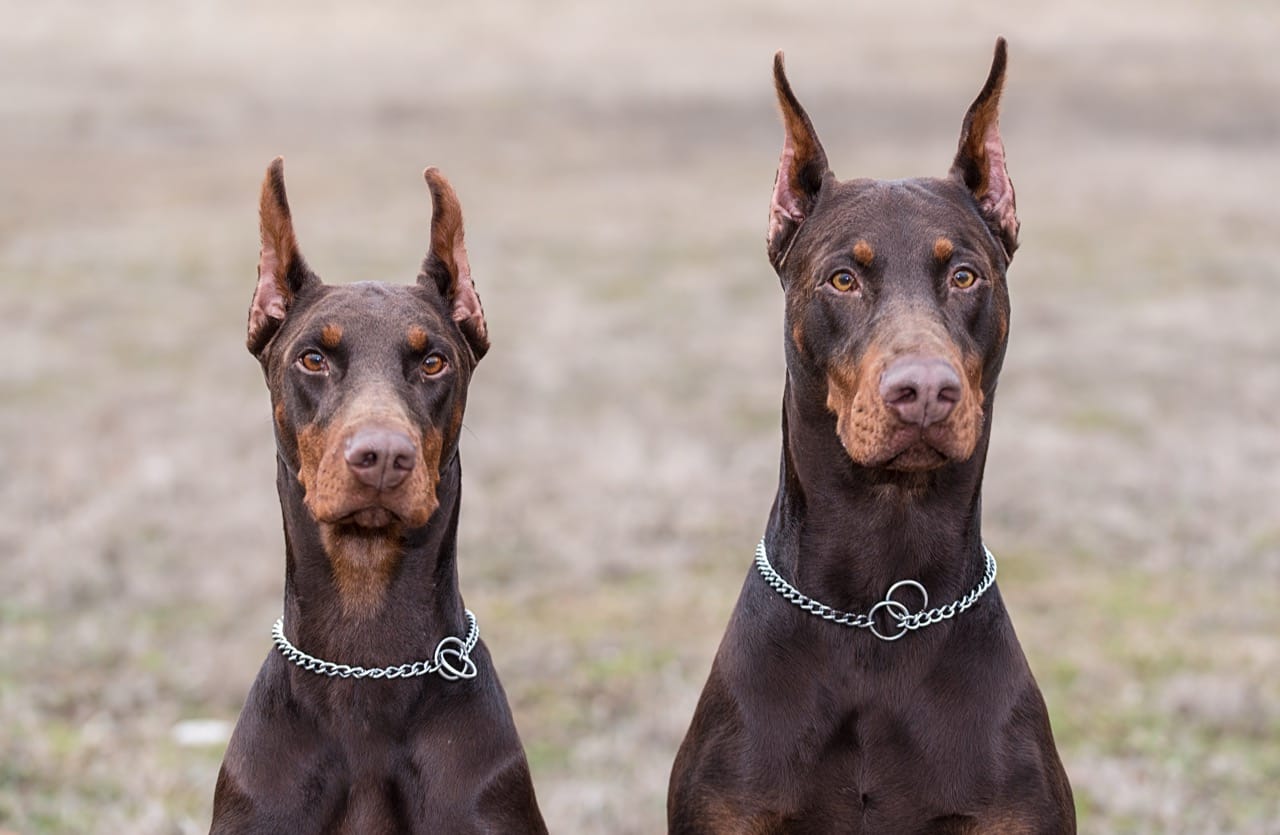
A major driver of the breed’s reputation has been sensational media coverage. When a serious dog bite occurs, early reports often focus on the breed before the circumstances are clear. That framing can harden into a narrative even when later details complicate the story, such as poor containment, lack of supervision, or a dog with an unknown history. Dobermans, like several other large breeds, have sometimes been treated as a symbol of aggression rather than as individual animals shaped by training, environment, and health. This tendency is amplified by dramatic language and selective imagery: cropped ears, a tight chain, or a shadowy backyard can do more to set a tone than any verified facts.
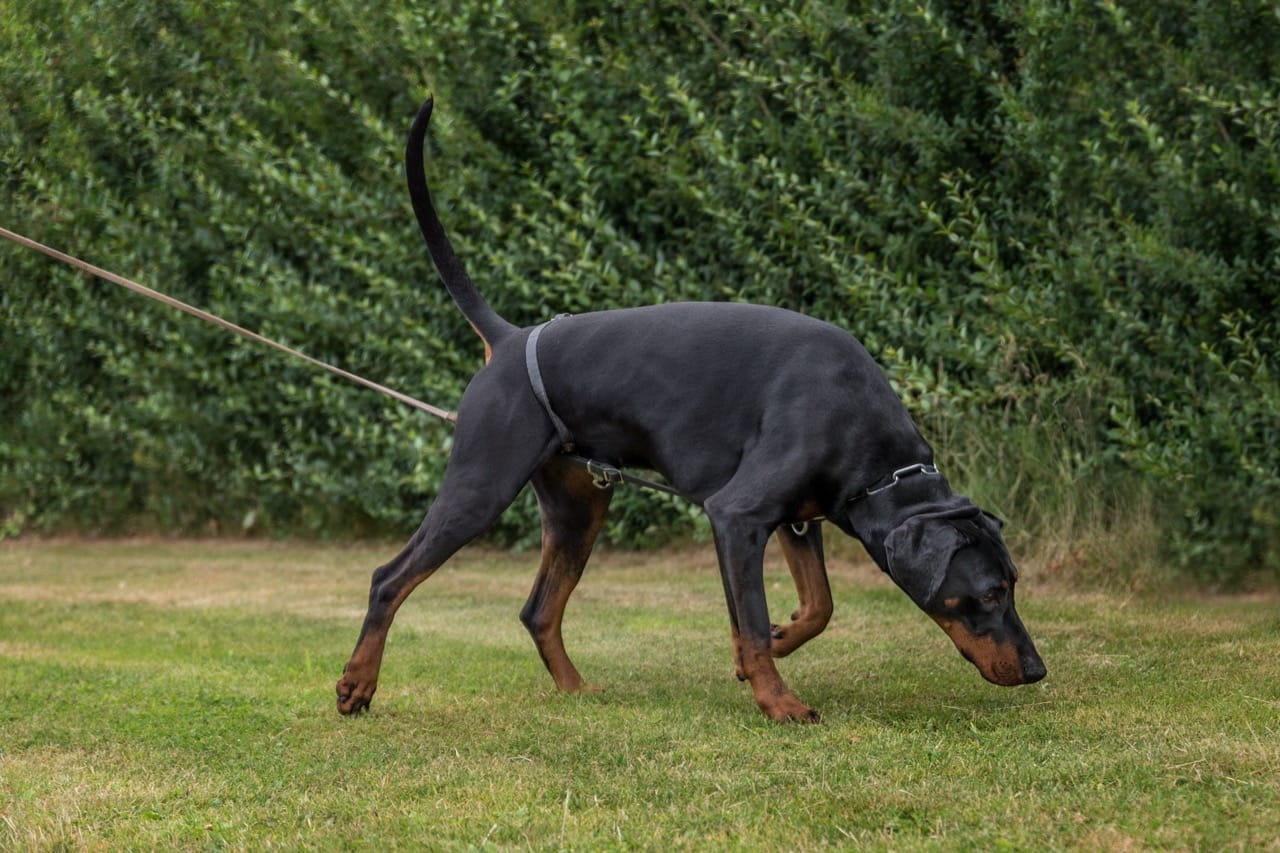
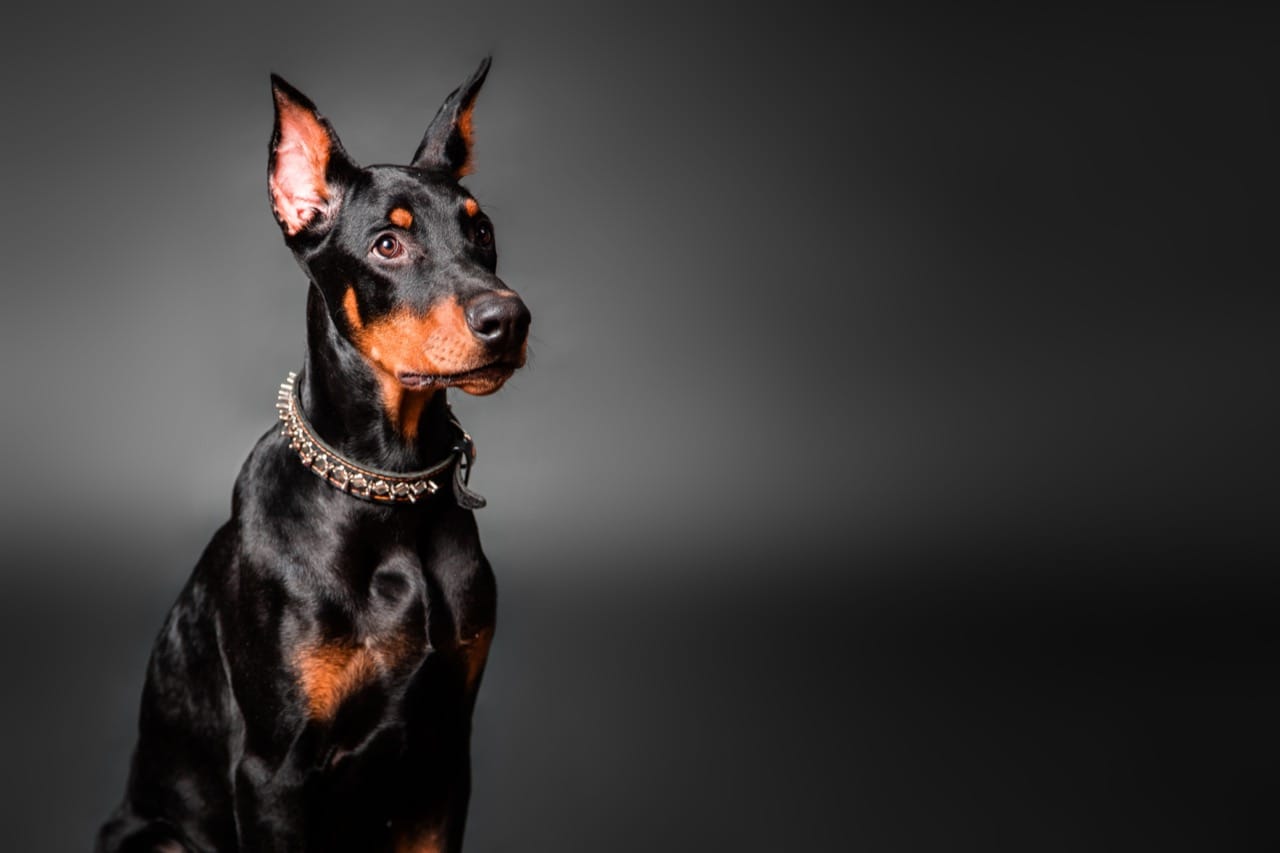
Movies and television have played their part. For years, guard dog stereotypes leaned on sleek, dark coated dogs with sharp silhouettes. The Doberman’s athletic build made it a visual shortcut for menace, even though real Dobermans are often stable, people focused, and highly trainable when responsibly bred and raised. Pop culture rarely shows the hours of socialization, obedience, and routine that produce a reliable companion. Instead it rewards the quick thrill of a barking, lunging prop. Those portrayals can influence public expectations, which in turn affects how neighbors, landlords, and even juries interpret an incident.
Urban legends have also clung to the breed. One persistent myth claims Dobermans have brains that outgrow their skulls, making them unpredictable. There is no scientific basis for this, but the story endures because it offers a simple explanation for complex behavior and gives fear a tidy narrative. Another common misconception is that certain breeds are born vicious. Modern behavior science points in a different direction: genetics can influence traits like drive, sensitivity, and reactivity, but outcomes depend heavily on early experiences, handling, and the choices humans make.
The courtroom is where these stories often become consequential. In bite cases, liability usually turns on negligence, local statutes, and what the owner knew or should have known. Some places use a one bite rule concept, while others impose strict liability regardless of prior behavior. Breed reputation can seep into these disputes through insurance policies, expert testimony, and the way a dog is described. A Doberman that is well documented as trained, properly contained, and regularly socialized may be viewed differently than one kept for intimidation or allowed to roam.
Breed specific legislation is another recurring controversy. Laws that restrict or ban certain breeds often arise after a high profile incident, but critics argue that they target appearance instead of addressing the real risk factors: irresponsible ownership, lack of enforcement of existing leash and containment laws, and failure to intervene in neglect. Supporters of such laws argue they are a preventative tool. The debate can become heated because it mixes public safety with questions of fairness, evidence, and whether it is ethical to punish responsible owners for the actions of others.
Ethics disputes within the Doberman world add another layer. Ear cropping and tail docking, legal in some regions and banned or restricted in others, are hotly debated. Advocates cite tradition and breed standards, while opponents question the necessity of cosmetic surgery and emphasize animal welfare. Breeding practices can also spark scandal, especially when profit driven breeding ignores temperament and health screening. Dobermans are known to have certain inherited health risks, and the most responsible breeders test, track outcomes, and prioritize stable temperaments, because a sound mind is as important as a sound body.
In the end, many Doberman scandals reveal how quickly society turns a complex relationship with dogs into a simple story of villains and victims. The more useful approach is less dramatic but more effective: focus on evidence, responsible ownership, humane training, and policies that target behavior and negligence rather than mythology.