Doberman Footprints in Film, Work, and Rituals
Quiz Complete!
Doberman Footprints in Film, Work, and Rituals
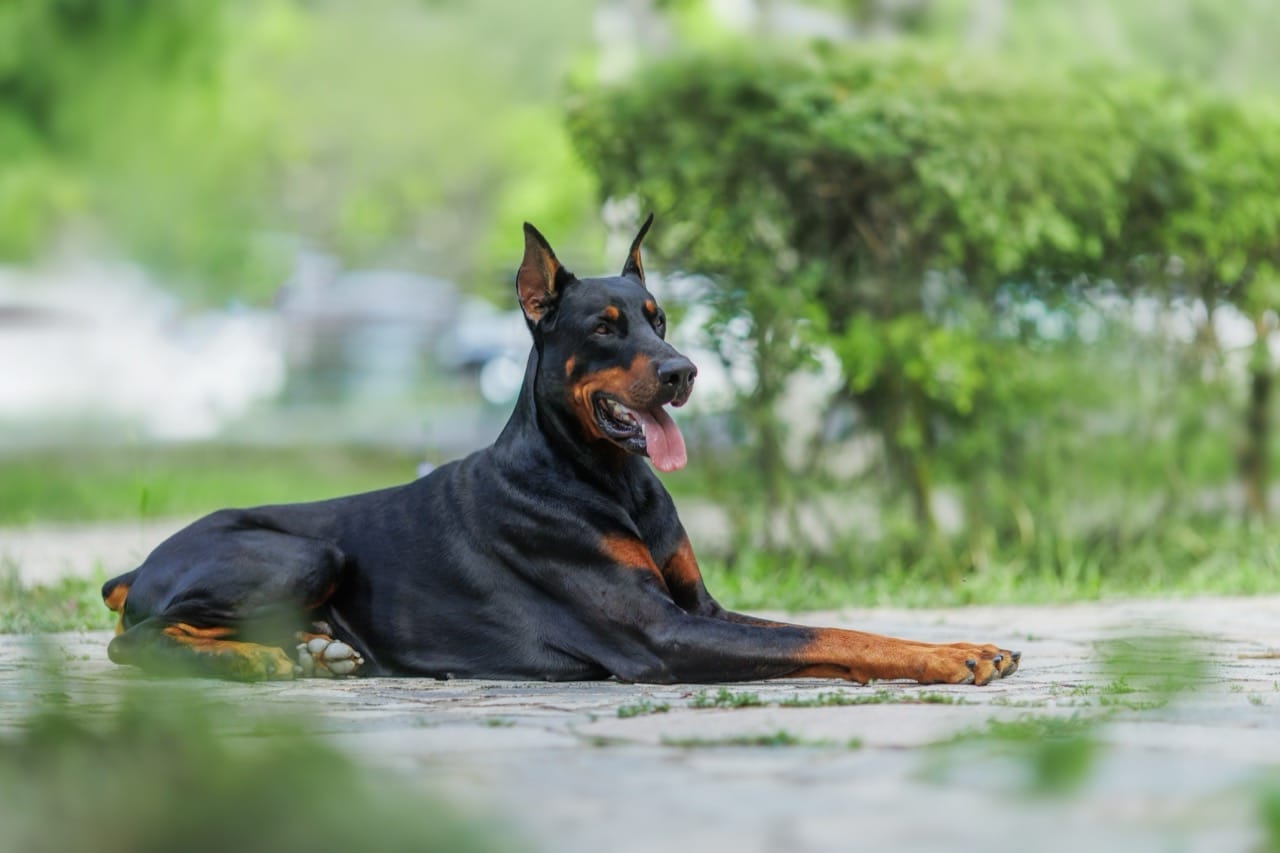
The Doberman Pinscher is one of the few dog breeds whose public image feels larger than life. Sleek, alert, and famously devoted, the Doberman has become a shorthand for protection and discipline in everything from police work to movie scenes. That reputation did not appear by accident. It grew from a very specific origin story, real working demands, and a set of traditions that shaped how the breed looks and behaves in the public eye.
The breed traces back to late 1800s Germany and a man named Karl Friedrich Louis Dobermann, a tax collector who also worked as a dogcatcher. Those jobs could be dangerous, and the story most often told is that he wanted a reliable personal protection dog to accompany him on his rounds. By selecting and crossing local dogs for traits like courage, intelligence, and responsiveness, he helped set the foundation for what would become the Doberman Pinscher. Records from that era are incomplete, so the exact mix of breeds remains debated, but candidates often mentioned include the old German pinscher types, Rottweiler-like dogs, and other working breeds that could contribute strength, speed, and trainability. Regardless of the precise recipe, the intent was clear: a dog built for partnership and purpose.
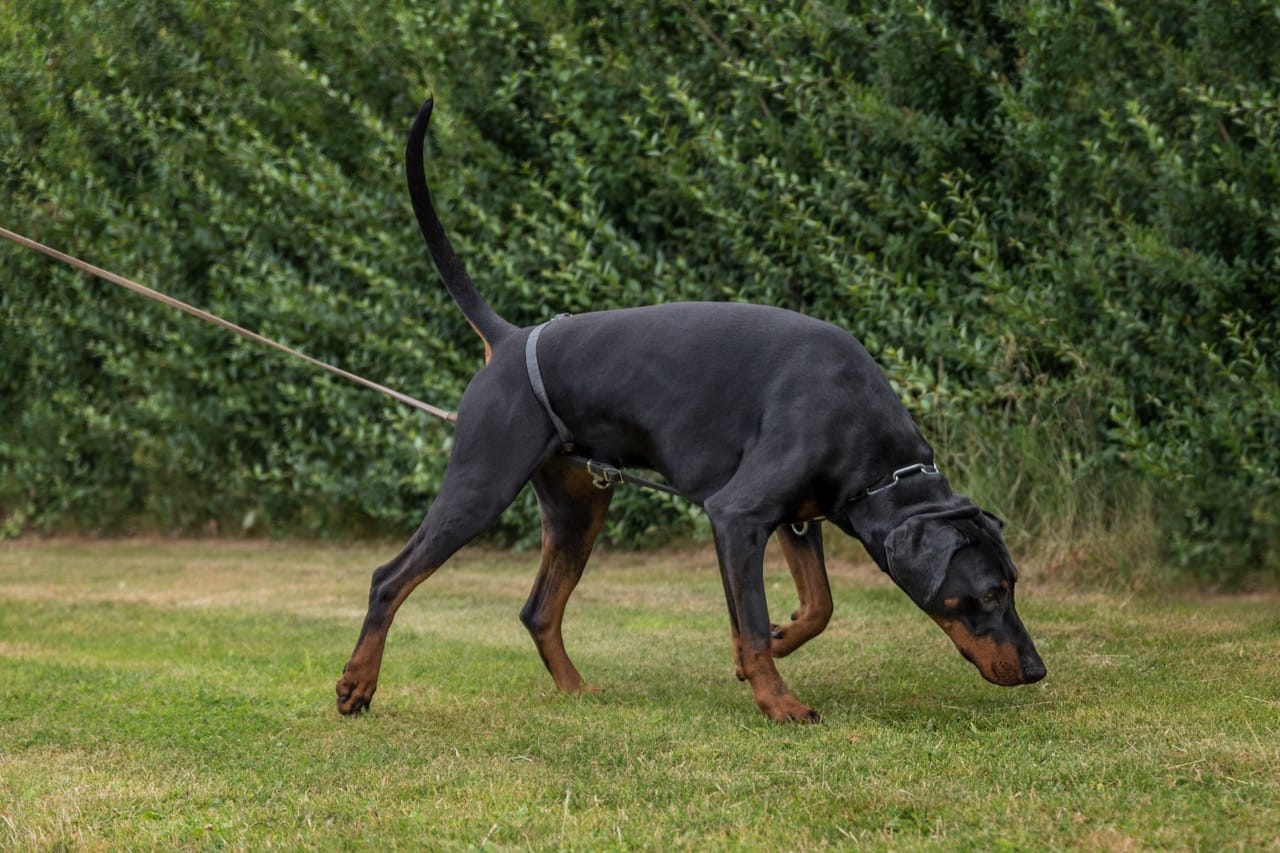
As the breed gained recognition, formal organizations and kennel clubs amplified certain expectations. Breed standards described not only physical traits but also temperament goals, such as steadiness, confidence, and controllable drive. This is where the Doberman’s identity as a disciplined working dog became more than a personal project. It became a cultural product, reinforced by trials, titles, and the idea that a well-bred Doberman should be both powerful and predictable. Working titles in sports such as obedience, tracking, and protection routines rewarded dogs that could switch from high intensity to calm control on command, a combination that helped define the breed’s ideal character.
Dobermans also earned their place in history through wartime service. During World War II, Dobermans were used as sentries, messengers, and scouts, particularly in the Pacific theater. Their speed, sensitivity to sound, and strong bond with handlers made them suited to difficult assignments. One of the most famous memorials honoring canine service is the War Dog Cemetery on Guam, where Dobermans are prominently remembered. The story of these dogs adds a solemn layer to the breed’s reputation, showing that the Doberman’s courage is not just a dramatic legend but something that has been relied upon in life-and-death circumstances.
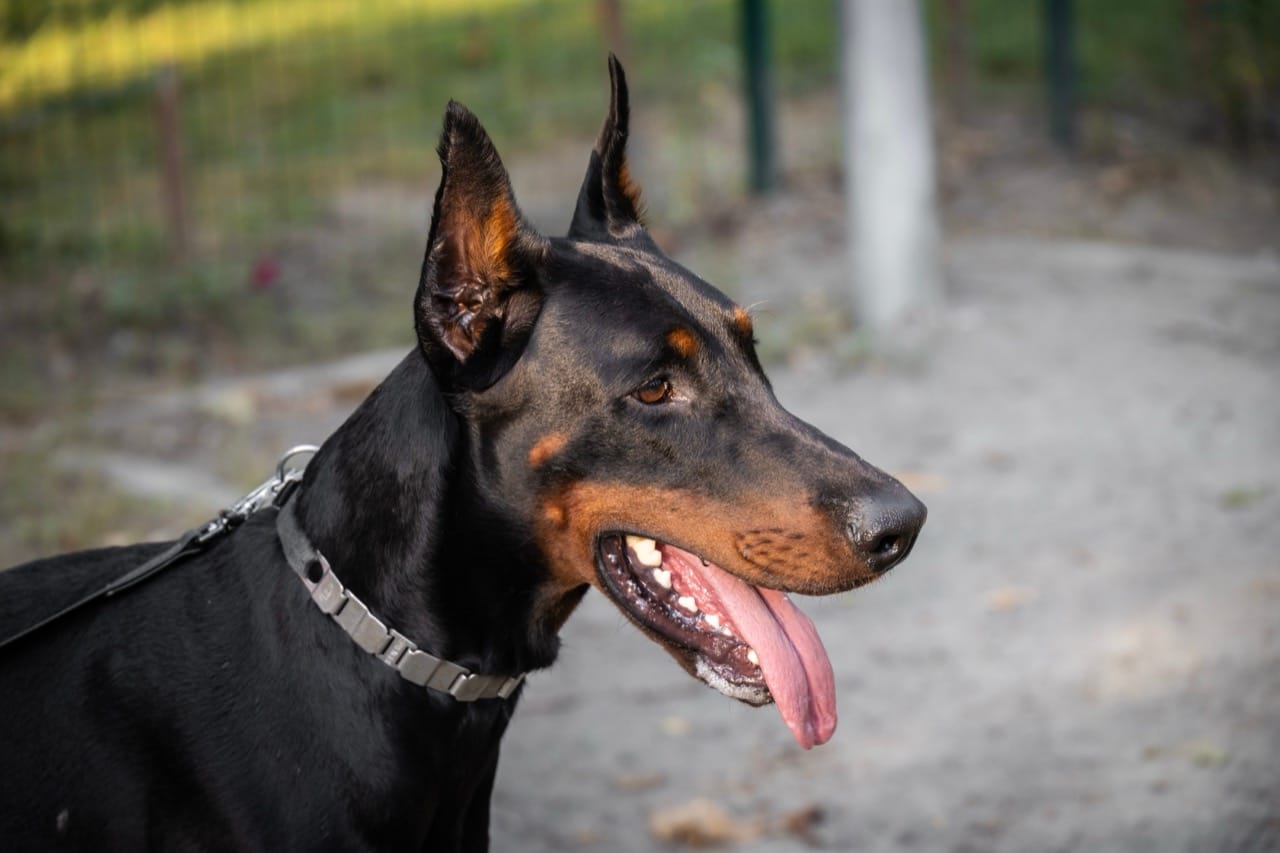
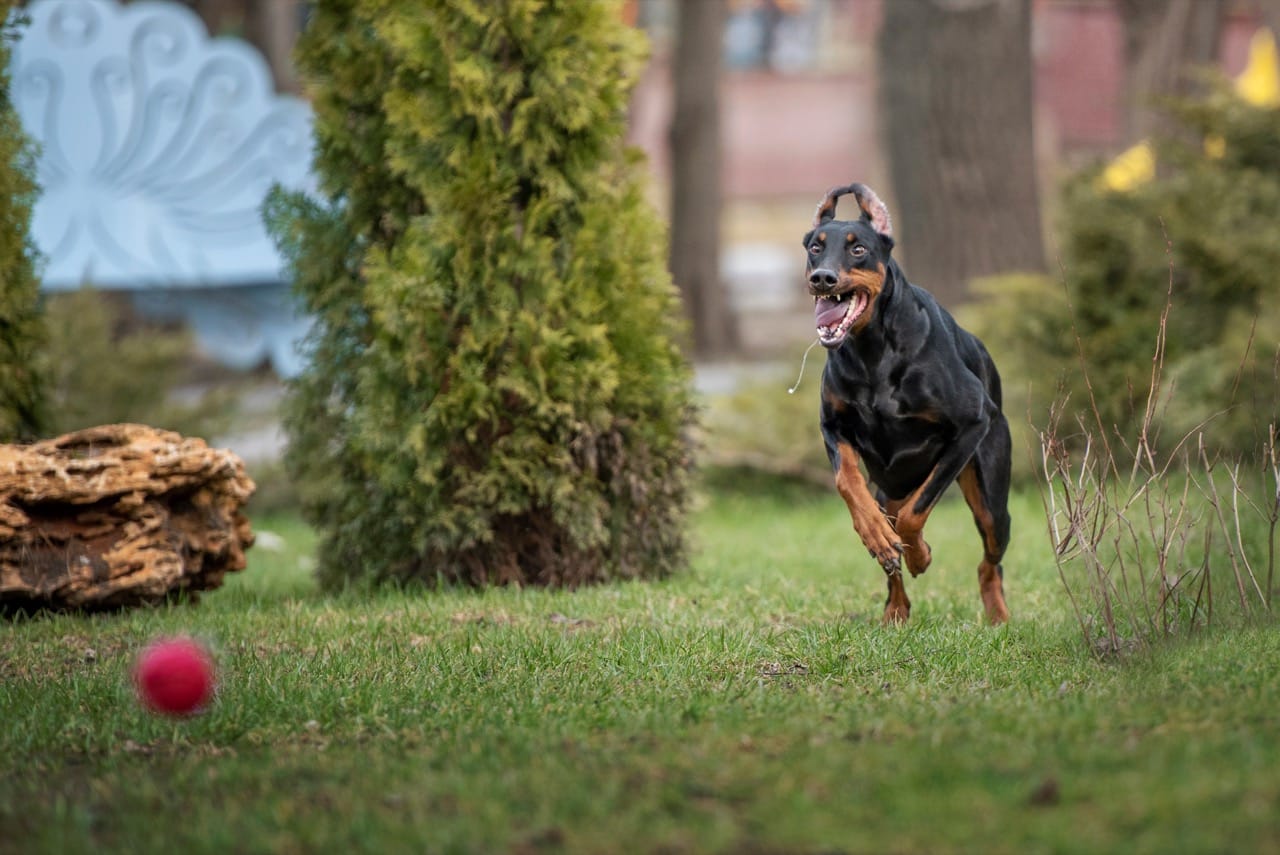
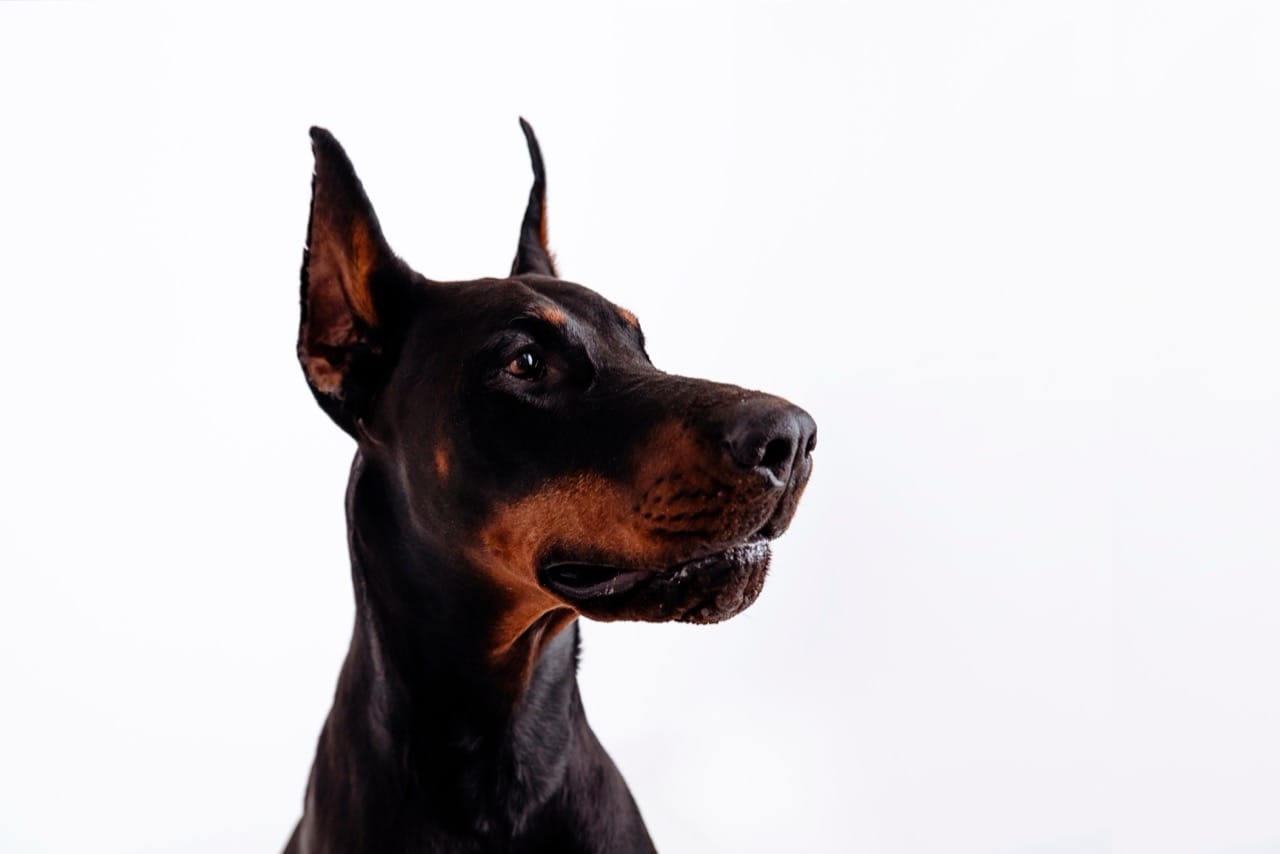
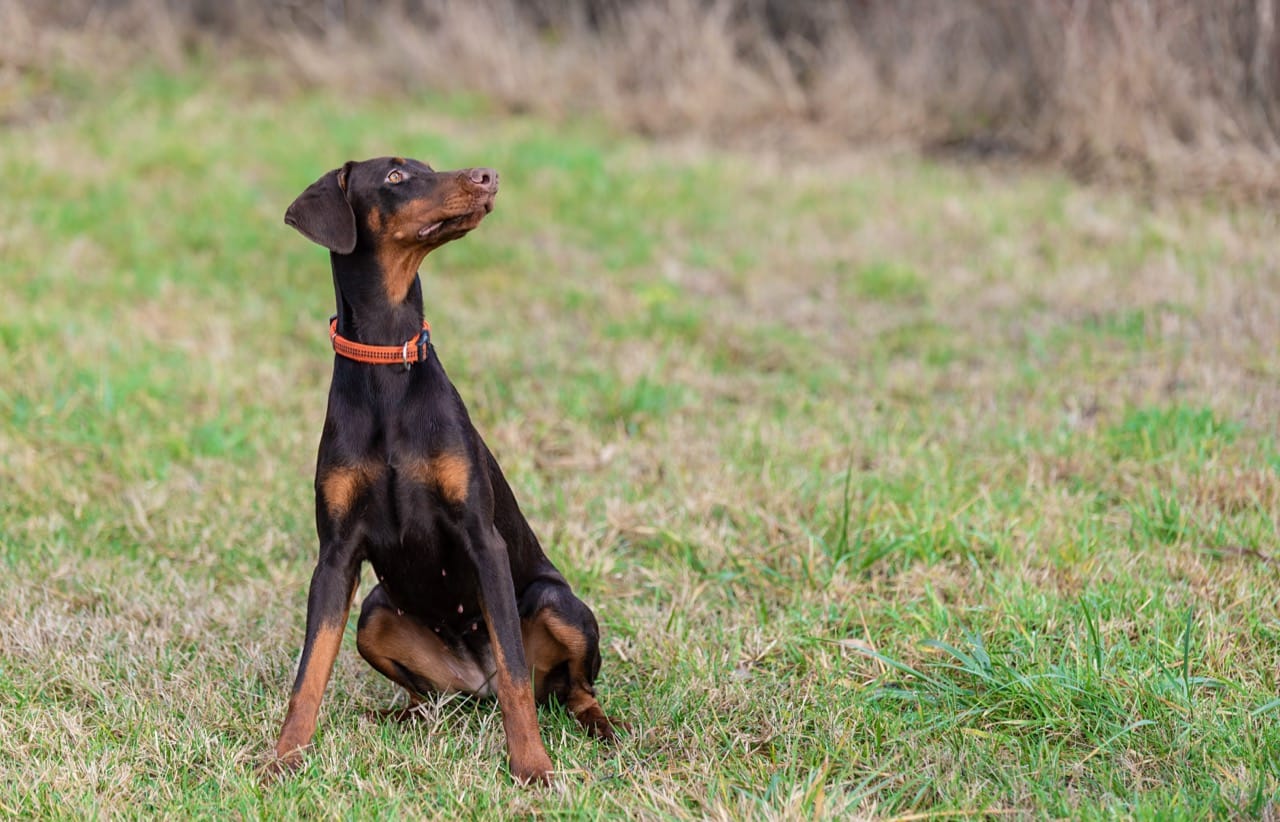
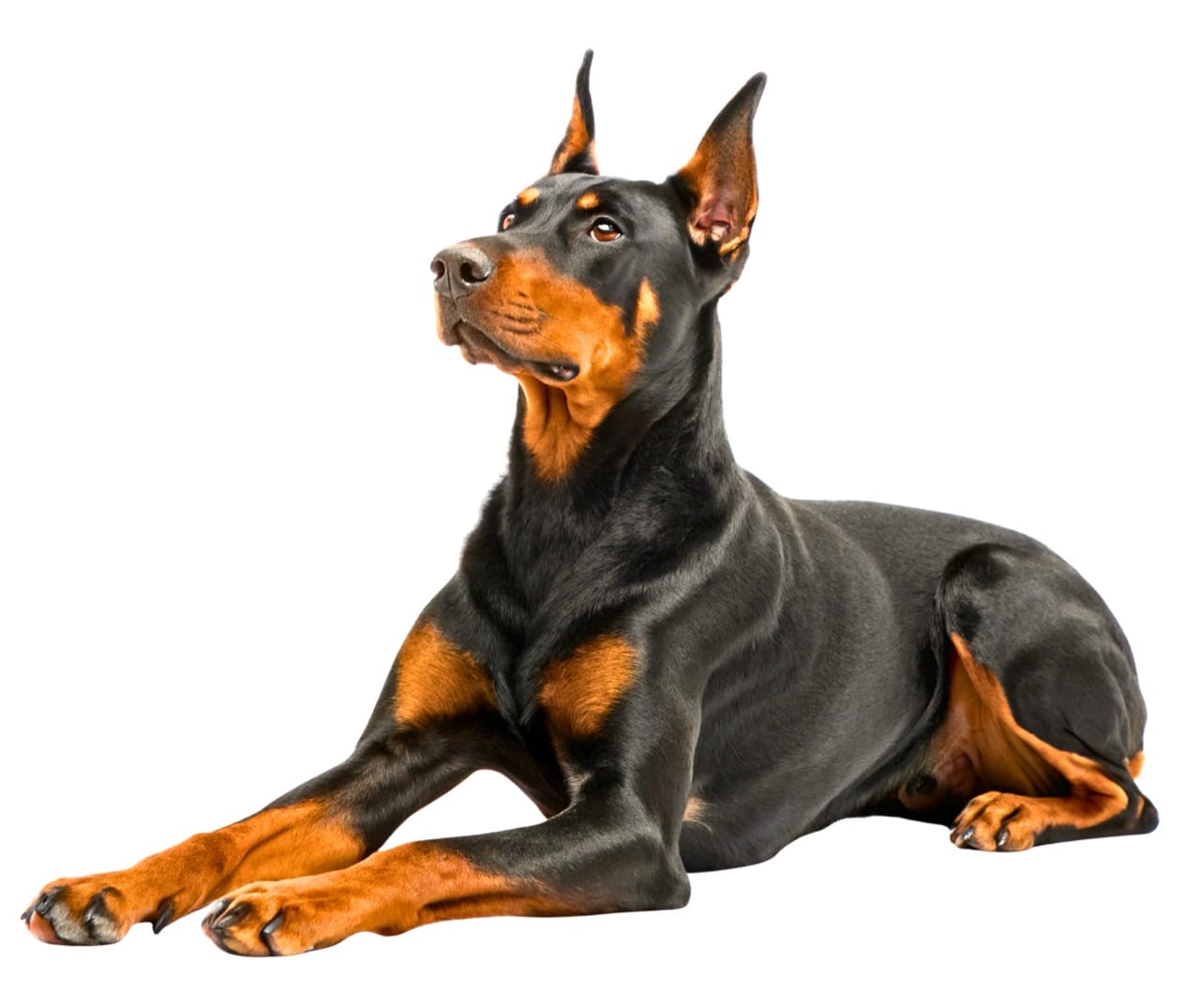
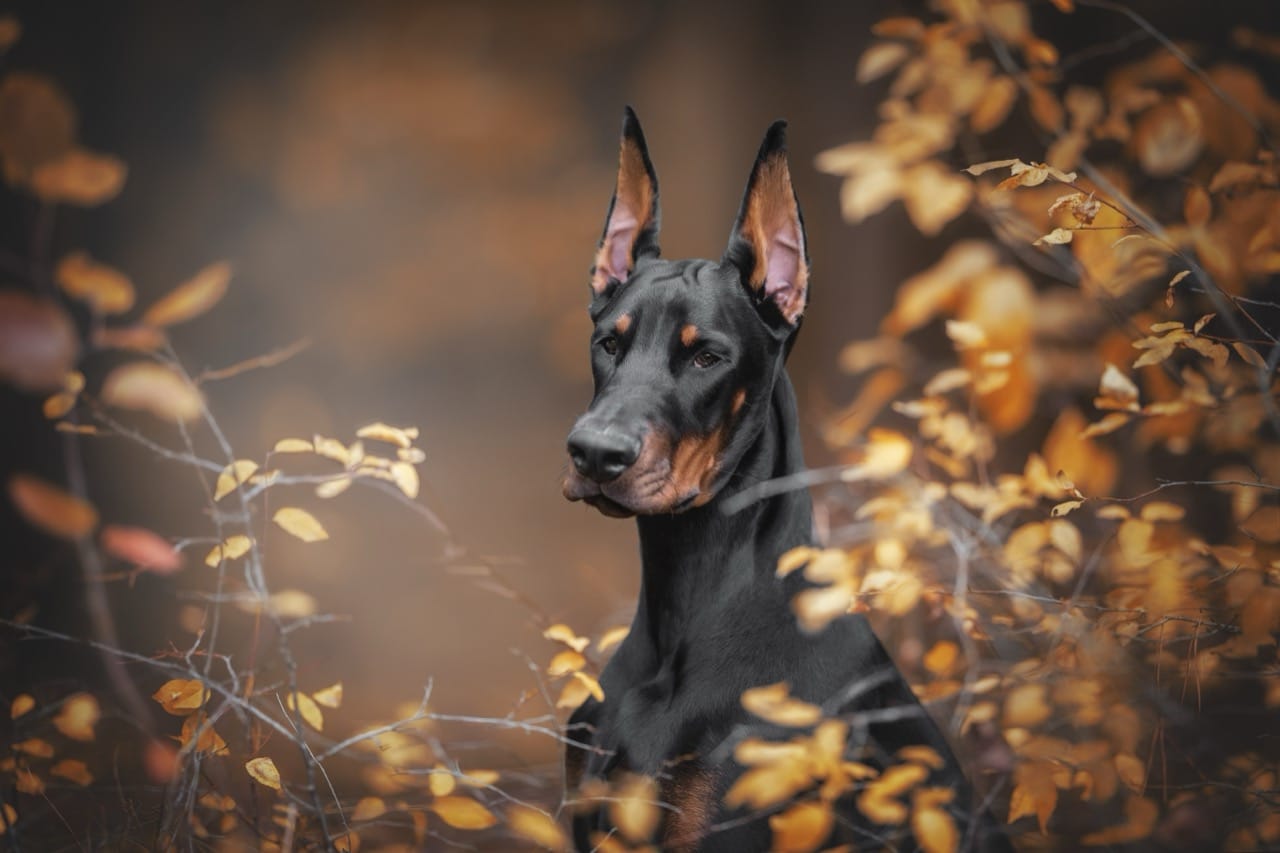
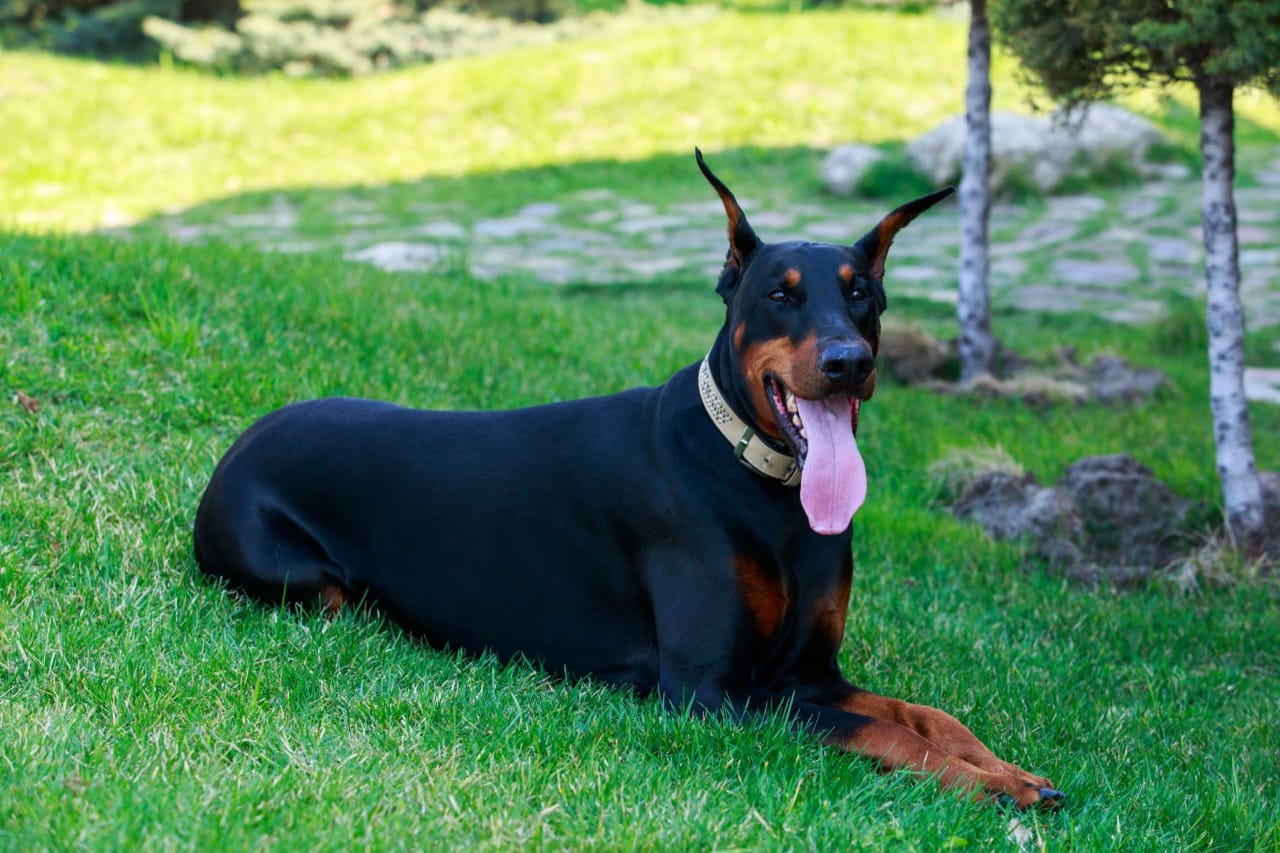
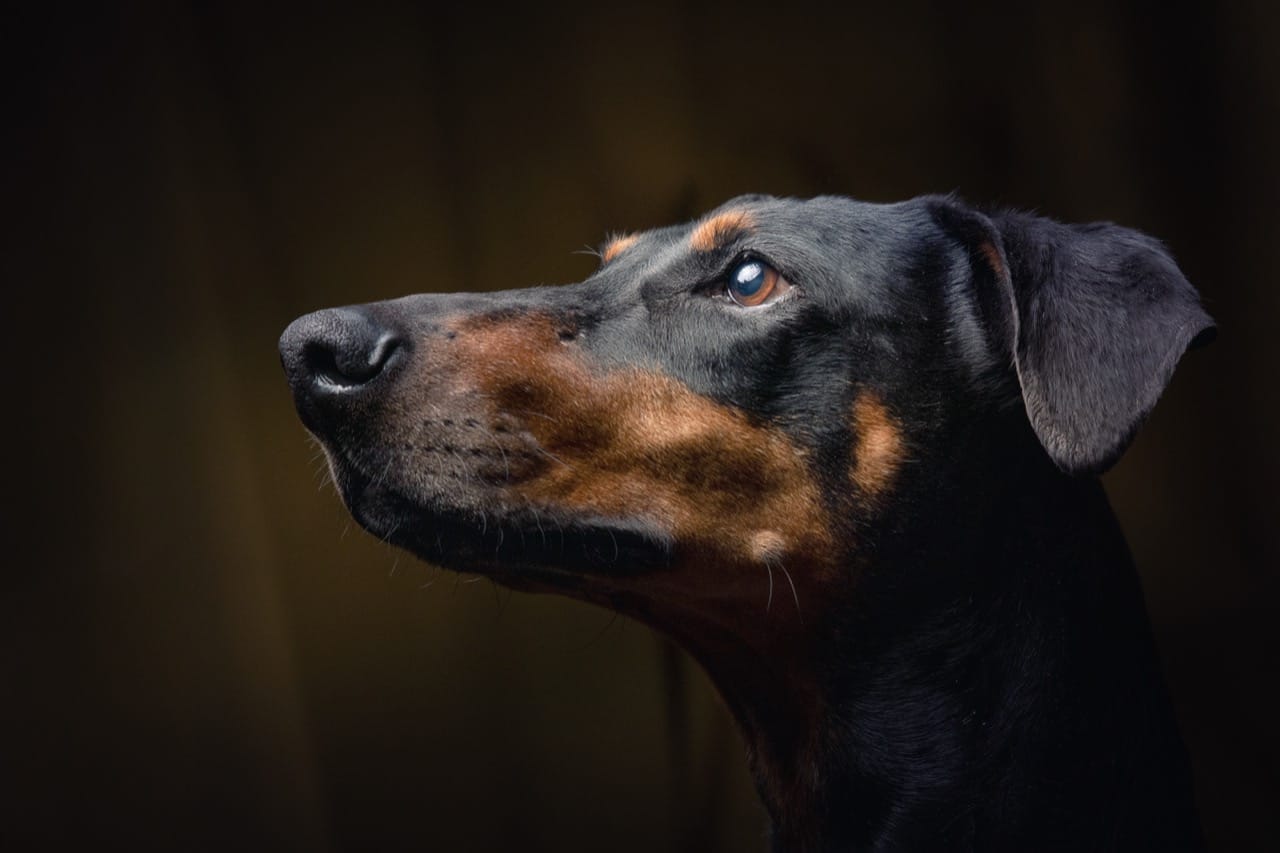
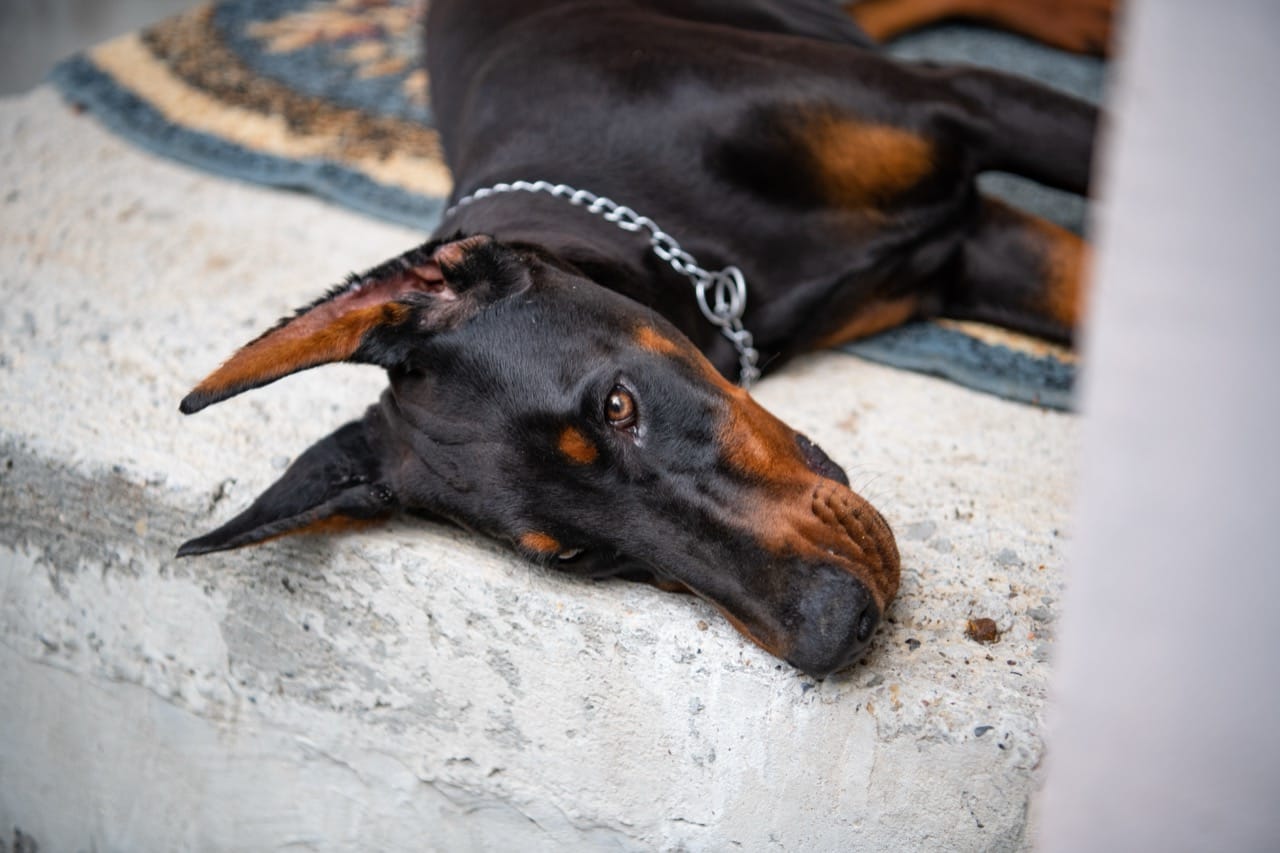
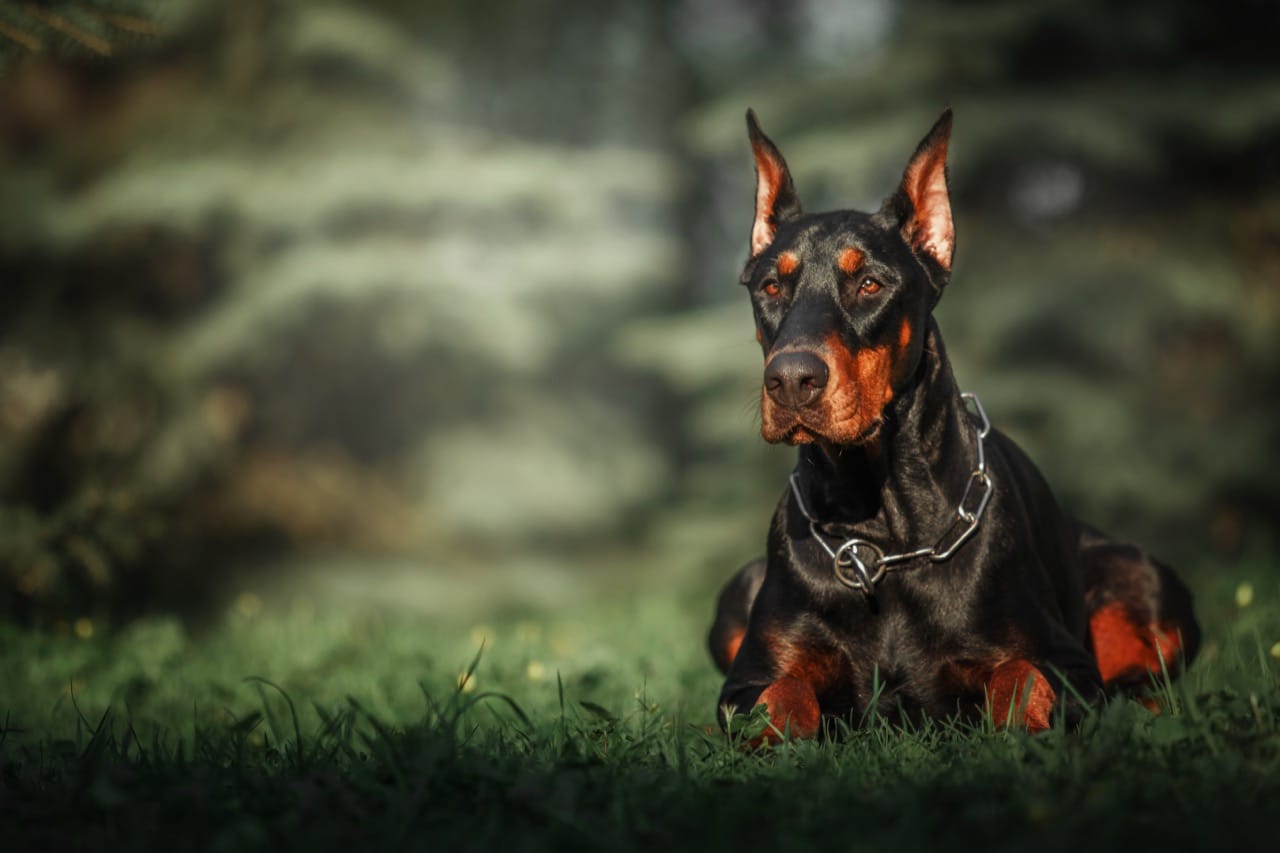
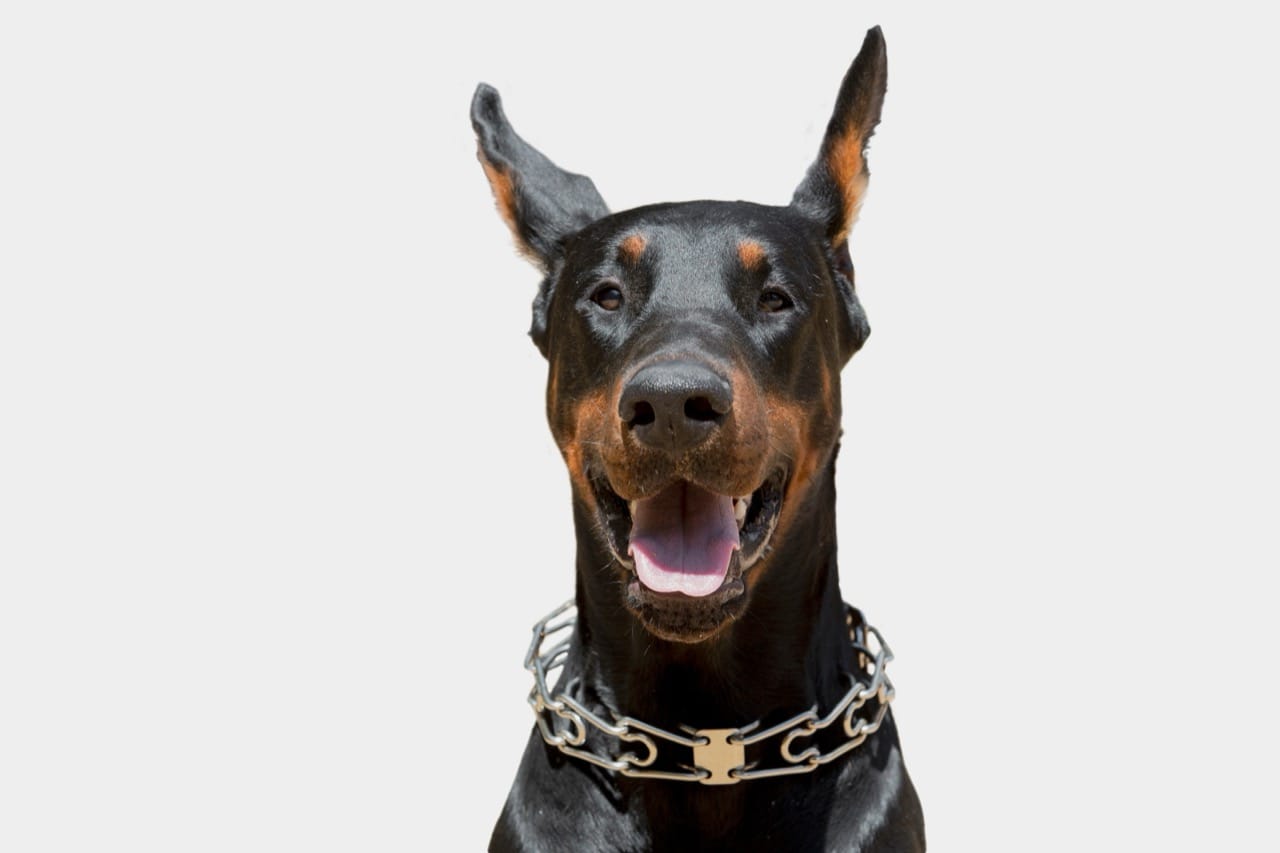
Public perception has also been shaped by the Doberman’s distinctive silhouette, which leads to a topic that often sparks debate: ear cropping and tail docking. Historically, these practices were linked to working and protection roles. Shorter ears and tails were believed to reduce the risk of injury during fights with animals, guard work, or rough terrain. Over time, the practices became tied to a specific “Doberman look,” especially in countries and eras where show standards favored that outline. Today, rules vary widely by region. In many places, cropping and docking are restricted or banned, and many Dobermans appear naturally with floppy ears and full tails. Yet film and television often continue to feature the cropped, docked image, which can make it seem like that version is the default.
On screen, Dobermans have frequently been cast as intimidating guardians, villains’ companions, or hyper-competent security dogs. Those roles can be entertaining, but they also flatten the breed into a stereotype. In real life, a well-raised Doberman is typically people-focused, highly trainable, and emotionally tuned to its household. That sensitivity is part of what makes them excellent working partners, but it also means they thrive on structure, socialization, and meaningful engagement rather than harsh handling. The same traits that make a Doberman impressive in a dramatic scene are best expressed through responsible breeding, thoughtful training, and a clear job to do, even if that job is simply being a stable, active companion.
The Doberman’s cultural identity is the result of many forces pulling in the same direction: a purposeful origin, real service in demanding roles, competitive traditions that rewarded control and athleticism, and media portrayals that highlighted the breed’s striking appearance. Separating history from pop culture reveals a dog less like a movie prop and more like a carefully developed partner, built for loyalty, clarity, and courage when it truly counts.