Crowns, Coats, and Courtly Cavaliers Quiz









Quiz Complete!
Crowns, Coats, and Courtly Cavaliers: How a Small Spaniel Became a Big Symbol

Few dog breeds are as instantly associated with royalty and refinement as the Cavalier King Charles Spaniel. Even the name sounds ceremonial, and that is no accident. The breed’s story is tangled with British court life, where small spaniels were more than pets. They were status symbols, lap warmers in drafty palaces, and living accessories that signaled leisure and privilege. When people picture a Cavalier today, they often picture more than a dog. They picture a whole mood: velvet cushions, painted portraits, and a gentle companion who looks like it belongs in a gilded frame.
The royal connection begins with the House of Stuart. King Charles I and especially Charles II were famously devoted to their toy spaniels, and the dogs became visual shorthand for courtly life in the seventeenth century. Stories persist that Charles II allowed his spaniels to go anywhere, even into formal settings where dogs would not normally be welcome. Whether every detail is true or embellished, the legend itself shows how closely the breed’s image fused with monarchy and indulgence. In art from the period, a small spaniel placed beside a noblewoman or child can suggest affection and domestic warmth, but it can also signal rank, fashion, and the ability to keep animals purely for companionship.
Paintings helped lock in the Cavalier’s “look” long before modern breed standards existed. Artists such as Anthony van Dyck often included small spaniels with soft expressions and feathered ears, giving them an almost human emotional presence. Later works continued the trope: a refined sitter, rich fabrics, and a little dog that makes the scene feel intimate. These portraits shaped expectations about what a royal spaniel should resemble, which is why the breed is sometimes discussed as a living echo of museum imagery.
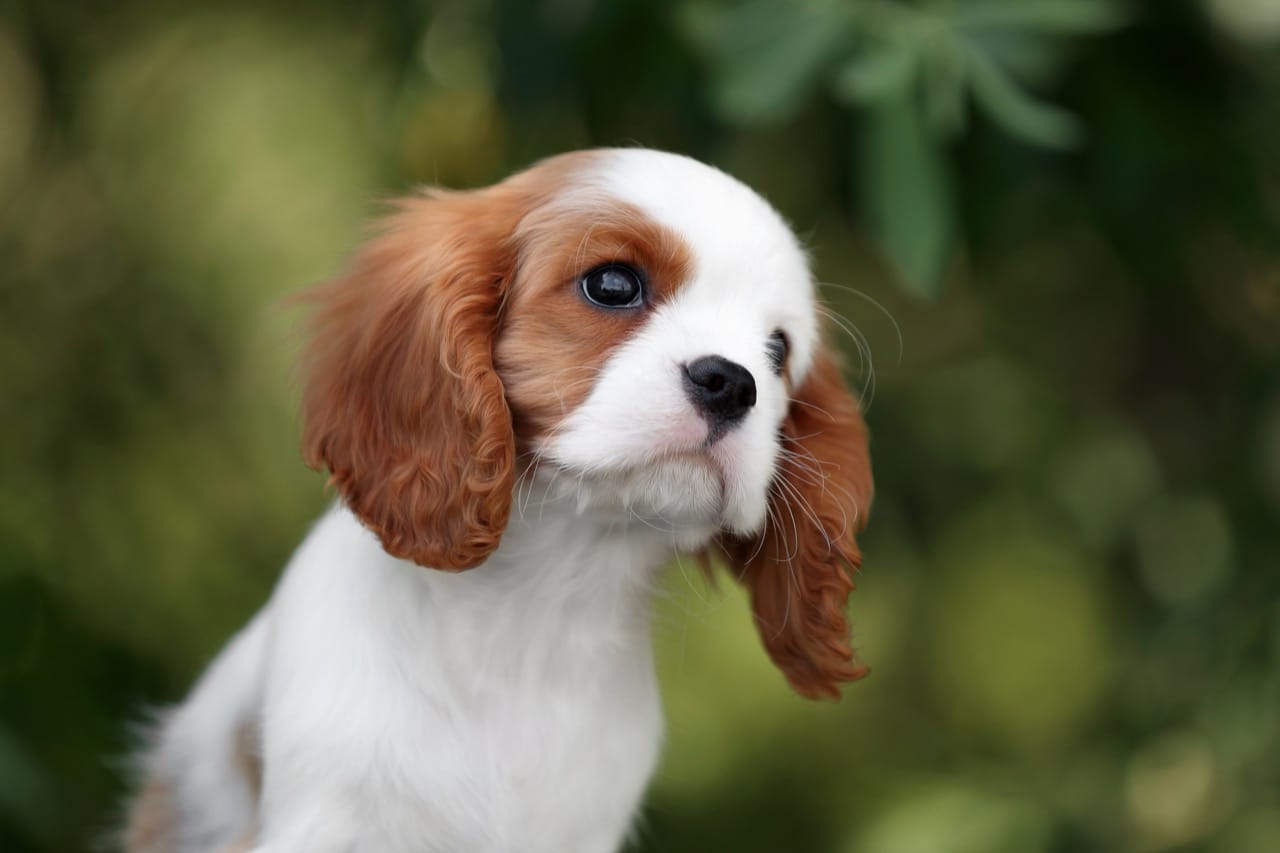
Color patterns are another key part of the breed’s symbolism. Cavaliers are recognized in four classic coats: Blenheim, tricolor, black and tan, and ruby. The names themselves feel aristocratic, and one of them is directly tied to a famous estate. Blenheim, the chestnut and white pattern, is associated with Blenheim Palace and the Duke of Marlborough. A popular tale says that the distinctive Blenheim spot, a chestnut mark on the top of the head, came from a worried duchess pressing her thumb to a pregnant spaniel’s forehead while awaiting news of a battle. The story is folklore, not genetics, but it persists because it is memorable and perfectly fits the breed’s courtly mythology. Even people who do not know the details often recognize that a centered head marking looks like a deliberate emblem.
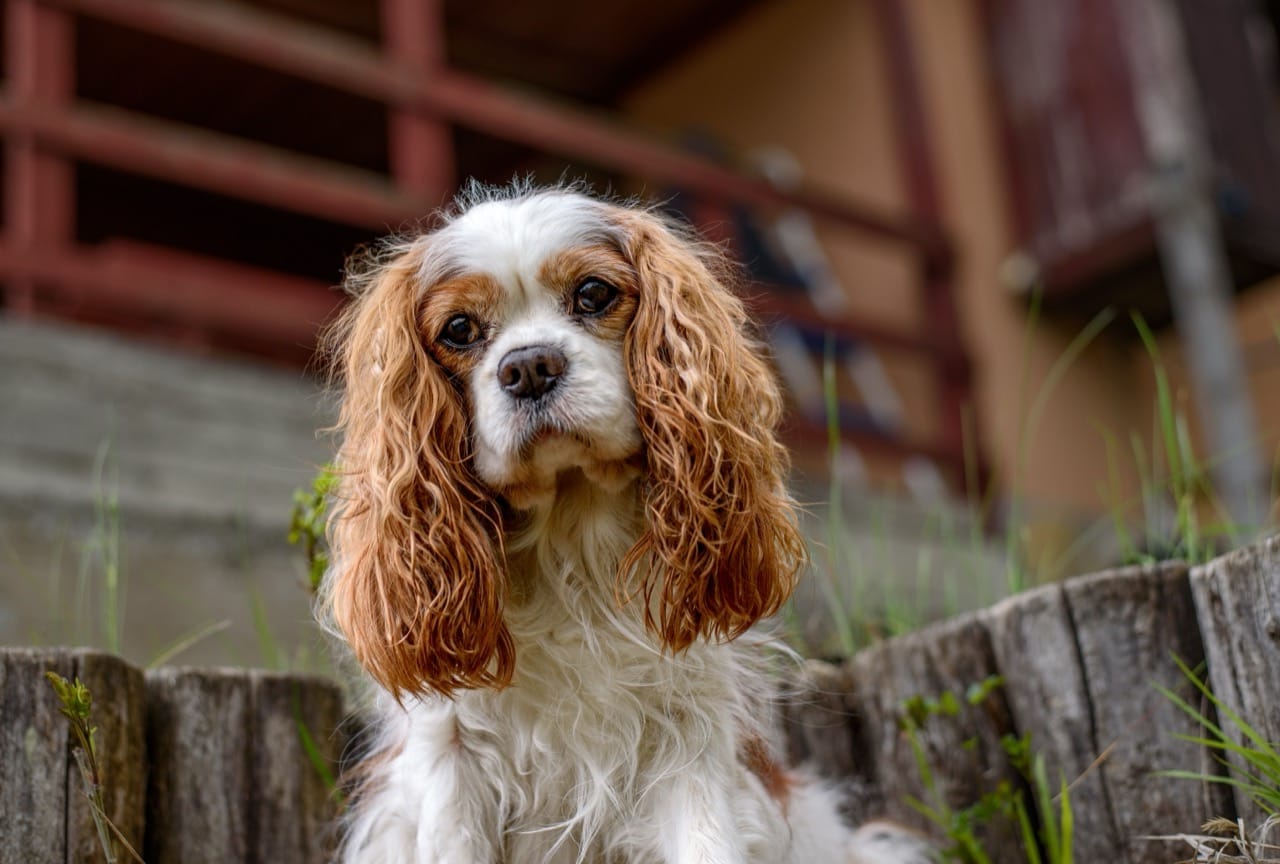
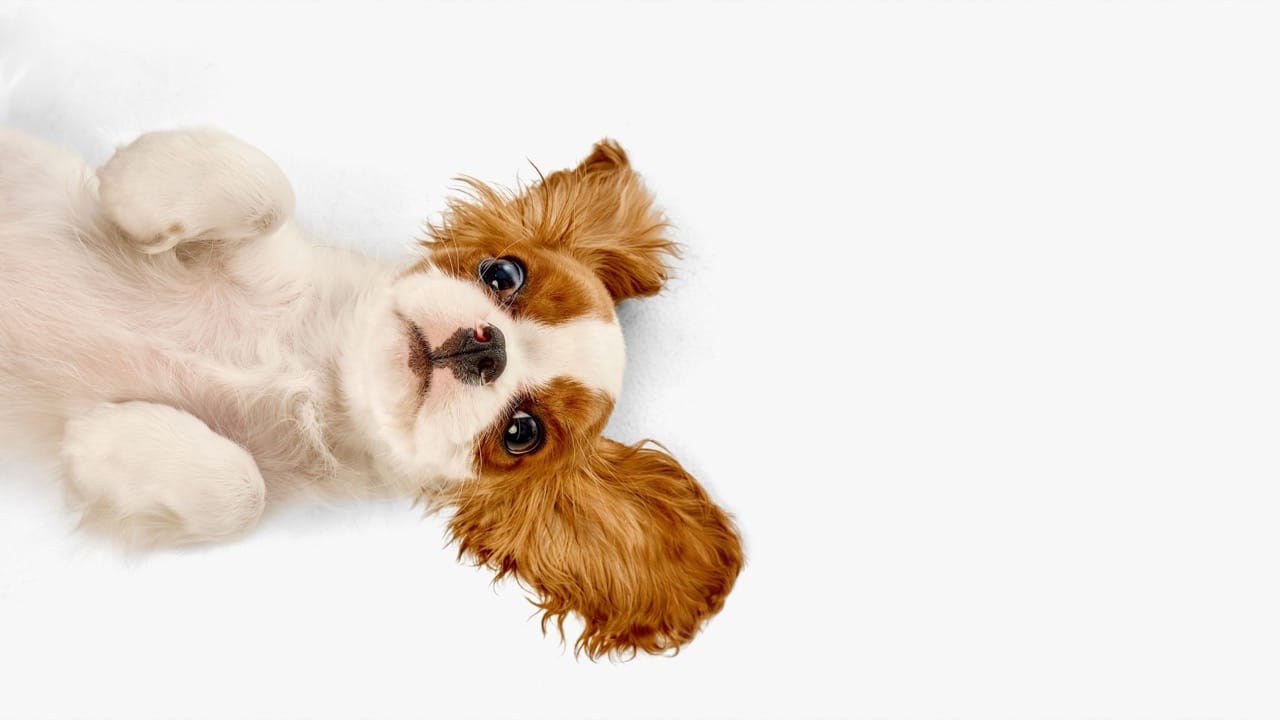
Those markings matter in the show ring and in casual recognition. The Cavalier’s large, dark eyes and rounded skull create a gentle, “sweet” expression that breeders and judges value, and that the public reads as friendliness. The long, silky ears and feathering on the legs and tail add to the impression of elegance. Together, these cues make the dog look dressed up even when it is doing nothing at all.
Heraldry and symbolism also hover around the breed. While Cavaliers are not official royal regalia, they function like a living badge of old-world refinement, often appearing in period dramas, advertising, and lifestyle branding to suggest comfort, tradition, and a touch of luxury. In modern pop culture, a Cavalier in a scene can quickly communicate that a character is genteel, sentimental, or surrounded by curated beauty. Yet the charm of the breed’s image is that it balances grandeur with approachability. The Cavalier may be linked to crowns and courts, but its enduring representation is simpler: a small companion who looks like history, art, and affection all at once.