Counting Berners Quiz for Stats Lovers
Quiz Complete!
Bernese Mountain Dogs by the Numbers: A Stats Lover’s Guide
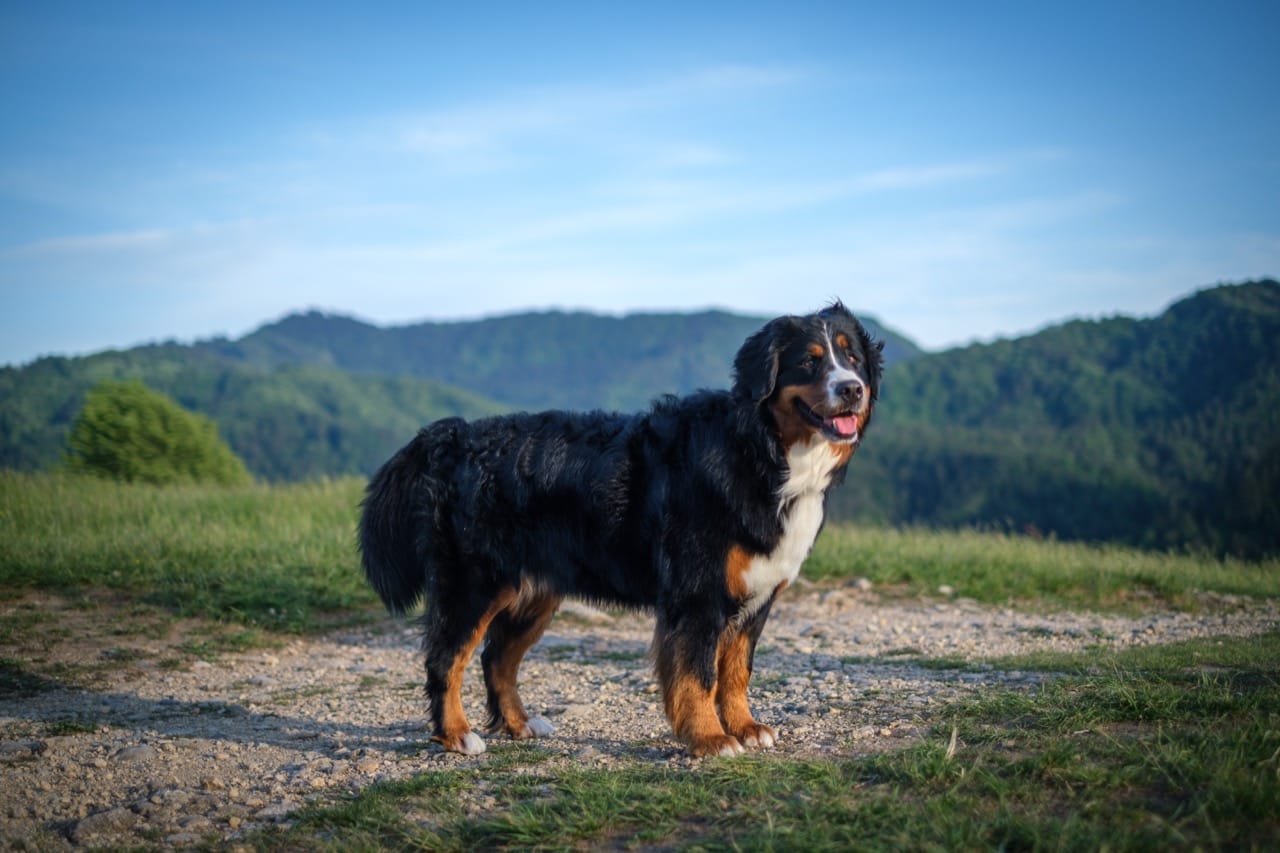
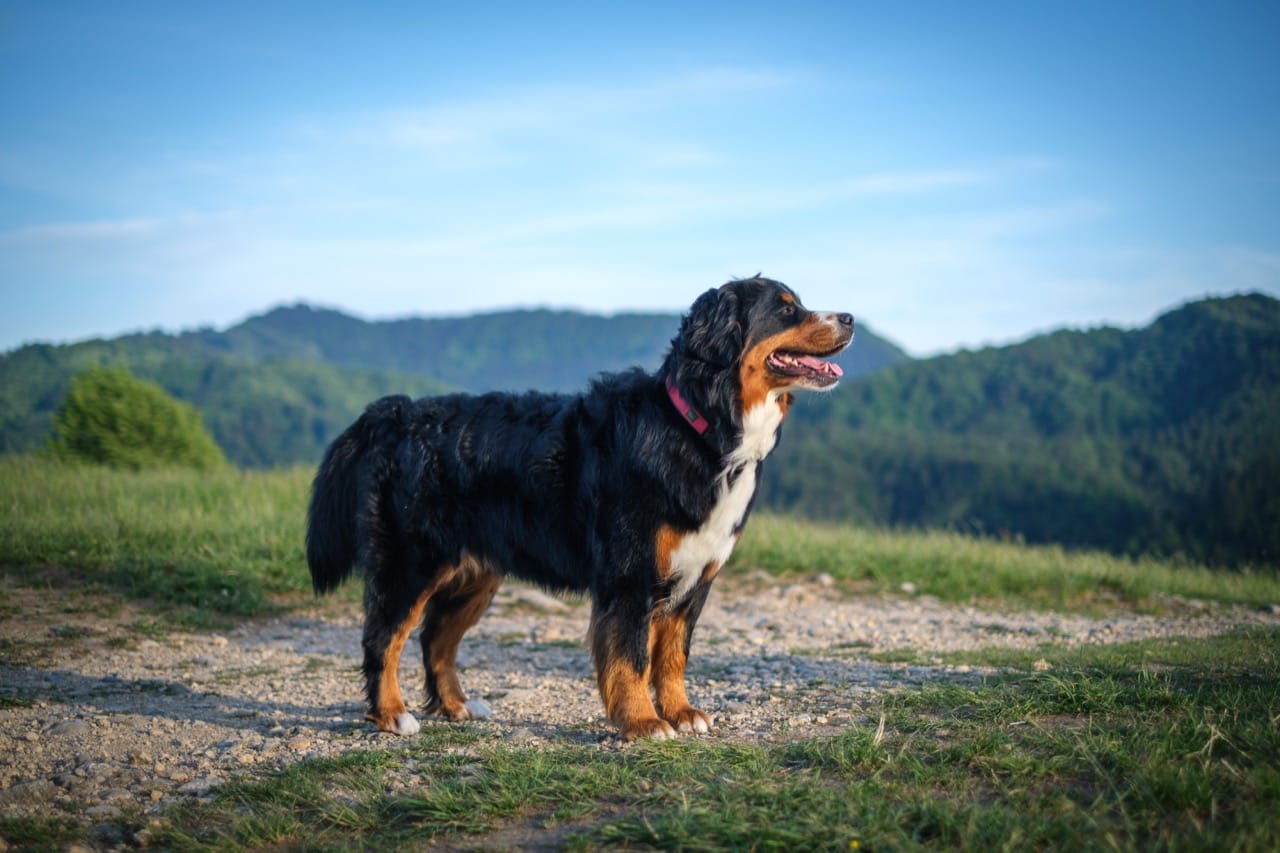
If you like your dog facts measurable, the Bernese Mountain Dog is a dream breed: big, easy to recognize, and surprisingly consistent in the numbers that define daily life with one. Berners are one of the four Swiss mountain dog breeds, but they are the only longhaired member of the group, and their size is part of their identity. Adult males typically stand about 25 to 27.5 inches at the shoulder, while females are usually around 23 to 26 inches. Weight ranges are broad because they depend on build as much as height, but a common window is roughly 80 to 115 pounds for males and 70 to 95 pounds for females. A Berner that looks “extra large” is not always healthier; the breed is meant to be sturdy and athletic rather than simply heavy.
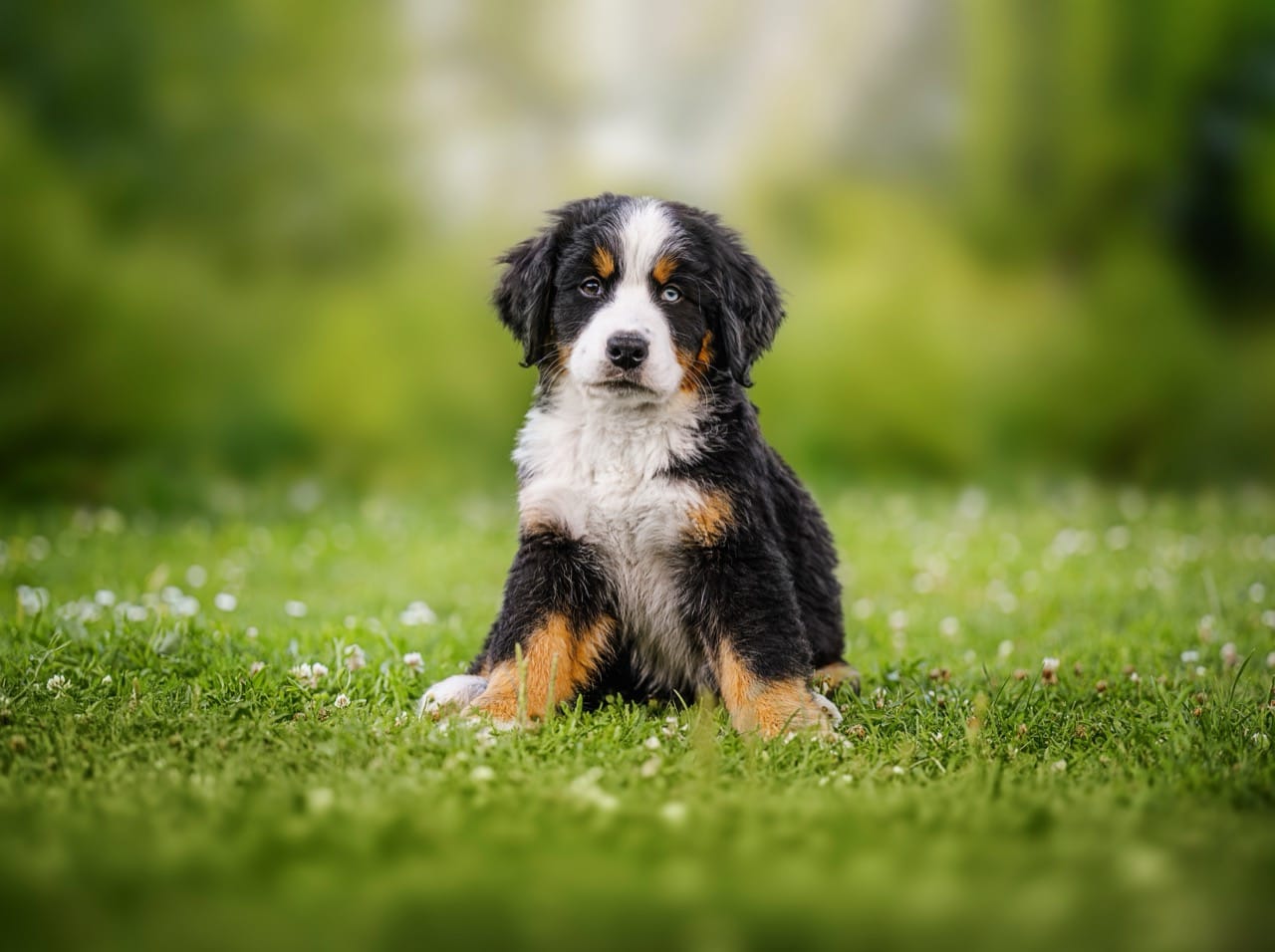
Puppy growth is where the math gets dramatic. A Berner can go from a compact bundle to a large, lanky adolescent in a few months, often gaining several pounds per week during peak growth. Many owners notice that the puppy seems to outgrow collars, harnesses, and beds almost on a schedule. While individuals vary, it is common for a Berner to reach much of their height by around 12 months, but they often keep filling out in muscle and chest until 18 to 24 months. That slower “finish” is one reason careful feeding matters; rapid growth and excess weight can stress developing joints.
Lifespan is another number people talk about with this breed, and it is one of the harder truths. Berners are beloved partly because they are gentle and social, but they do not typically live as long as smaller dogs. Many sources cite an average lifespan in the neighborhood of 7 to 10 years. Good breeding, appropriate weight, and attentive veterinary care can help, but it is wise to think in terms of making the years count rather than expecting a decade and a half.
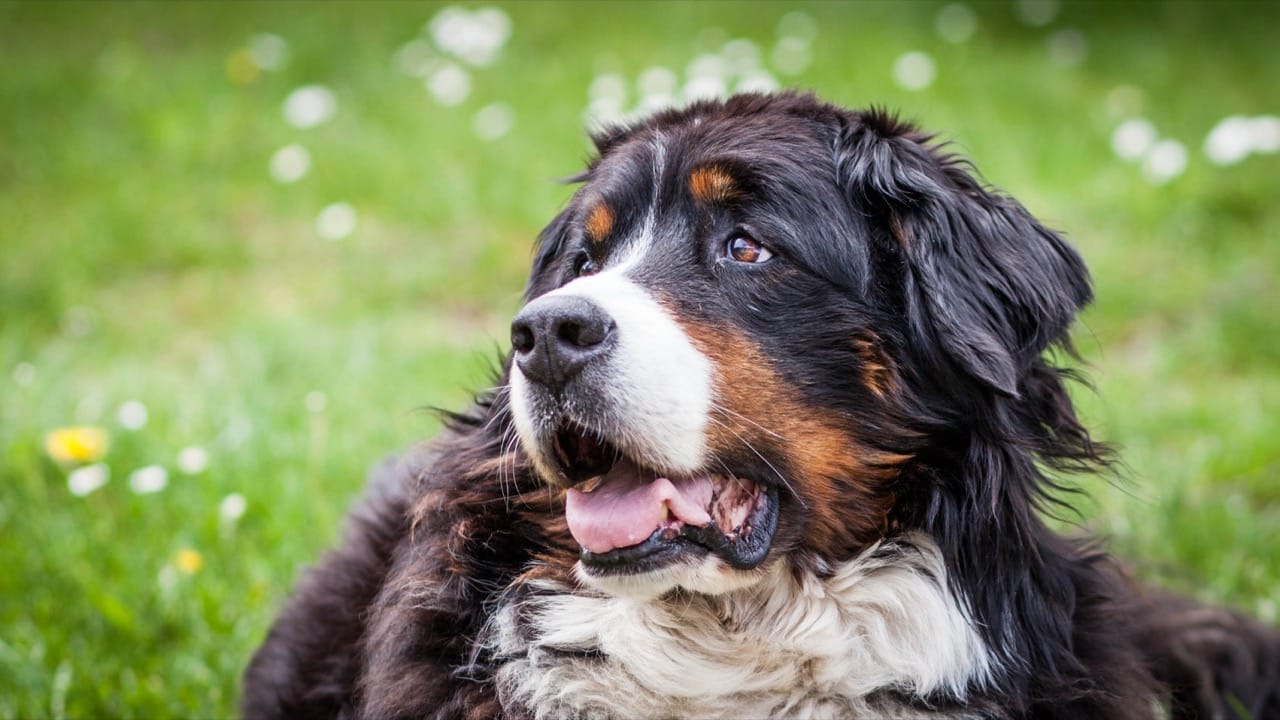
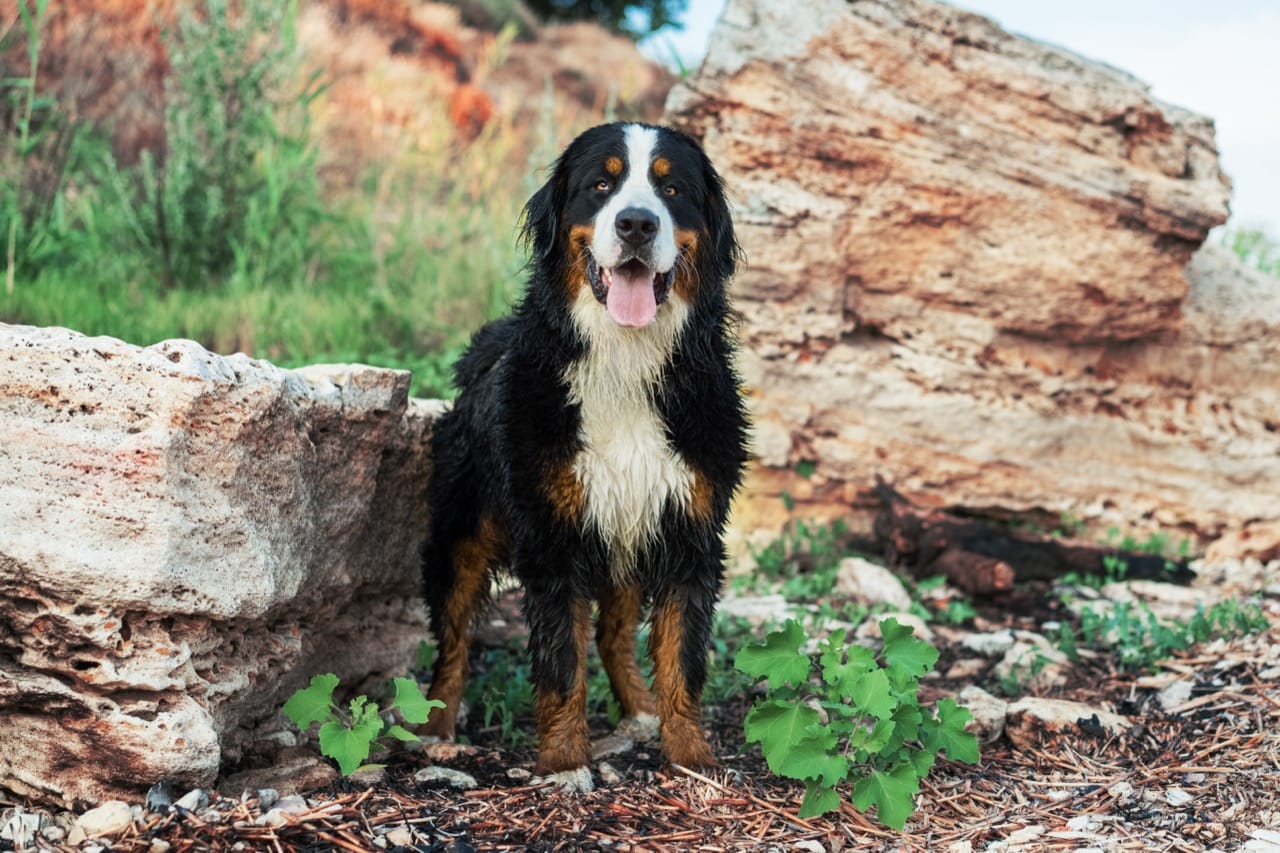
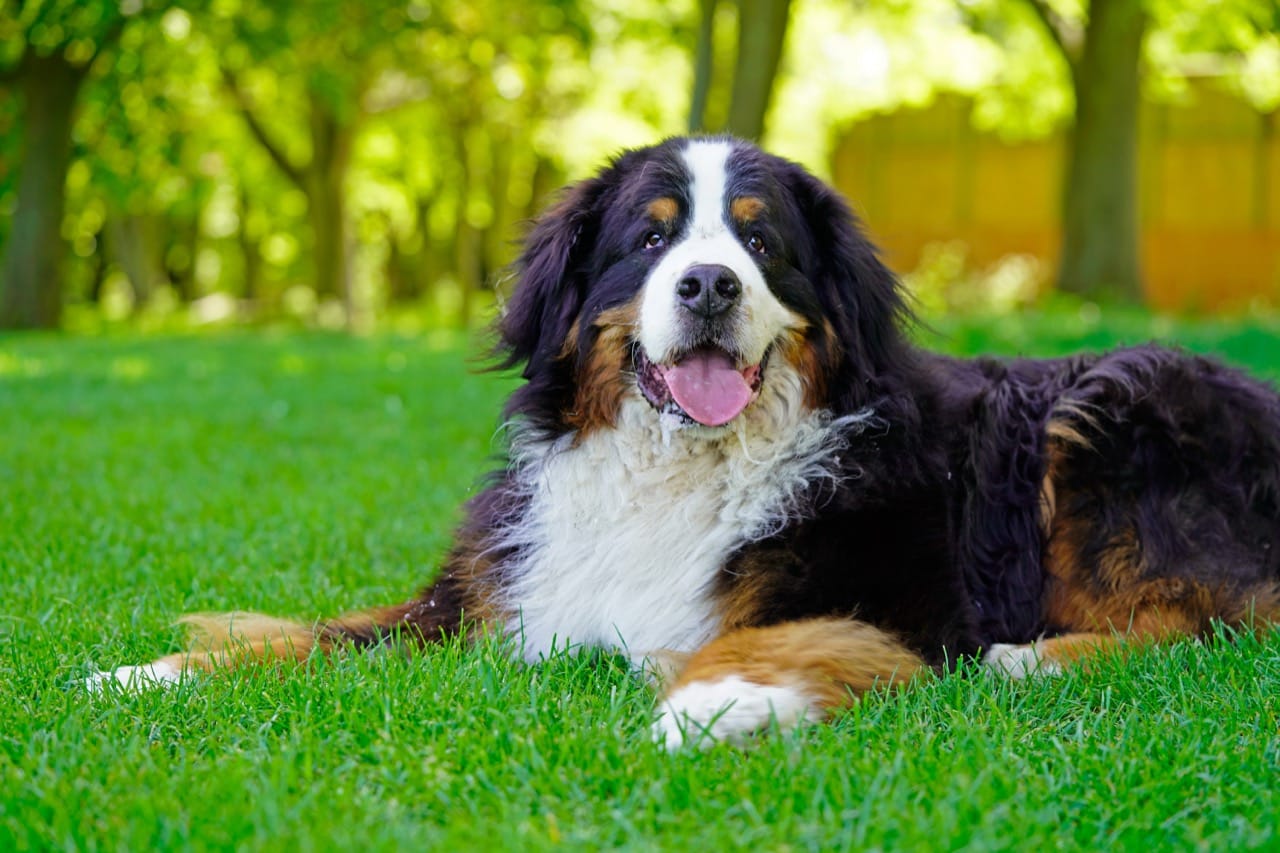
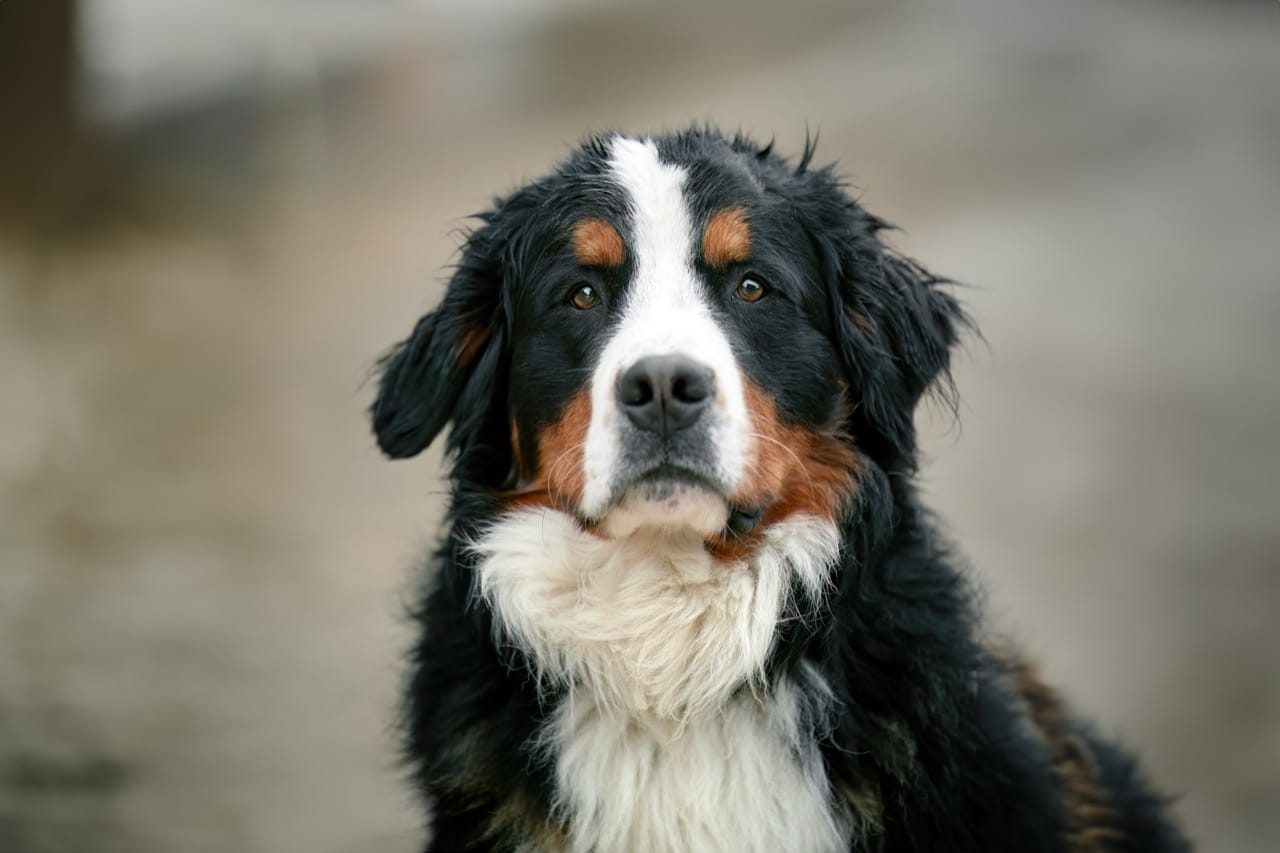
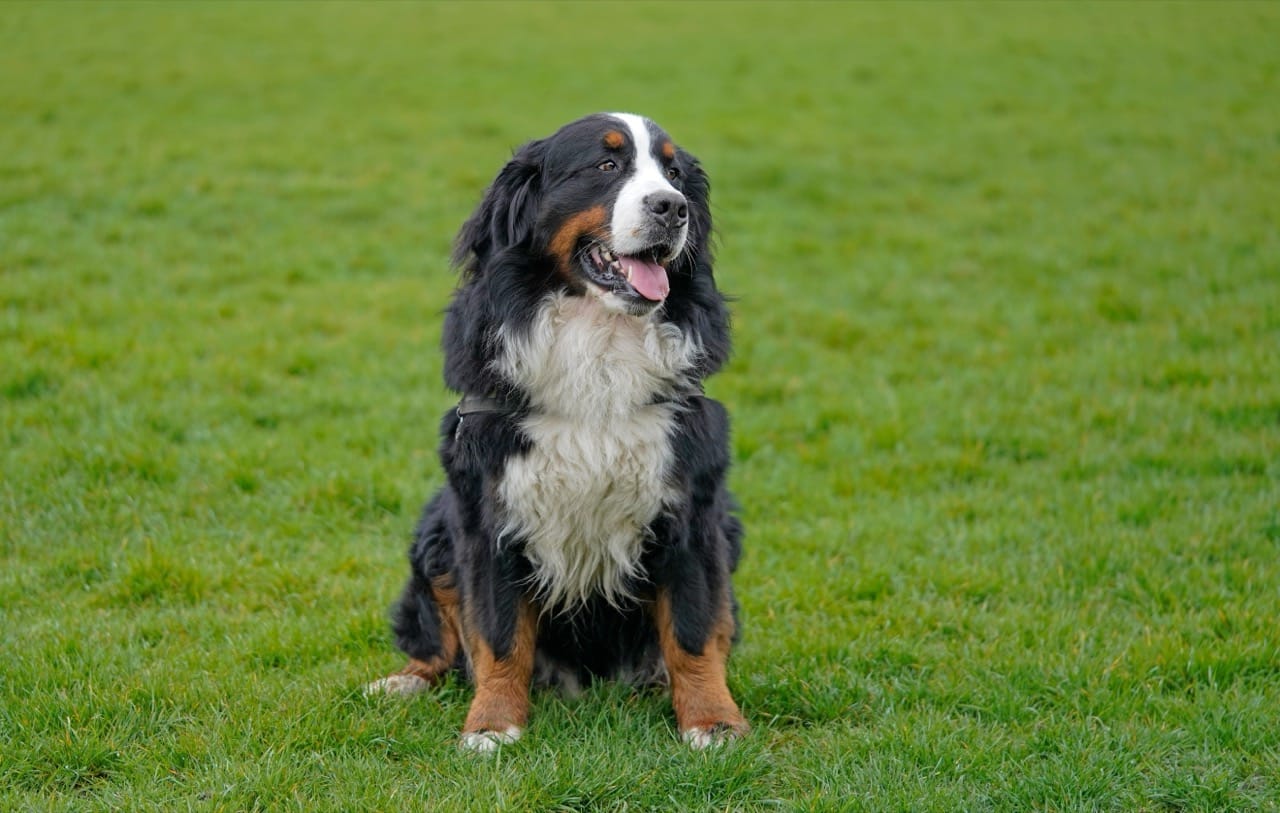
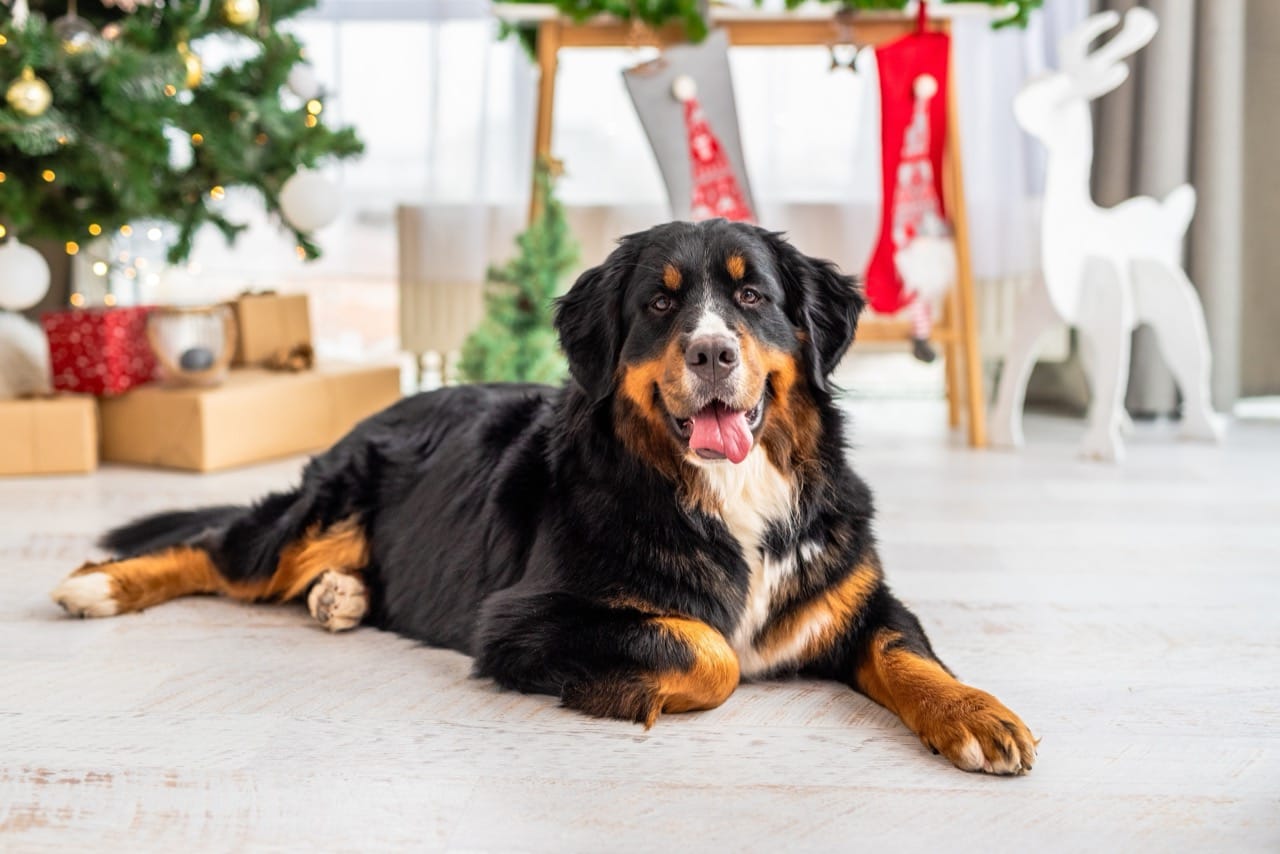
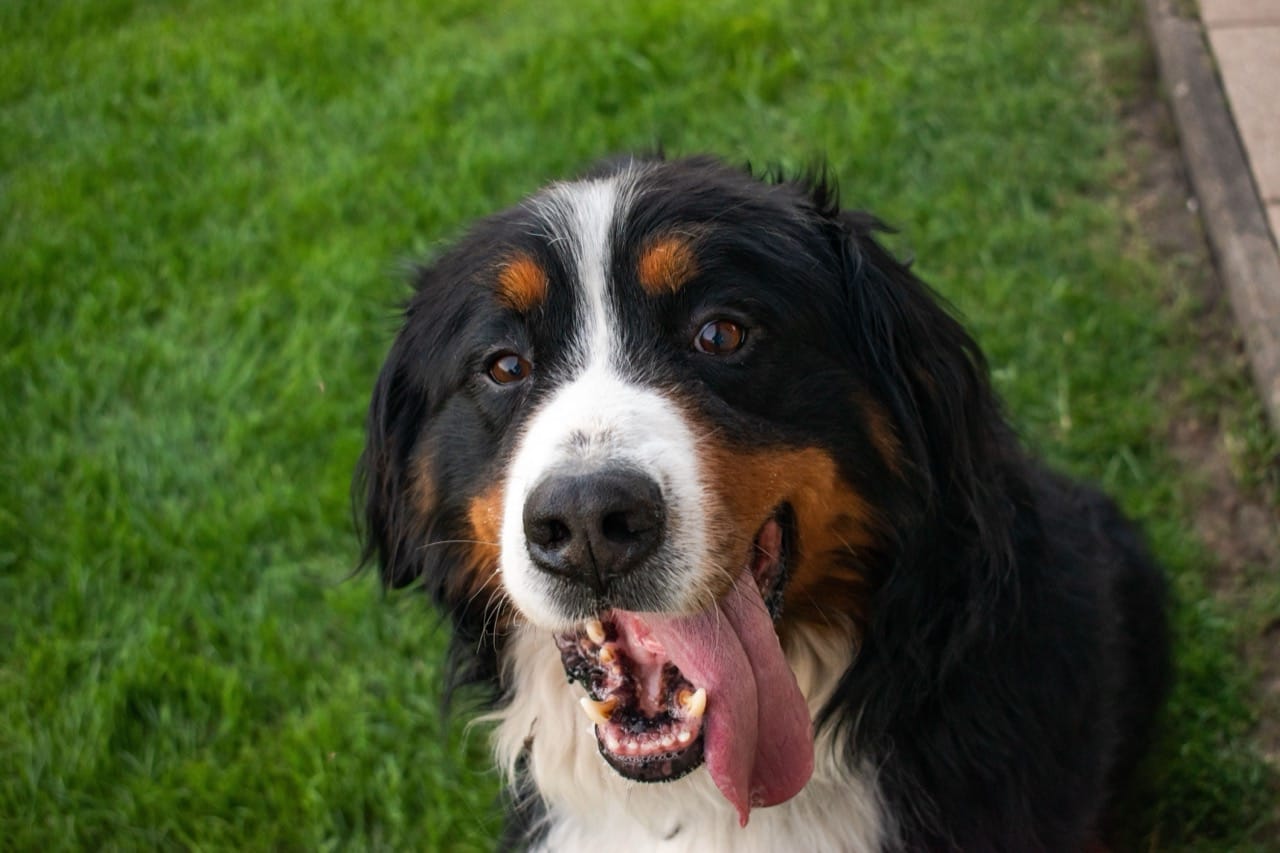
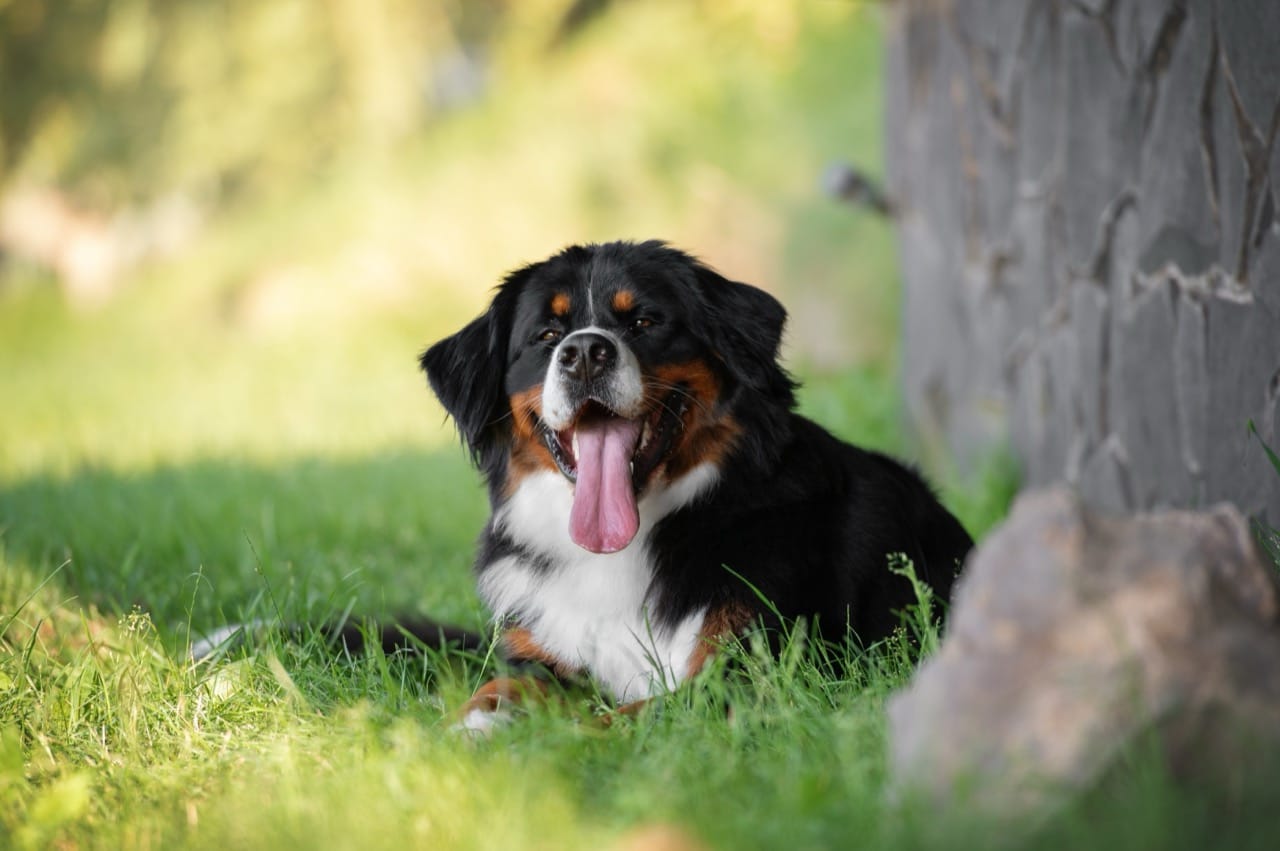
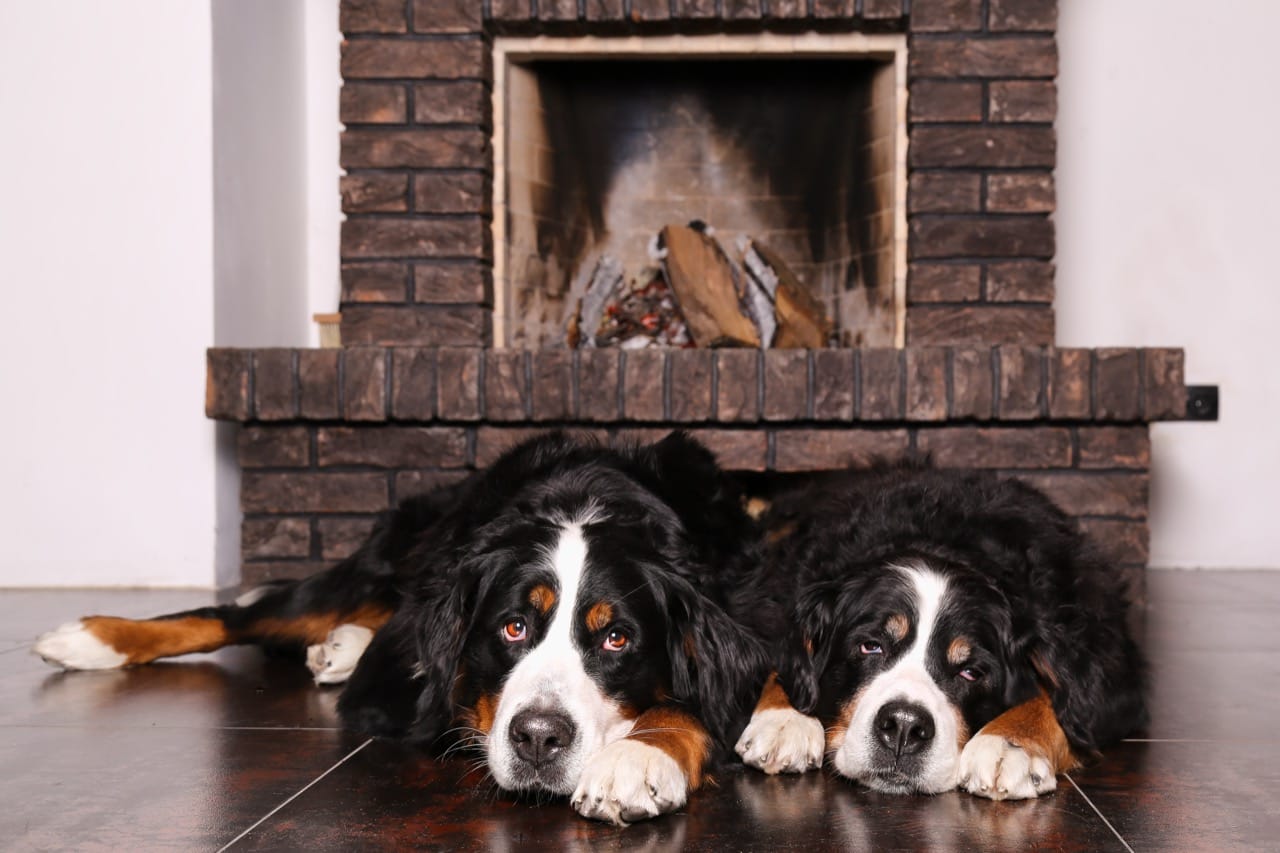
Then there is the famous tricolor coat, which is more than just “black, white, and rust.” The base is usually jet black, with rust markings commonly appearing over the eyes, on the cheeks, on the sides of the chest, and on the legs. White often shows up as a blaze on the face, on the chest, and at the tip of the tail, and many Berners have white feet. Breed descriptions often mention a symmetrical look, but real dogs can have charming variations. Even so, if you see a Swiss mountain dog with short hair and the same colors, you are probably looking at a Greater Swiss Mountain Dog, not a Berner.
If you want ownership math, start with grooming. That thick double coat sheds year round and tends to intensify seasonally. Brushing a few times per week is a practical baseline for many homes, with more frequent sessions during heavy shedding. Baths are not usually weekly events, but mud, snow, and that luxurious tail can change the schedule quickly. Add in the size of the dog and you get another statistic: everything scales up, from food portions to the amount of fur a vacuum collects.
One last number to keep in mind is what Berners were built to do. Historically they worked as farm dogs and draft dogs in Switzerland, pulling carts and helping move goods. That heritage shows in their strength and steady temperament, and it also explains why structured exercise matters. A Berner does not need marathon distances, but they do benefit from regular walks, mental engagement, and enough activity to keep a large body comfortable. For a stats lover, the breed is a satisfying mix of clear benchmarks and real world variability, where the numbers are only part of the story but they do tell you a lot.