Corgi Detective Challenge From Ears to Tails



Quiz Complete!
Corgi Detective Challenge From Ears to Tails
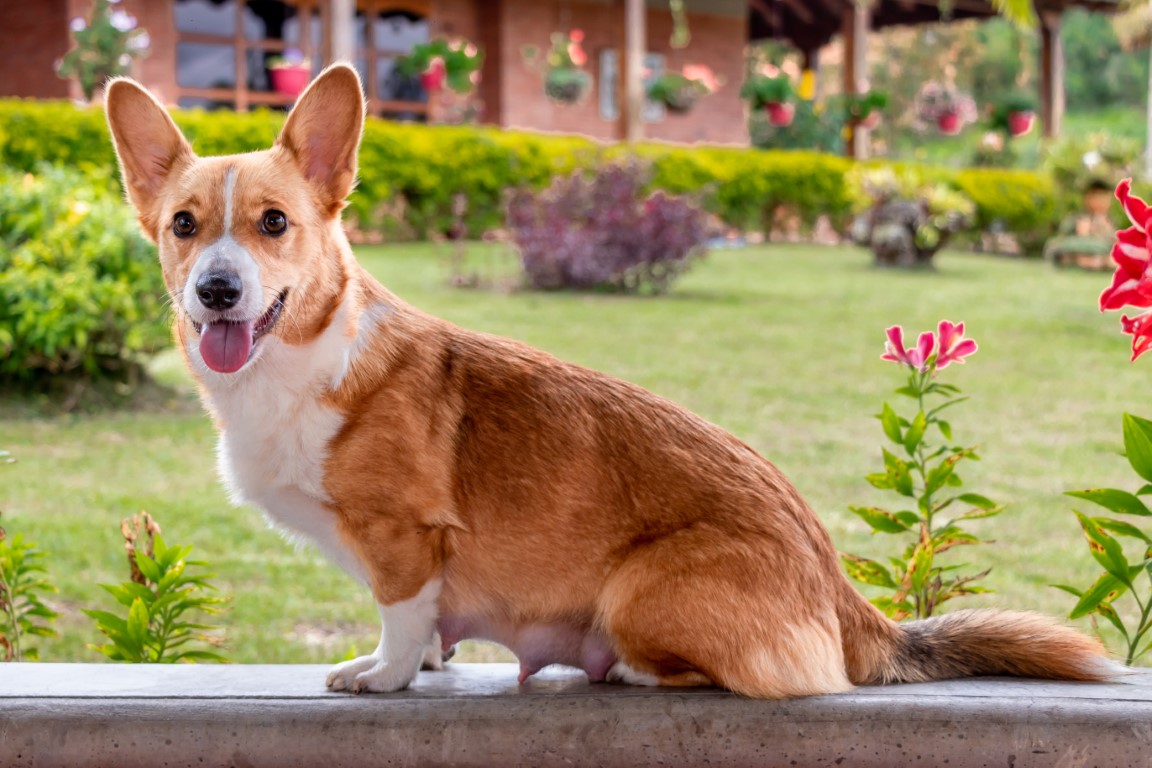
Corgis are masters of being instantly recognizable and surprisingly easy to confuse. Their short legs, long bodies, and bright expressions create a silhouette that stands out, yet a quick glance can still trick you into calling any low-riding dog a corgi. The fun of a corgi detective challenge is learning which details really matter, from ear shape to tail clues, and which “obvious” signs are less reliable than people think.
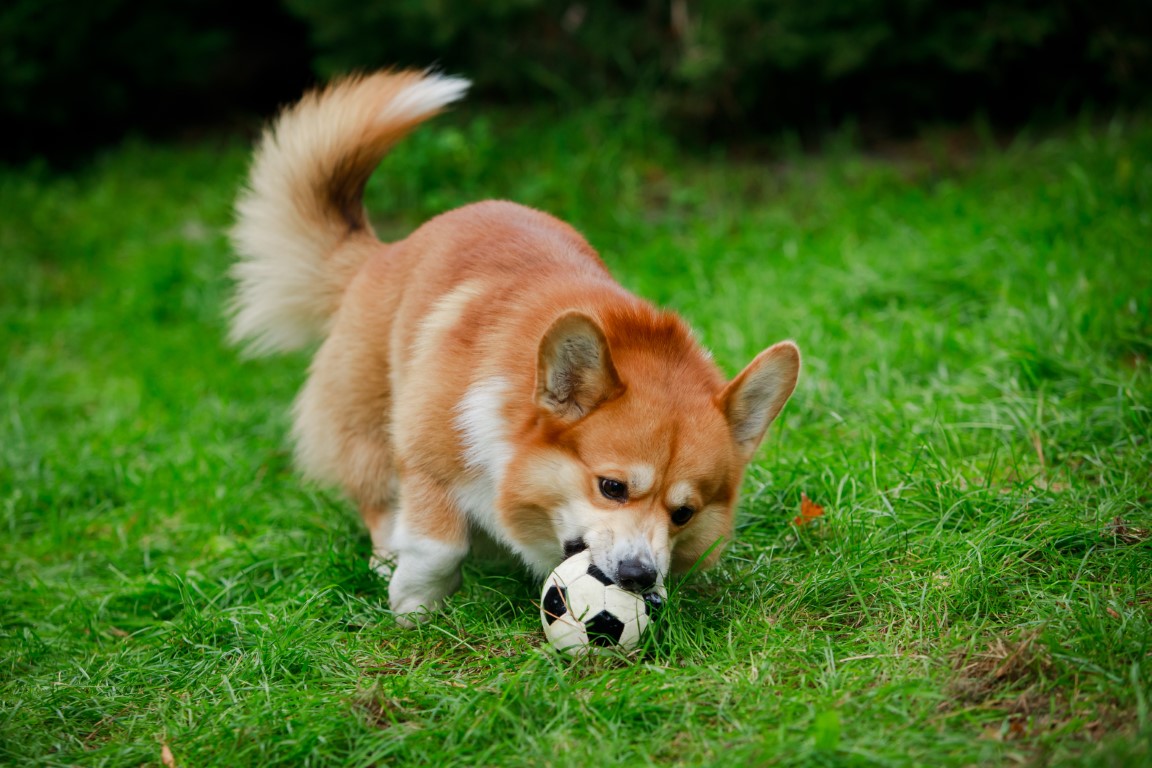
There are two corgi breeds: the Pembroke Welsh Corgi and the Cardigan Welsh Corgi. Both were developed in Wales as herding dogs, built low to the ground so they could dodge kicks from cattle while nipping at heels. That working background explains their confident attitude, quick reflexes, and the way many corgis seem to move with purpose even on a casual stroll. It also explains why they can be vocal and why they often try to herd children, other pets, or even their favorite humans.
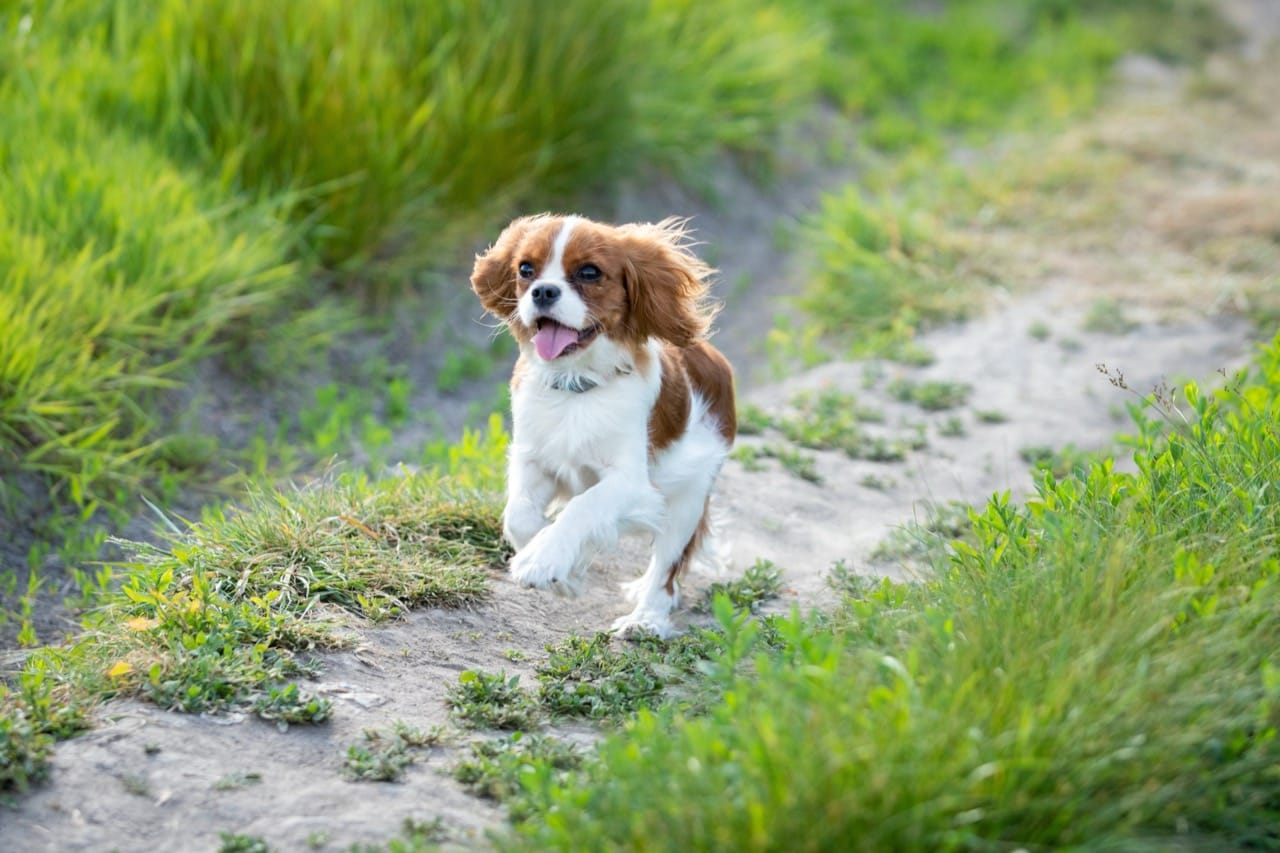
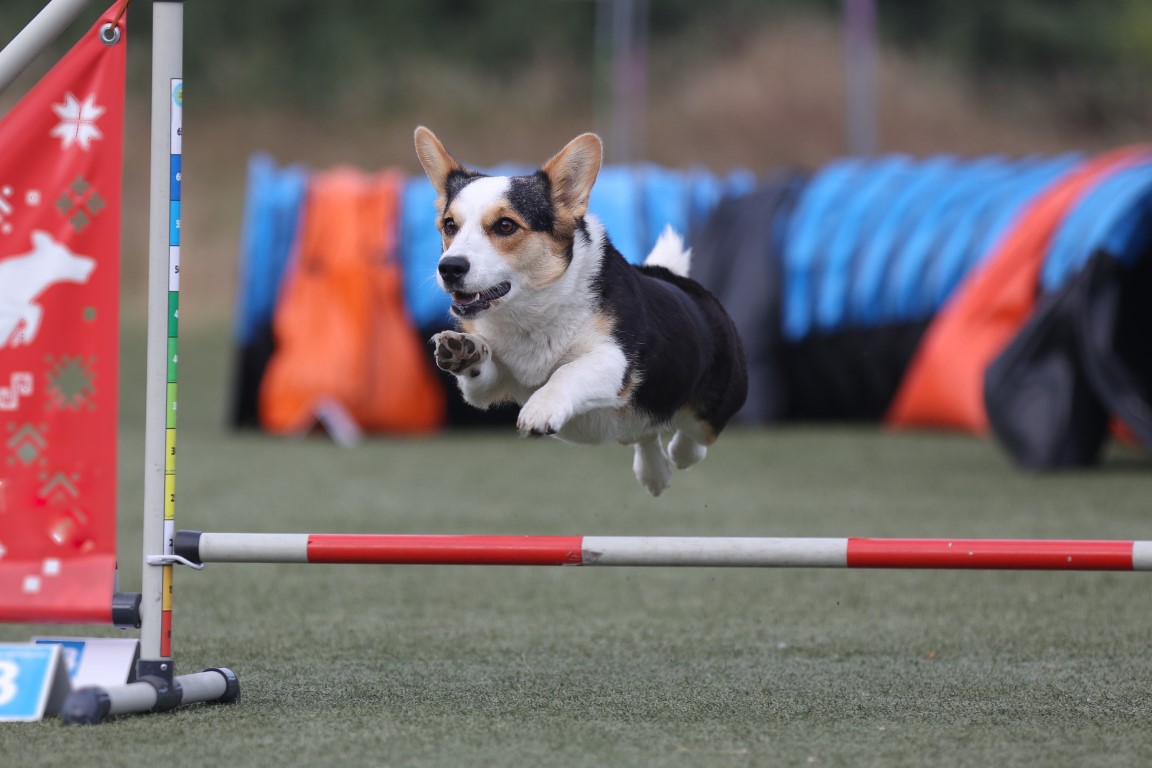
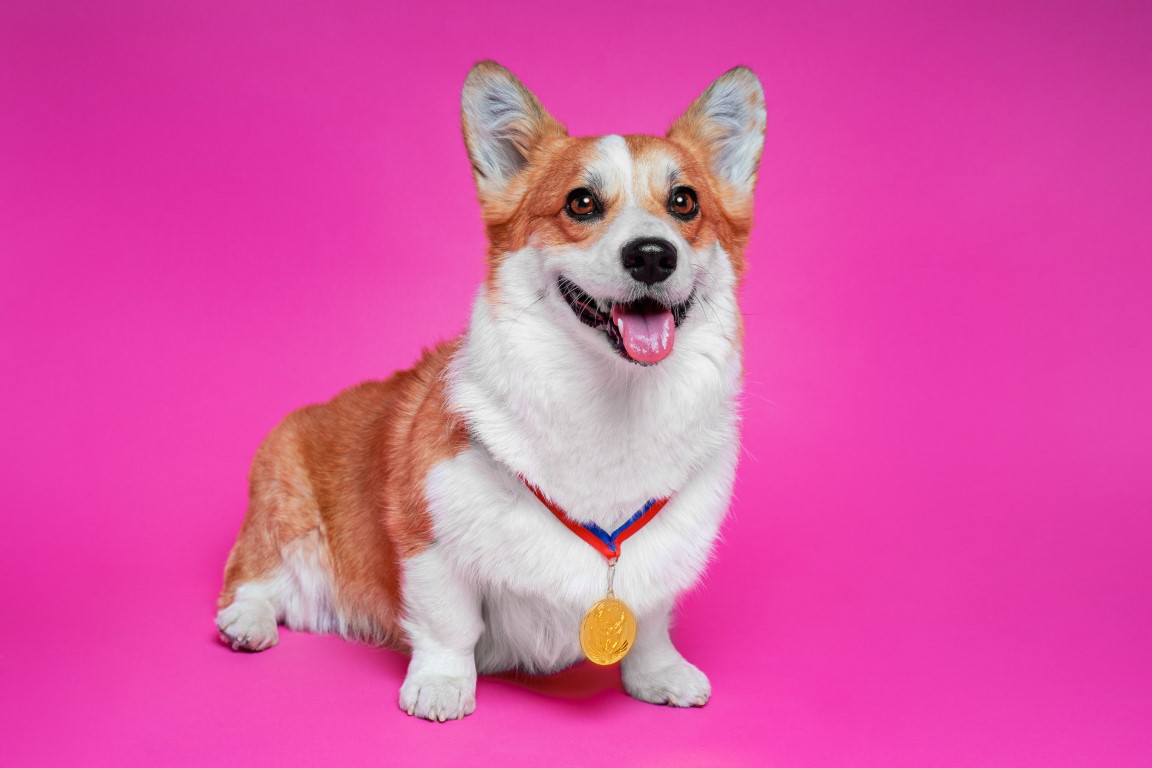
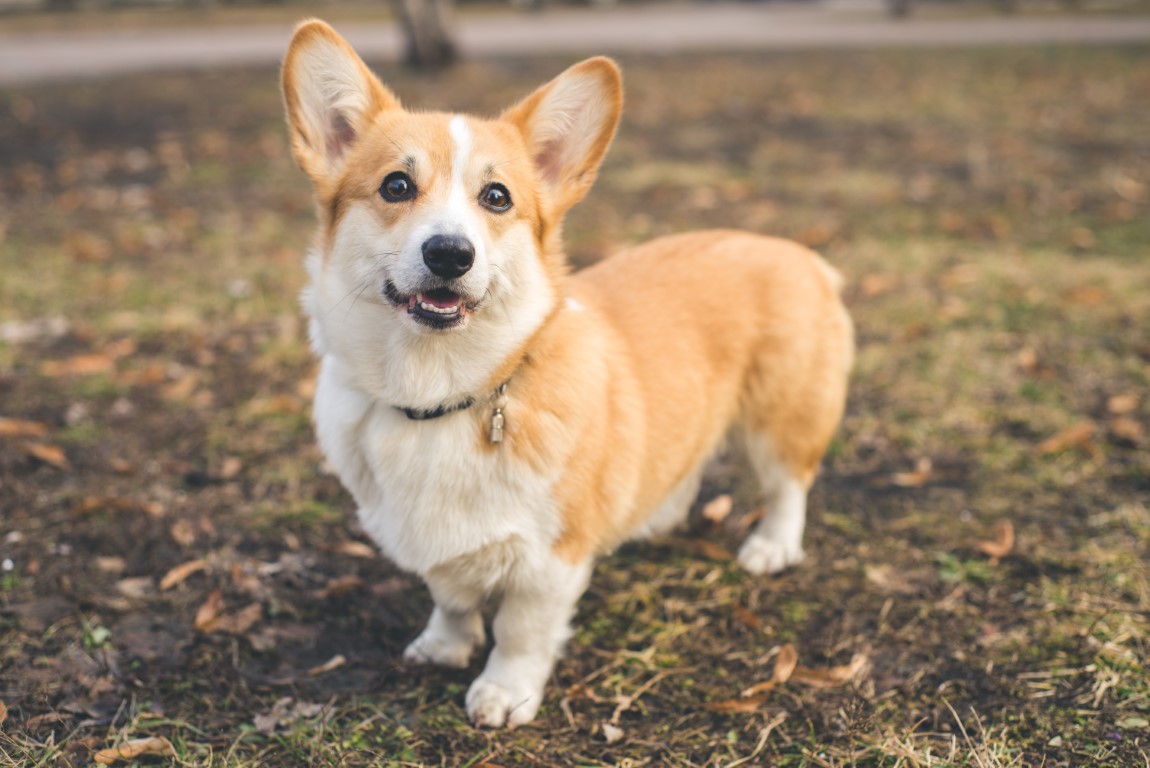
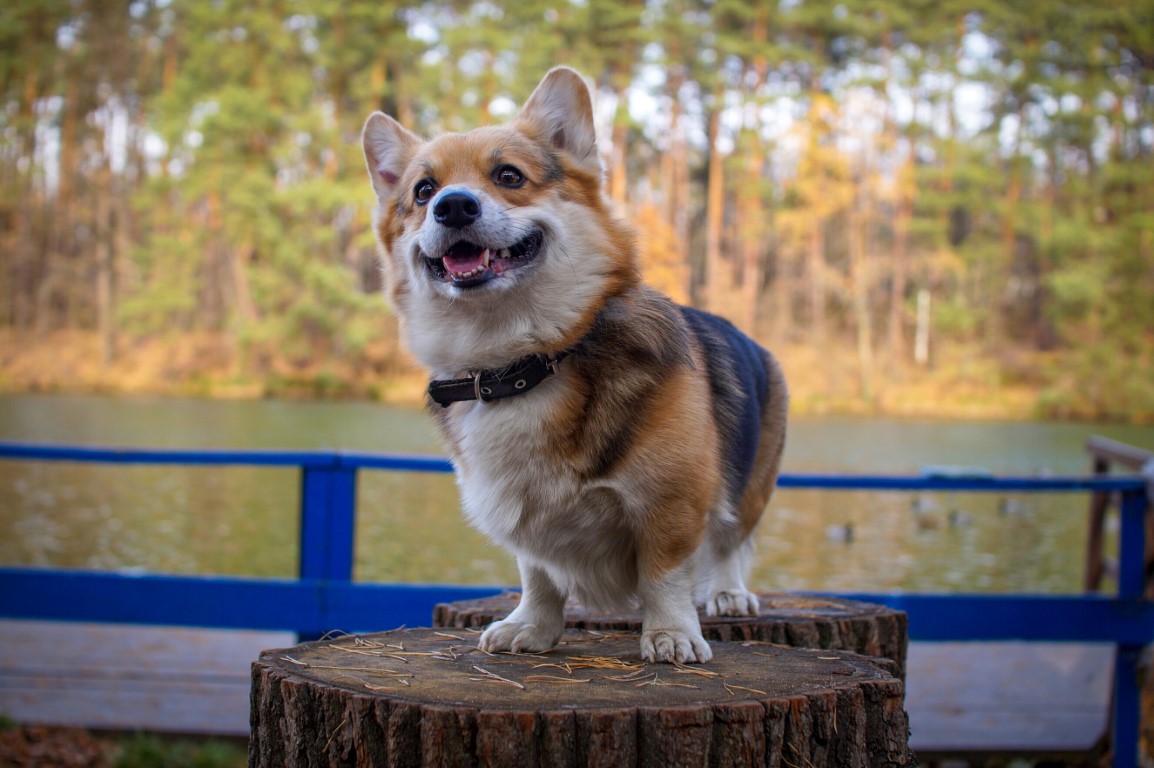
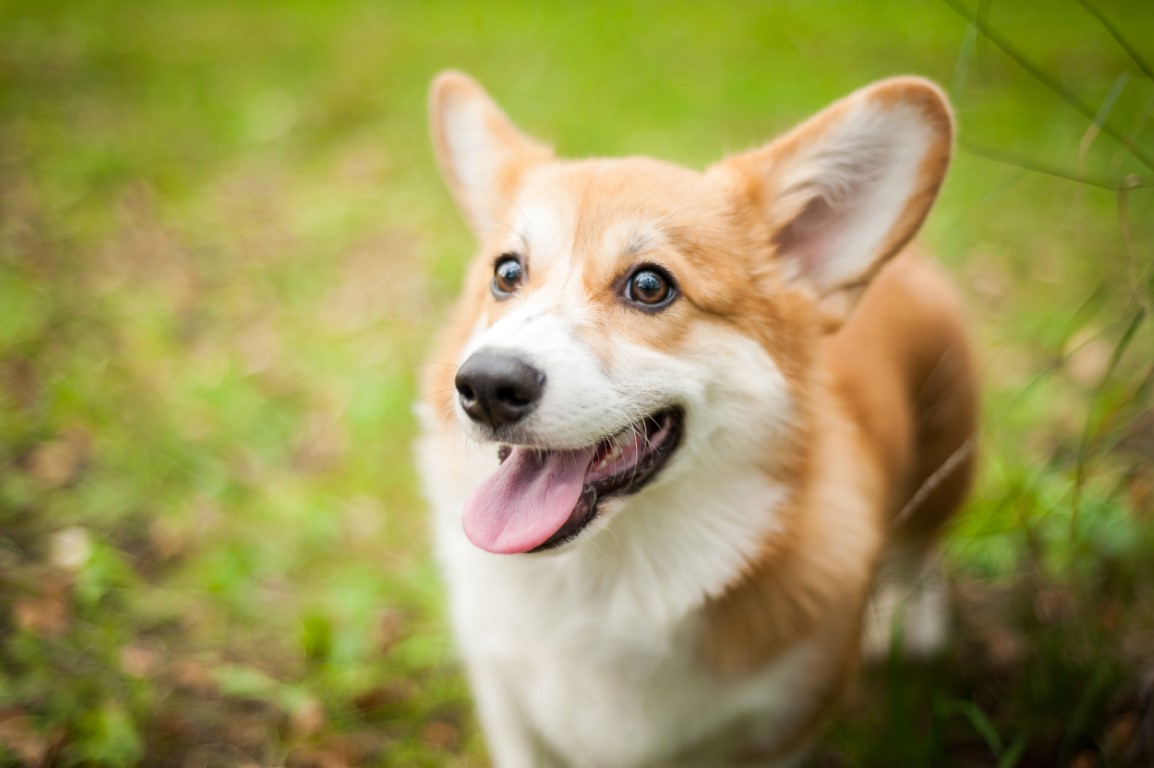
If you are trying to separate Pembroke from Cardigan, start with the outline. Cardigans are generally a bit larger and longer, with heavier bone, and their ears are often larger and more rounded at the tips. Pembrokes tend to have slightly smaller, more pointed ears and a lighter overall build. Tails are a classic clue, but they can mislead. Cardigans traditionally have long, foxlike tails. Pembrokes are often associated with very short tails, but that can be due to natural bobtails or historical docking practices, and not every Pembroke will fit the stereotype. In modern settings, you may see Pembrokes with natural tails, so tail length alone should not be your only evidence.
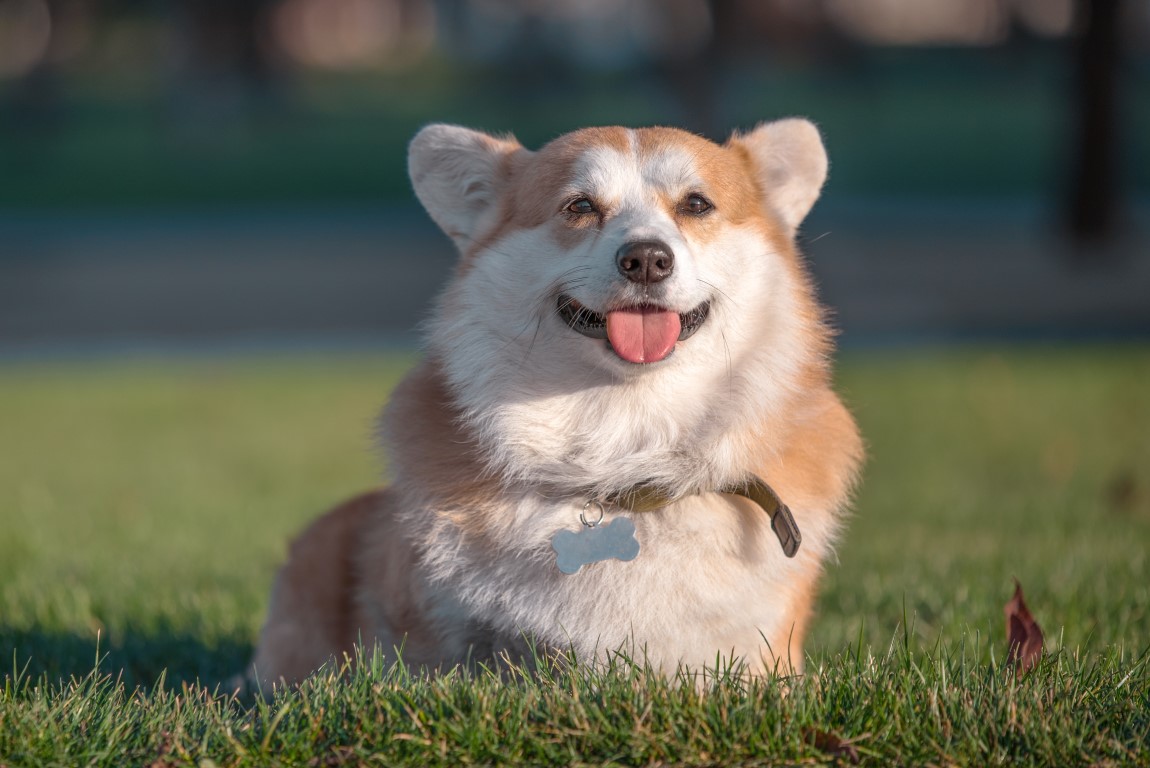
Coat color and pattern are another strong hint. Cardigans come in a wider range of colors, including brindle and blue merle, patterns you will not see in pure Pembrokes. Pembrokes are commonly red, sable, fawn, or black and tan, often with white markings. Both breeds can have white on the chest, legs, and face, and both can show a charming blaze on the forehead, so focus on the rarer patterns when you can.
Then there are the lookalikes. Many small herding and spitz-type dogs share upright ears and compact builds. A Swedish Vallhund can resemble a corgi at first glance, but it usually has a more wedge-shaped head and a different overall proportion. Dachshund mixes may mimic the low body, yet they often have softer, droopier ears and a different chest shape. Corgi mixes can be especially tricky. A corgi crossed with a Husky might keep the short legs but gain a thicker coat and a curled tail. A corgi mixed with a Terrier might have a scruffier face and a more compact torso. In a guessing game, it helps to look for the full package: the corgi’s bold expression, sturdy front, and that distinctive combination of long body and upright ears.
Corgis also have a pop culture advantage that shapes how people see them. Their association with British royalty, especially Queen Elizabeth II, made them famous far beyond herding circles. Social media has amplified the “corgi grin,” the dramatic ear positions, and the comedic contrast of athletic confidence packed into a low-slung frame. That fame can create false certainty, though. People remember the iconic image and assume every similar dog must be a corgi.
A true corgi detective learns to slow down and gather clues like a judge at a dog show. Ear shape, head proportions, coat pattern, and tail carriage all matter, but so does movement. Corgis often trot with an efficient, ground-covering gait that reflects their working roots. Put those details together and you will not only score better on the quiz, you will start seeing corgis the way breeders and herding fans do: not just as cute celebrities, but as clever, capable dogs with a history written in their ears, coats, and tails.