Continents of Goldens Country by Country Trivia












Quiz Complete!
A World Tour of Golden Retrievers: How One Breed Looks Different Across Countries

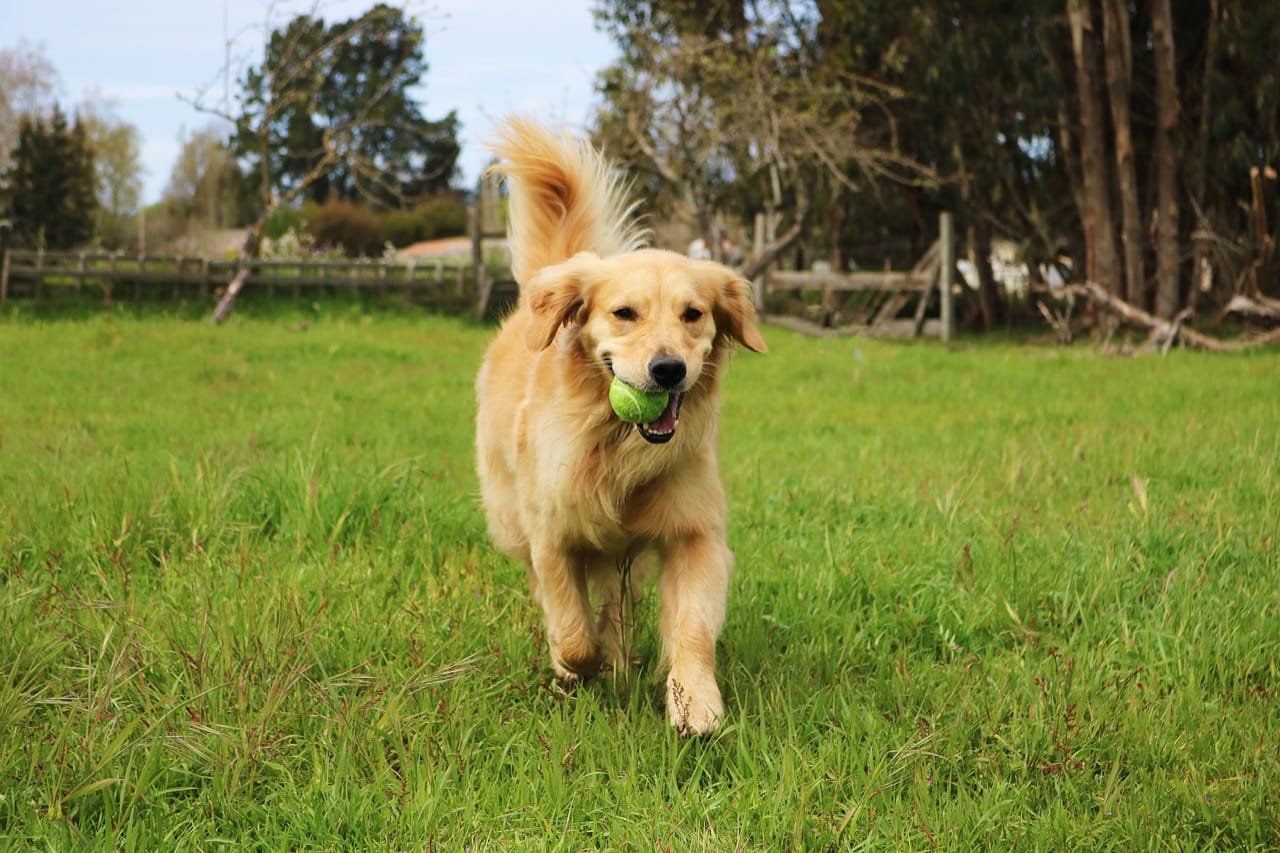
Golden Retrievers began as a practical Scottish gundog, bred in the late 1800s to retrieve game gently from land and water in challenging weather. That origin story still shapes the breed everywhere, but once Goldens spread beyond the United Kingdom, local kennel clubs, hunting traditions, and even climate nudged the look and lifestyle of the dogs in different directions. The result is a familiar face with surprisingly varied “accents” from country to country.
In the United Kingdom, the breed is closely tied to field sports and a tradition of moderation in appearance. British show lines are often described as sturdy and balanced, with broad heads and a calm, steady expression. Coats tend to be dense and weather resistant rather than extremely long, reflecting the dog’s working roots. Across the Atlantic, the United States developed its own tendencies. American show Goldens are commonly a bit taller and more refined in outline, with rich golden shades frequently seen in the ring. Meanwhile, American field lines, shaped by competitive hunting tests and performance sports, are often leaner, faster, and intensely driven to work.
Canada sits in an interesting middle ground, influenced by both British and American breeding. Many Canadian Goldens share the athleticism valued in North America while maintaining substantial coats suited to colder climates. In practice, climate plays a role in coat density and undercoat development worldwide. Dogs in colder regions often carry heavier coats, while those in warmer areas may have a lighter feel to their feathering, though good breeding aims to keep the essential weatherproof qualities intact.
Color is one of the most talked about differences, even though the breed is still the same. Around the world, acceptable shades generally range from cream to deeper gold, but preferences can shift by region and by show culture. The popular term English Cream is a great example of marketing meeting misunderstanding. It is not a separate breed or an official color category in most standards. It usually refers to very pale Goldens, often associated with certain European or British lines, but pale coats can appear in many places. Some countries’ standards discourage red or mahogany tones, which are more typical of Irish Setter coloring, while others simply see a broader range of gold in everyday life.
Internationally, kennel club structures also shape what people expect. Many countries follow the Federation Cynologique Internationale, or FCI, which provides a framework for breed standards used across much of Europe and beyond. The United States and United Kingdom have their own major kennel clubs with standards that are similar in spirit but not identical in wording and emphasis. Those small differences can influence judging trends, and judging trends can influence breeding priorities over time.
Beyond looks, working roles differ widely by country. In places where hunting with retrievers remains common, breeders may prioritize trainability, stamina, and a strong retrieving instinct. In cities where companionship is the main job, temperament traits like calmness, sociability, and adaptability can become especially valued. Goldens have also found roles as guide dogs, therapy dogs, detection dogs, and search and rescue partners across many nations, in part because their combination of biddability, sensitivity, and enthusiasm travels well.
No matter the country, the healthiest picture of the breed comes from balancing structure, temperament, and function rather than chasing a single fashionable trait. A Golden in Scotland, Sweden, Japan, Brazil, or South Africa should still look like a capable retriever and act like one: friendly without being pushy, confident without being reckless, and eager to work with people. Learning how different regions describe and shape the same beloved dog makes the breed’s global popularity feel even more remarkable, and it turns a simple trivia quiz into a real passport stamp for dog lovers.