Colossal Canines and Clever Breakthroughs Great Dane Quiz

Quiz Complete!
Colossal Canines and Clever Breakthroughs: The Great Dane’s Big Footprint in History and Science
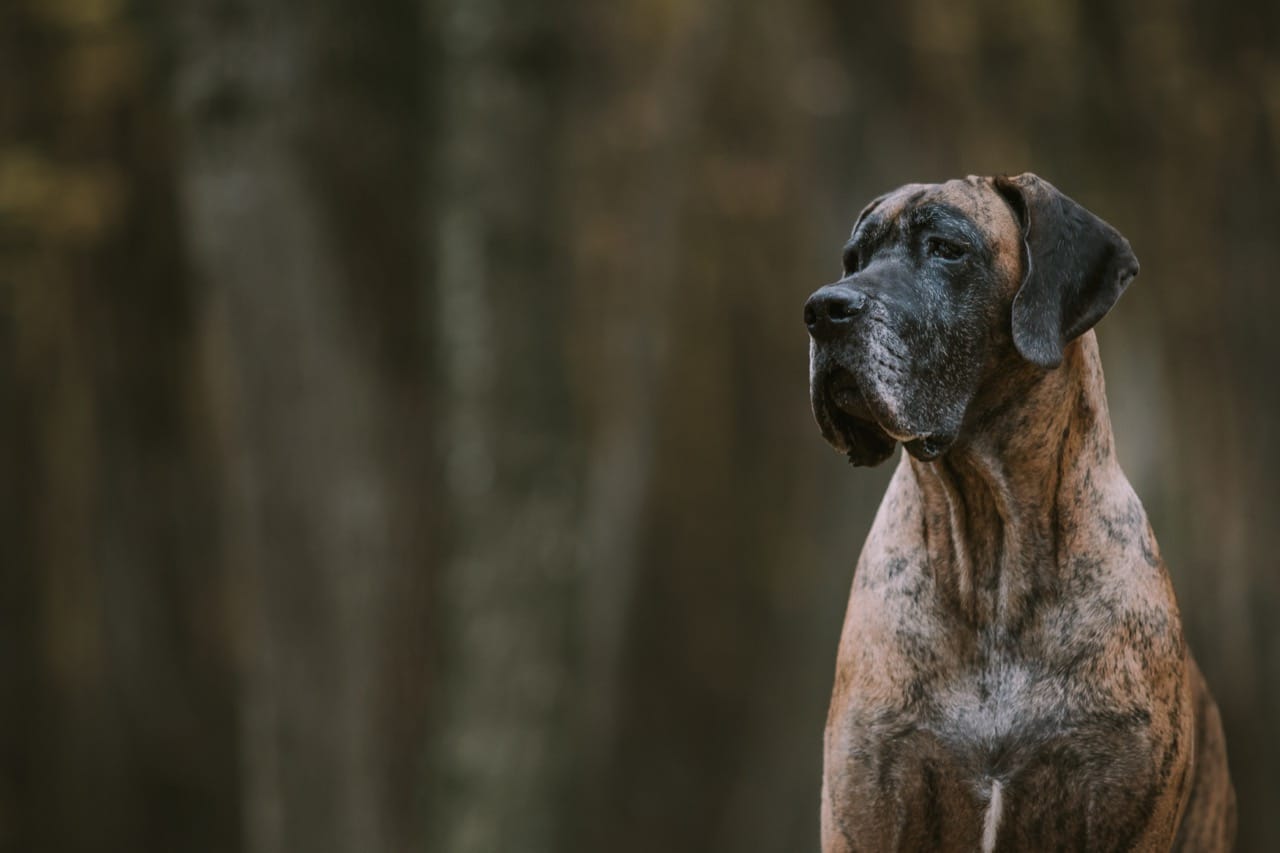
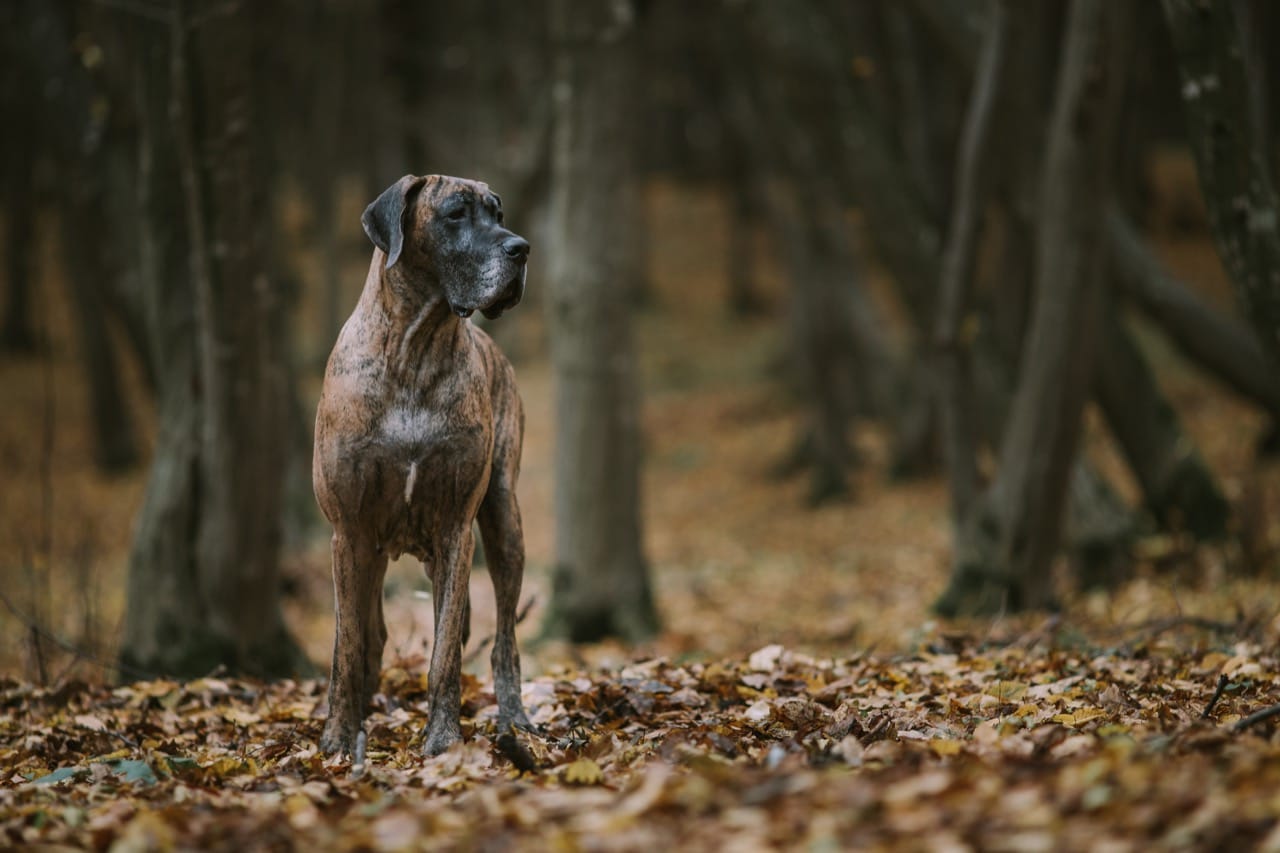
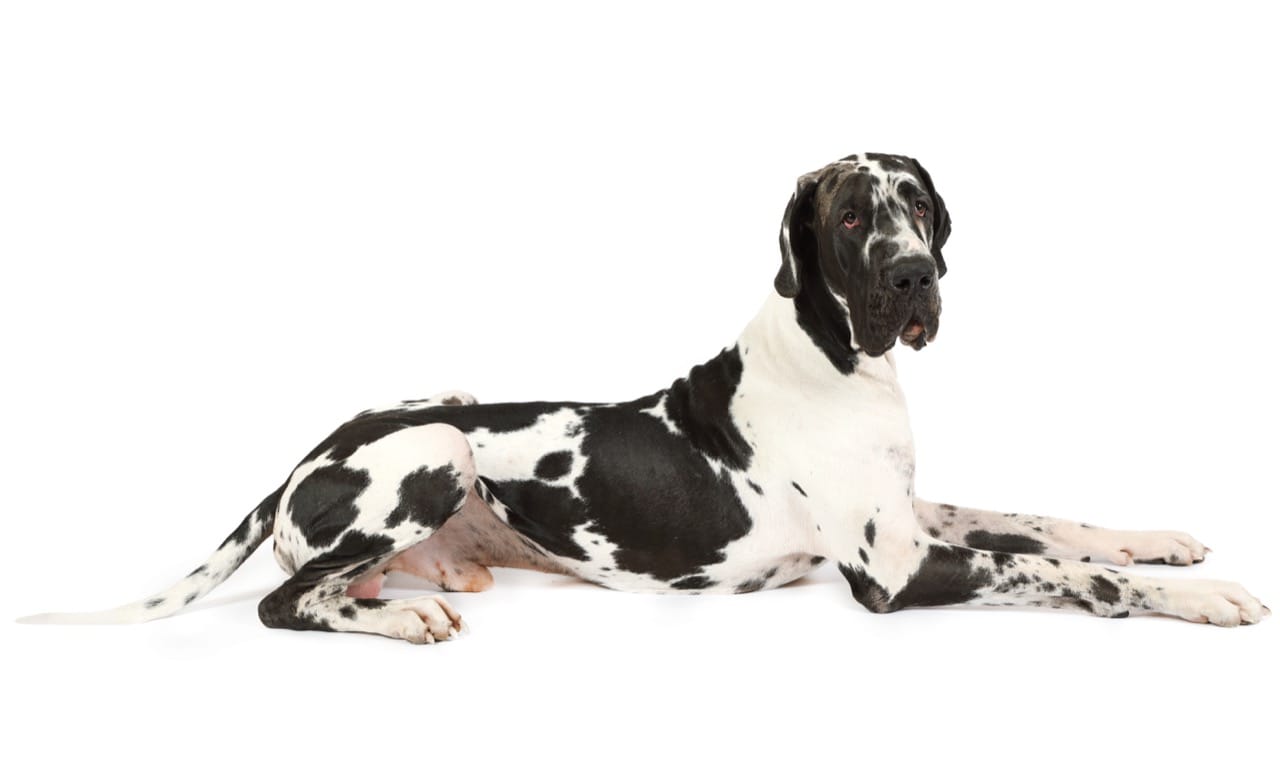
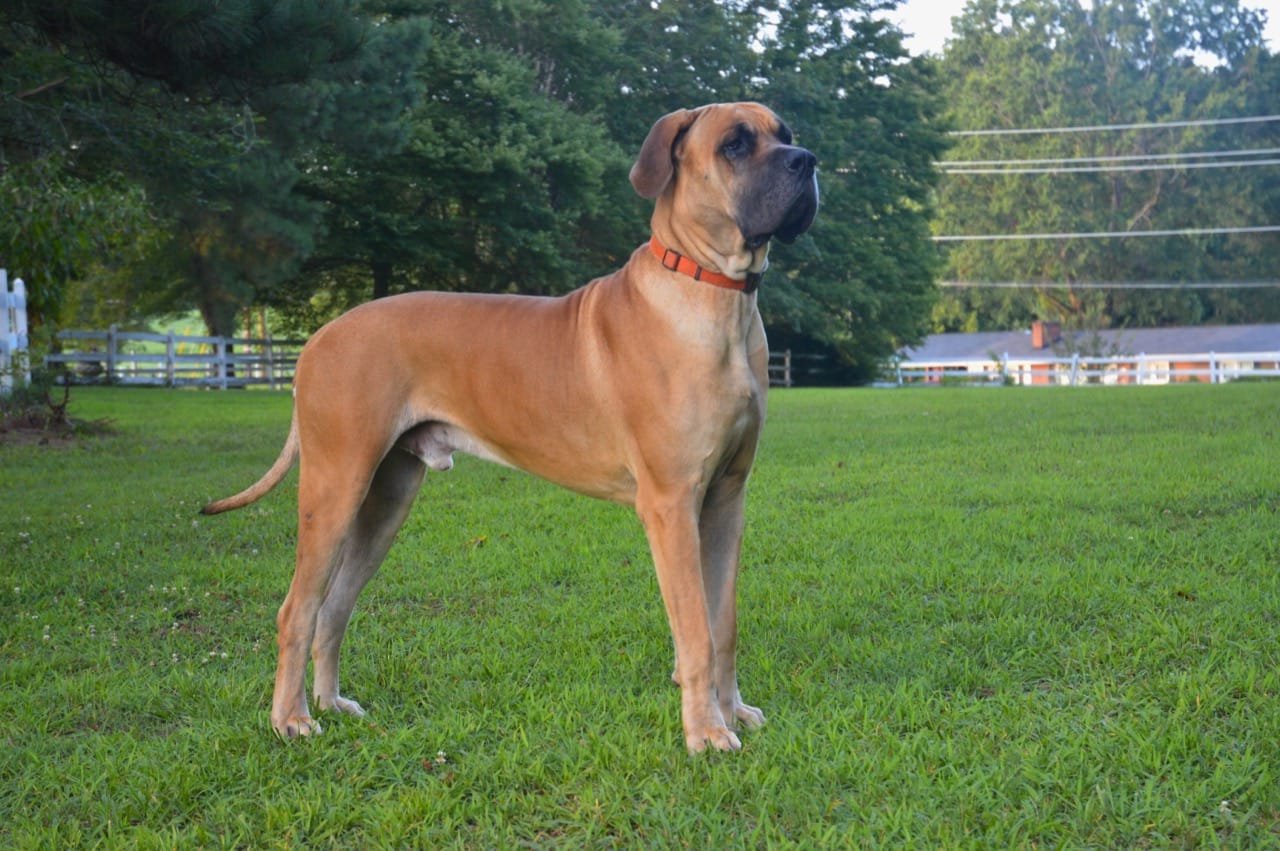
The Great Dane looks like a modern invention: tall, sleek, and almost architectural in its outline. Yet the breed’s story reaches back centuries, shaped by practical needs, artistic fascination, and, more recently, scientific tools that help protect a dog built on a giant scale. People sometimes assume Great Danes were created simply to be impressive, but their early fame came from work. In parts of Europe, powerful “boar hounds” were valued for hunting wild boar, a dangerous animal that could injure horses and people with a single slash. A successful dog needed speed to close distance, courage to face a charging boar, and enough size and strength to hold the animal at bay. That blend of athleticism and mass is still visible in the breed today, even though most Great Danes now spend their days as family companions.
The name is a historical puzzle. Despite “Dane” in the title, the breed was refined largely in Germany, where it was known by names that translated to “German dog” or “boar dog.” Over time, fanciers worked toward a consistent type, and formal breed standardization took hold as kennel clubs emerged in the 19th century. Standards did more than describe looks; they also shaped temperament expectations, favoring a dog that could be bold when needed but stable around people. That steady, friendly nature is part of why Great Danes became known as gentle giants.
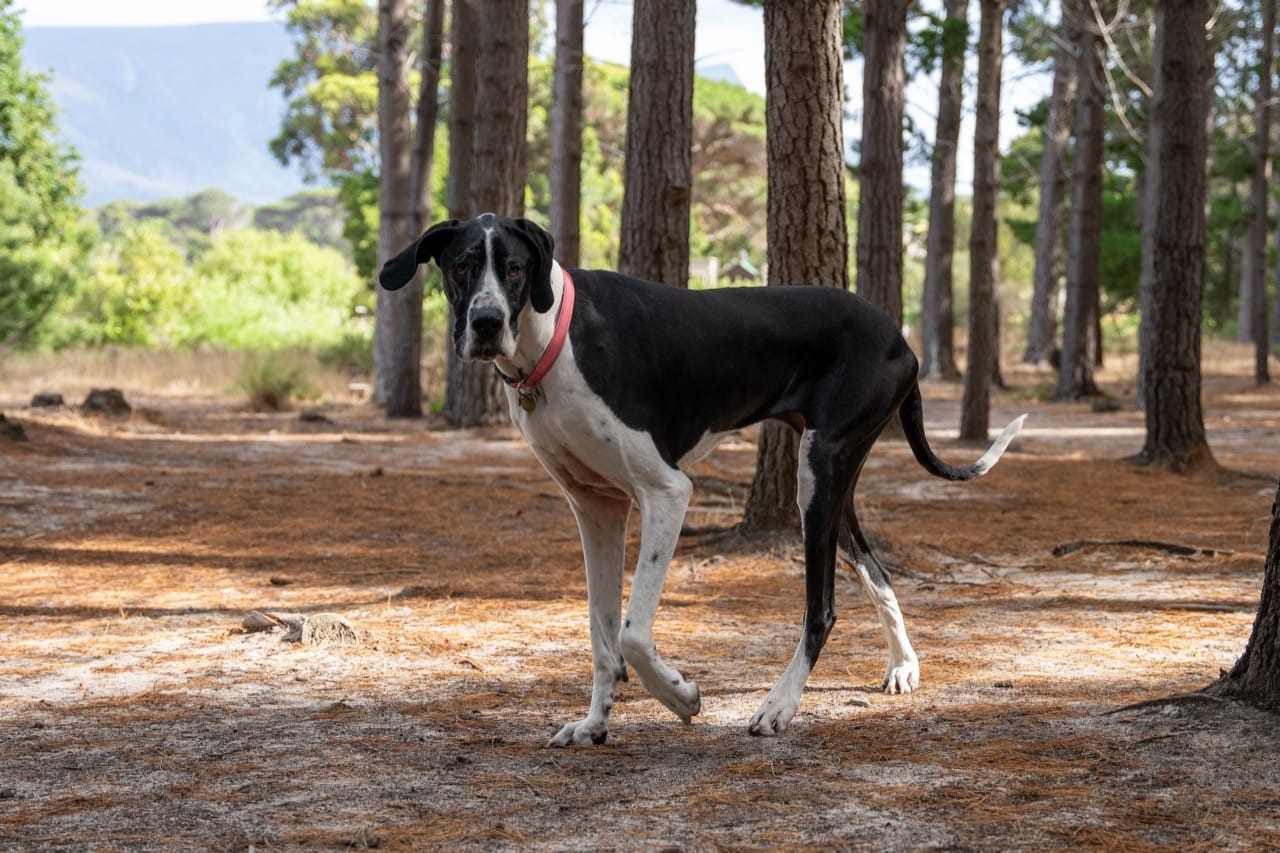
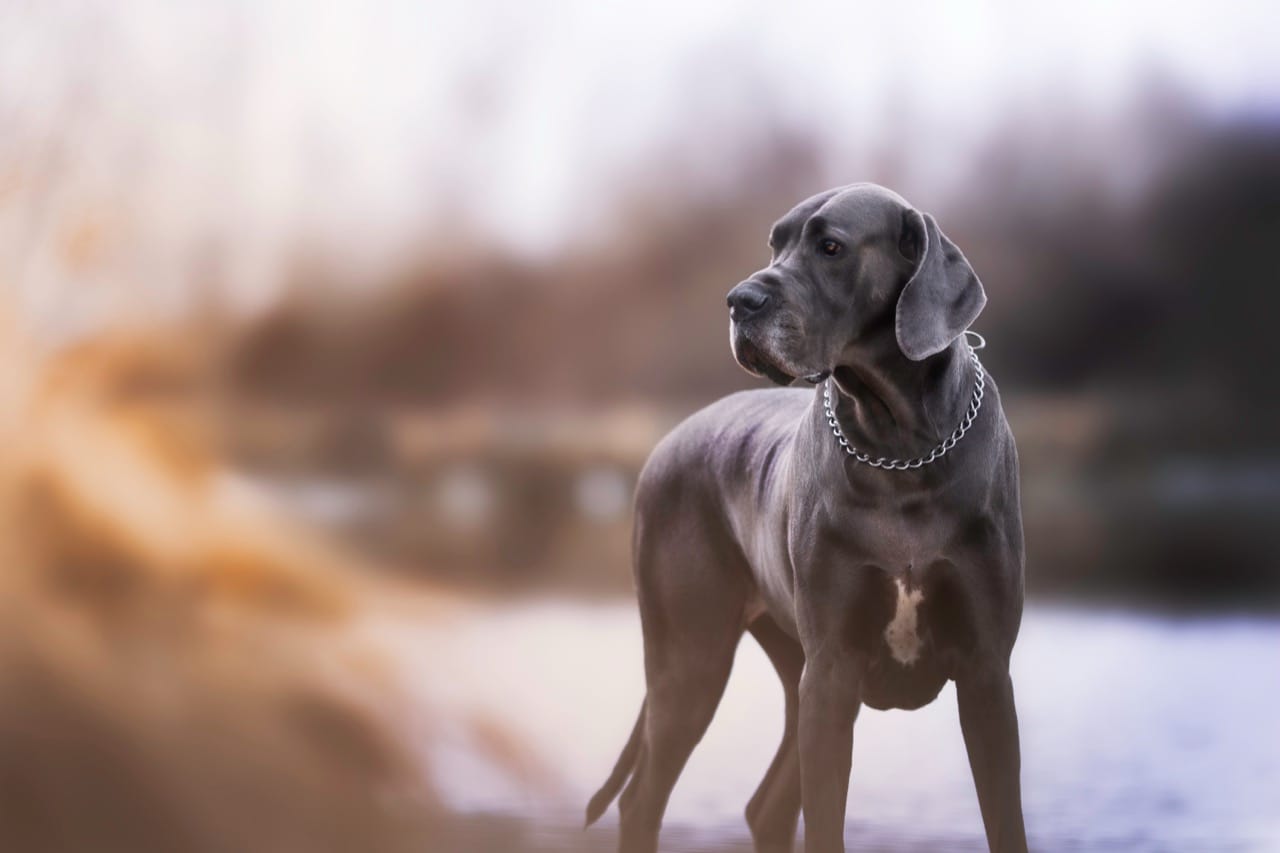
Their nickname, “the Apollo of dogs,” reflects more than their height. Apollo, the classical figure associated with harmony and ideal proportions, was a flattering comparison for a breed admired for its balance: long legs, deep chest, and a proud head carriage that seems almost regal. Artists and illustrators helped cement this image. Great Danes appear in paintings and prints as status symbols beside nobility, and later as beloved companions in domestic scenes. Pop culture continued the trend, turning the breed into an instantly recognizable silhouette, from comic strips to film. Even when a fictional Great Dane is exaggerated for laughs, the joke works because the real dog already looks larger than life.
Modern breakthroughs have shifted the focus from appearance to health and welfare, which matters especially for giant breeds. Size brings unique risks. Great Danes are prone to bloat, formally called gastric dilatation-volvulus, where the stomach expands and can twist. It is a true emergency, and today many owners discuss preventive gastropexy, a surgical procedure that tacks the stomach in place to reduce the chance of twisting. Veterinary care has also become more evidence-based about growth: rapid weight gain and overly rich diets can stress developing joints, so many veterinarians recommend controlled growth and appropriate nutrition rather than trying to “maximize” size.
Genetics has added powerful tools to responsible breeding. DNA testing can help identify carriers of certain inherited conditions and guide pairing decisions to reduce disease risk while maintaining genetic diversity. Health screening has also advanced. Echocardiograms and cardiology evaluations are used to monitor for heart disease such as dilated cardiomyopathy. Orthopedic assessments and careful tracking of family history help breeders make more informed choices. Increasingly, breeders and veterinarians also pay attention to longevity and overall functional soundness, not just show-ring traits.
Great Dane care has evolved in practical ways too. Because these dogs grow quickly and can be hard on their own bodies, thoughtful exercise matters: enough activity to build muscle and confidence, but not so much high-impact strain that it sets up problems later. Even everyday details, like safe flooring to prevent slips, properly fitted harnesses, and training that emphasizes calm manners, become more important when your dog can reach kitchen counters without trying. The Great Dane’s outsized presence may turn heads, but the most impressive modern story is how much knowledge now goes into keeping these giants comfortable, healthy, and truly at home with the people who love them.