Cockapoo History Sprint From Origins to Today





Quiz Complete!
Cockapoo History Sprint From Origins to Today

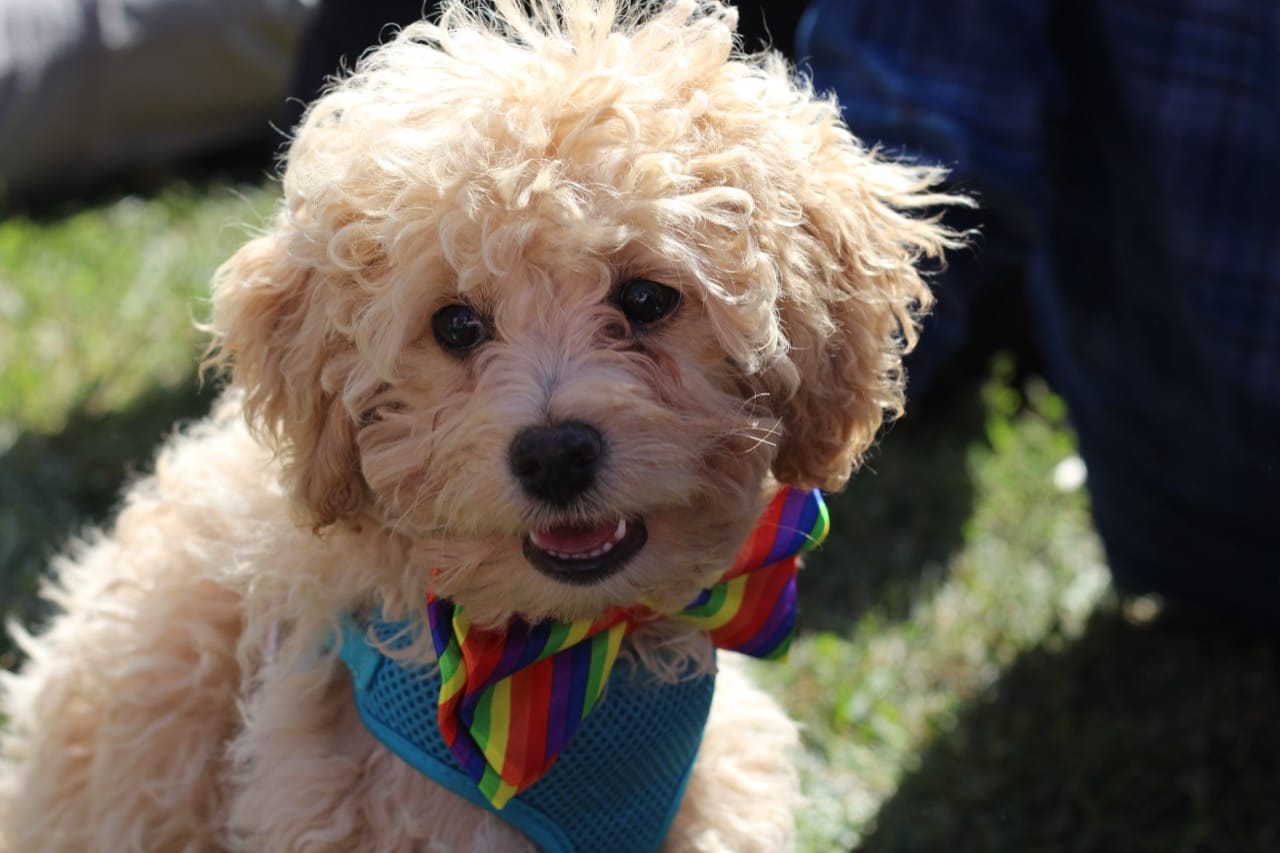
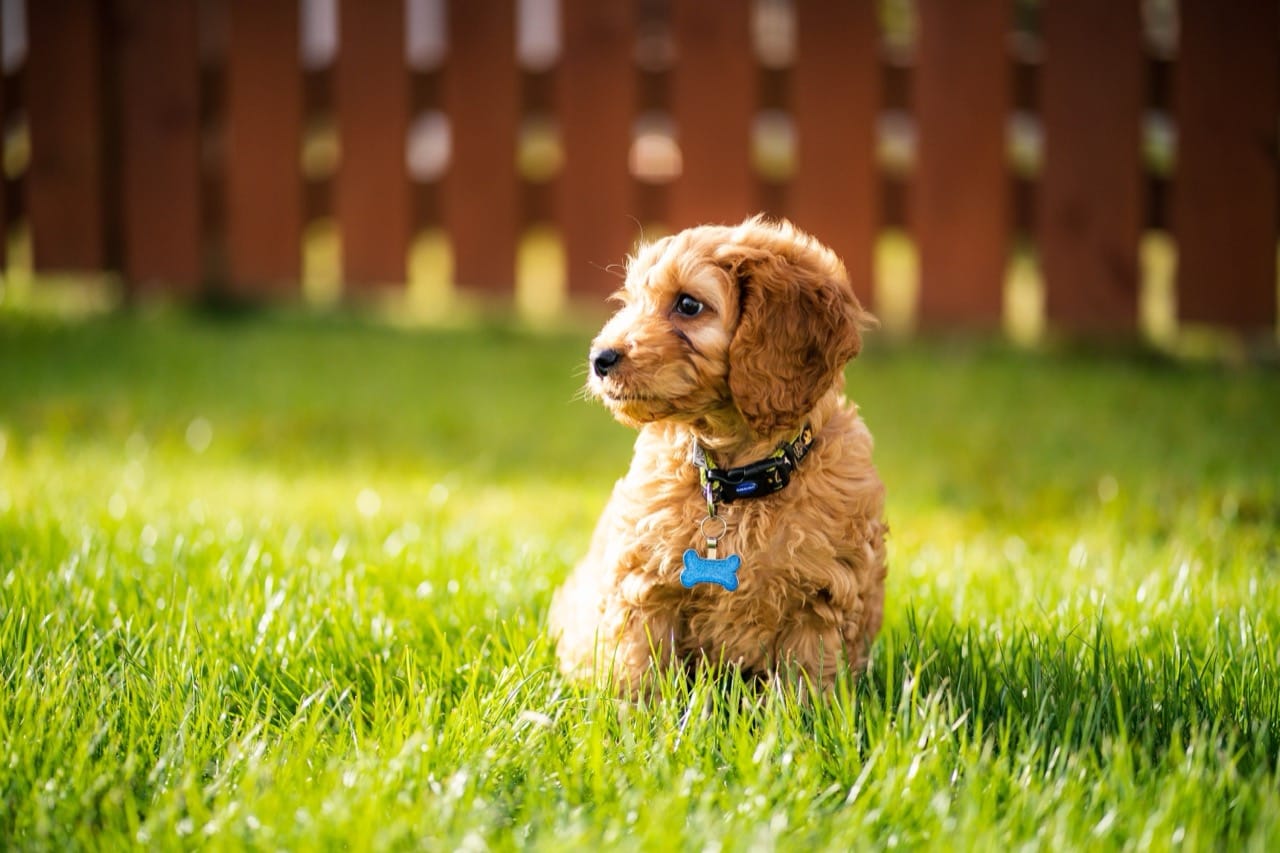
The Cockapoo may feel like it has always been around, with its round eyes, soft coat, and cheerful personality, but its rise is a distinctly modern story. Long before the term designer dog became common, people occasionally bred Poodles with Cocker Spaniels by accident or curiosity. What changed in the mid to late 20th century was intent. Families wanted a small to medium companion that was friendly, bright, and easier to live with in busy households. The Poodle offered trainability and a coat that many people found more manageable for allergies, while the Cocker Spaniel brought an affectionate, people oriented temperament and a sweet, expressive look. Together, they produced puppies that often seemed to combine the best of both worlds, even though outcomes could vary.
The cross gained momentum in the United States in the 1950s and 1960s, when suburban life and pet keeping were booming and the Cocker Spaniel was among the most popular purebreds. Miniature and Toy Poodles were also widely available. Early Cockapoos were not created to meet a kennel club standard, but to fit a lifestyle: sociable, family friendly, and adaptable. By the 1970s and 1980s, the Cockapoo had become one of the best known hybrids, helped by word of mouth, newspaper features, and the simple fact that many owners loved their dogs and recommended them to friends.
As popularity grew, so did the desire to organize. Cockapoo clubs formed to share breeding advice, promote responsible ownership, and debate what a Cockapoo should be. Some enthusiasts pushed for a consistent type, while others embraced variety as part of the charm. A key debate centered on first generation crosses, meaning a Cocker Spaniel bred to a Poodle, versus multigenerational Cockapoos bred to other Cockapoos. First generation litters can be unpredictable in coat and size, but multigenerational breeding can, over time, create more consistency. Even so, because the Cockapoo is not recognized as a standardized breed by major kennel clubs in many countries, there is no single universal rulebook.
Public attitudes also shifted. In the early days, hybrids were sometimes dismissed as mutts, while supporters argued that careful crossing could produce excellent companions. Later, as designer dogs became a trend, demand rose sharply and attracted less careful breeding. This is where the modern era brought important turning points: health testing and ethics became central talking points. Both parent breeds carry known risks, so responsible breeders began emphasizing screening for issues such as hip problems, eye conditions, and hereditary disorders seen in Poodles and Cocker Spaniels. The conversation expanded beyond cute looks to long term wellbeing, including temperament testing, early socialization, and placing puppies in appropriate homes.
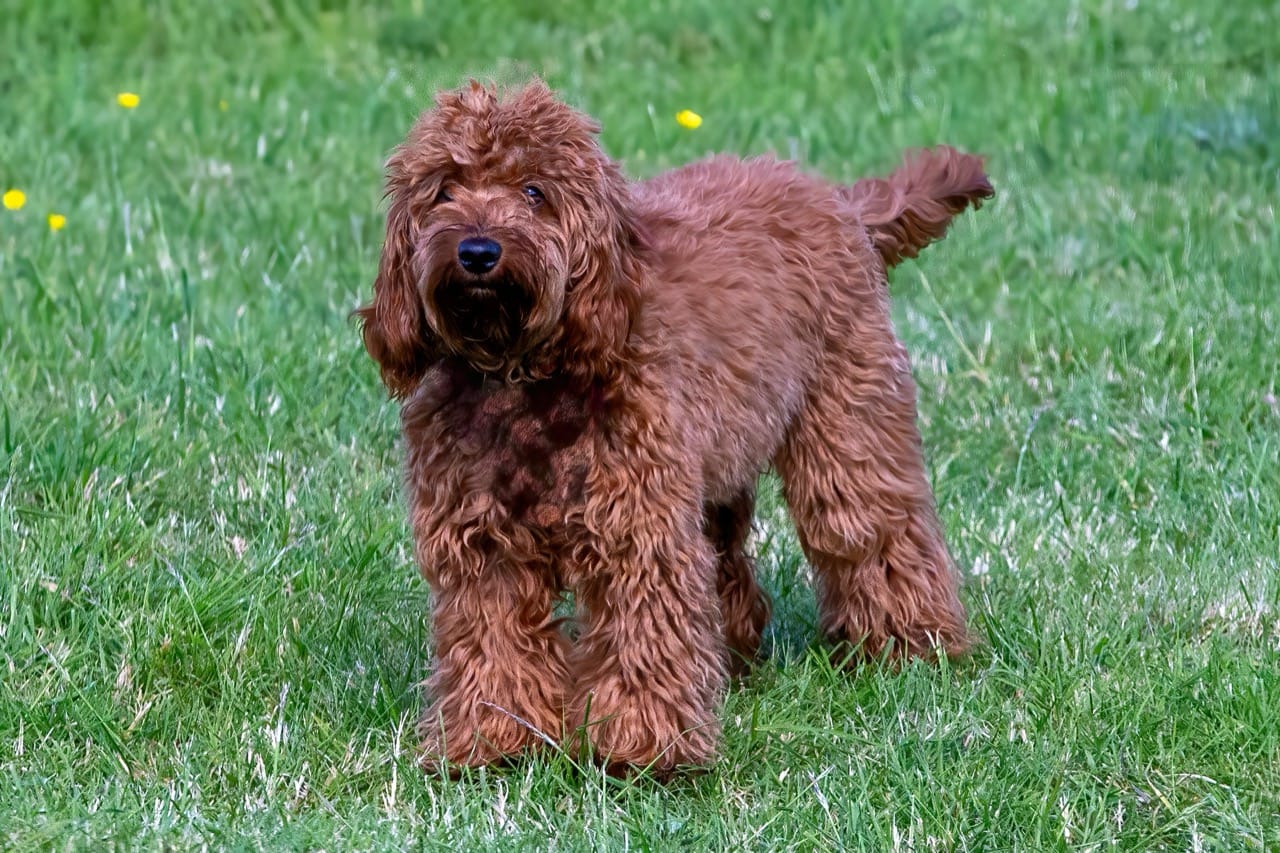
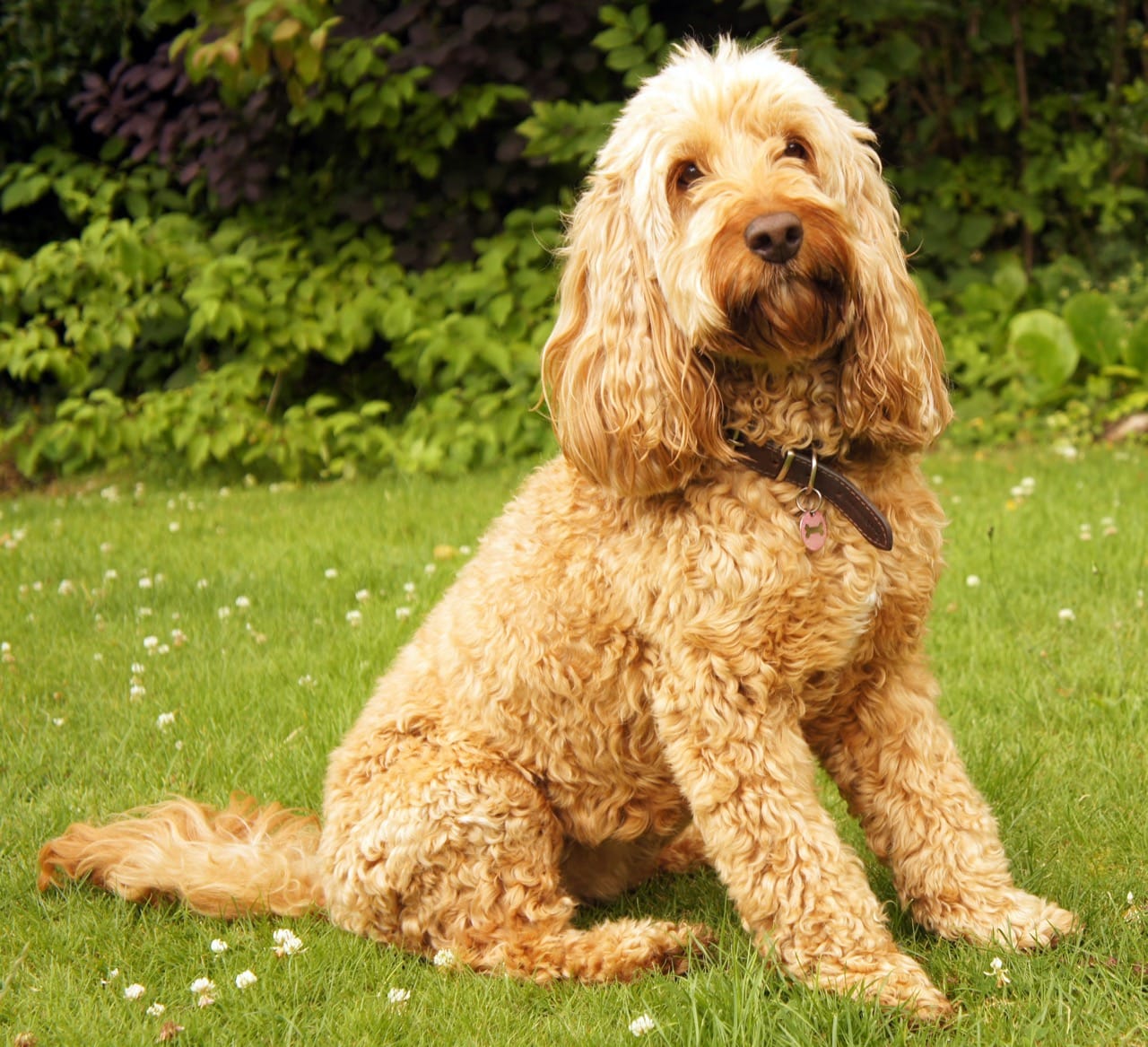
Grooming trends also shaped the Cockapoo’s story. Many people were drawn to the idea of a low shedding coat, but learned that curly or wavy hair can mat easily without regular brushing and professional trimming. The teddy bear clip became popular because it matched the dog’s friendly expression and was practical for everyday life. Over time, owners became more informed about coat types, from looser waves to tight curls, and about the reality that no dog is truly maintenance free.
Today, Cockapoos are beloved worldwide, appearing in city apartments, suburban homes, and therapy dog programs. Their modern history reflects changing ideas about what people want in a companion animal: a dog that fits family routines, responds well to training, and offers warmth and fun. The most important milestone may be the growing emphasis on doing things thoughtfully, with reputable breeders, health screening, and honest education about care needs. The Cockapoo’s journey from experiment to established favorite is still unfolding, shaped by the choices people make with every new litter and every new home.