Cockapoo Brag Board Records and Wild Firsts
Quiz Complete!
Cockapoo Brag Board: Record Traits, Wild Firsts, and What Makes Them Stand Out
Cockapoos have a talent for making ordinary dog moments feel like achievements worth announcing. Part of that comes from their mixed heritage: the Cocker Spaniel’s people-focused warmth paired with the Poodle’s athleticism and problem-solving brain. When you look at them through a “brag board” lens of biggest, smallest, fastest, most common, and most surprising, you start to see why this hybrid has stayed popular for decades.
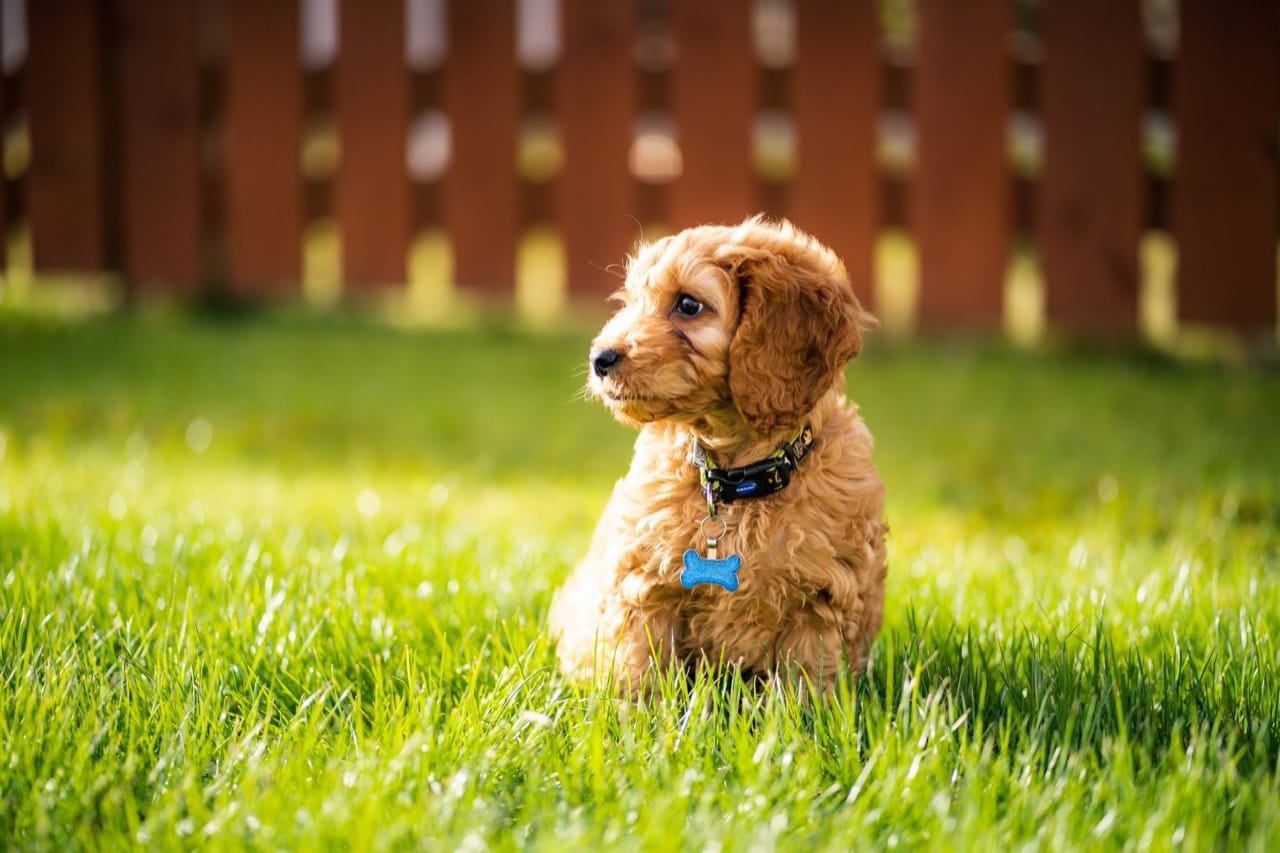
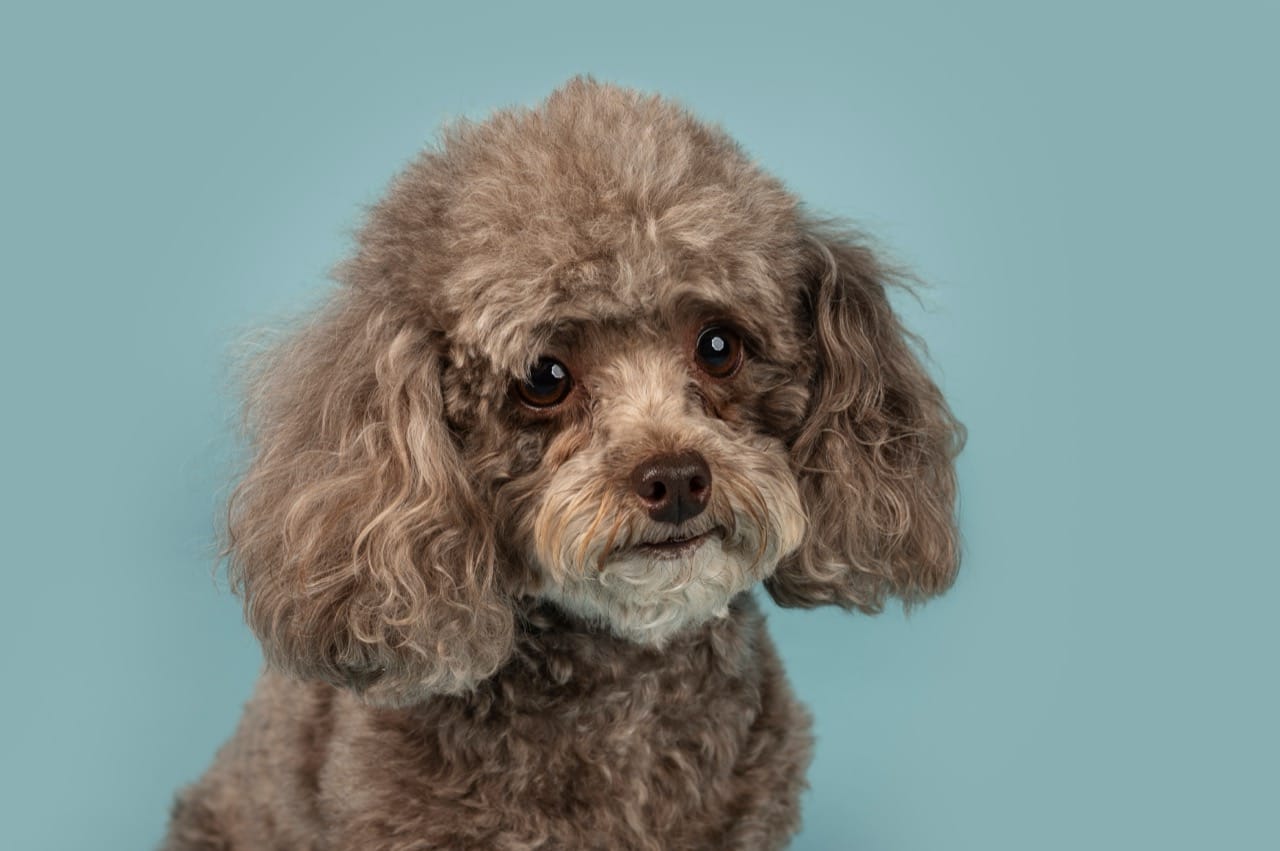
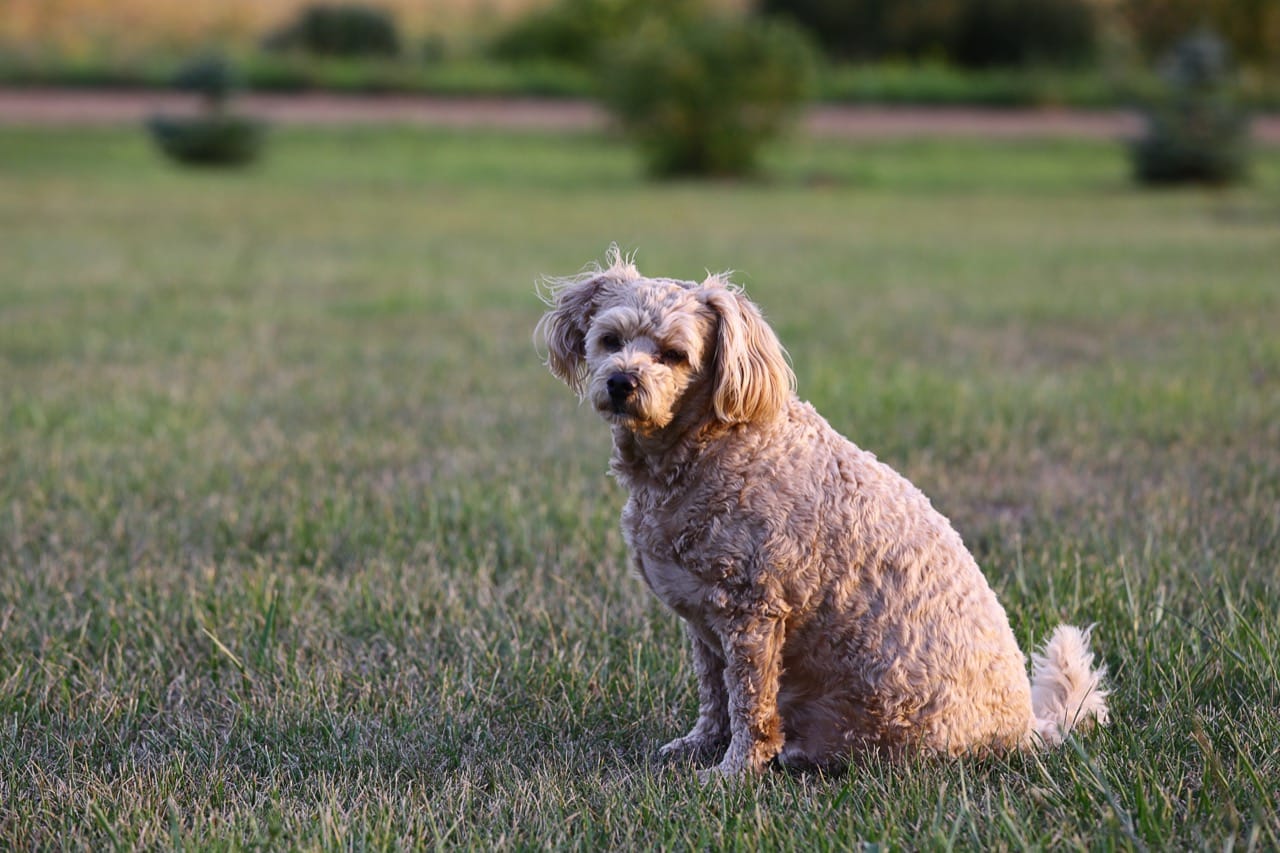
One of the biggest sources of Cockapoo trivia is size, because there is no single official standard. Many people talk about them as if they are one predictable package, but Cockapoos can range widely depending on whether the Poodle parent is toy, miniature, or standard. The smallest adults may be around 10 pounds, while larger individuals can reach 40 pounds or more. That size spread leads to “record” moments that are really about genetics: the longest legs in a litter, the tiniest runt that grows into a confident adult, or the surprisingly sturdy dog that looks like a plush toy but hikes for miles.
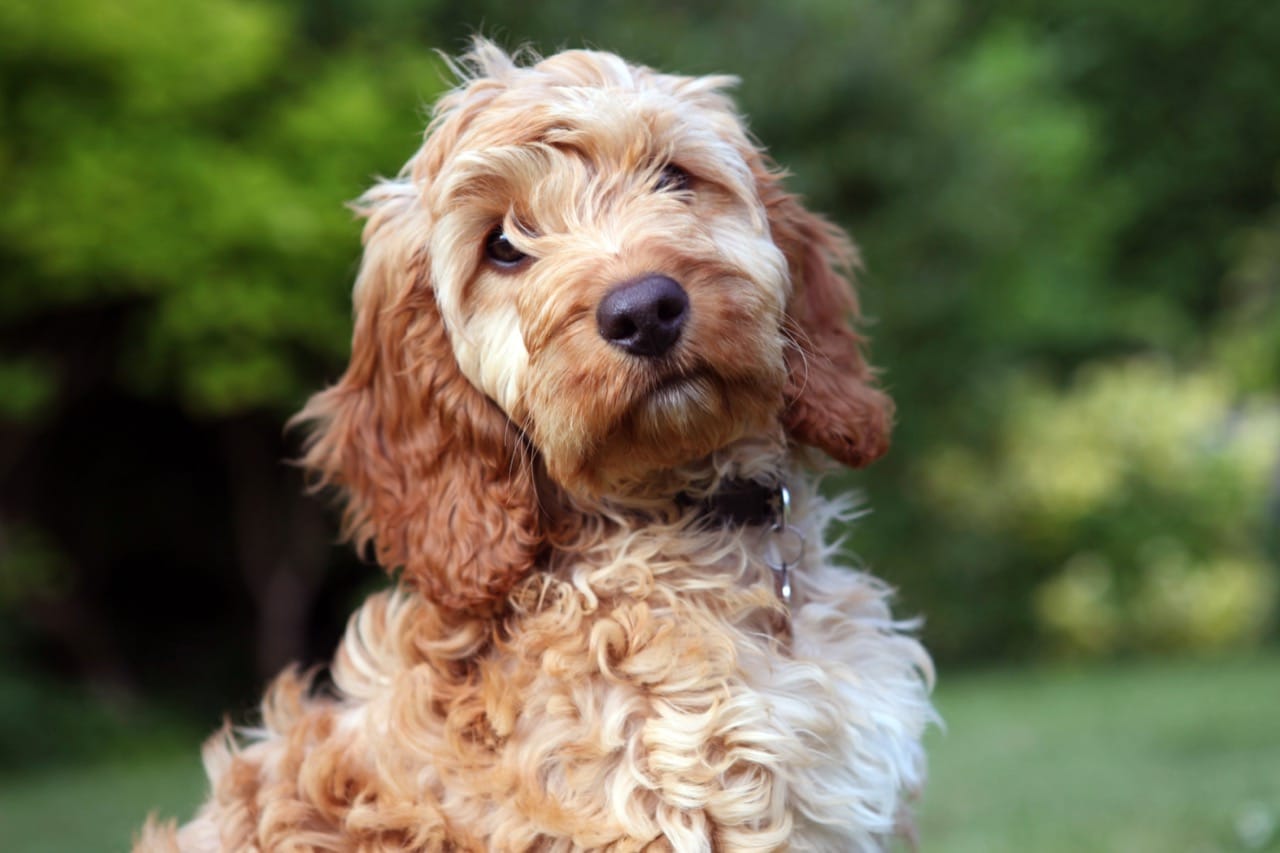
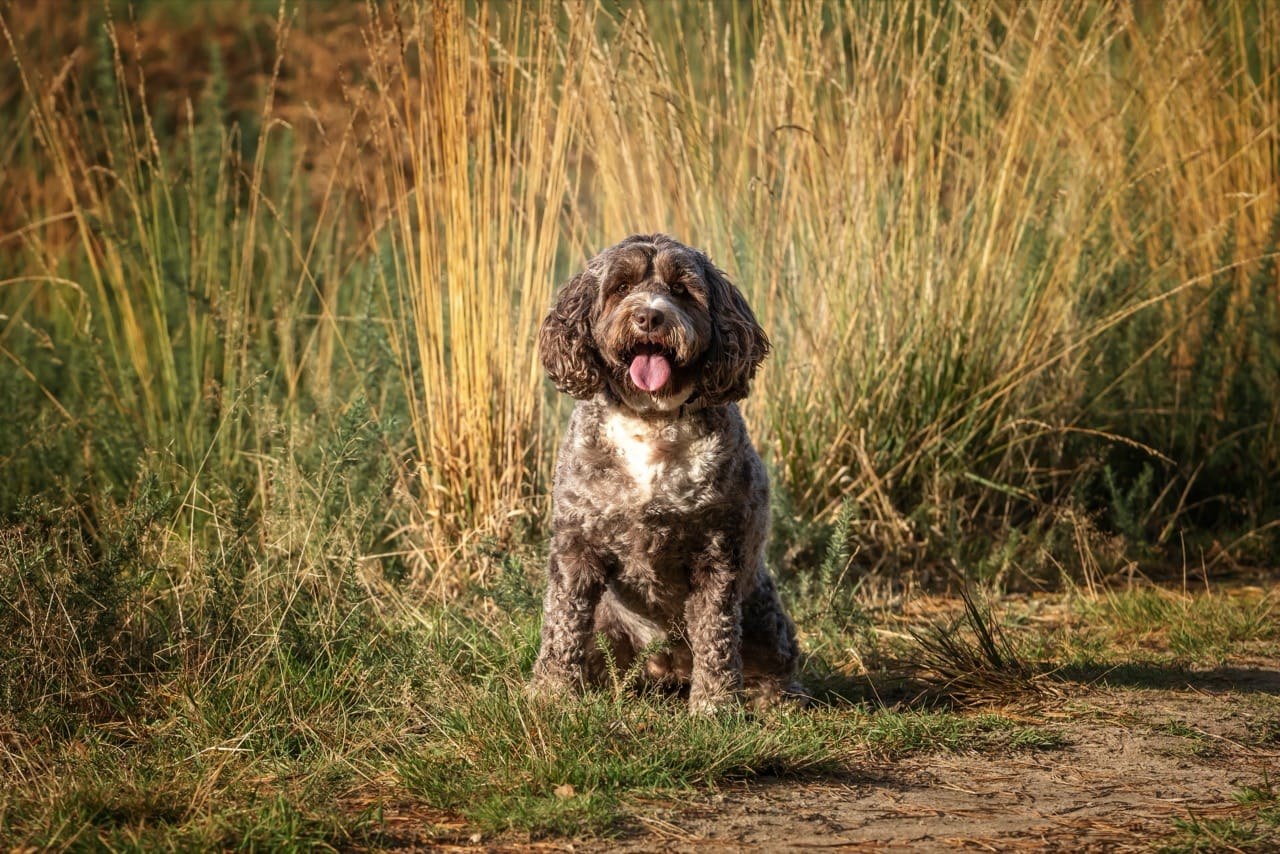
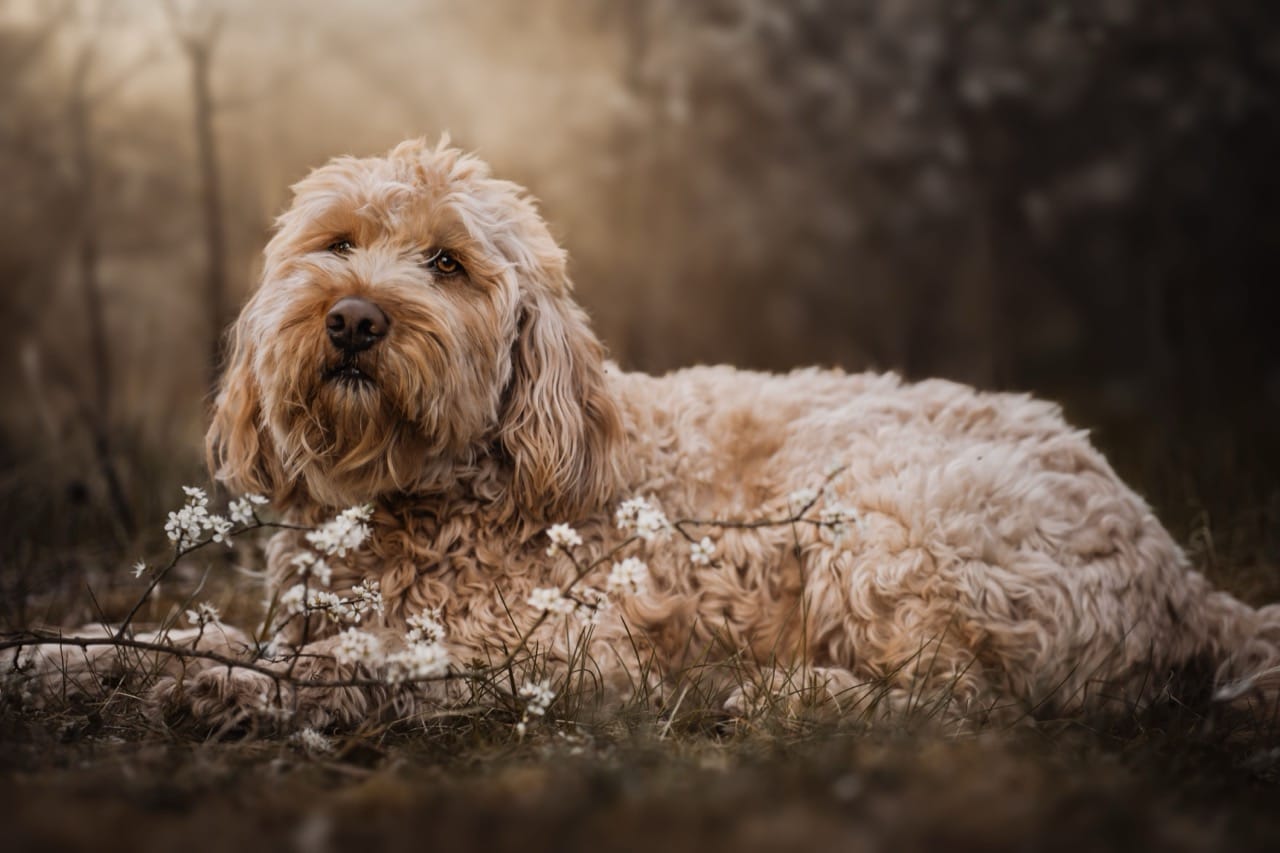
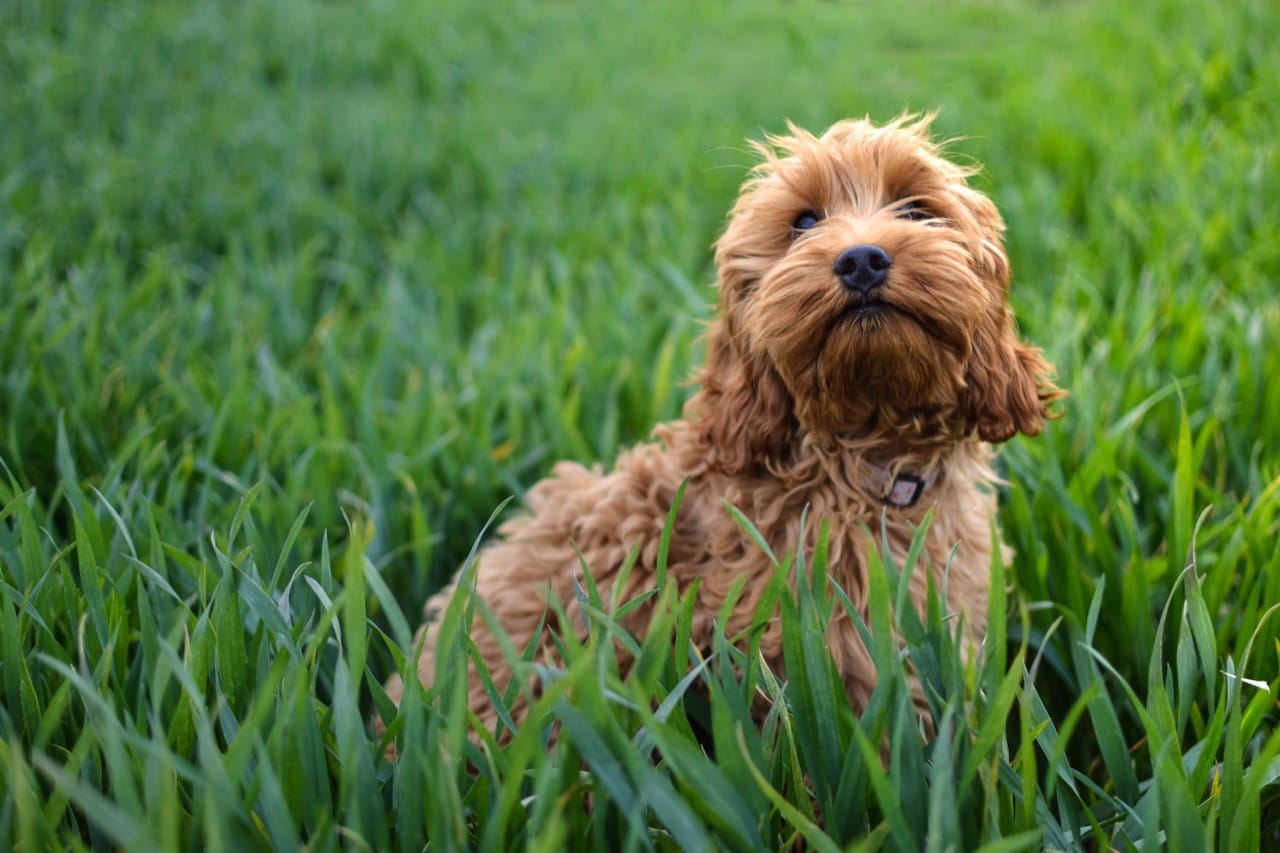
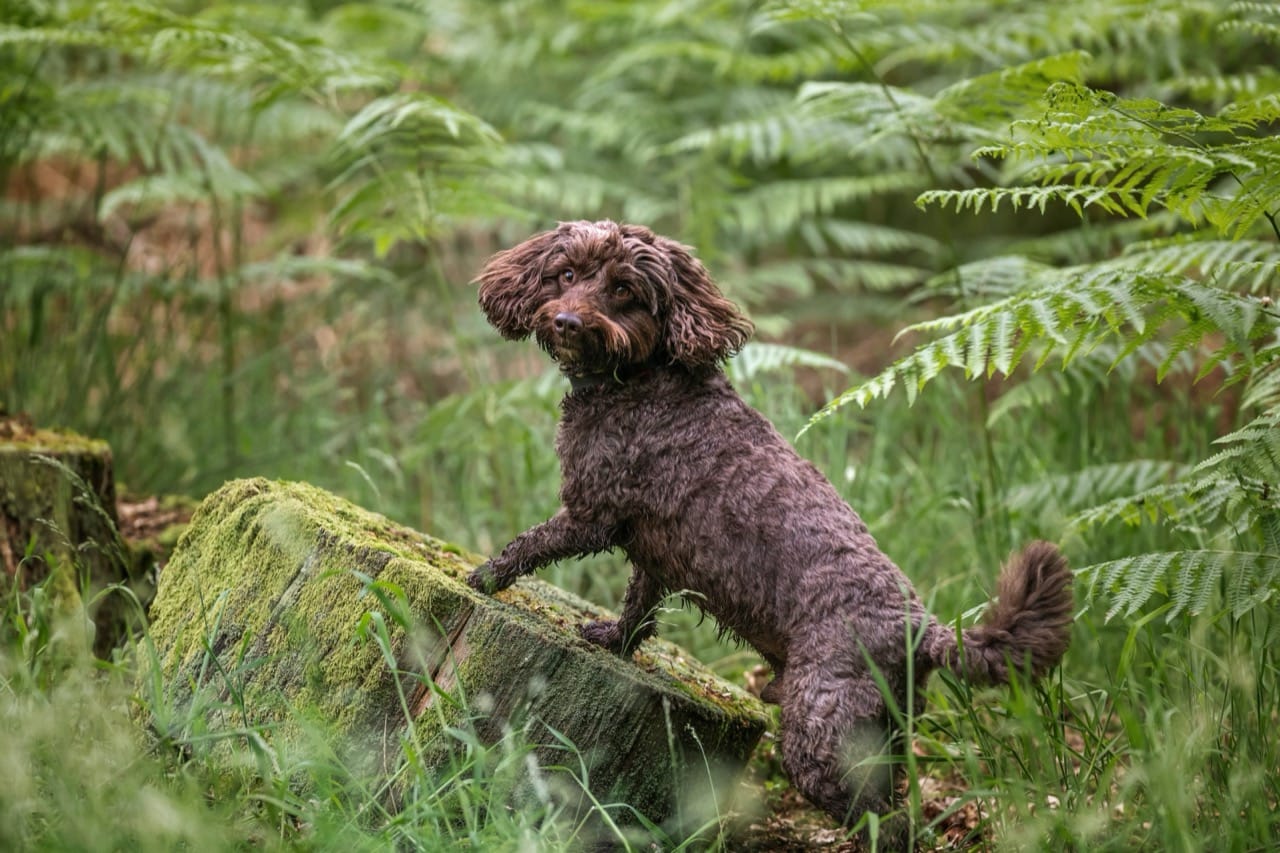
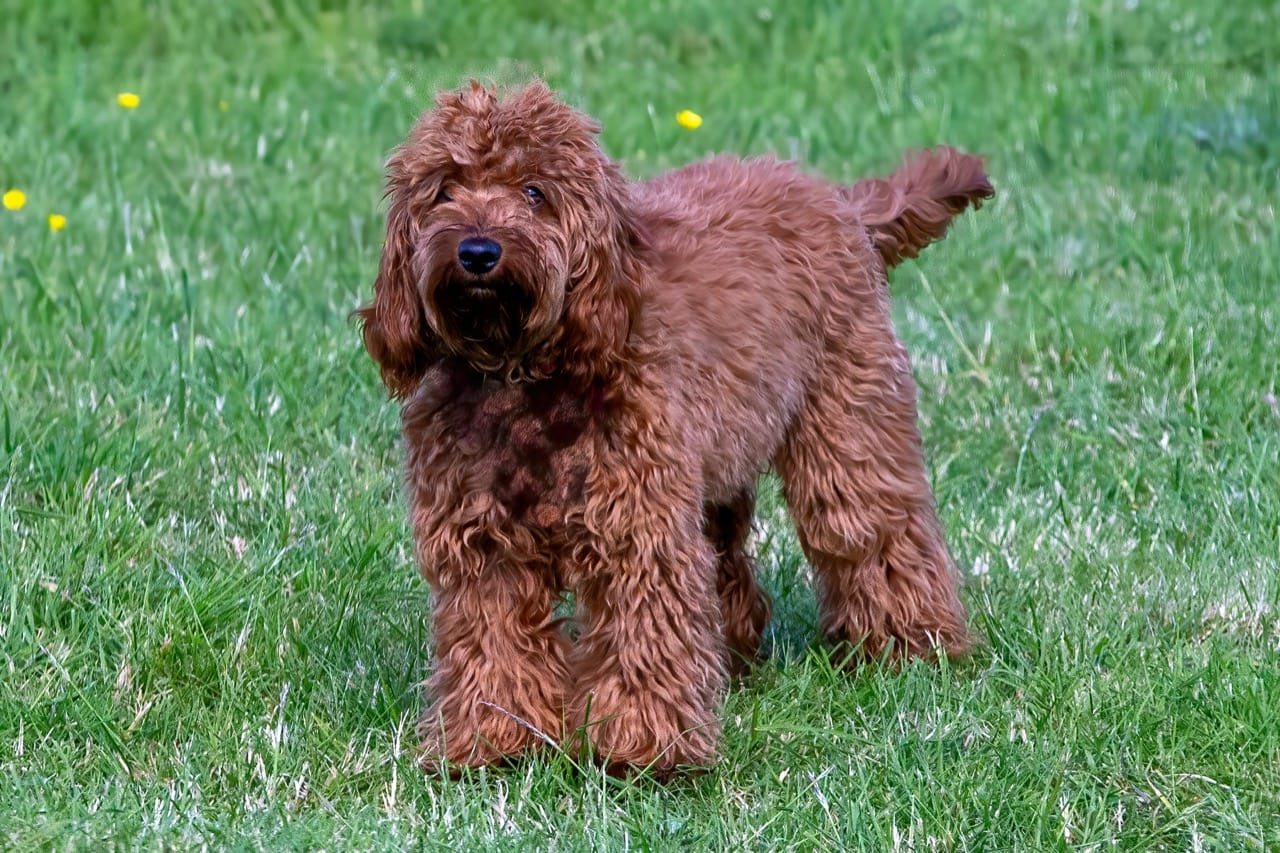
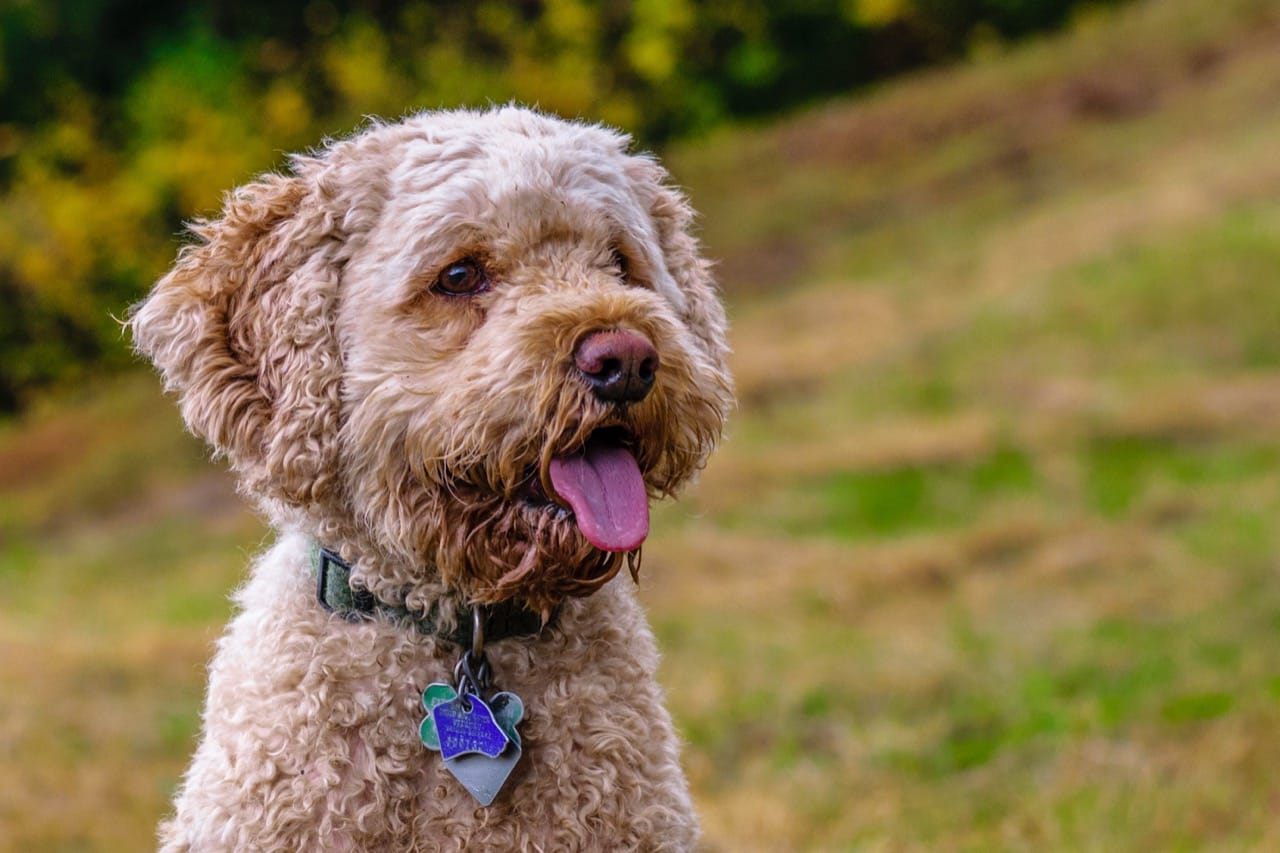
Coat type is another area where Cockapoos rack up superlatives. Some have loose curls more like a Poodle, others have a wavy “teddy bear” coat, and some lean toward the Cocker Spaniel’s softer, straighter texture with feathering on ears and legs. A common myth is that every Cockapoo is automatically hypoallergenic or non-shedding. In reality, shedding and allergy friendliness vary. Many shed less than a typical spaniel, but dander and saliva still matter for allergies, and some Cockapoos do shed noticeably. The “most common” coat you’ll see is often wavy, but even within one litter you can get a range of textures.
If there is a category where Cockapoos often earn genuine bragging rights, it is trainability. Poodles are famous for learning quickly and retaining cues, and Cocker Spaniels tend to be eager to please. Put those together and you often get a dog that picks up household routines fast, responds well to reward-based training, and enjoys learning tricks that make them look like little geniuses. Their “firsts” are frequently early: first to sit for a treat, first to figure out how to ring a bell to go outside, first to master a simple agility tunnel. That said, their intelligence can also come with opinions. Some Cockapoos are expert negotiators who decide a cue is optional if the reward is not worth it.
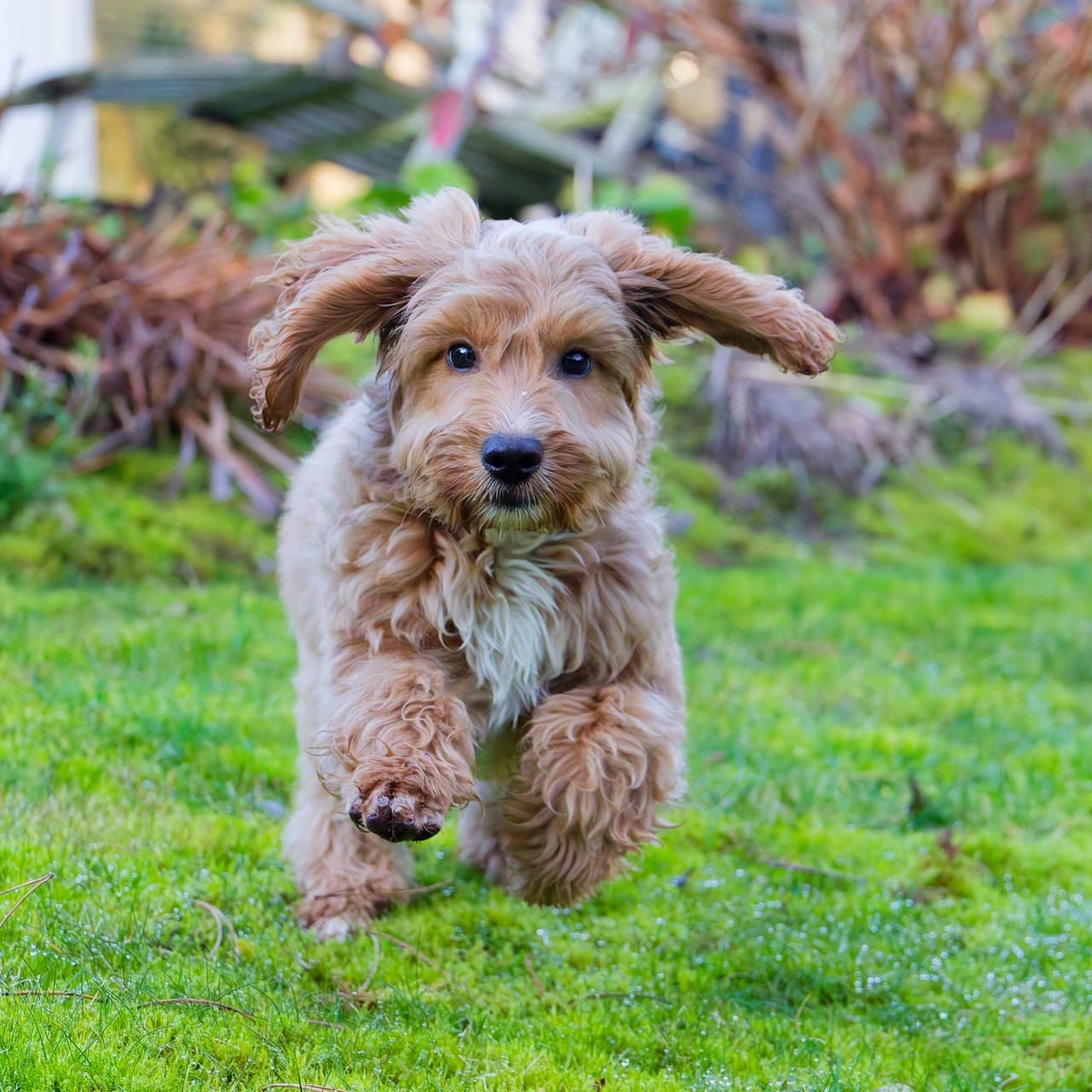
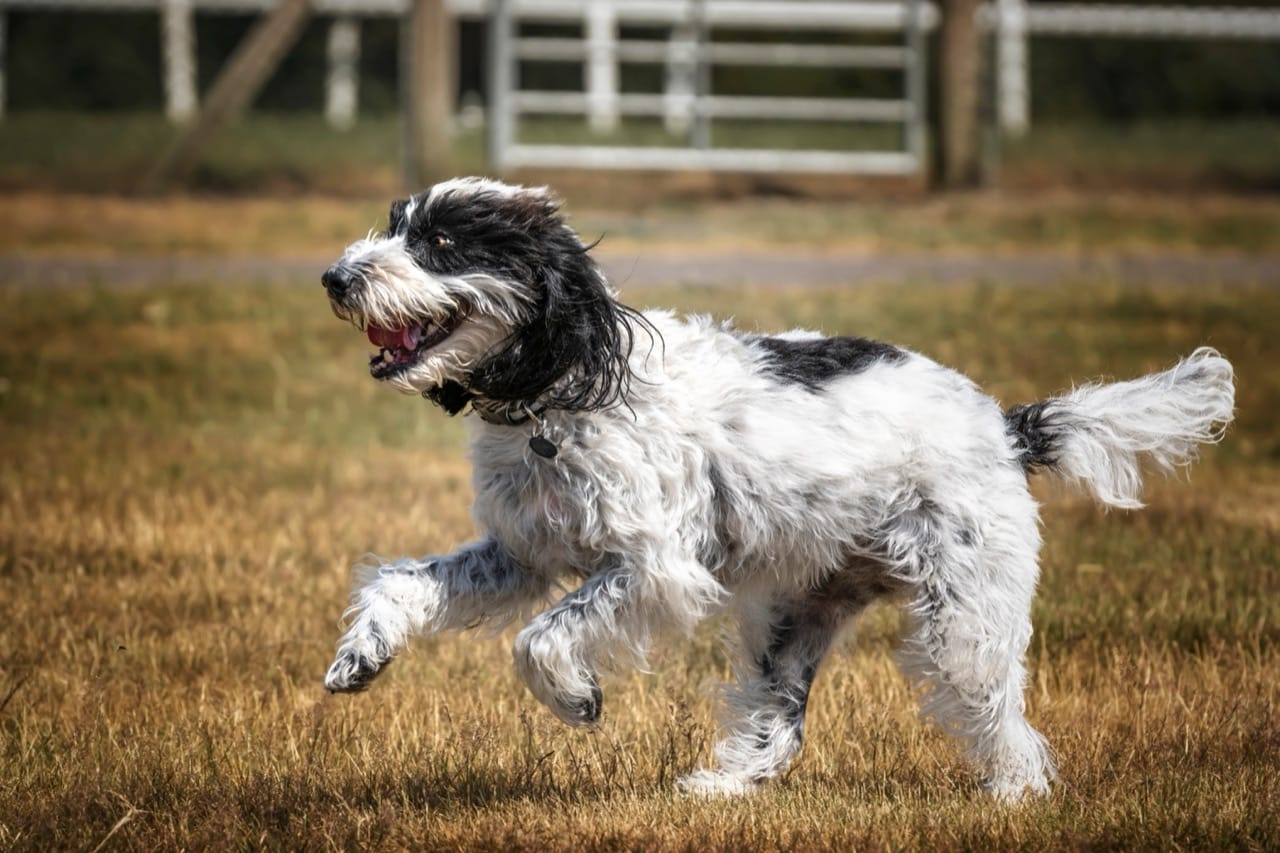
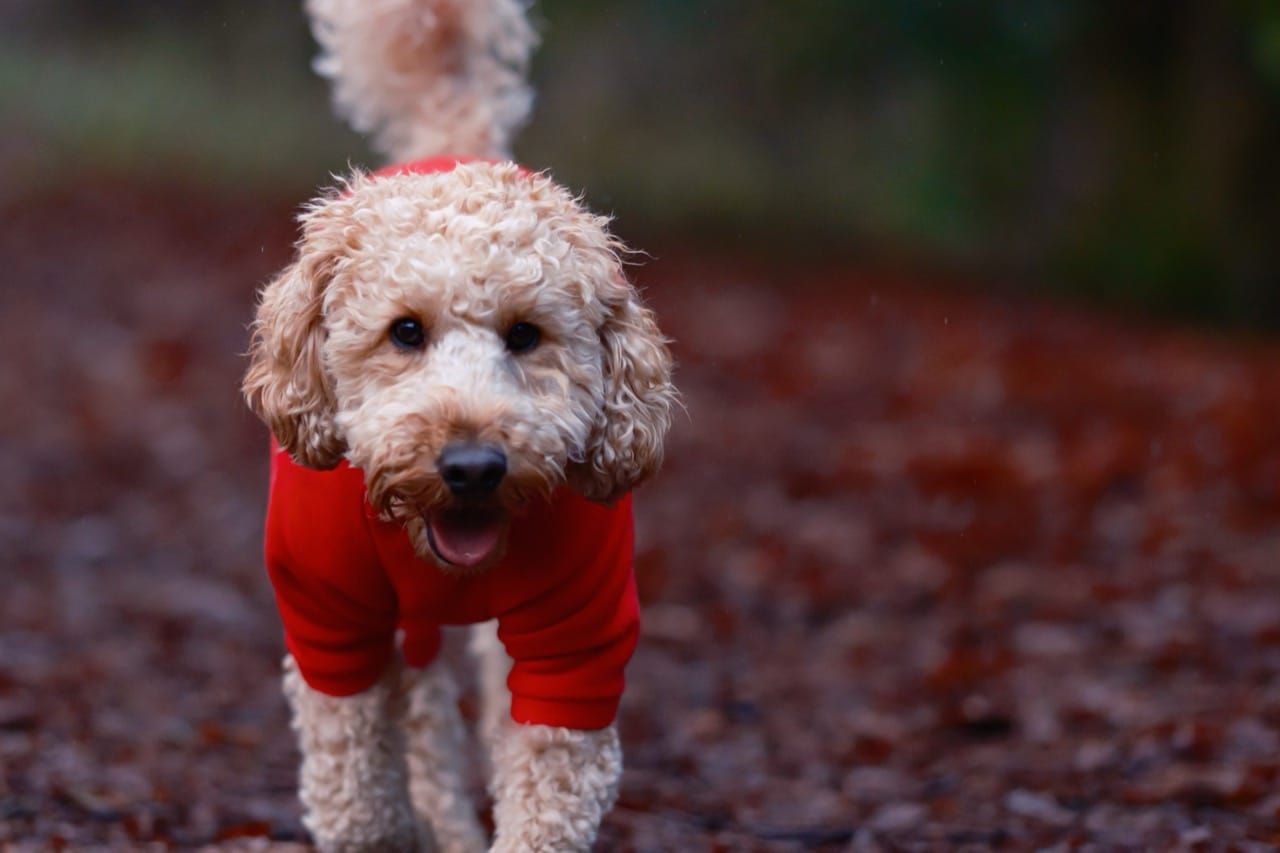
Athletic quirks are another fun brag-board topic. Many Cockapoos have surprising speed in short bursts and an enthusiastic bounce that makes them look like they have springs in their paws. They may not be built like elite racing dogs, but they can be quick, agile, and nimble, especially in games like fetch, flirt pole, or beginner agility. Their spaniel side can bring a love of sniffing and exploring, while the poodle side can contribute to endurance and coordination. A common “fastest” moment in a Cockapoo household is the sprint to the door when someone says the word walk.
Grooming is where the records become less glamorous but still important. The fluffiest, curliest Cockapoos often need the most upkeep. Mats can form quickly behind the ears, under the collar, and in the armpits, so the “most cuddly” coat can also be the “most likely to tangle.” Regular brushing, routine trims, and ear care are key, especially because long, floppy ears can trap moisture. Many owners discover their first big Cockapoo lesson is that a cute coat is a commitment.
What makes Cockapoos distinct among doodle mixes is their long-standing popularity and the particular blend of soft temperament and playful energy. They often shine as family companions because they tend to be social, responsive, and adaptable, thriving with attention and daily activity. The real bragging rights are not just about being the smallest or the fastest, but about the everyday wins: the dog that learns your schedule, makes strangers smile, and turns simple training into a shared game.