Circuits and Senses Shiba Inu Tech Trivia




Quiz Complete!
Circuits and Senses: How Shiba Inus Reveal the Science Behind Modern Pet Tech

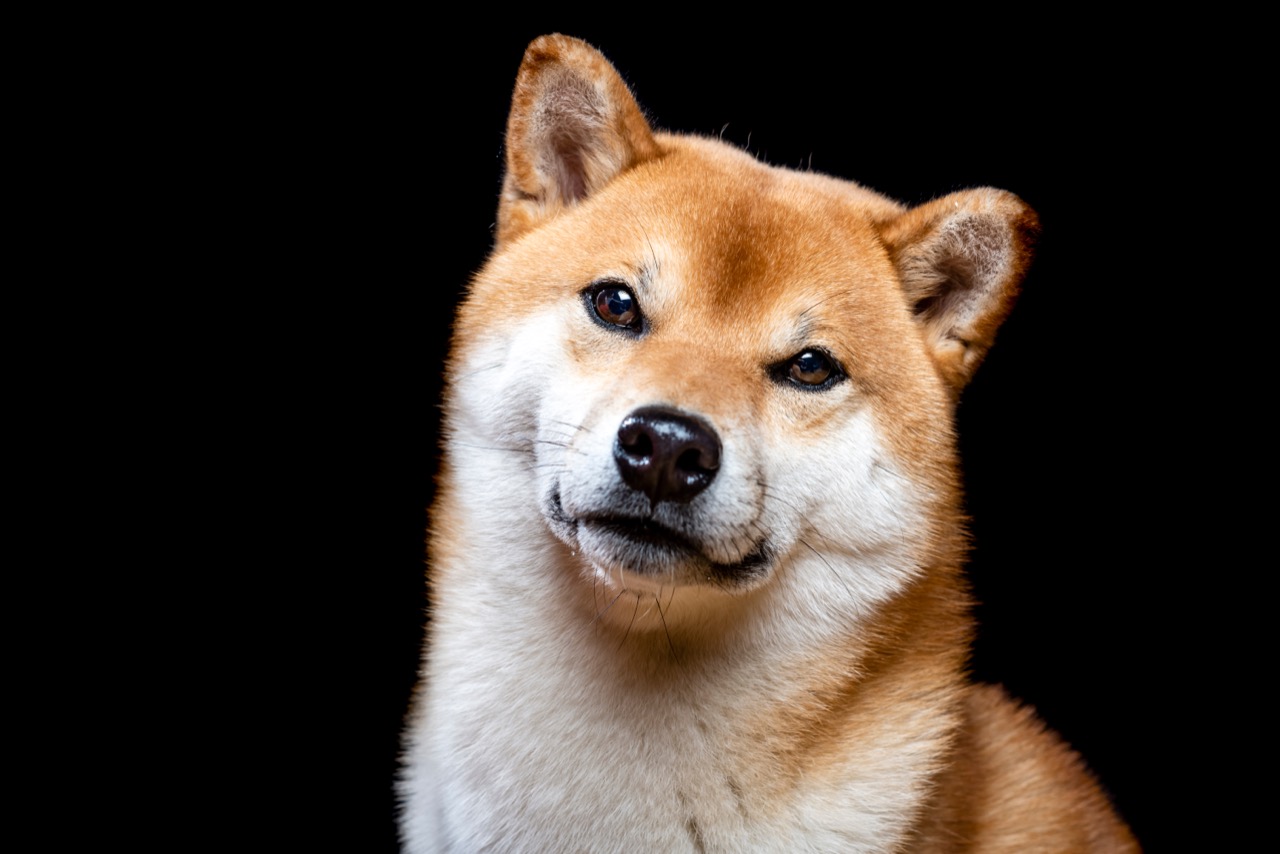
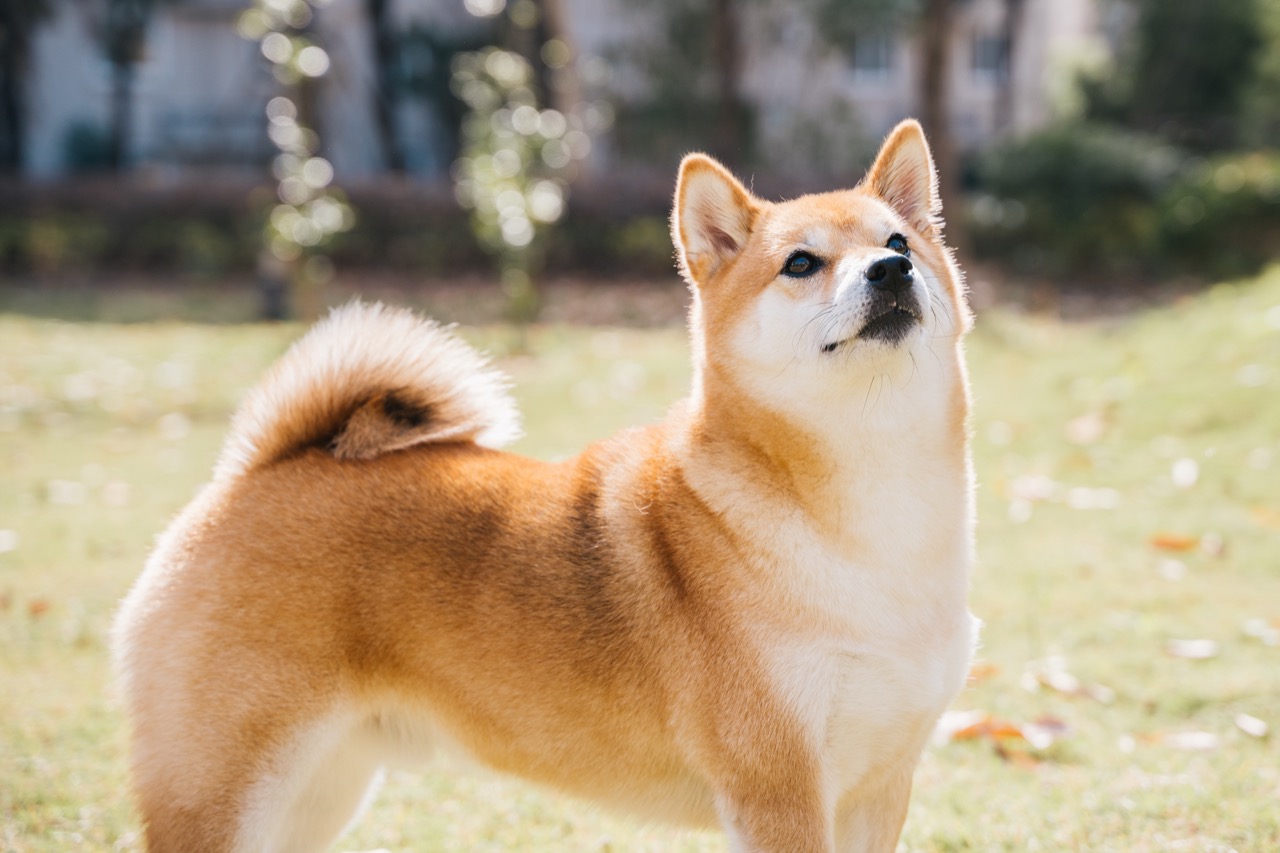
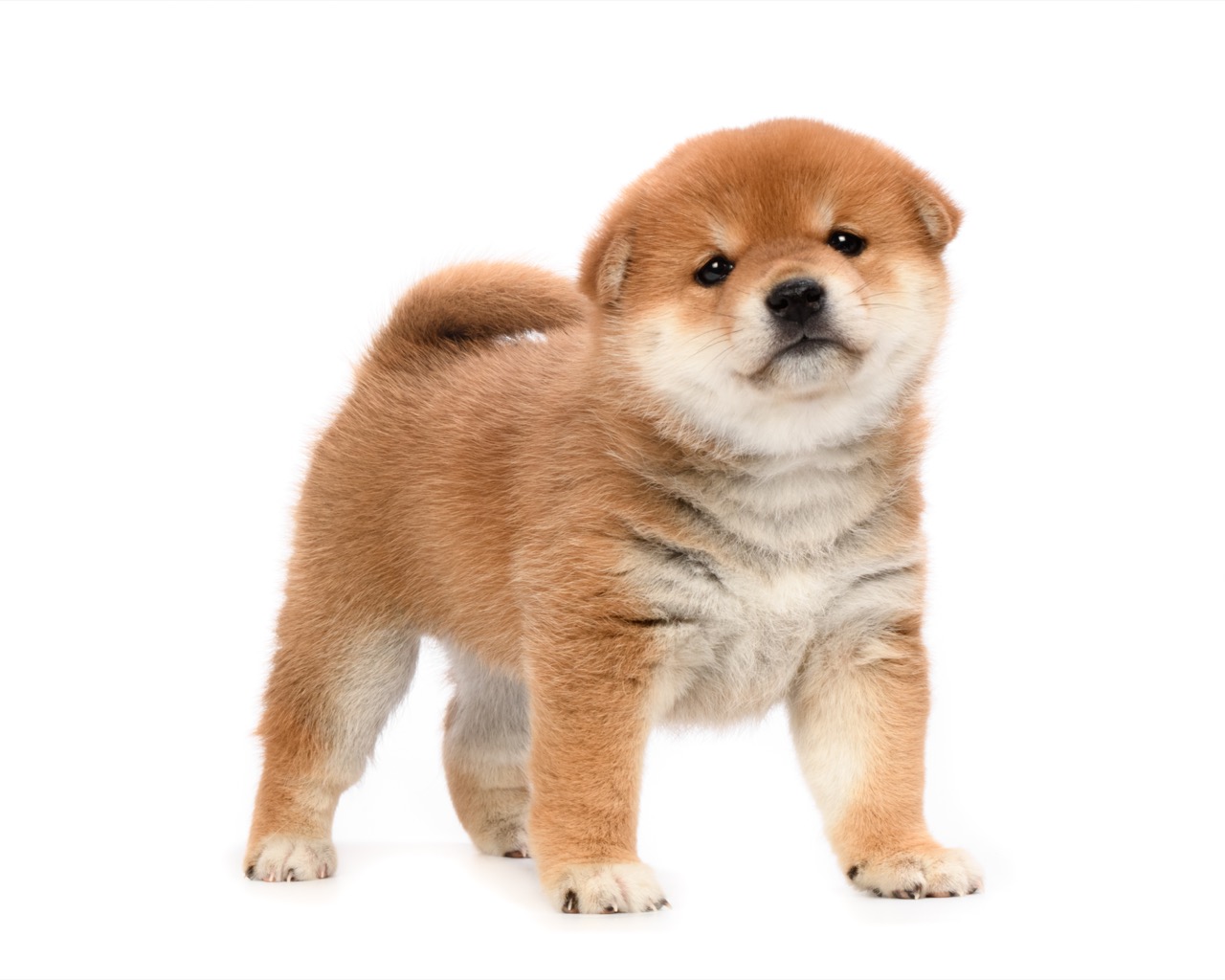
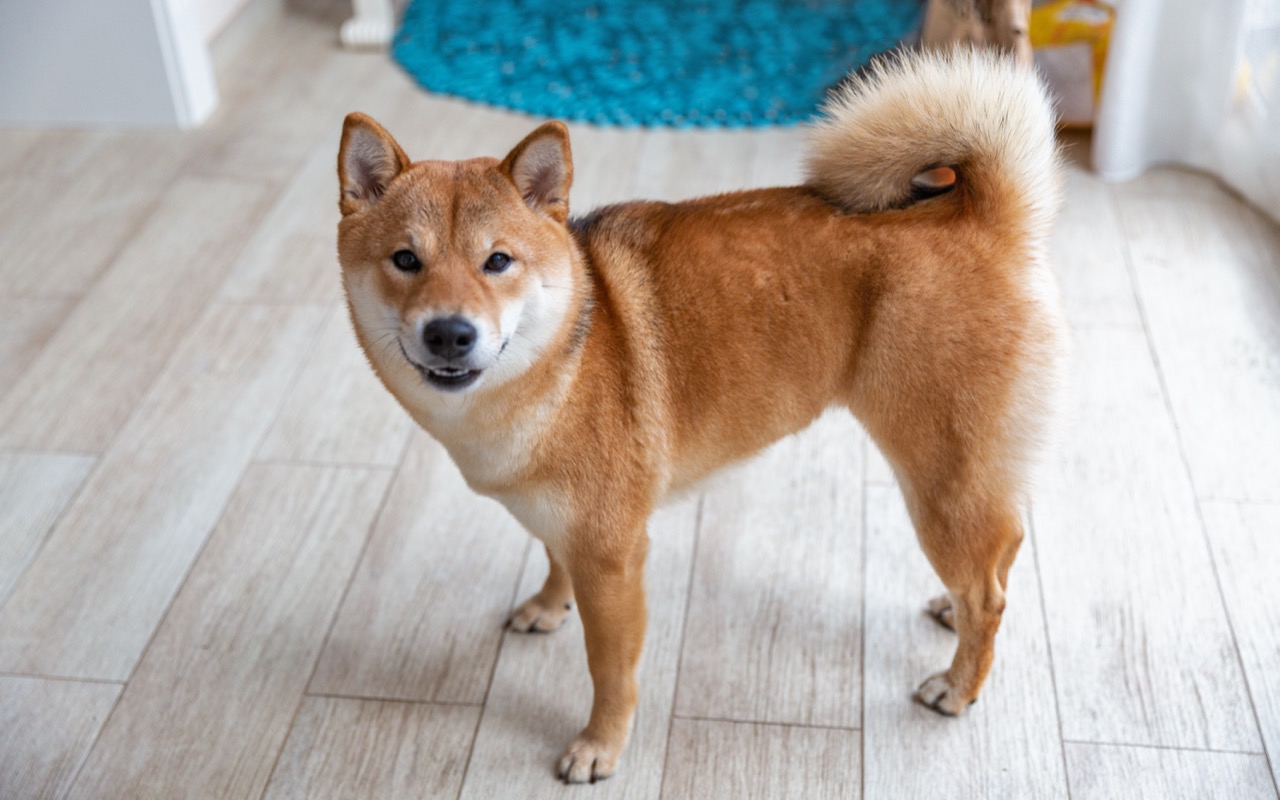
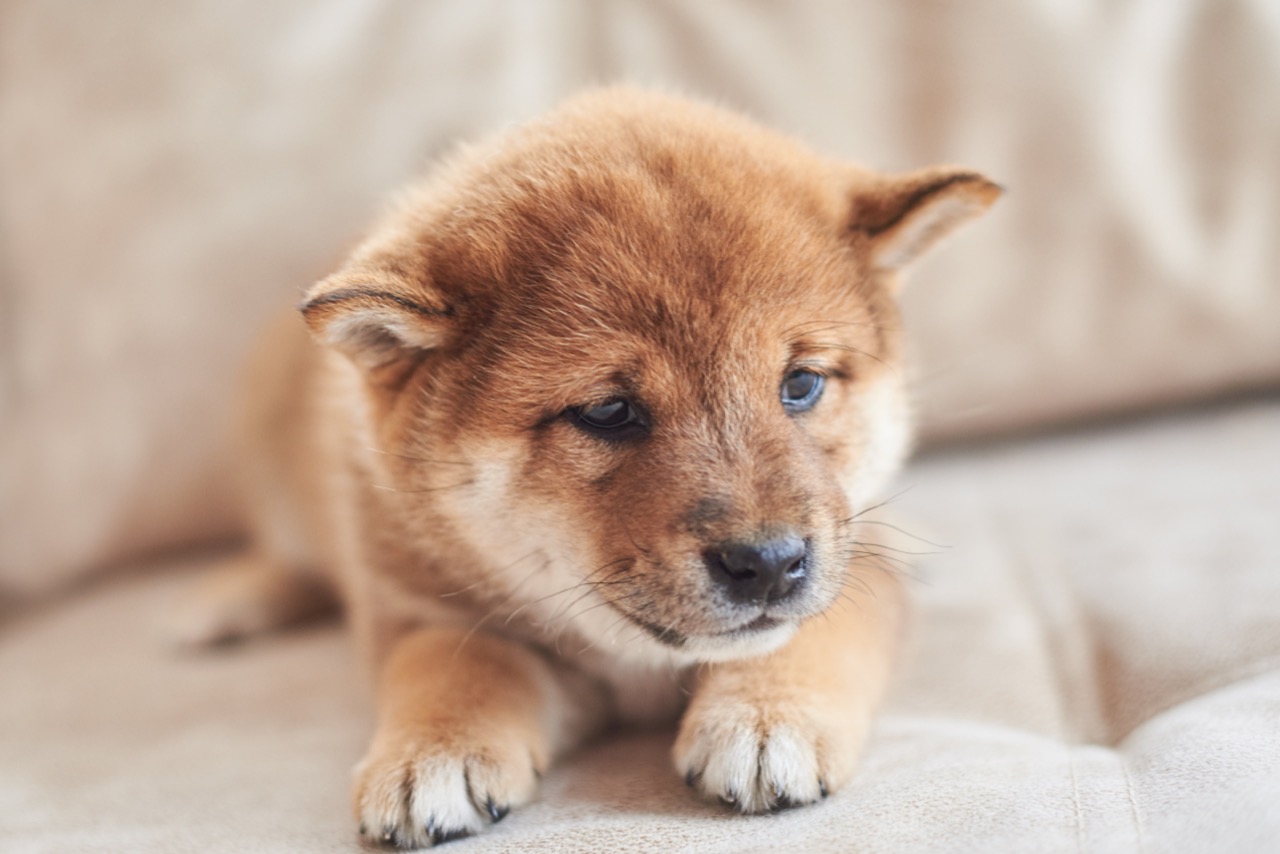
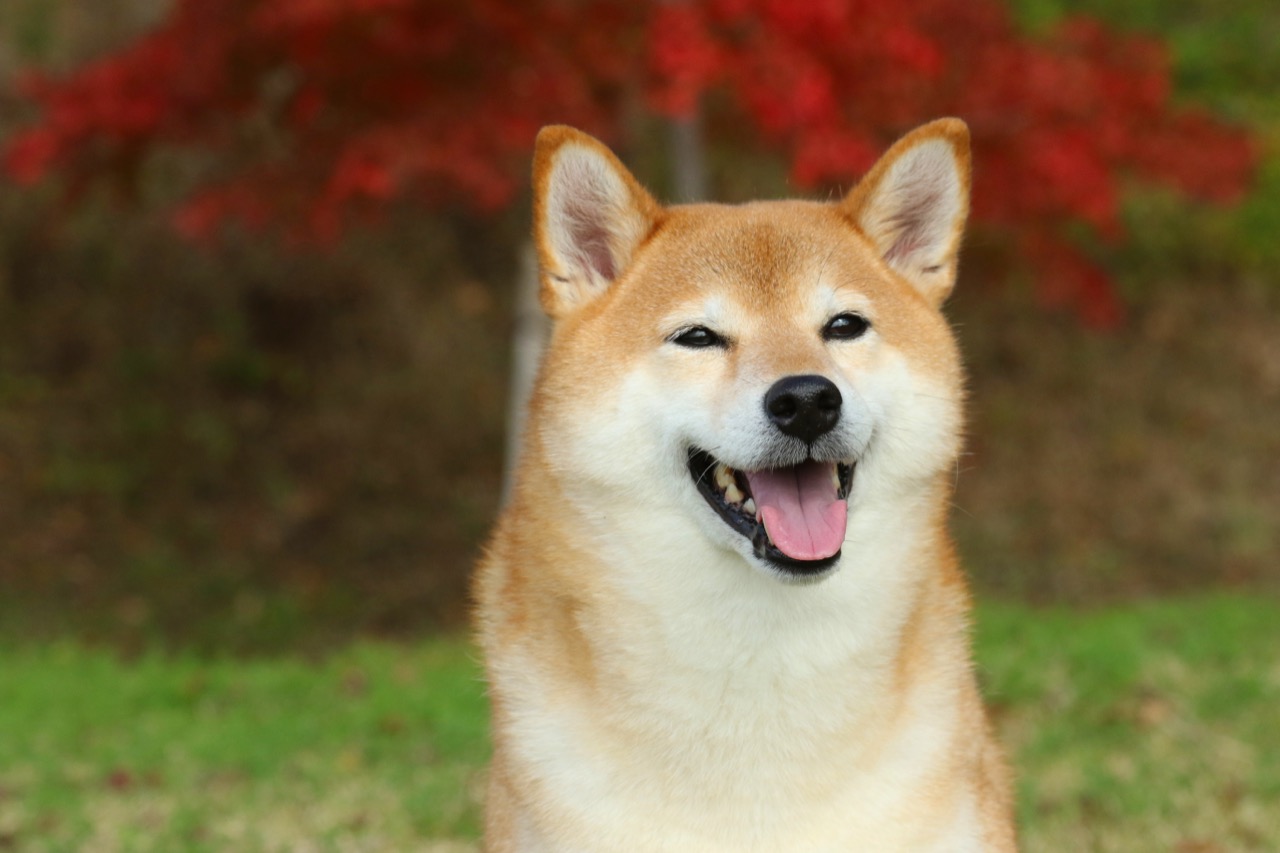
Shiba Inus look like they stepped out of a storybook: compact bodies, plush coats, upright ears, and that famously confident expression. Their popularity on the internet makes them easy to recognize, but they are also a surprisingly good guide for understanding how biology and technology meet in everyday dog life. When you look closely at what makes a Shiba a Shiba, you end up learning about genetics, sensory science, and the growing toolkit veterinarians and researchers use to keep dogs healthier and better understood.
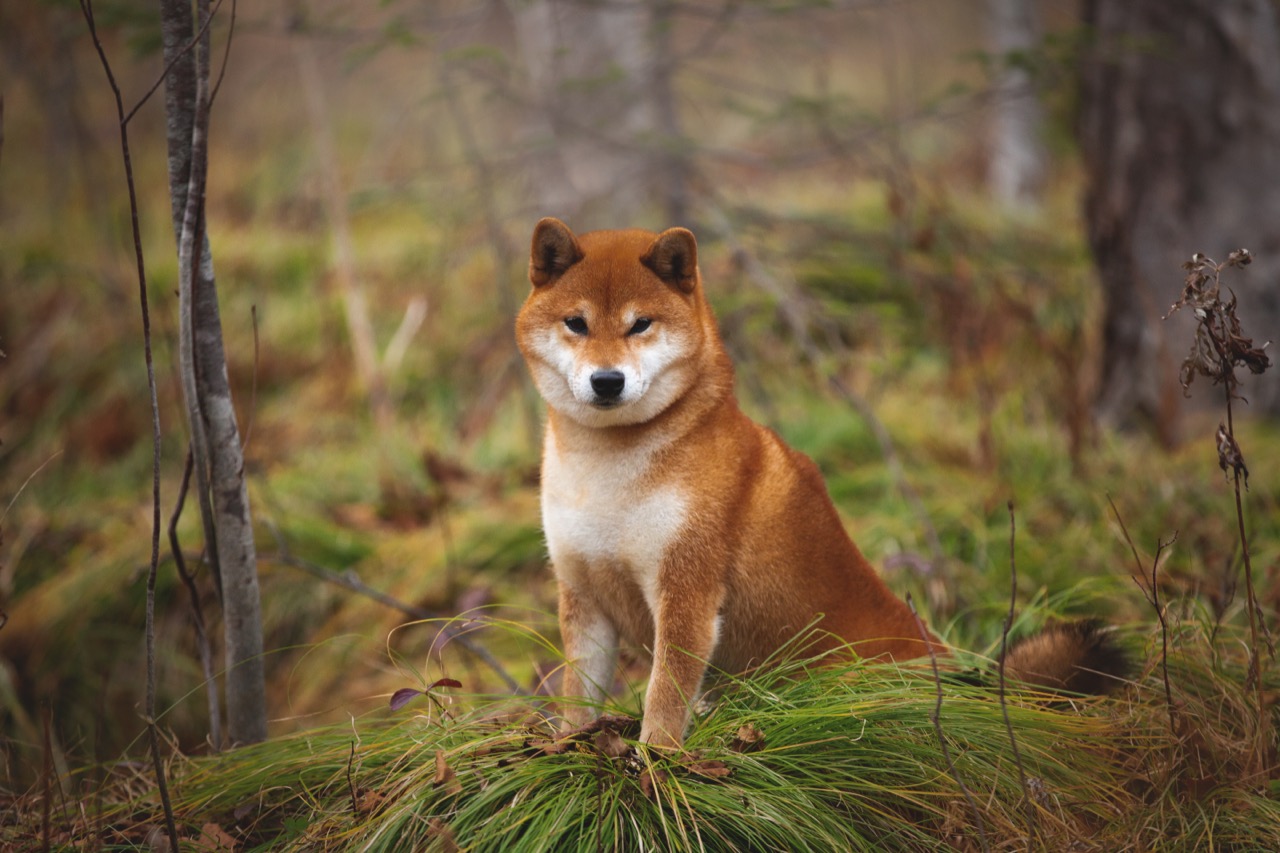
Selective breeding is the starting point. Shibas were shaped over generations to fit a particular appearance and temperament. That history is a real-world example of how inheritance works: traits are passed along, recombined, and sometimes amplified through human choices. Coat color is one of the easiest places to see genetics at work. Shibas commonly come in red, black and tan, and sesame patterns, and their pale underside markings, called urajiro, are a hallmark of the breed. Behind those colors are genes that influence pigment type and distribution, and modern DNA tests can often identify variants linked to coat color, shedding patterns, and even some health risks.
Genetic testing has become a practical tool for owners, not just a curiosity. Breed identification tests estimate ancestry by comparing a dog’s DNA to reference databases, while health-focused tests look for known variants associated with inherited conditions. These results are not a perfect crystal ball, because environment and many-gene interactions matter, but they can help guide conversations with a veterinarian. For breeds with distinct lineages, genetic diversity is also a topic worth attention, because maintaining a healthy gene pool can reduce the chance of inherited problems becoming common.
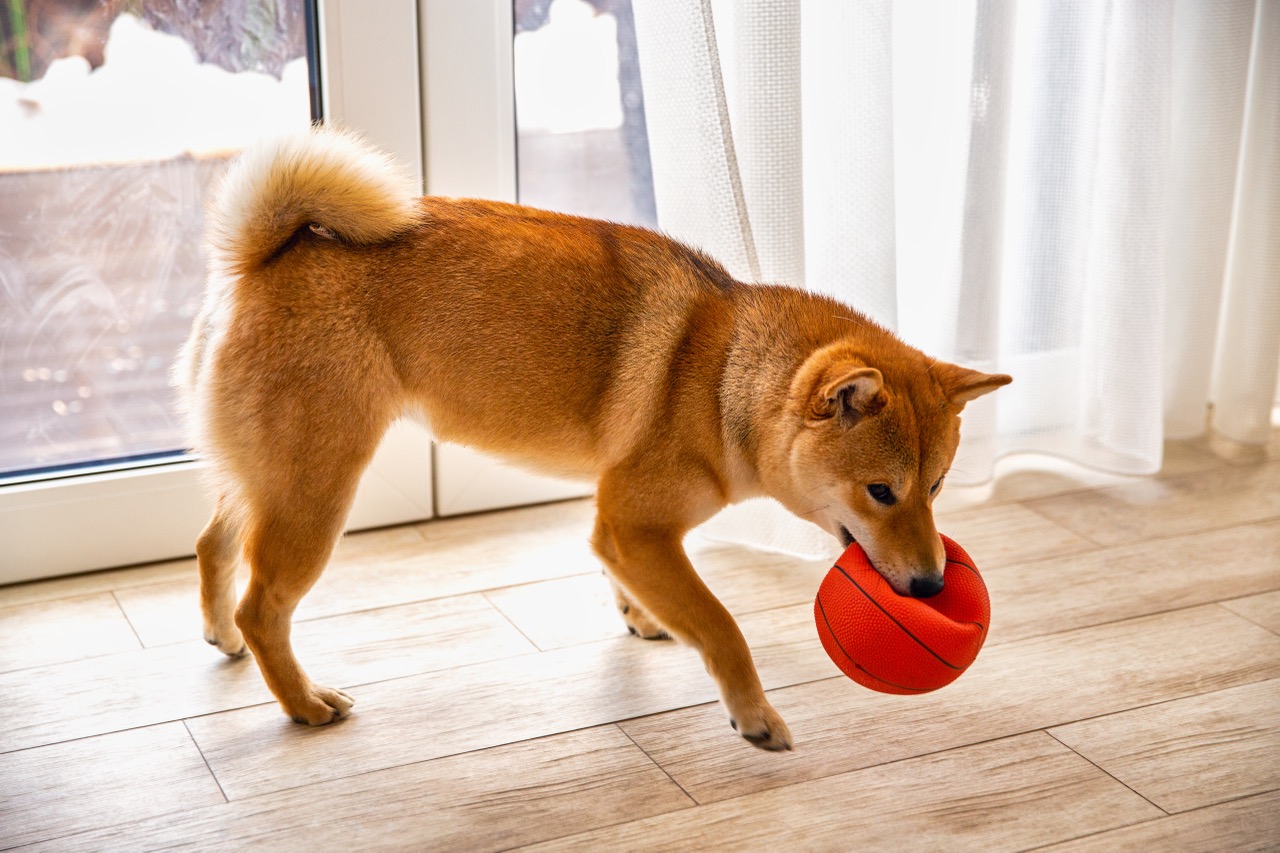
A Shiba’s senses are another bridge between nature and technology. Dogs experience the world primarily through smell, and a Shiba’s nose is packed with scent receptors that far outnumber ours. The brain regions dedicated to processing odor are also proportionally larger than in humans. That biological advantage is why dogs can be trained for tasks ranging from finding missing people to detecting certain diseases. It also explains why scent-based enrichment, like hiding treats or using puzzle toys, can be more satisfying than a long session of visual entertainment.
Hearing and vision add more layers. Dogs generally hear higher frequencies than humans, which is why some training tools use ultrasonic cues. Their vision is tuned for motion detection and low-light performance, while color perception is more limited than ours. Understanding these sensory differences can make training kinder and more effective. A Shiba that seems stubborn may simply be responding to a world that smells and sounds richer than what you notice.
Technology is increasingly designed around these realities. Microchips are a simple but powerful example: a tiny passive device implanted under the skin that stores an identification number. When scanned, it links a lost dog to owner information in a registry. It is not a GPS tracker, but it is one of the most reliable ways to reunite pets with families.
Wearable pet devices take things further by adding sensors similar to those in smartphones. Accelerometers and gyroscopes estimate activity levels, rest, scratching, and sometimes gait changes. Some collars include GPS for location tracking, while others measure temperature trends or heart rate using optical sensors. The data is not perfect, but patterns can be useful. A sudden drop in activity, a rise in nighttime restlessness, or increased scratching can prompt earlier veterinary attention. For a breed known for athletic bursts and strong opinions, objective data can help separate normal Shiba theatrics from a real problem.
What makes this blend of circuits and senses so interesting is that it encourages a more scientific kind of empathy. The more you understand how a Shiba’s body and brain work, the more thoughtfully you can use modern tools to support them. The goal is not to turn a dog into a spreadsheet, but to use data and biology together to improve health, safety, and the everyday bond between humans and one very bold, foxlike companion.