Chronology Check Akita Milestones and Turning Points


Quiz Complete!
Chronology Check: Akita Milestones and Turning Points
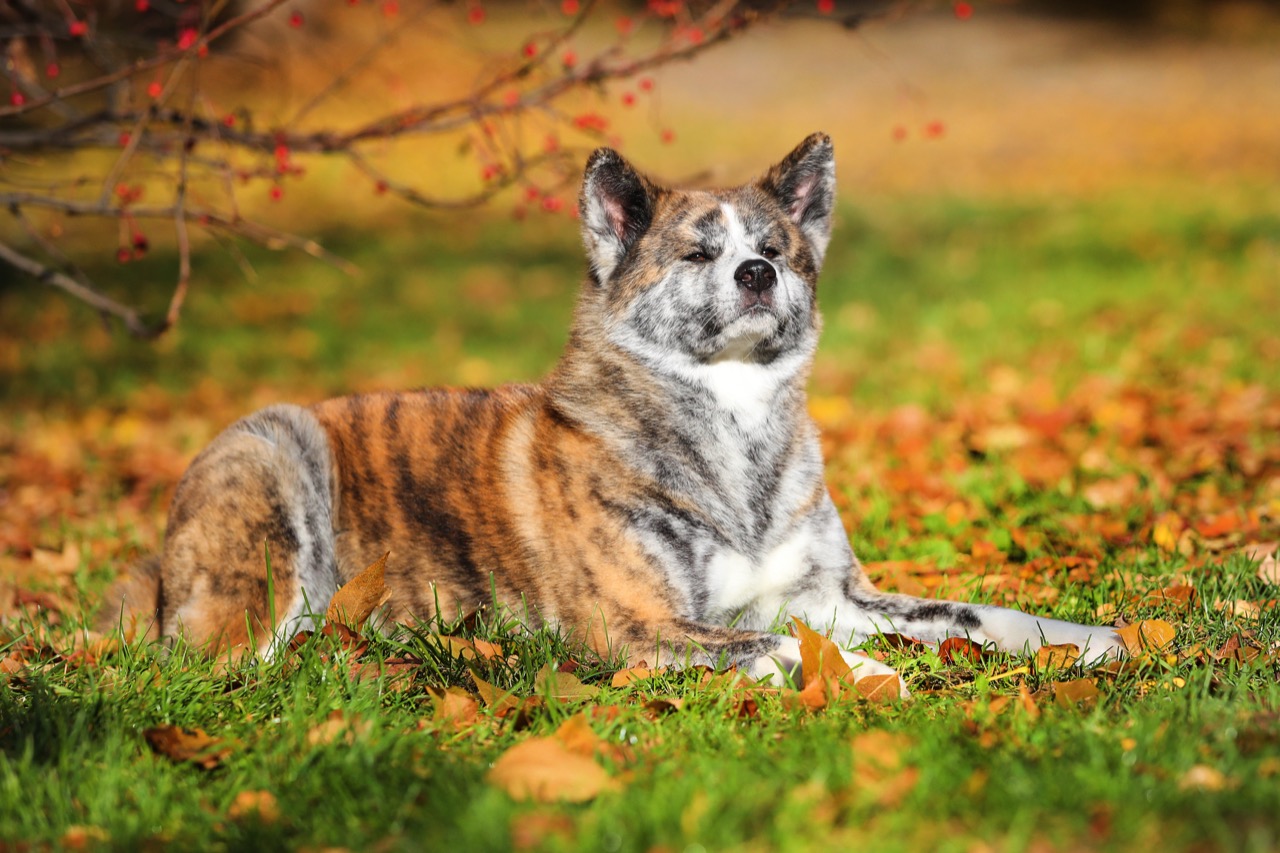
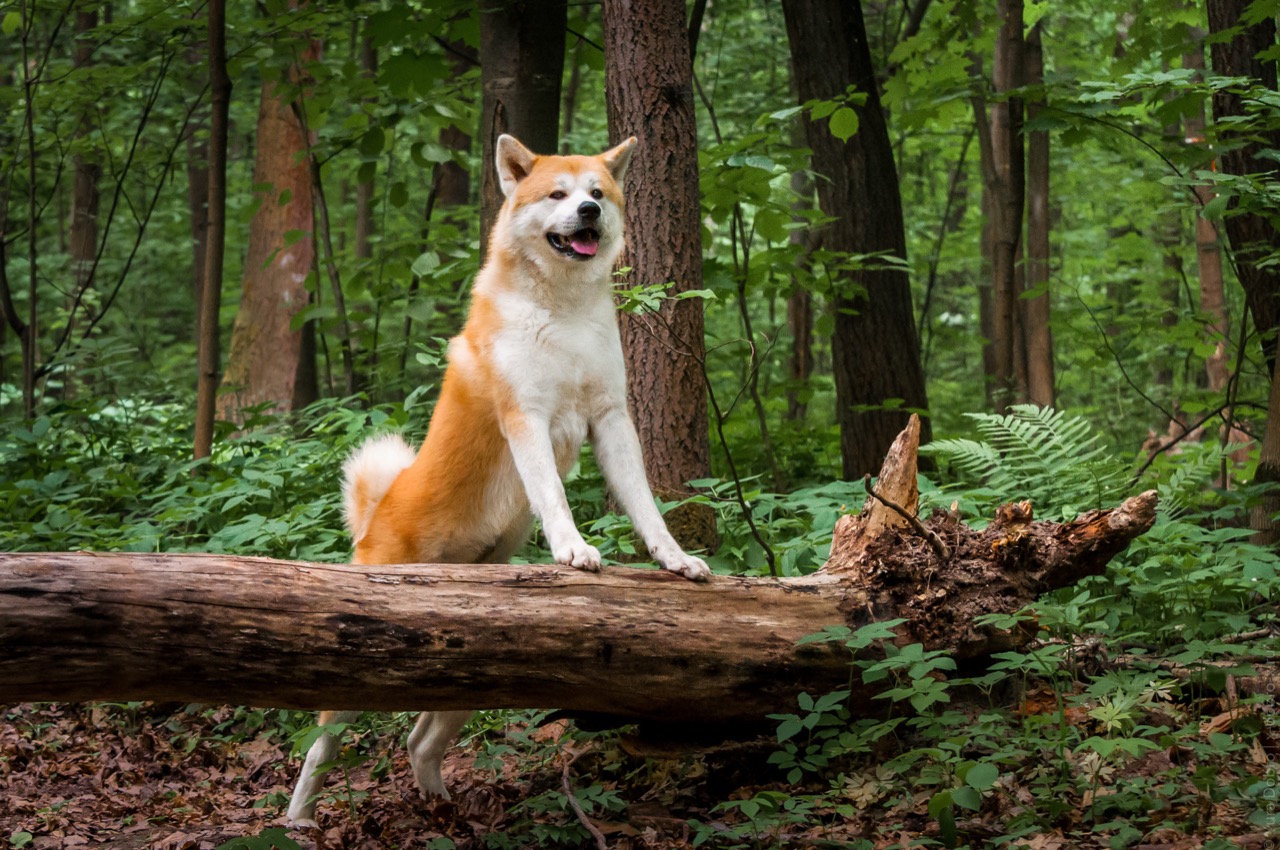
The Akita’s story begins in Japan’s far north, in the rugged, snowy Akita Prefecture on the island of Honshu. For centuries, local hunters relied on sturdy spitz type dogs to track and hold formidable game such as boar and even bear. These early Akita ancestors had to be tough, alert, and able to work in harsh weather, traits that still shape the breed’s confident presence and thick double coat. Over time, regional dogs became associated with the name Akita, and the breed’s identity started to crystallize around the larger, powerful hunting dogs of the Odate area.
As Japan modernized, the Akita’s role shifted in ways that changed the breed itself. In the late nineteenth and early twentieth centuries, dog fighting gained popularity in parts of Japan, and some breeders crossed Akitas with larger or more aggressive breeds to increase size and fighting ability. This period introduced noticeable variation in head shape, build, and temperament. Later, as interest grew in preserving native Japanese breeds, efforts began to steer the Akita back toward a more traditional type. Breed preservation was not just a hobby; it became a cultural cause tied to national pride.
A major turning point came in the 1930s, when the Akita was recognized as a national symbol. In 1931, the Japanese government designated the Akita as a Natural Monument, a status meant to protect culturally important treasures. Around the same era, the world learned the story of Hachiko, the Akita who waited for his owner at Shibuya Station in Tokyo day after day, even after the owner’s death. Hachiko’s loyalty captured public imagination, and a statue was erected in his honor, helping cement the Akita’s reputation as a dog of devotion and steadfastness.
The breed’s timeline then collided with global events. World War II brought severe hardship to Japan, and many dogs were lost to food shortages, displacement, and government policies that affected dog ownership. Some Akitas were crossed with German Shepherds because working dogs were sometimes treated differently under wartime rules, which further complicated breed purity. After the war, dedicated fanciers worked to rebuild the Akita using surviving lines and clearer standards. In Japan, organizations such as the Akita Inu Hozonkai, often called AKIHO, played an important role in documenting pedigrees, promoting preservation, and guiding the breed toward a consistent look and character.
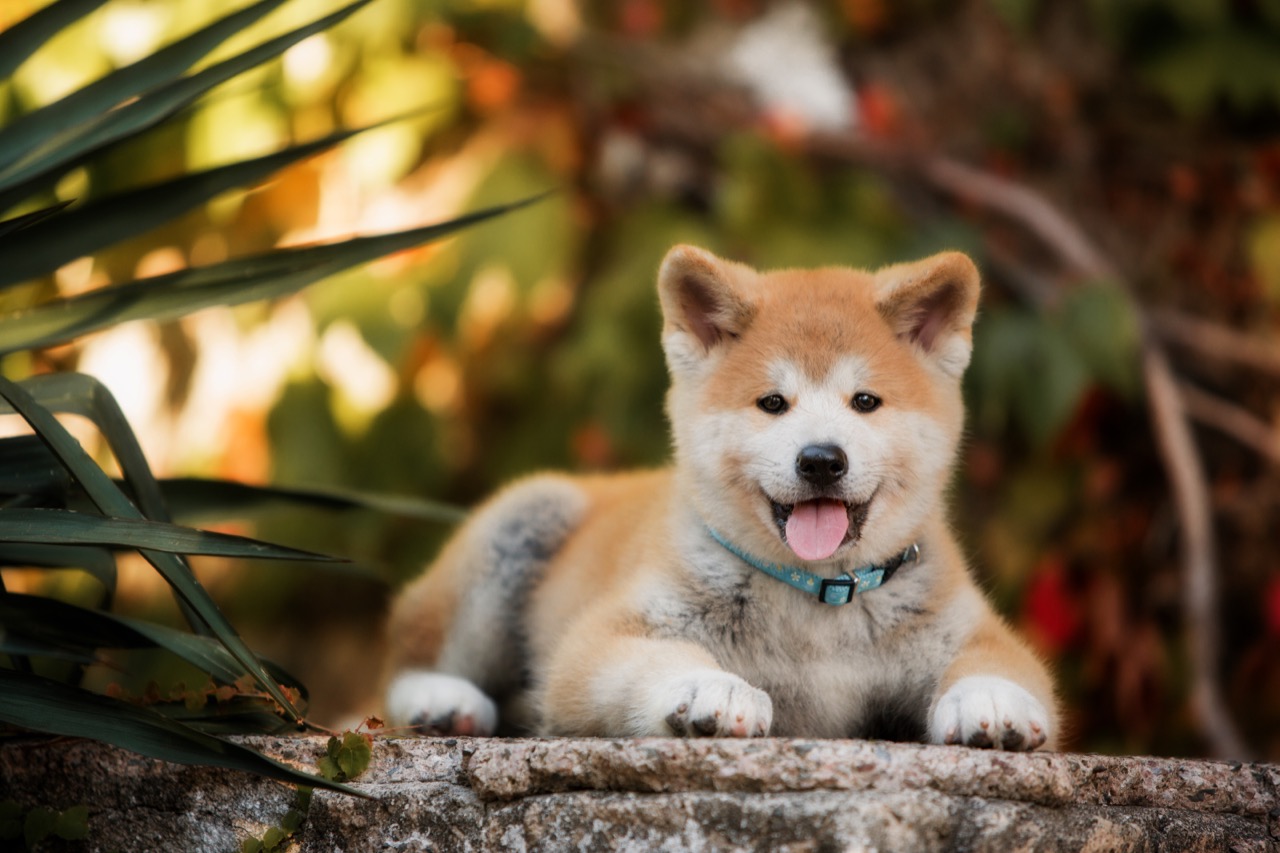
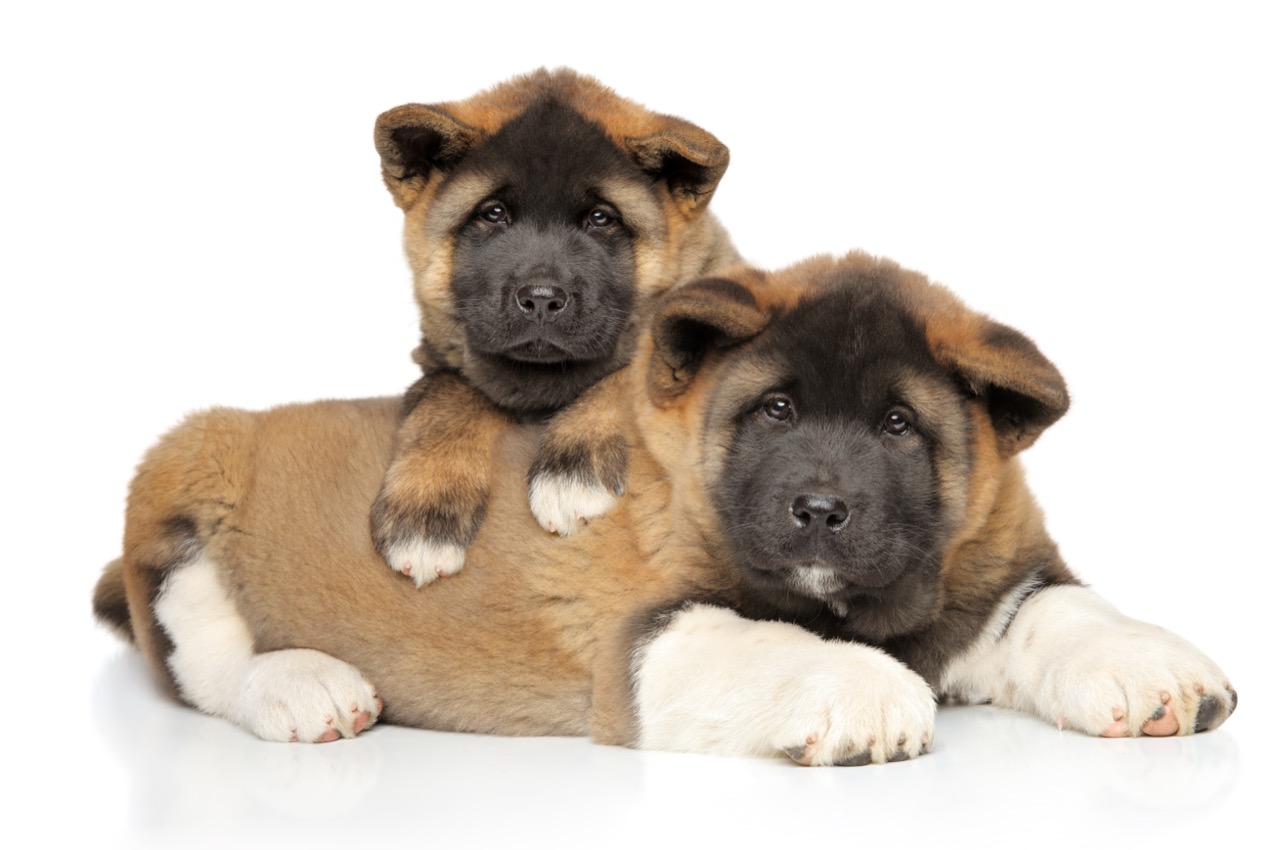
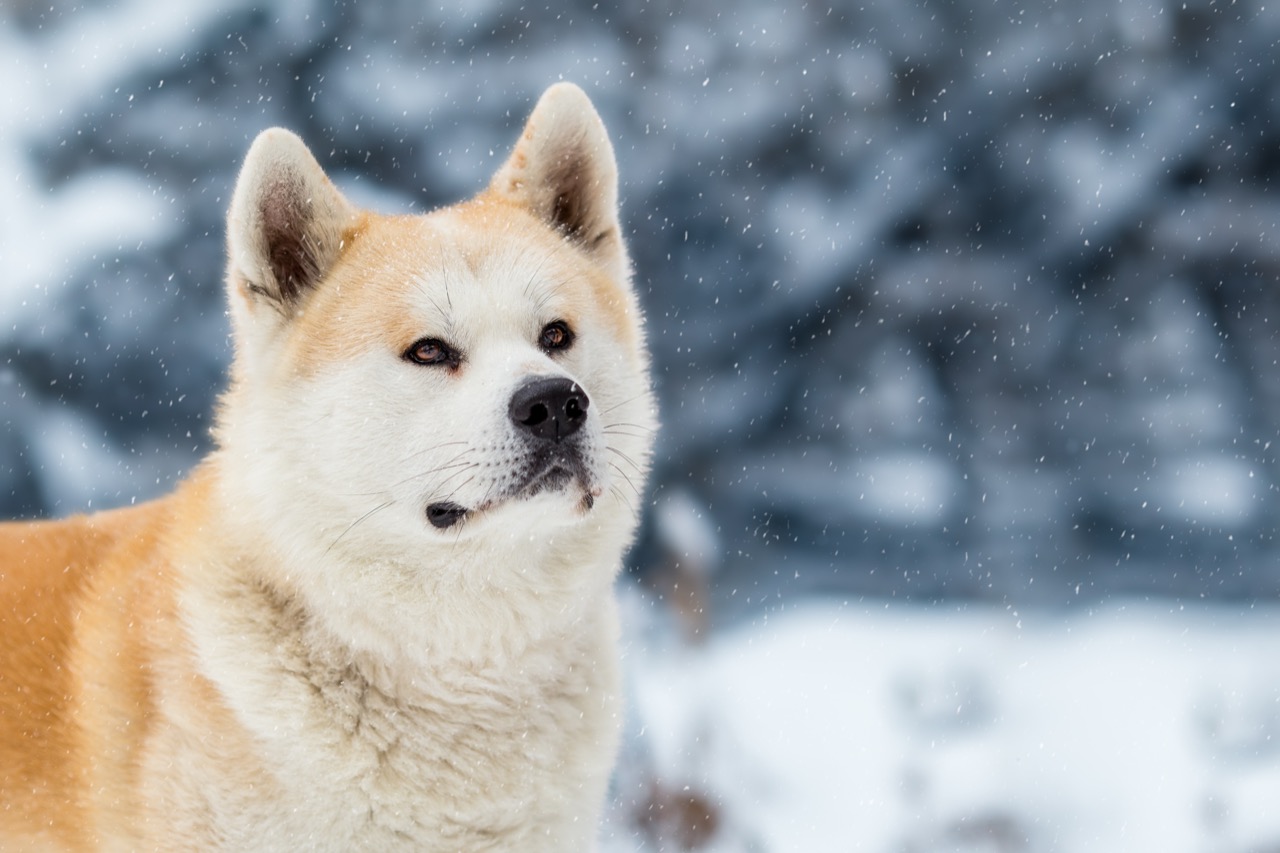
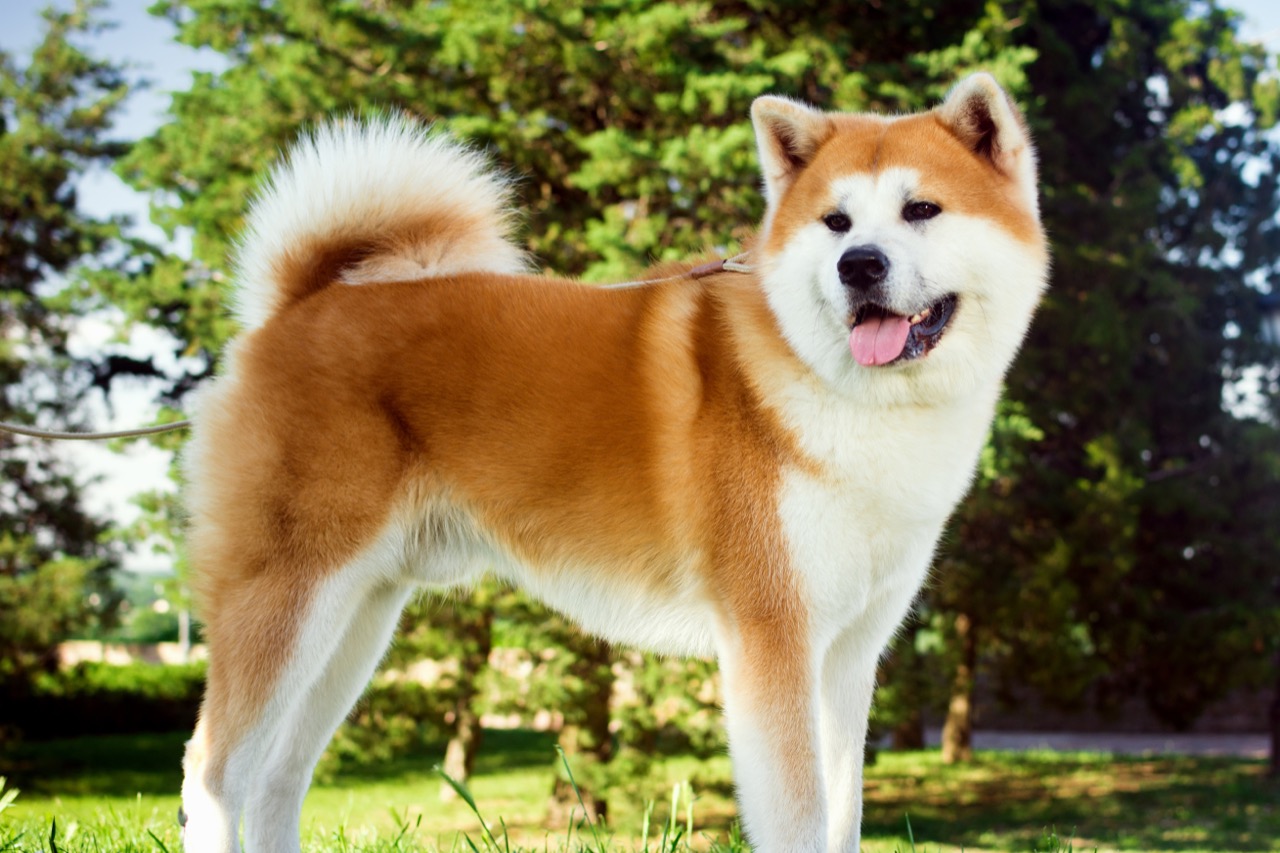
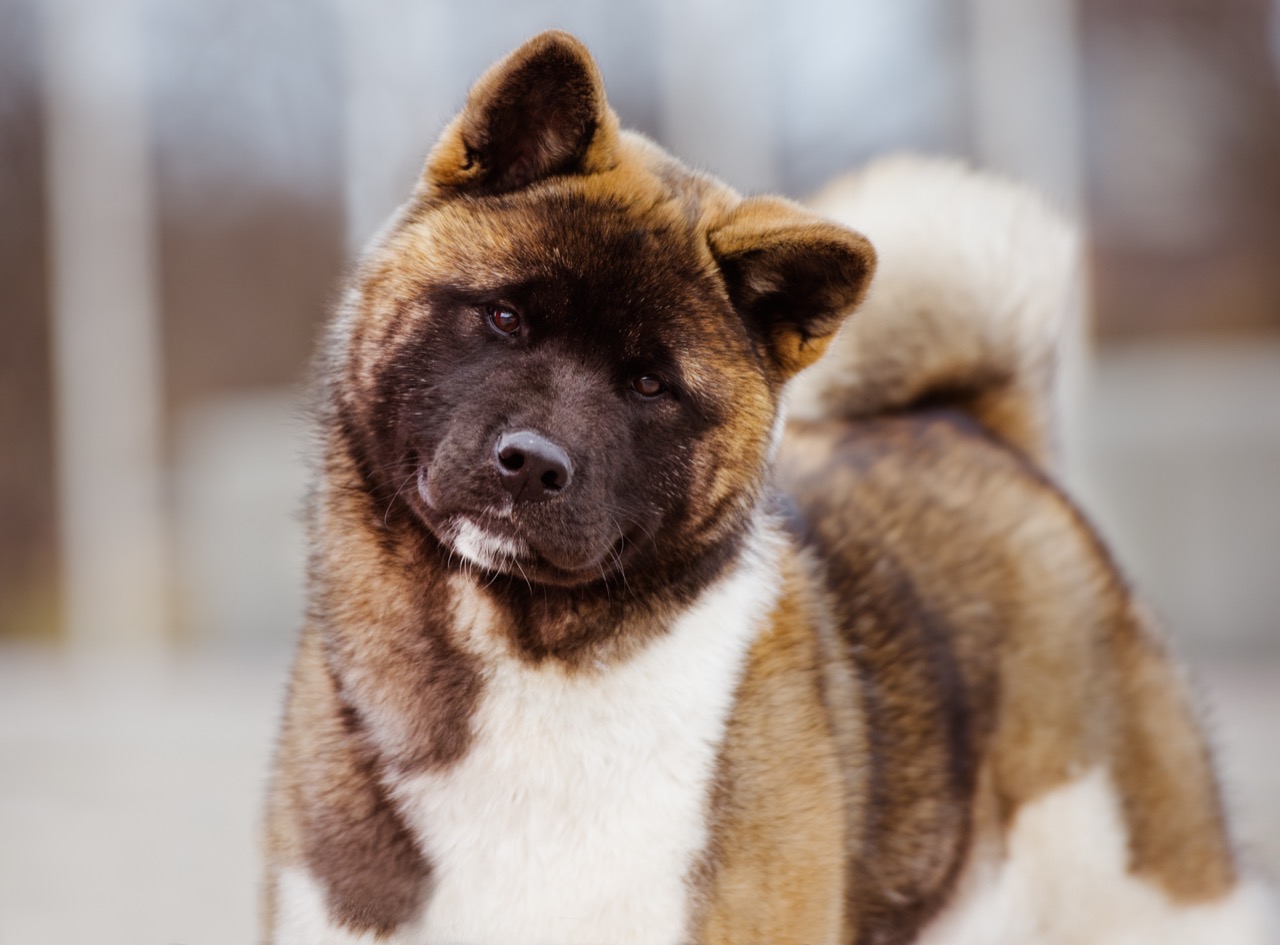
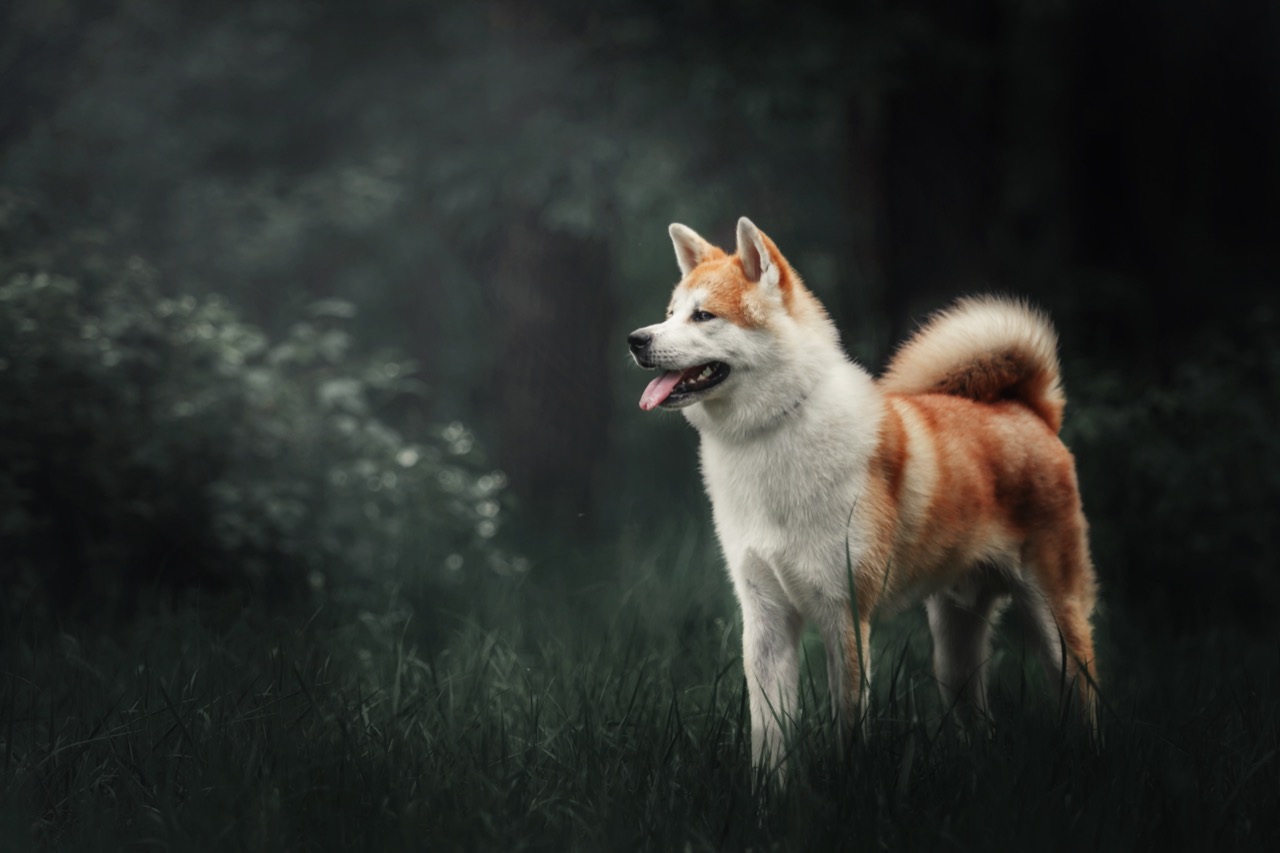
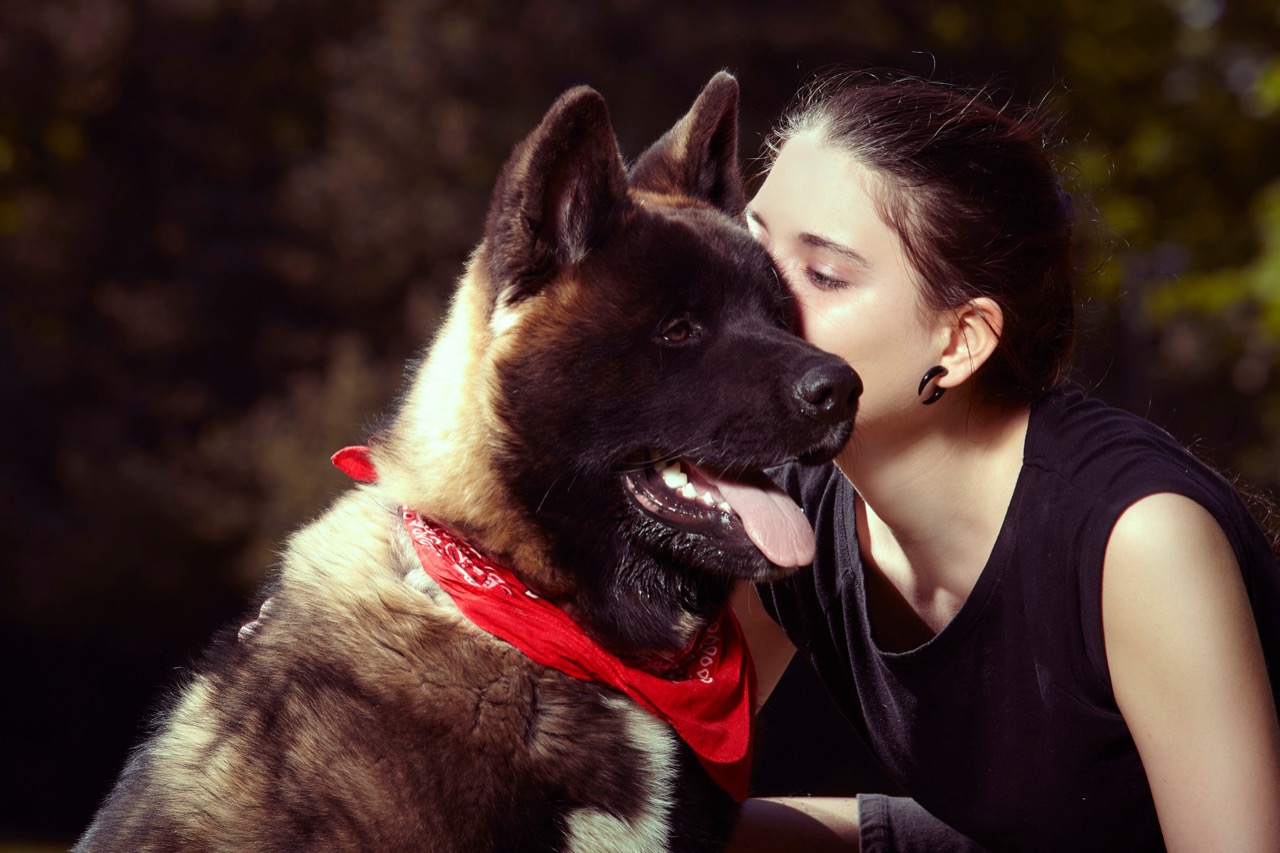
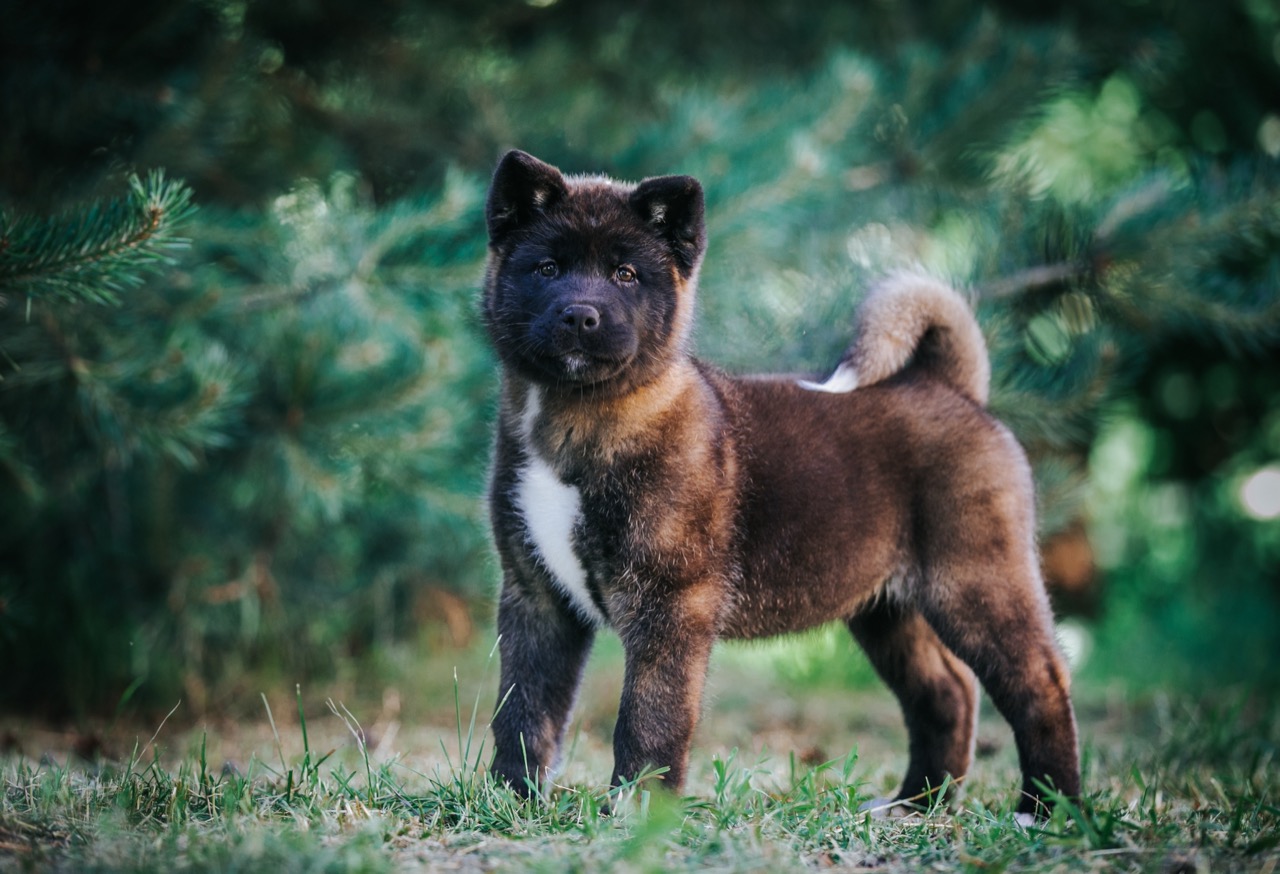
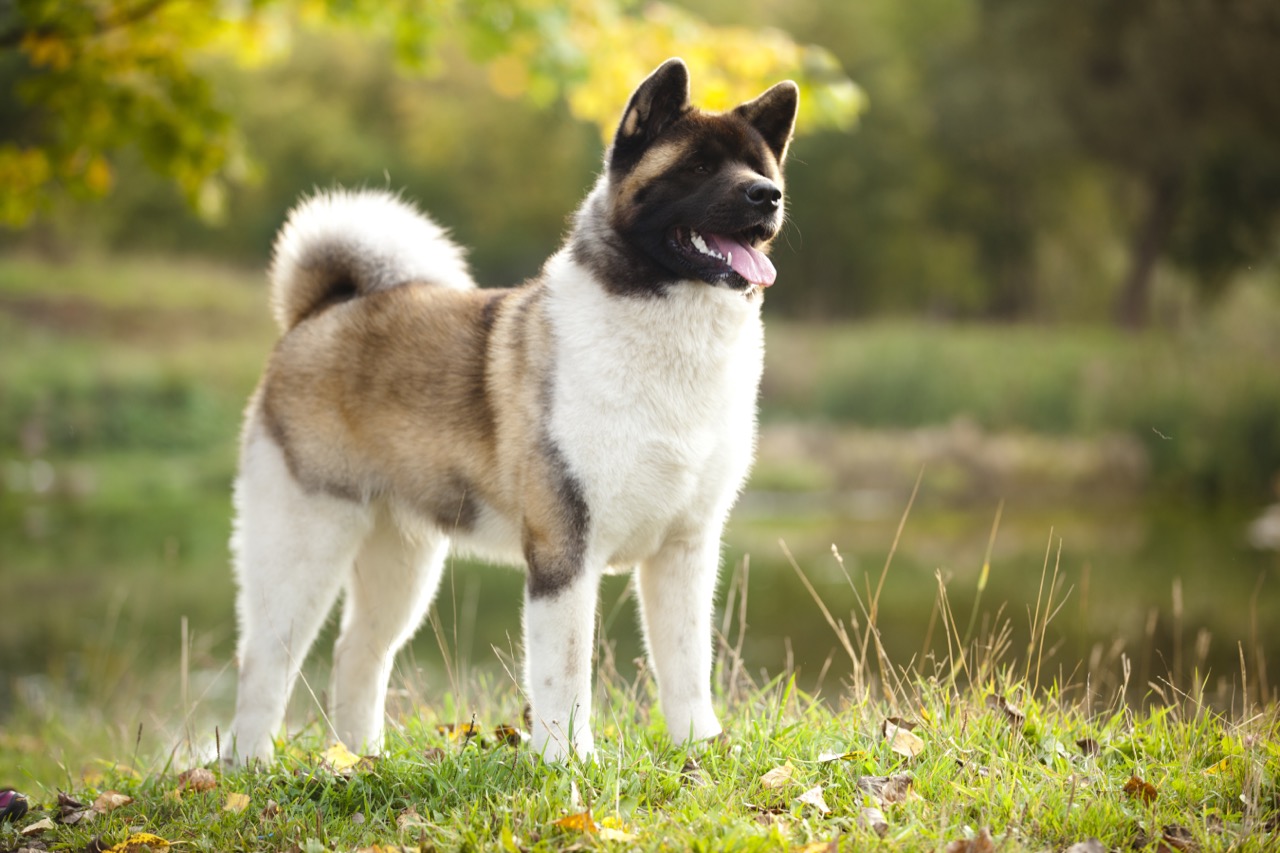
The Akita’s international rise was boosted by a few memorable moments and individuals. One of the most famous is Helen Keller, who visited Japan in the 1930s and was gifted an Akita, often cited as the first Akita to enter the United States. After World War II, American service members stationed in Japan also brought Akitas home, accelerating the breed’s spread. Over time, differences emerged between dogs bred in Japan and those developed abroad. Japanese breeders generally emphasized a more foxlike head, lighter build, and traditional colors, while many American lines favored a heavier bone structure, a broader head, and a wider range of coat colors and patterns. These distinctions eventually led to separate breed standards in many kennel clubs, with the Japanese Akita Inu and the American Akita recognized differently in some regions.
Today, the Akita is both a companion and a cultural icon, admired for dignity, loyalty, and calm confidence. Its history is a chain of transformations shaped by geography, human fashion, war, and recovery efforts. Understanding the timeline helps explain why the breed can seem both ancient and modern at once: a northern hunter turned national treasure, tested by hardship, and carried worldwide by stories of extraordinary dogs that made people want to know the Akita for themselves.