Chronicles of the Rottweiler Through the Years










Quiz Complete!
Chronicles of the Rottweiler Through the Years

The Rottweiler’s story is a timeline of changing jobs, shifting fashions, and official milestones that turned a tough working dog into a familiar modern companion. Long before the breed had a name, its ancestors likely traveled with Roman legions as robust cattle-driving dogs. As the Roman Empire expanded north, these dogs helped move herds that fed soldiers on the march. When the legions reached what is now southern Germany, local dogs mixed with the Roman drovers, and a distinct type began to form around a practical purpose: controlling livestock and protecting people and property.
The breed’s name is tied to a place rather than a person. In the medieval town of Rottweil, a market center known for cattle trading, butchers relied on powerful dogs to drive animals to market and guard the day’s earnings. This is where the idea of the Rottweiler as a butcher’s dog took hold, and the name Rottweiler, meaning a dog from Rottweil, stuck. There is a famous tale that butchers would hang a money pouch around the dog’s neck because few thieves were brave enough to challenge it.
Then came a major turning point driven by technology, not temperament. In the 1800s, rail transport began replacing long cattle drives, and laws and changing trade practices reduced the need for droving dogs. The Rottweiler’s traditional job faded quickly, and the breed’s numbers dropped. For a time, it was close to disappearing, kept alive mainly by enthusiasts who valued its strength, steadiness, and usefulness.
The breed’s revival was powered by new roles. As modern police work developed in the early 1900s, Germany tested different breeds for service tasks. Rottweilers proved they had the nerve, trainability, and physical presence for police and military duties, and interest surged. Breed clubs began to shape a consistent standard, turning a regional working dog into a recognized breed with defined features. In Germany, early organizations formed in the first decade of the 20th century, and by the 1920s a unified club helped guide breeding and records.
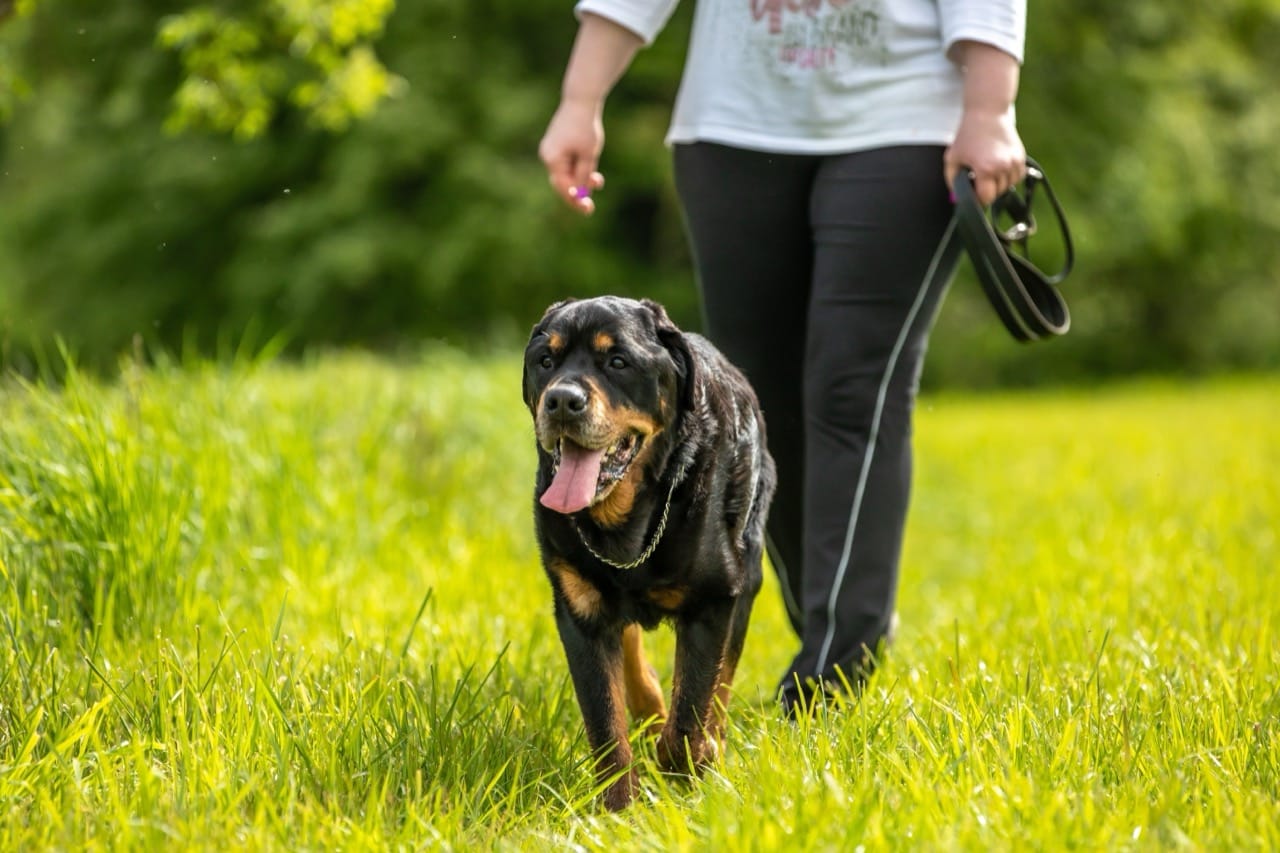
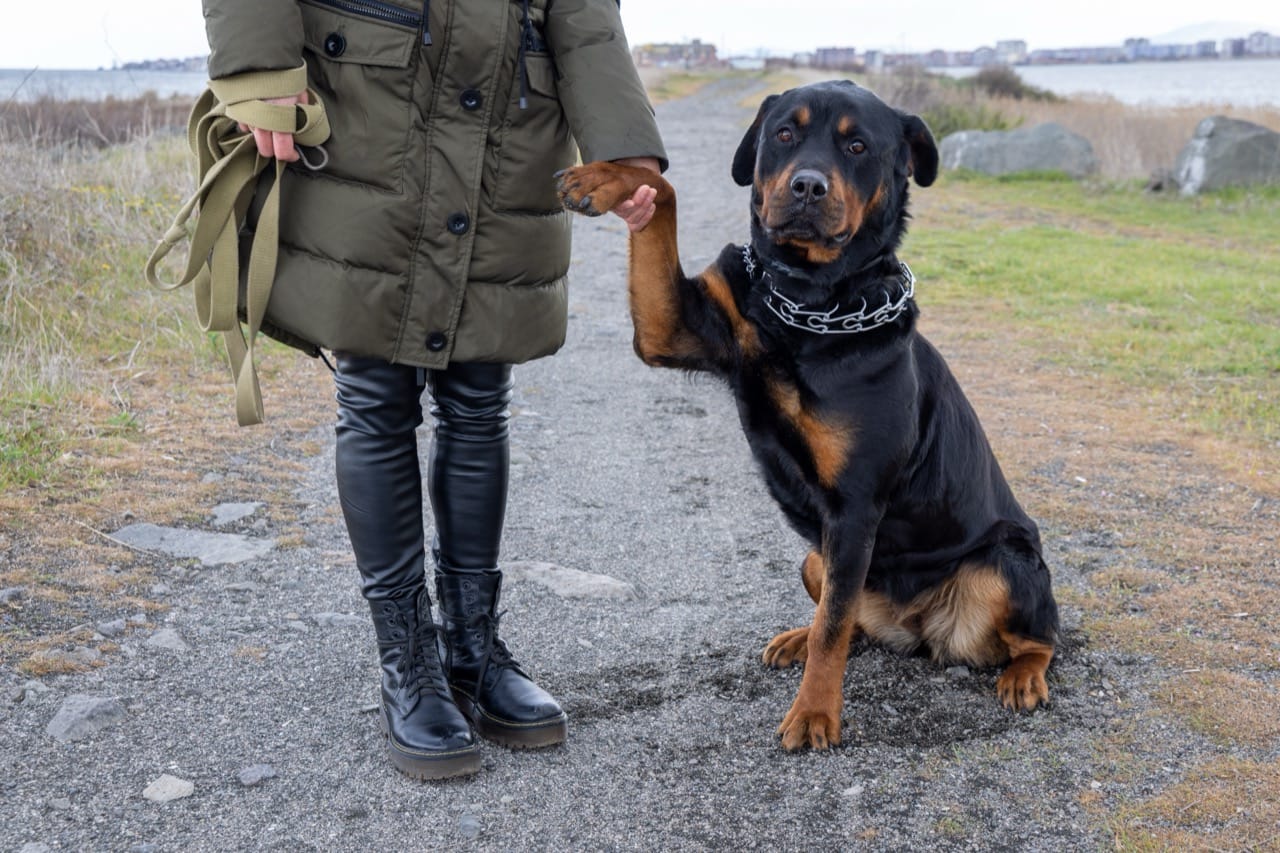
Official recognition timelines helped cement the Rottweiler’s place in the dog world. The American Kennel Club recognized the breed in 1931, a key date for its spread in the United States. As kennel clubs and registries promoted standards, the Rottweiler’s image became more uniform: a powerful, black-and-tan dog with a calm, confident presence.
World events also nudged the breed’s story. The two World Wars increased demand for working dogs but also disrupted breeding programs, especially in Europe. After the wars, Rottweilers continued to serve in police and guarding roles, while also becoming family dogs for people drawn to their loyalty and protective instincts.
Popularity rose sharply in the late 20th century, particularly in the 1980s and 1990s, when the breed became widely visible. With popularity came challenges: irresponsible breeding and poor handling sometimes produced unstable behavior, and public perception could swing toward fear. This period helped reinforce an important truth about the Rottweiler’s timeline: its reputation is shaped as much by humans as by history. When bred thoughtfully and trained with consistency, the Rottweiler remains what it has been for centuries, a capable working partner that thrives on purpose, structure, and close bonds with its people.