Chronicles of the Cane Corso Bonus Round











Quiz Complete!
Chronicles of the Cane Corso: From Roman Roots to Modern Recognition

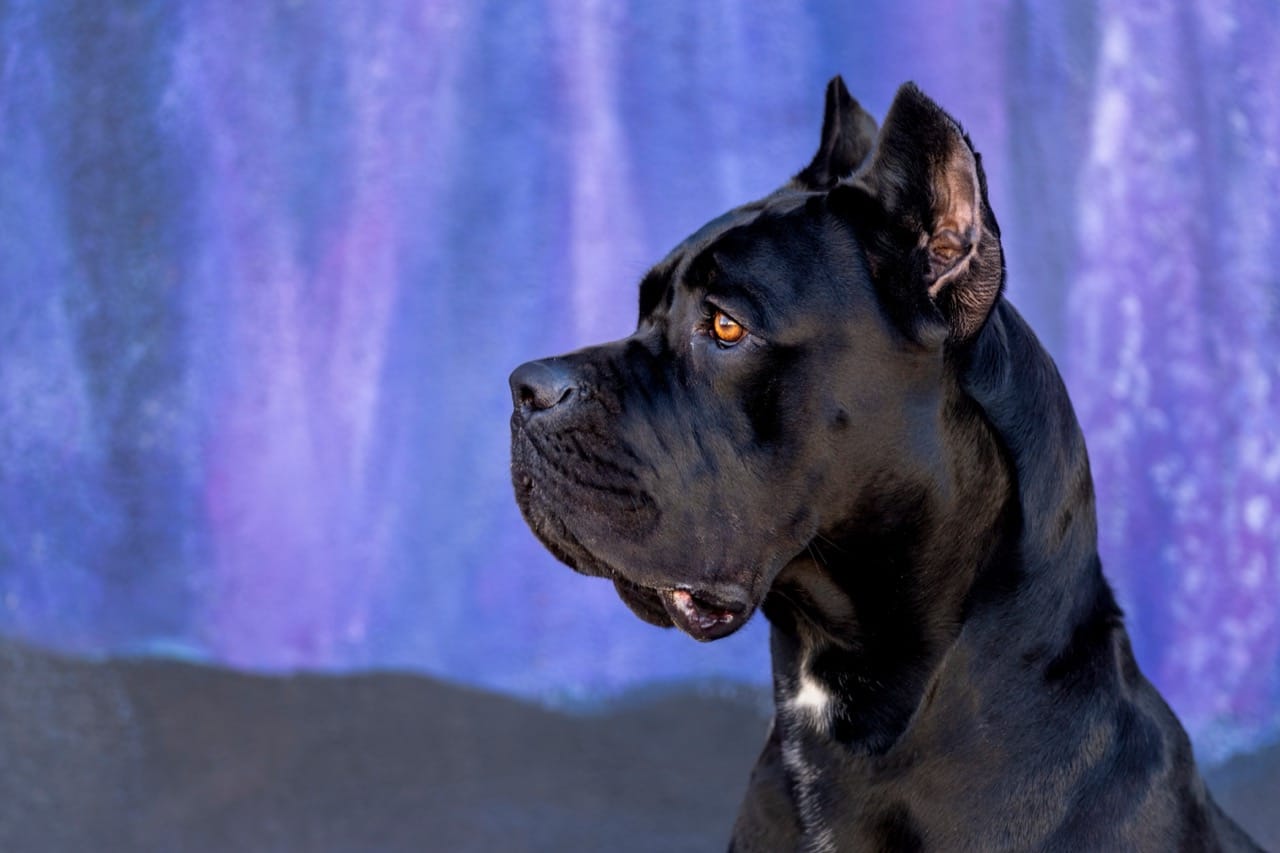
The Cane Corso looks like a modern powerhouse, but its story is really a long relay race across centuries of Italian life. Even the name hints at its job: many historians connect corso to the Latin cohors, meaning a guardian or protector of an enclosure. While no single document can point to one exact starting date, the breed is widely linked to the old Roman molossian type, heavy working dogs used for demanding tasks. In the Roman world, such dogs were valued for courage and steadiness, whether moving livestock, guarding property, or being pressed into military roles. Over time, as empires shifted and warfare changed, the dogs that would eventually be called Cane Corso kept their usefulness by adapting to everyday work rather than disappearing with the legions.
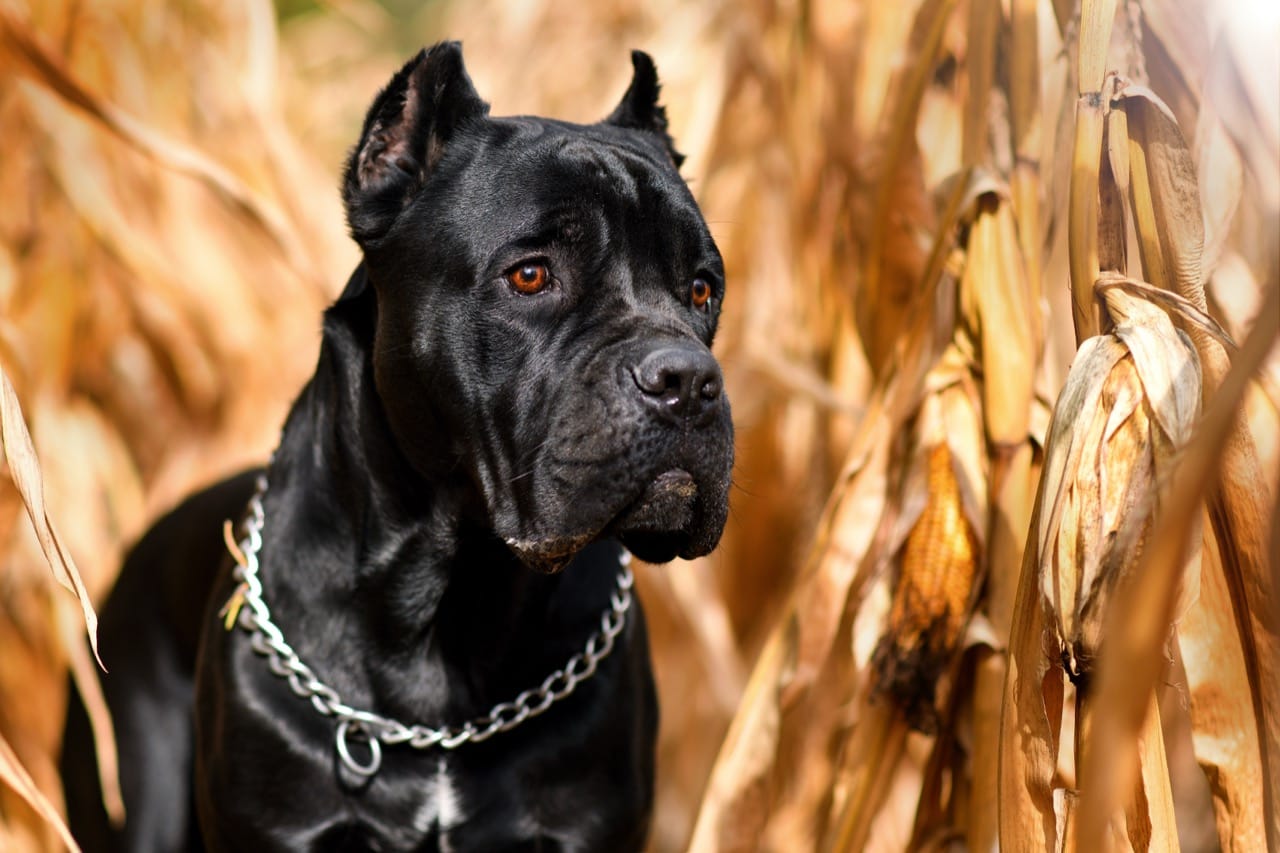
For centuries in southern Italy, especially in regions like Puglia, Basilicata, Campania, and Calabria, the Corso was less a showpiece and more a tool you fed and relied on. It guarded farms and estates, watched over livestock, and traveled with drovers moving cattle and pigs along rural routes. Many accounts describe a dog that was athletic rather than bulky, quick enough to respond to threats but stable enough to be trusted around family and farm activity. It could deter thieves, confront predators, and serve as a general-purpose helper in a world where a farm’s security system had four legs and a loud bark.
The breed’s near-disappearance is one of the most dramatic parts of its timeline. Italy’s countryside changed rapidly in the 20th century. Two world wars, economic hardship, and later industrialization and urban migration reduced the need for large rural guardian dogs. Mechanized farming and new patterns of land ownership also made it harder to keep big working animals. As the traditional lifestyle that supported the Corso faded, the dogs became scarce, surviving mainly in isolated pockets where old habits lasted longer.
The turning point often described as the breed’s rediscovery came in the 1970s, when dog enthusiasts and researchers began noticing that a distinctive mastiff-type farm dog still existed in parts of southern Italy. One frequently cited milestone is the work of Giovanni Bonnetti, who drew attention to these remaining dogs, and later the efforts of people such as Stefano Gandolfi and others who helped locate breeding stock. In 1983, a key organizational step arrived with the founding of the Societa Amatori Cane Corso, a club dedicated to protecting and rebuilding the breed. These early recovery years involved careful selection, documentation, and a lot of debate about what a true Corso should look and act like, because when a breed has lived as a working type for generations, it can vary from village to village.
As the population stabilized, formal standards followed. Italy’s national kennel club, ENCI, recognized the Cane Corso in 1994, a major milestone that moved it from a rural secret to an official breed with a written description. International recognition came next: the FCI, a global federation of kennel clubs, granted recognition in 1996, which helped the Corso spread across Europe and beyond with more consistent breeding goals.
In the United States, the breed’s rise was fueled by its impressive presence and reputation as a guardian, but it also brought new responsibilities. The AKC began allowing the Cane Corso into its Foundation Stock Service in the 2000s and granted full recognition in 2010. With that came greater visibility, more structured competition, and a larger audience that sometimes focused on looks over working ability.
Today’s Cane Corso lives in a different world than its farm-dog ancestors, but the best examples still reflect that heritage: confident without being reckless, affectionate with their people, and naturally inclined to watch over home and family. The breed’s timeline is a reminder that dogs are shaped by human history. The Corso did not simply survive; it changed roles, nearly vanished, and then returned through deliberate effort, turning an old Italian working guardian into a modern companion with ancient roots.