Celebrity Chihuahuas and Screen-Stealing Sidekicks Quiz



Quiz Complete!
Celebrity Chihuahuas and the Tiny Sidekicks Who Stole the Show
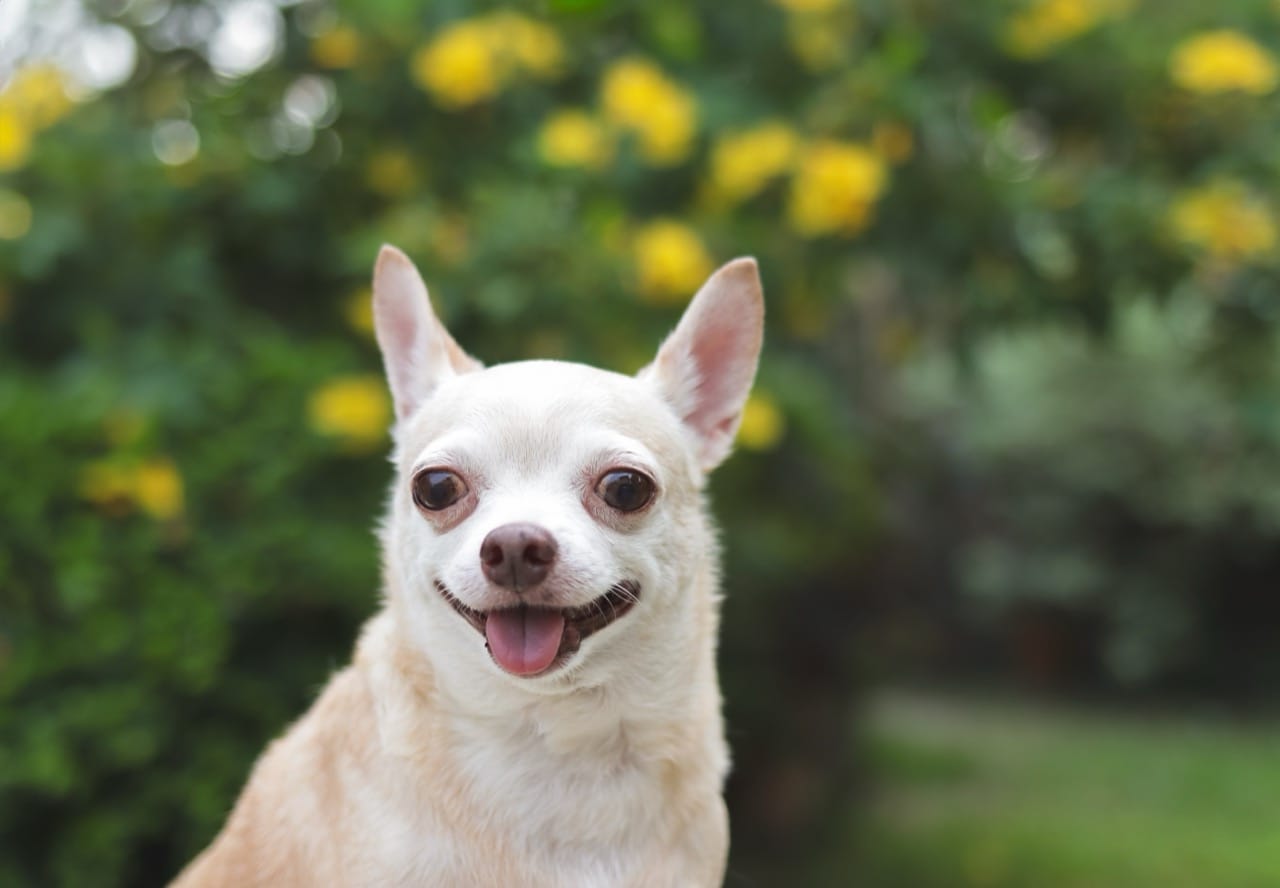
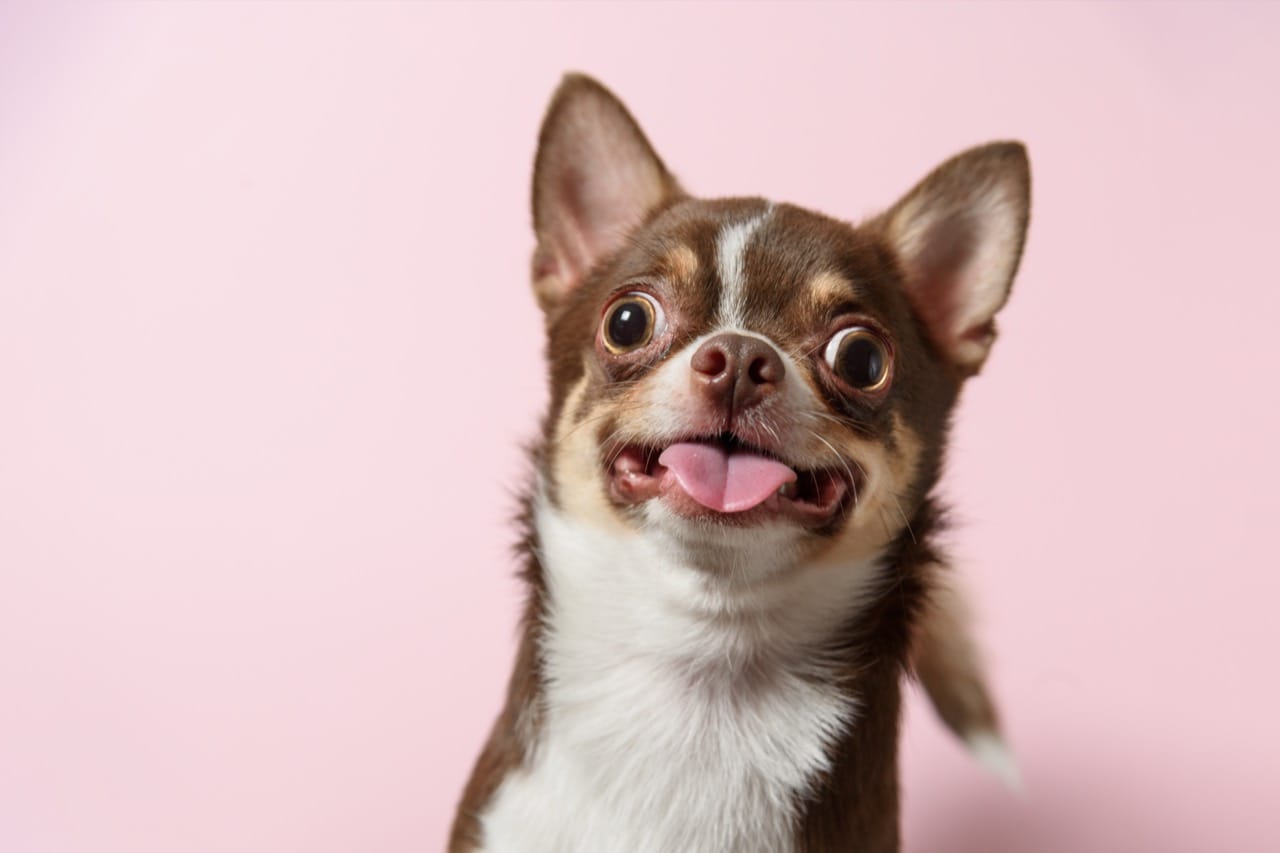
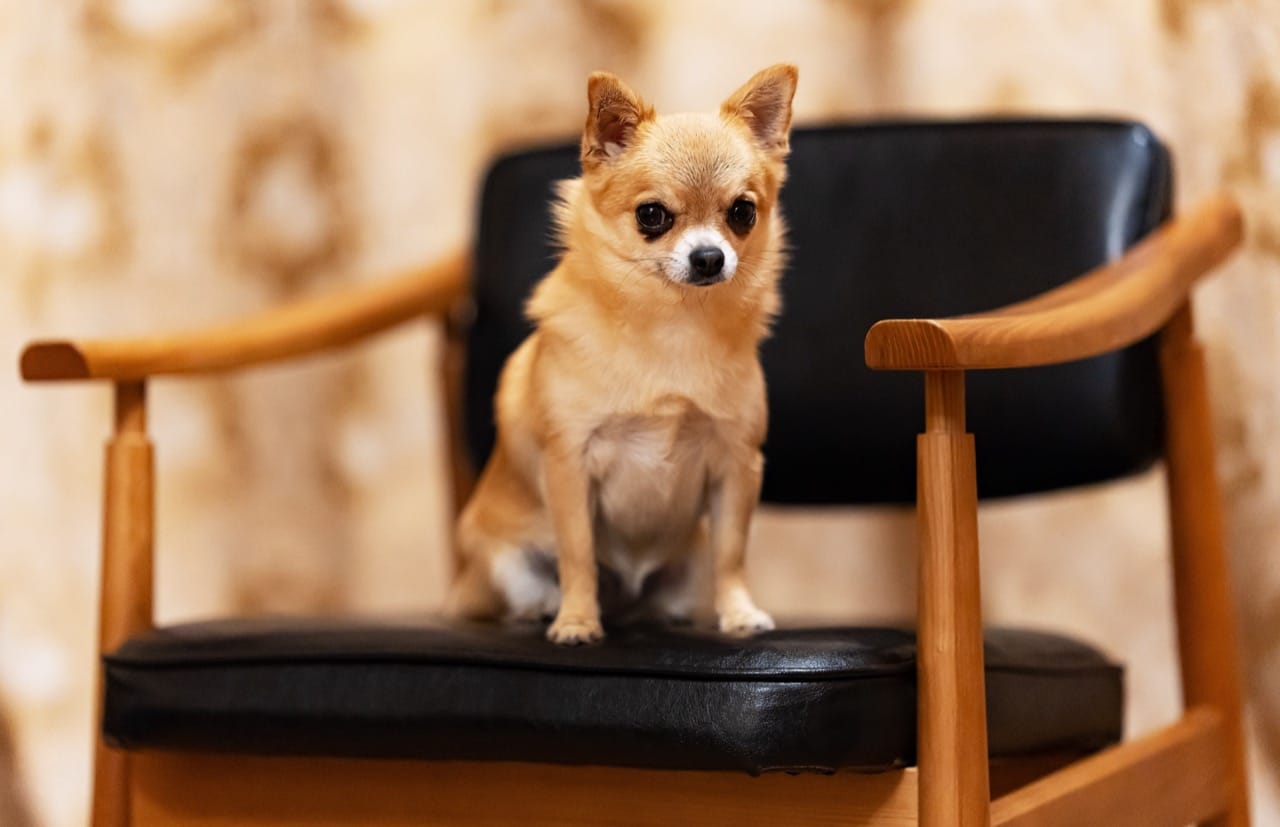
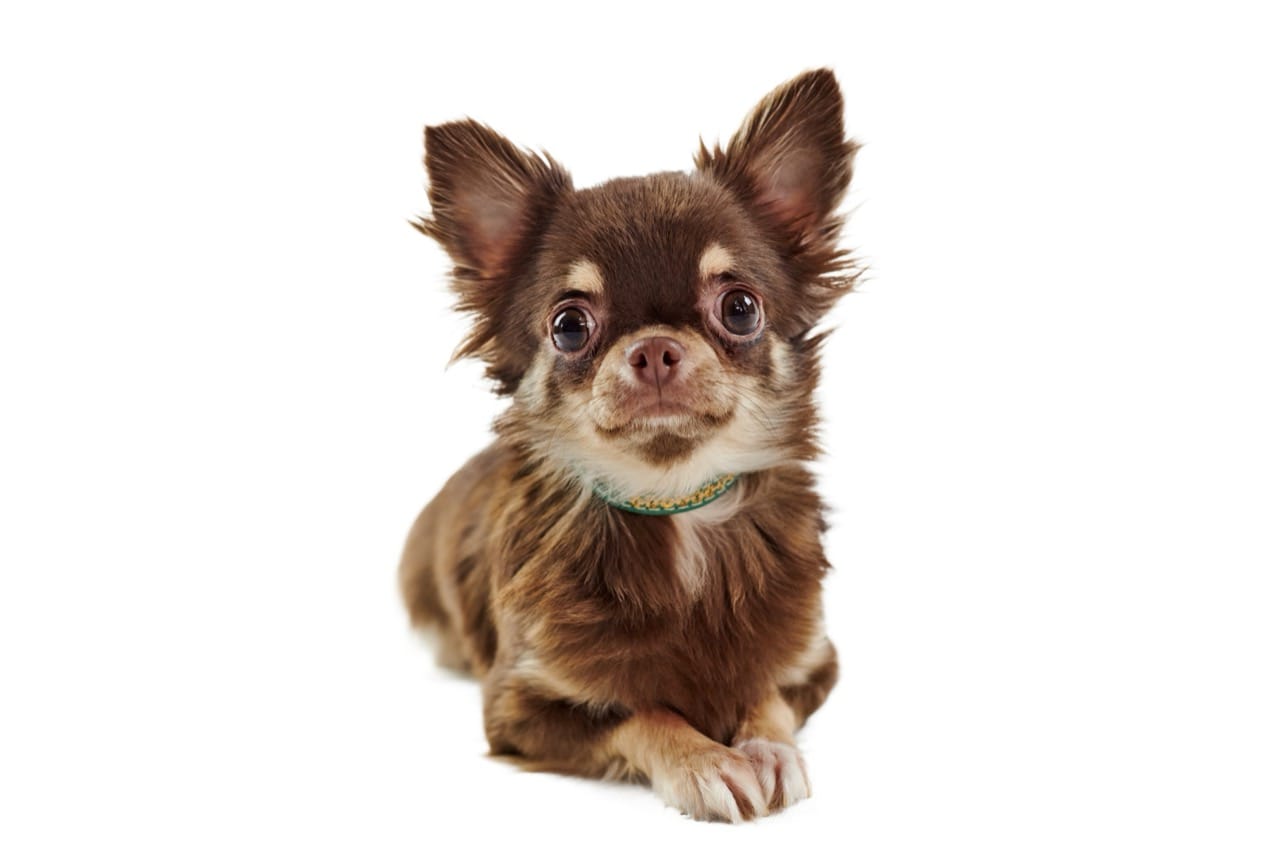
Chihuahuas have a knack for turning a few seconds of screen time into a lasting pop culture footprint. Part of the appeal is visual: the breed’s compact size, large eyes, and expressive ears read clearly on camera, even in a quick cutaway. But the real secret is attitude. Chihuahuas are famous for acting much bigger than they are, which makes them perfect foils for human characters. A tiny dog that struts, judges, panics, or bravely charges into trouble can deliver comedy, confidence, or chaos without saying a word.
One of the most recognizable Chihuahua roles came from the early 2000s, when a pampered little dog became a fashion accessory and a punchline at the same time. In Legally Blonde, the heroine’s Chihuahua, Bruiser Woods, helped cement the idea of the tiny dog as a glamorous sidekick with impeccable taste. Around that era, advertising leaned hard into the Chihuahua’s boldness. Taco Bell’s mascot, voiced with a deadpan swagger, turned a small dog into a nationwide catchphrase machine. The campaign also reinforced a common Chihuahua stereotype: the tiny creature with outsized opinions.
Movies and TV have long used Chihuahuas to puncture tension or highlight a character’s lifestyle. A Chihuahua in a designer bag instantly signals a certain kind of urban, curated identity, while a scrappy little dog in a chaotic household suggests resilience and comic unpredictability. Even when the dog on screen is not a purebred Chihuahua, creators often borrow the same silhouette and energy. That is why quiz questions can get tricky: some famous “Chihuahua” characters are actually mixes or other small breeds styled to look the part.
Animation adds another layer. Chihuahua-like characters are easy to exaggerate, and artists love playing with their iconic features: radar ears, quick footwork, and the ability to flip from fearless to frantic in an instant. In animated stories, a tiny dog can be the brave scout, the anxious alarm system, or the sarcastic commentator. Those roles match real-world traits people associate with the breed, especially alertness and loyalty. Chihuahuas tend to bond strongly with one person and can be protective, which translates neatly into plots where a dog is devoted, suspicious of strangers, or comically territorial.
Real-life celebrity Chihuahuas also helped shape the mythology. When famous owners carried their dogs everywhere, it turned the breed into a symbol of status and companionship. At the same time, the attention highlighted how much these dogs need thoughtful care. Despite their confidence, Chihuahuas are small and can be fragile, especially around rough play or accidental falls. They are also sensitive to cold and often seek warmth, which is one reason you see them bundled in sweaters both in real life and in stylized portrayals.
The best screen-stealing Chihuahua moments often come from simple, true-to-dog behaviors: a dramatic side-eye, a sudden burst of barking, or a fearless stance at the edge of danger. Trainers and filmmakers take advantage of their intelligence and food motivation, but they also respect the breed’s limits by keeping shoots short and environments calm. When done well, the result is a tiny performer who feels larger than life.
If you are taking a quiz on famous Chihuahuas, it helps to remember that pop culture loves patterns. Chihuahuas frequently appear as fashion icons, comic alarms, loyal companions, and surprisingly brave adventurers. The challenge is separating the true Chihuahua legends from the lookalikes, and recalling which roles belonged to real dogs versus animated inventions. Either way, the reason they endure is simple: few animals can communicate so much personality in such a small package.