Cane Corso Lab Notes for Curious Minds







Quiz Complete!
Cane Corso Lab Notes for Curious Minds
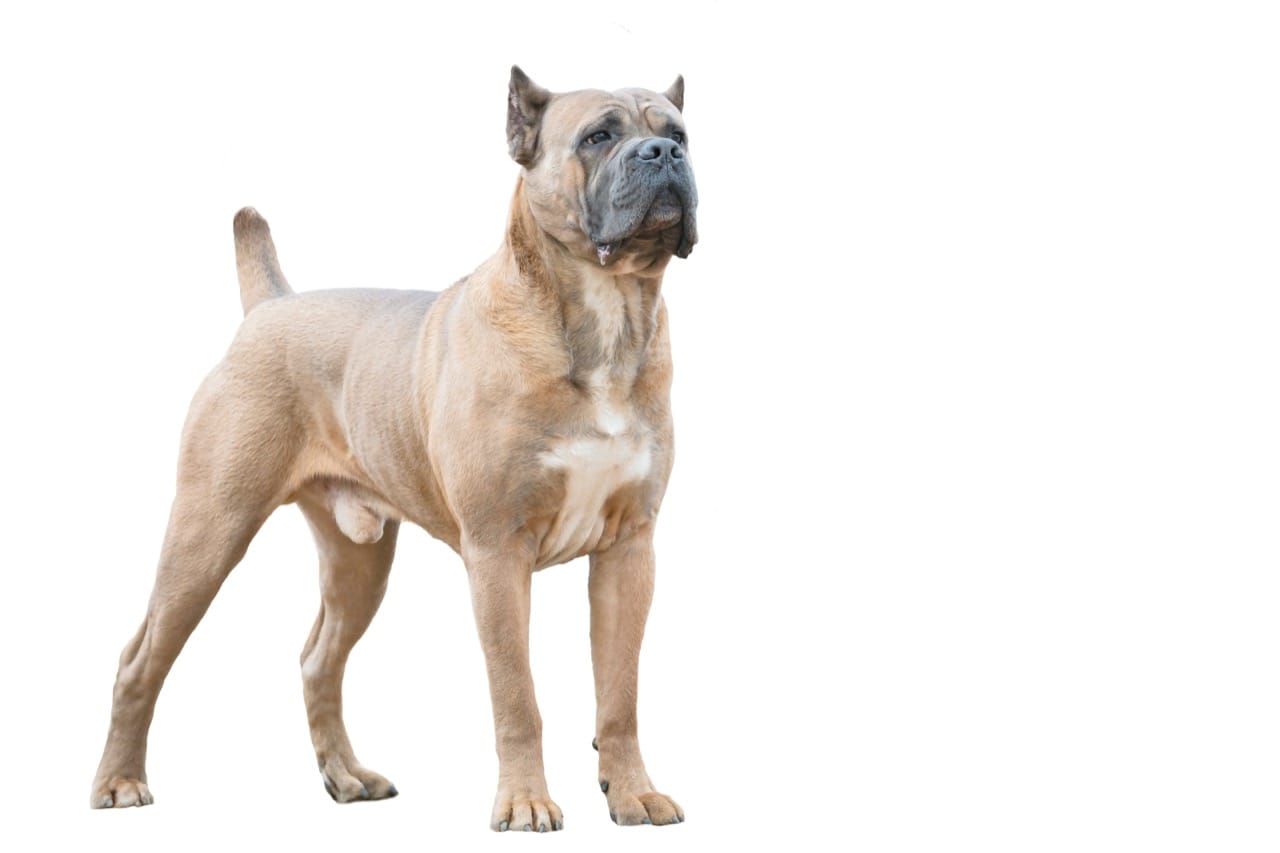
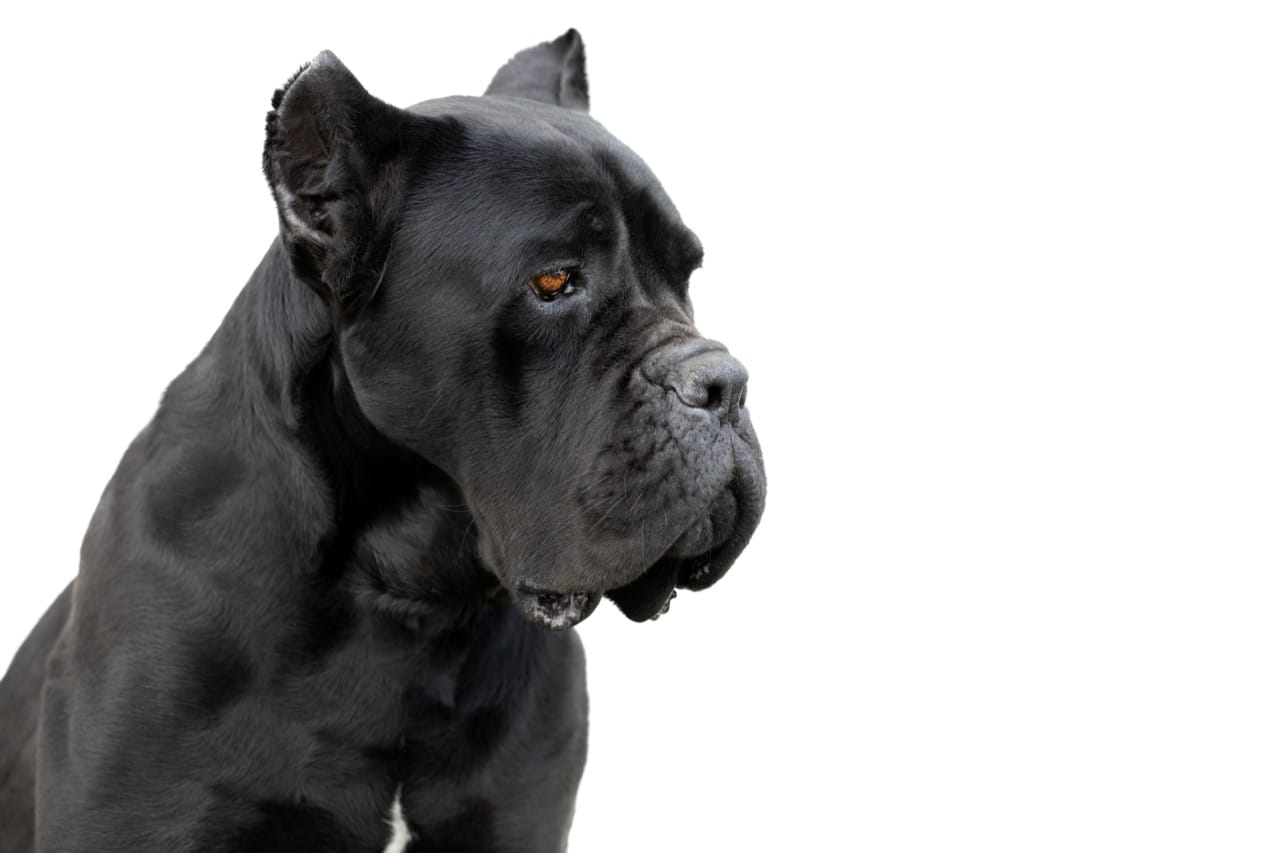
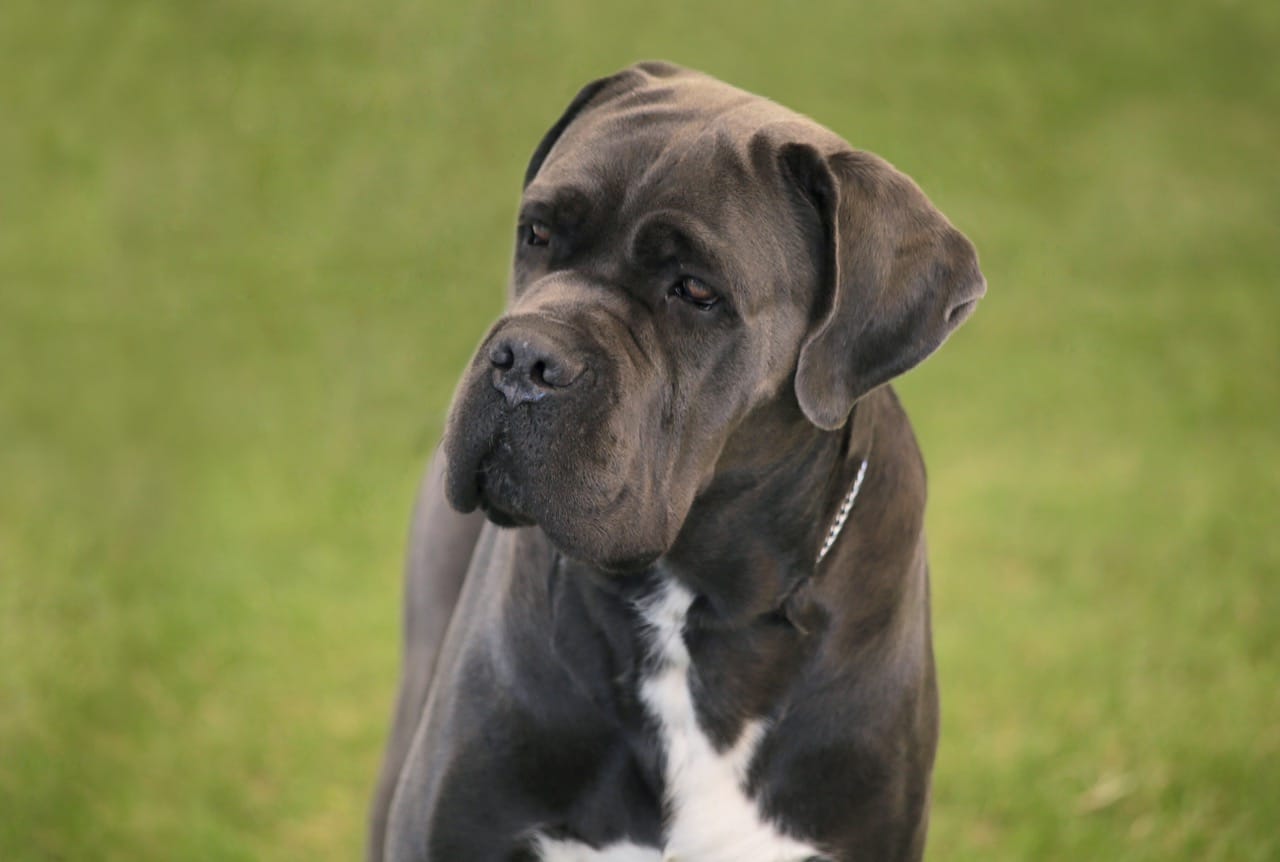
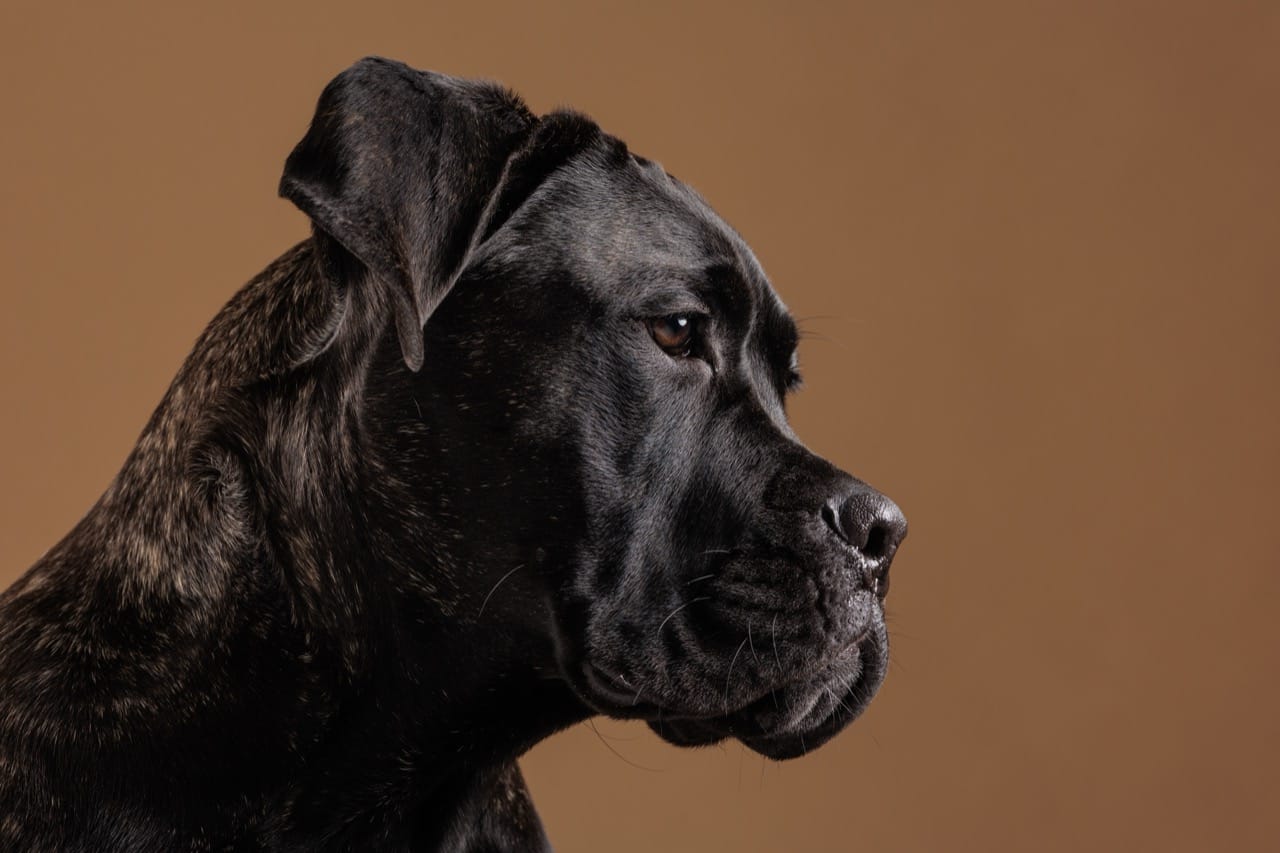
The Cane Corso looks like a living blueprint for power: broad chest, heavy bone, and a head built for gripping. But the most interesting story is not just what you can see, it is how structure, genetics, and modern research tools shape what the dog can do and how people should live with one. Selective breeding for property guarding and versatile farm work favored dogs that could switch between calm observation and decisive action. That watchful stillness is not laziness; it is an energy-saving strategy that pairs well with a body designed for short bursts of speed and strength.
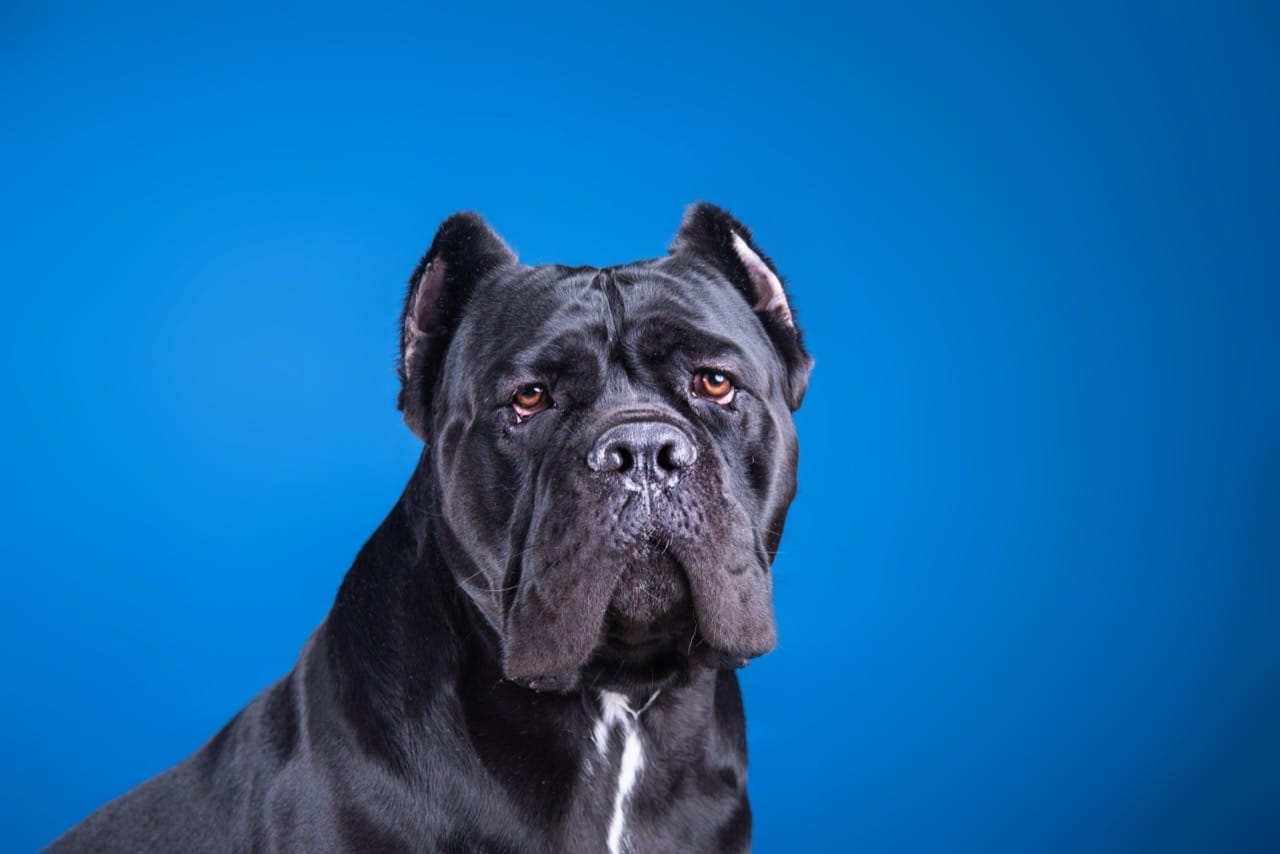
A lot of internet talk centers on bite force, usually with dramatic numbers. In reality, measuring bite force is tricky because results change with equipment, motivation, jaw position, and individual training. What matters more than a single number is functional anatomy: a large skull, strong jaw muscles, and a confident, stable temperament can make a dog effective at holding and controlling, which is different from simply biting hard. This is why responsible ownership focuses less on myths and more on management, training, and preventing situations where any powerful dog might feel compelled to use its teeth.
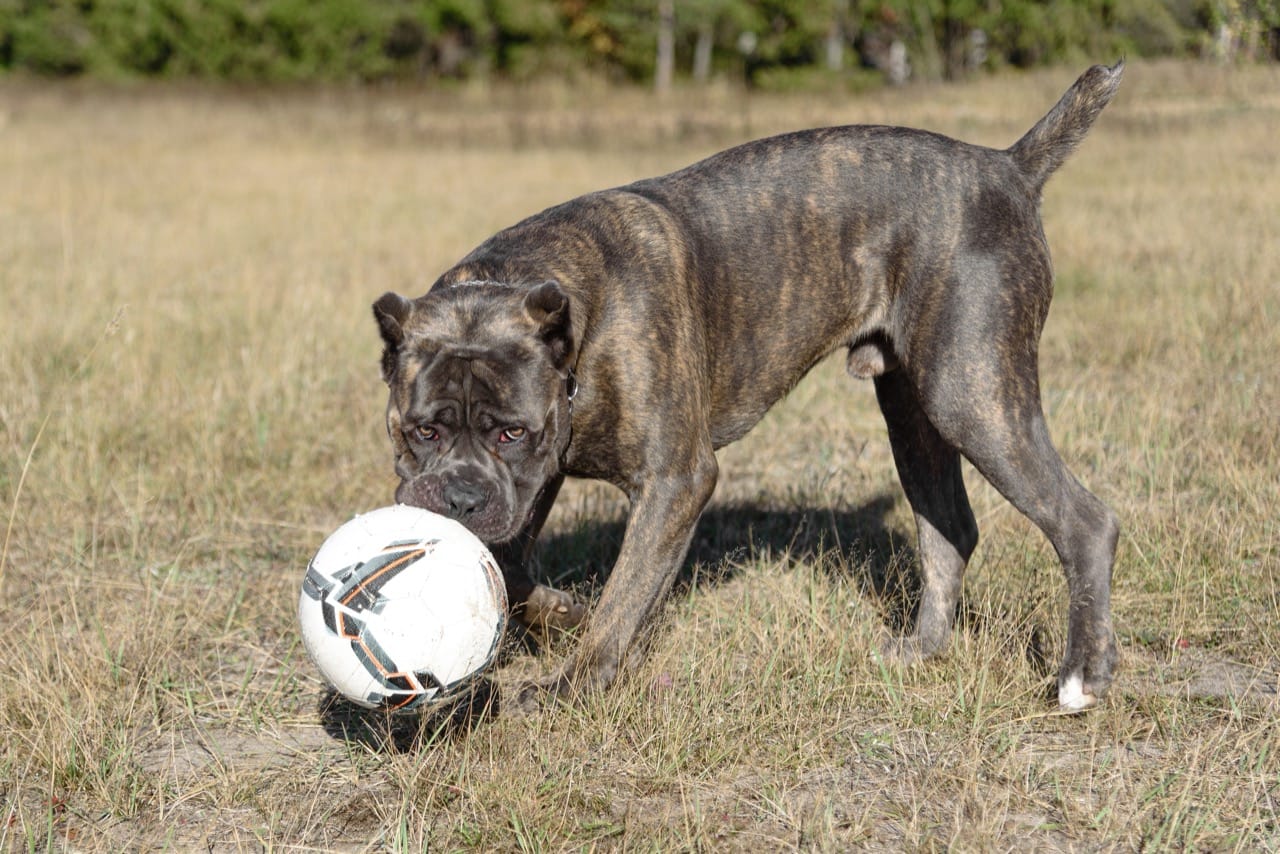
Growth is another area where science beats folklore. Large breeds mature slowly, and their growth plates remain open longer than many people expect. Too much repetitive impact, sharp turns on slippery floors, or long forced runs during adolescence can raise the risk of orthopedic problems later. Nutrition matters too. Overfeeding a fast-growing puppy can add weight faster than bones and connective tissue can safely support. A steady growth curve, appropriate calcium and phosphorus balance, and muscle-building play that allows the puppy to self-regulate are generally safer than pushing for size.
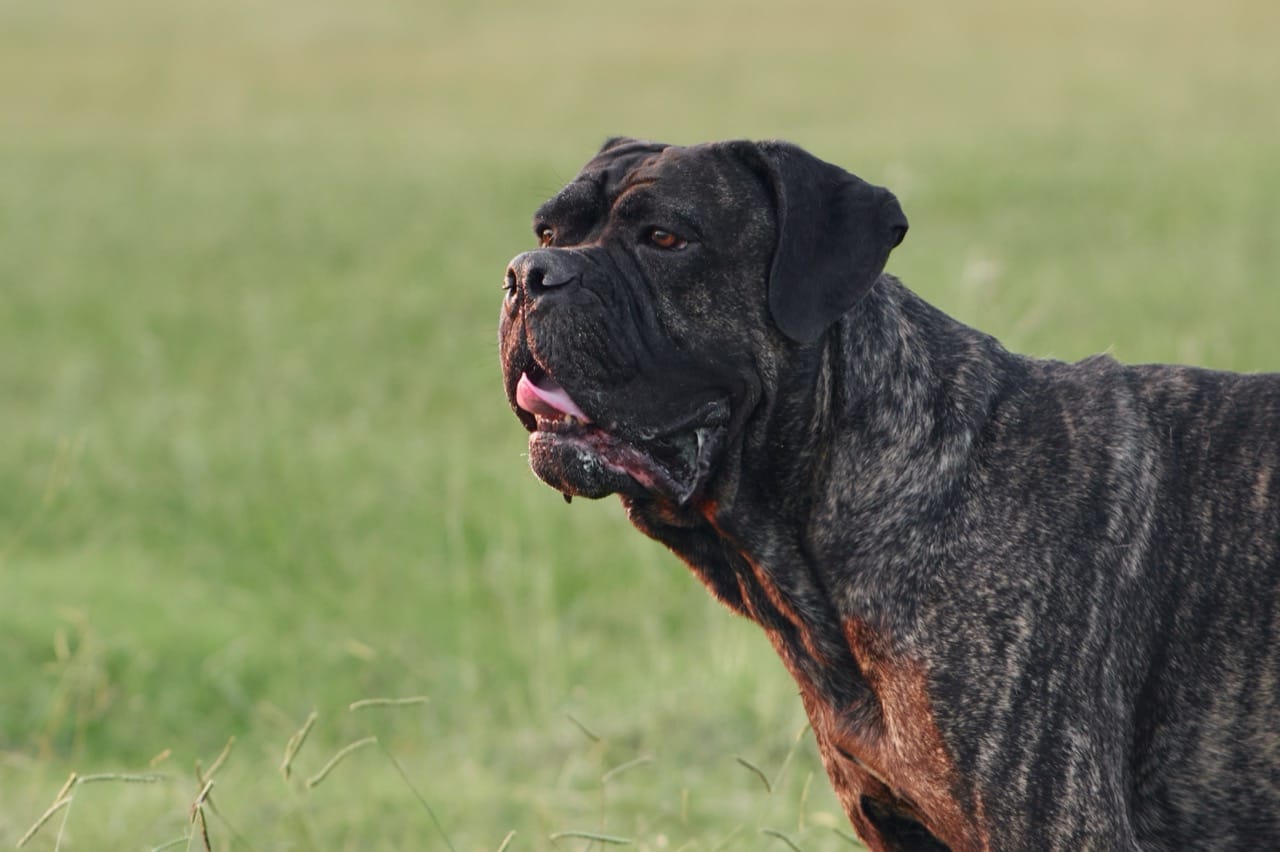
Thermal regulation is also worth understanding because a muscular, dark-coated dog can overheat without looking distressed until it is serious. Dogs cool mainly by panting and through limited sweating in their paw pads. Humidity, heat, and a heavy body can overwhelm that system. Practical steps like shade, cool water, avoiding midday workouts, and learning early signs of heat stress can prevent emergencies. In cold weather, that same athletic build can handle activity well, but thin skin over short coat means some individuals still appreciate protection during long, wet exposure.
Behavior is where early experience leaves measurable fingerprints. Socialization is not just meeting people; it is carefully building positive associations with sounds, surfaces, handling, and calm proximity to strangers and other animals. Studies across breeds show that early, controlled exposure reduces fear responses and improves resilience. For a naturally watchful guardian type, this can be the difference between confident neutrality and suspicious reactivity. Training that rewards calm choices, teaches impulse control, and uses clear boundaries tends to produce a dog that is both safe and impressive.
Modern tech can help, but it is not magic. Veterinary imaging like X rays, ultrasound, CT, and MRI can reveal joint changes, soft tissue injuries, or spinal issues that might not be obvious from a limp alone. Yet imaging is a snapshot, not the whole story; symptoms, physical exams, and lifestyle still guide decisions. Wearable sensors and GPS trackers can estimate activity, rest patterns, and sometimes scratching or heart rate trends, which can be useful for spotting changes early. They cannot diagnose disease, measure emotions, or replace hands-on observation. The best approach treats data as a clue, not a verdict.
When you connect these lab notes to daily life, the Cane Corso becomes less of a stereotype and more of a fascinating working athlete. Thoughtful breeding, smart puppy raising, evidence-based training, and sensible use of veterinary and wearable tools can help this powerful dog stay healthy, stable, and a joy to live with.