Can You Spot an Airedale Terrier?
Quiz Complete!
Can You Spot an Airedale Terrier? Clues, Lookalikes, and What Makes the King of Terriers
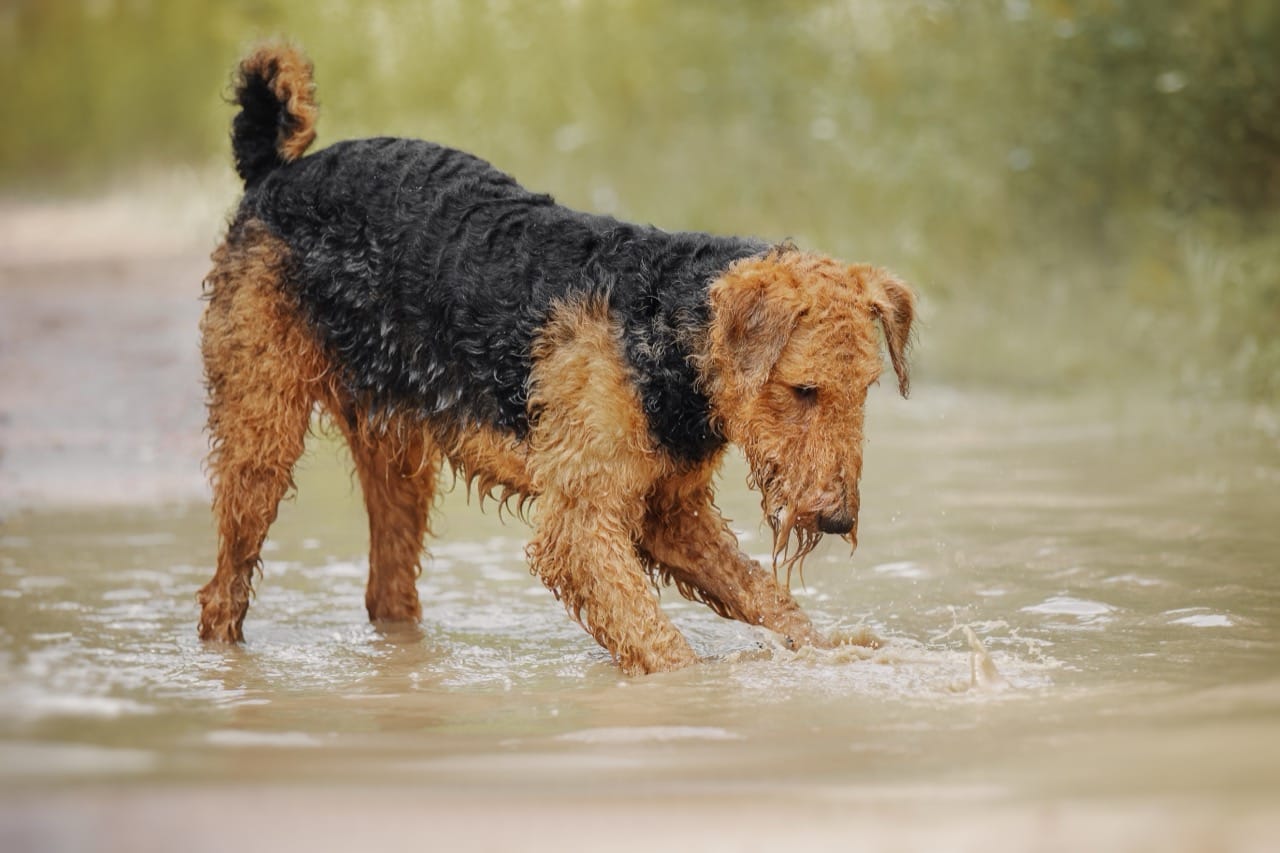
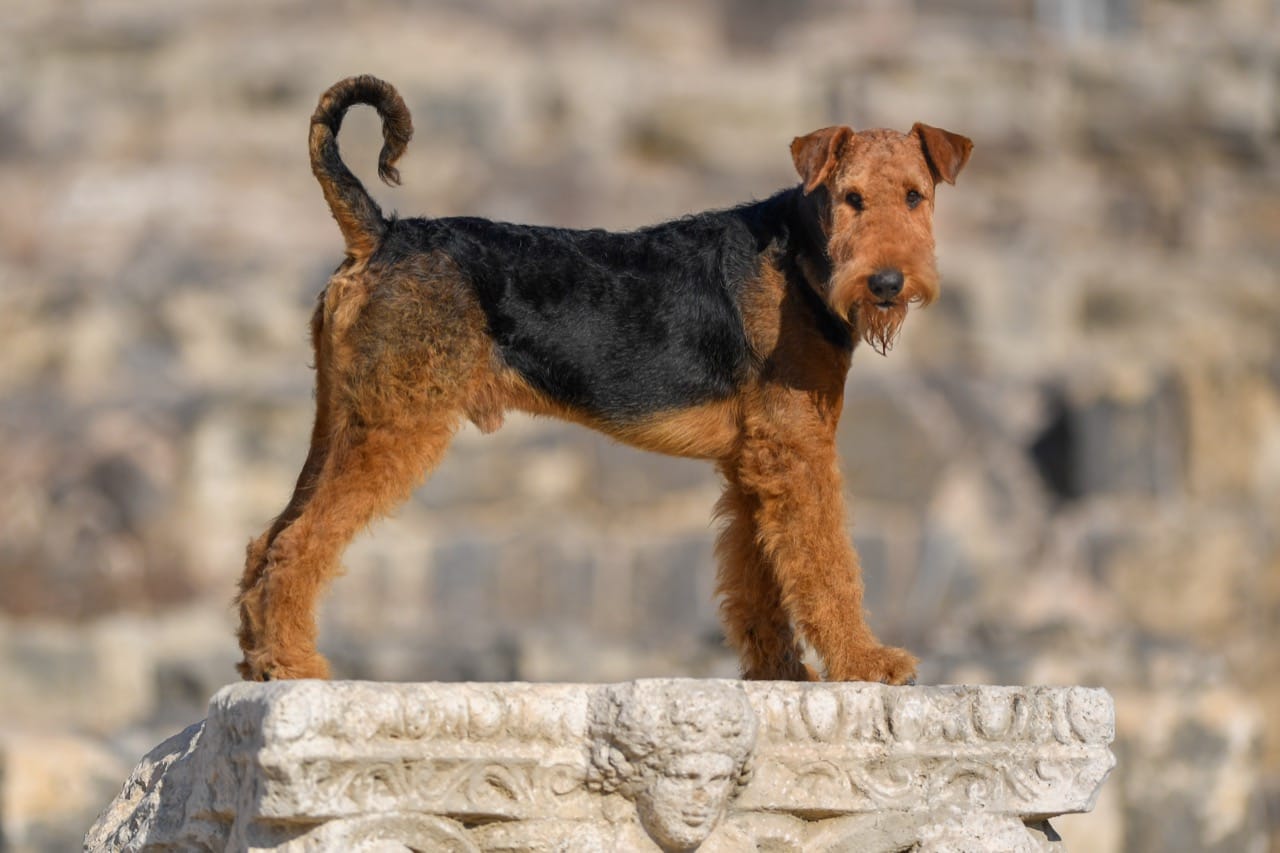
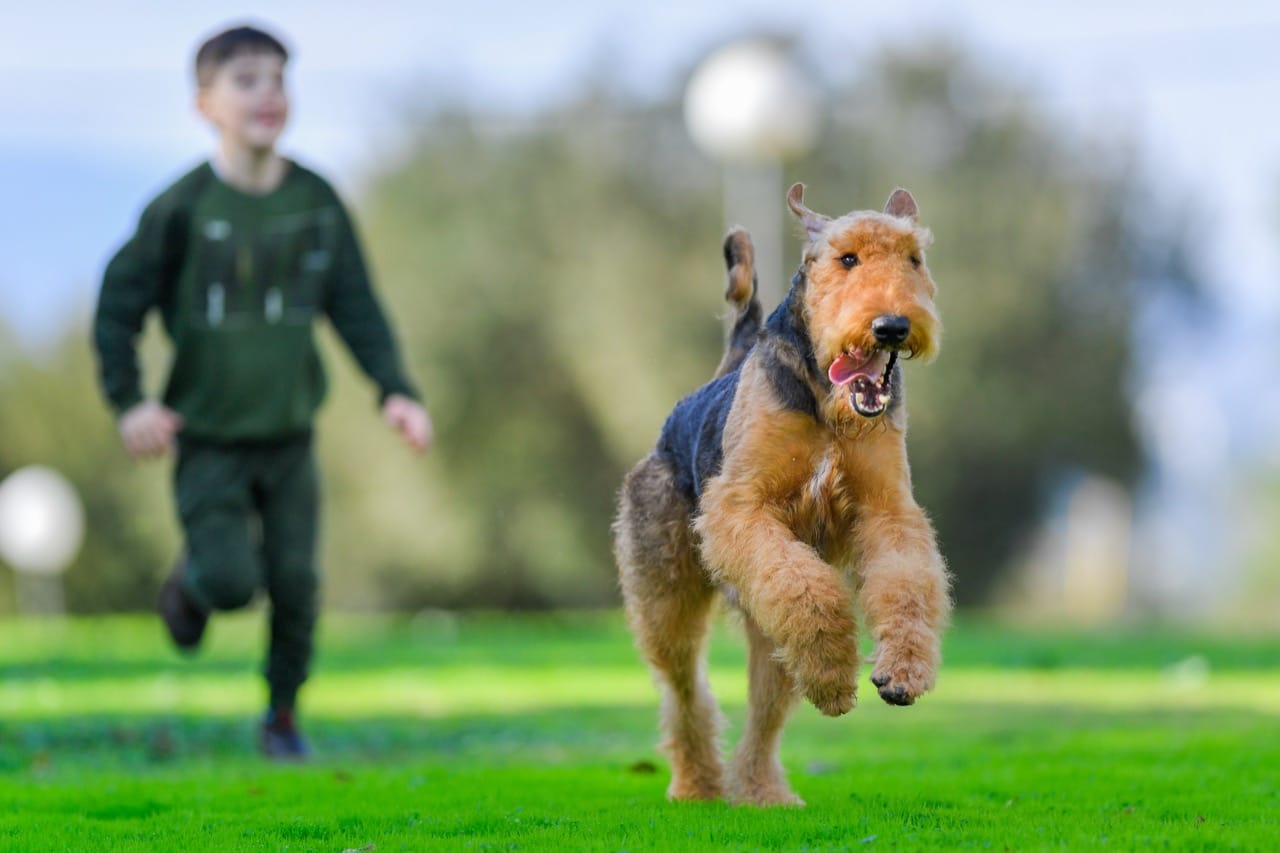
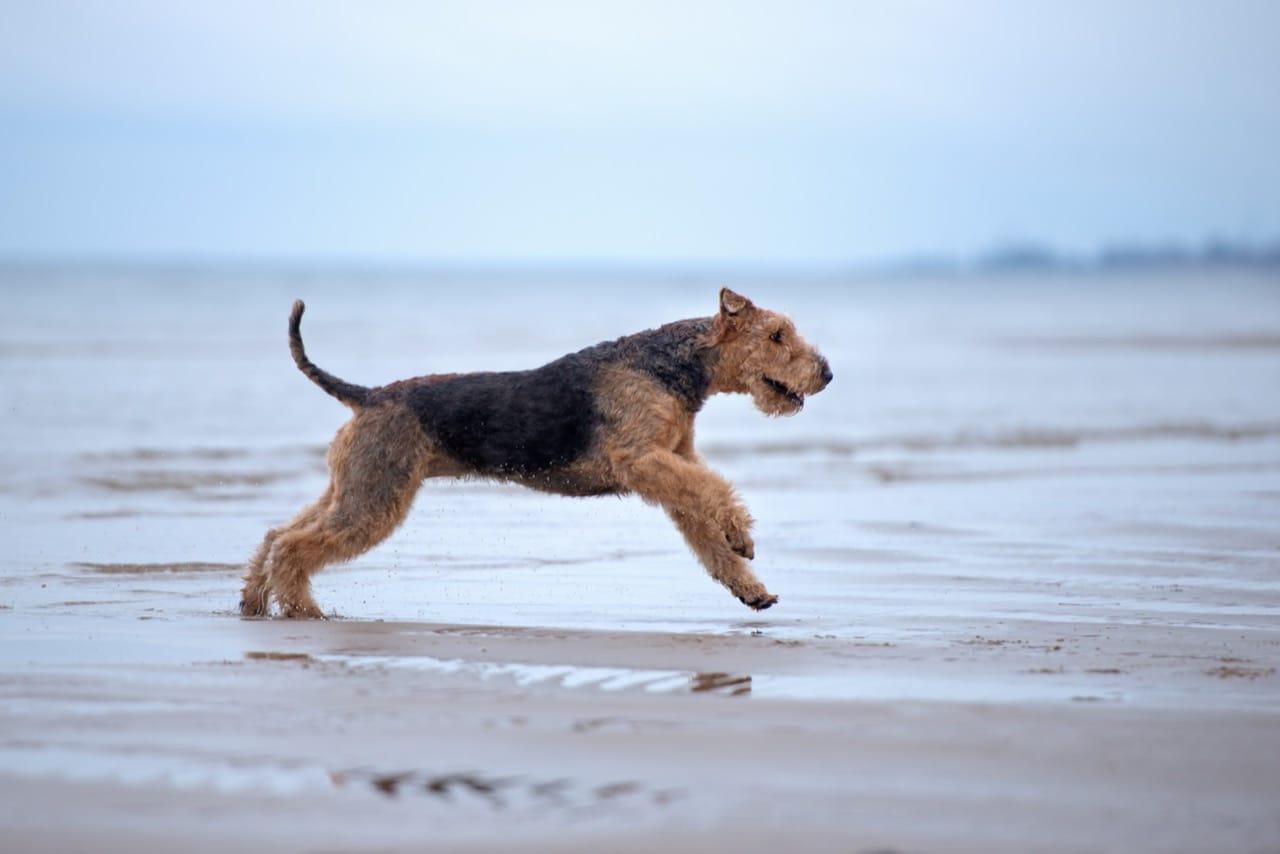
At first glance, an Airedale Terrier can look like several other wiry coated dogs, which is exactly why people mix them up so often. But once you know what to look for, the Airedale stands out with a combination of size, outline, and attitude that is hard to miss. Often called the King of Terriers, it is the largest of the terrier breeds, built more like an athletic all purpose working dog than a tiny earth digger. That big dog confidence is part of the giveaway: Airedales tend to carry themselves like they belong anywhere, alert and ready for action.
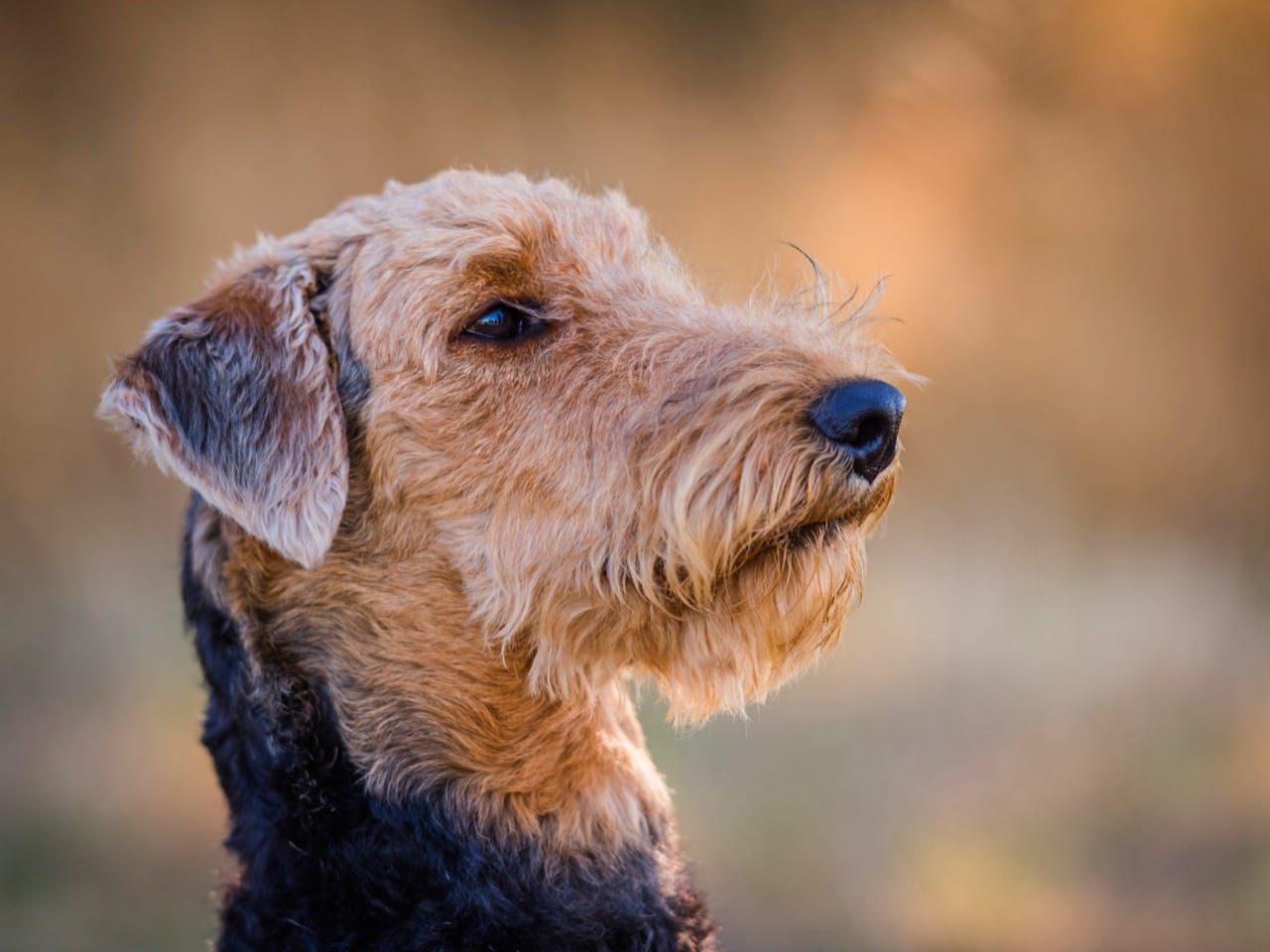
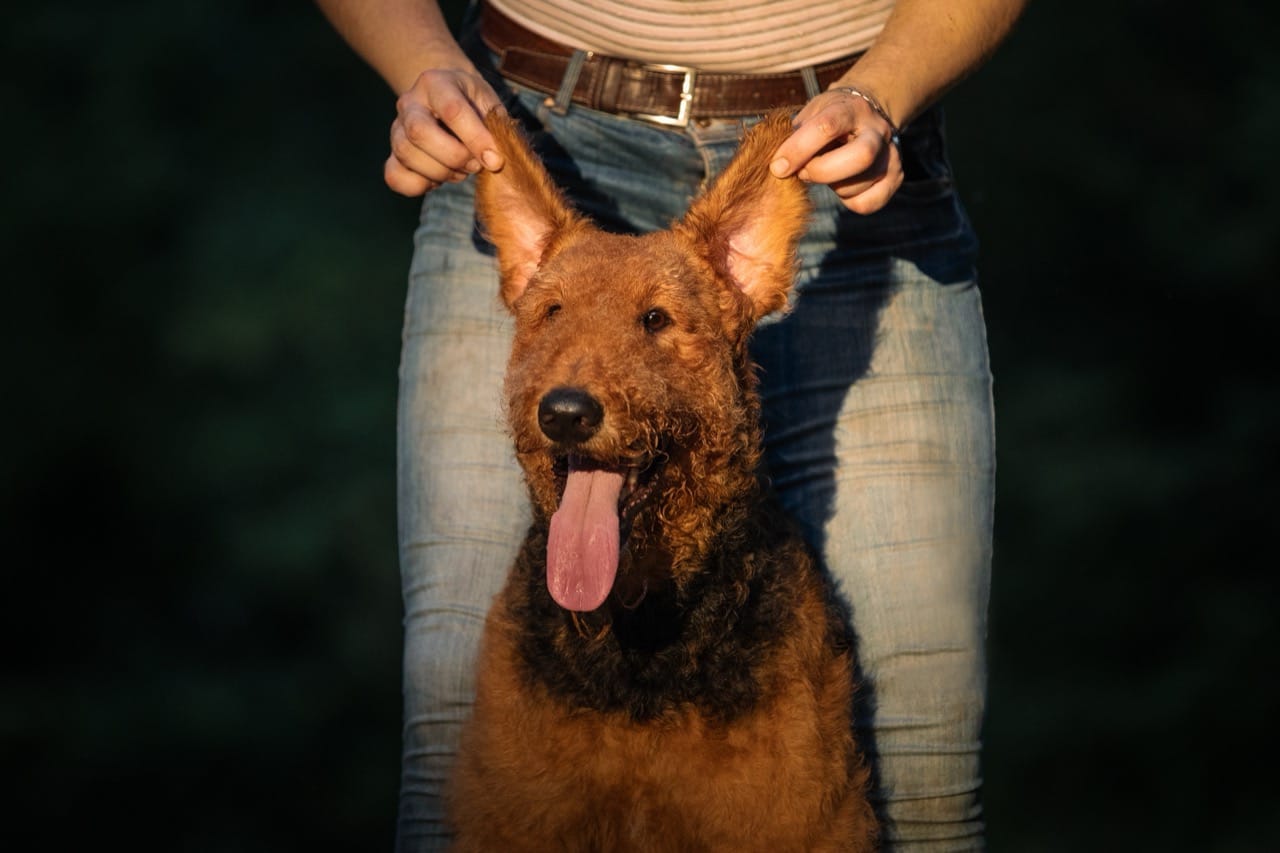
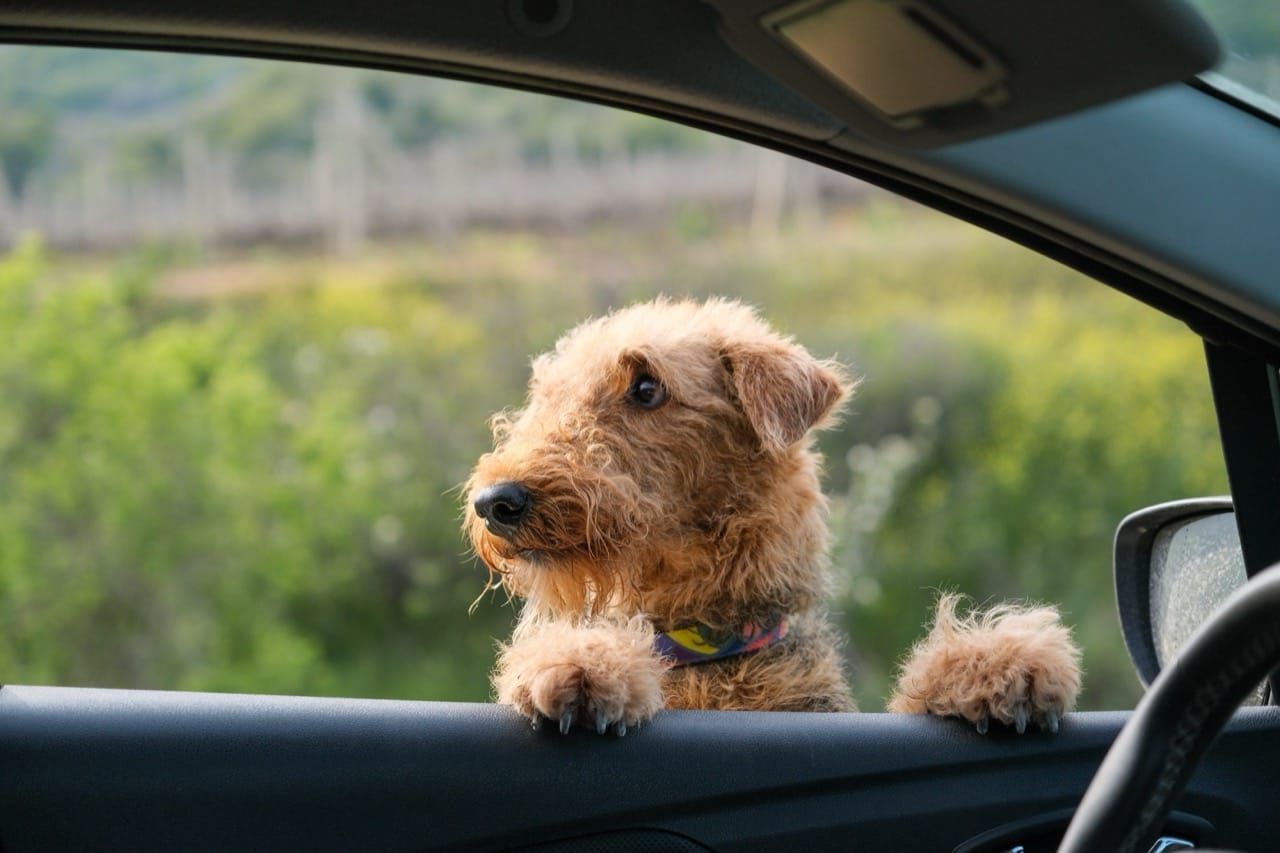
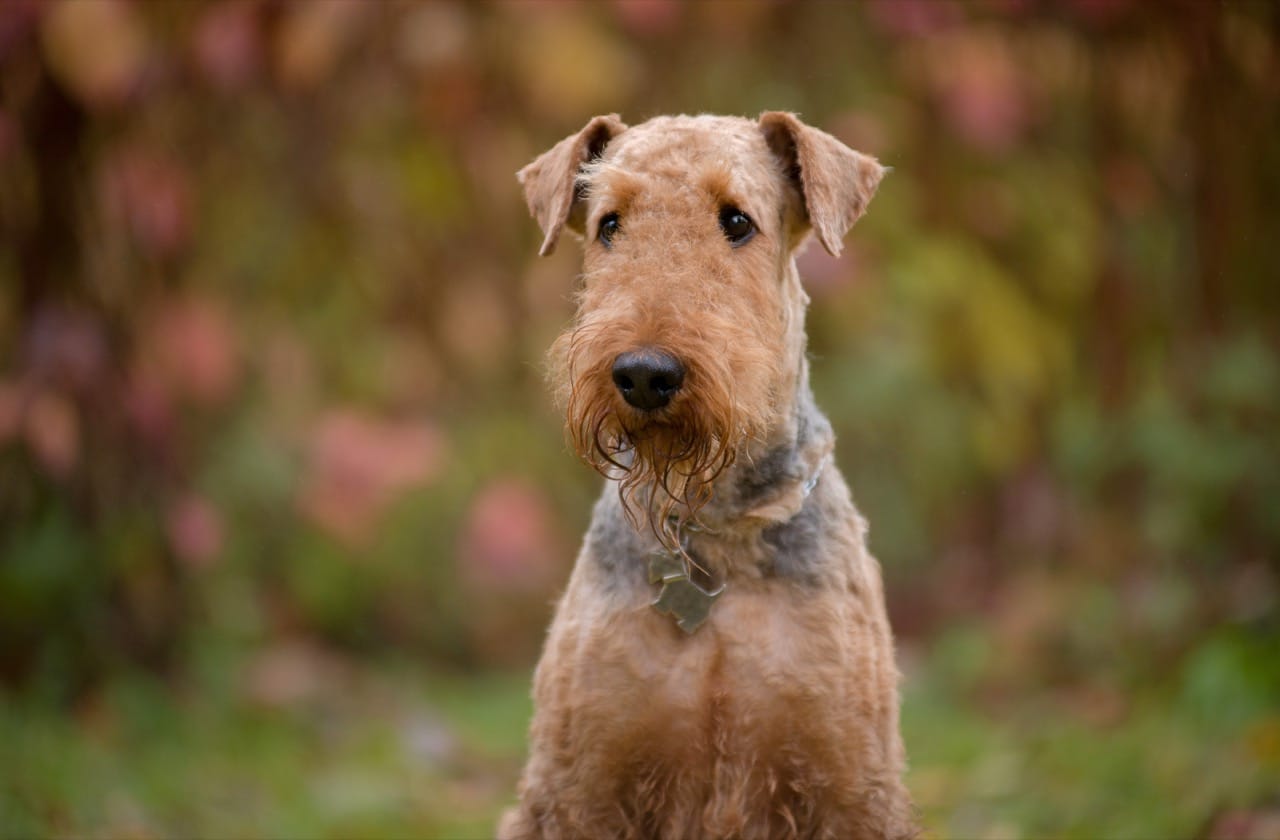
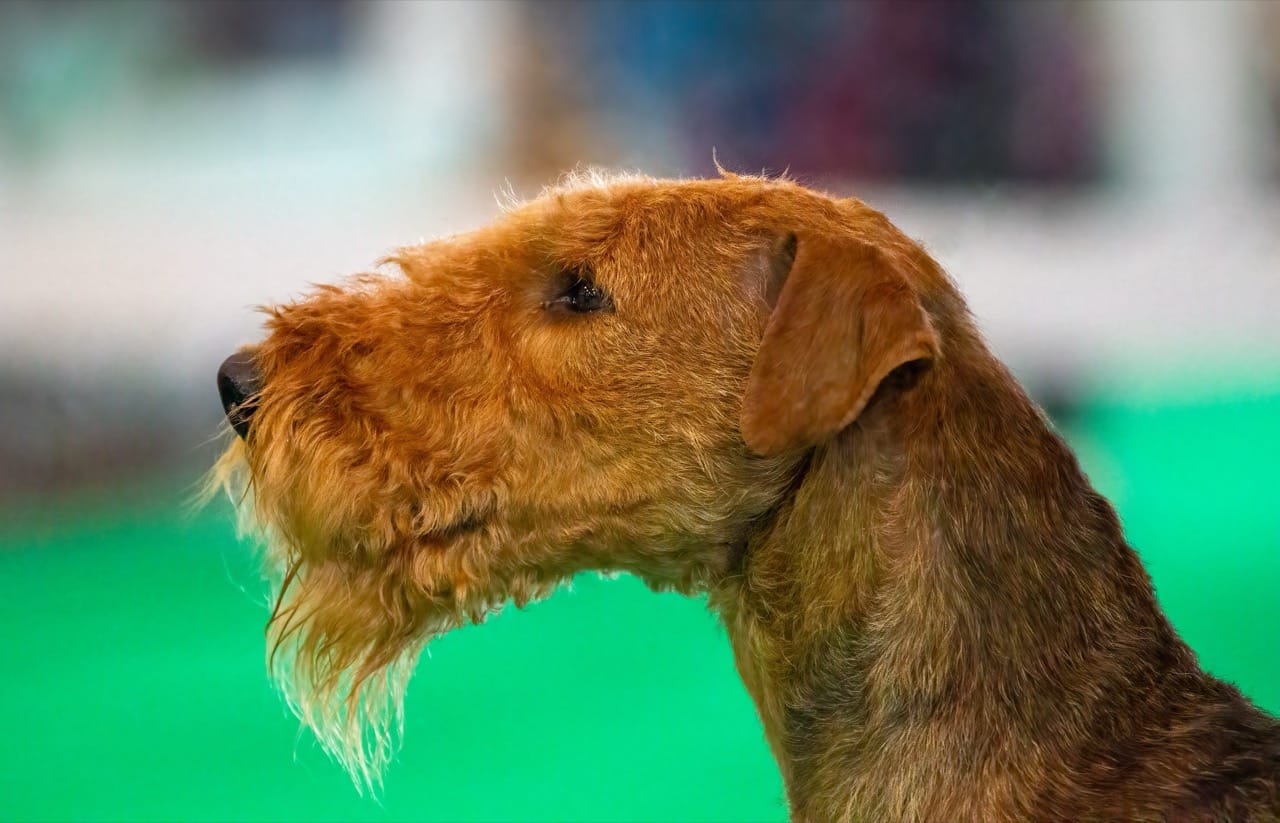
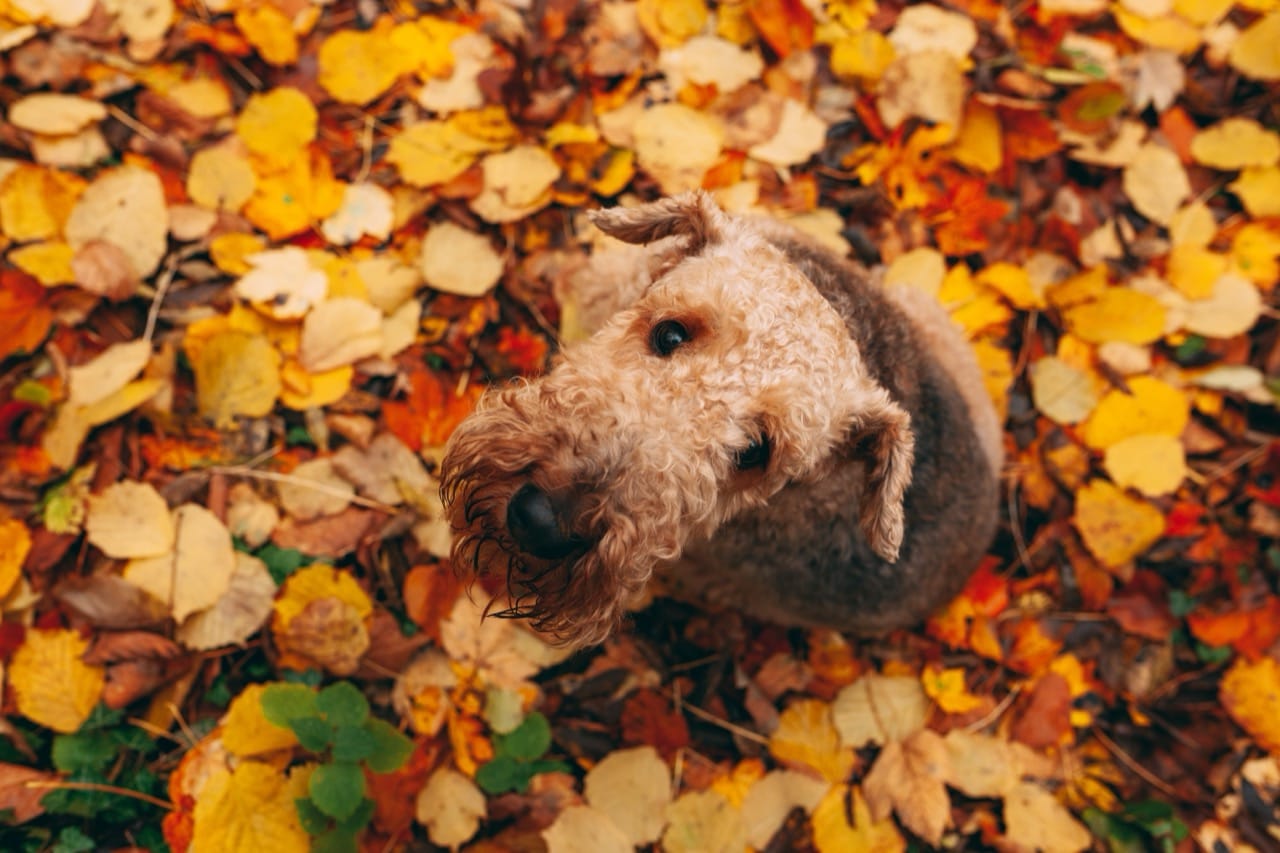
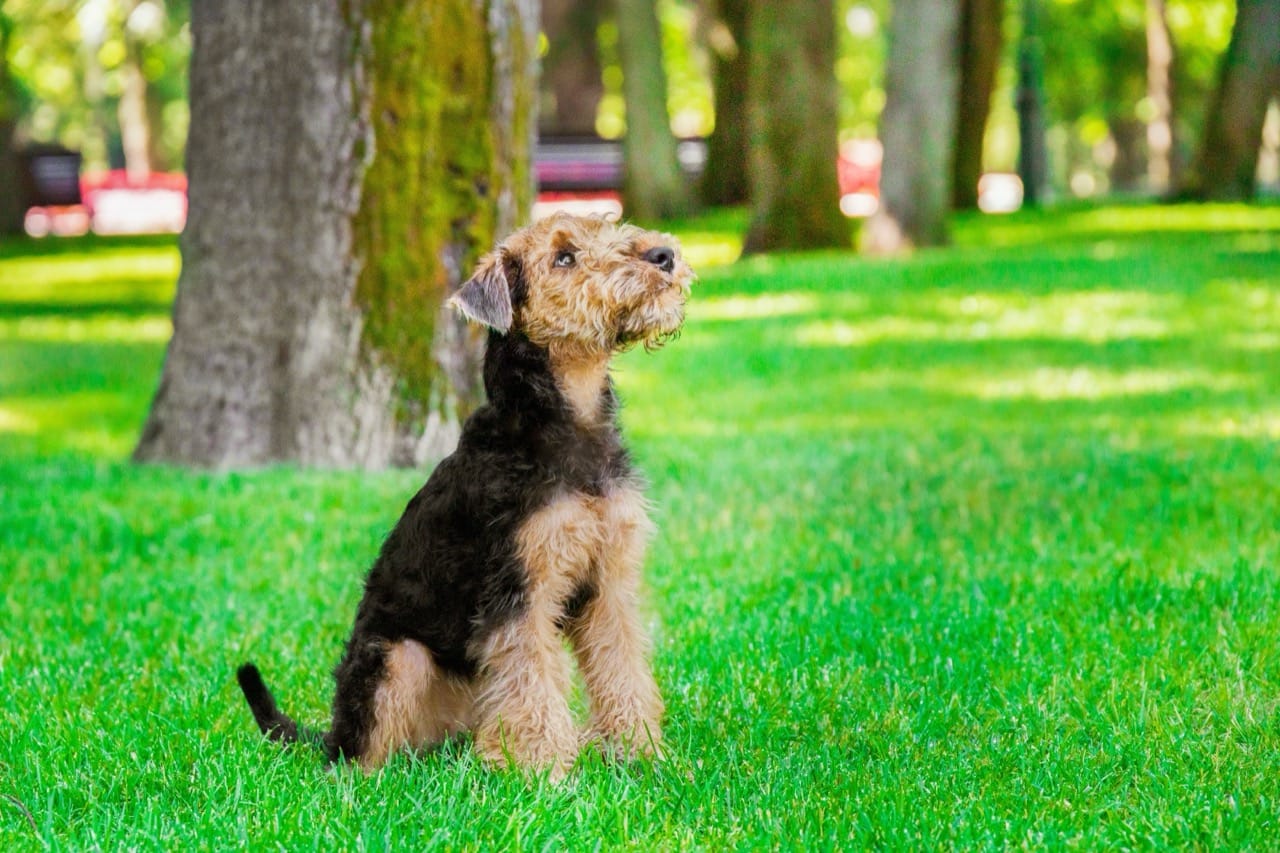
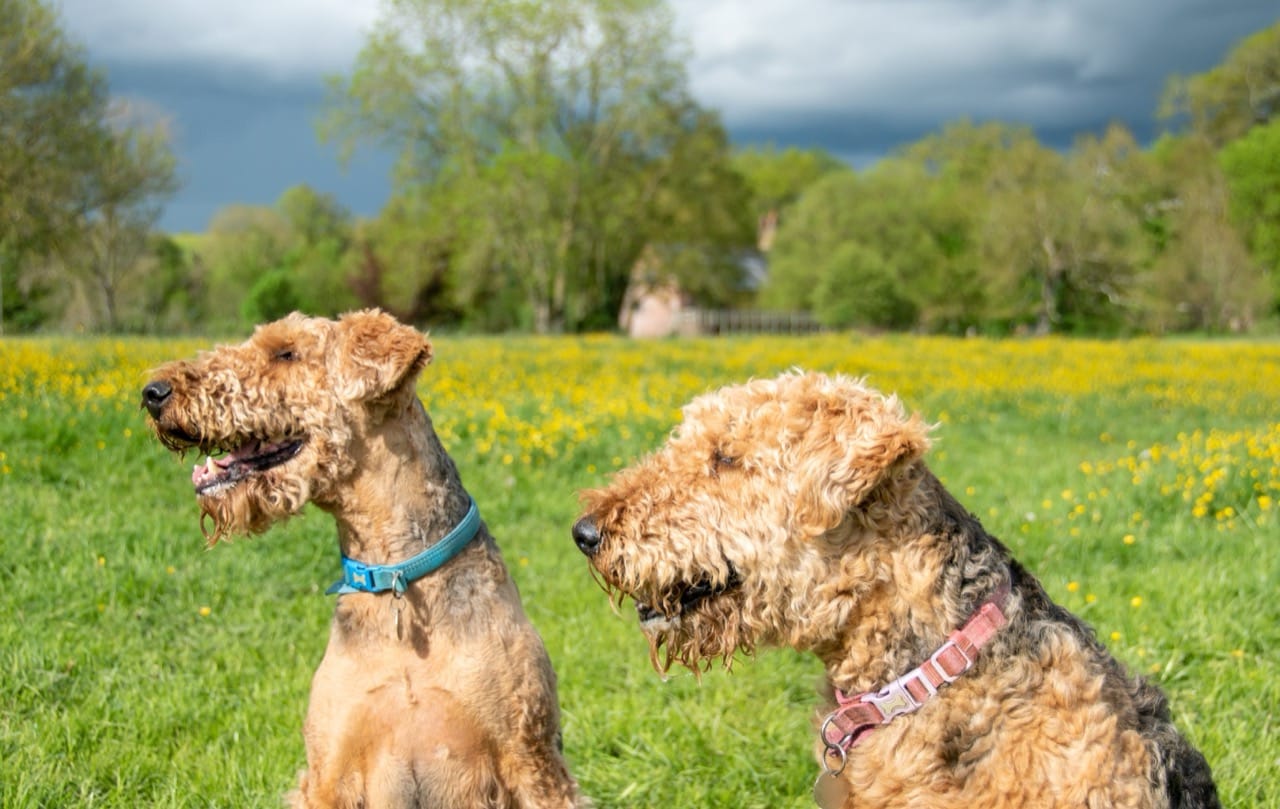
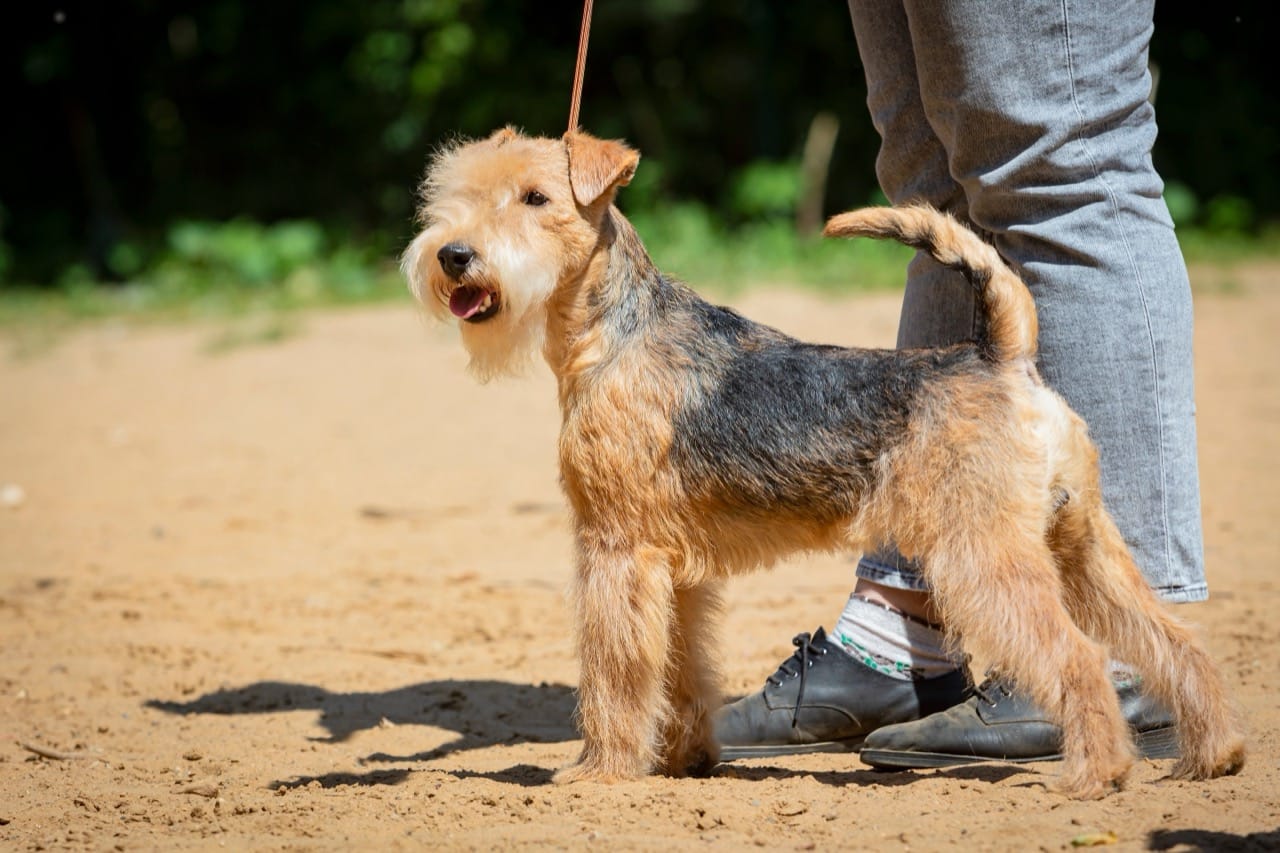
The classic Airedale look starts with the head. The skull is long and fairly flat, with a strong muzzle and a beard that gives the face a rectangular shape. The ears are small and fold forward in a neat V, sitting high on the head. The expression is bright and focused, as if the dog is always taking notes. Coat texture is another key clue. An Airedale has a harsh, dense, wiry outer coat with a softer undercoat. It should not look fluffy or silky, and it should not hang in long curtains. The most common color pattern is a black saddle on the back with tan legs, chest, and head. If you see a similarly colored dog with a softer coat and feathery hair on the legs, you may be looking at a different breed.
Size helps you separate an Airedale from many lookalikes. People sometimes confuse them with Welsh Terriers, Lakeland Terriers, or Wire Fox Terriers, but those breeds are much smaller. On the other hand, some Airedales get mistaken for larger, shaggier dogs like the Giant Schnauzer. Schnauzers usually have a more pronounced eyebrow look, a different head shape, and a coat that is often groomed into a distinct pattern. Another frequent mix up is with doodle type mixes that have a similar outline, but those typically have curlier, softer coats rather than a crisp wire texture.
The Airedale comes from the Aire Valley in Yorkshire, England, where it was developed as a versatile working dog. It hunted rats and otters, ran alongside hunters, and proved useful on farms. That versatility followed the breed into modern history: Airedales served as messenger dogs, guard dogs, and even worked with police and military units in earlier eras. Their nickname is not just about size, but about their reputation for being capable at almost anything when trained well.
Temperament is another identification clue when you meet one in real life. Airedales are typically confident, curious, and independent minded. They can be affectionate with their people but are rarely clingy. Many have a playful, slightly mischievous streak, and they often enjoy carrying objects around like trophies. Because they were bred to think on the move, they do best with training that feels like a game rather than endless repetition. Without enough mental and physical activity, an Airedale may invent its own entertainment, which can include digging, barking, or redecorating your living room.
Care needs also fit the breed spotting puzzle. That wiry coat does not shed in the same way as many short coated breeds, but it does require regular grooming. Brushing helps prevent mats, and many owners use trimming or hand stripping to keep the coat looking crisp. Exercise is non negotiable: brisk walks, running, hiking, and training sessions help keep the dog balanced. If you are trying to identify an Airedale quickly, look for the tall terrier frame, the black saddle and tan body, the squared beardy face, and the confident, ready for anything posture. Once those pieces click, the King of Terriers becomes much easier to spot.