Cafes, Canvases, and Companions French Bulldog Lore



Quiz Complete!
Cafes, Canvases, and Companions: How French Bulldogs Became Cultural Icons
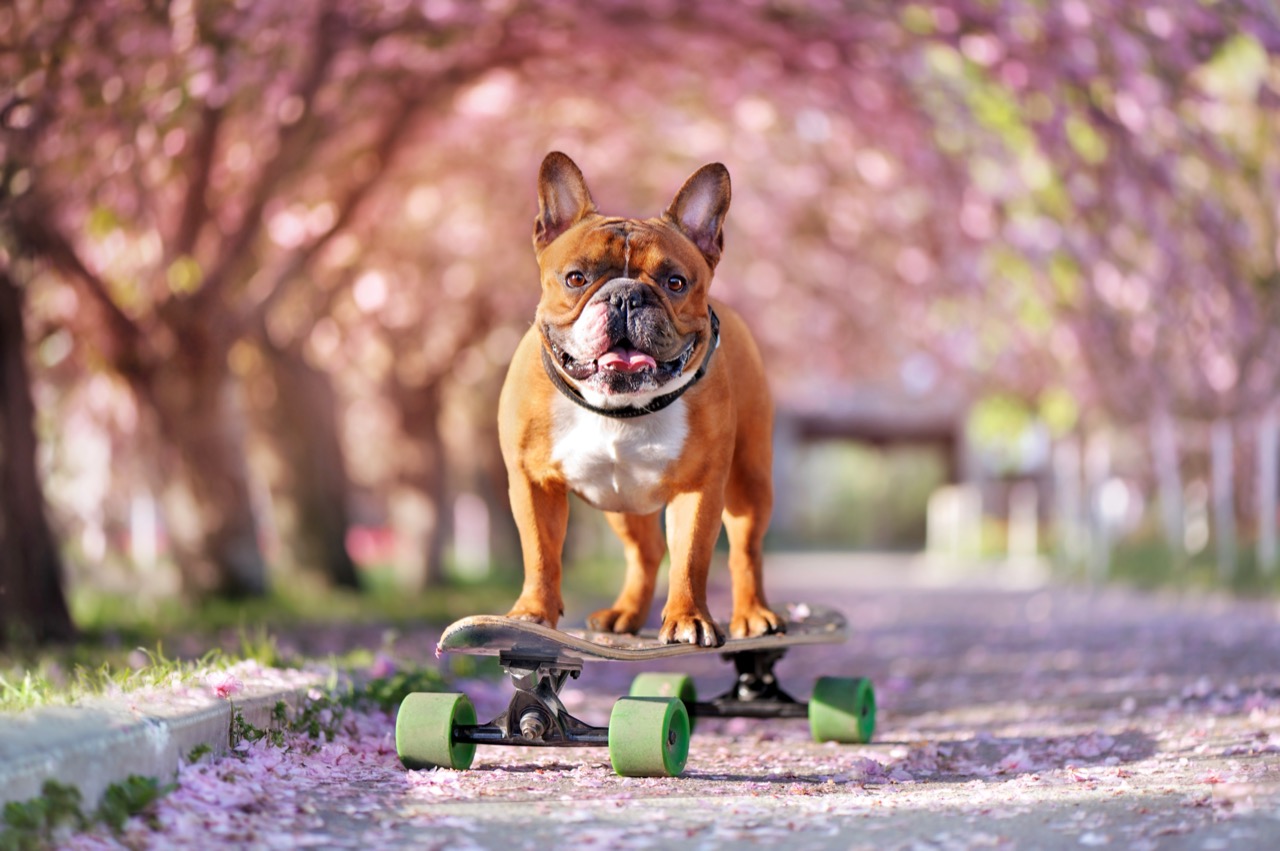
French bulldogs are often pictured as compact apartment dogs with big ears and bigger personalities, but their story is also a tour through modern urban culture. Long before they became a social media staple, these little bulldogs moved through working neighborhoods, art studios, and fashionable cafes, picking up meaning as they went.
The breed’s roots are tied to England, where small bulldog types were kept by people who wanted a tough-looking companion in a smaller package. In the nineteenth century, as industries shifted and skilled workers relocated, some of these dogs traveled with their owners across the Channel. In France, the dogs found a new audience. They fit neatly into dense city life and became popular with a mix of Parisians, including shopkeepers and artisans, as well as people drawn to the bohemian scene. A small dog that could handle city noise and still charm strangers was perfect for public life.
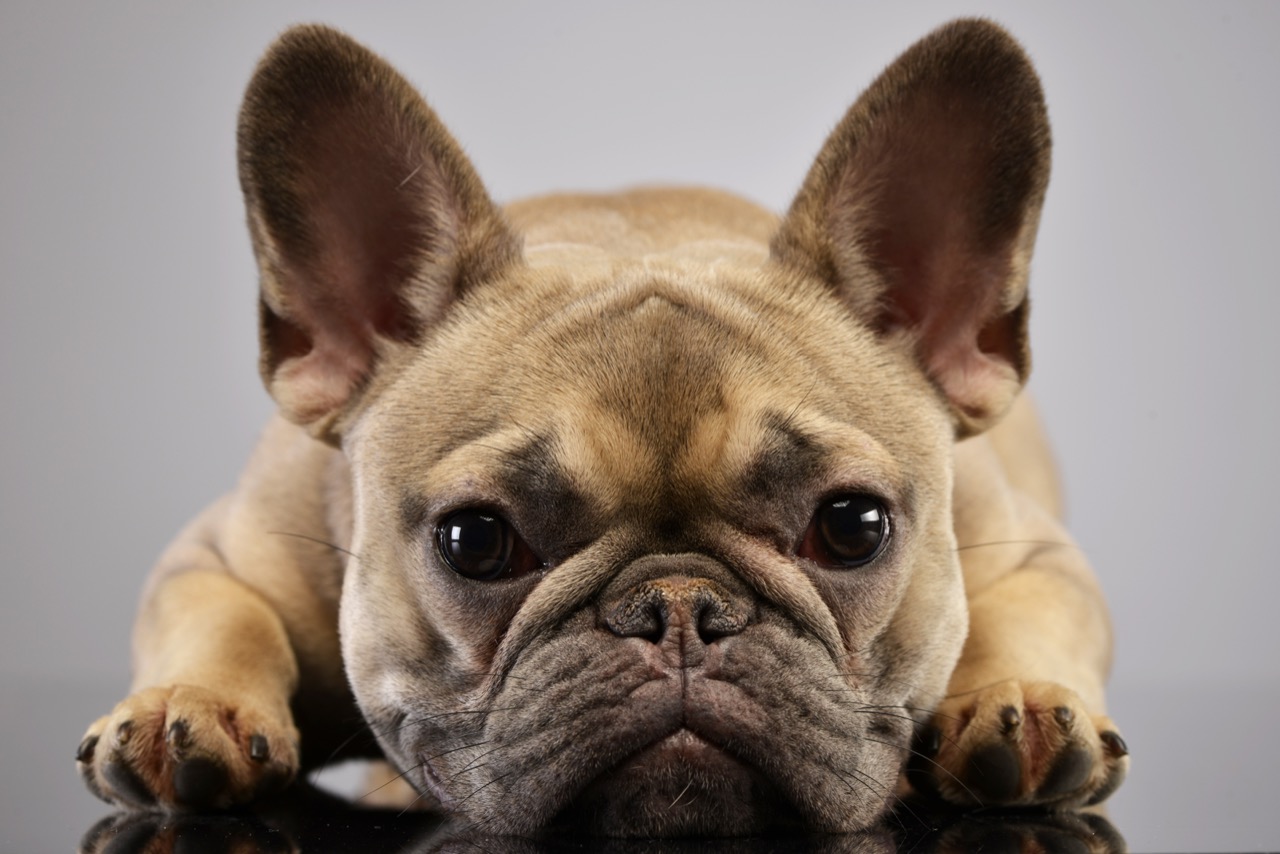
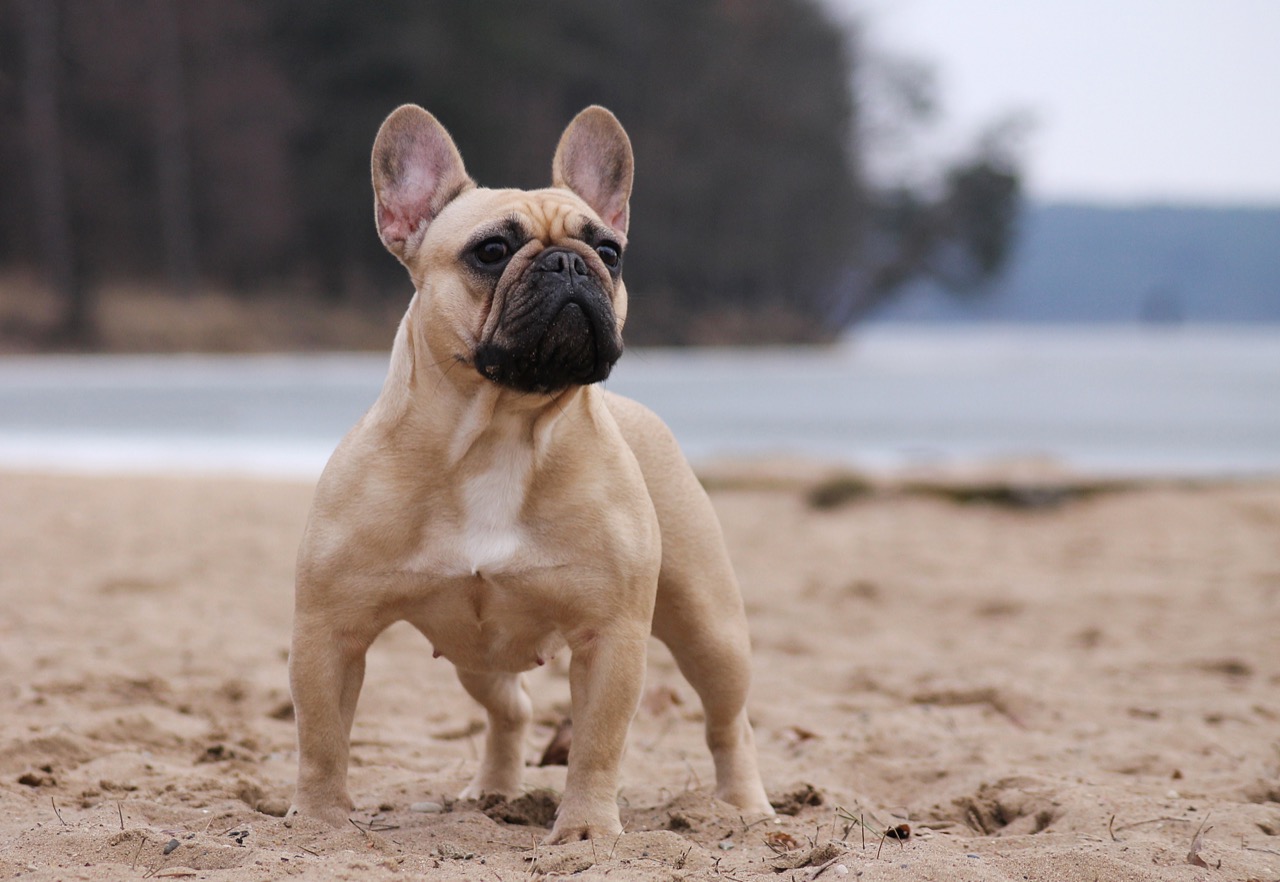
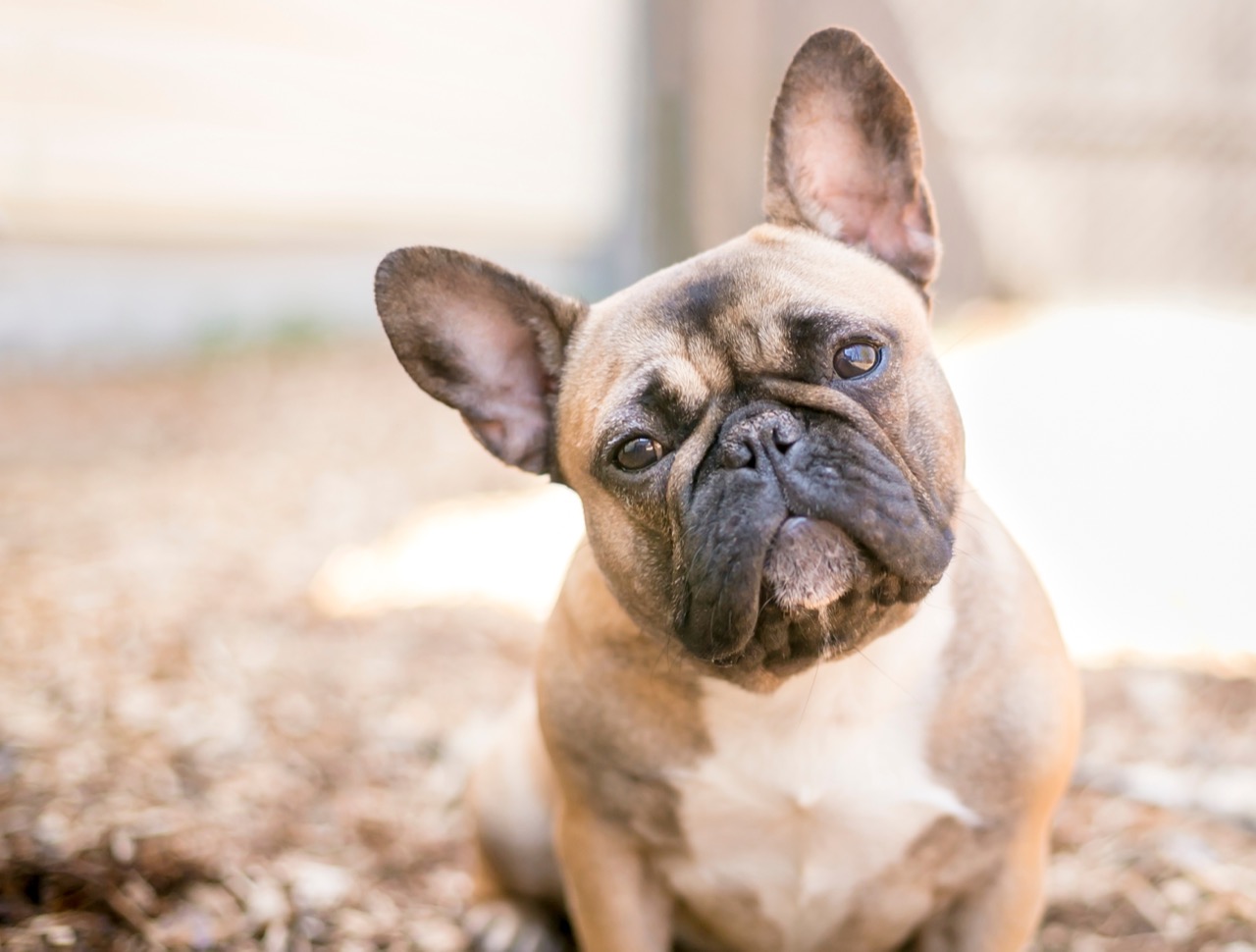
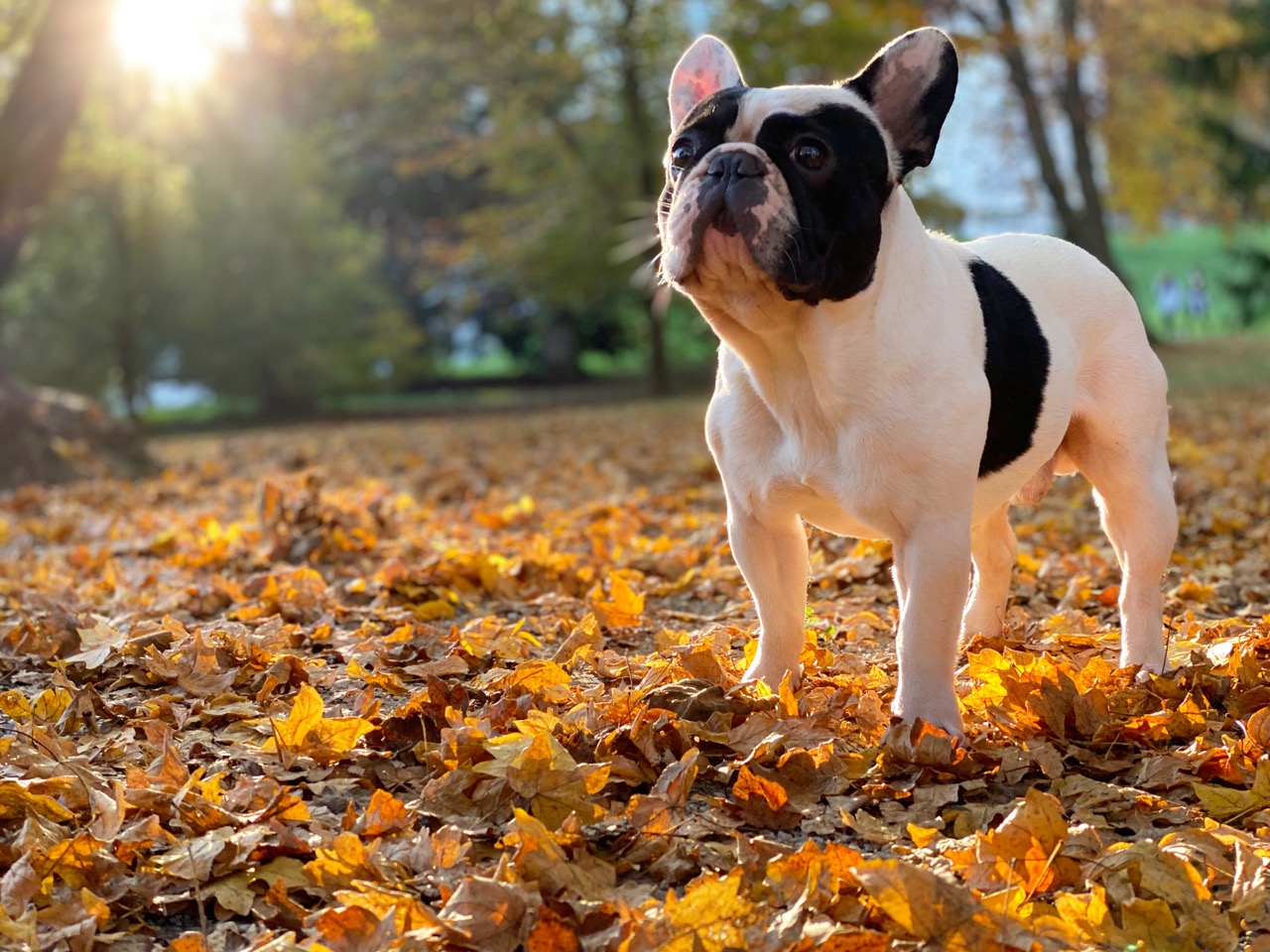
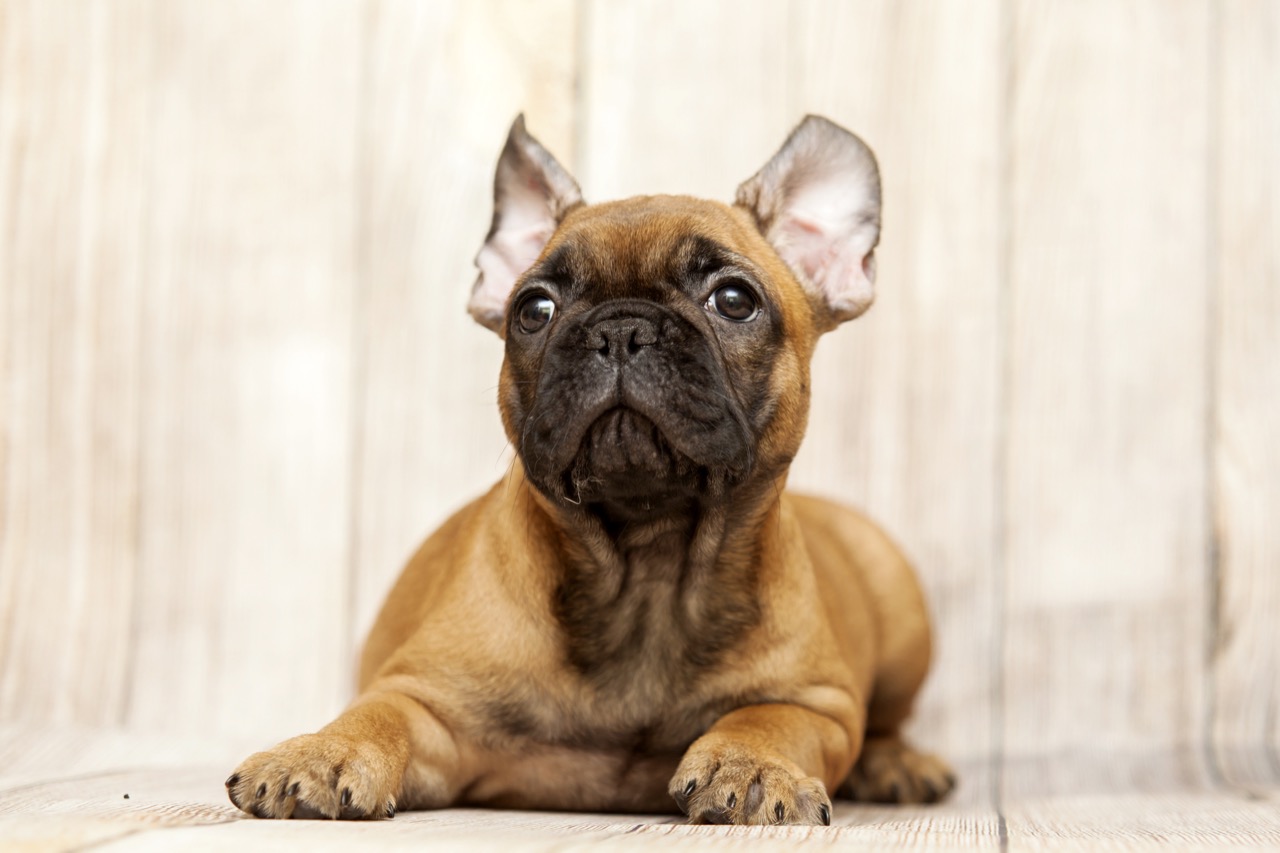
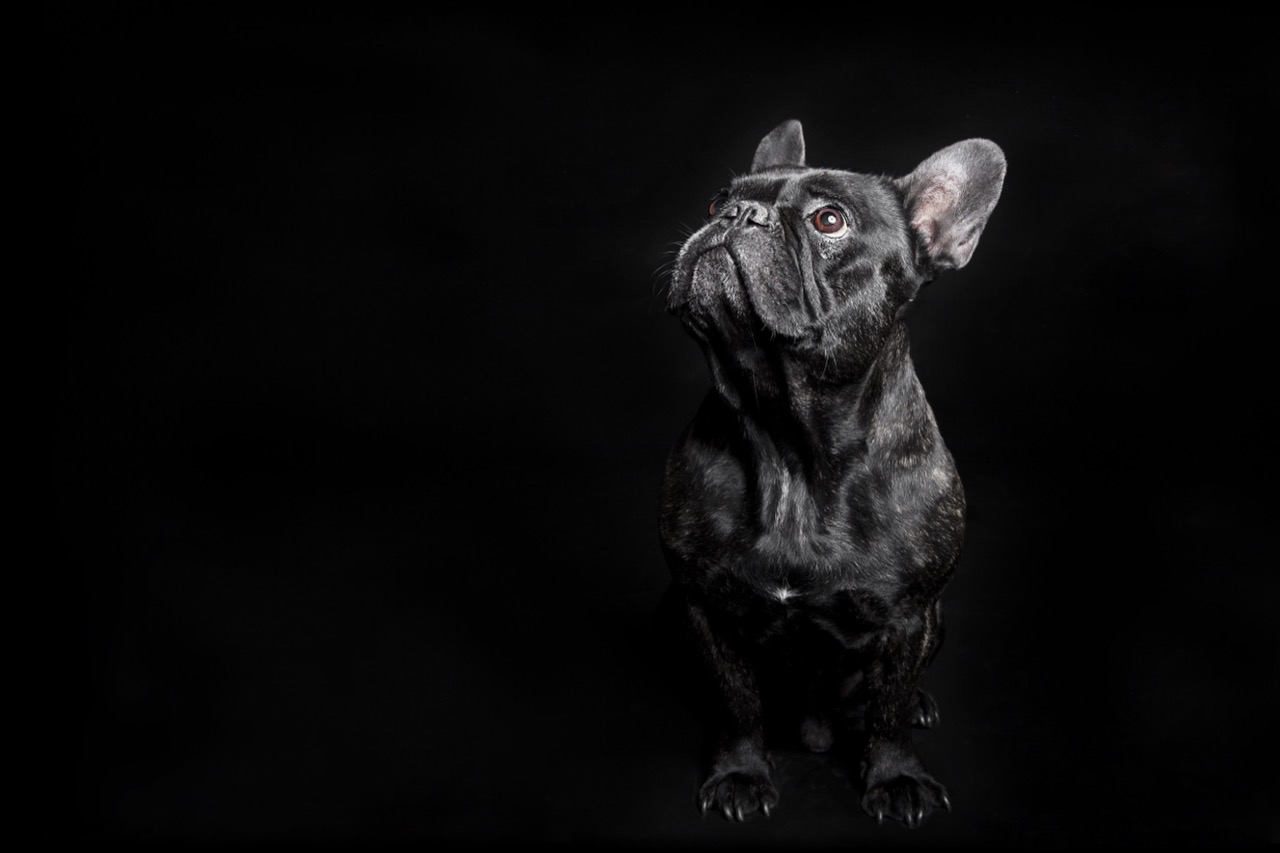
One reason French bulldogs became so recognizable is their ears. Early versions of the breed could have different ear shapes, but the upright “bat ear” became the signature look. That choice was not just aesthetic; it became a point of pride and sometimes controversy among fanciers. Standards for what counted as the ideal French bulldog were debated in clubs and show rings, and the bat ear eventually won out as the defining silhouette. Once a breed has a clear outline, it becomes easy to spot in paintings, photographs, and later advertisements.
Parisian cafe culture helped turn the French bulldog into a social signal. Cafes were places to see and be seen, and a distinctive dog acted like a living accessory with personality. The Frenchie’s expression, comical posture, and confident attitude made it a natural conversation starter. At the same time, artists and photographers were documenting everyday city scenes and the people who shaped them. Dogs often appear in portraits as symbols of loyalty or status, and French bulldogs were increasingly used to suggest modernity, urban sophistication, or playful luxury.
As photography became more common, the breed’s look translated well to the camera. The broad face, round eyes, and dramatic ears read clearly even in early images. That helped French bulldogs spread through postcards, studio portraits, and society snapshots. They began to appear alongside performers, socialites, and fashionable figures, reinforcing the idea that owning one meant you were part of a particular urban world.
The French bulldog’s rise also reflects changing ideas about pets. In earlier eras, many dogs had jobs, but city living pushed companionship to the foreground. Frenchies were not built for long-distance work; they were built to be near people. Their temperament, typically affectionate and clownish, matched the growing trend of pets as family members and emotional companions. Over time, nicknames and stereotypes followed: the Frenchie as a charming little rogue, a cafe regular, a dog with a face made for reacting to human drama.
In the modern era, celebrity pet culture amplified everything that was already there. A breed with a clear silhouette, a strong personality, and a history linked to style was ready-made for magazines and, later, the internet. French bulldogs became symbols of city life and fashion, sometimes celebrated for their individuality and sometimes criticized as a status purchase. That tension is part of their lore: adored as companions, displayed as social markers, and constantly shaped by human tastes.
Knowing this background makes the breed’s cultural footprint easier to recognize. French bulldogs did not become icons by accident. They were carried by migration, molded by club debates, photographed by a world fascinated with modern life, and adopted by people who wanted a companion that also said something about who they were. The result is a small bulldog with an outsized role in art, history, and the way we imagine the stylish city dog.