Bulldog Fact Filter True or False Quiz




Quiz Complete!
Bulldog Fact Filter: What’s True Behind the Tough-Guy Reputation
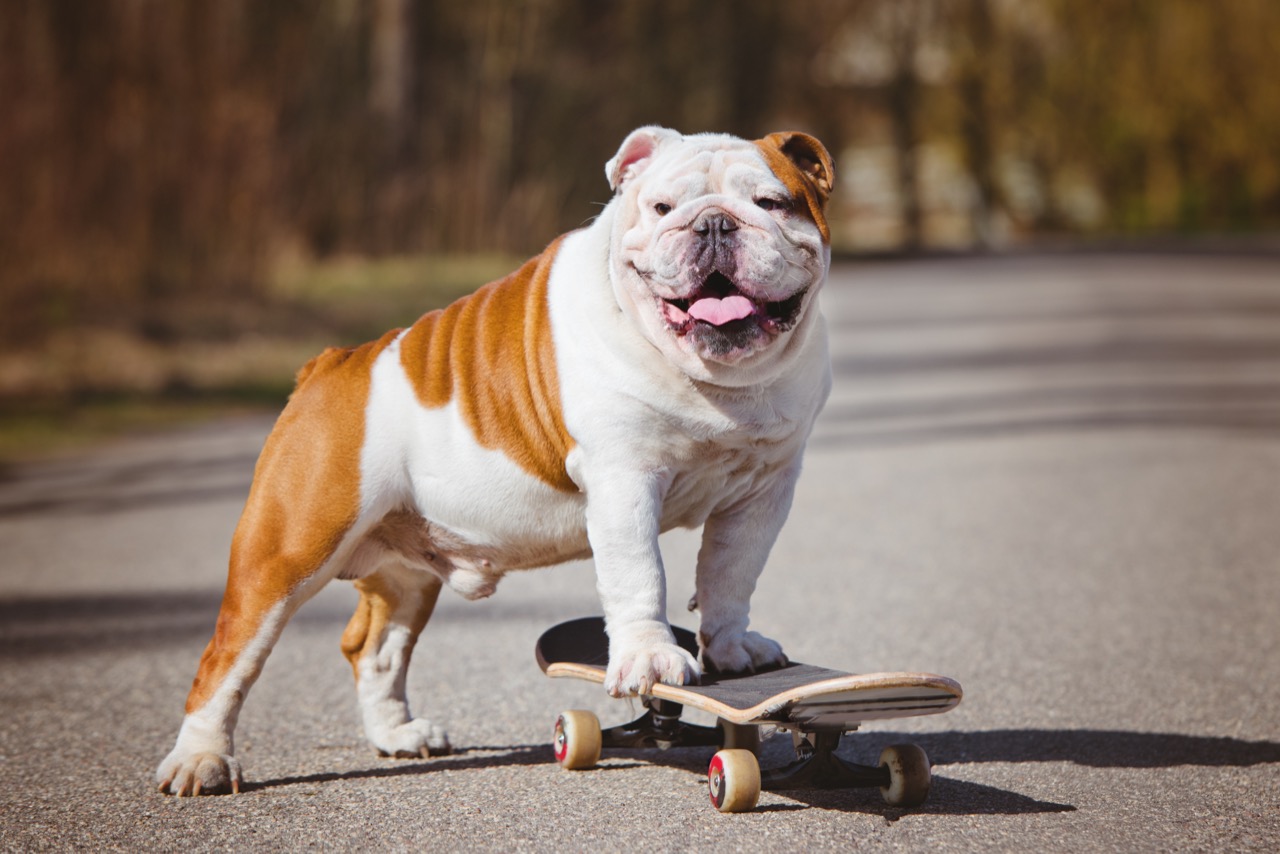
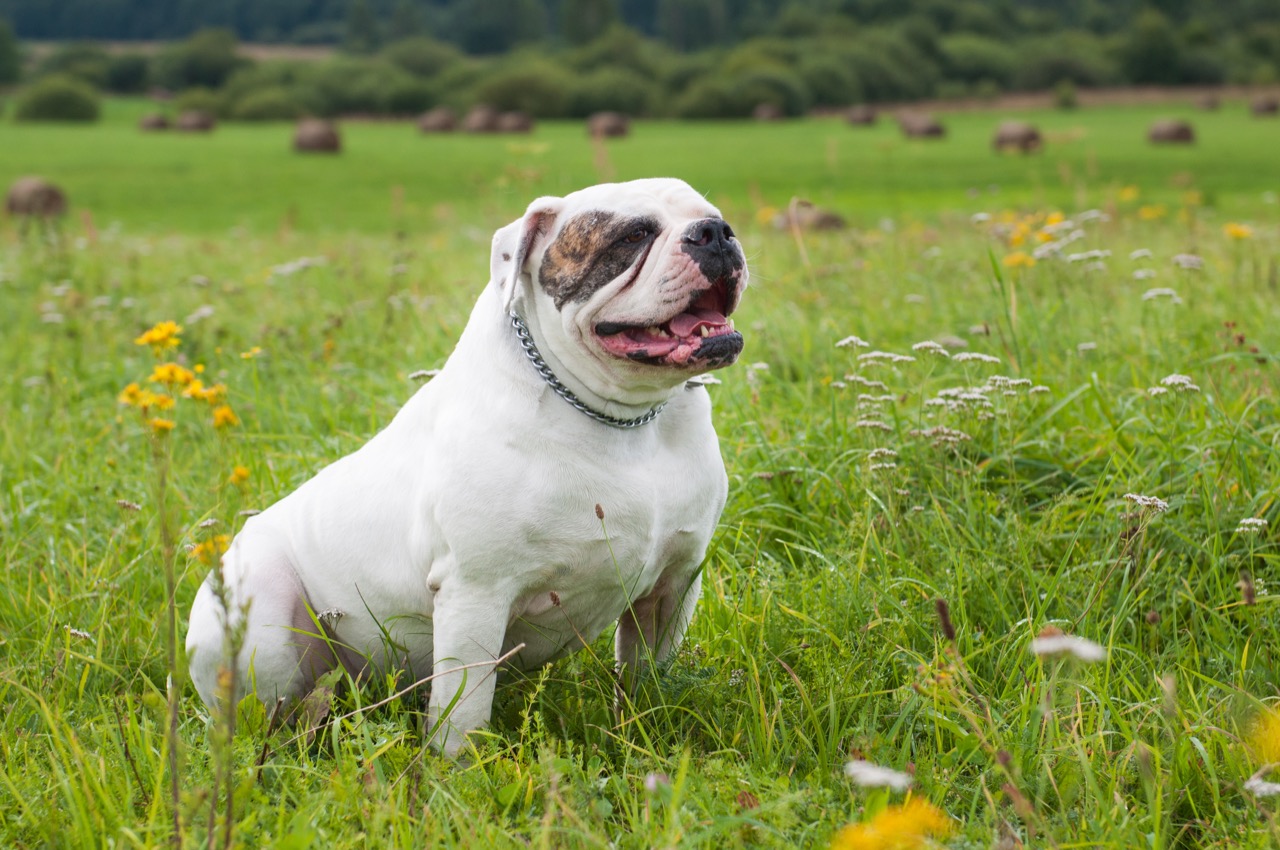
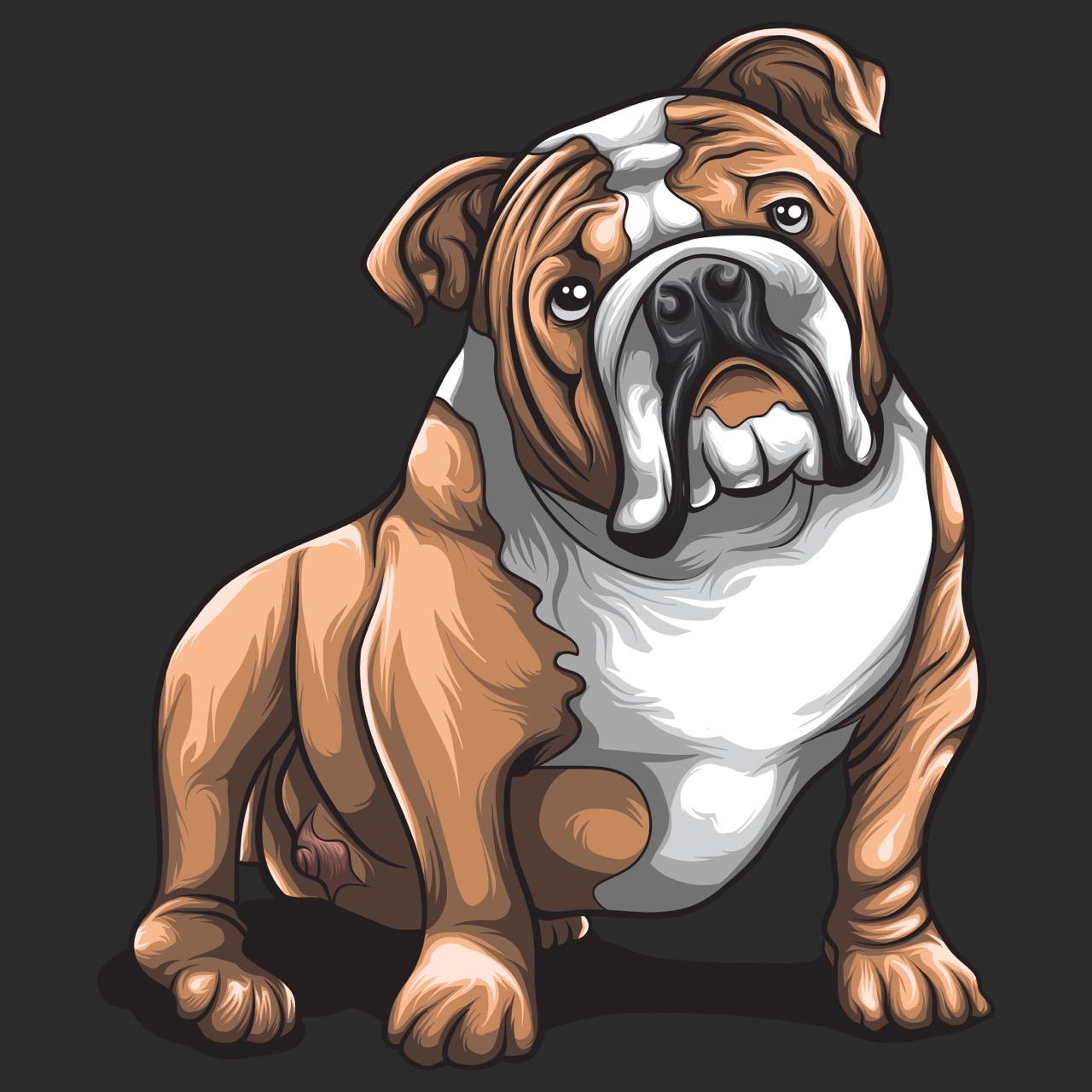
Bulldogs look like they were designed to be intimidating: broad shoulders, thick necks, a low-slung stance, and a face full of wrinkles that can read as a permanent scowl. That appearance fuels a lot of myths. In reality, most bulldogs are affectionate, people-focused companions who would rather nap near their favorite human than pick a fight. Their history includes bull-baiting centuries ago, but modern bulldogs have been bred for a very different role. Today, the typical temperament is steady, loyal, and often comically stubborn. They can be brave, but “aggressive by nature” is more fiction than fact when they are responsibly bred, socialized, and trained.
One of the most recognizable bulldog traits is the snoring. It is not just a funny quirk; it is closely tied to their head and airway structure. Many bulldogs have brachycephalic features, meaning a shortened skull and compressed upper airway. That can lead to noisy breathing, snorting, and sleep sounds that range from gentle rumbling to full-on chainsaw. For some dogs it is merely noisy, but for others it can signal brachycephalic obstructive airway syndrome, which may cause exercise intolerance, overheating, and difficulty breathing. Veterinary assessment matters because “normal for the breed” should never mean “ignore the problem.”
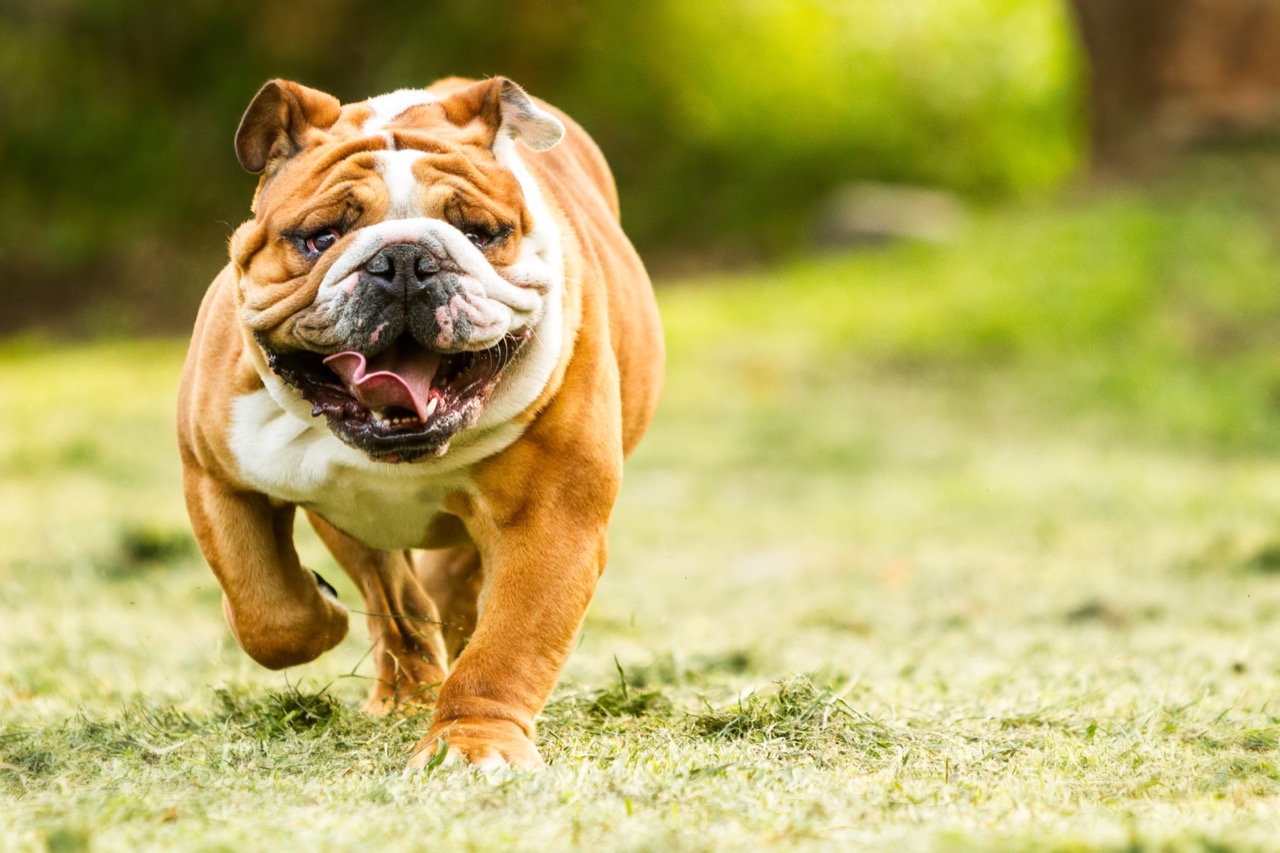
Heat is another area where instincts can mislead you. Bulldogs do not handle hot or humid weather well, and it is not because they are lazy. Dogs cool themselves mainly by panting, and a shortened airway can make panting less effective. Add a stocky body, a tendency toward being overweight, and sometimes reduced stamina, and you have a dog that can overheat quickly. On warm days, short walks, shade, and access to cool water are essential. Many owners schedule activity for early morning or evening and treat air conditioning as a safety tool, not a luxury.
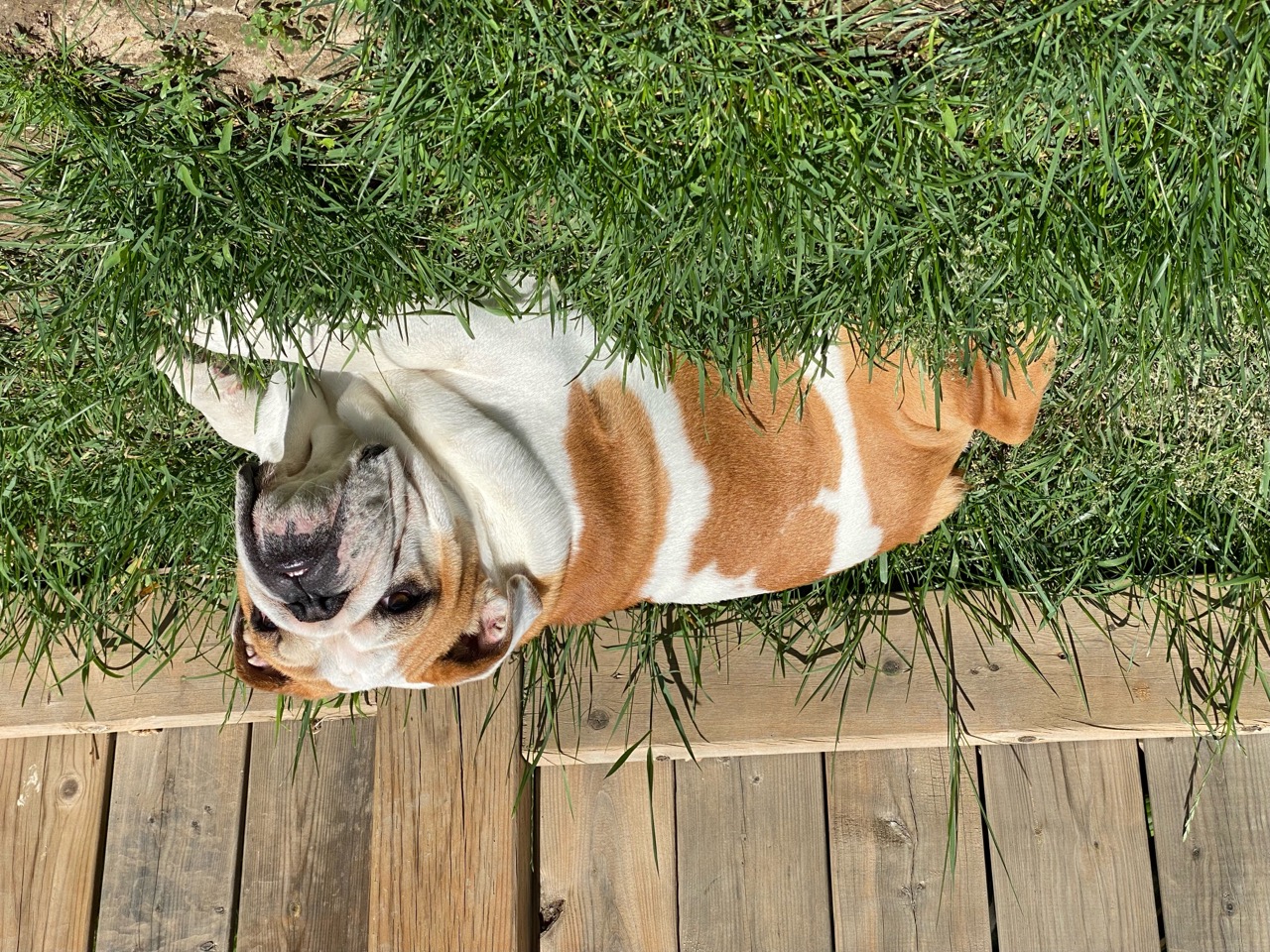
People often assume bulldogs need intense exercise to “burn off toughness,” but most do best with moderate, consistent activity. They benefit from daily walks and gentle play, plus mental stimulation like food puzzles and basic training games. The trick is balance: too little movement can contribute to weight gain and joint stress, but too much, especially in heat, can be risky. Their build can predispose them to orthopedic issues, so maintaining a healthy weight is one of the kindest things you can do.
Then there is the famous tail situation. A “screw tail” refers to a tightly curled tail caused by vertebrae that are shaped differently. It can look cute, but it may create skin folds that trap moisture and debris. Some bulldogs need routine cleaning around the tail area to prevent irritation or infection, and in severe cases veterinary treatment is required. Wrinkles can be similar: those facial folds need to be kept clean and dry to avoid skin problems.
Bulldogs also come with a surprising set of practical truths. Many are not strong swimmers because of their heavy front end and short muzzle, so water safety is important. Their stubborn streak is real, but it often reflects a thoughtful, independent personality rather than defiance. With patient, reward-based training, they can learn manners and cues well, and they tend to be highly motivated by food and attention.
The bulldog’s real story is not about being grumpy or indestructible. It is about a distinctive, lovable companion with specific needs that deserve respect. Knowing what is myth and what is fact helps you appreciate the breed’s charm while making choices that keep them comfortable, safe, and thriving.