Bulldog Brain Teasers for Serious Breed Nerds



Quiz Complete!
Bulldog Brain Teasers: The Wrinkles Hide a Complicated History
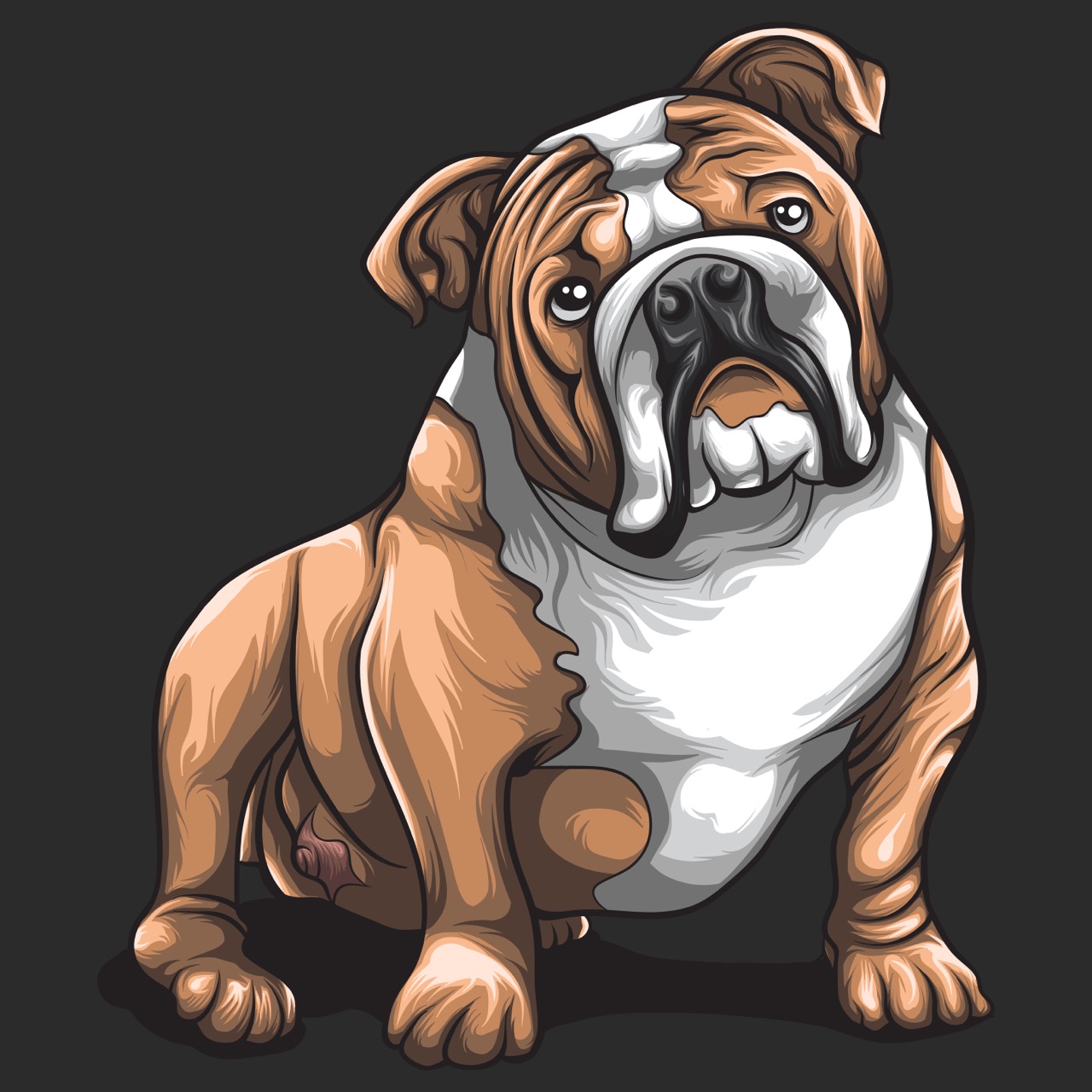
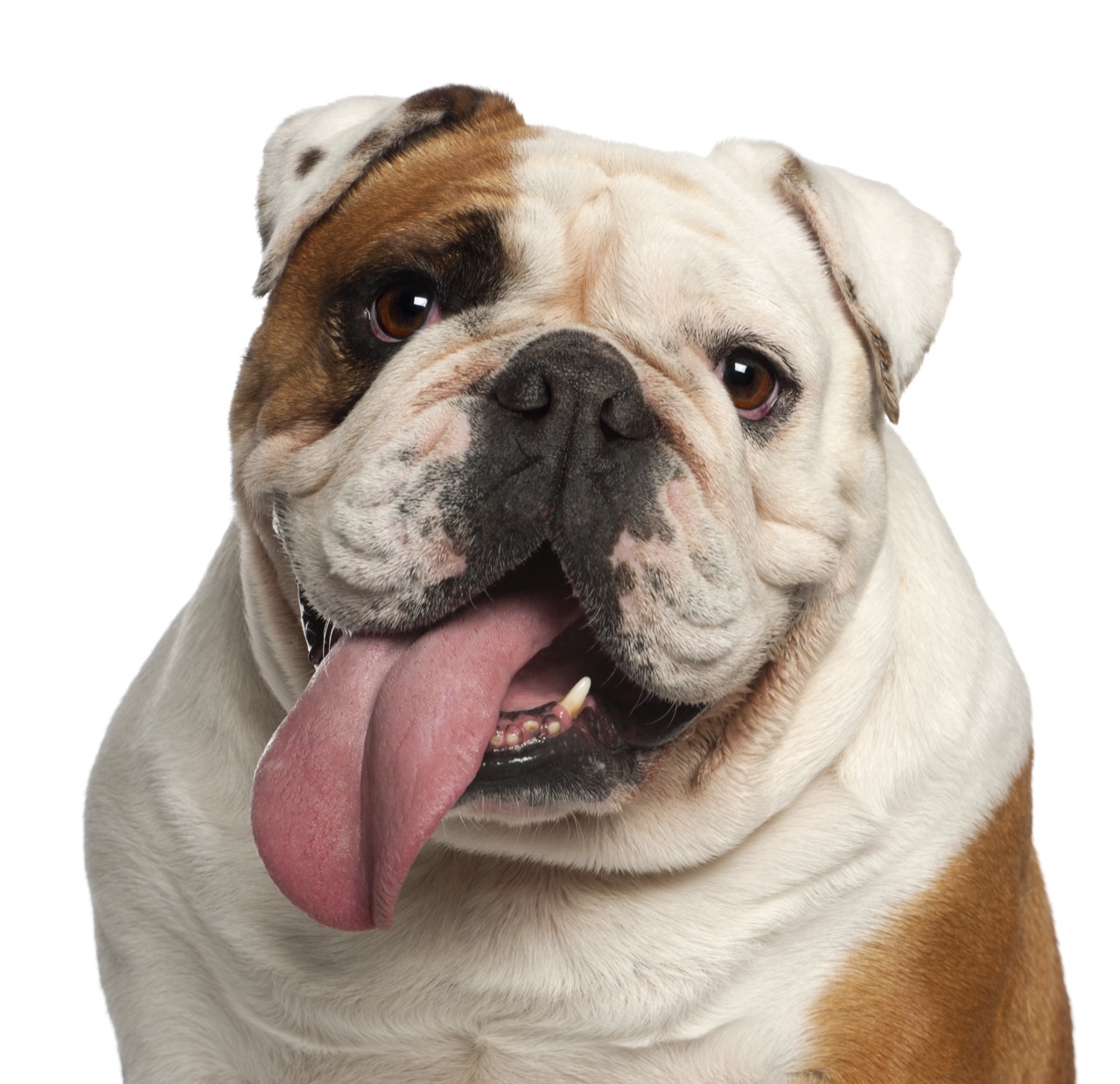
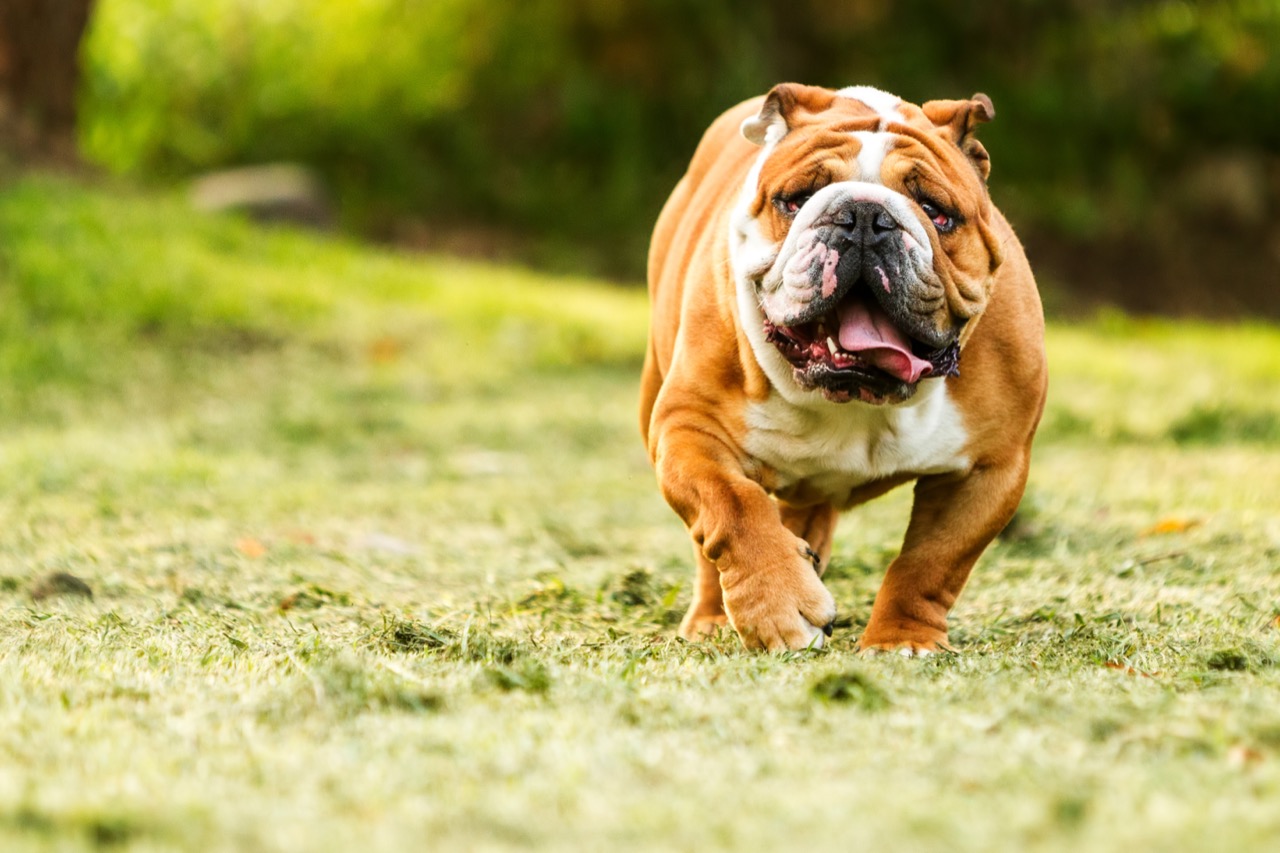
The Bulldog’s sleepy expression can fool people into thinking the breed is simple: a compact dog with wrinkles, an underbite, and a slow-motion swagger. In reality, the Bulldog is a bundle of historical purpose, carefully described anatomy, and modern health realities that breed nerds love to debate. If you want to do well on a serious Bulldog quiz, it helps to know why the dog looks the way it does, what the standards actually mean, and where common myths come from.
The Bulldog’s origin story is tied to a grim sport: bull baiting. Early bulldogs were expected to grip and hold, and the body was shaped around that job. A low center of gravity made the dog harder to shake off. A broad chest and strong forequarters helped with pulling and bracing. Even features people now call cute had practical roots. The short muzzle and wide nostrils were prized because the dog needed to breathe while holding on. After bull baiting was outlawed in the 1800s, breeders began shifting the temperament toward the companion animal we know today, but many of the physical traits remained and were later refined for the show ring.
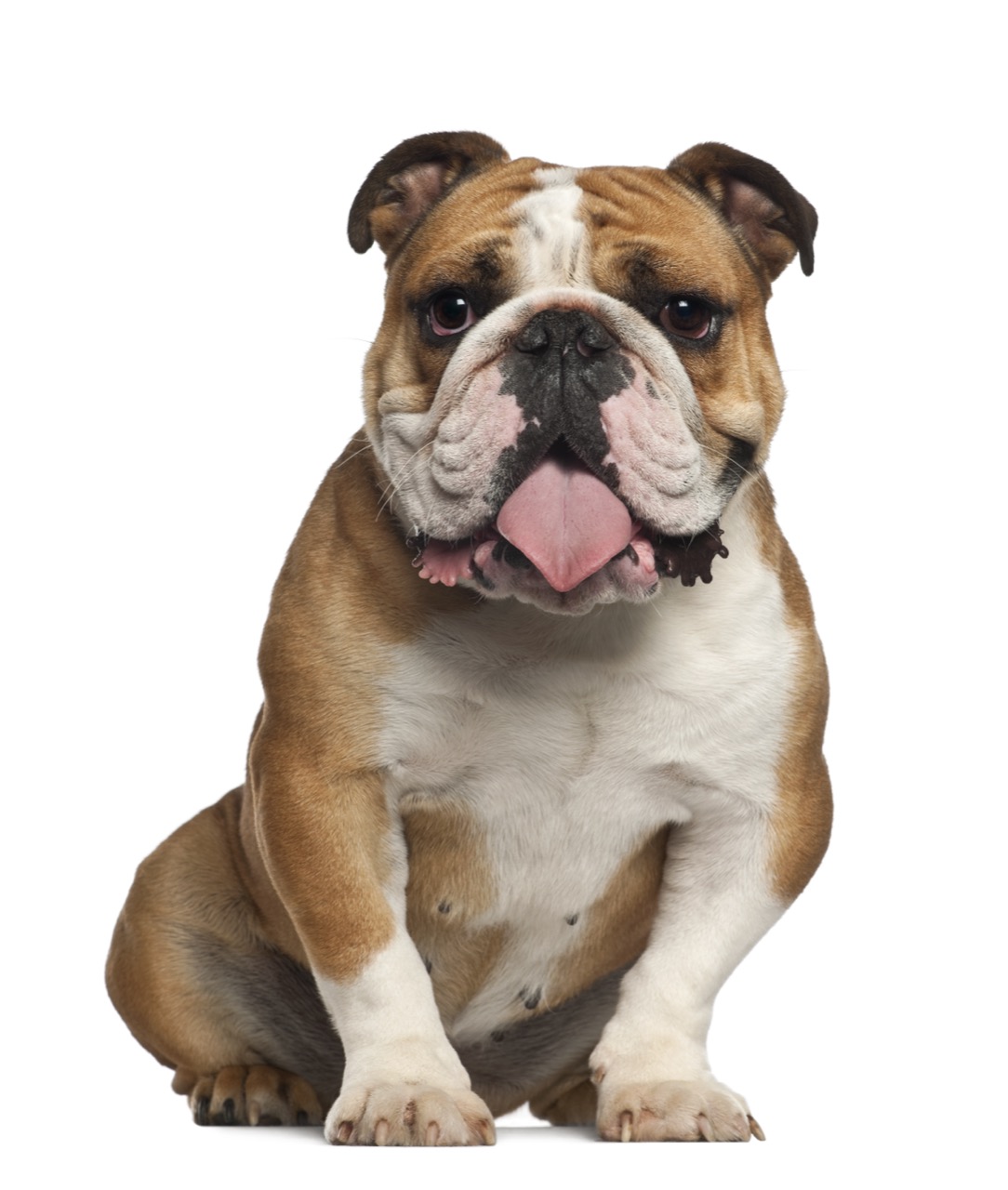
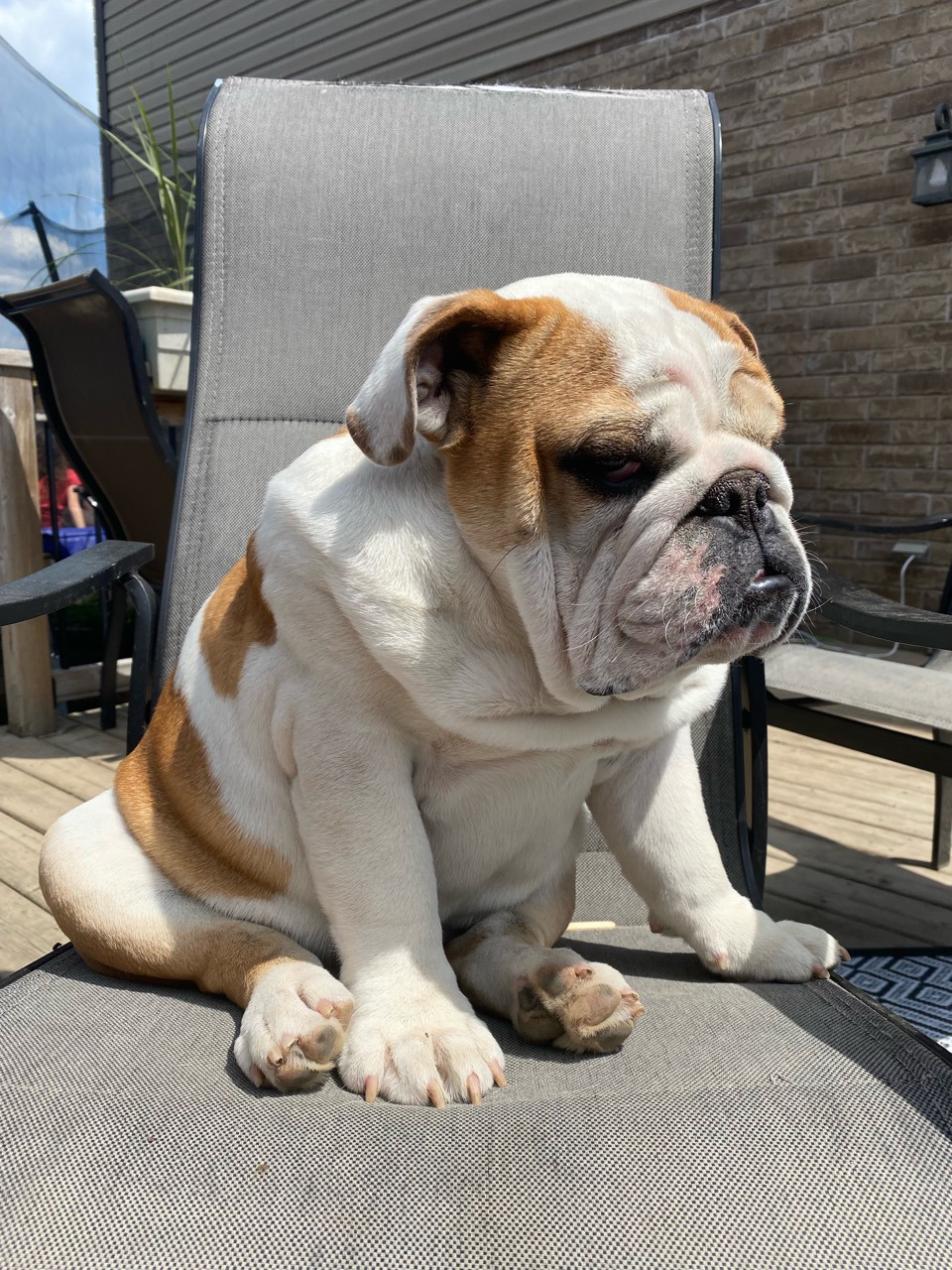
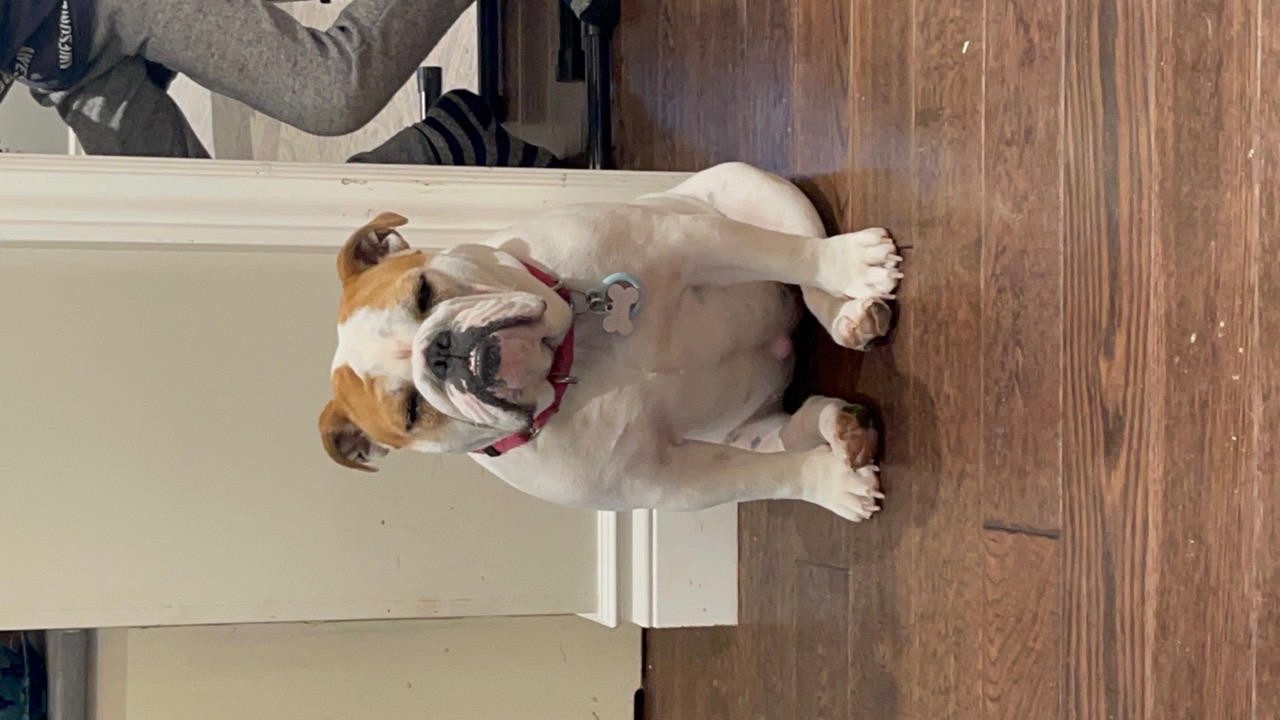
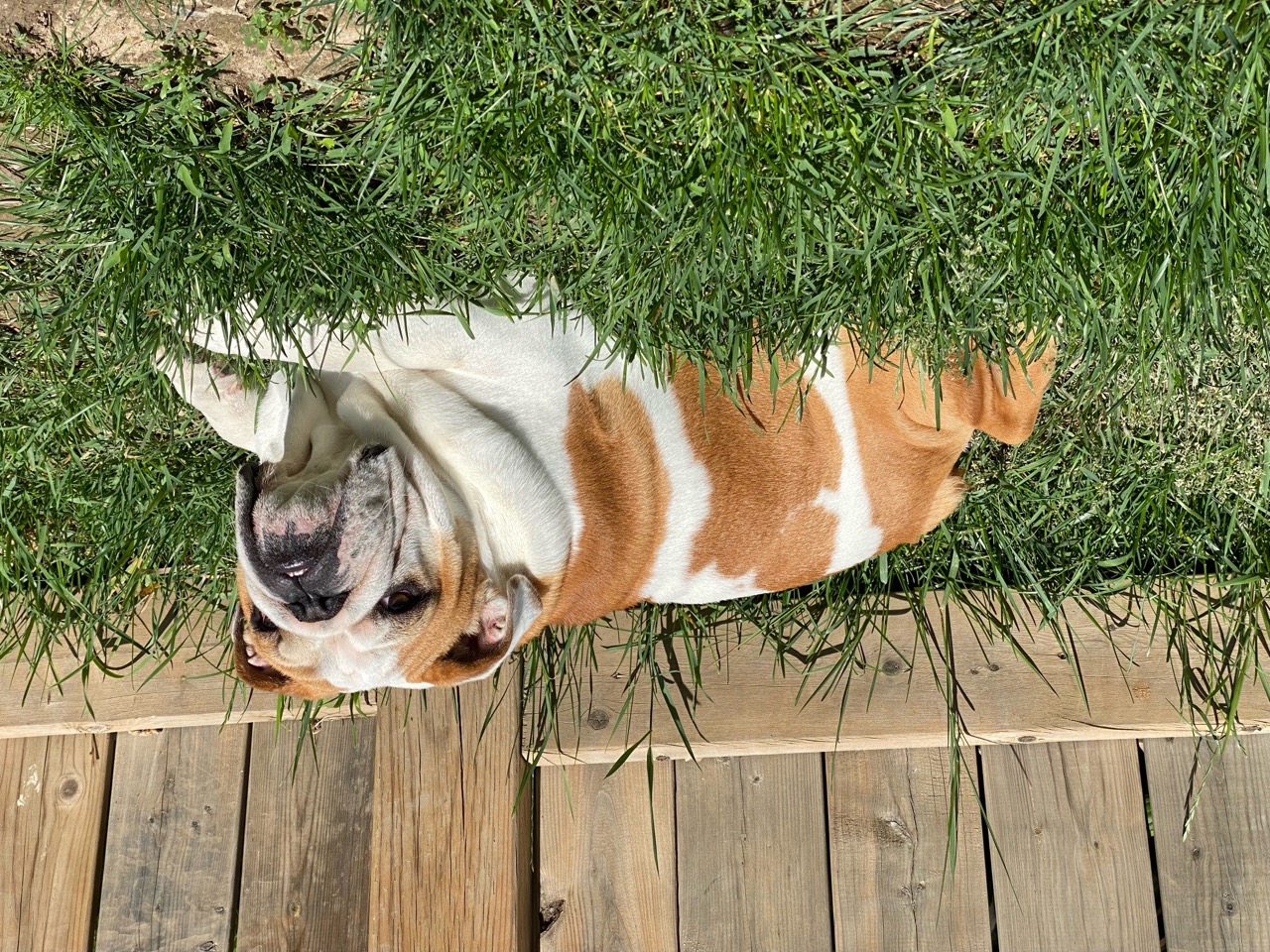
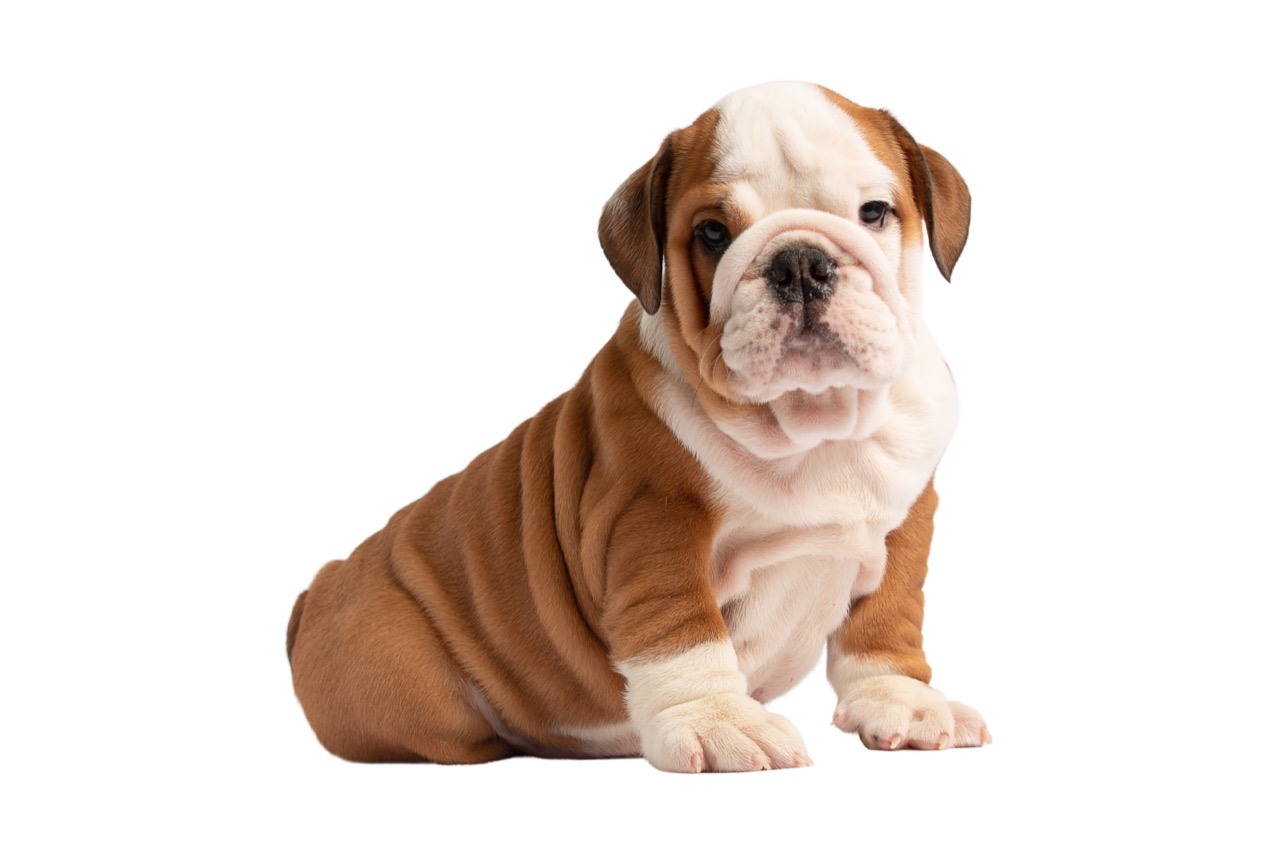
Breed standards can read like a different language, and quizzes love that fine print. Terms such as “roach back” refer to a slight rise over the loin, a characteristic outline in the English Bulldog that is not the same as a sway back or a sharp hump. The head is meant to be massive in proportion, with a defined stop and a short face, but standards also emphasize balance. The famous underbite is expected, yet the teeth should not be visible when the mouth is closed. Wrinkles are part of the look, but excessive folds can create skin problems. Even the tail can be a trick question: a naturally short tail is typical, often straight or screwed, but it should not be so tightly inverted that it causes chronic irritation.
Health is where the Bulldog’s charming design shows its tradeoffs. Brachycephalic airway syndrome is a major issue, involving narrowed nostrils, an elongated soft palate, and other structural challenges that can make breathing difficult, especially in heat or stress. Many Bulldogs snore, but persistent noisy breathing, exercise intolerance, or fainting are not just personality quirks. Quizzes may also touch on orthopedic concerns like hip dysplasia, elbow problems, and patellar issues, along with allergies, skin infections in folds, and eye conditions such as cherry eye. Reproduction is another reality: Bulldogs often require assisted breeding and frequently deliver by cesarean section due to the combination of large puppy heads and the dam’s pelvic structure.
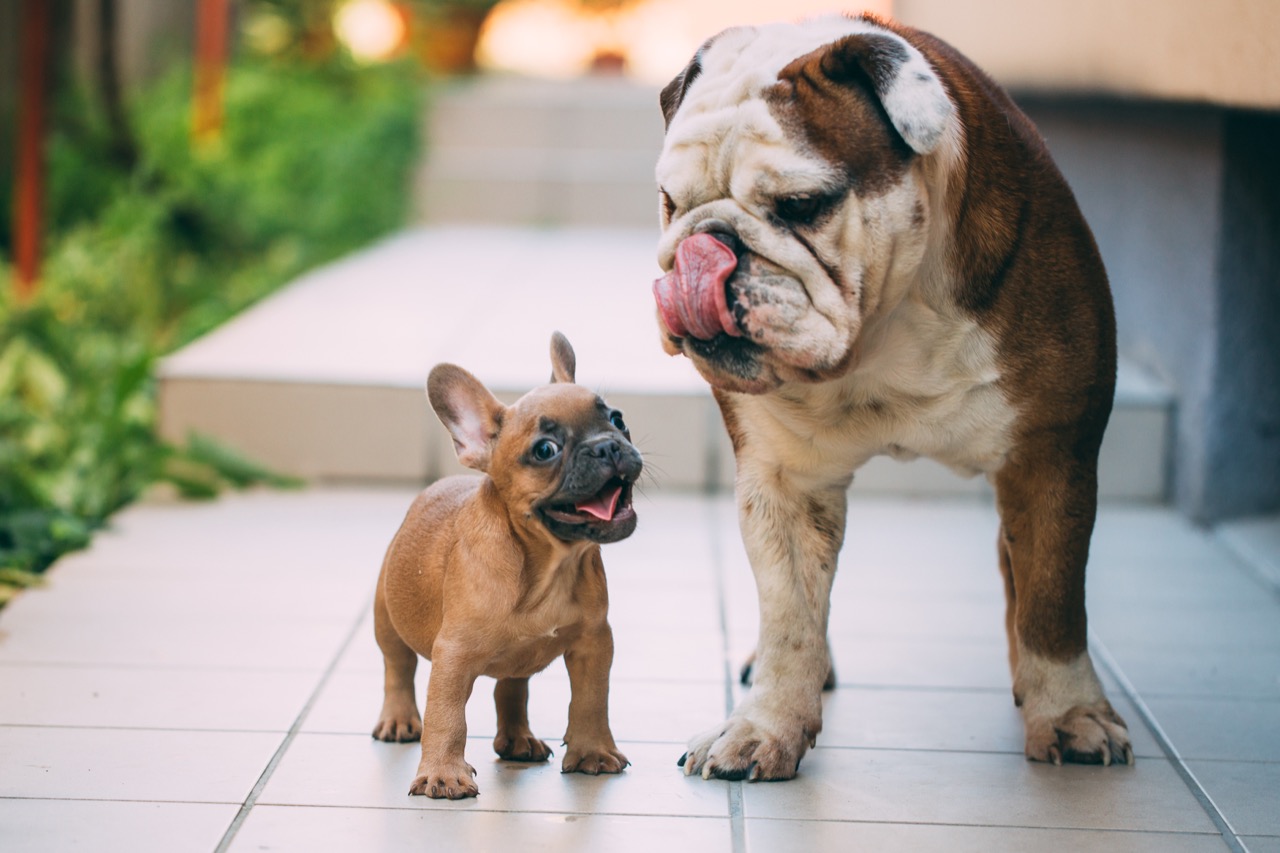
Serious trivia often asks you to keep Bulldog types straight. The English Bulldog is the classic heavy, low, wrinkled companion. The American Bulldog is generally taller, more athletic, and closer to working farm-dog roots, with different lines emphasizing different looks and tasks. The French Bulldog, despite the name, grew from small bulldog-type dogs and terrier influences popular with lace workers, and it is defined by its bat ears and compact build. Calling them all simply “bulldogs” misses important differences in standard, function, and typical health concerns.
The biggest misconception is that Bulldogs are lazy by nature and therefore need little management. Many are calm indoors, but they still benefit from controlled exercise, weight management, and careful temperature awareness. Another myth is that every snort is harmless and every wrinkle is desirable. True breed expertise includes recognizing what is historically meaningful, what is required by a standard, and what should be moderated for welfare. That tension between tradition and responsible breeding is exactly what makes Bulldog brain teasers so addictive.