Boxer History in 12 Big Moments






Quiz Complete!
Boxer History in 12 Big Moments
The Boxer’s story begins in Germany, where its ancestors were valued less for companionship and more for hard work. One key early influence was the Bullenbeisser, a powerful hunting and catch dog used to seize and hold large game. As hunting practices changed in the 1800s, these dogs found new roles with butchers, merchants, and households that needed a steady guardian. Crosses with early Bulldogs helped refine the head shape and temperament, setting the stage for the dog that would soon be recognized as the Boxer.
A major turning point came in the late 19th century as dog shows and organized breeding gained popularity across Europe. Breeders began selecting for a more uniform look and a balanced character: alert and confident, but responsive to people. In Munich, enthusiasts gathered around a few influential dogs that became cornerstones of the breed. Names like Flocki, often cited among the first Boxers shown publicly, and later foundation dogs such as Meta von der Passage and her offspring appear repeatedly in early records. These dogs mattered not because they were perfect by modern standards, but because they helped stabilize recognizable traits: the square outline, the strong jaw, and the lively, people-focused attitude.
Another milestone was the creation of formal breed standards and clubs. When breeders put a written standard on paper, they were making a statement about what the Boxer should be, not just what it happened to be. The founding of the German Boxer Club at the end of the 19th century gave the breed a central authority that could register dogs, guide breeding choices, and promote consistency. Around this time, the Boxer began to shift from a general-purpose working dog to a more defined type, prized for both utility and appearance.
International recognition followed. Early in the 20th century, kennel clubs outside Germany began to take notice, and the Boxer slowly spread through Europe and into North America. Recognition by major kennel organizations helped the breed become visible to a wider public, but it also increased pressure to meet show expectations. Breeders had to balance the Boxer’s athletic working heritage with the demand for a polished, standardized look.
Wartime service became one of the Boxer’s most dramatic chapters. During World War I and especially World War II, Boxers were used as messenger dogs, guard dogs, and general military helpers. Their trainability, courage, and strong bond with handlers made them useful in stressful conditions. After the wars, returning soldiers and shifting public tastes helped the breed’s popularity grow, particularly as families looked for dogs that were both protective and friendly.
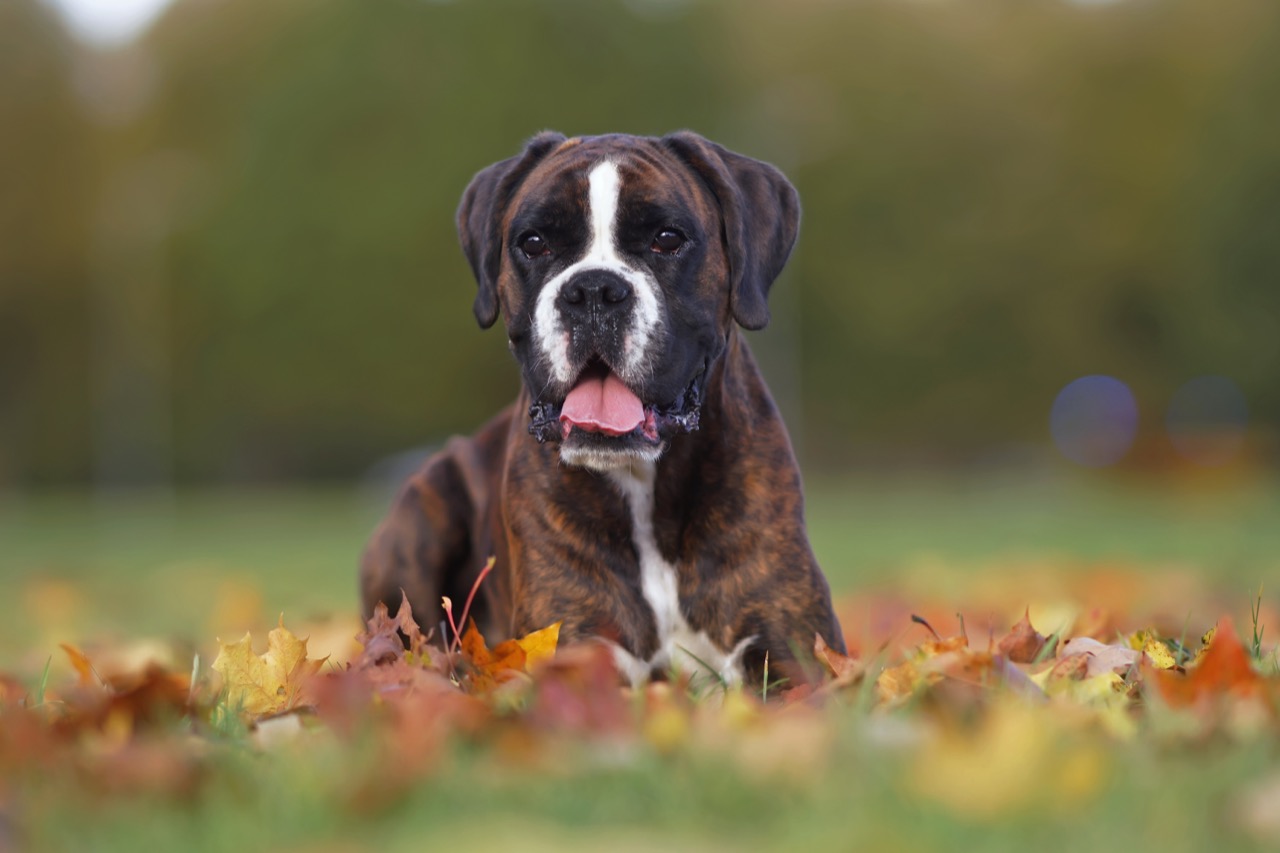
As Boxers became household favorites, their personality earned them a special reputation. Many owners describe them as exuberant, clownish, and deeply attached to their people, sometimes acting like a perpetual youngster. That playful energy is part of what made them beloved, but responsible breeders also worked to preserve steadiness and reliability, ensuring the Boxer remained a trustworthy companion and guardian.
Modern milestones are increasingly about health and ethics. Like many purebred dogs, Boxers can face inherited conditions, including certain heart diseases and cancers. Over time, veterinary research and breed organizations encouraged health screening and more transparent breeding decisions. Today, many breeders use cardiac evaluations, hip assessments, and genetic testing where available, aiming to protect the breed’s future while keeping the hallmark Boxer spirit intact.
From its German working roots to kennel-club recognition, wartime roles, and modern health testing, the Boxer’s history is a chain of decisions made by breeders and owners in response to changing times. Knowing those turning points makes the breed’s familiar face and unmistakable personality feel less like an accident and more like a living timeline you can still see in every bounce, wiggle, and watchful stare.