Blueprints and Bird Dogs German Shorthaired Pointers
Quiz Complete!
Blueprints and Bird Dogs: The Making of the German Shorthaired Pointer
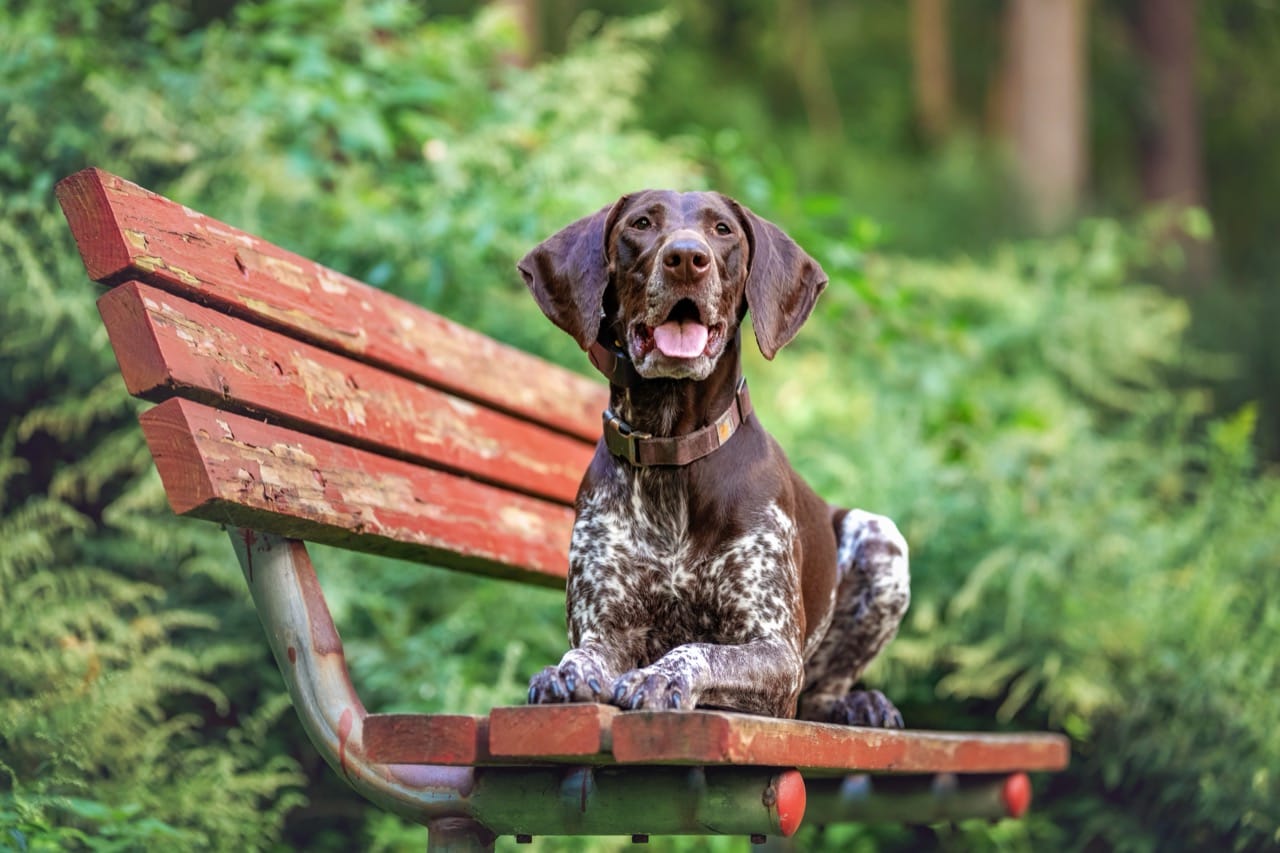
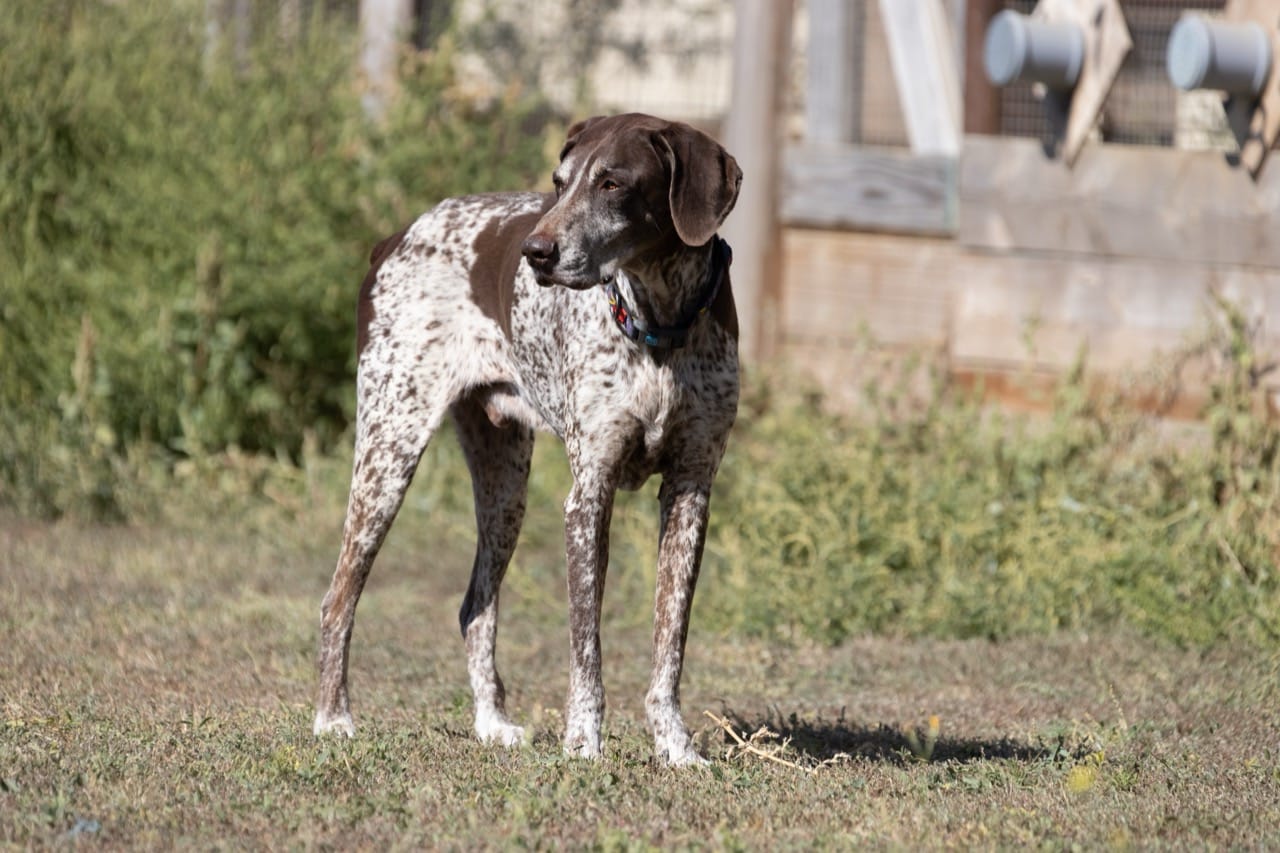
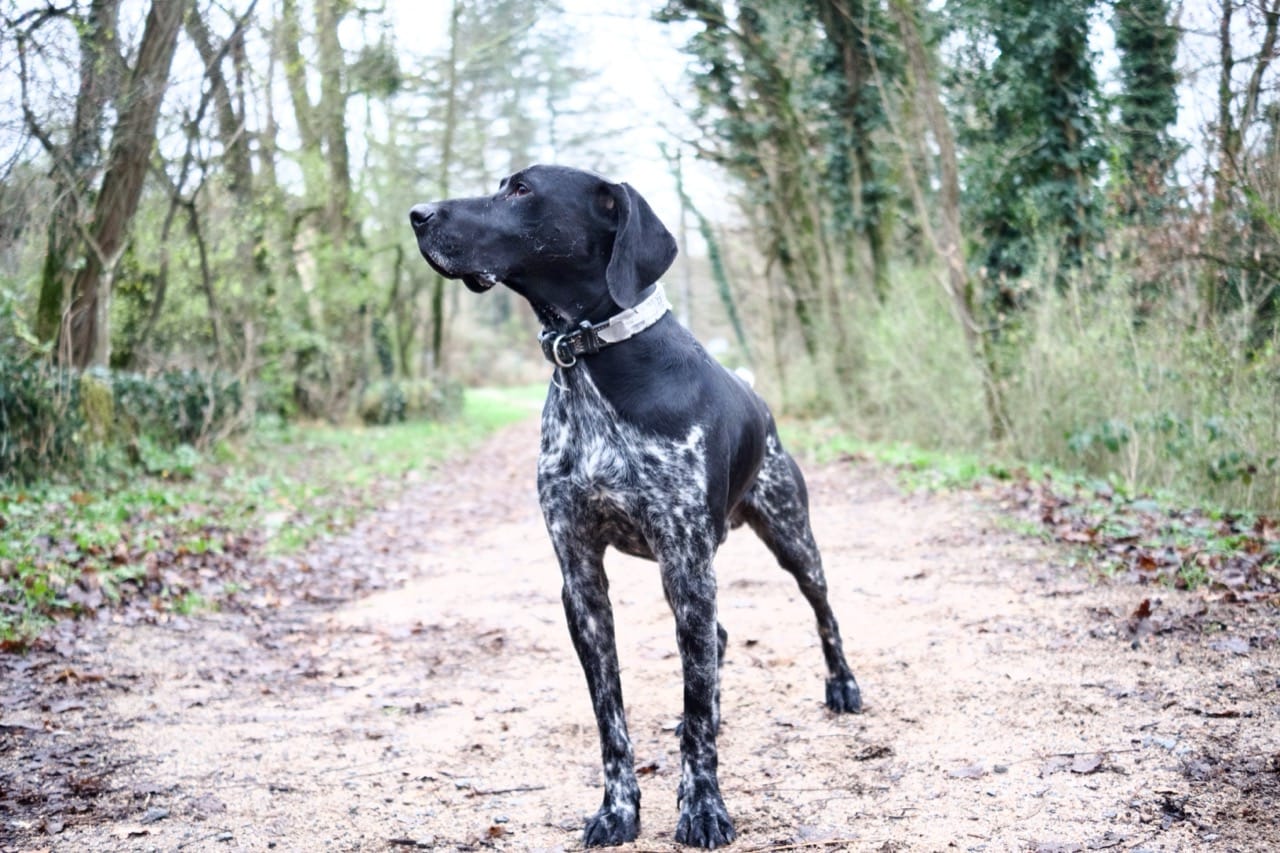
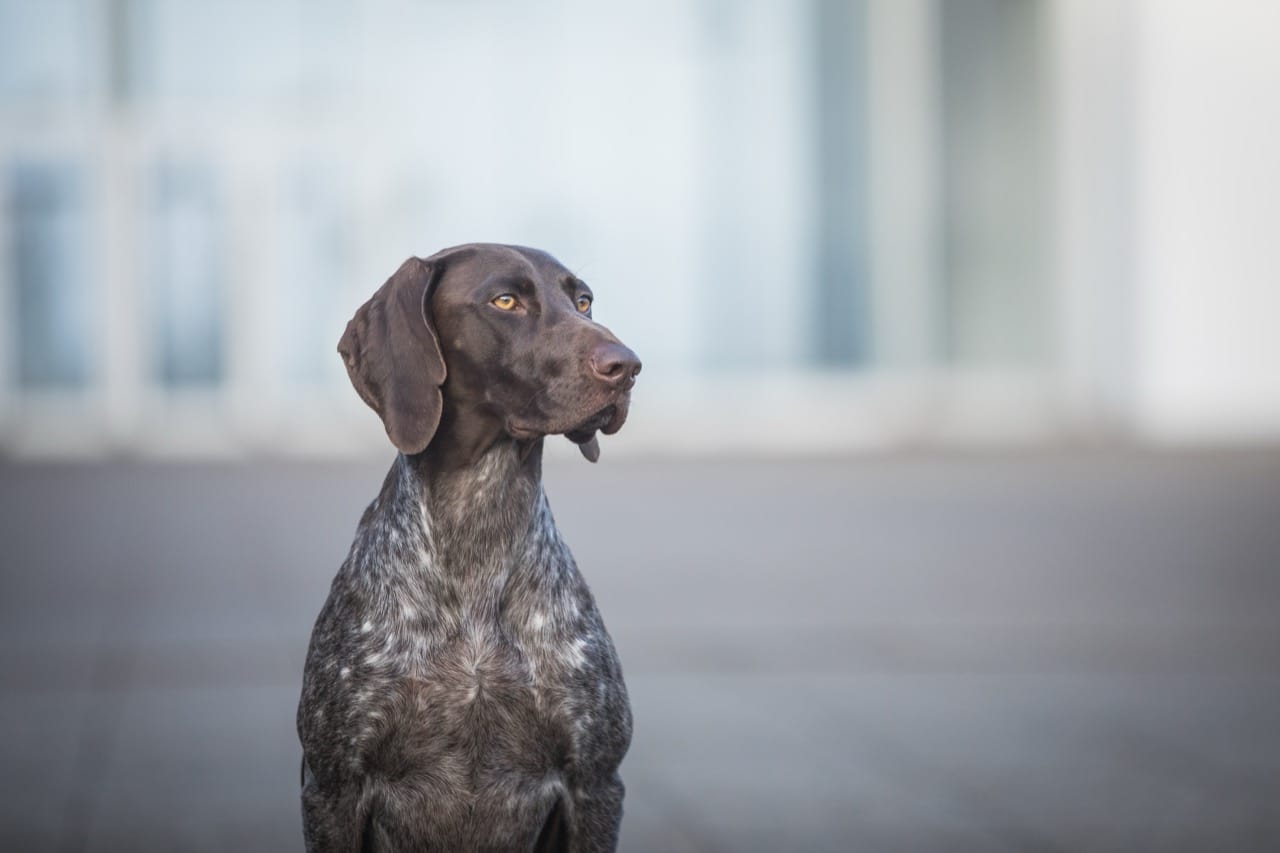
The German Shorthaired Pointer, often called the GSP, did not happen by accident. It is the result of a deliberate plan to create one dog that could do almost everything a hunter might ask: locate game with its nose, freeze into a steady point, track wounded animals, retrieve from water or land, and keep going all day. In the 1800s, German hunters wanted a practical partner rather than a specialist. By blending different working dogs, breeders aimed for a balanced athlete with a reliable temperament and an off switch that could still live around people.
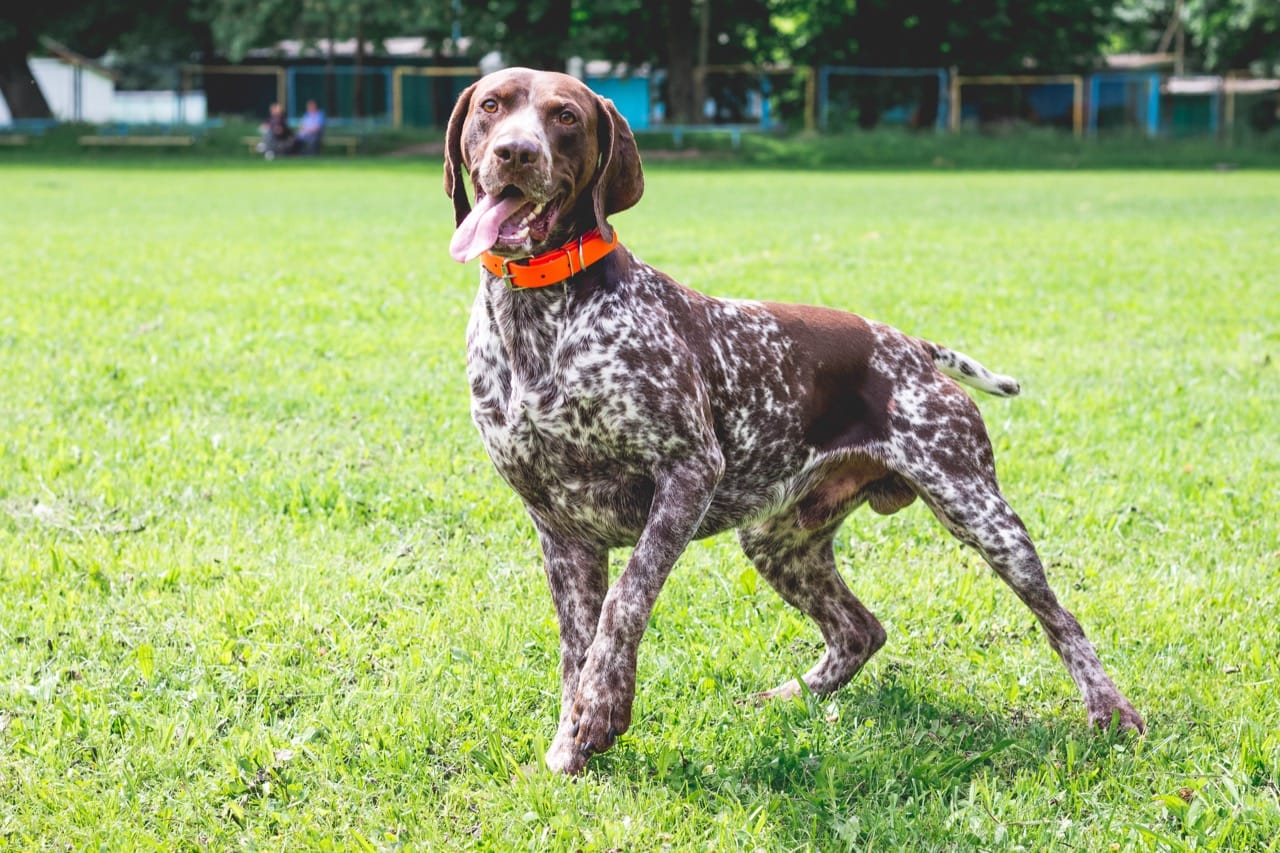
Early “pointer type” dogs in Germany were valued for finding and indicating game, but they were not always fast, stylish, or versatile enough for changing hunting styles. Purposeful crossbreeding brought in traits from several sources. Pointers added speed and a dramatic point. Scent hounds contributed tracking skill and determination on a blood trail. Retrievers and water dogs helped shape a dog that would willingly enter cold water and deliver game to hand. Over time, breeders began to select less for looks and more for performance, building a blueprint where structure served function: a deep chest for lung capacity, strong shoulders and hips for endurance, and a short coat that would not collect burrs.
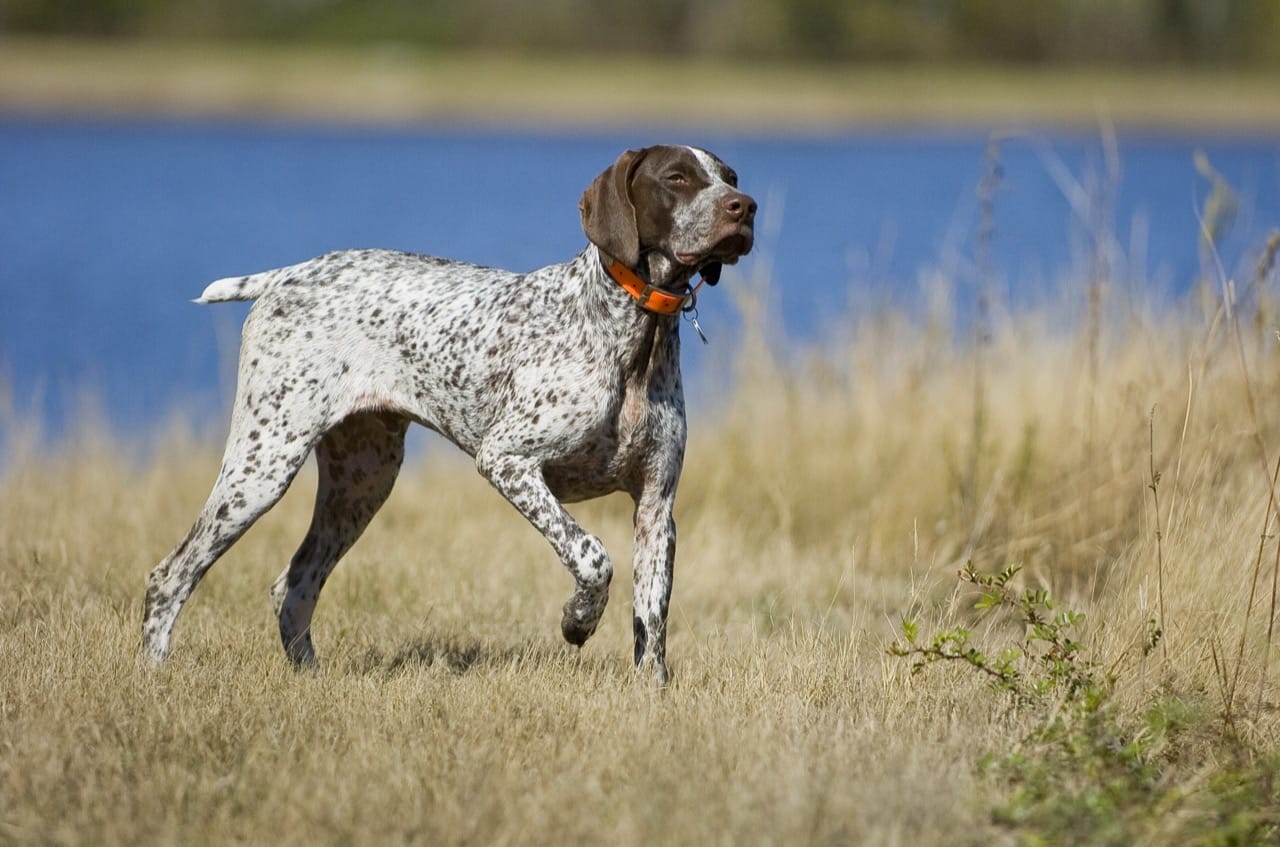
As organized field trials grew in popularity, they became a proving ground for the breed’s promise. Trials and performance tests pushed handlers to measure things that are hard to judge casually, such as how a dog uses wind, how it searches a field, and whether it stays focused under pressure. This also influenced training culture. The best GSP work looks smooth because it is a chain of behaviors linked together: quartering the field, slamming into point, waiting for the flush, then switching into a retrieve without breaking steadiness. Training methods evolved from harsh corrections toward clearer timing and better communication, including reward-based approaches, careful exposure to birds, and structured retrieving drills. A well-trained GSP is not simply obedient; it is cooperative while still thinking independently.
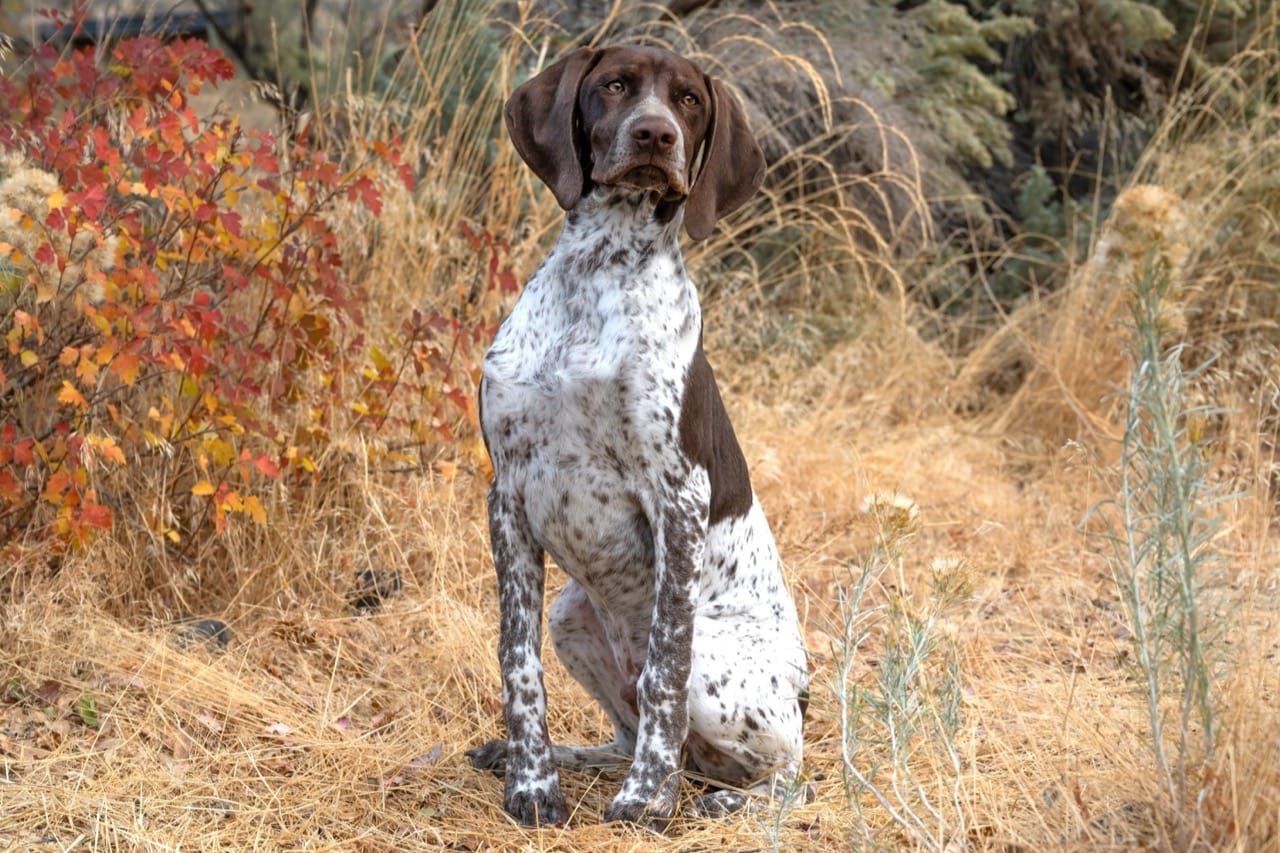
Modern science adds another layer to the story. Canine genetics helps explain coat color patterns, including the familiar liver and white combinations and the ticking and roan effects that can appear as the dog matures. Genetics also supports more responsible breeding decisions by identifying carriers for certain inherited issues. Veterinary research has sharpened awareness of orthopedic health, especially hip dysplasia. While no test can guarantee a perfect outcome, screening tools and data-driven breeding choices have improved the odds of producing sound, pain-free athletes.
Owners also hear about bloat, or gastric dilatation-volvulus, a dangerous condition that can affect deep-chested breeds. Research and clinical experience have highlighted risk factors such as rapid eating, heavy exercise around meals, and stress. Many veterinarians now discuss practical prevention steps, including meal management and, in some cases, a preventive surgical procedure called gastropexy.
Because GSPs are intense movers, heat and endurance matter. Studies of canine thermoregulation show that dogs cool themselves mainly by panting, and high drive can override self-preservation. That is why experienced handlers watch for subtle signs of overheating and plan work around shade, water access, and rest. Hydration, fitness, and acclimation can make a big difference, but no dog is immune to heat stress.
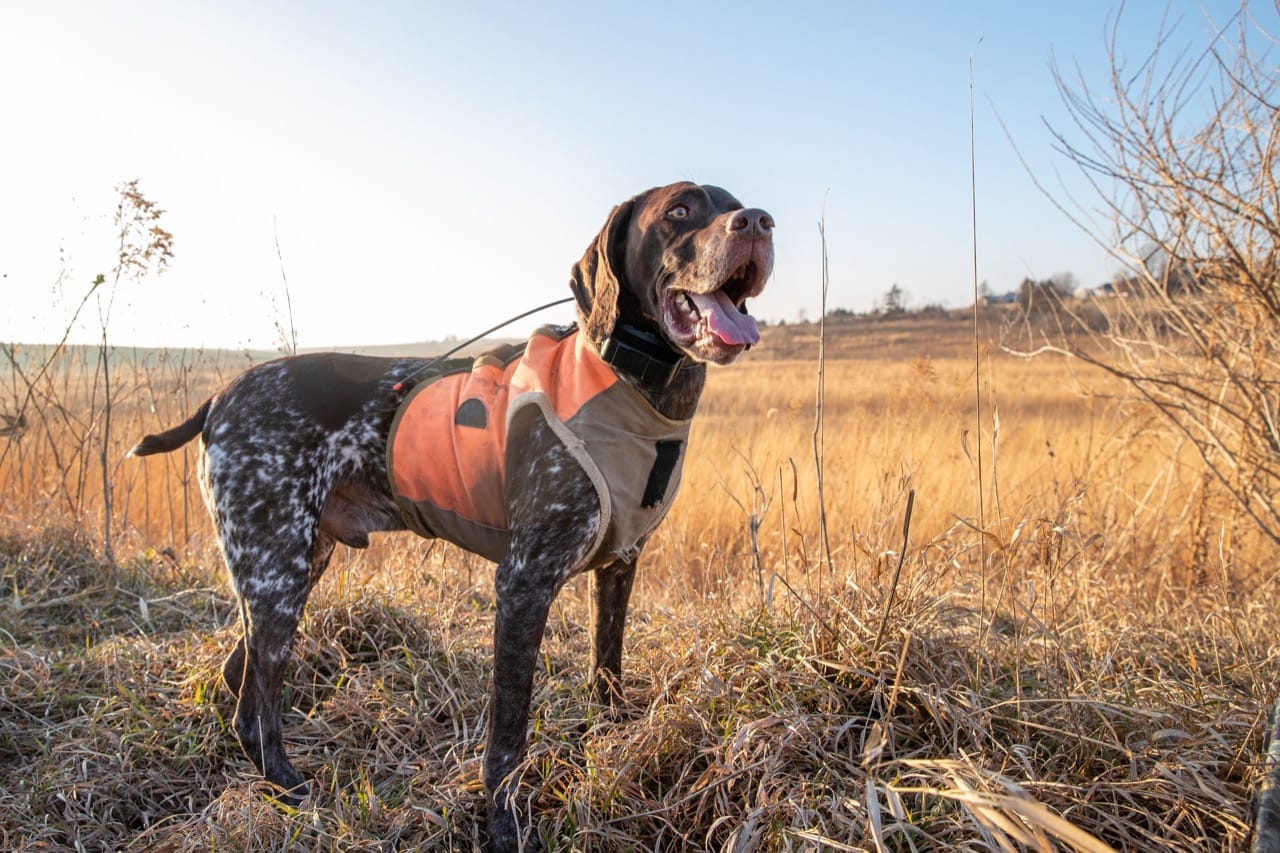
Technology has changed daily life with these dogs. GPS tracking collars help handlers locate a dog ranging far in thick cover and can even show whether it is moving or holding still, information that often hints at a point. Microchips improve the odds of reunion if a dog gets lost. Meanwhile, scent-detection research continues to reveal how dogs process odor and how wind, humidity, and ground cover shape what a dog smells. For GSP owners, that science turns into practical field wisdom: work the wind, trust the nose, and remember that a great dog is part genetics, part training, and part partnership.