Blueprints and Backstories of the Doberman Xtreme Edition
Quiz Complete!
Blueprints and Backstories of the Doberman Xtreme Edition
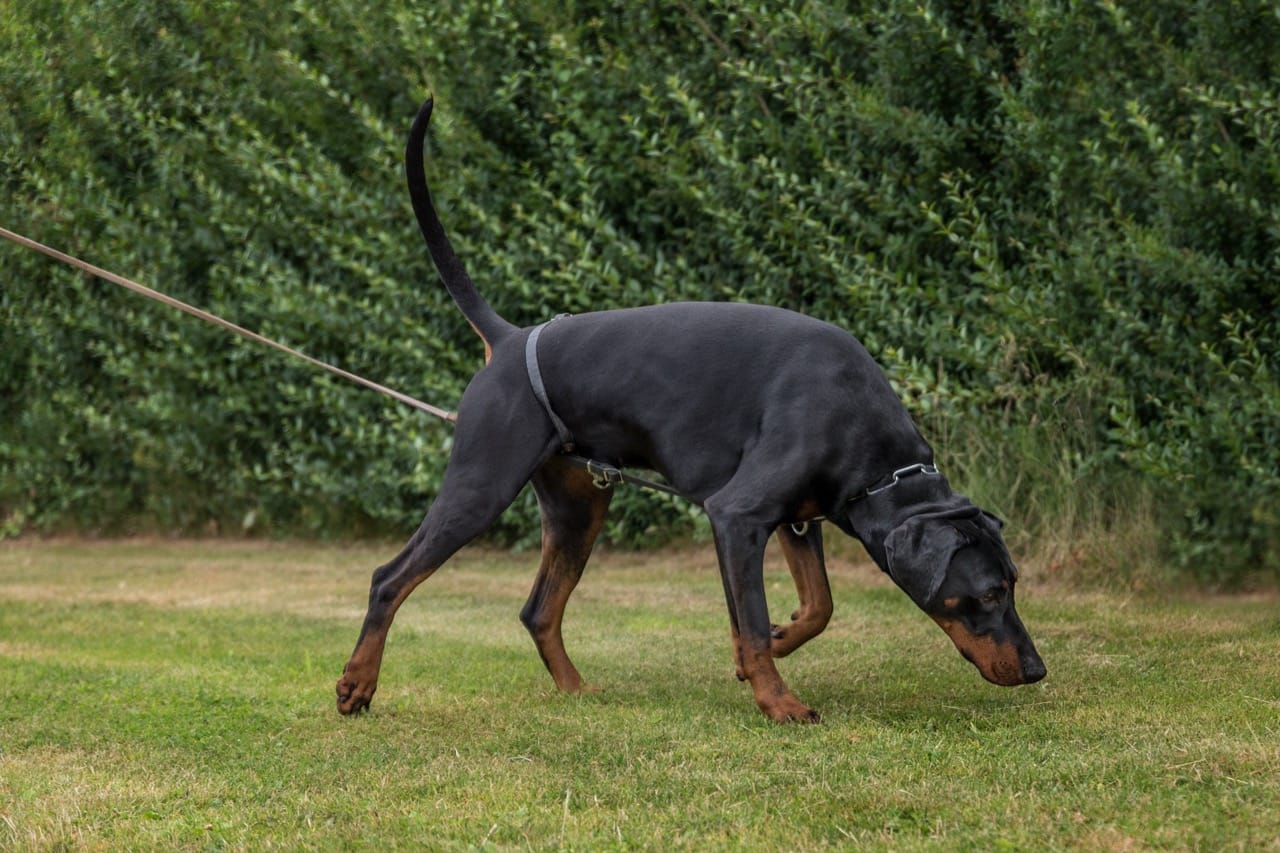
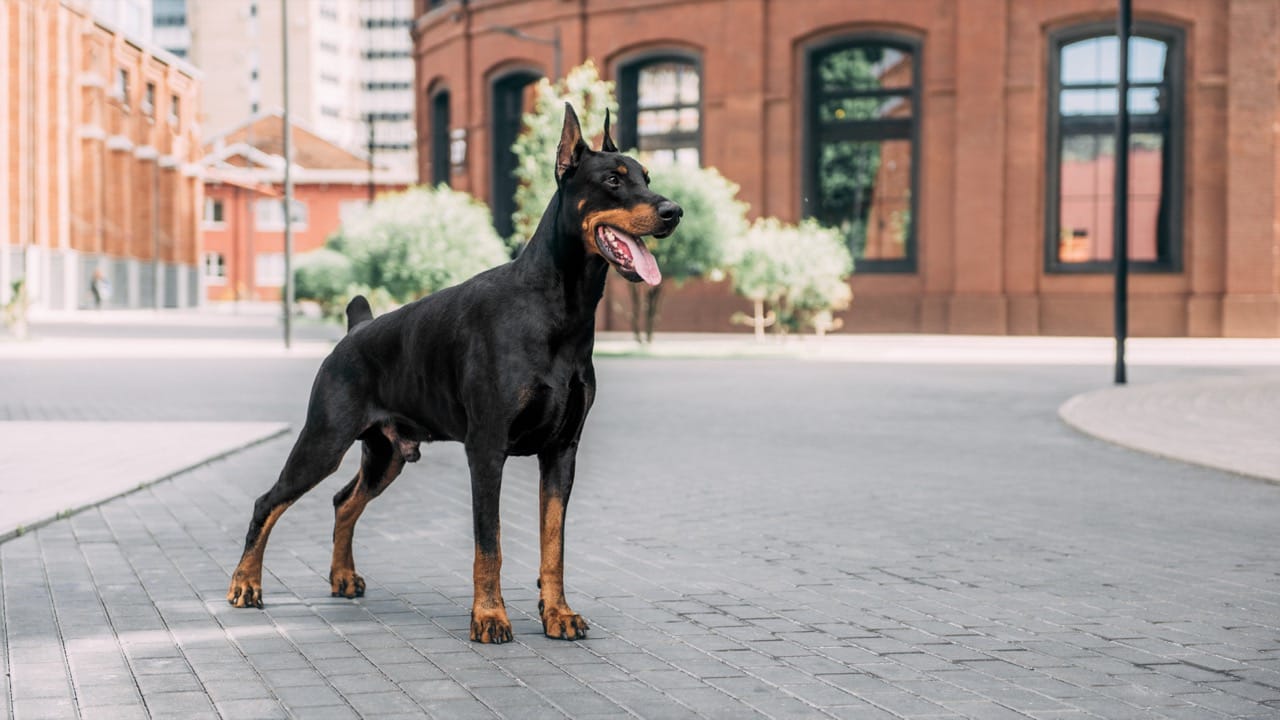
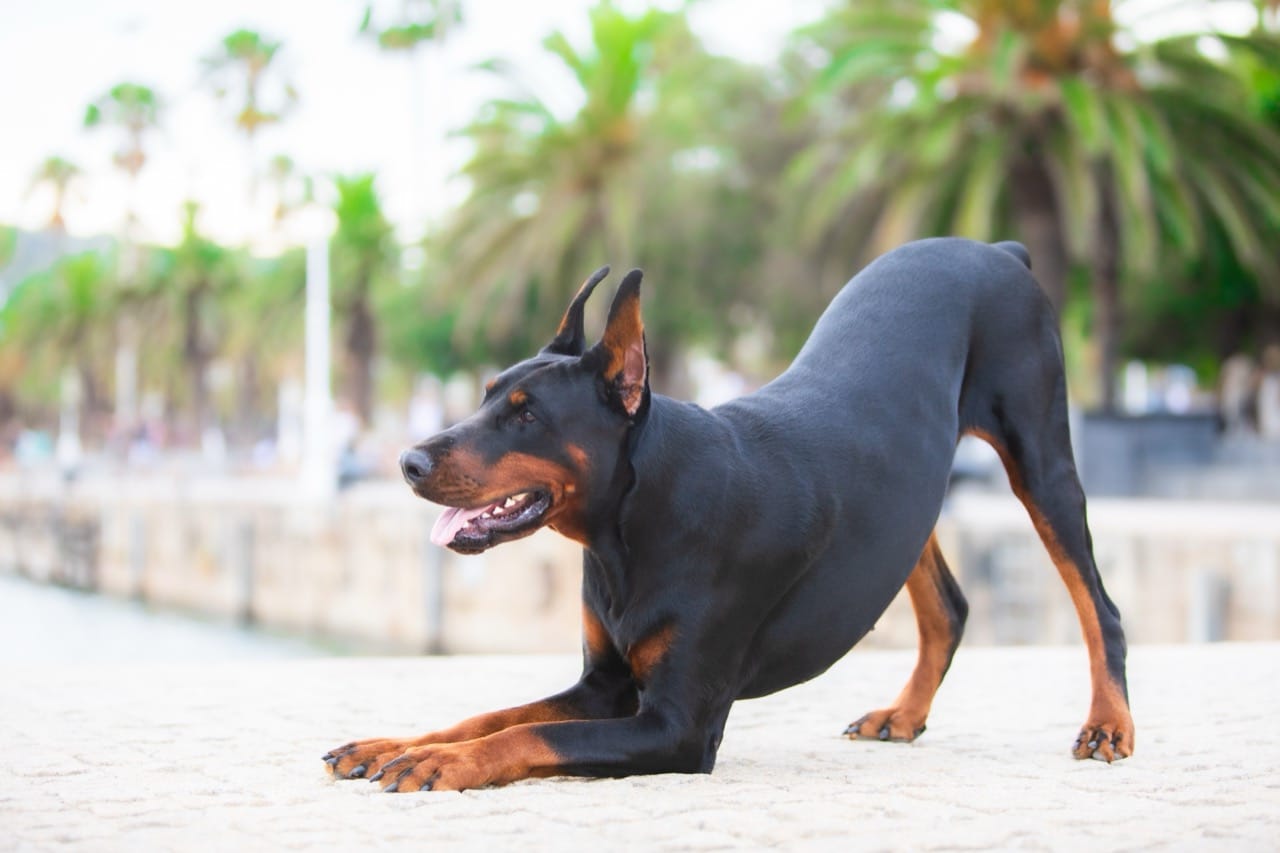
The Doberman Pinscher looks like it was designed with a ruler: clean lines, athletic build, and an alert expression that suggests it is always on duty. That impression is not an accident. The breed began in late 1800s Germany, where a tax collector named Karl Friedrich Louis Dobermann wanted a dog that could escort him through risky neighborhoods while he carried money. He aimed for a partner that was brave, fast, loyal, and controllable, not a brawling street dog. Early Dobermans were working tools first and showpieces much later, and that practical origin still shapes the breed’s reputation.
Exactly which dogs were used to build the first Dobermans is partly documented and partly debated, which is why myths spread so easily. Most histories agree that several types contributed: the old German Pinscher for sharpness and agility, Rottweiler type dogs for strength and guarding instinct, and likely some form of shepherd or herding dog for trainability. Many enthusiasts also point to the influence of the Greyhound for speed and sleek outline, and the Manchester Terrier for refinement. The key idea is not a single secret ingredient but a deliberate blending of traits: a dog that could deter trouble, move quickly, and still obey.
As the breed moved from the streets into police and military work, its image became even more intense. Dobermans served as sentries, messengers, and patrol dogs, especially in the early to mid 1900s. Later, films and pop culture leaned into the intimidating silhouette, sometimes portraying Dobermans as automatic villains. In reality, a well bred and well trained Doberman is typically stable, people focused, and highly responsive. They are often described as velcro dogs because they like to stay close, which is great for companionship but can surprise people expecting a more independent guard dog.
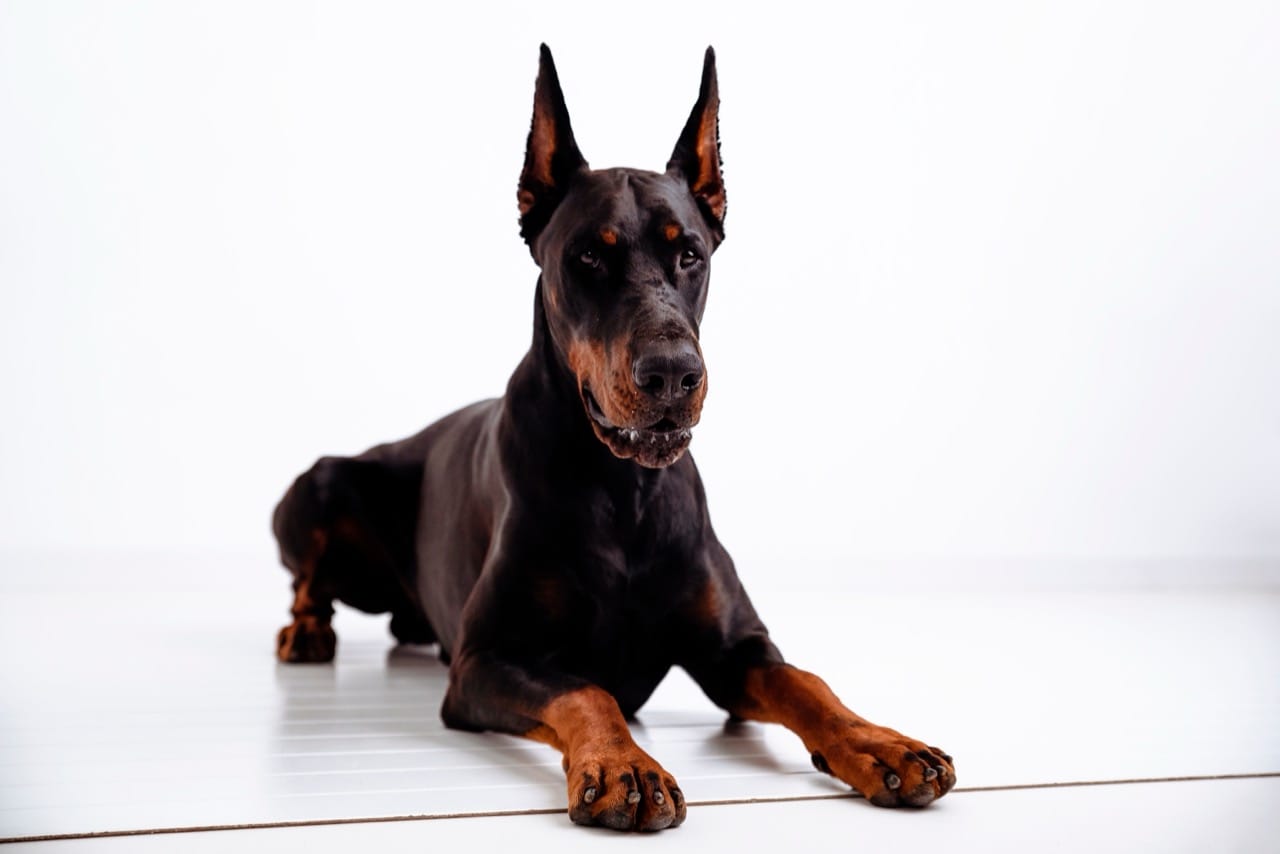
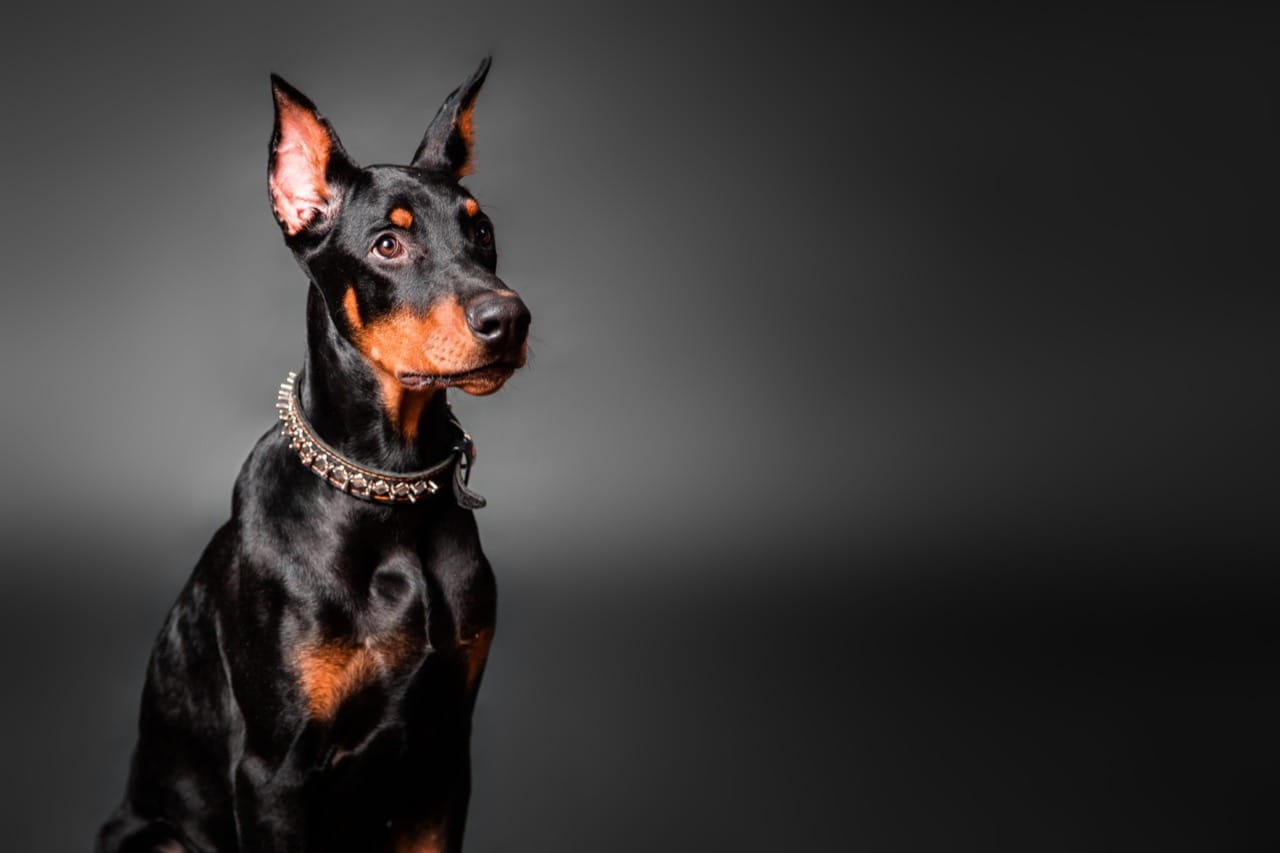
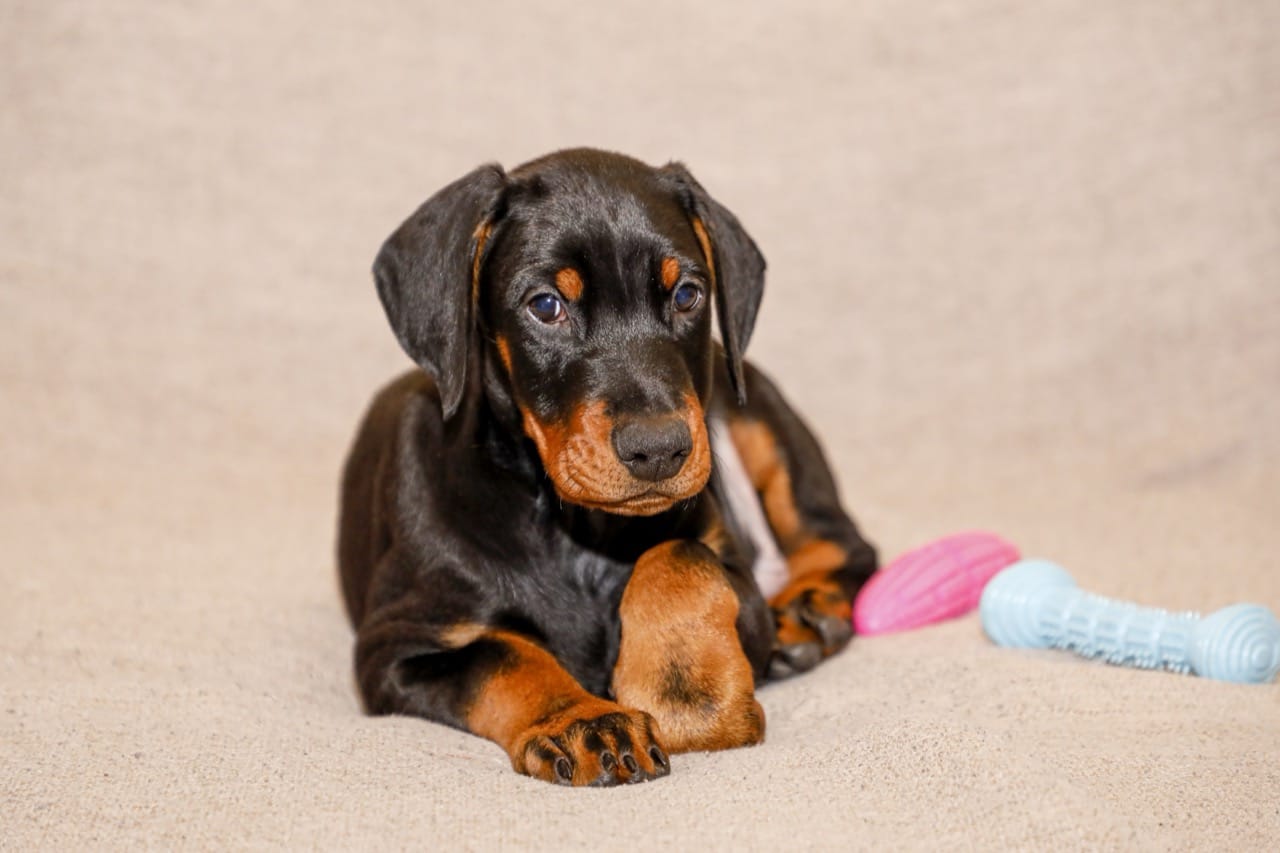
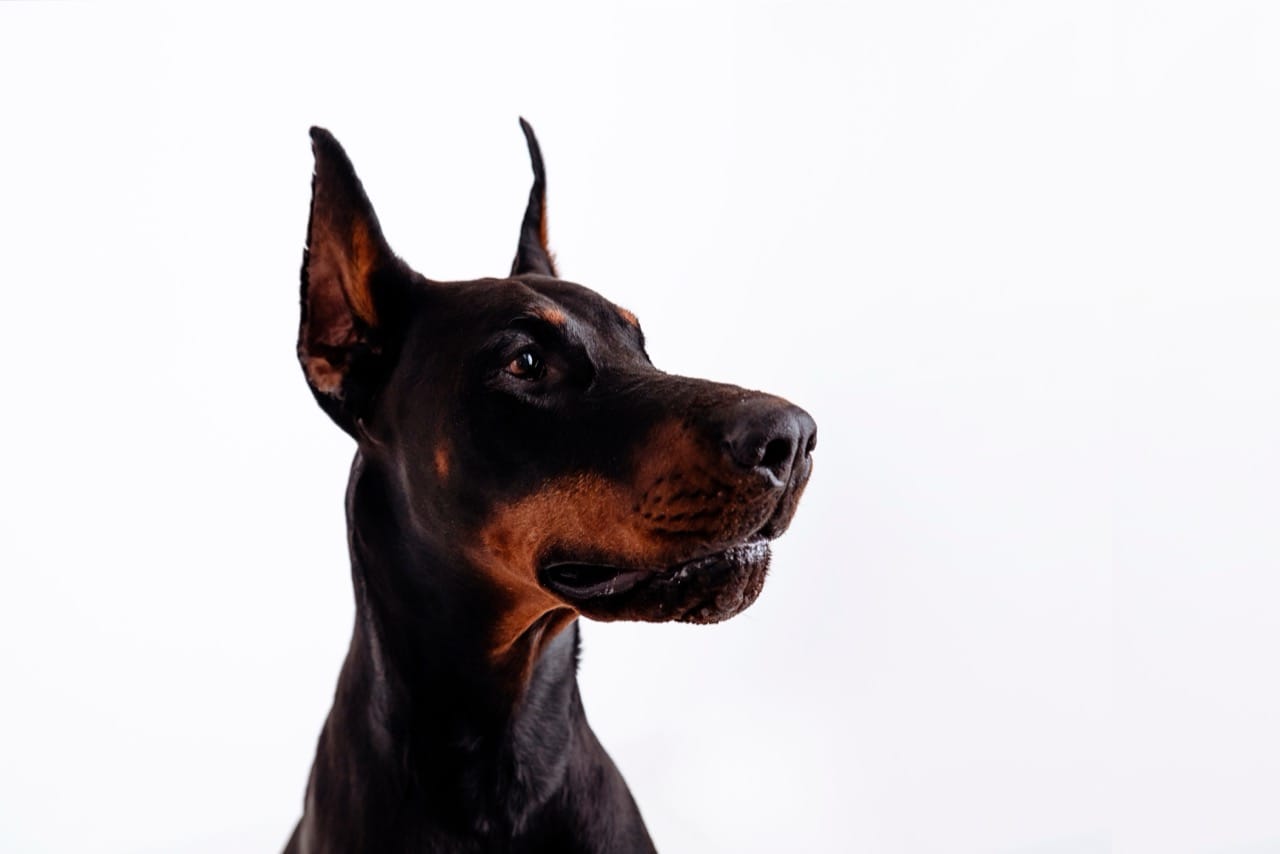
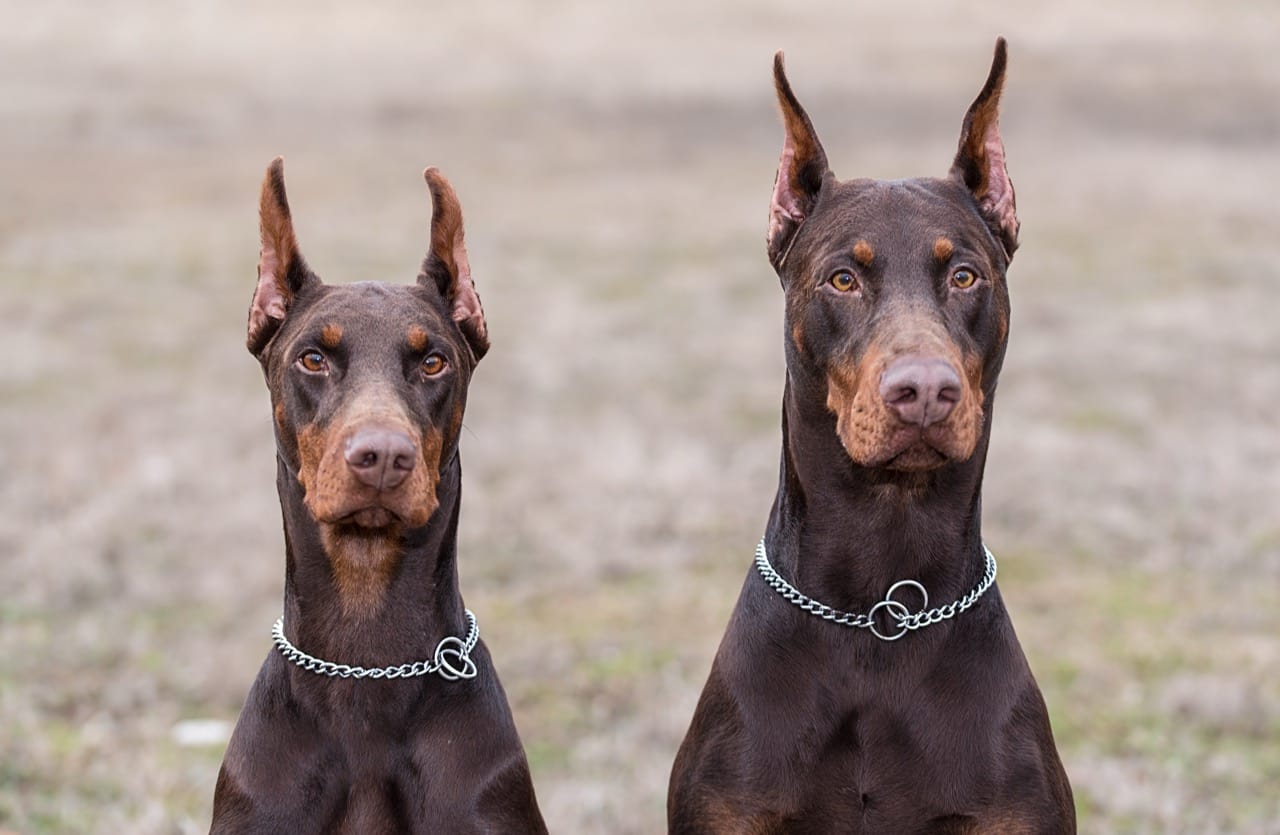
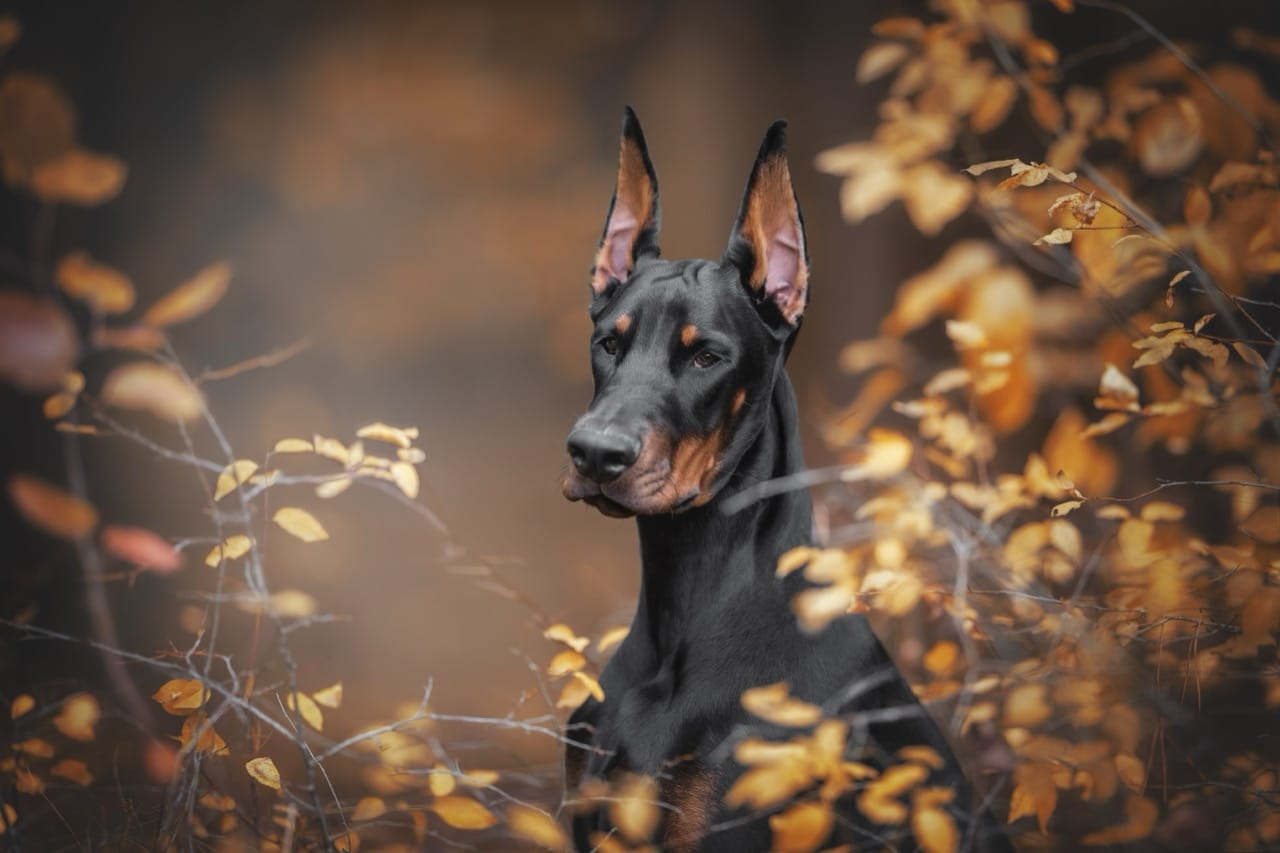
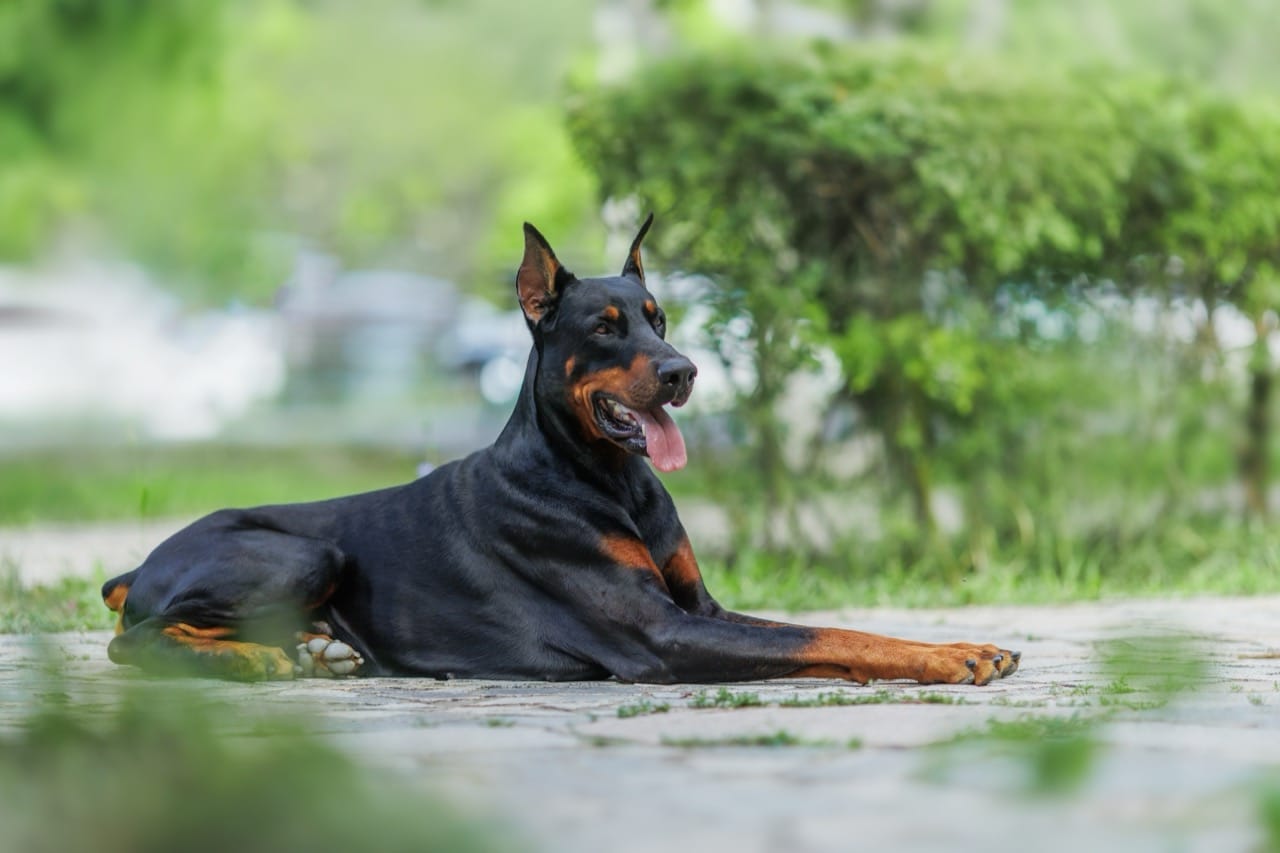
Ear cropping and tail docking are among the most misunderstood topics. Historically, cropping and docking were tied to working use and fashion: shorter ears and tails were thought to reduce injuries during fights with predators or during rough work, and they created a sharper outline that became part of the breed’s public identity. Today, these procedures are elective in many places and are restricted or banned in others. Some kennel clubs and countries prefer natural ears and tails, while others still show cropped and docked dogs. Standards can differ between organizations, so a Doberman that looks typical in one region may look unusual in another.
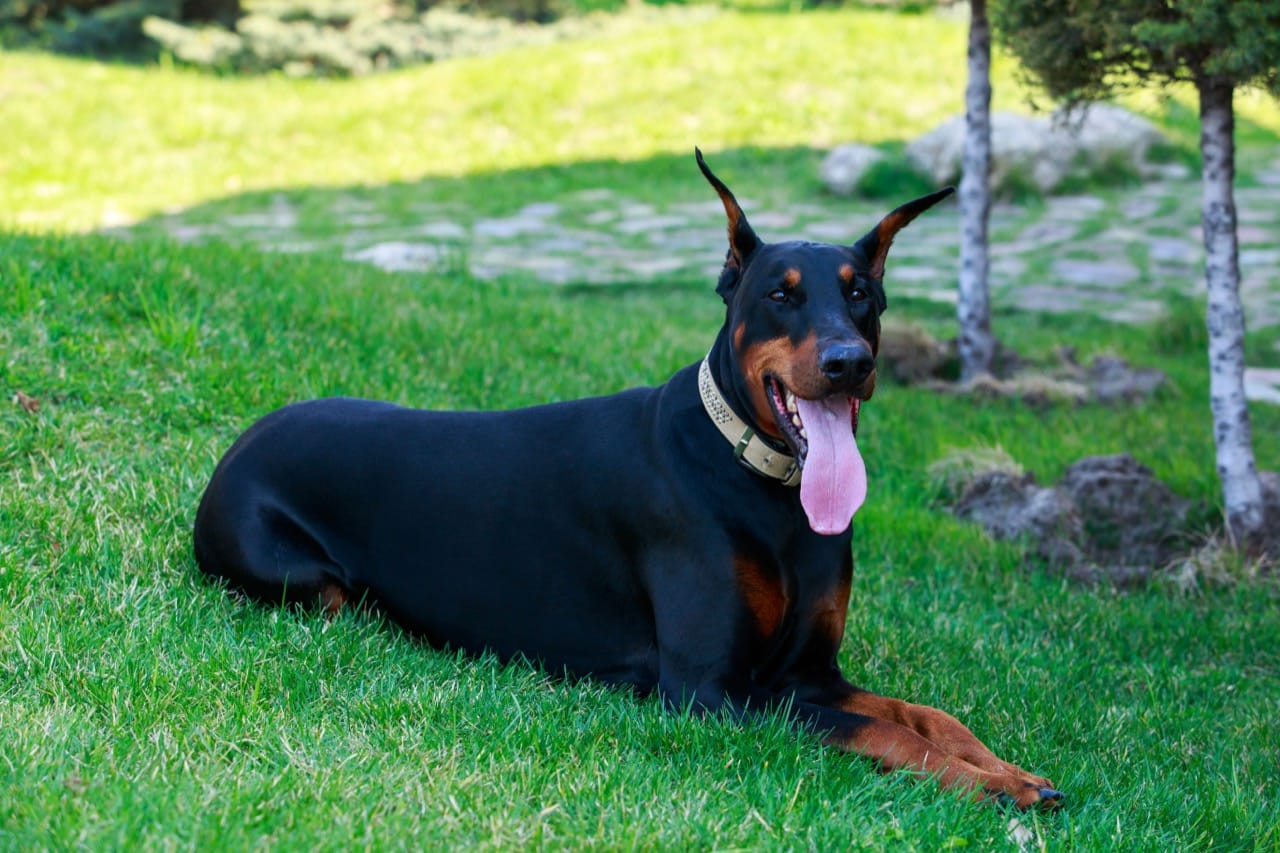
Coat color is another area where facts and folklore collide. The classic colors are black with rust markings and red with rust markings. Blue and fawn, both diluted versions, also exist but can be linked with coat and skin sensitivity in some lines. White or cream Dobermans are not a separate rare treasure; they are associated with albinism and can come with serious health and temperament challenges. Responsible breeders focus less on novelty colors and more on health, structure, and predictable temperament.
Modern Doberman ownership also means understanding health risks. Dilated cardiomyopathy is the headline concern, a heart disease that can be silent until it becomes dangerous. Hip dysplasia, thyroid disease, and von Willebrand disease, a clotting disorder, are also monitored. Ethical breeders use health testing and track family history, but no test can guarantee perfection. The best owners stay proactive with veterinary screening, maintain a lean athletic body condition, and prioritize training and mental exercise.
When you strip away the legends, the Doberman’s story is even better: a purpose built companion shaped by real world needs, refined by careful breeding, and still defined by intelligence, loyalty, and a serious desire to work with its person.