Beyond Fetch Labrador Retriever Master Quiz







Quiz Complete!
Beyond Fetch: The Details That Make a Labrador Retriever a Labrador
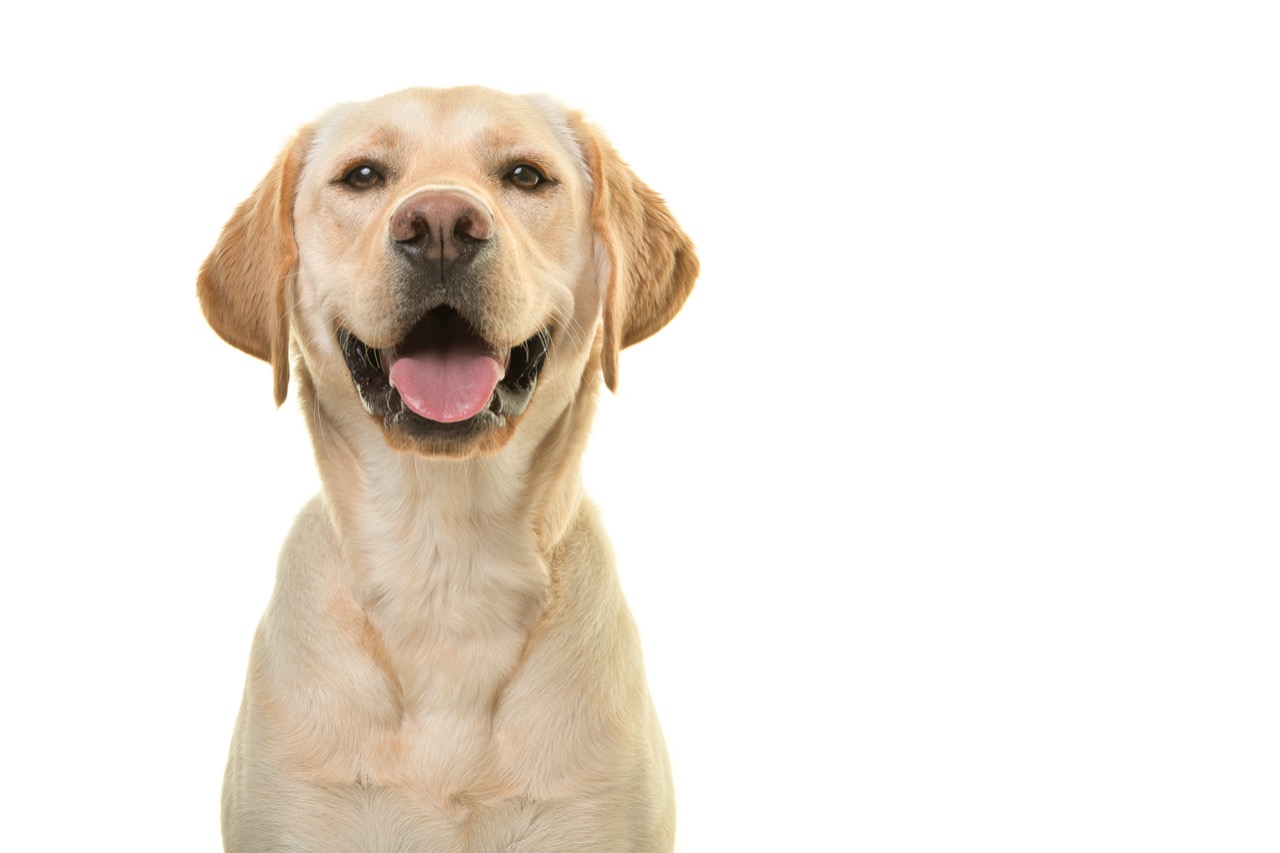
Most people can identify a Labrador Retriever in a second, but the breed becomes far more interesting when you look closely at what makes a Lab correct in structure, coat, movement, and temperament. Breed standards are not meant to create identical dogs, yet they do describe a very specific type: a medium to medium large retriever built to work all day in cold water and rough cover. That working purpose explains many of the details that experienced Labrador people notice immediately.
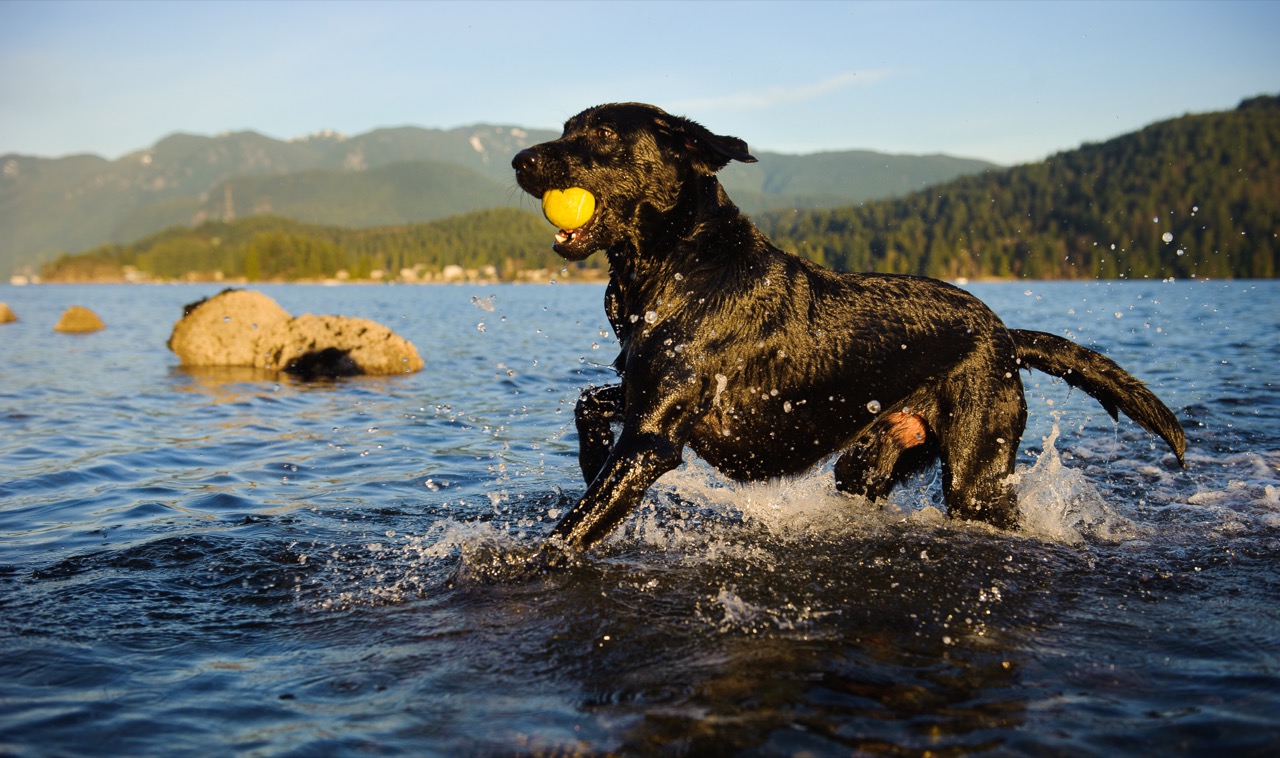
One of the most distinctive features is the tail. The ideal Lab tail is often called an otter tail because it is thick at the base, tapers toward the end, and is fully coated in short, dense hair. It is carried level with the back or slightly above when the dog is alert, but it should not curl over the back. That tail is not just a signature look; it functions like a rudder in water. Along with the tail, the coat is a defining tool. Labs have a short, straight outer coat and a dense, weather resistant undercoat that provides insulation. Dogs with coats that are too long, silky, or sparse may look attractive but can be less protected in wet, cold conditions.
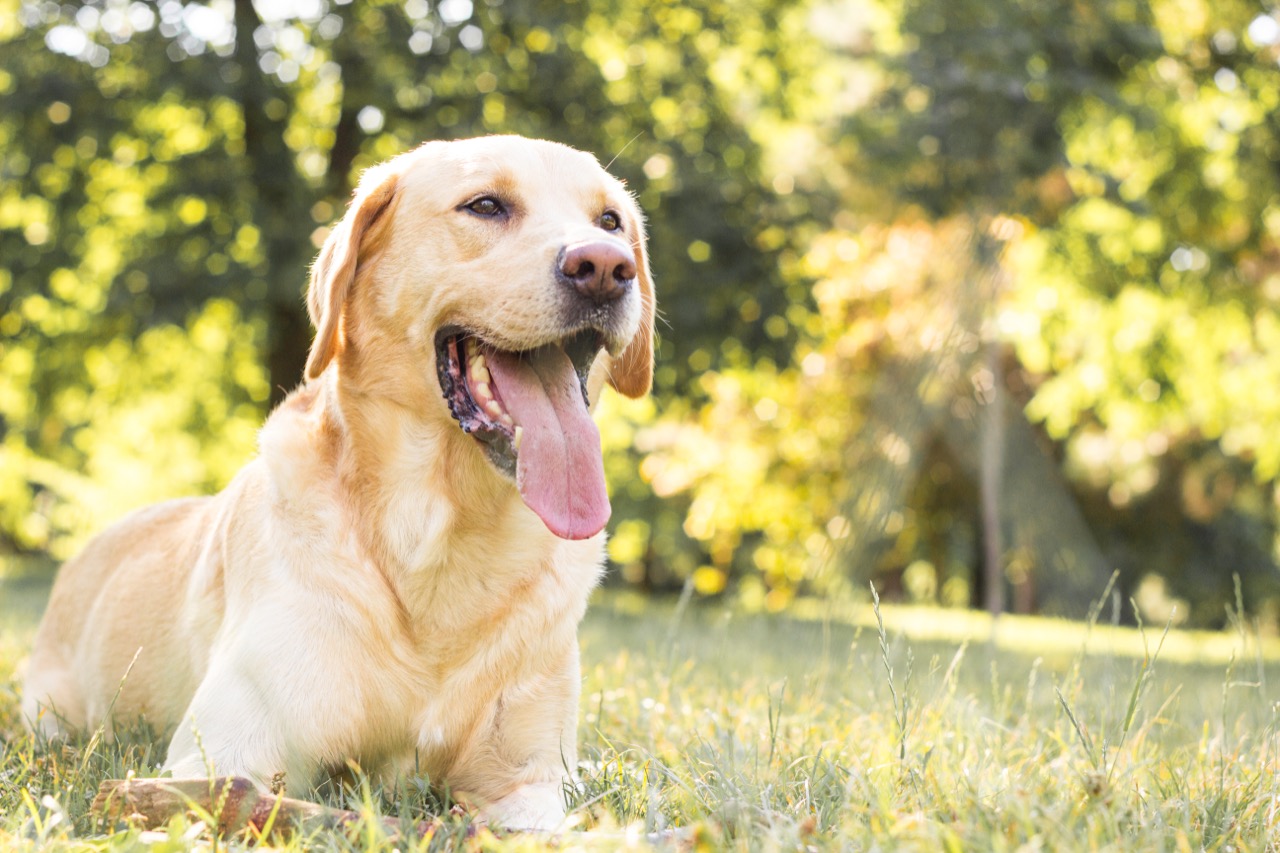
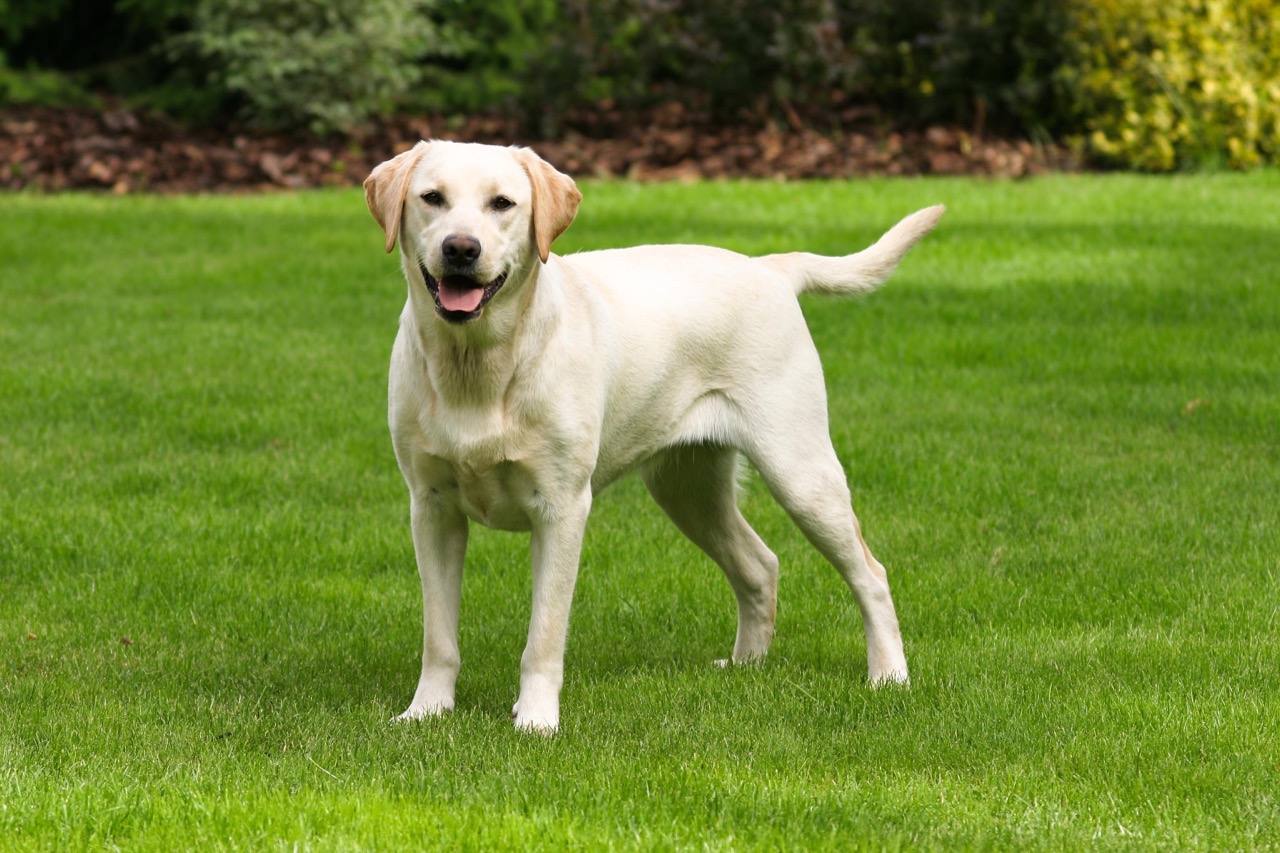
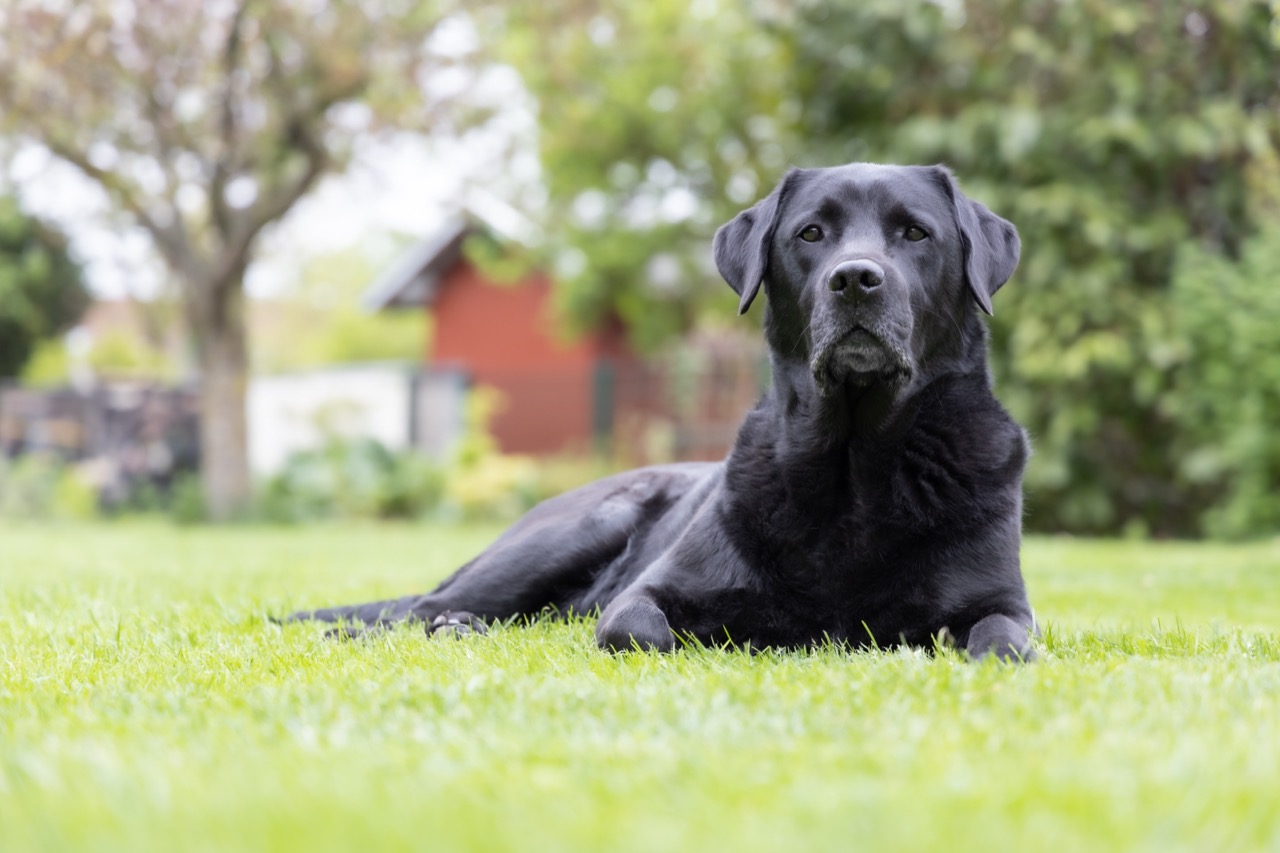
Color adds another layer of detail. The three accepted colors are black, yellow, and chocolate, and genetics explains why. A major factor is the interaction between genes that determine whether pigment is produced and whether it is expressed in the coat. Yellow Labs can range from very pale cream to rich fox red, and that variation is still considered yellow. Chocolate is produced when black pigment is modified, and it can vary from lighter milk chocolate to deep dark tones. Colors like silver are controversial because they are not part of the traditional standard and are often explained as coming from other breed influence or unusual gene combinations. Regardless of color, pigment around the nose and eye rims is often discussed because it affects expression and can be linked to sun exposure or seasonal changes.
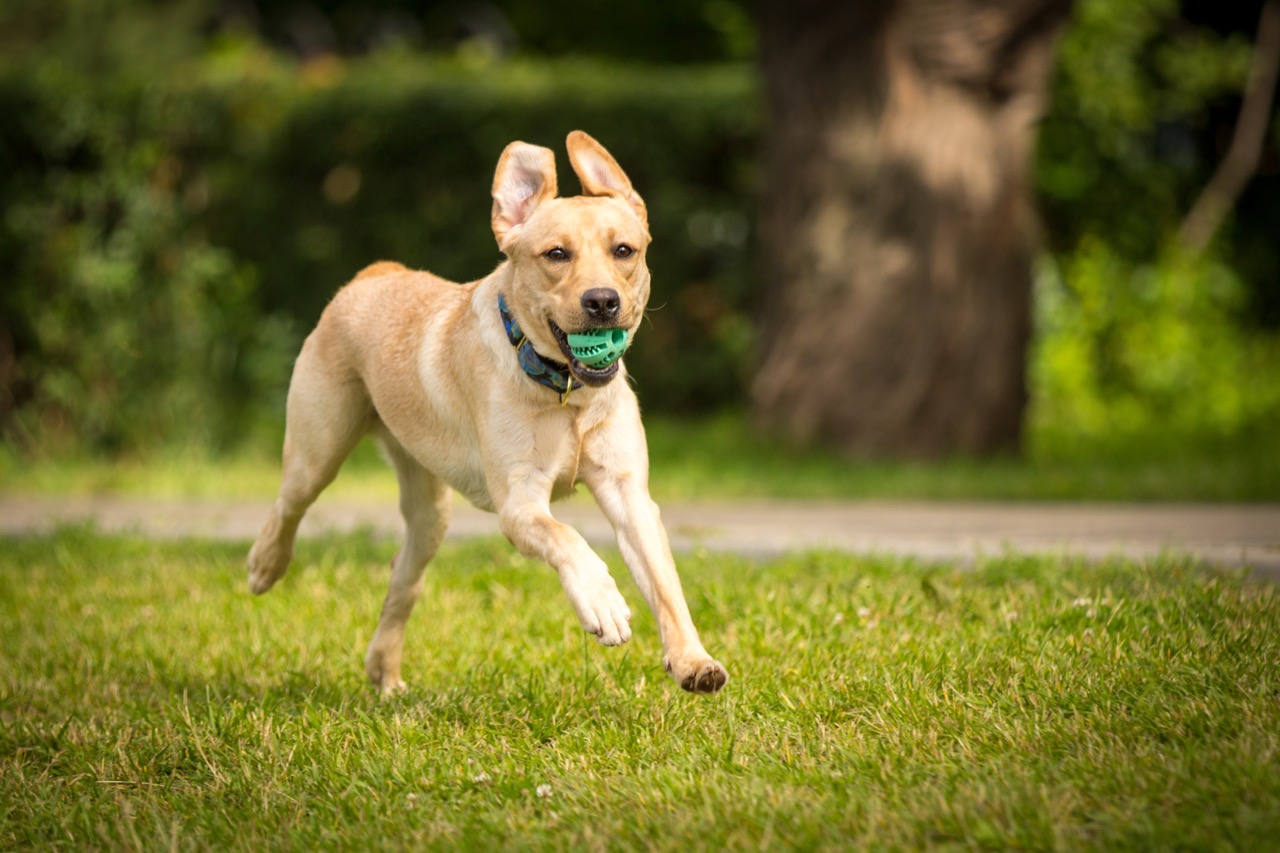
Many quiz level debates center on field versus show types. Field bred Labs are often lighter boned, more streamlined, and extremely driven, selected for speed, endurance, and intense retrieving desire. Show bred Labs are commonly heavier, with broader heads and more substantial bodies, selected to match the written standard and move efficiently in a ring. Both can be excellent companions, but their energy levels and training needs can differ dramatically. A well bred Labrador in any line should be stable, biddable, and people oriented, without sharpness or shyness. The classic temperament is friendly and confident, which is part of why Labs excel as assistance dogs and family pets.
Movement and structure matter because they predict durability. A Labrador should have balanced angulation front and rear, a strong level topline, and efficient gait with good reach and drive. Overdone features can look impressive but may reduce stamina or increase injury risk. Feet are another practical detail: compact, well arched toes and thick pads help a working retriever handle varied terrain.
Health is where responsible breeding becomes most important. Reputable breeders commonly screen hips and elbows for dysplasia and have eyes examined by qualified specialists. Genetic tests are also widely used for conditions such as exercise induced collapse, progressive retinal atrophy variants, and centronuclear myopathy. Labs are famously food motivated, which is charming but can lead to obesity and related joint stress if owners are not careful.
Even the breed’s history is often simplified. The Labrador Retriever did not originate in Labrador as many assume; it developed from dogs of Newfoundland, including the St Johns water dog, and was refined in Britain for retrieving work. When you connect that history to the tail, coat, body, and temperament, the fine print stops being trivia and starts telling a coherent story: the Labrador is a purpose built athlete designed to retrieve with enthusiasm, resilience, and a steady mind.