Bernese Mountain Dog Fact Check Frenzy

Quiz Complete!
Bernese Mountain Dog Fact Check Frenzy: What’s True About This Gentle Swiss Giant
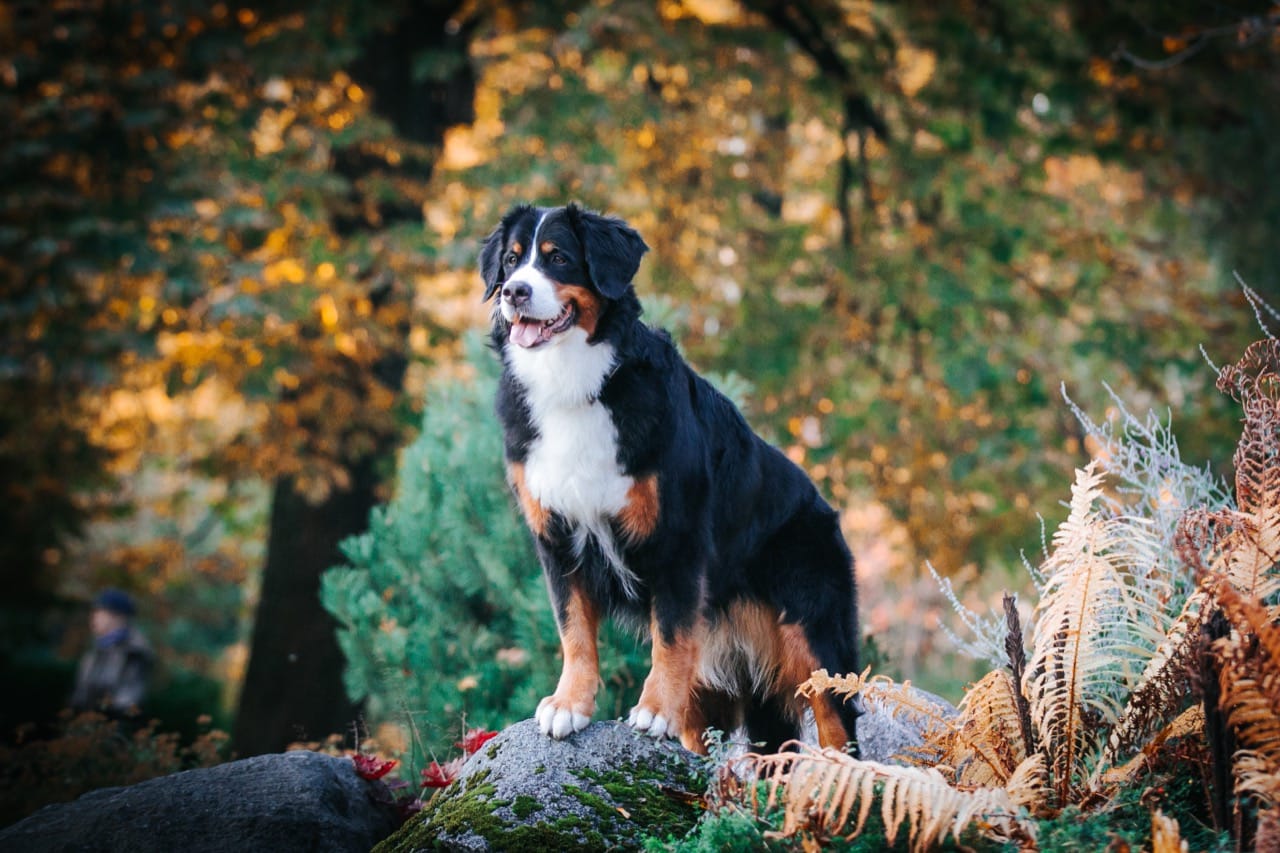
The Bernese Mountain Dog has a way of looking both regal and cuddly at the same time, which helps explain why so many people assume they already know the breed. In reality, Berners are full of details that can surprise even experienced dog lovers. Their story begins in Switzerland, where they were developed as versatile farm dogs in the canton of Bern. They were not created as a single-purpose specialist. Instead, they earned their keep by doing a bit of everything: guarding property, moving livestock, and pulling carts loaded with milk, cheese, or farm goods. That carting history is real, and it helps explain why many Berners still enjoy pulling sports and why their calm, steady pace can feel more like a draft animal than a high-speed herder.
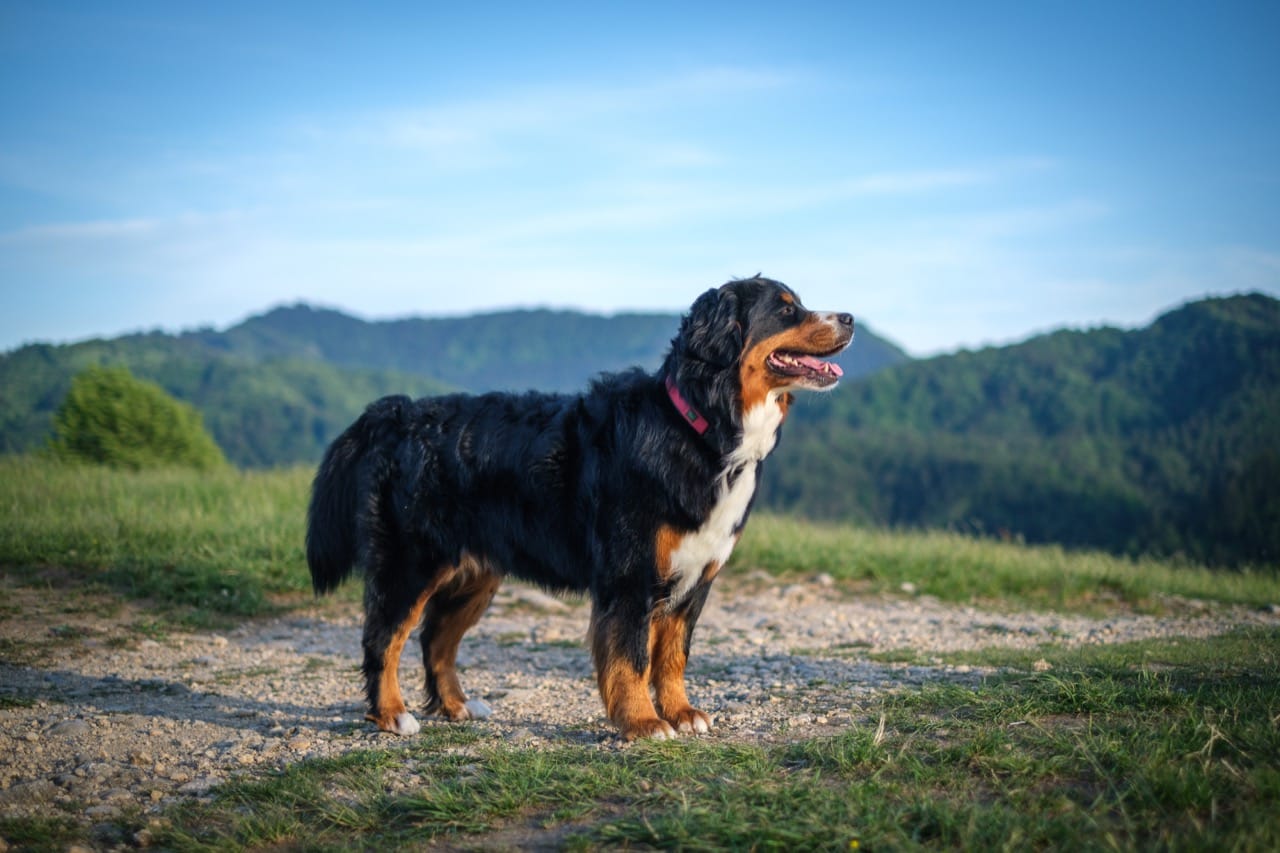
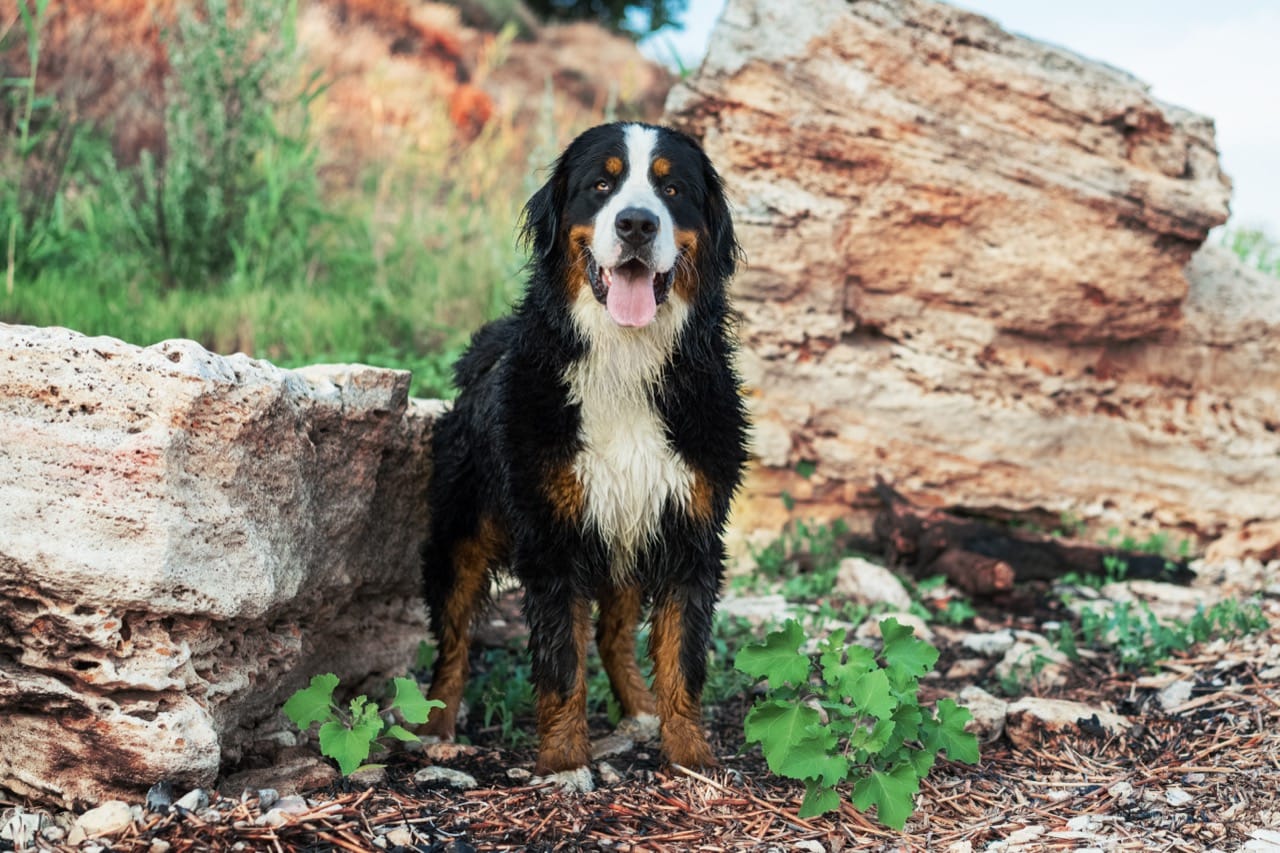
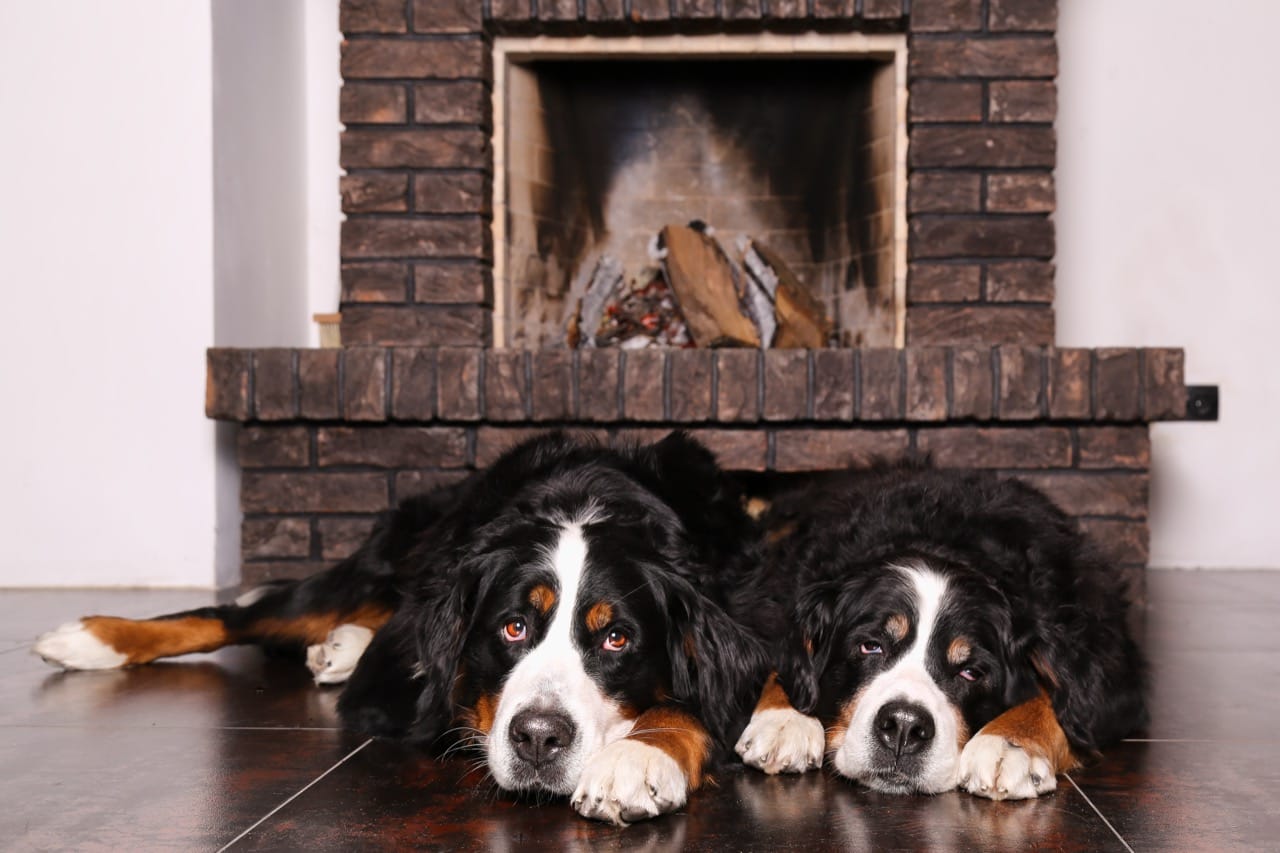
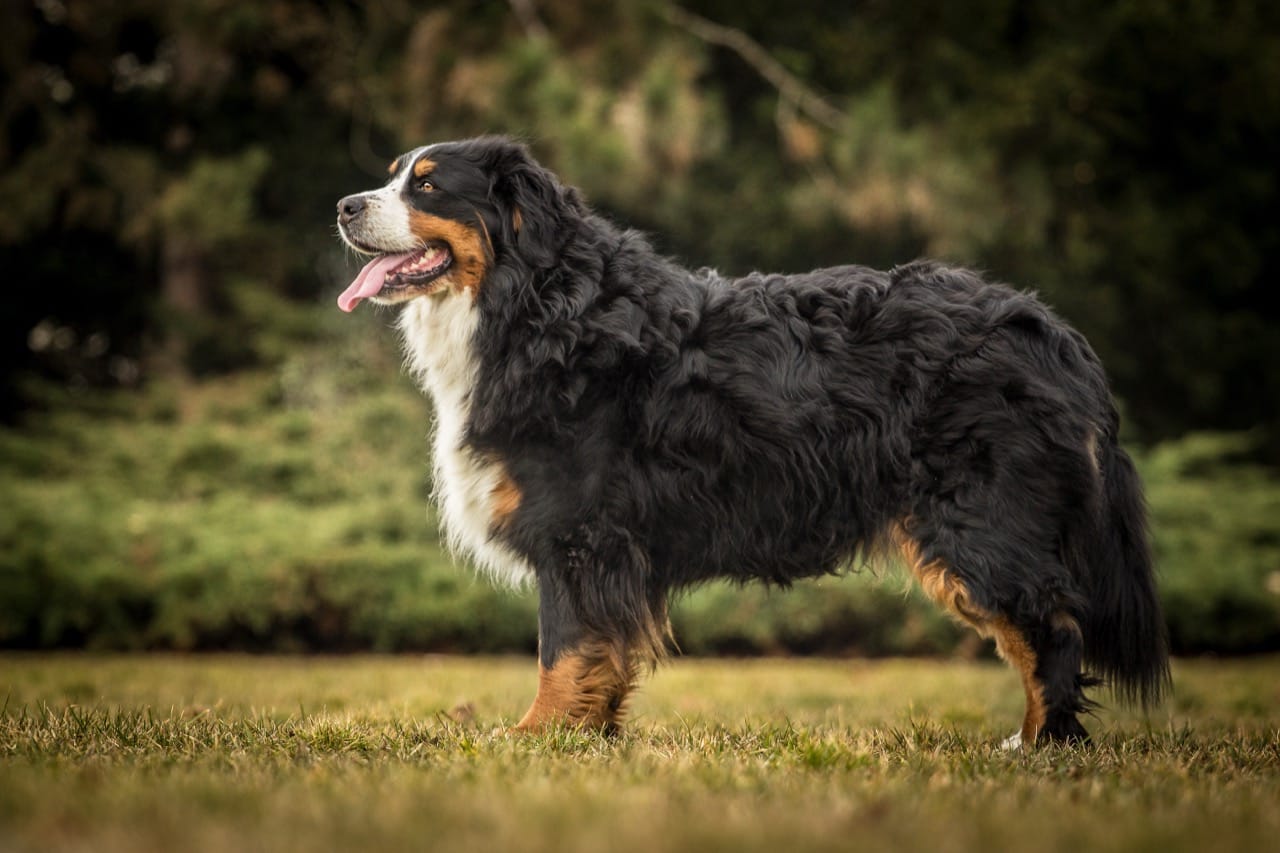
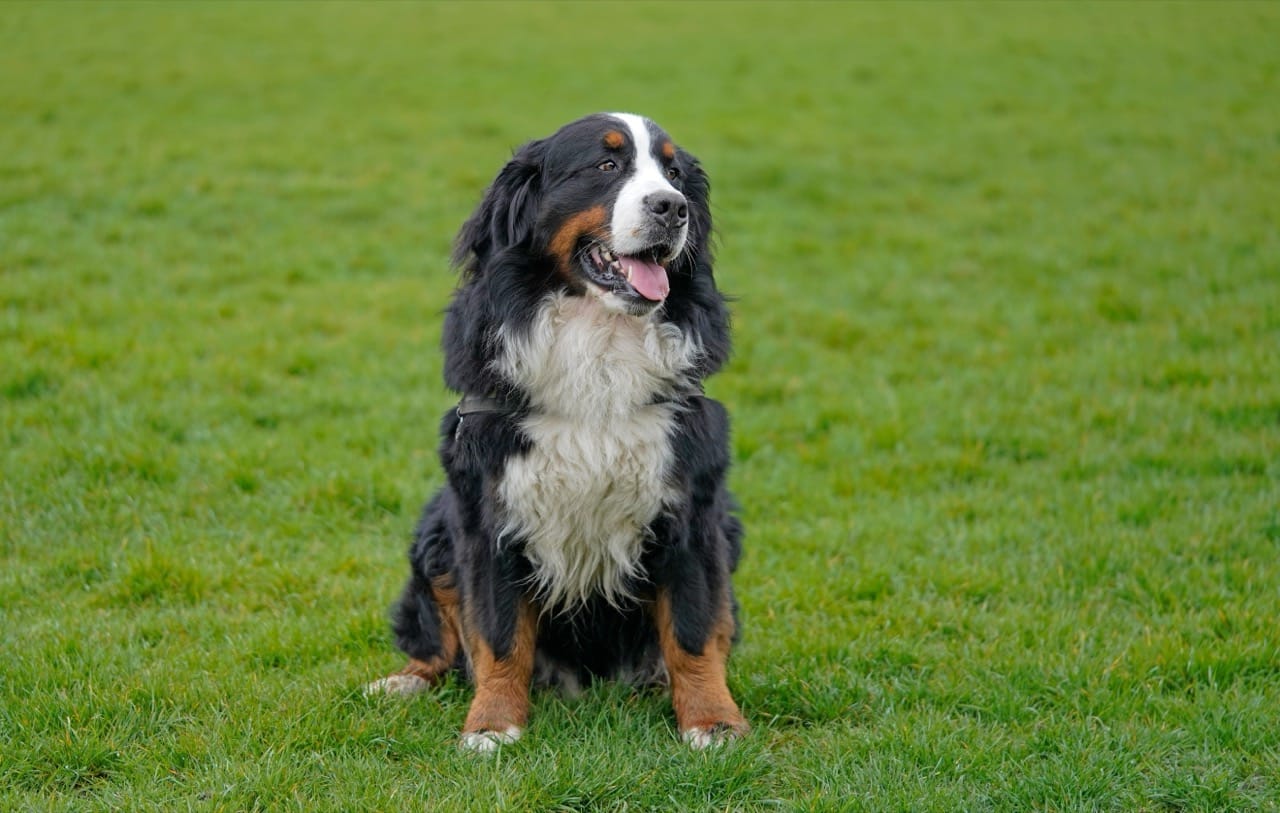
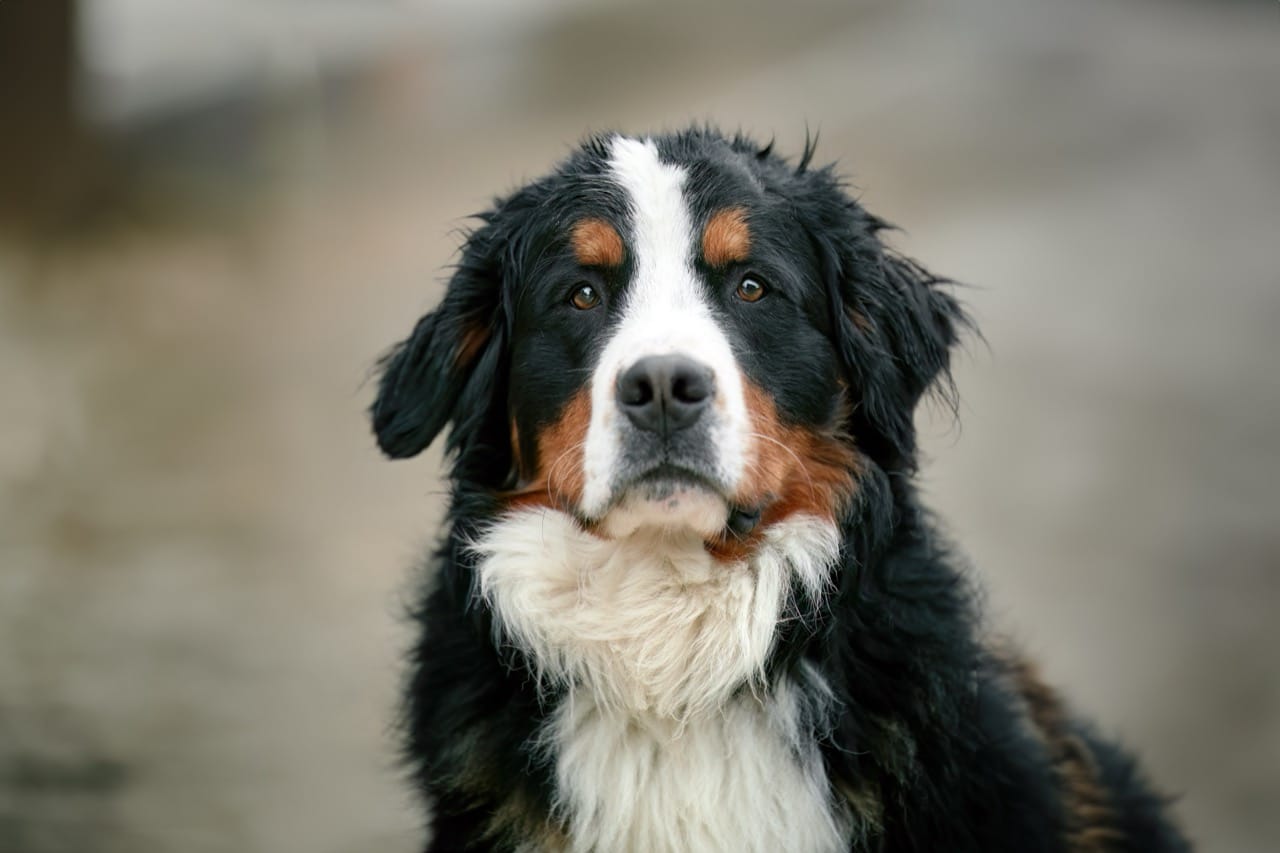
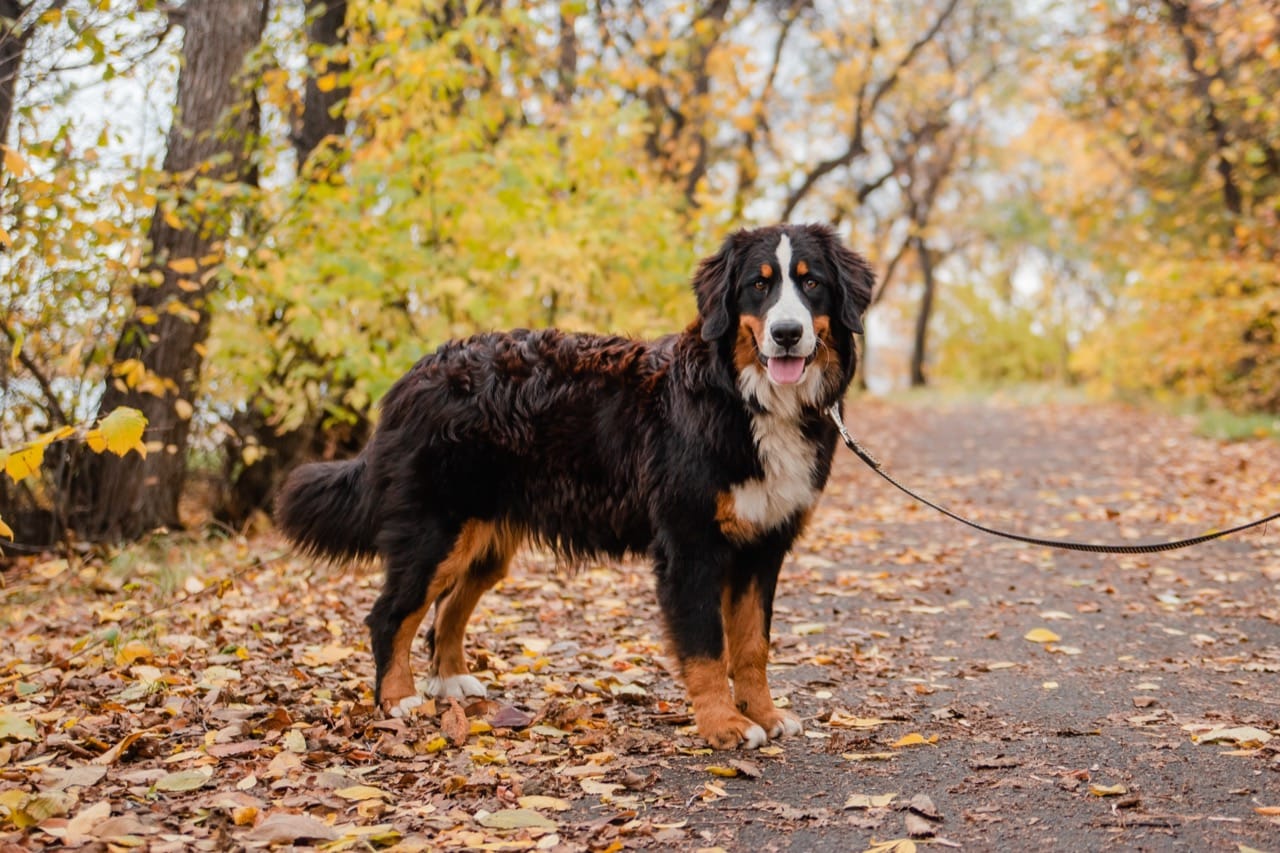
That famous tricolor coat is another area where myths thrive. A classic Berner has a black coat with rich rust markings and clean white accents, often including a blaze on the face and a white chest. The coat is double layered, with a longer outer coat and a soft undercoat that helps insulate against cold. This does not mean they are comfortable in all weather. Berners generally tolerate cold well, but heat can be a real challenge. In warm or humid conditions they can overheat quickly, especially if they are heavy, out of shape, or exercised too hard at the wrong time of day. Their thick coat also means shedding is not a minor issue. Many owners are surprised to learn that shedding can be heavy year round, with seasonal coat blows that can turn brushing into a daily routine.
Temperament is where the breed earns its reputation, but even here the truth is more nuanced than the stereotype. Bernese Mountain Dogs are often gentle, affectionate, and people oriented. Many are patient with children and enjoy being close to their families, sometimes to the point of following a favorite person from room to room. However, gentle does not automatically mean easy. They are large, powerful dogs, and a friendly adolescent Berner who has not learned manners can accidentally knock people over. Early socialization and consistent training matter, not because they are typically aggressive, but because good habits are essential in a dog that can weigh as much as an adult human.
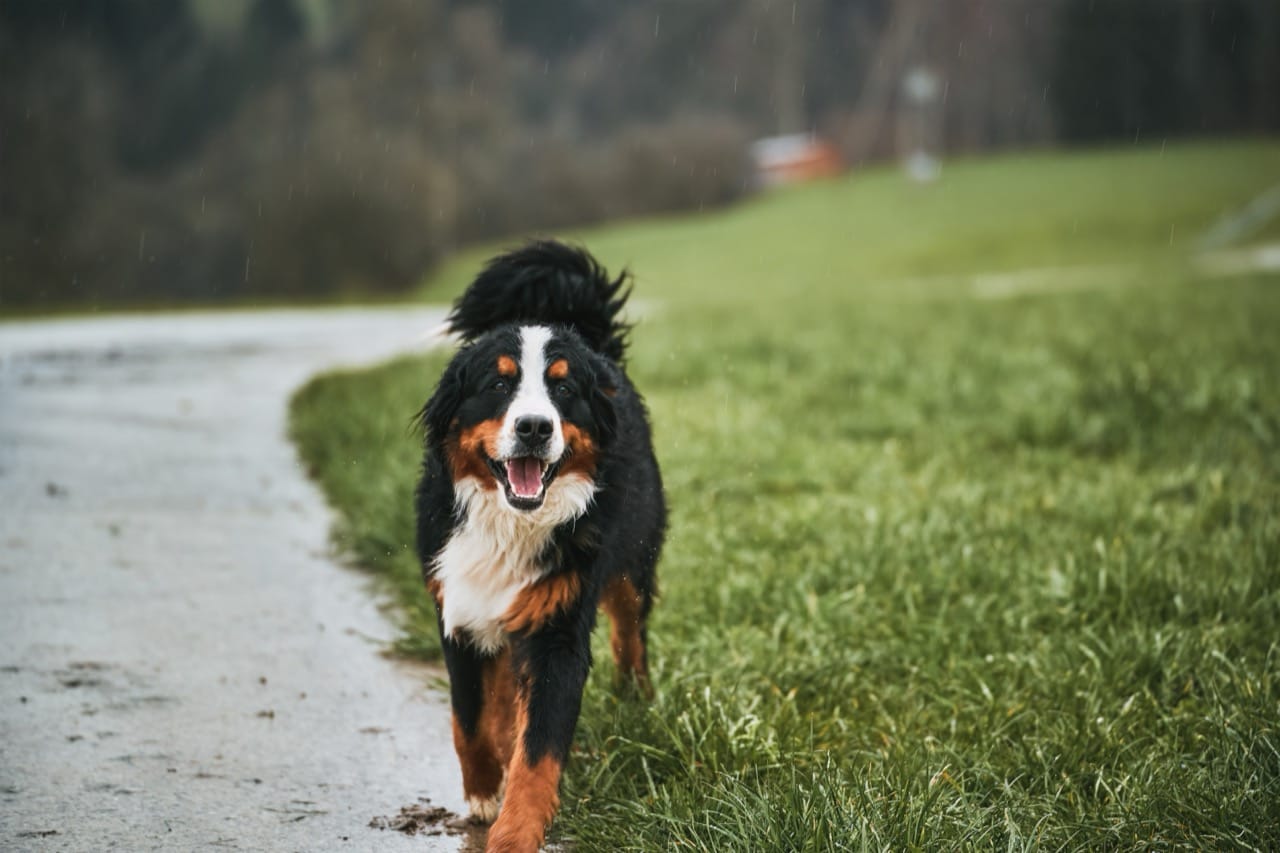
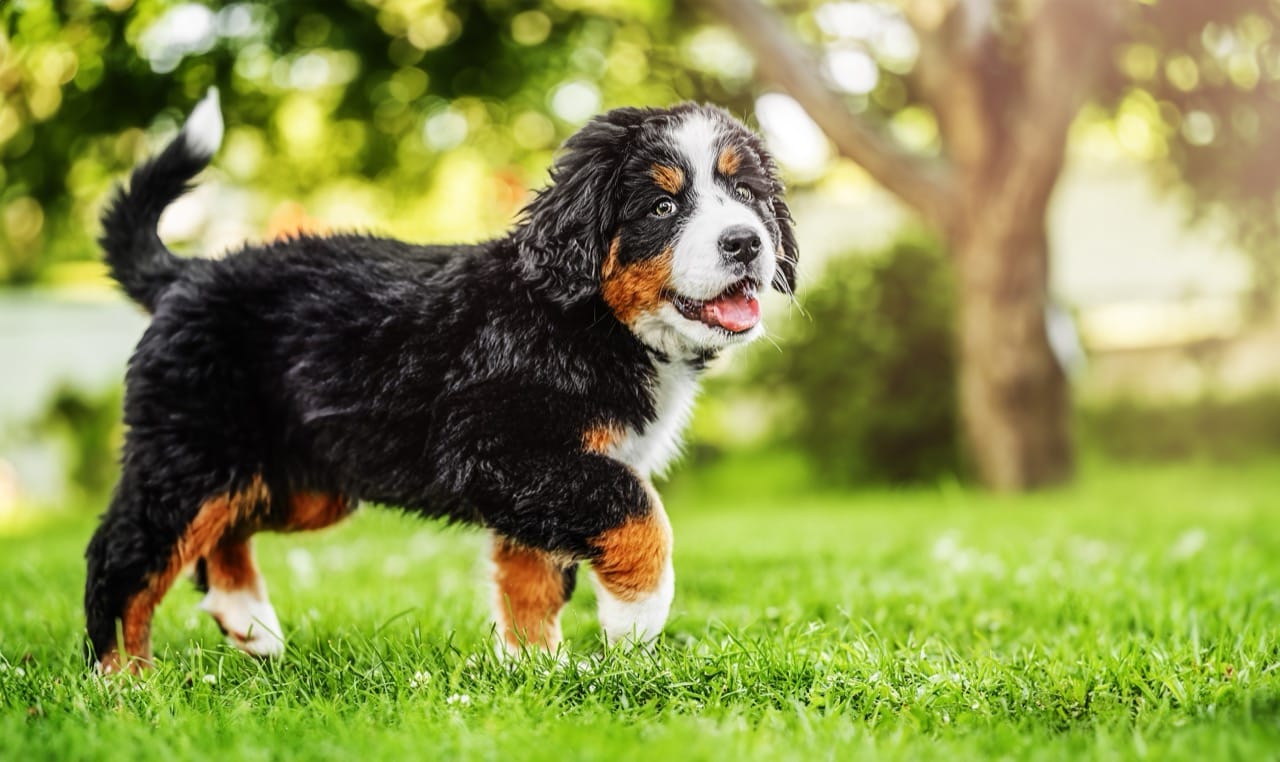
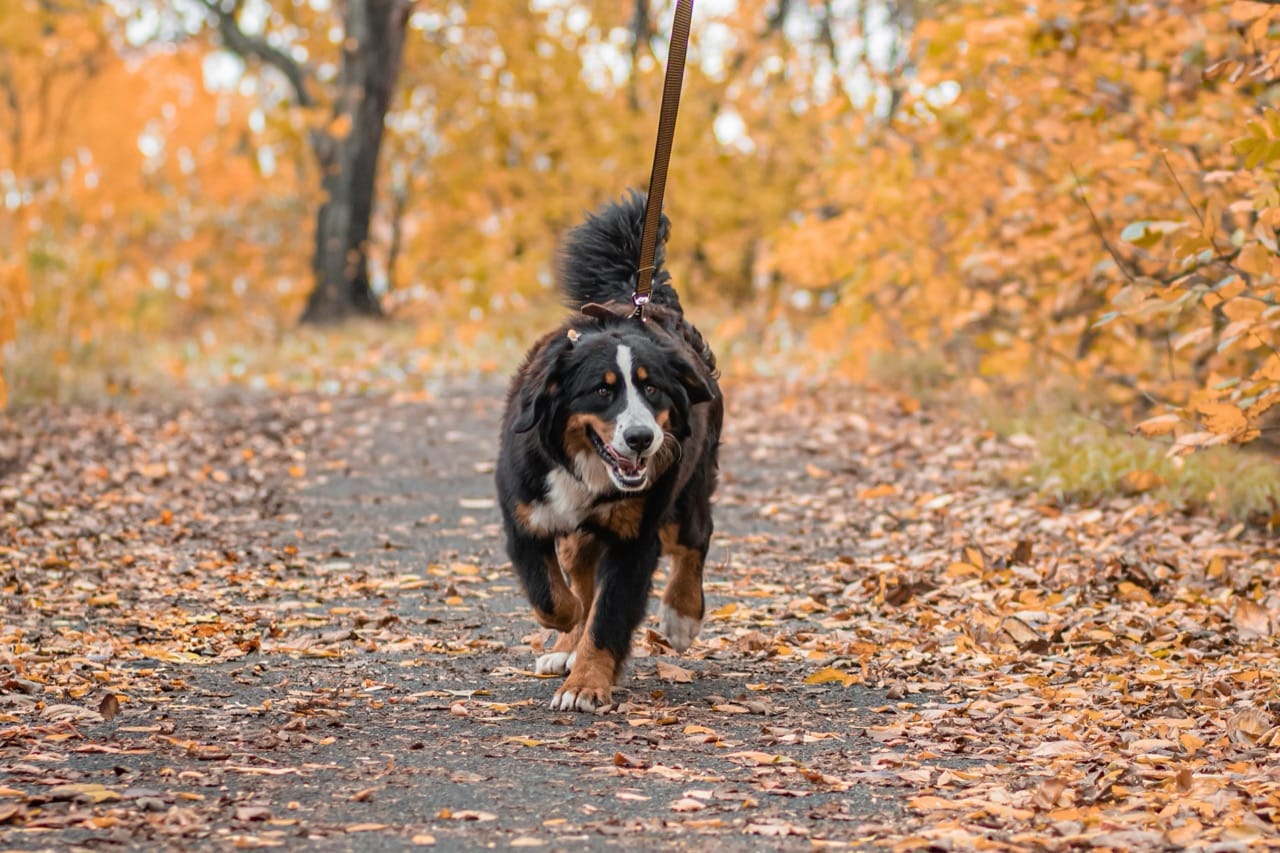
Another common misconception is that big, calm dogs do not need much activity. Berners usually are not built for nonstop endurance like some working breeds, but they still need regular exercise, mental stimulation, and time outside. Many enjoy hiking at a moderate pace, pulling a cart, learning obedience skills, or simply exploring new places with their people. They also tend to be sensitive to harsh training methods. A steady, positive approach usually works best, especially because many Berners mature slowly and can remain puppyish in behavior well into adulthood.
Health realities are an important part of any fact check about this breed. Bernese Mountain Dogs are beloved, but they are not known for exceptional longevity. Like many large breeds, they are prone to orthopedic issues such as hip and elbow dysplasia, and they can also face certain cancers at higher rates than average. Bloat, also called gastric dilatation volvulus, is another concern in deep chested dogs. Responsible breeding, health testing, appropriate diet, weight management, and veterinary care can all help, but no quiz about Berners should pretend that health is a trivial topic.
If you love the Berner charm, the best way to score well on a true or false challenge is to remember that they are both rugged workers and sensitive companions. They are not just fluffy couch ornaments, and they are not unstoppable mountain machines either. They are farm bred helpers with a soft side, a coat built for cold, and a set of needs that deserve as much respect as their irresistible face.