Beagle Owner Law Check in Plain English












Quiz Complete!
Beagle Owner Law Check in Plain English
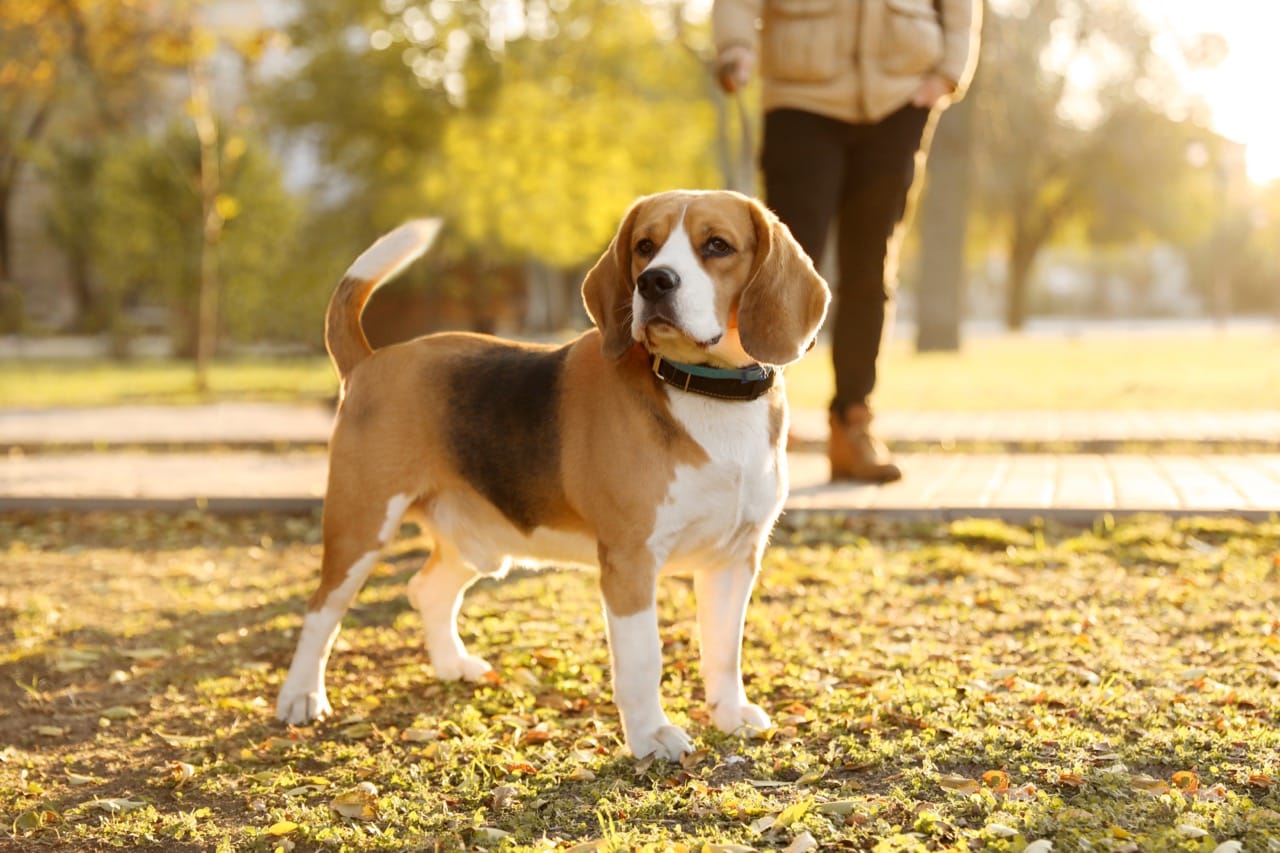
Beagles are built to follow a scent trail with single minded joy, which is exactly why everyday dog rules matter so much for beagle owners. A curious nose can pull a beagle toward an open gate, a tempting trash can, or a rabbit on the other side of the street, and the law often assumes you are responsible for what your dog does next. Knowing the basics helps you avoid fines, protect your dog, and keep neighbor relationships intact.
Many places require dog licensing through a city or county. It sounds boring, but a license is often the fastest way to prove ownership if your beagle is picked up by animal control or turned in by a good Samaritan. Fees may be lower if your dog is spayed or neutered, and some areas offer multi year licenses. The catch is that licensing is frequently tied to rabies vaccination. Rabies rules are among the most consistent in the dog world because they are about public health. Even indoor dogs may be required to have a current rabies shot, and proof is usually a certificate from your veterinarian. If your beagle bites someone, being able to show current rabies vaccination can make the aftermath far less stressful.
Leash laws and at large rules are where beagles get into trouble. Some parks and trails allow off leash activity only in designated areas, and many cities require a leash in any public place. Even where off leash is allowed, you may still be expected to have voice control, which is challenging for a scent driven hound. If your beagle runs loose and causes a traffic accident, injures another animal, or damages property, you could face citations or civil liability. A long line can be a practical compromise that gives sniffing freedom while keeping you compliant.
Noise and nuisance complaints are another common flashpoint. Beagles can be vocal, and a bored hound may howl like it is announcing important news to the entire block. Nuisance laws usually focus on repeated or prolonged barking or howling, especially during quiet hours. The rules are often complaint driven, meaning enforcement starts when neighbors report a problem. Training, enrichment, and preventing long periods of lonely confinement are not just good dog care, they are often the simplest legal strategy.
Bite rules vary widely, but there are patterns. Some places follow a one bite concept where prior knowledge of dangerous behavior matters, while others impose strict liability where the owner can be responsible even if the dog has never bitten before. Separately, most jurisdictions have quarantine or observation requirements after a bite, typically at home or at a facility depending on the circumstances and vaccination status. Reporting requirements may apply to doctors, veterinarians, or owners. The smartest move after any bite is to exchange contact information, seek medical care, document what happened, and contact local animal control or a lawyer if the situation is serious.
Microchipping is not universally required, but it is increasingly common, and shelters strongly encourage it. A chip is not a GPS tracker, but it is a permanent ID that can reunite you with a beagle who slipped a collar while tracking a smell. Some landlords, rescues, or municipalities require microchipping, and many airlines and international travel rules treat it as essential.
Breed specific laws usually target breeds perceived as high risk, so beagles are rarely singled out. Still, beagle mixes can be misidentified, and any dog can be restricted by housing policies that feel like laws. Landlords and homeowners associations can set pet limits, weight caps, deposits, and behavior standards. Airlines also have their own rules about crate size, health certificates, temperature limits, and whether a dog can fly in cabin or cargo. These are not statutes, but they can be just as binding for your plans.
The practical takeaway is simple: local rules shape everyday life with a beagle. A little paperwork, a sturdy leash plan, thoughtful training, and up to date veterinary records can keep your hound out of trouble and let you focus on the fun part, watching that famous nose lead the way.