Barkside Mysteries of the German Shepherd
Quiz Complete!
Barkside Mysteries of the German Shepherd: Surprising Facts Behind a Famous Silhouette
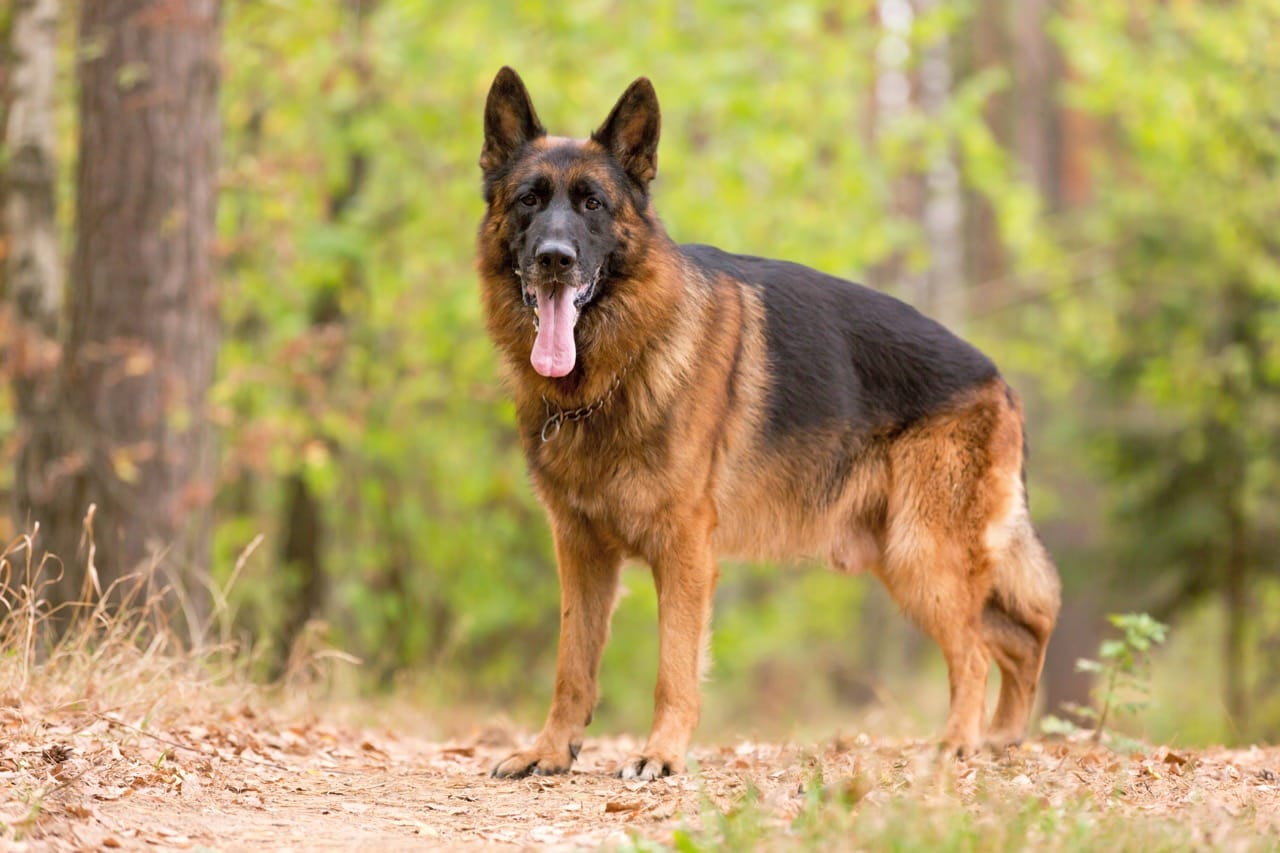
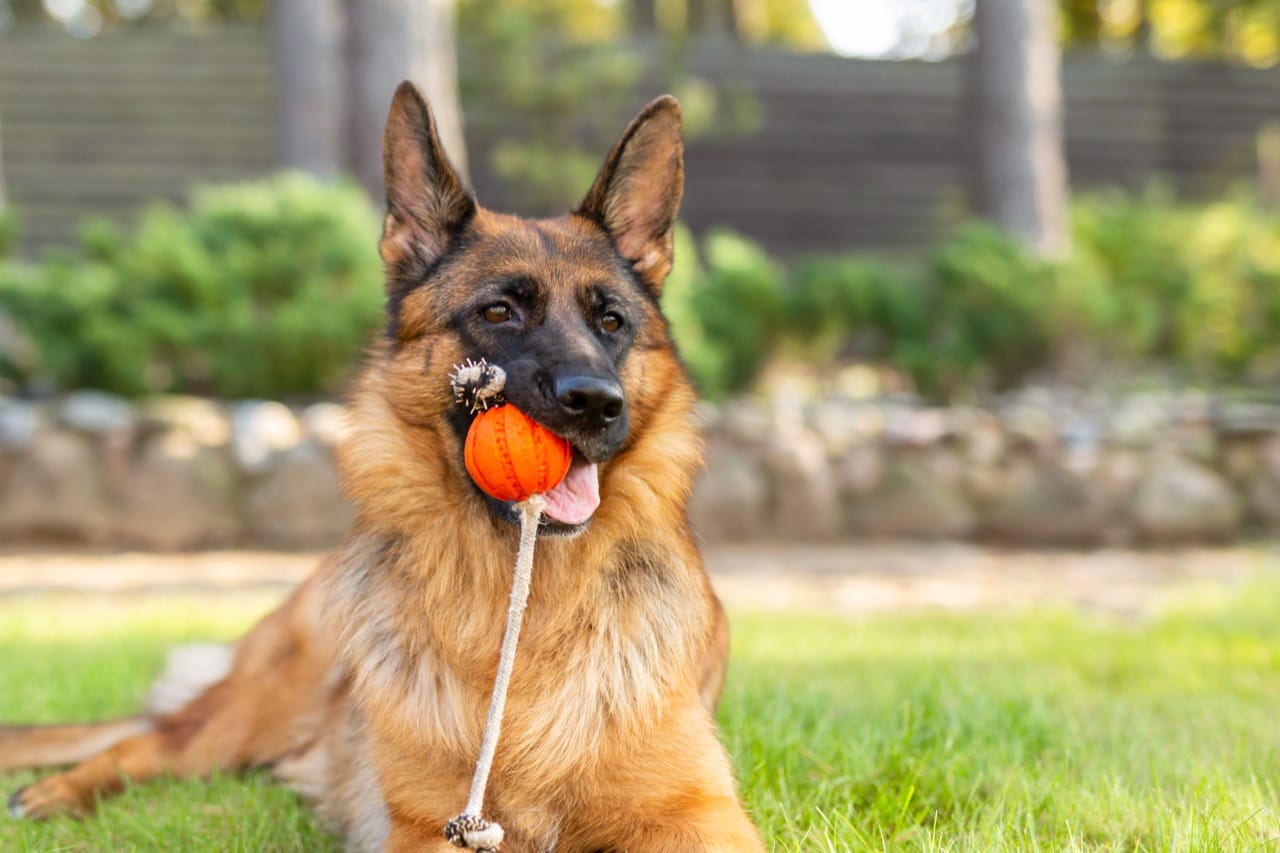
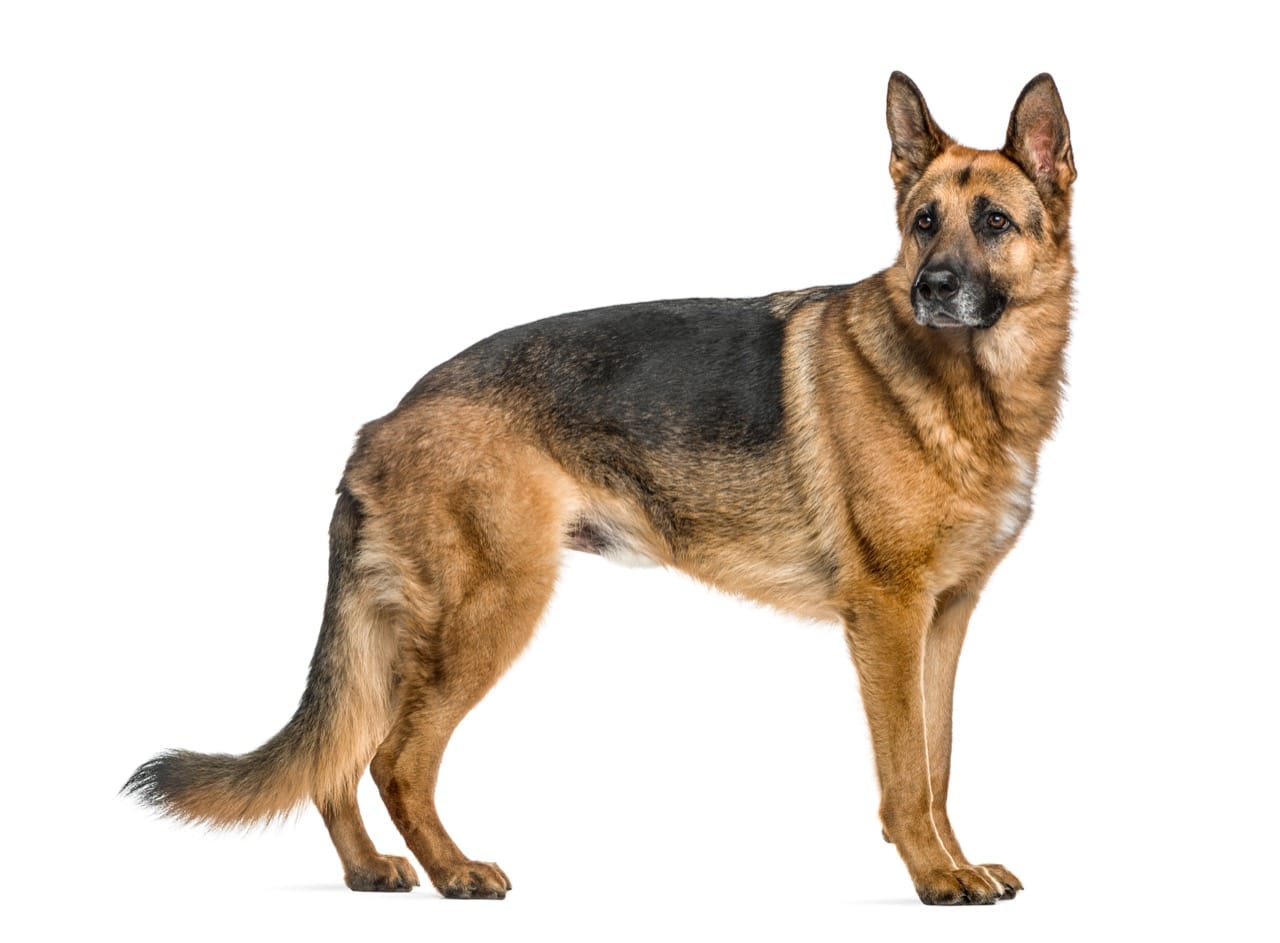
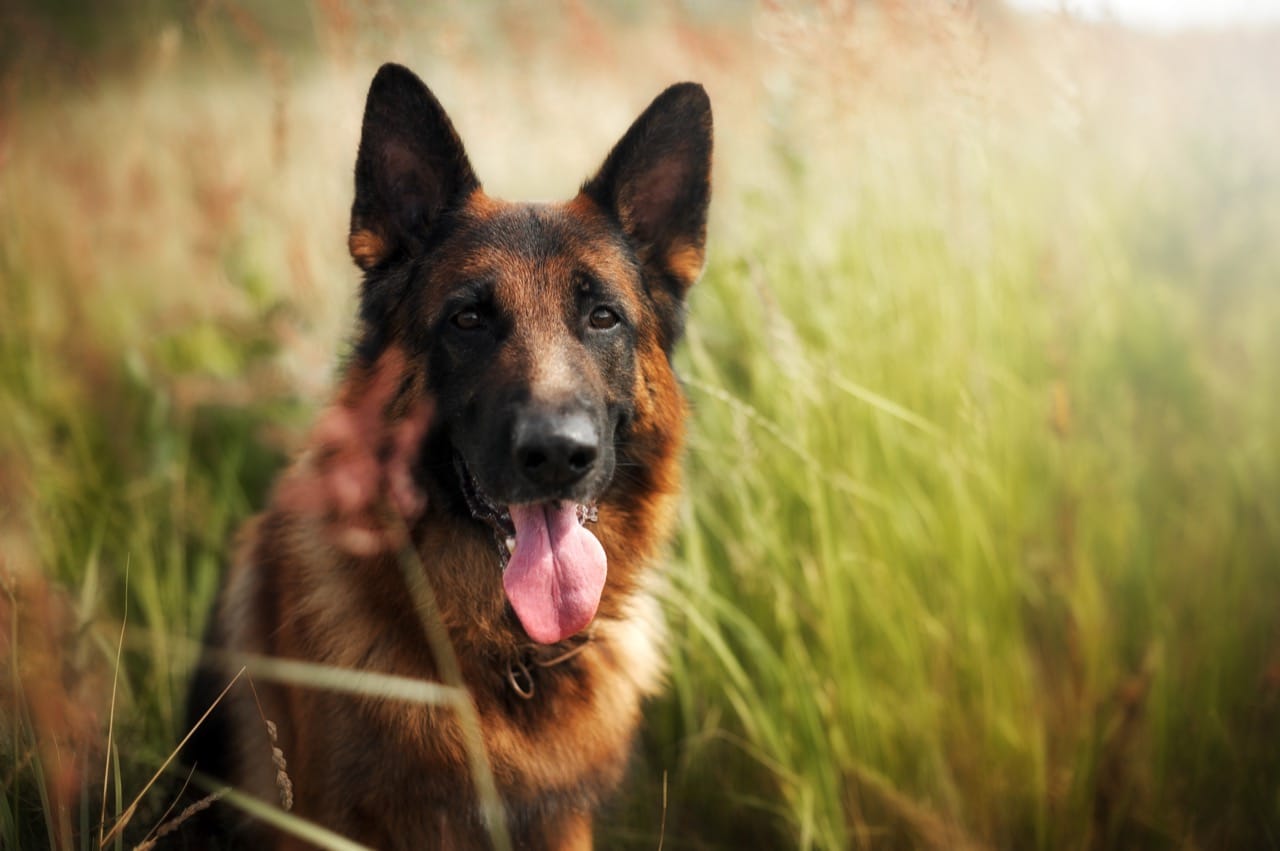
German Shepherds feel instantly recognizable: the alert ears, the confident stance, the purposeful trot. Yet behind that iconic outline is a story full of unexpected turns, practical design choices, and a few quirks that even devoted owners may not know. The breed began as a working idea before it became a household name. In late 1800s Germany, different regions had their own herding dogs, and a cavalry officer named Max von Stephanitz set out to standardize a dog built for utility above all. His early goal was not to create a showpiece, but a versatile partner with intelligence, stamina, and trainability. The first registered German Shepherd is often traced to a dog von Stephanitz purchased in 1899, and the breed club he helped form pushed a simple message: the dog should be judged by what it can do.
The name itself has had a complicated journey. During periods of anti German sentiment, especially around World War I and World War II, English speaking countries softened or replaced the name. In the United Kingdom, the breed was long called the Alsatian, a label meant to distance it from Germany by referencing the Alsace region. That alternate name lingered for decades and still pops up in conversation, which can surprise people who assume it is a separate breed.
Pop culture helped lock the German Shepherd into public imagination. Early film stars like Rin Tin Tin and Strongheart turned the breed into a symbol of loyalty and heroism. That fame also shaped expectations: many people assume every German Shepherd will naturally be a perfect guard dog. In reality, the breed is known for nerve and courage, but temperament is heavily influenced by genetics, early socialization, and training. A stable, well raised Shepherd is often thoughtful rather than reckless, more likely to assess a situation than to explode into action.
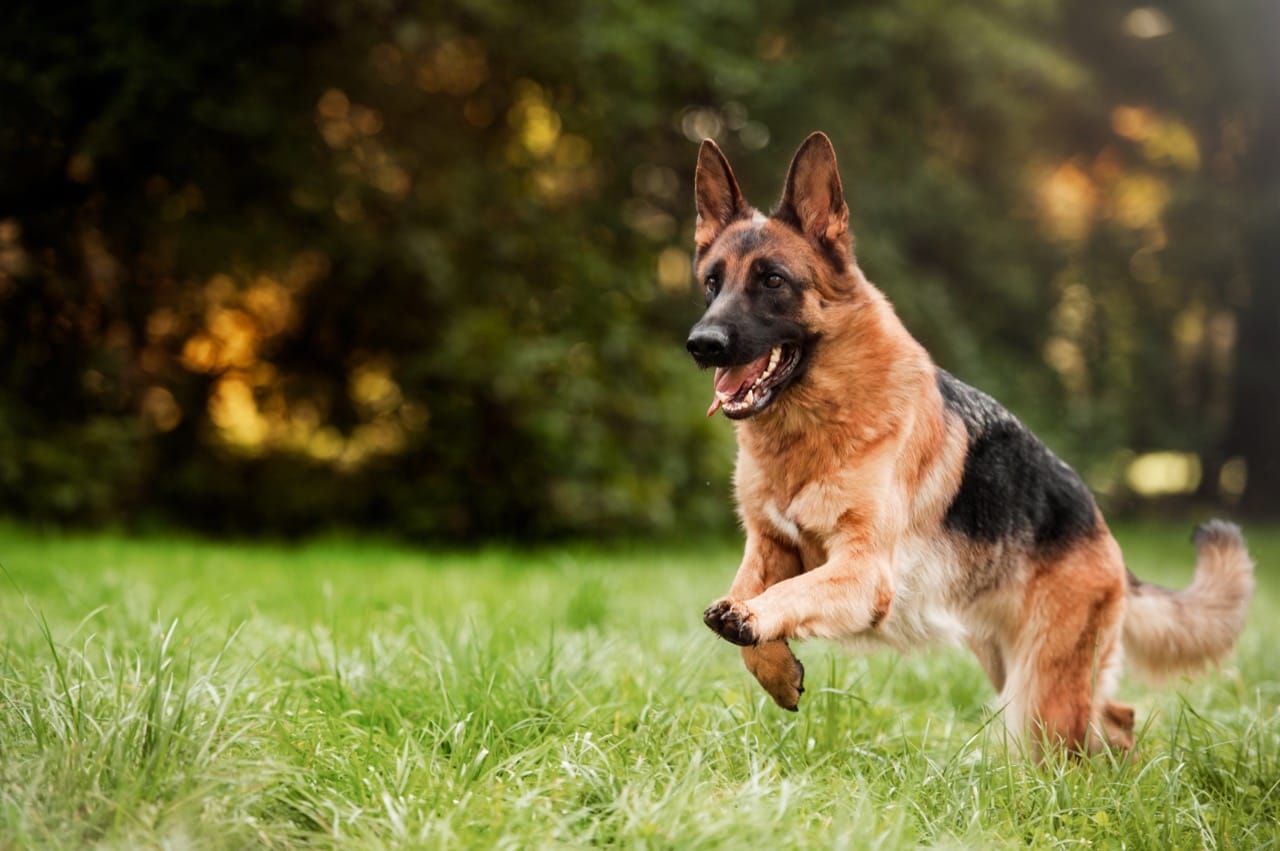
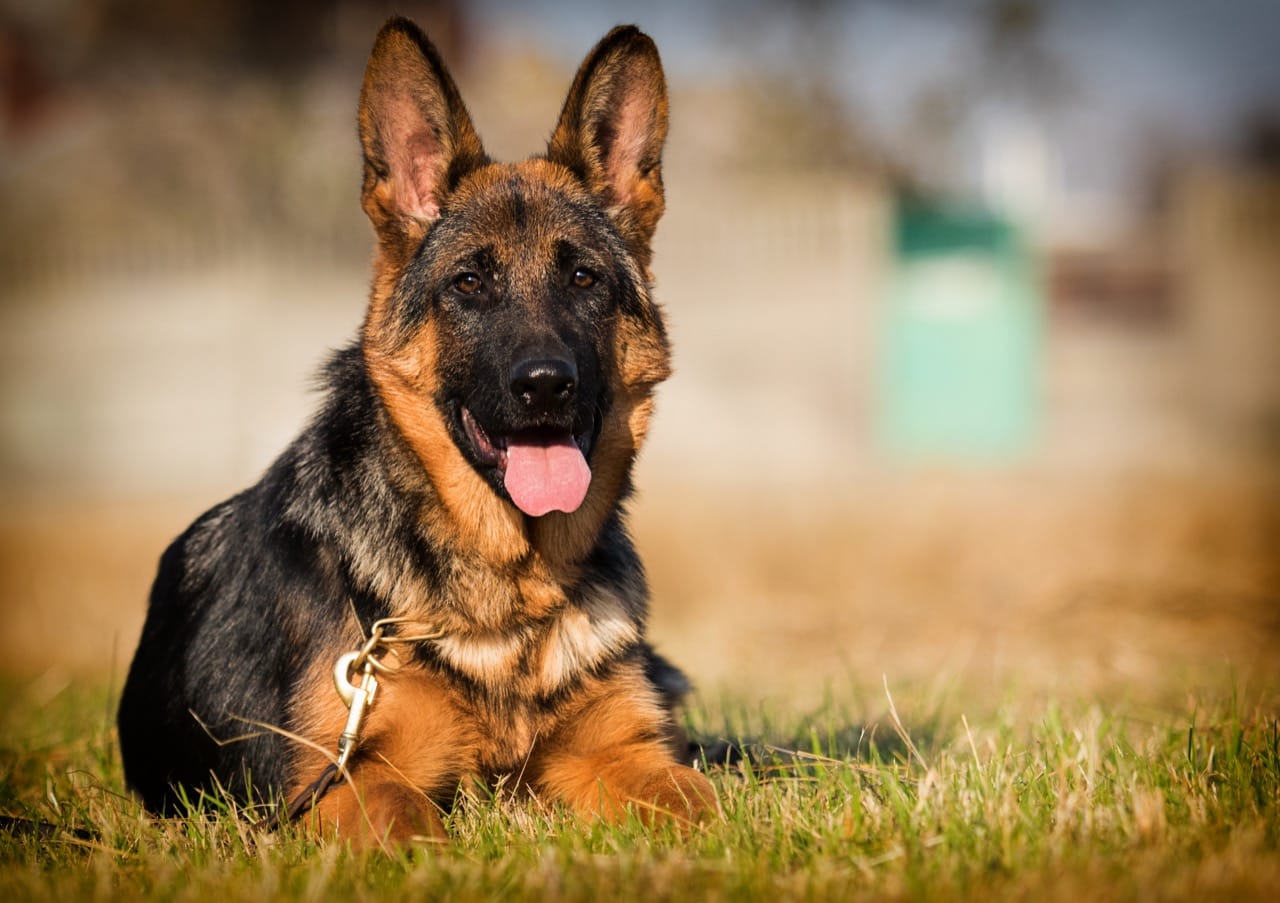
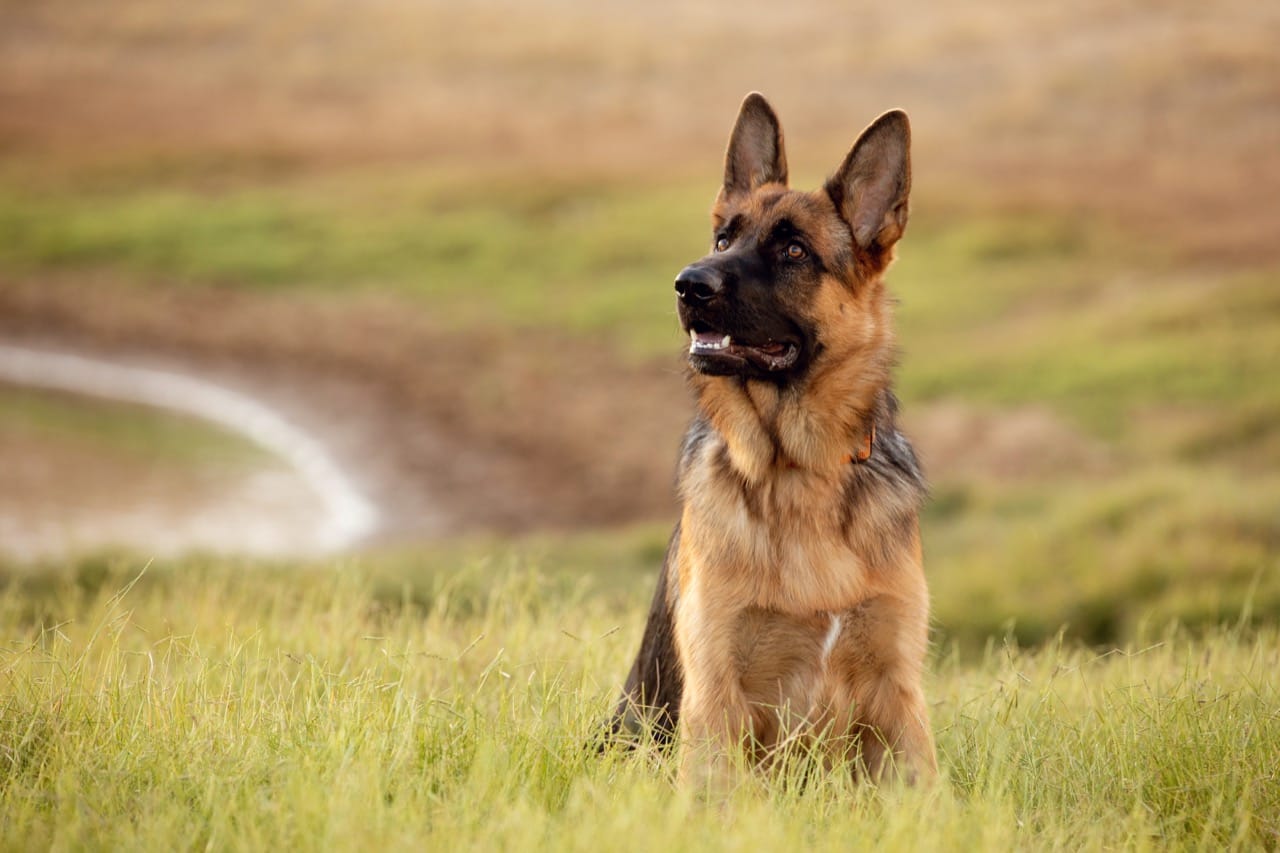
Part of the breed’s mystique comes from its sensory strengths. German Shepherds are commonly used in police and military work, search and rescue, and detection roles because they combine an excellent nose with the drive to work closely with humans. Their scent ability is not magic, but it can feel like it. With training, they can follow tiny traces of human odor on the ground or in the air, discriminate between similar scents, and work for long periods without losing focus. Their ears add another advantage: the upright shape helps funnel sound, and their ability to swivel each ear independently can make them seem like they are monitoring the whole neighborhood at once.
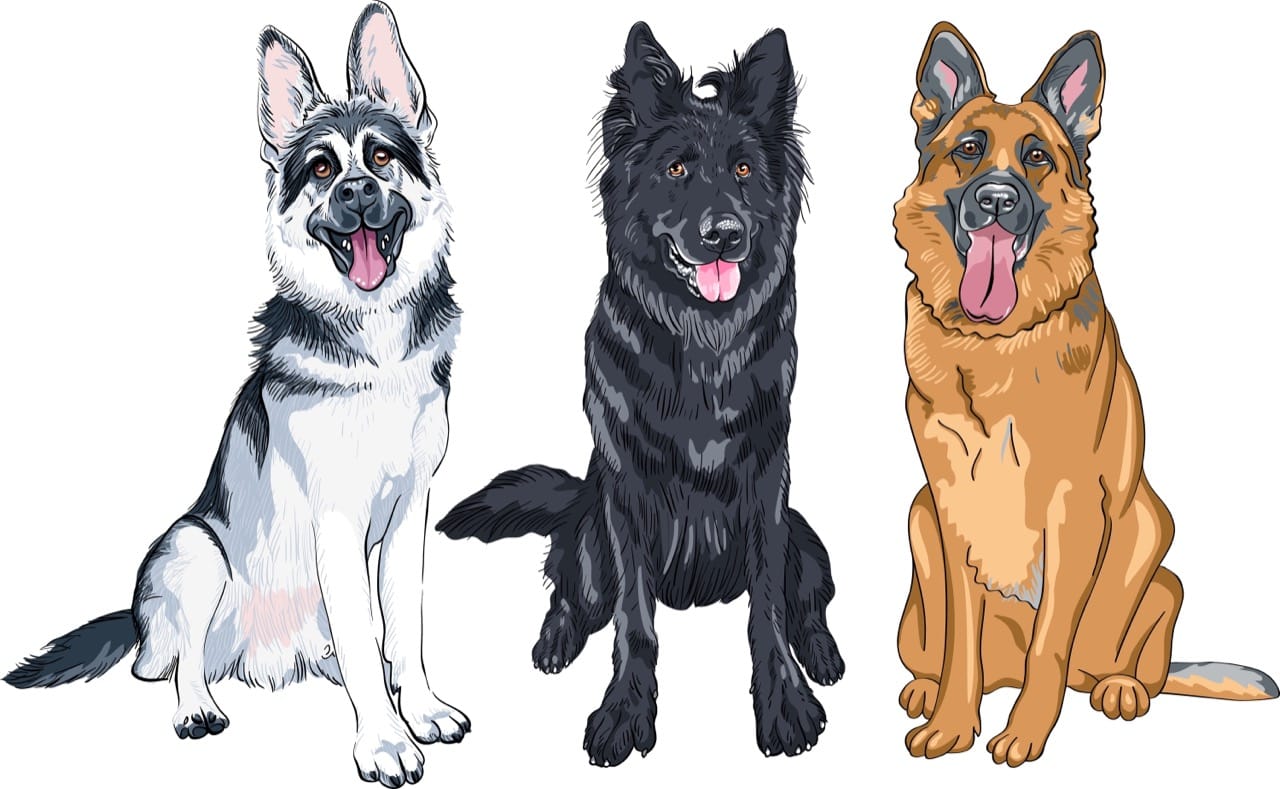
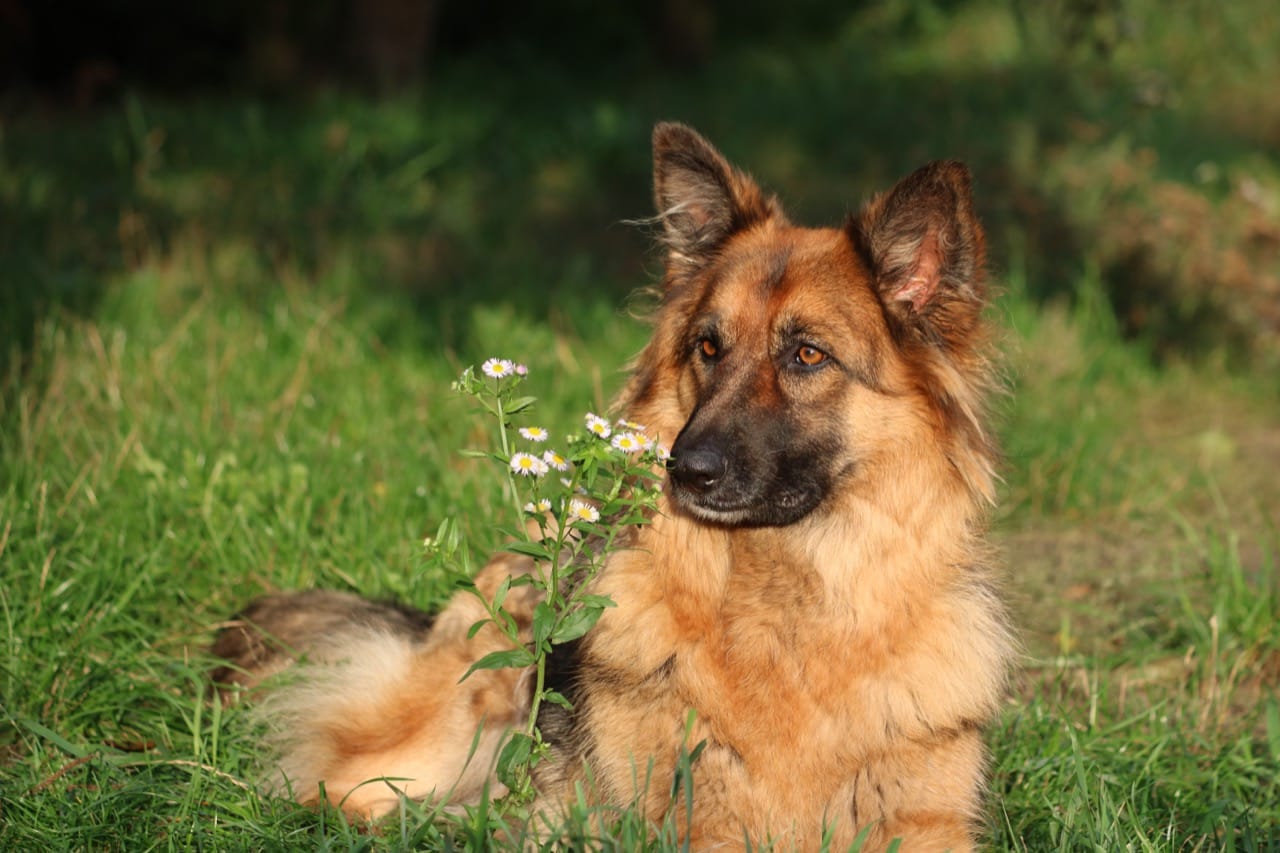
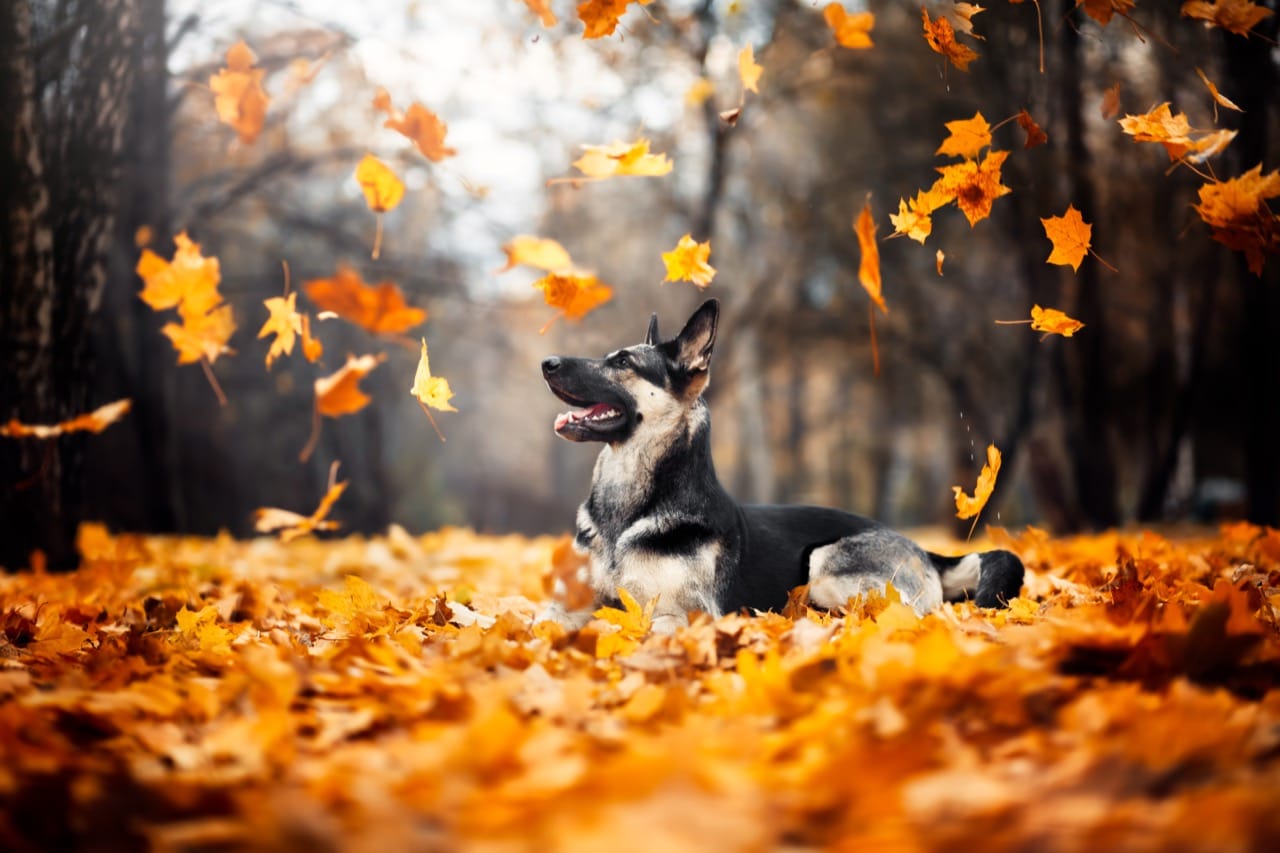
Then there are the details you only notice when you live with one. German Shepherds are famous for their double coat, designed to insulate in both cold and heat, and for shedding with enthusiasm. Coat color genetics can be surprisingly complex. The classic black and tan pattern is common, but sable is historically important and can change in appearance as the dog matures. Solid black Shepherds exist, as do bi color dogs with minimal tan. White coated dogs also appear due to a recessive trait; some organizations treat them as a separate variety, while others disqualify them in certain conformation rings, despite them being purebred in lineage.
The breed’s body structure is another area full of debate. Working lines are typically bred for athletic function, while some show lines emphasize a more angled rear. That silhouette can look dramatic, but it also raises conversations about soundness and long term health. Responsible breeders focus on hips and elbows, because dysplasia is a well known risk, and many also pay attention to degenerative myelopathy, a progressive spinal condition with a genetic component. Even the digestive system has its oddities: some German Shepherds are prone to sensitive stomachs or exocrine pancreatic insufficiency, a condition where the body does not produce enough digestive enzymes.
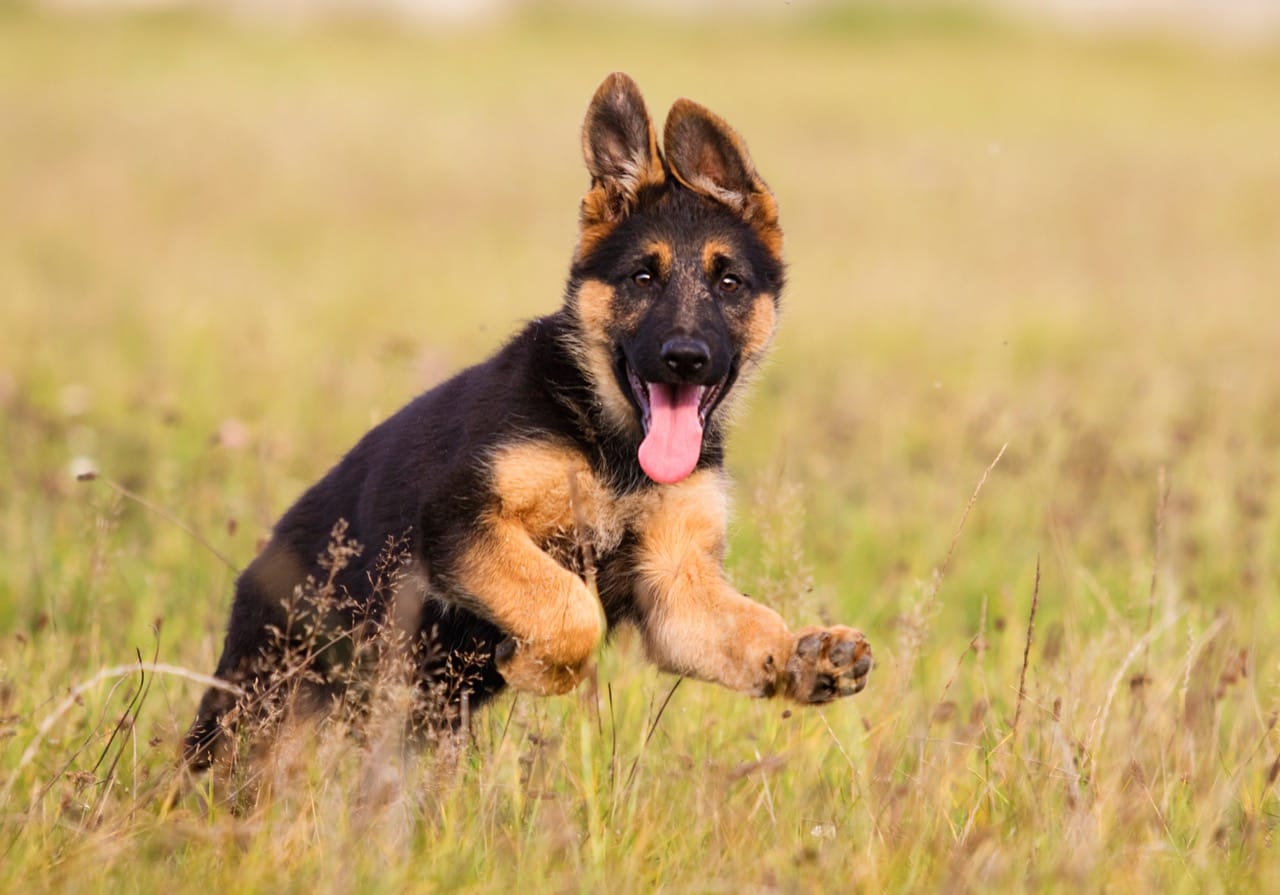
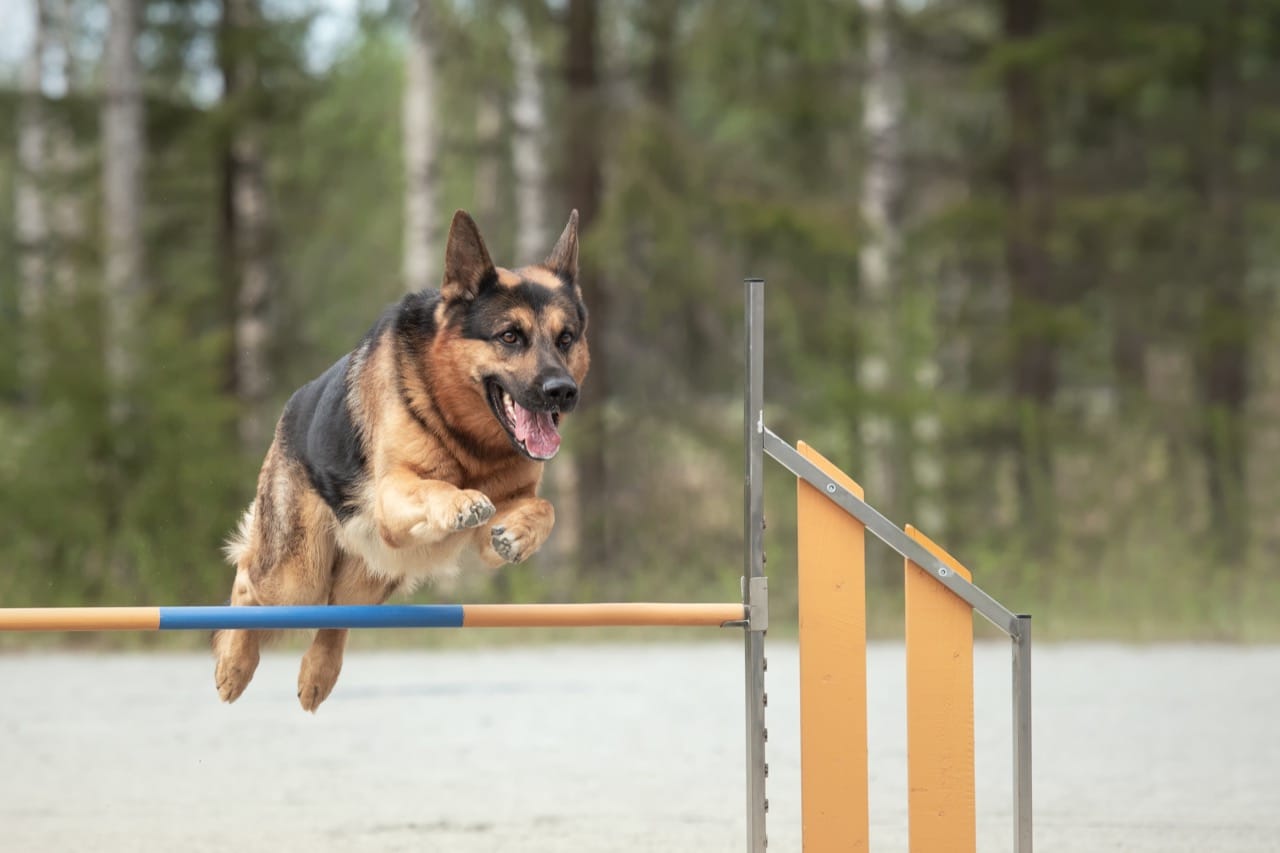
What makes the German Shepherd truly stand out is how many jobs it can do well. Herding is in its roots, but the same traits support service work, therapy visits, competitive obedience, agility, tracking, and protection sports. Their intelligence is a gift with a catch: a bored Shepherd will invent its own entertainment, which may include reorganizing your yard or narrating every sound outside the window. The breed’s best mysteries are not dark secrets at all, but the small, fascinating details that explain why this dog has remained a trusted partner for more than a century.