Banners, Statues, and Loyalty Akita Trivia








Quiz Complete!
Banners, Statues, and Loyalty: How the Akita Became a Cultural Symbol

The Akita is often described as calm, dignified, and powerful, but its reputation goes far beyond temperament. In Japan and increasingly around the world, the breed has become a kind of living symbol, representing loyalty, protection, and good fortune. That symbolic weight did not appear overnight. It grew from regional history, famous stories, and the way people use animals in art to express values they admire.
The best known loyalty story linked to the breed is Hachiko, an Akita remembered for waiting day after day for his owner at Shibuya Station in Tokyo long after the owner had died. The details are widely taught and frequently retold because they are simple and emotionally direct: devotion that does not fade. A bronze statue of Hachiko near the station turned the story into a public monument, and the location itself became a meeting point. This is one reason the Akita is so often associated with steadfastness. When a story is anchored to a physical place and a recognizable image, it becomes easier for a whole society to share it.
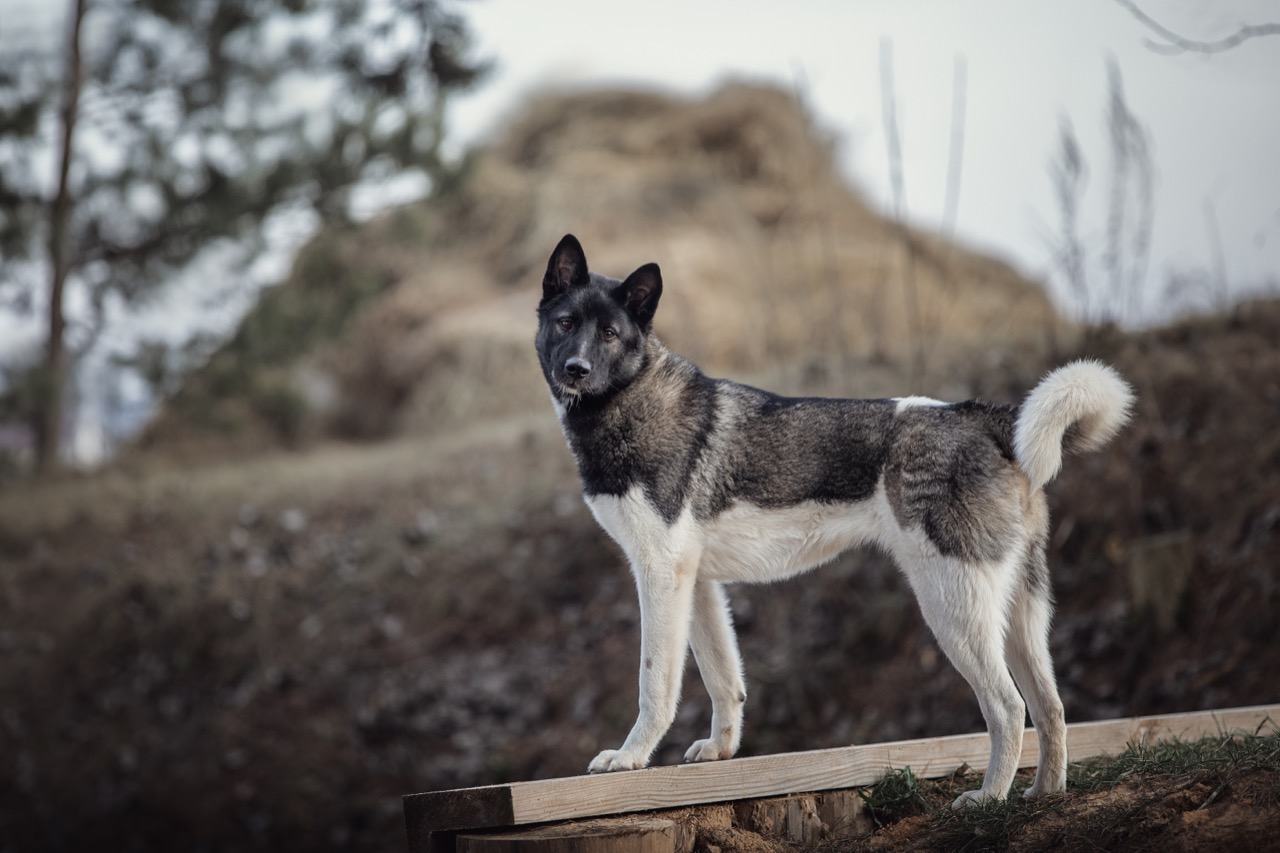
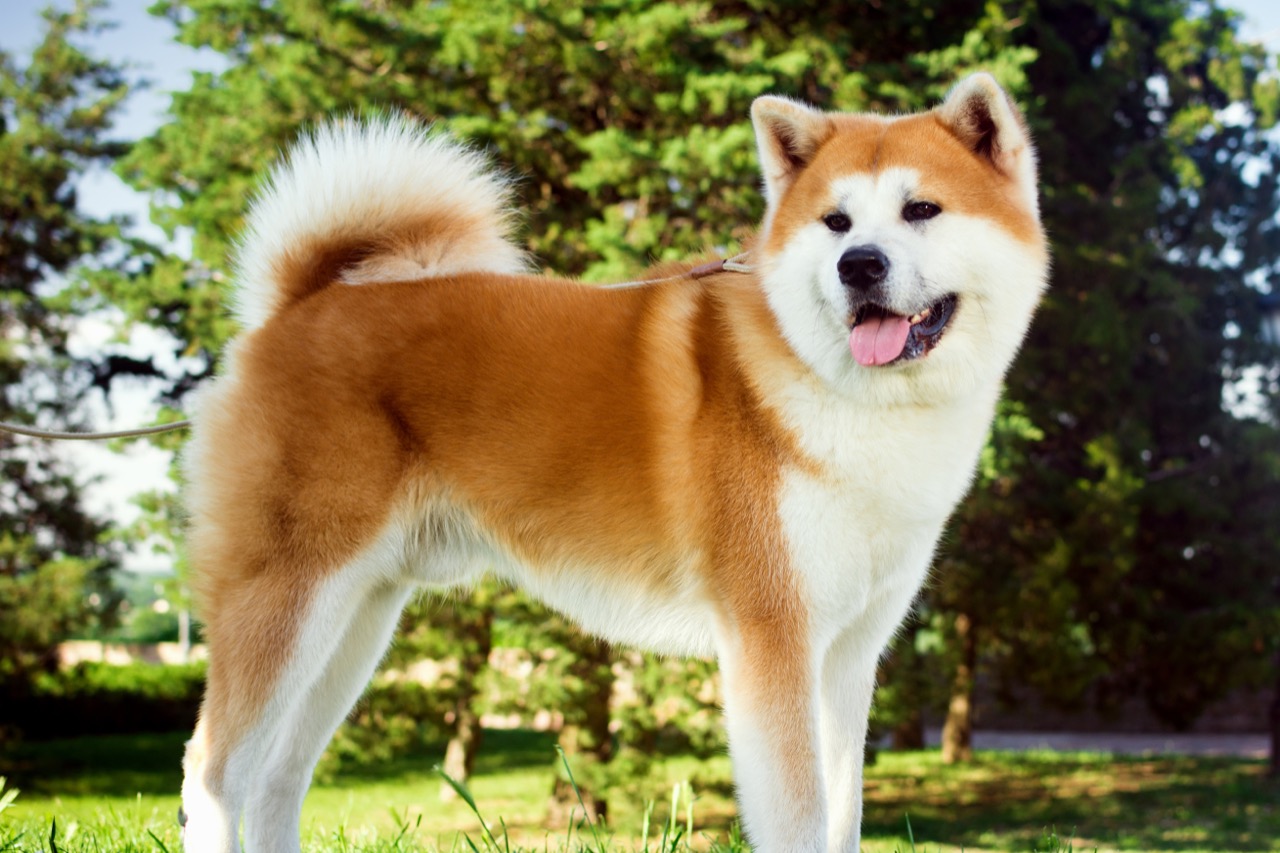
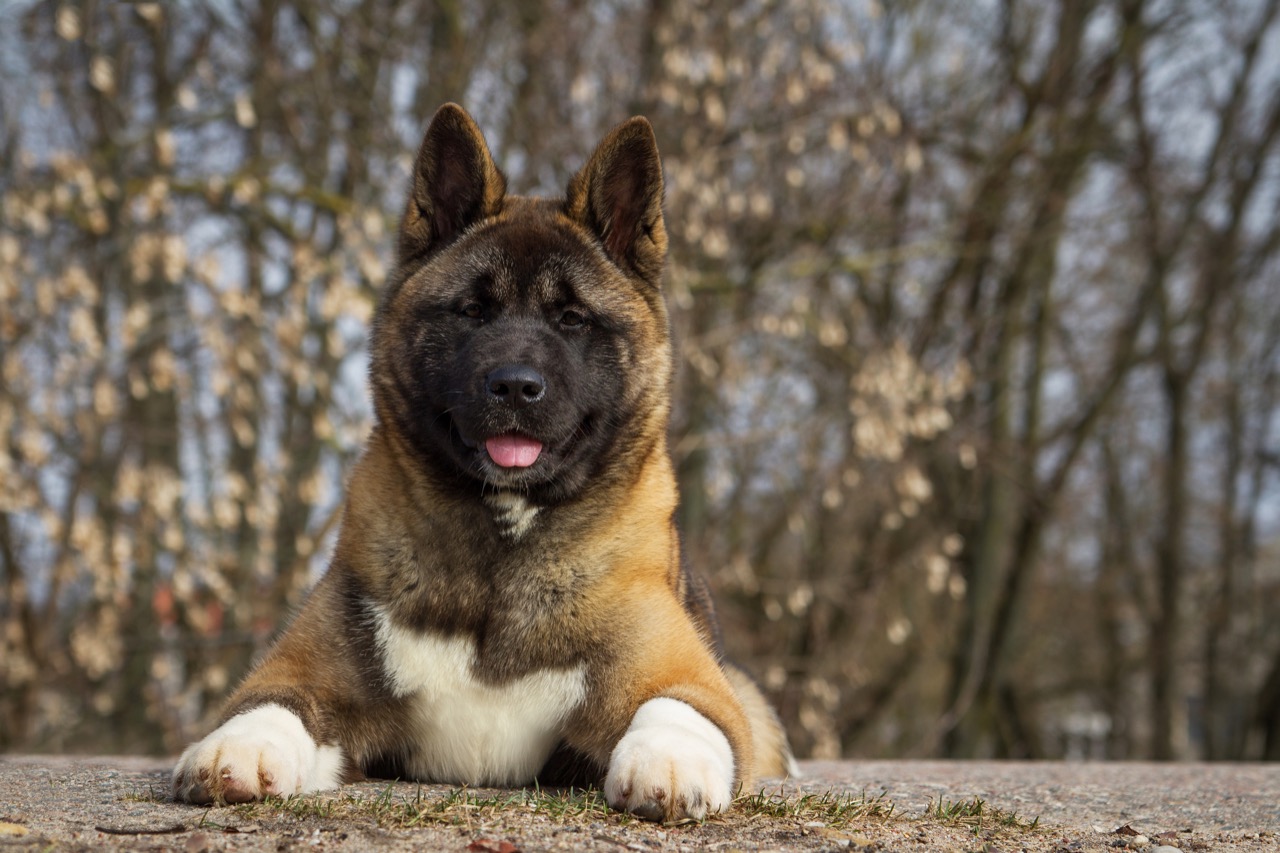
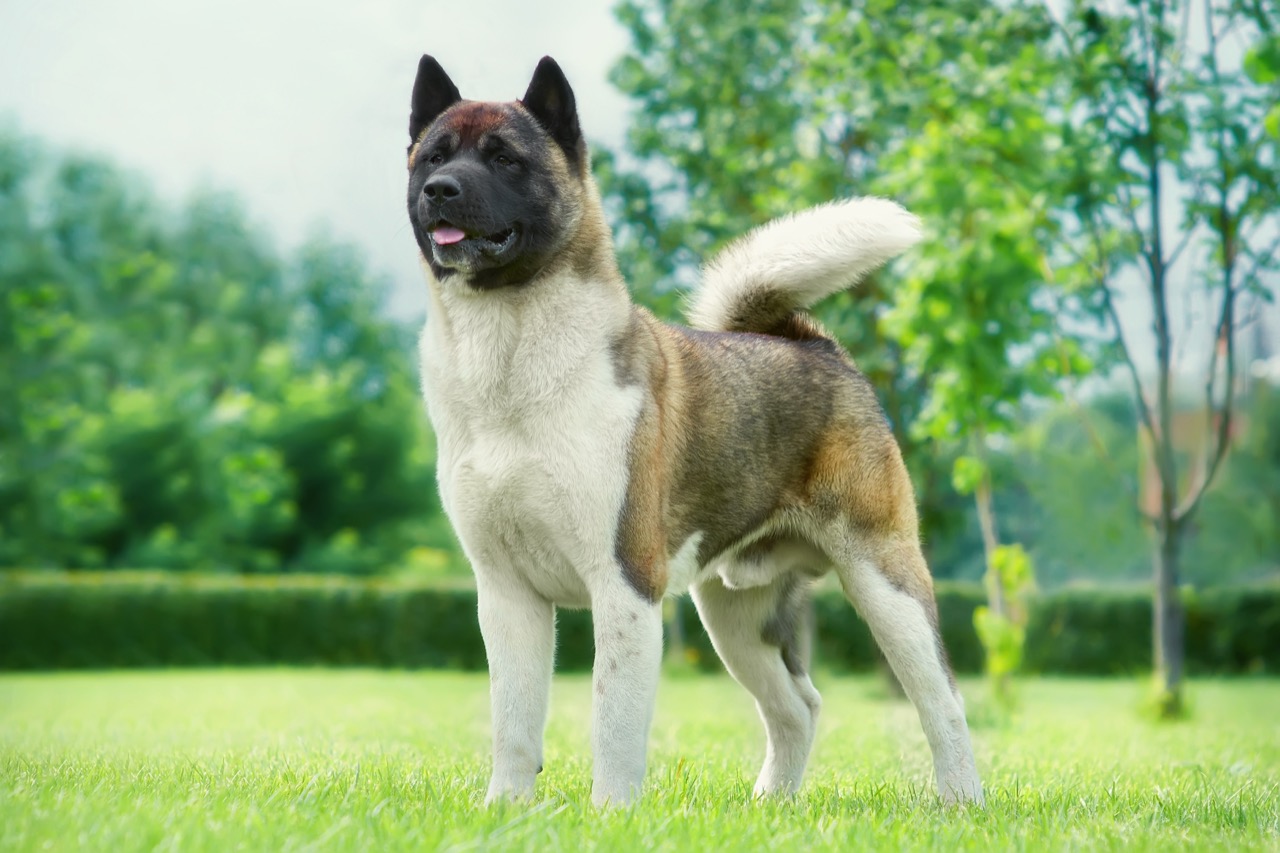
The Akita also carries a protective meaning. Historically, large spitz type dogs in northern Japan were valued for guarding and for hunting, and that practical role shaped the symbolism. In visual depictions, an Akita standing tall with an alert posture can suggest guardianship, much like a watchful sentinel. Artists and advertisers lean on this body language: a forward facing stance, upright ears, and a composed expression communicate readiness without chaos. Even when the dog is shown at rest, the impression is often of controlled strength.
One of the most charming traditions connected to the breed is the gifting of small Akita figurines in Japan. These are often given to wish someone health, recovery, protection, or good fortune, especially around childbirth or illness. The idea is not that the object is magical in a literal sense, but that it carries a shared message: you are cared for, and you are being watched over. The figurines are commonly stylized with a curled tail and a sturdy, rounded silhouette, emphasizing warmth and reliability rather than fierceness.
Symbols also depend on color and accessories. A white Akita in art can be used to suggest purity, sincerity, or a fresh start, while darker coats can lean toward formality and strength. When an Akita is shown with a banner, collar, or decorative rope, it can echo the way animals are presented in festivals and ceremonies, turning a pet into a representative figure. In modern media, the Akita is often framed as a quiet hero: not a clownish sidekick, but a steady presence who notices what others miss.
At the same time, the breed’s symbolism includes tenderness. Stories about Akitas frequently highlight gentleness within the family and deep bonding with a trusted person. That contrast is part of the appeal: a dog that can be both guardian and companion, brave and affectionate. When people place Akita images on posters, souvenirs, or monuments, they are often choosing an emblem of the kind of loyalty they hope exists in their own lives. The quiz theme of banners, statues, and loyalty fits perfectly because the Akita is not only a breed, but also a storytelling tool, helping communities express devotion, resilience, and care in a form everyone can recognize.