Alpine Roots and Global Homes of Berners


Quiz Complete!
Alpine Roots and Global Homes of Berners
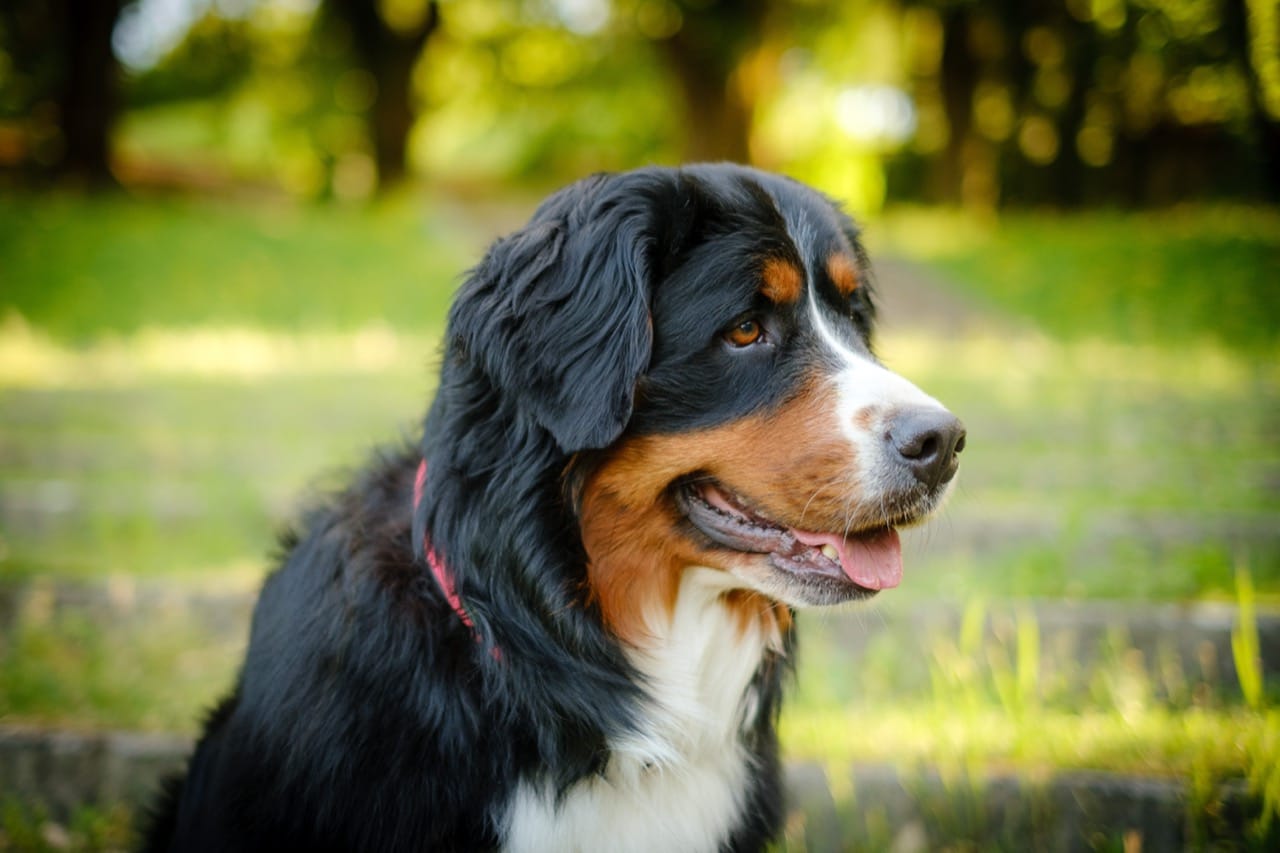
The Bernese Mountain Dog is often pictured against snowcapped peaks, but its story is rooted in everyday rural geography: farmyards, valley roads, and the trading routes that stitched together the Swiss countryside. The breed takes its name from the canton of Bern, a large region in west central Switzerland where rolling farmland rises toward the Alps. In this landscape, a strong, steady dog was more than a companion. It was a working partner built to move through mud, ice, and steep grades while staying calm around livestock and people.
For centuries, Swiss farmers relied on versatile farm dogs sometimes called Sennenhunds, named for the alpine herdsmen known as Senn or Senner. In the Bern region, these dogs helped drive cattle between pastures and markets, guarded property, and pulled carts. Draft work was especially important in villages where small farms needed a way to transport milk, cheese, and produce without large teams of horses. Picture narrow lanes between wooden chalets, bridges over fast streams, and long climbs out of valleys: a dog with a broad chest, powerful hindquarters, and a thick coat had real practical value.
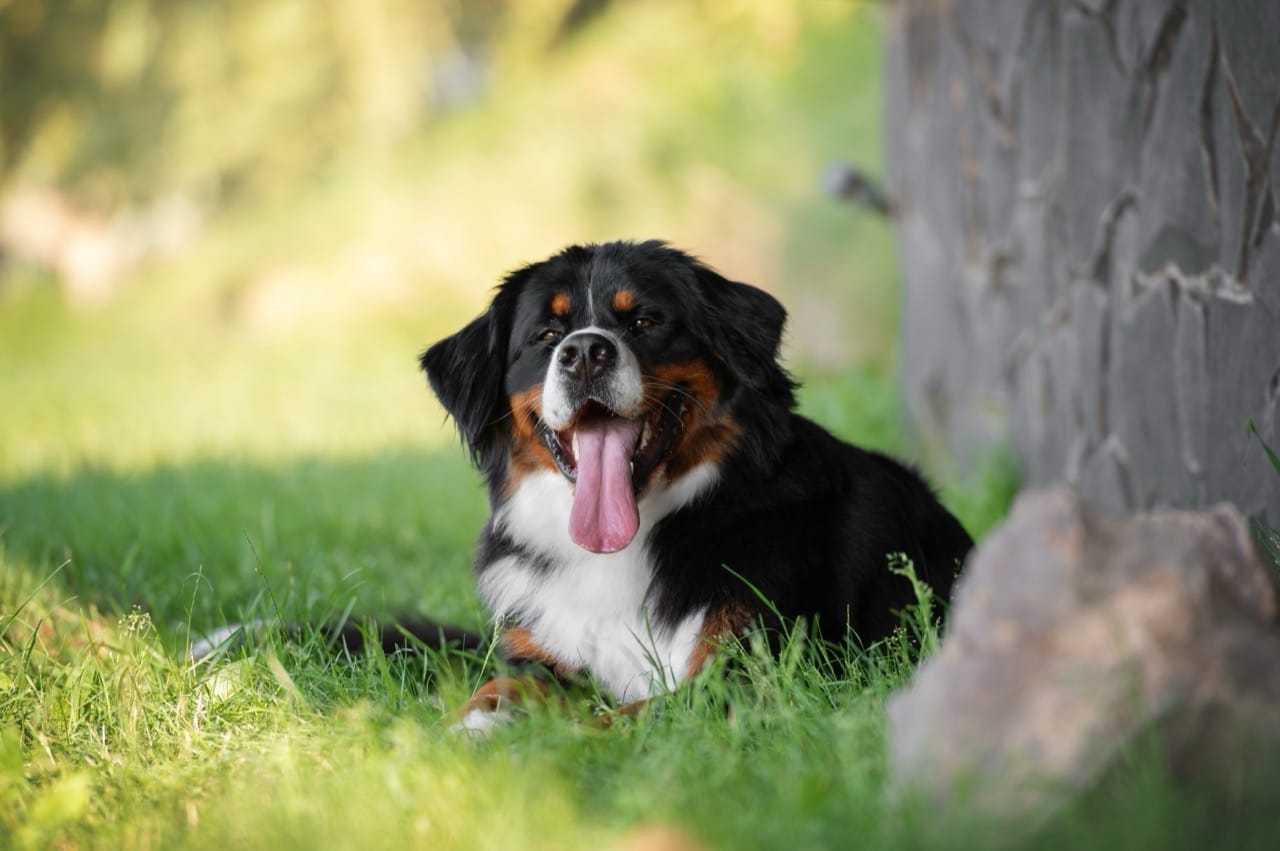
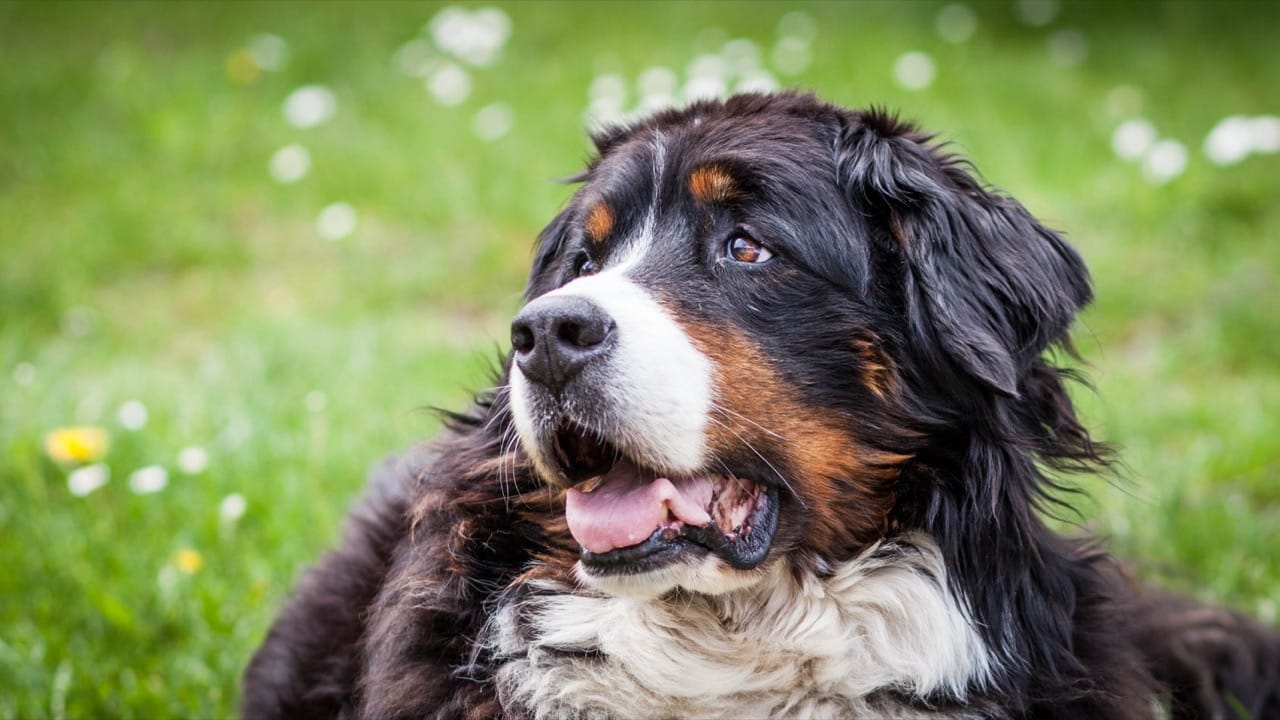
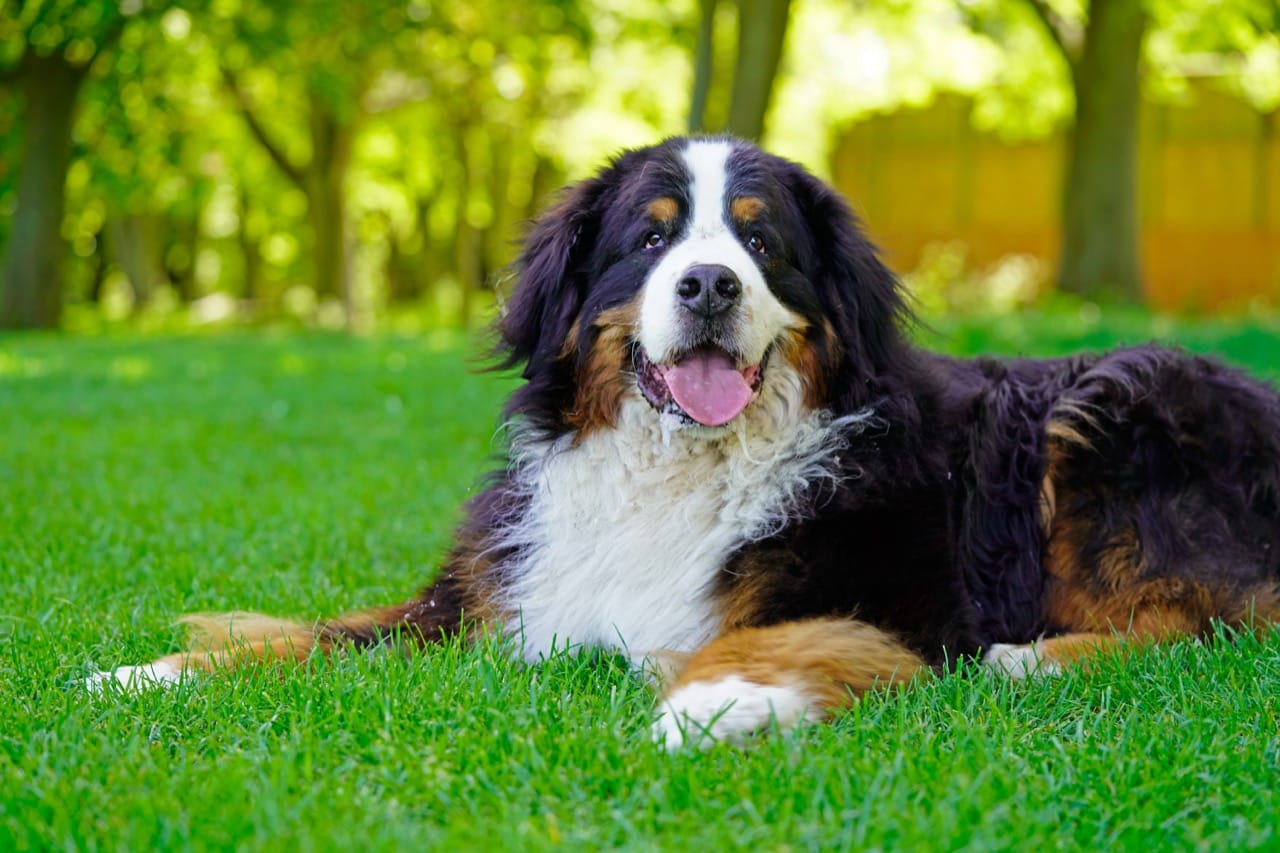
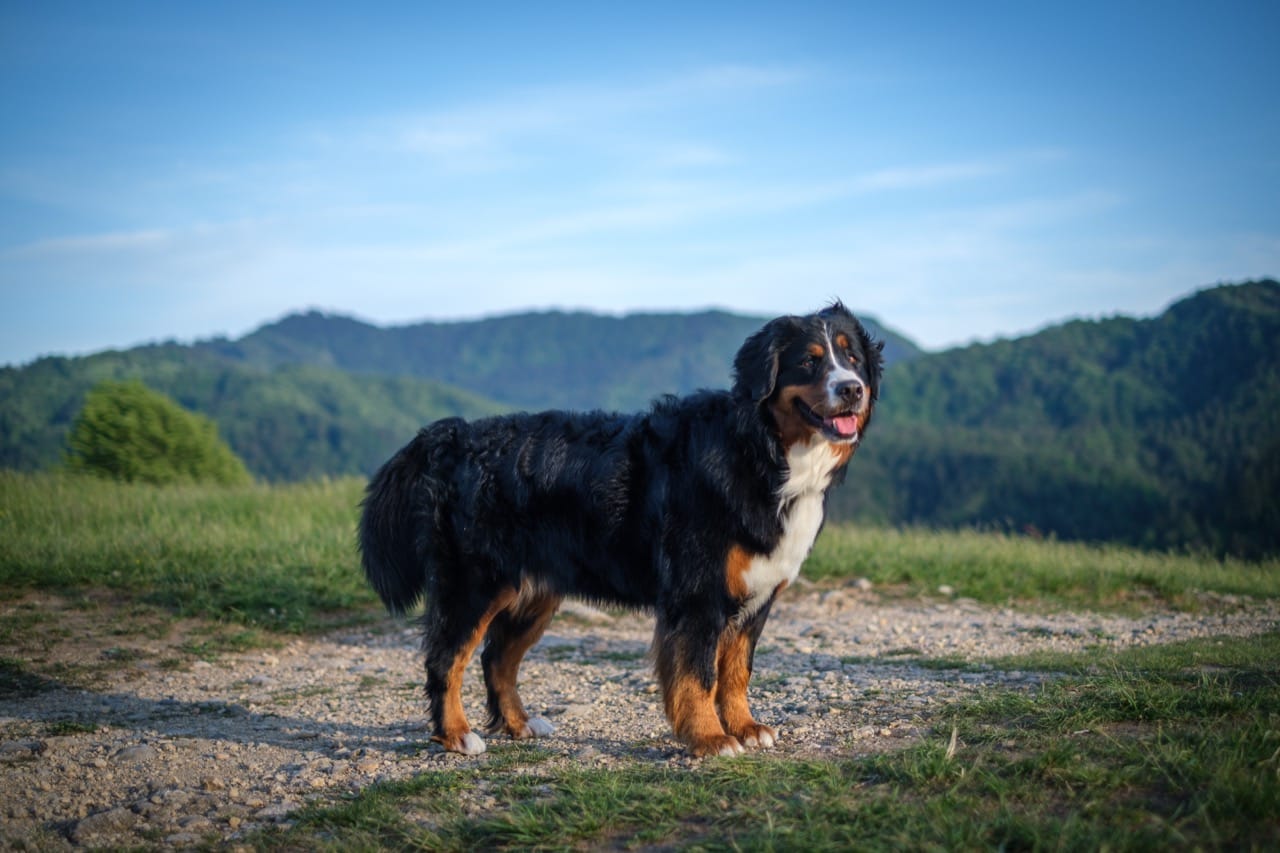
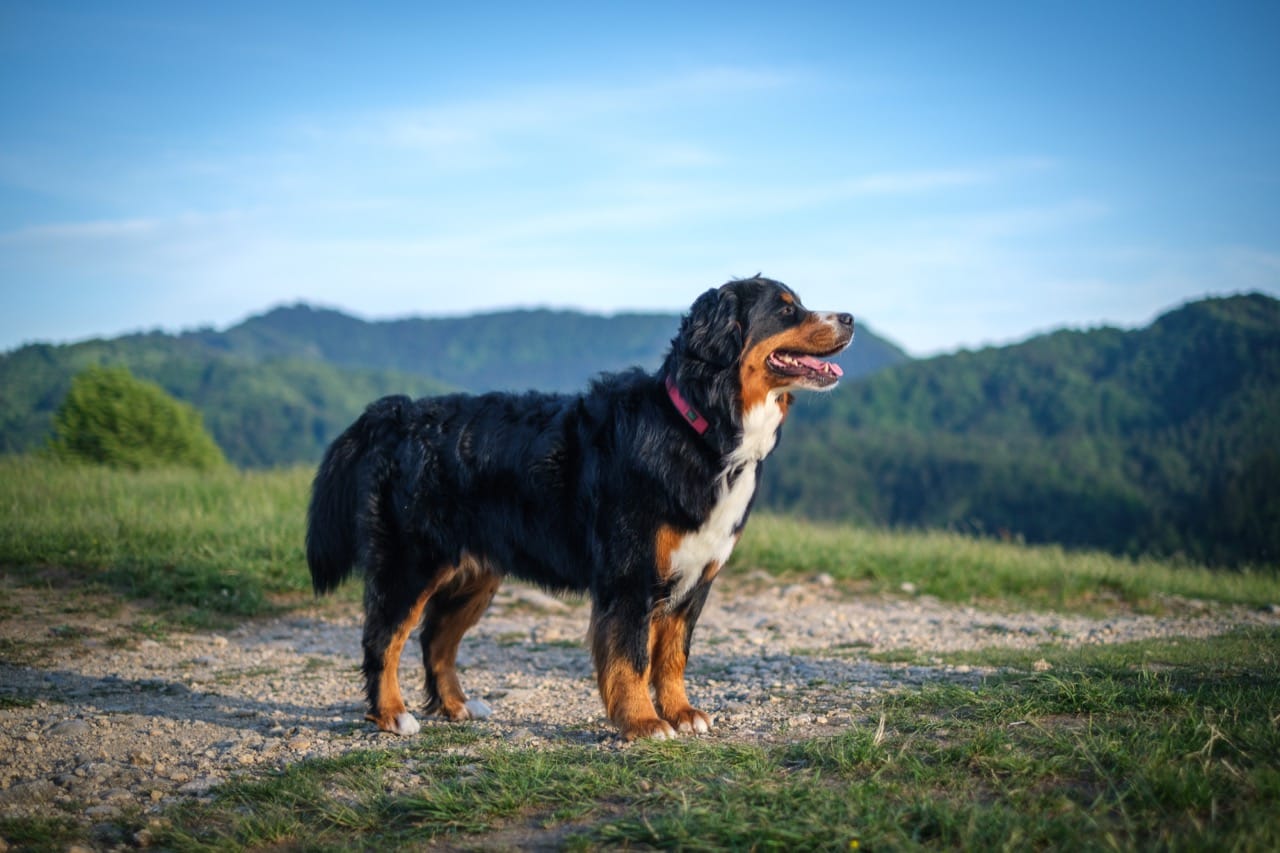
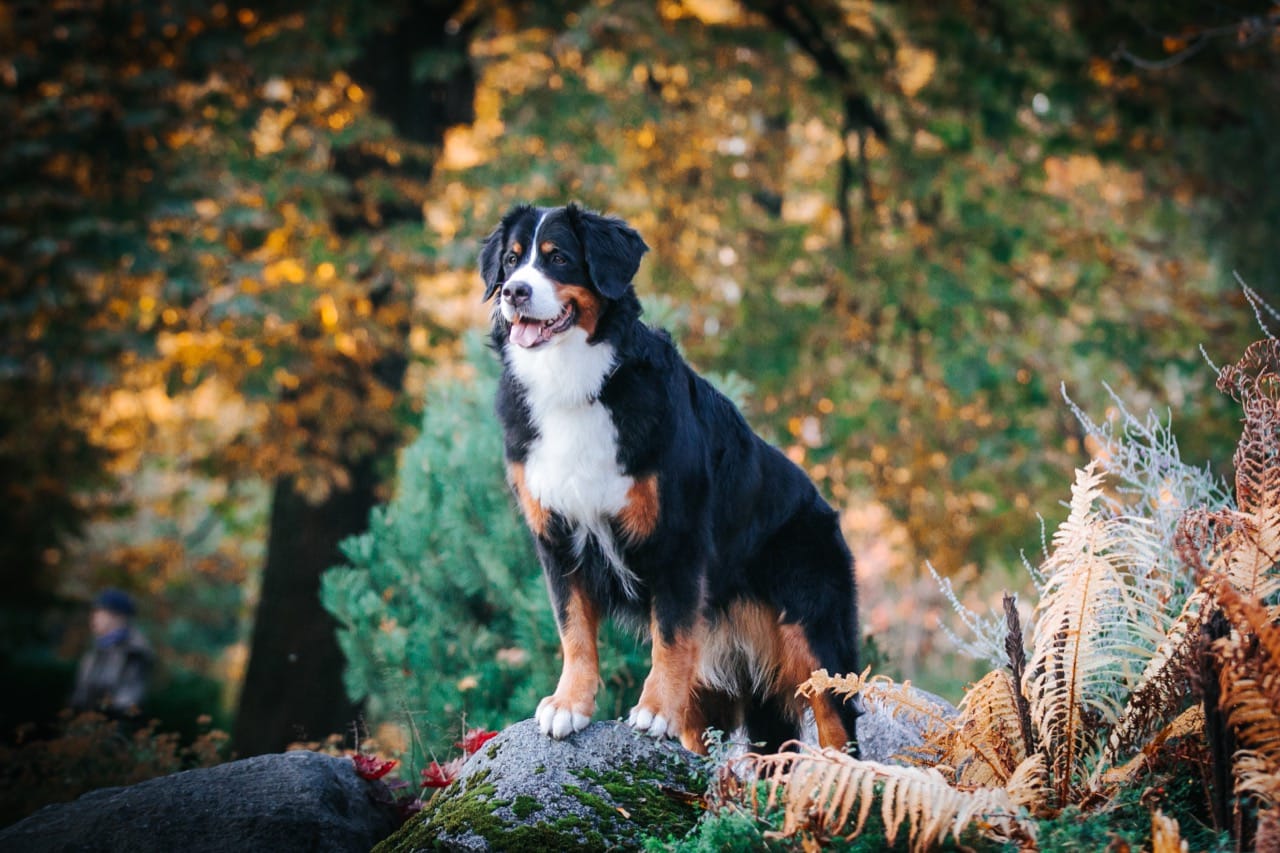
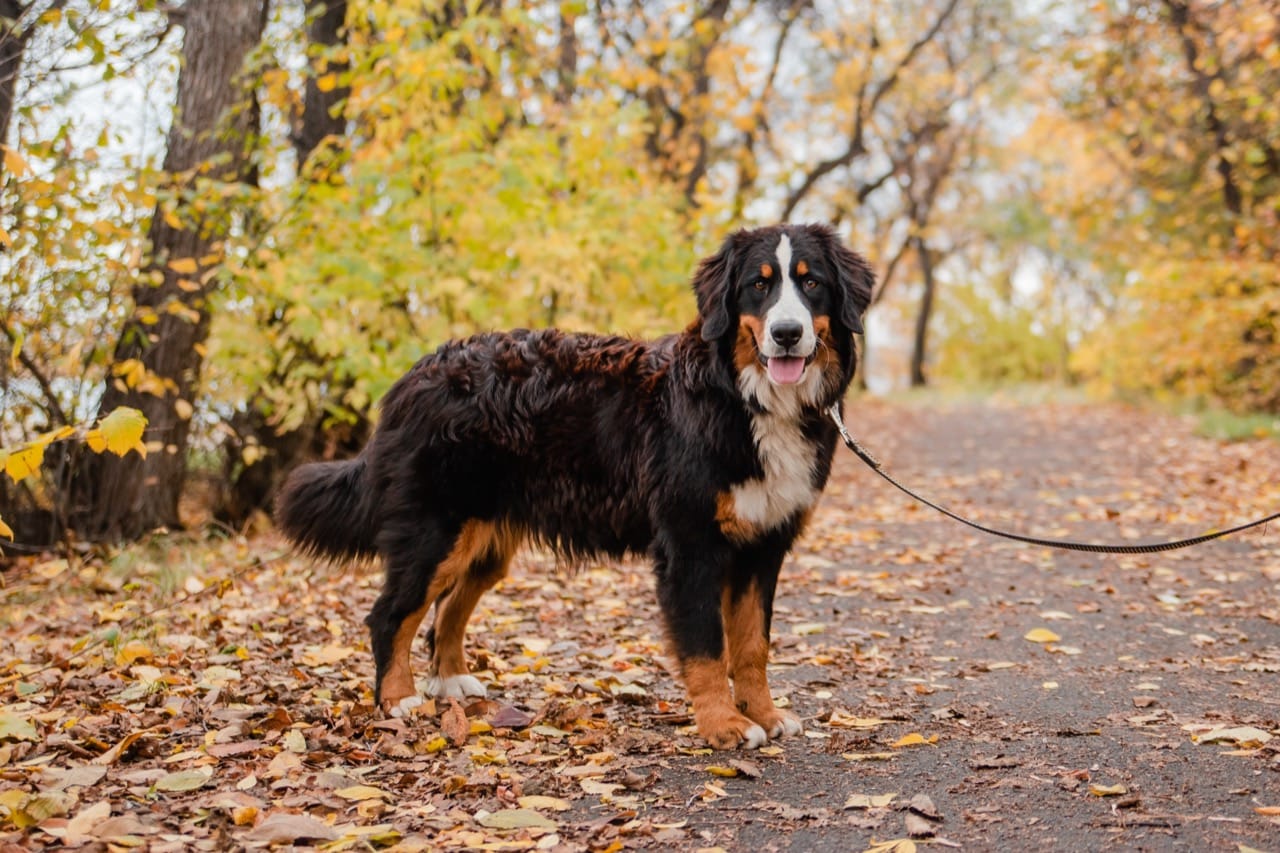
Geography shaped temperament as much as physique. Mountain communities tended to prize reliability and a gentle nature, because a dog working near children, livestock, and neighbors had to be trustworthy. The Bernese Mountain Dog’s famous good nature fits that need. Its tri colored coat, while striking, also suits the alpine environment, offering insulation and visibility in changing weather.
The breed’s path from local helper to recognized purebred is tied to Swiss towns and clubs rather than remote peaks alone. In the late nineteenth and early twentieth centuries, interest in documenting and standardizing Swiss breeds grew. Dog shows and regional fairs created meeting points where farmers and enthusiasts compared dogs from different valleys. A key moment came when fanciers promoted the Bernese type as distinct among the Swiss mountain dogs, helping it stand apart from related breeds such as the Greater Swiss Mountain Dog, Appenzeller, and Entlebucher, each linked to its own region and working niche.
From Switzerland, Berners began traveling abroad, often through neighboring Germany, which played an early role in organized breeding and in spreading awareness in central Europe. As the breed gained admirers, it moved into other countries where kennel clubs and breed associations helped define standards, keep studbooks, and encourage careful selection. The United Kingdom and the United States became especially important in the breed’s global story, with growing communities of owners who valued the Berner’s calm presence and family friendly personality. Major kennel clubs eventually granted formal recognition, a milestone that typically requires a stable population, documented pedigrees, and an active national club.
Today, the Bernese Mountain Dog is a worldwide companion, yet its working origins still show. Many Berners enjoy pulling carts in modern draft tests, hiking on forest trails, and thriving in cooler climates that echo their alpine heritage. Even in cities far from Switzerland, owners often celebrate the breed’s roots through events that highlight traditional skills like carting and herding instinct.
The most charming part of the Berner’s geography is how specific it feels. This is not a breed born from abstract ideals, but from real places: the canton of Bern, the farms and valleys that depended on dependable power, and the alpine routes where a steady dog could make a hard day easier. Learning where Berners came from, and how they spread across borders into modern kennel club systems, turns a beautiful dog into a living map of history, trade, and mountain life.