Akita Iconography Pop Quiz for Curious Minds






Quiz Complete!
Akita Iconography and the Meanings Behind a Famous Japanese Dog
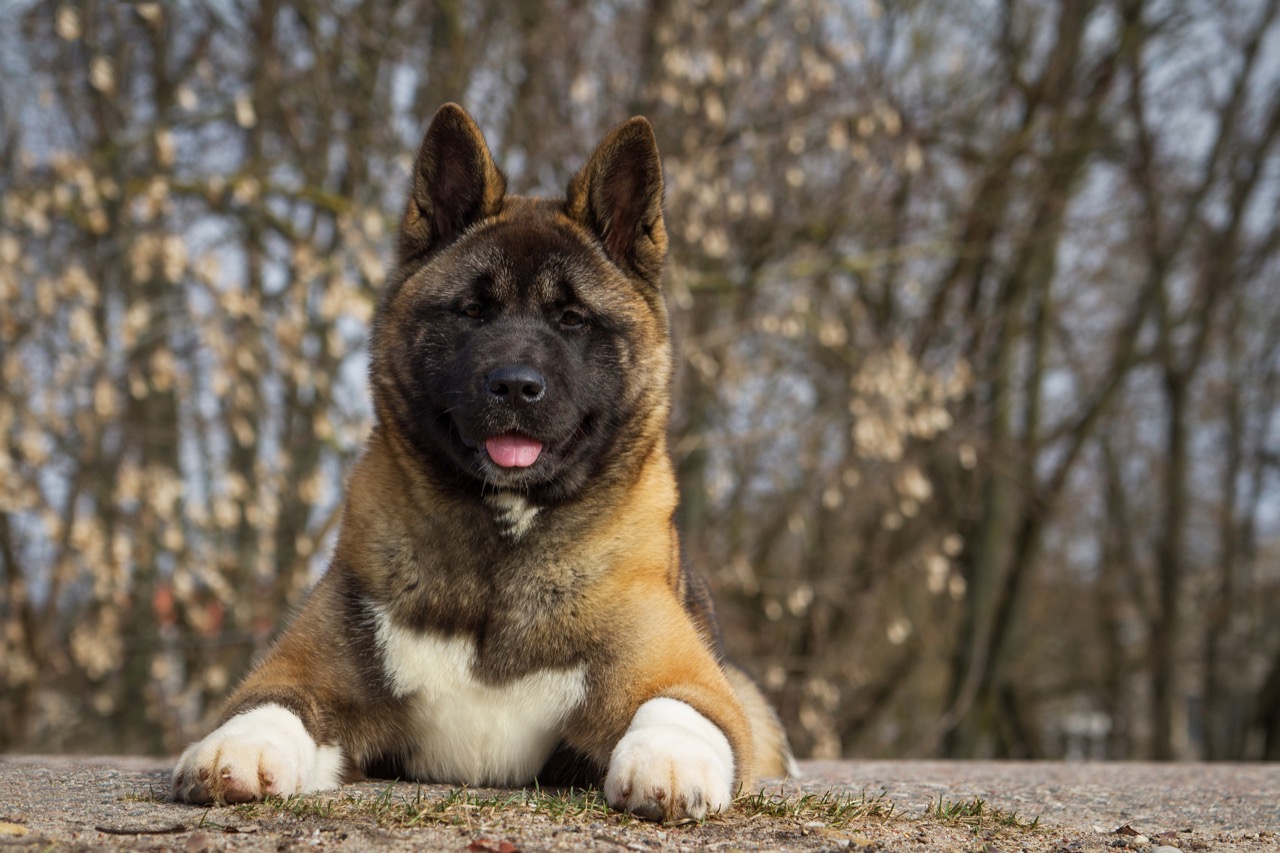
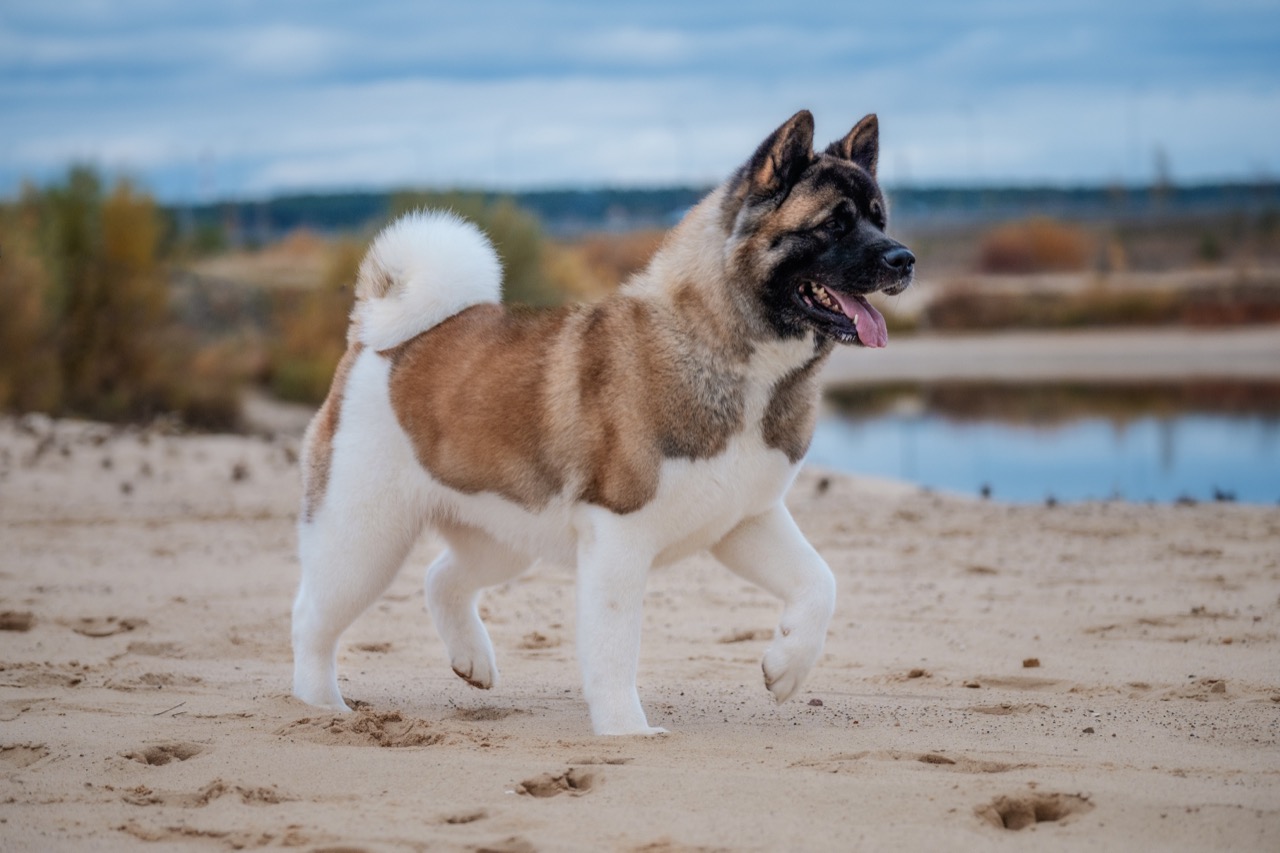
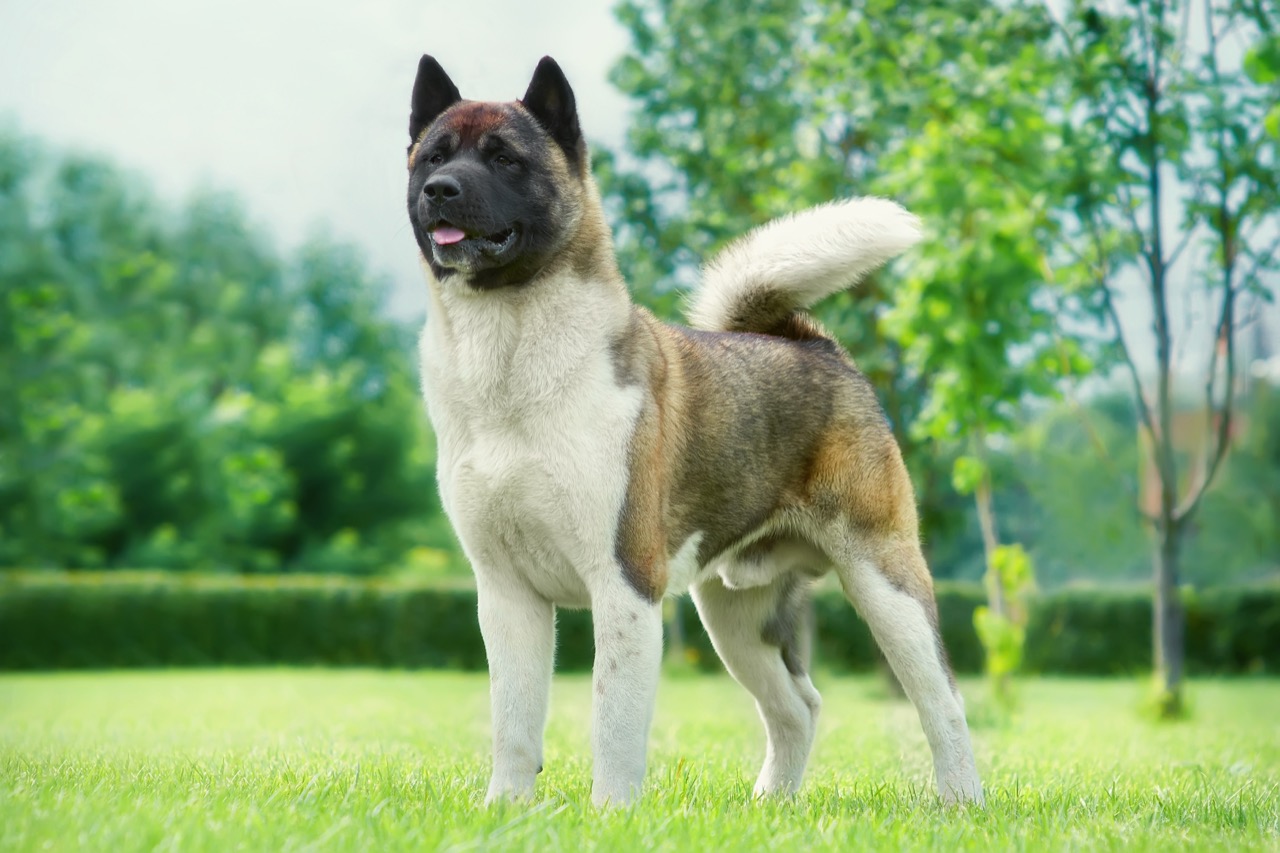
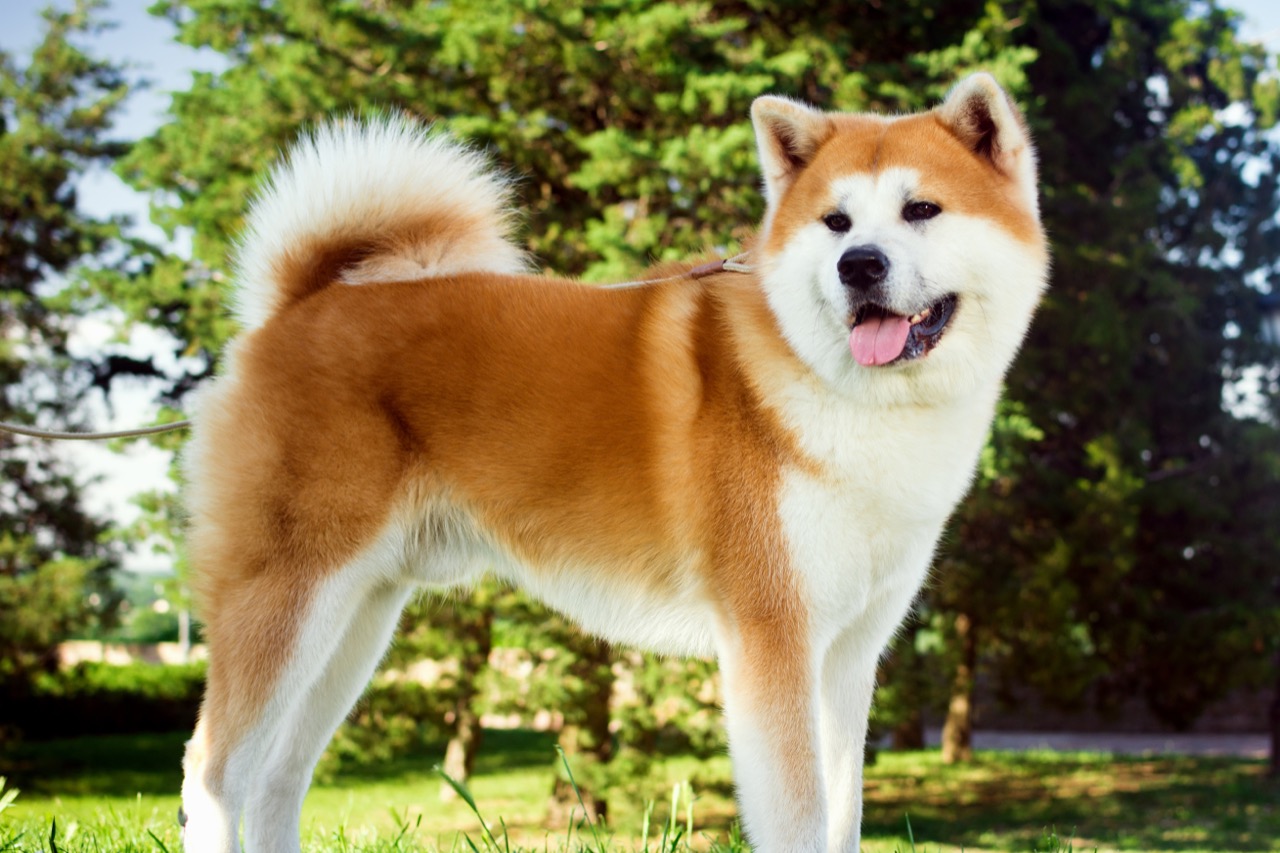
The Akita is often recognized at a glance: a sturdy, bear like silhouette, a curled tail carried with confidence, and an expression that can look calm, watchful, even a little regal. But the breed’s impact goes far beyond its physical traits. In Japan and in many places influenced by Japanese culture, the Akita has become a symbol that people use to communicate ideas like loyalty, protection, and good fortune. When you see an Akita on a charm, a statue, a poster, or a souvenir, it is rarely just about a cute dog. It is usually a shorthand for a whole set of values.
One of the strongest associations is devotion, largely tied to the story of Hachiko, the Akita who became famous for waiting for his owner at Shibuya Station in Tokyo long after the owner’s death. The real dog lived in the 1920s and 1930s, and his story spread through newspapers, memorials, and later films. The statue at Shibuya became a meeting spot and a public reminder of steadfast loyalty. That is why Akita imagery often appears in contexts where commitment is being celebrated, from family stories to advertising that wants to suggest trustworthiness.
Akitas are also linked with protection and guardianship. Historically, they were valued as hunting dogs and as strong companions in northern Japan. Over time, strength and reliability became part of their symbolic package. In art and design, this can show up through posture and emphasis: an Akita drawn with a broad chest, planted feet, and forward facing gaze reads like a guardian at the gate. Even the curled tail can be used as a visual cue, creating a bold, unmistakable outline that designers can simplify into logos, stamps, and decals.
A gentler but equally widespread tradition connects Akitas to good luck and well wishes. In Japan, small dog figurines are sometimes given as gifts to express hopes for health, safe childbirth, or recovery from illness. Akita themed tokens can be part of that broader practice, and the breed’s reputation for loyalty and protective instincts makes it a natural fit. When someone gives a dog charm or a small statue, the message is often, May you be watched over, may you be safe, and may you return home.
Because Akitas are so visually distinctive, they translate well into modern media. You will see them in anime, commercials, travel merchandise, and social media stickers, sometimes portrayed as dignified and serious, other times as fluffy and comedic. Those choices are not random. A serious Akita can signal honor, discipline, or a traditional Japanese mood, while a rounder, softer depiction leans into comfort and friendliness. Both still borrow from the same core idea: the Akita is dependable.
It is also worth noting that iconography can simplify a complex reality. Real Akitas are intelligent, strong willed dogs that require responsible handling and training. The symbolic Akita, however, tends to be pure loyalty and protective warmth. That gap is part of how icons work: they turn a living creature into a clear message. When you take a quiz about Akita symbolism, you are really learning to read those messages, spotting how legends, monuments, and everyday objects turn a breed into a cultural sign that people instantly understand.