Airedale Terrier Deep Cuts and Trick Facts
Quiz Complete!
Airedale Terrier Deep Cuts: Working Roots, Coat Craft, and the Brain Behind the Beard
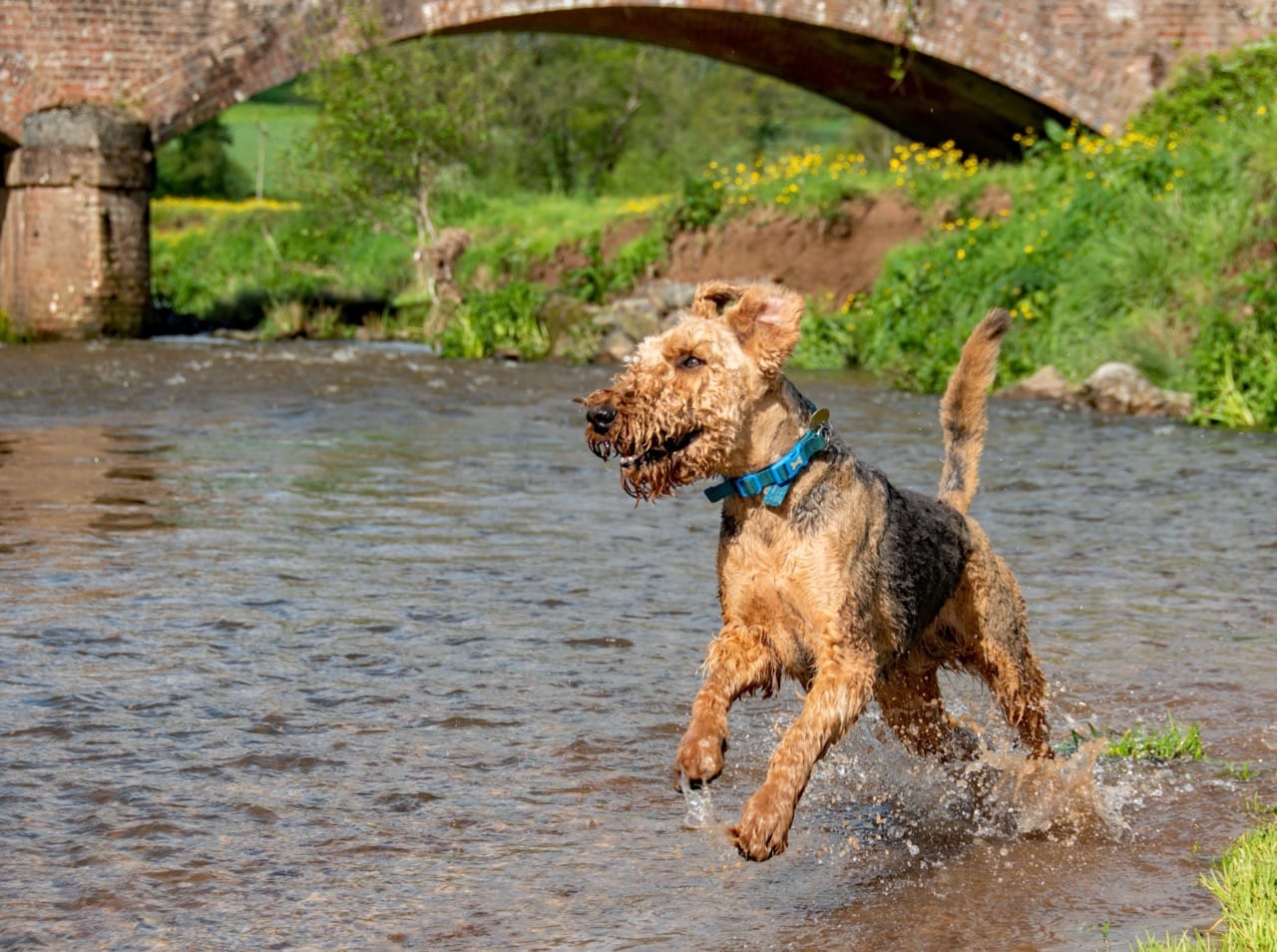
The Airedale Terrier is often called the King of Terriers, but that nickname makes more sense when you look past the polished show outline and into the breed’s original job description. The Airedale came out of the Aire Valley in Yorkshire, where practical dogs were expected to do practical work. Early breeders wanted a tough, water capable terrier that could hunt vermin and also handle larger quarry along rivers and rough country. Those early dogs were shaped by local working types, including the now extinct Old English Black and Tan Terrier, and were influenced by otter hunting hounds to add nose, size, and stamina. The result was a dog that could switch gears from ratting to tracking and still have enough grit to hold its ground.
That versatility is the thread that runs through Airedale history. They were used as all purpose farm and sporting dogs, then later proved themselves in roles where steadiness mattered more than style. During wartime, Airedales served as messenger dogs, guard dogs, and sentries, valued for their ability to think under pressure and push through difficult terrain. The breed’s reputation for brains is not marketing fluff; Airedales tend to problem solve, sometimes in ways that amuse owners and sometimes in ways that frustrate them. They learn quickly, but they also notice patterns quickly, which means inconsistent rules are an invitation to negotiate. Their independence comes from being bred to work at a distance, making decisions without constant direction.
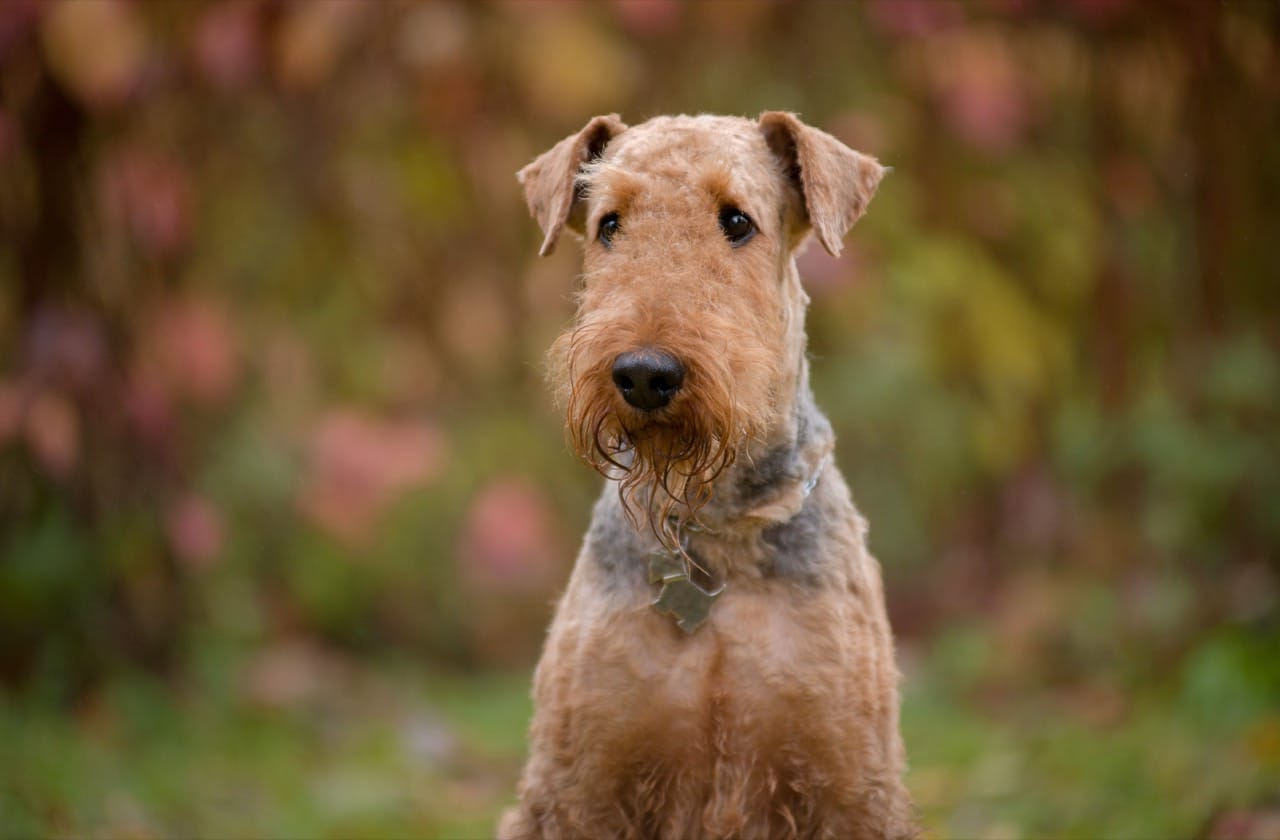
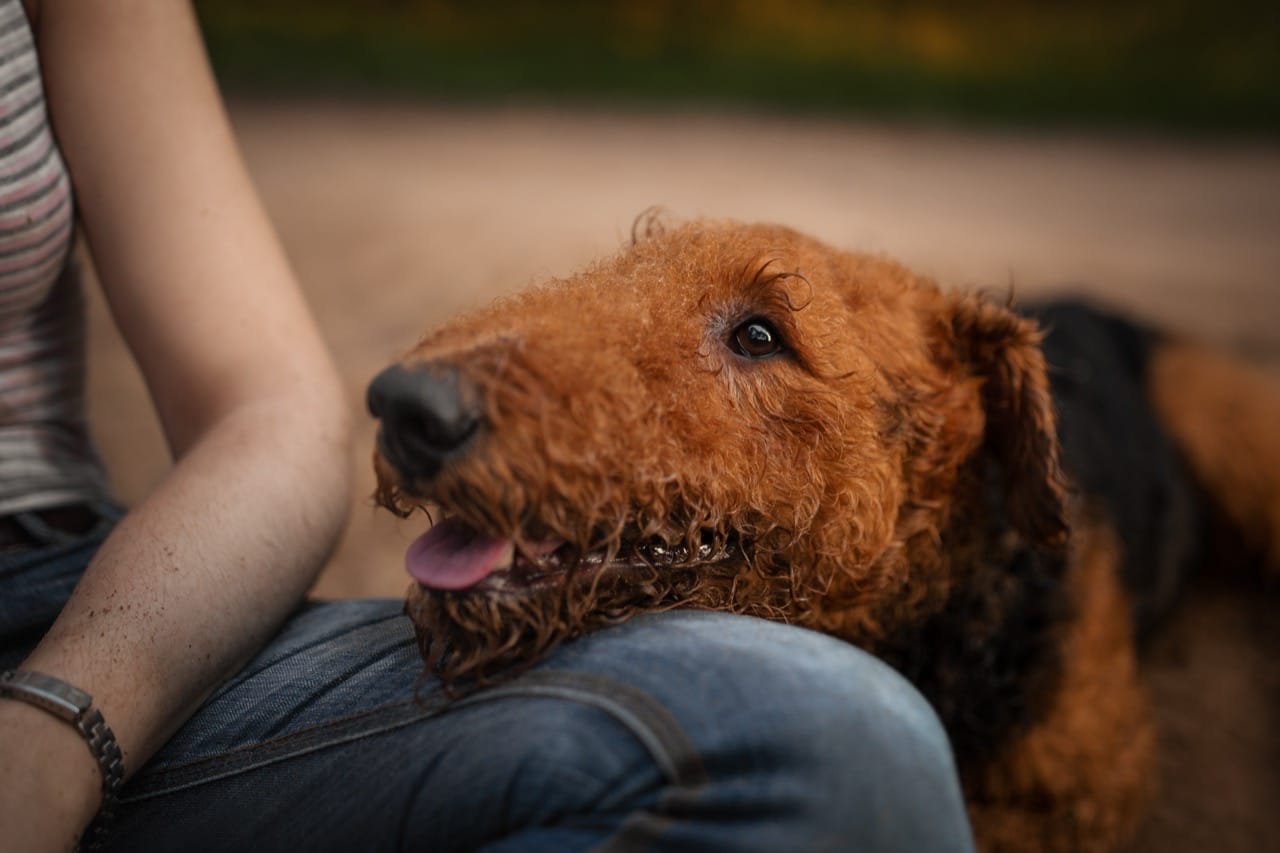
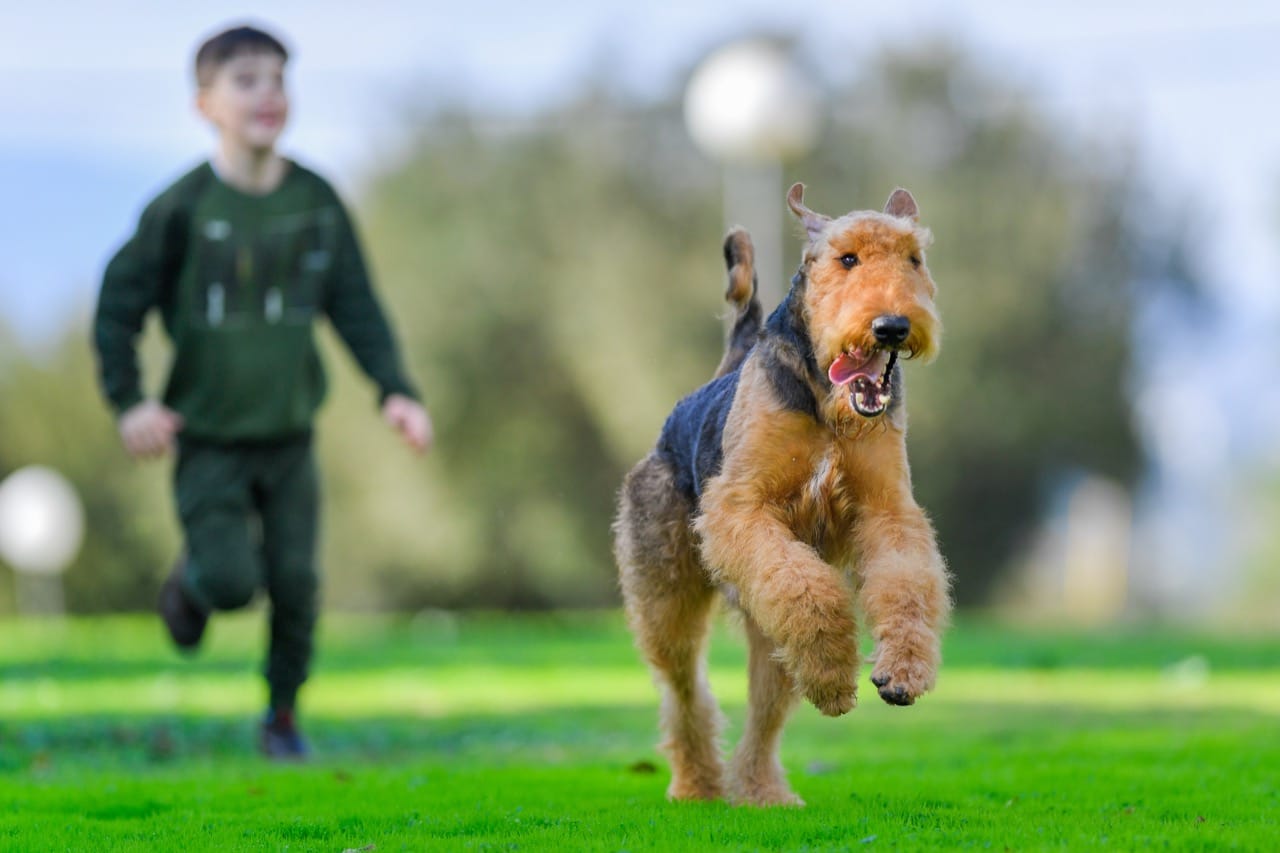
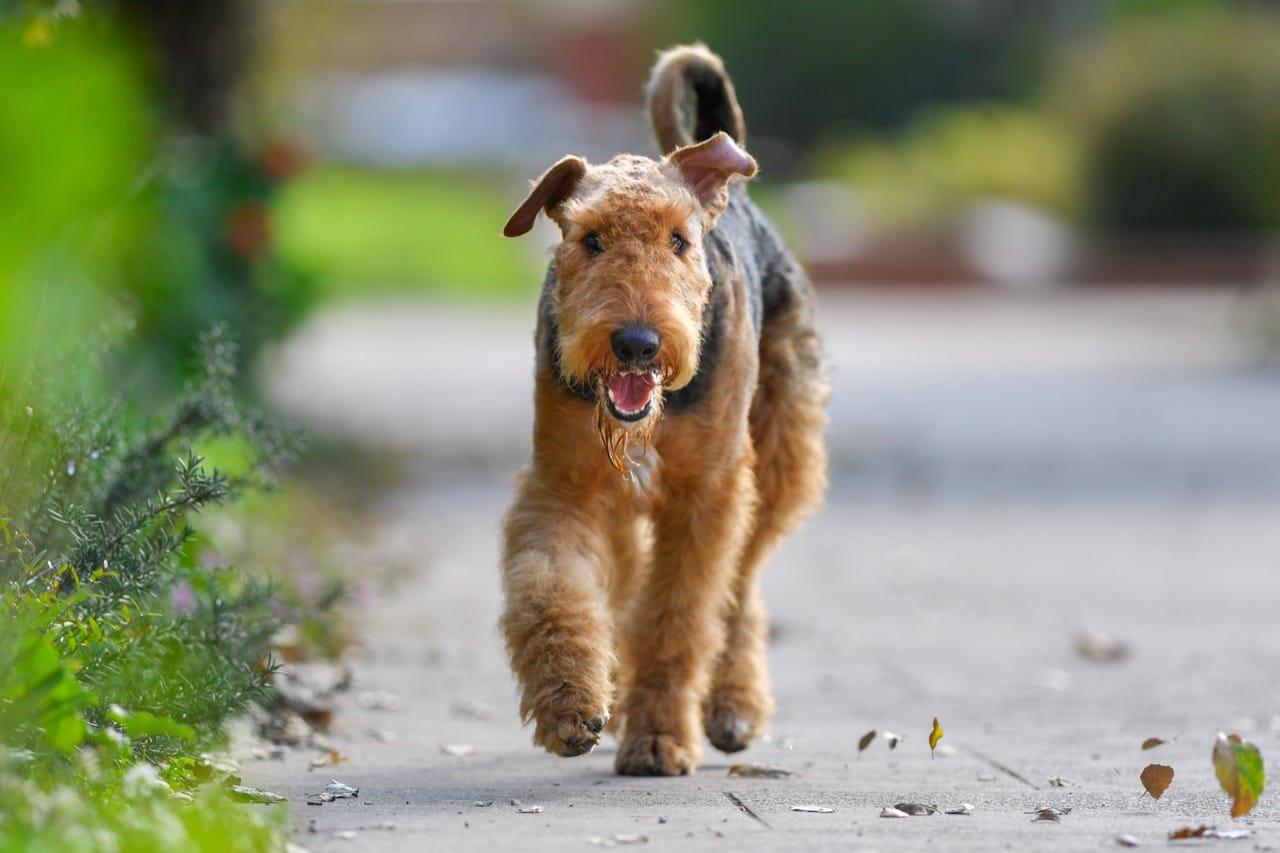
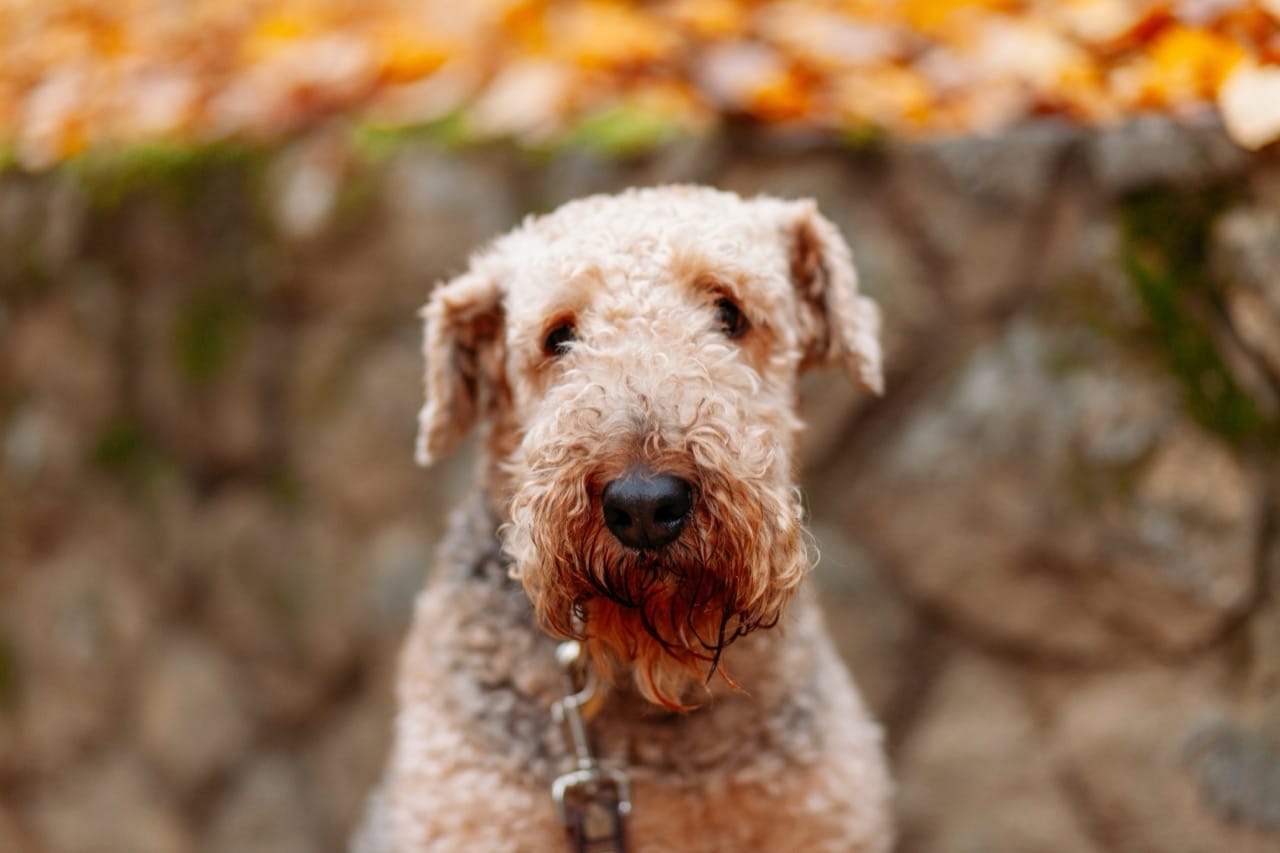
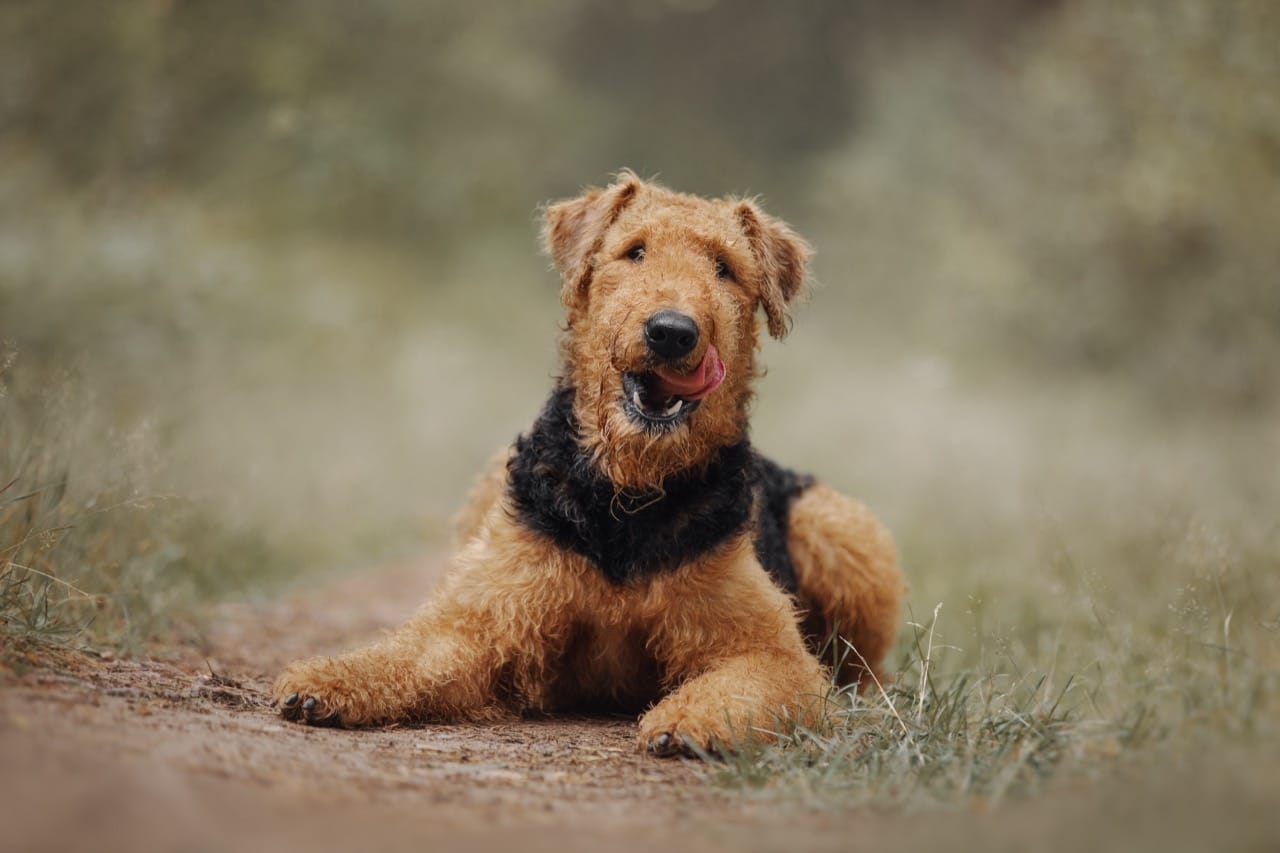
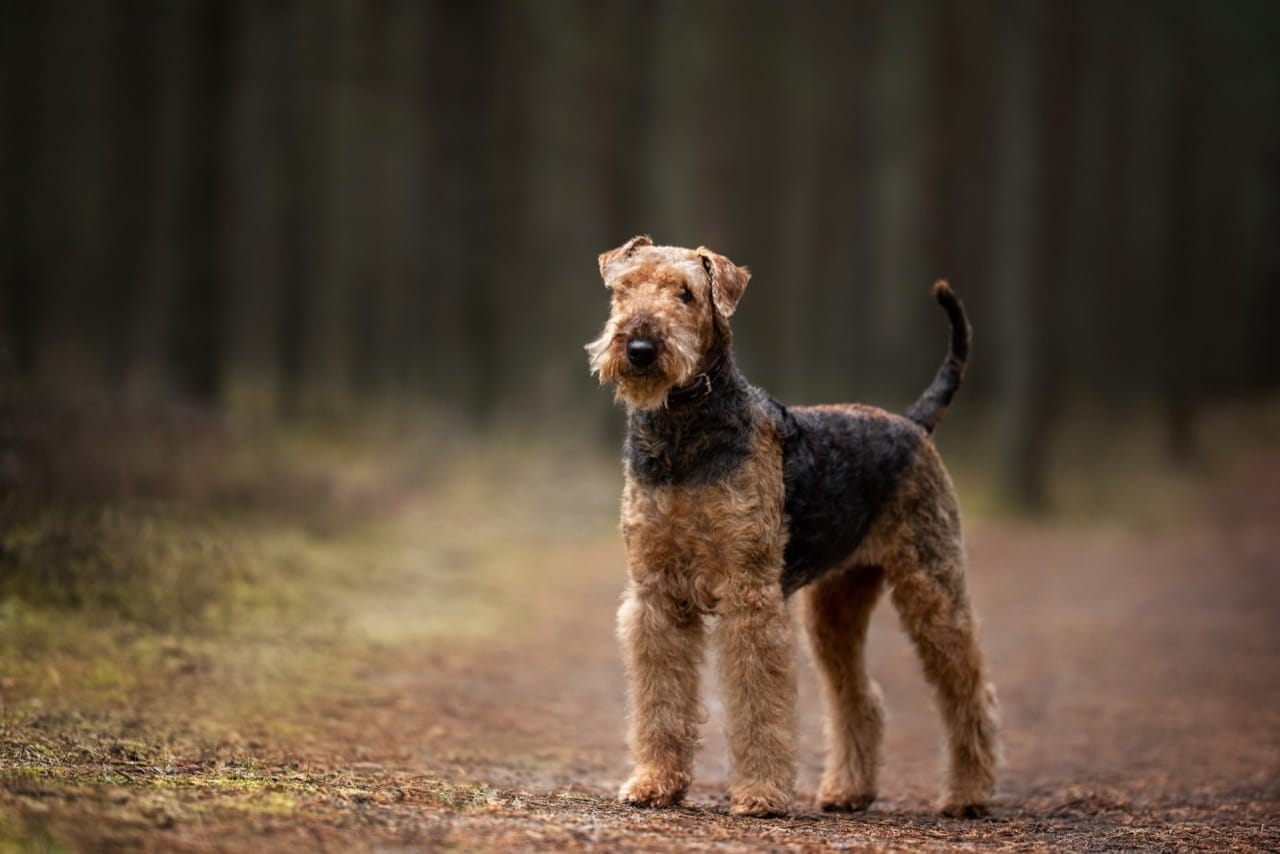
Physically, the Airedale is instantly recognizable when properly groomed, but many people miss how much of that look is created by skilled trimming rather than natural fluff. The ideal coat is hard, dense, and wiry, with a softer undercoat. That harsh texture is functional: it sheds dirt, offers protection from brush, and provides some insulation in wet conditions. A soft, cottony coat may look cuddly, but it is not typical of correct texture and can mat more easily. Traditional grooming relies on hand stripping, a technique that removes dead hairs from the coat so new harsh hairs can grow in. Clipping is easier, but repeated clipping often softens and lightens the coat, changing both appearance and feel. The classic Airedale outline is also sculpted by trim: a clean neck, tidy shoulders, a defined jacket on the body, and fuller furnishings on the legs and face.
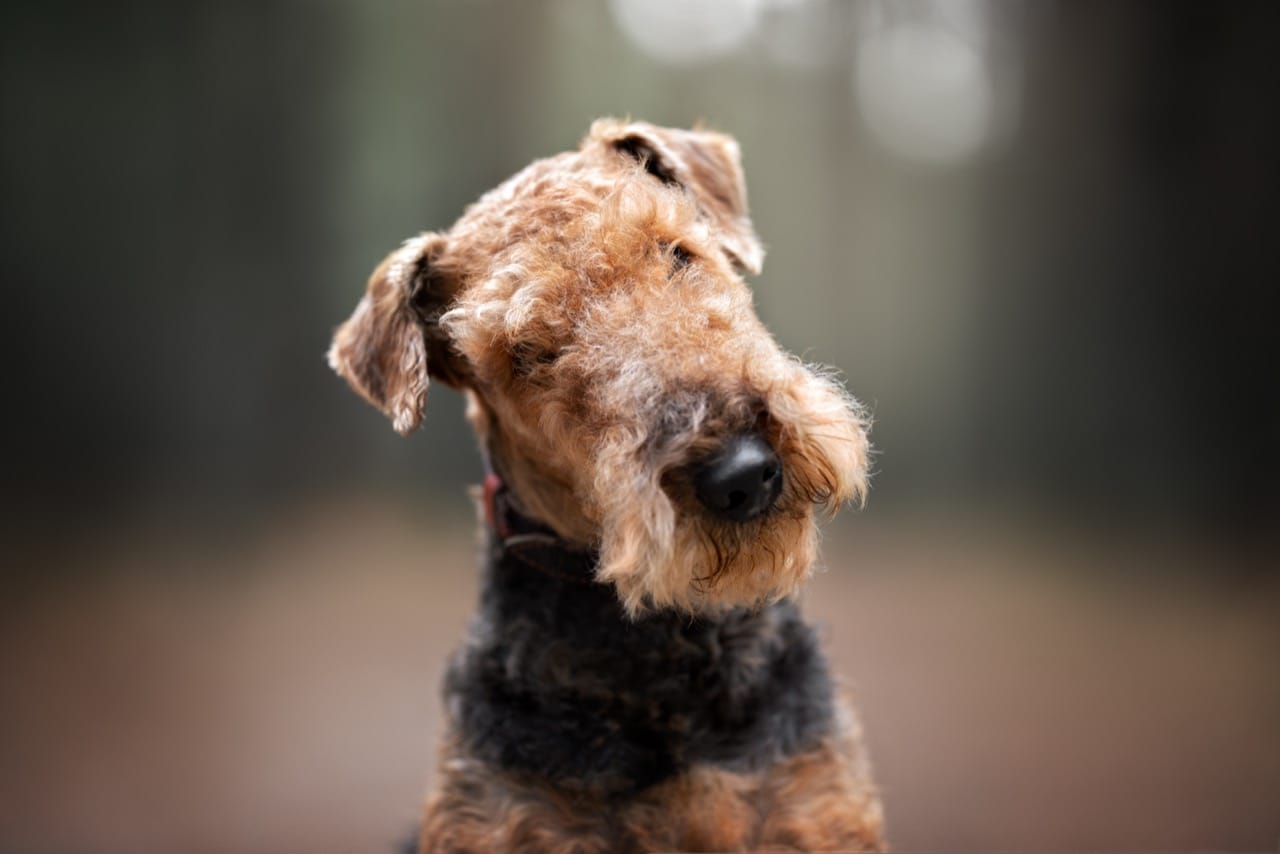
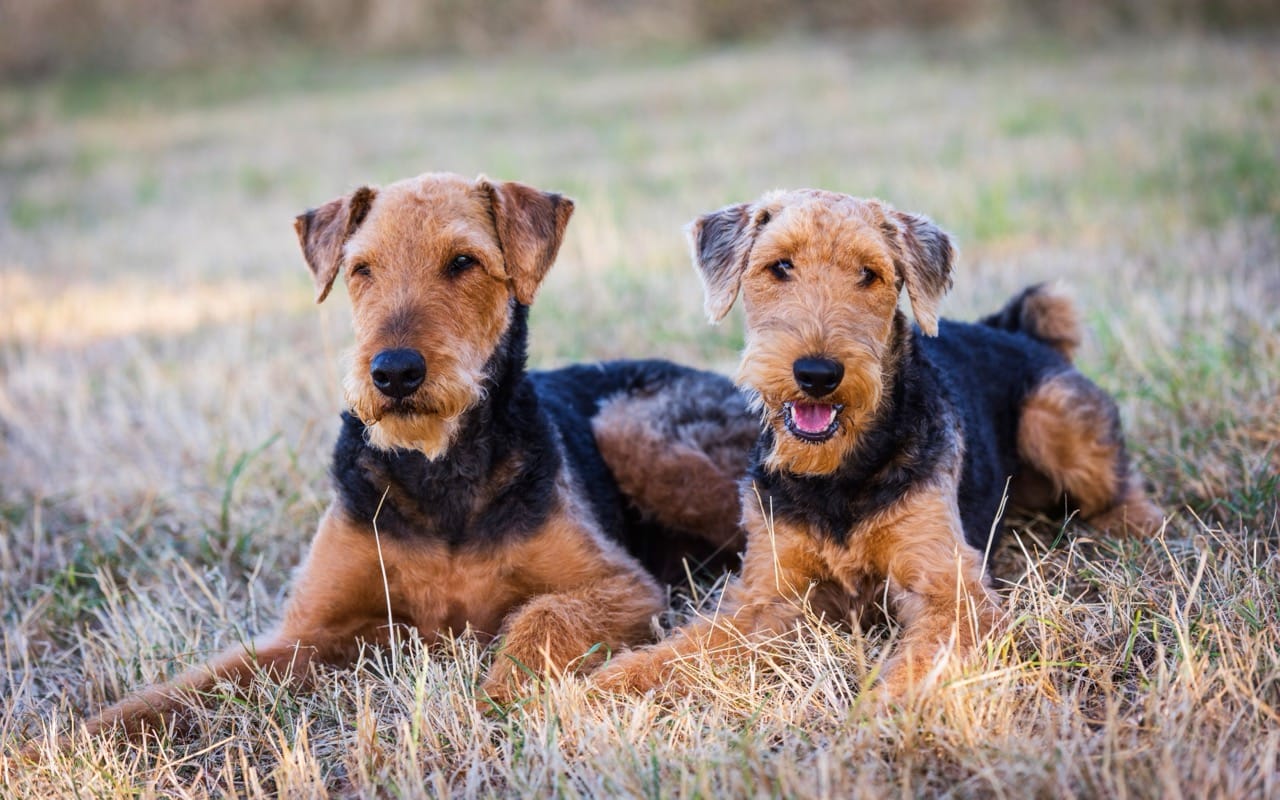
That face is one of the breed’s signatures. The rectangular head, strong jaw, and distinct beard and mustache are not just decoration; they emphasize the terrier expression and the long, flat planes of the skull and muzzle. Small, dark eyes contribute to the keen look, and the V shaped ears fold forward, framing the face without being heavy. Another hallmark is the tail carriage, traditionally docked in some places and left natural in others, but ideally carried high with confidence. Under the grooming, the build matters: Airedales are meant to be square and athletic, with a level topline and enough bone and muscle to move efficiently all day.
The color pattern is also part of the breed identity. Most people know the tan legs and head with a black or grizzle saddle, but the saddle can vary in shade and distribution. In working terms, that dark jacket was never the point; the point was a dog that could swim, track, and dispatch pests, then come home and keep watch. If you want to understand why Airedale people get so particular about coat texture, trim, and structure, it helps to remember that the show ring simply preserved a working silhouette. The breed’s real heritage is a blend of toughness, adaptability, and a mind that is always turned on. If you live with one, you do not just own a terrier. You share your life with a clever, opinionated coworker who happens to look excellent in a well kept beard.