Snorts, Wrinkles, and Rumors About Bulldogs








Quiz Complete!
Snorts, Wrinkles, and Rumors About Bulldogs: Myths and Realities
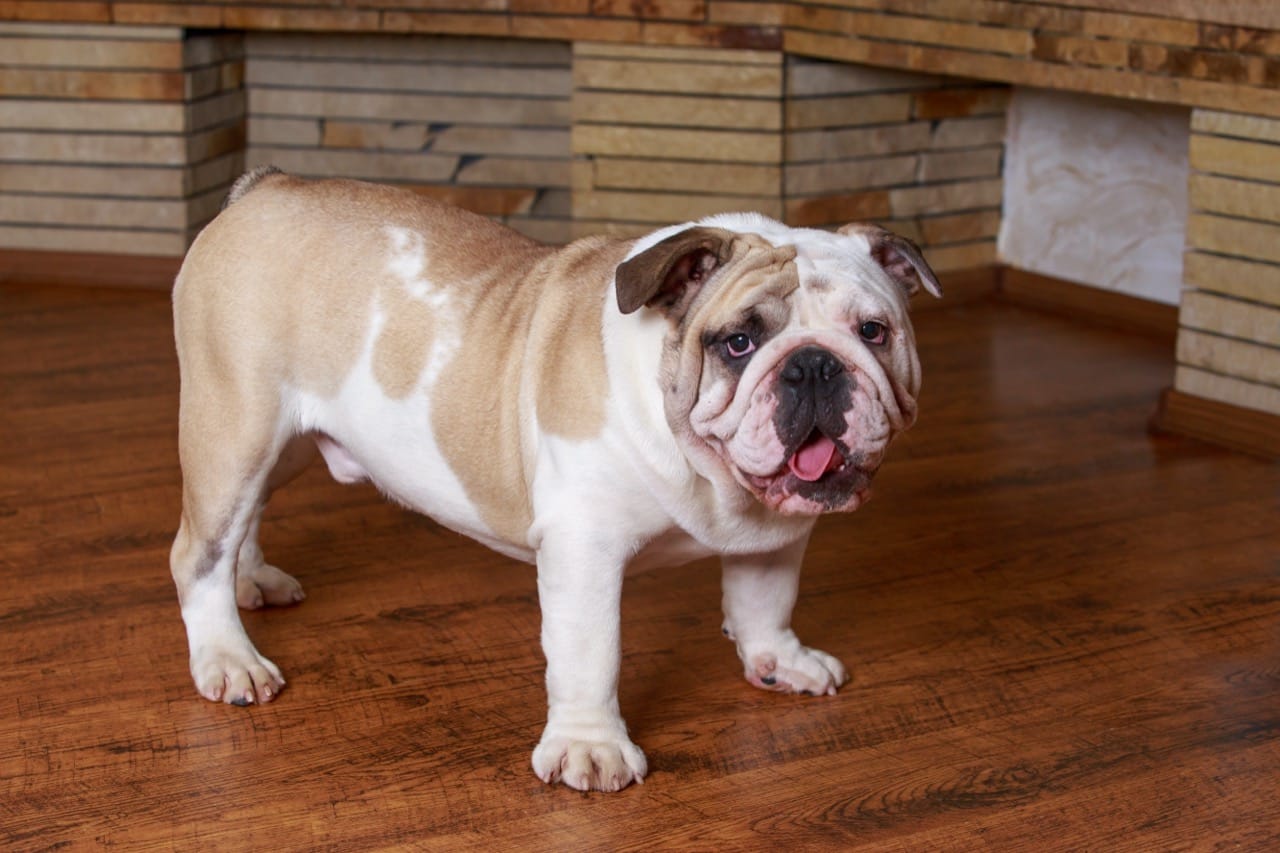
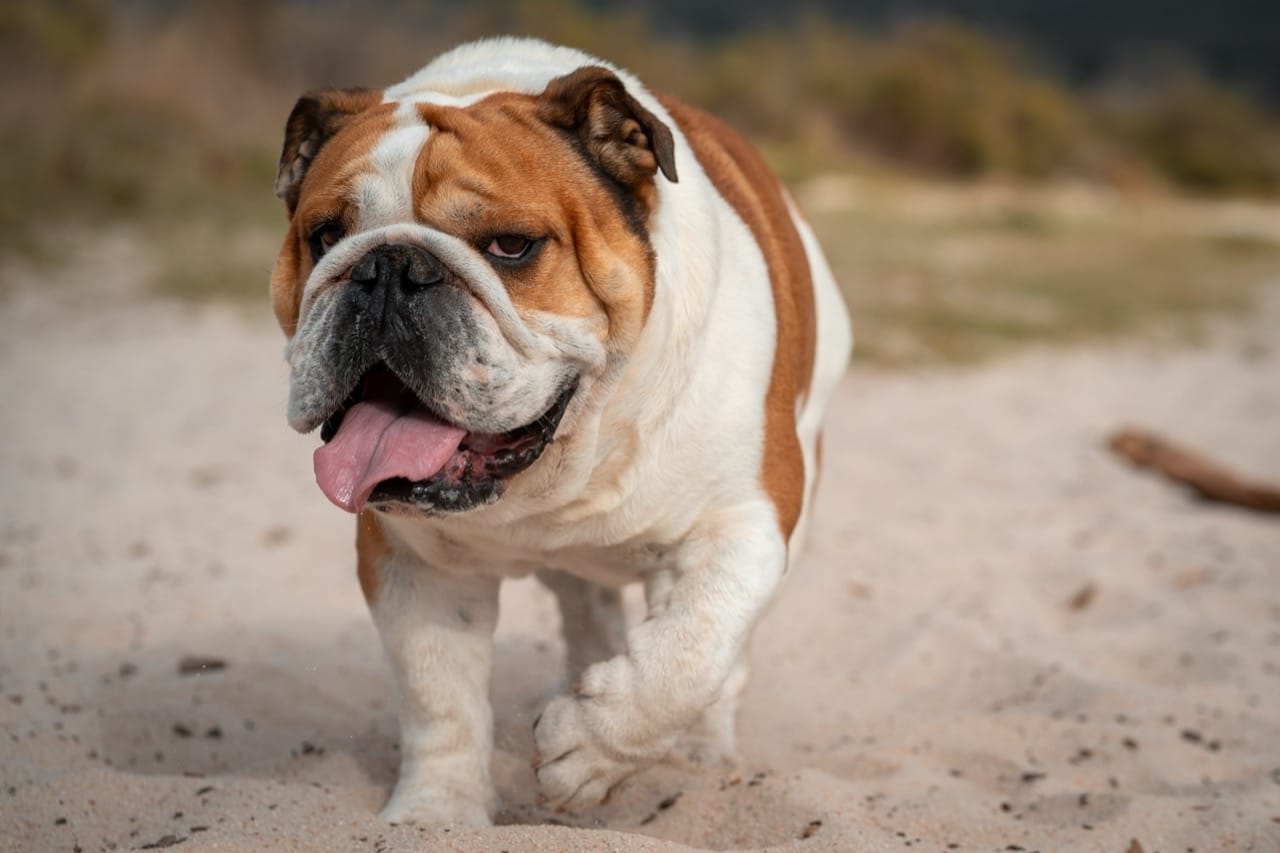
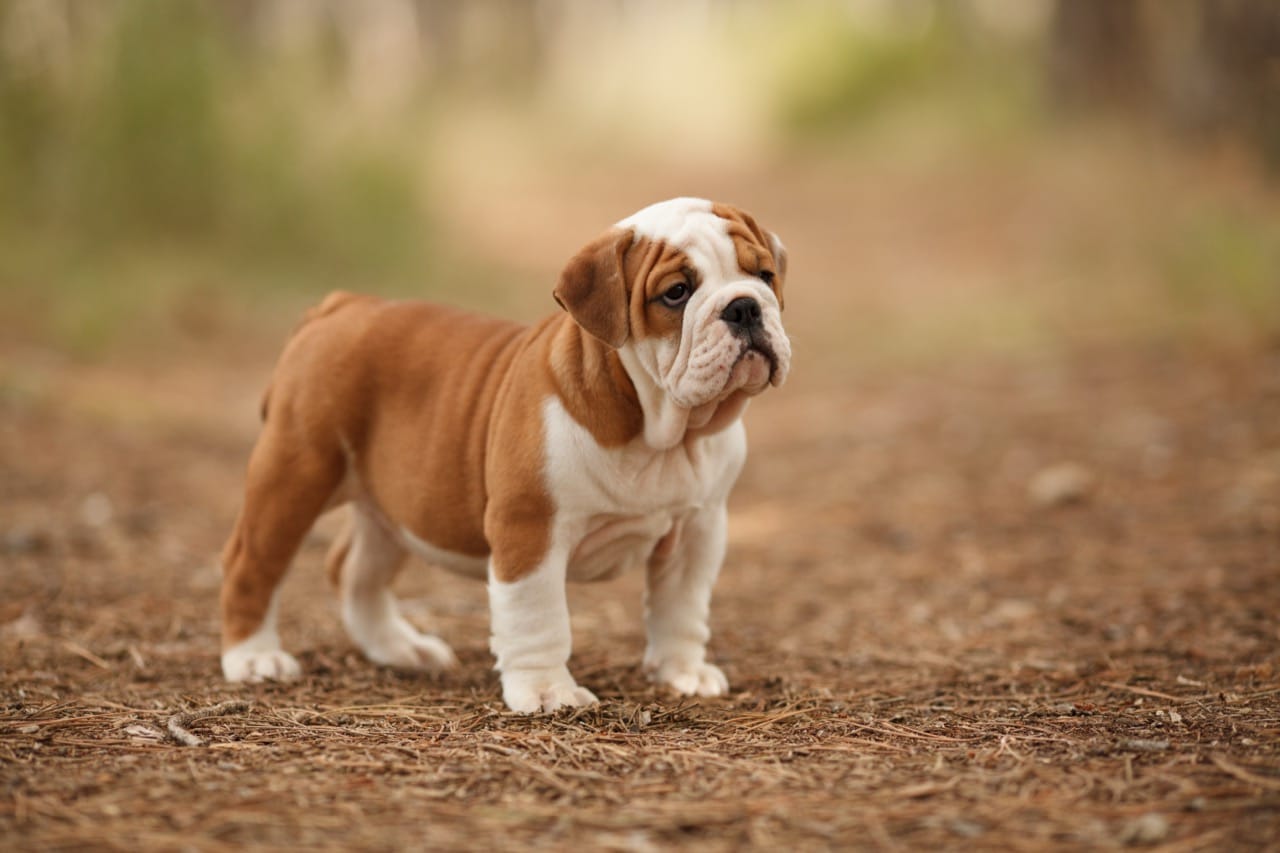
English Bulldogs are instantly recognizable: a low, sturdy body, a wide grin, and a soundtrack of snuffles and snores. That distinctive look has also inspired a long list of “facts” that get repeated online, at the dog park, and even by well-meaning friends. Some are partly true, many are outdated, and a few can lead owners to make choices that are risky for a dog’s health.
A common myth is that Bulldogs are lazy by nature and do not need exercise. In reality, many Bulldogs enjoy daily walks and play, but their bodies are built differently from those of long-nosed, athletic breeds. Their short muzzle can make breathing less efficient, especially during exertion, so they often do best with moderate, consistent activity rather than intense running. A young, fit Bulldog may happily trot along for a short walk, while another may need a slower pace and more breaks. The key is conditioning and observation, not assuming the breed is destined for the couch.
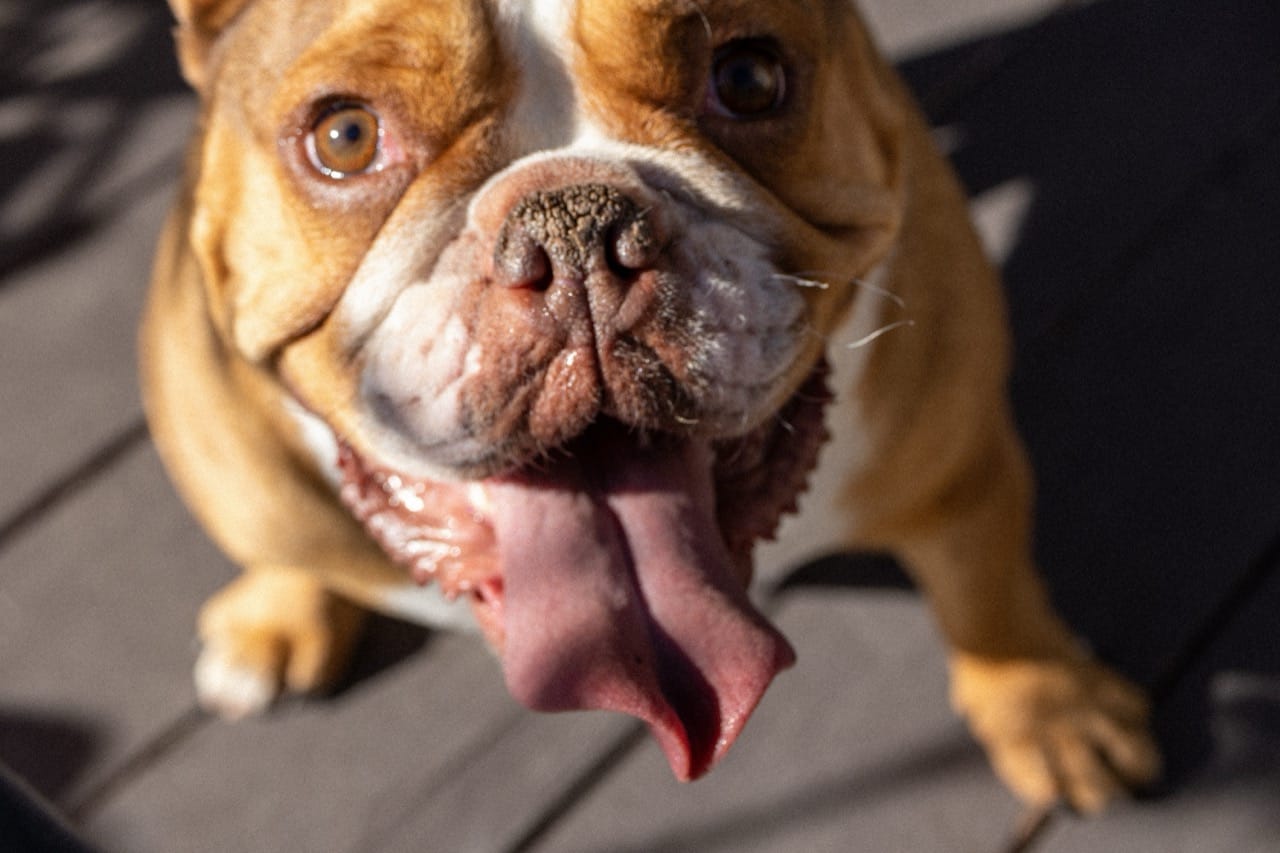
That short muzzle is also behind another rumor: that all Bulldog breathing is “normal.” Snorting can be harmless, but constant noisy breathing, frequent gagging, trouble sleeping, or collapsing during exercise can signal airway problems. Many Bulldogs have some degree of brachycephalic airway syndrome, which can involve narrowed nostrils, an elongated soft palate, or other issues that make airflow harder. Responsible breeding, maintaining a healthy weight, and veterinary guidance can make a big difference. It is not about accepting discomfort as cute; it is about recognizing when a dog is struggling.
Heat safety is where myths can become dangerous. People sometimes treat Bulldogs like any other dog on a hot day, assuming shade and water are enough. Because Bulldogs cool themselves mainly by panting, and panting is less efficient with a short muzzle, they can overheat quickly. Warm weather, humidity, and excitement can combine into an emergency faster than many owners expect. Early morning or evening walks, air-conditioned rest, and avoiding strenuous play in heat are practical, life-saving habits.
Wrinkles are another misunderstood feature. They are adorable, but they are not maintenance-free. Skin folds can trap moisture, debris, and bacteria, leading to irritation or infections. Cleaning and drying folds gently, especially around the face and tail area, is often part of routine care. The goal is comfort, not perfection: a quick check and regular hygiene prevent many problems.
Temperament myths swing to extremes. Bulldogs are sometimes labeled aggressive because of their muscular build and tough expression, but well-bred, well-socialized Bulldogs are typically affectionate, people-focused, and comically stubborn. Stubborn does not mean untrainable. They often respond best to short, upbeat training sessions with clear rewards, and they benefit from early socialization like any breed. Another myth is that Bulldogs cannot be active companions. Many enjoy games, puzzle toys, and gentle adventures, as long as their limits are respected.
The breed’s history also gets simplified. Bulldogs were once used in bull-baiting, but the modern English Bulldog has been shaped for companionship for generations. That does not erase the need for training and boundaries, but it does explain why so many Bulldogs thrive as family dogs.
Finally, the swimming rumor has a kernel of truth. Many Bulldogs are poor swimmers because of their heavy front end and short legs, but it is not a challenge to test. Around pools, lakes, or boats, supervision and a properly fitted life jacket are smart precautions.
Knowing the difference between charming quirks and real needs helps Bulldogs live healthier, happier lives. The snorts and wrinkles are part of the package, but responsible care is what makes the iconic look match an equally comfortable reality.